Photorealistic Men’s Beauty Portrait from a Reference Image
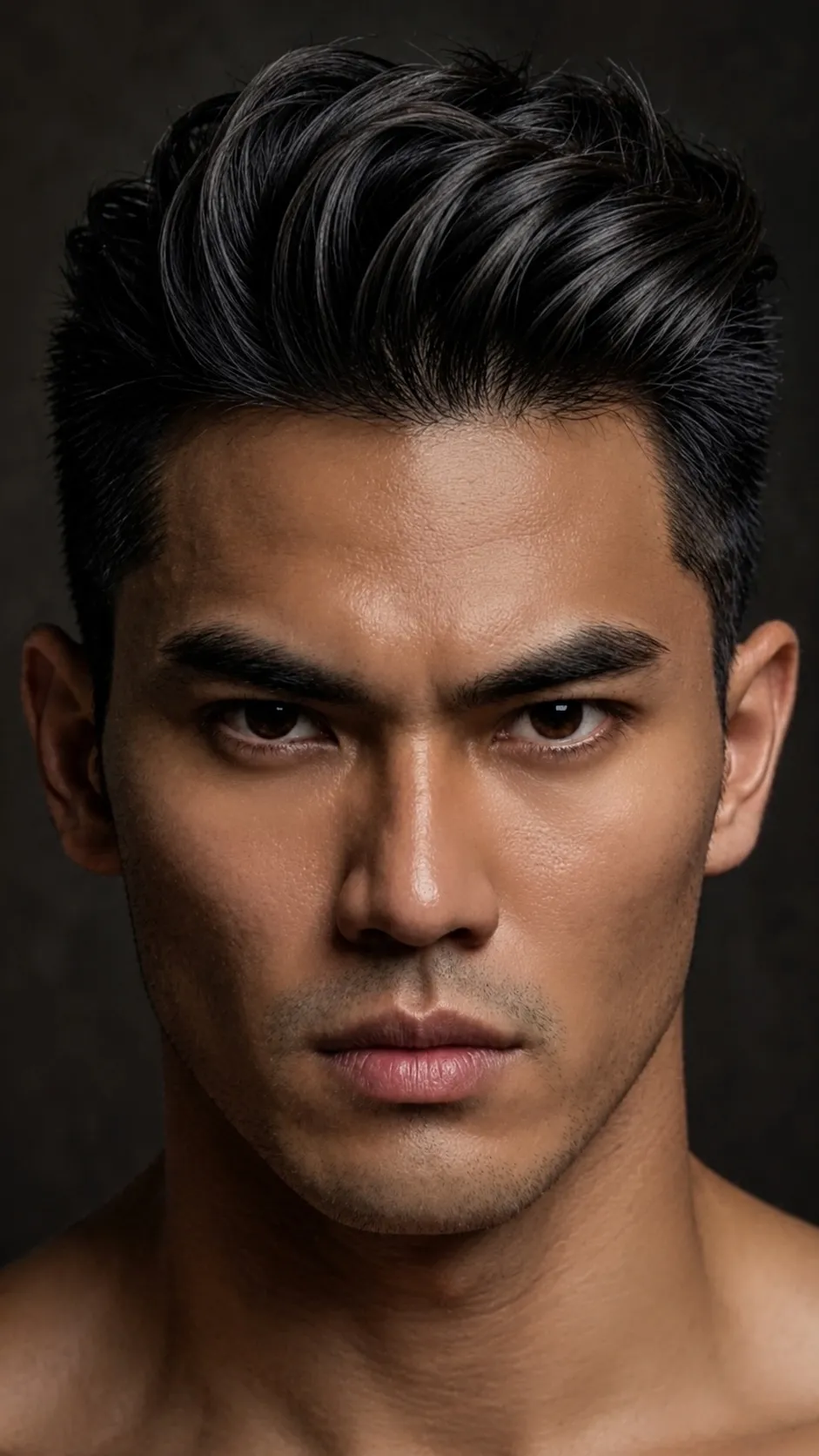
Create a high-resolution, cinematic close-up portrait that preserves the identity and natural facial details of the young adult man in the reference image.
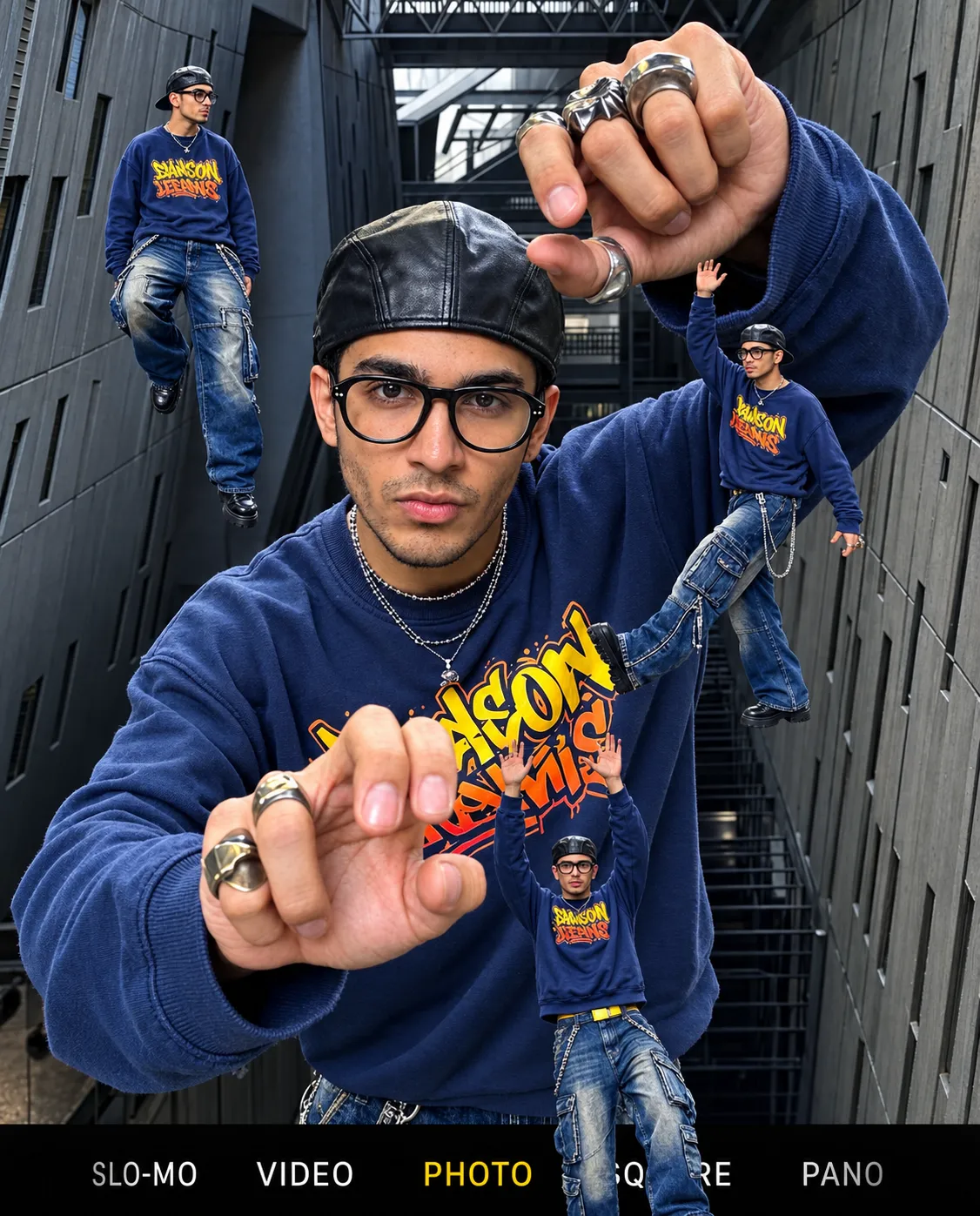
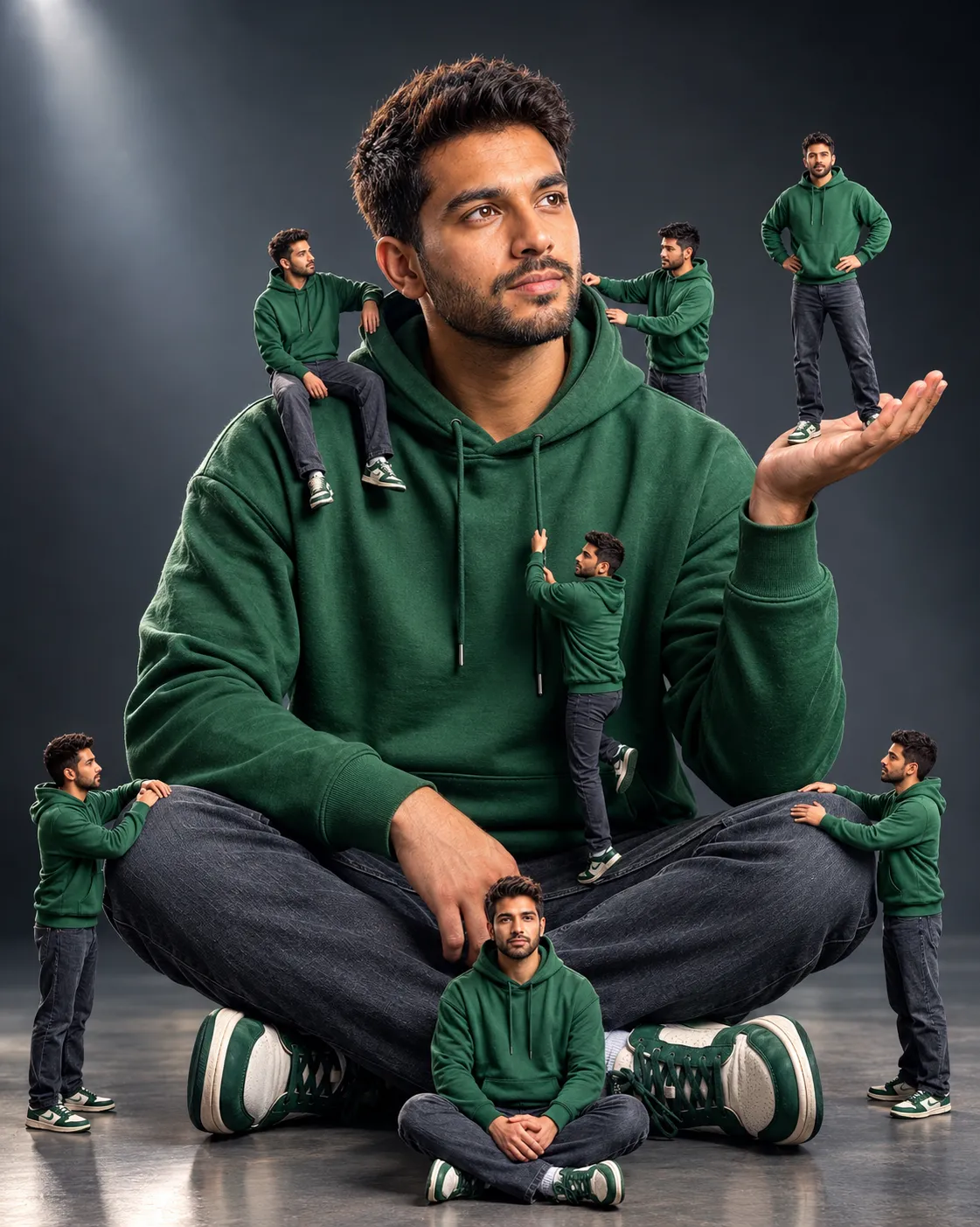
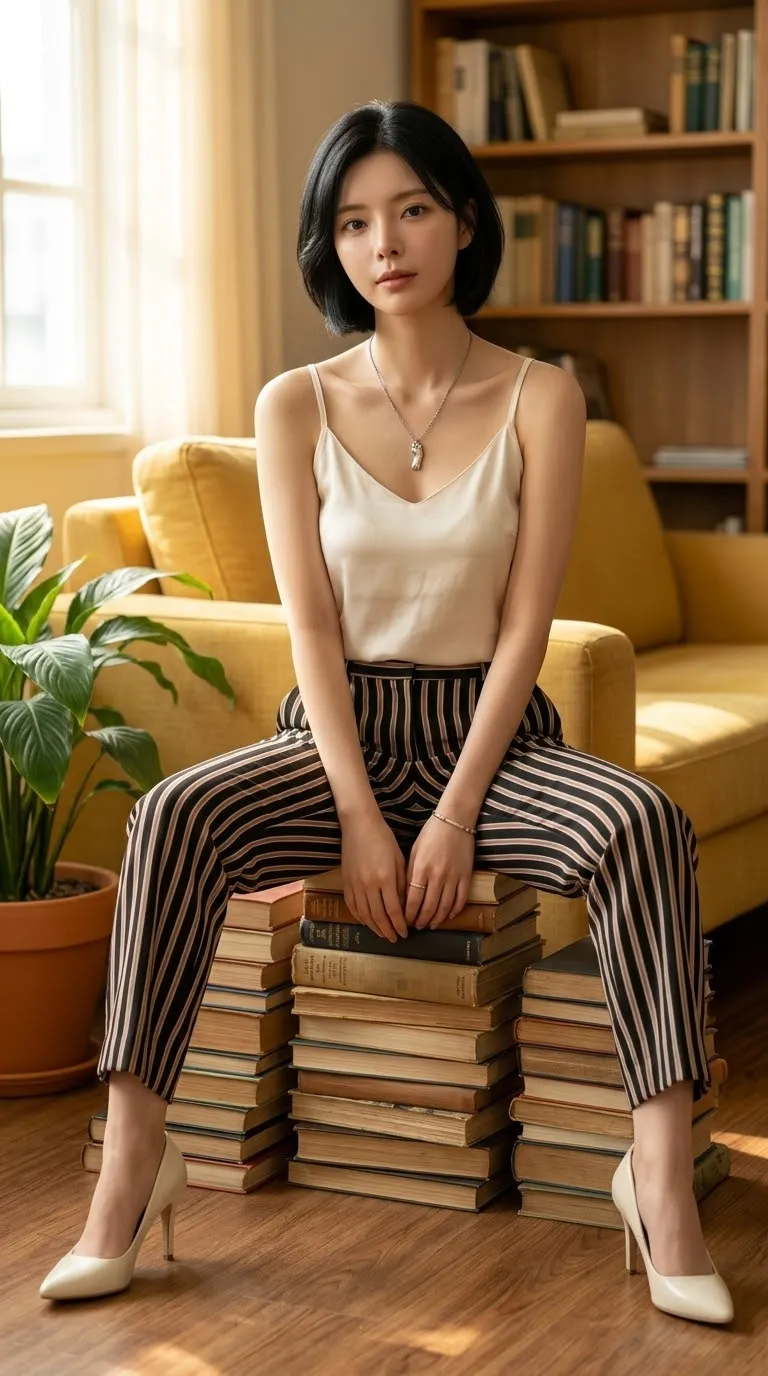
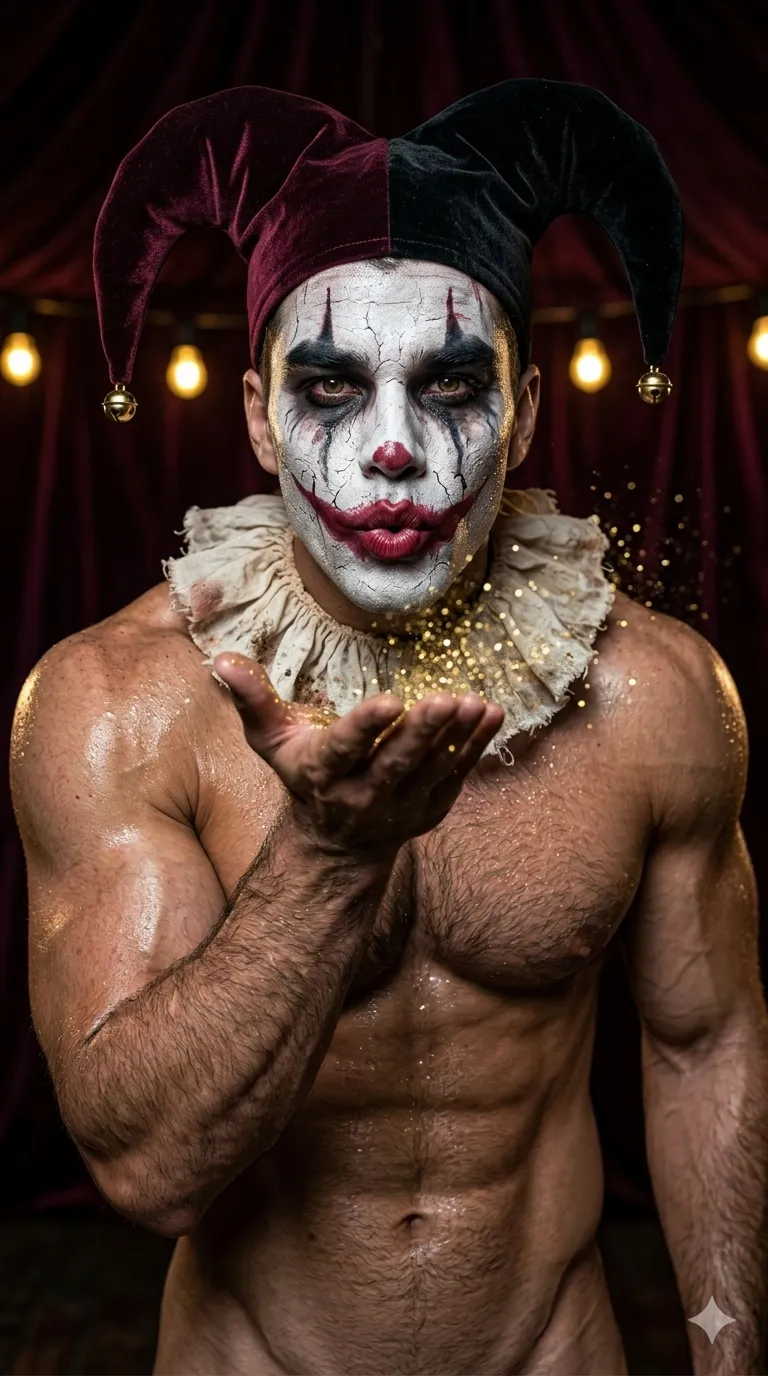
Example outputs
Prompt template
- Format
- Text
- Inputs
- Reference_image (image) · Required
- Outputs
- Portrait (image)
Create an ultra-photorealistic, high-resolution cinematic close-up portrait of a handsome young adult man, closely matching the uploaded reference image in facial identity, structure, proportions, skin tone, eyes, eyebrows, nose, lips, jawline, facial hair, hairstyle, expression, lighting, and overall visual character.

Preserve the reference face and keep the identity unchanged. Maintain the same facial proportions, eye shape and color, eyebrow shape, nose structure, lips, jawline, cheekbones, chin, forehead, ears, skin tone, facial-hair pattern, hairline, and natural asymmetry. Do not change, beautify, feminize, reshape, or reinterpret the facial features. Do not create a different person; the face must remain instantly recognizable as the same individual in the reference image.

The eyes are the primary focal point. Preserve the reference’s warm medium-brown or hazel-brown eyes, with realistic iris detail, natural radial patterns, subtle color variation, realistic moisture, and tiny catchlights. The subject looks directly at the camera with an intense, calm, serious, confident expression. Keep natural eyelids, eyelashes, under-eye texture, subtle fine lines, and realistic eye moisture visible.

Give the subject thick, naturally masculine dark eyebrows with realistic individual hairs and slight natural irregularity. The expression should be serious, composed, confident, intense, and quietly powerful, without smiling. Subtle tension around the brow and eyes should create a sophisticated high-fashion editorial mood.

Render extremely realistic human skin with visible pores, fine lines, subtle wrinkles, tiny imperfections, natural pigmentation, realistic skin grain, slight unevenness, and authentic facial texture. Preserve the reference’s natural skin character. Include forehead texture; pores around the nose and cheeks; subtle under-eye lines; natural nasolabial texture; slight redness around the eyes; realistic lip texture; tiny facial imperfections; individual beard follicles; and subtle skin sheen. The skin must not look airbrushed, waxy, plastic, overly smooth, or CGI-generated.

Maintain the reference’s short, naturally trimmed dark stubble, including visible individual beard follicles across the upper lip, cheeks, jawline, chin, and lower face. Make the stubble realistic and uneven in density, with individual hairs clearly visible in the high-resolution photograph.

Give the subject dark brown-to-black masculine hair, naturally styled with realistic individual strands and subtle texture. Keep the hairline and overall hairstyle consistent with the reference. Hair should have natural volume and slightly imperfect strands rather than appearing artificially sculpted.

Use an extreme close-up portrait composition, like a premium luxury men’s beauty campaign. The face should occupy almost the entire vertical frame. Frame from approximately the top of the forehead or hairline down to the lower neck, with the eyes near the upper-middle portion of the composition. Position the camera straight-on at eye level for an intimate, powerful portrait. Maintain natural facial proportions without wide-angle distortion.

Use dramatic cinematic studio lighting inspired by high-end men’s grooming and luxury beauty campaigns. A large soft key light illuminates the face from slightly above and directly in front, producing natural highlights across the forehead, nose, cheekbones, lips, and eyes. Add subtle directional shadowing along the sides of the face and jawline to emphasize facial structure. Create realistic specular highlights in the eyes and subtle natural sheen across the skin. Lighting should reveal realistic pores and facial detail without making the skin look harsh or artificially sharpened.

Use a minimal dark charcoal-to-black studio background, softly textured and completely out of focus, with no distracting objects. Provide subtle contrast against the face while maintaining a sophisticated luxury editorial atmosphere.

Photographic direction: high-end professional men’s beauty photography, cinematic editorial portrait, luxury grooming campaign, hyper-realistic photography. Simulate a professional full-frame mirrorless camera with an 85mm or 105mm portrait lens, f/4, ISO 100, and 1/160s shutter speed. Use tack-sharp focus on both eyes and a shallow depth of field that is still sufficient to preserve facial detail. Use natural warm-neutral skin tones with cinematic contrast. Render at 8K UHD with extremely detailed photographic realism.

Maintain natural human anatomy and facial proportions, physically accurate lighting, realistic pores, authentic skin texture, realistic eyes, individual eyelashes and eyebrow hairs, natural beard follicles, realistic lips, subtle facial asymmetry, and genuine photographic depth.

Avoid facial distortion, altered identity, beauty filters, plastic skin, excessive skin smoothing, an exaggerated jawline, oversized eyes, artificial irises, a fake beard, a CGI appearance, cartoon effects, oversharpening, unnatural symmetry, de-aging, and facial reshaping.

The final result should look like a genuine high-end professional photograph of the same person in the reference, captured for a luxury men’s skincare, grooming, or fashion campaign. Use a 9:16 vertical portrait aspect ratio.
What you'll create
A face fills almost the full vertical frame at eye level, with crisp irises and tiny catchlights. Natural beard follicles, subtle redness and fine lines remain under dramatic soft studio illumination.
Frequently asked questions
Should stubble appear uniformly painted?
No. Individual hairs and uneven density remain realistic.
What is the primary focal area?
The eyes lead the composition.



Comments
Tried this prompt? Share what you made, compare results, or ask a question