Red Monochrome Tribal-Art Fashion Portrait
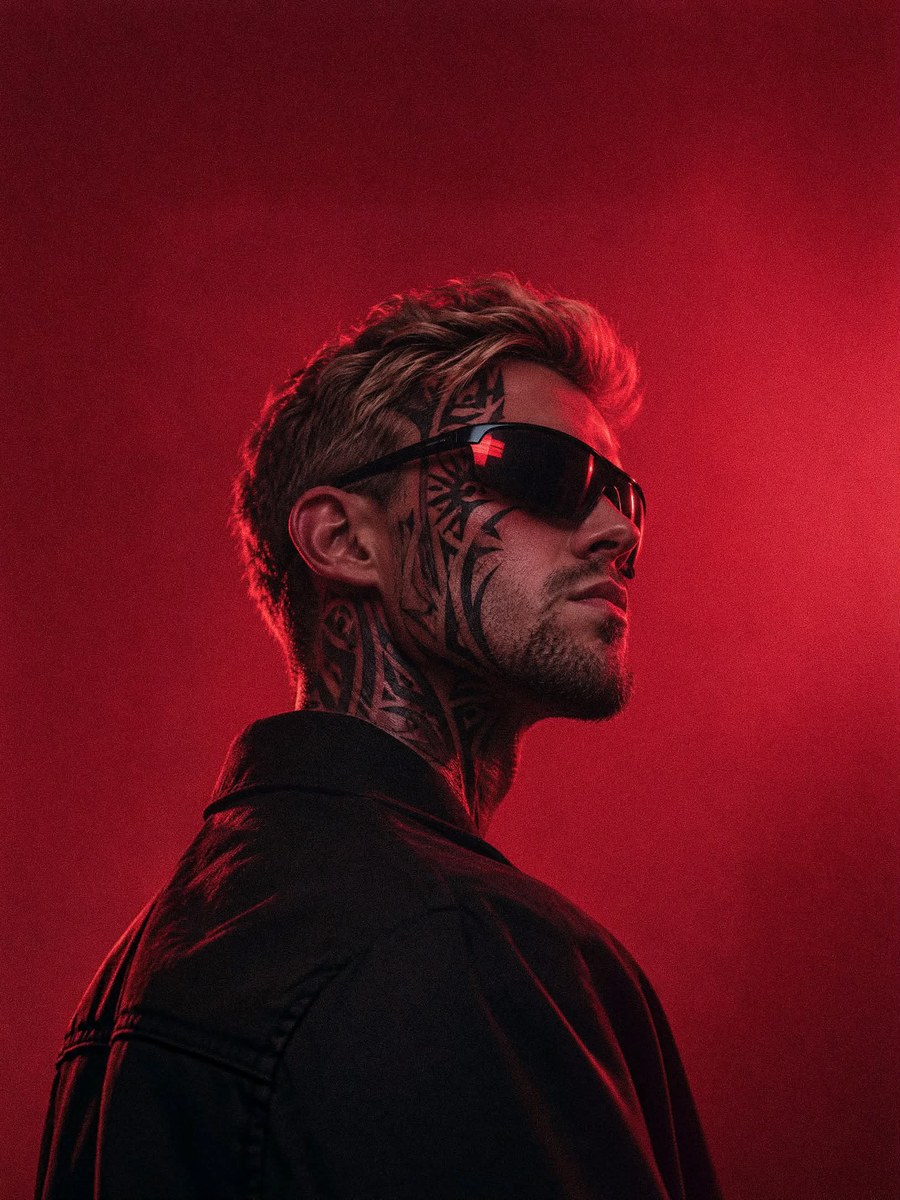
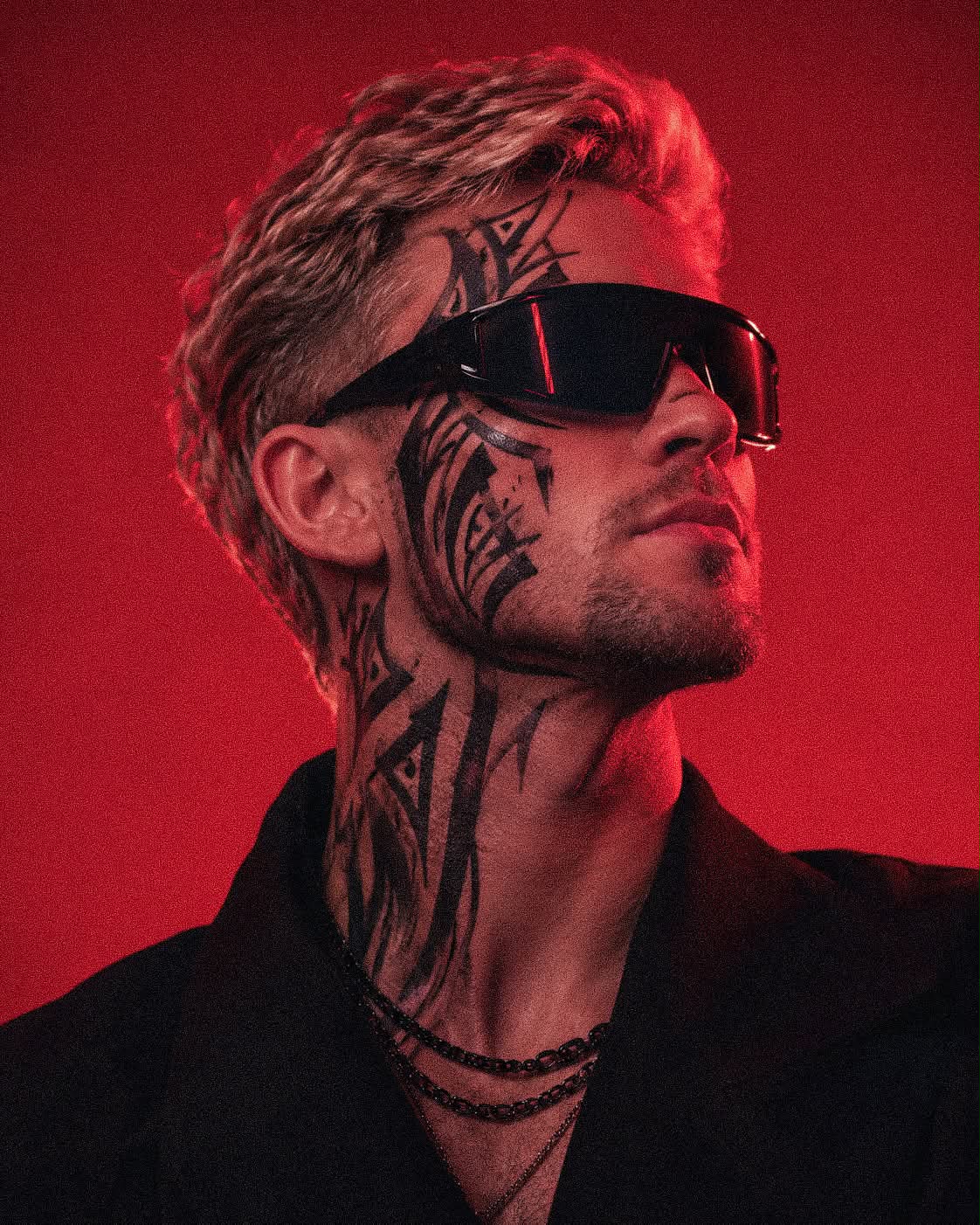
Create a photorealistic luxury fashion editorial portrait of a young adult man, preserving the identity in a required reference image.
Example outputs
Prompt template
- Format
- Text
- Inputs
- Identity_reference (image) · Required
- Outputs
- Editorial_portrait (image)
Create an ultra-photorealistic, high-end experimental fashion portrait of the young adult man in the uploaded identity reference. The final image must look like a genuine, professionally photographed luxury editorial campaign—not CGI, 3D, illustration, or an AI-looking image.

IDENTITY — ABSOLUTE PRIORITY
Use the uploaded identity image as the only identity reference for the male subject. Preserve his exact recognizable identity and natural facial anatomy: head and face shape, forehead and hairline, eyebrow shape and placement, eye shape and spacing, nose bridge, width, tip and nostrils, lips and mouth proportions, cheekbones, jawline, chin, ears and their placement, neck proportions, natural skin texture and pores, facial asymmetry, apparent age, and recognizable facial characteristics. Preserve facial hair only if it is present in the reference. Keep him clearly recognizable as the same real person. Do not substitute a generic fashion model, alter his ethnicity, age, facial proportions or bone structure, or beautify or redesign his face.

POSE AND CAMERA ANGLE
Create a dramatic extreme three-quarter, near-profile portrait. Turn the man’s body approximately 60–70 degrees away from the camera. Tilt his head slightly upward and direct his face toward the upper-right side of the frame. Position the camera slightly below eye level for a powerful low-angle editorial perspective. Strongly illuminate only one side of the face; let the nose, lips, cheekbone and jawline form a dramatic continuous silhouette. The pose should feel powerful, confident, mysterious and statuesque. Frame from approximately the upper chest to the top of the head, with the head and neck dominating the composition.

HAIR AND ACCESSORIES
Preserve recognizable hairstyle characteristics from the identity reference while adapting the hair naturally to the editorial concept. Show realistic individual strands and natural volume, with slightly textured, imperfect styling; avoid plastic or overly perfect hair. Use strong rim lighting to separate the hair from the red background.

Add futuristic, oversized black wraparound sunglasses with a sleek high-fashion silhouette and dark glossy frames. Large lenses should partially cover the eyes and show subtle reflections of the red studio lighting. Make the glasses look like a real luxury fashion accessory, with no visible logo or cartoonish proportions. Fit them realistically to the natural geometry of the face, nose and ears.

TRIBAL-INSPIRED BODY ART
Create intricate black tribal-inspired graphic body paint extending across one side of the face, temple, forehead, cheek and neck. Include geometric lines, abstract angular symbols, organic tribal patterns, elongated curves, sharp graphic shapes, symmetrical and asymmetrical elements, subtle eye-like motifs and intricate hand-drawn details. The artwork should appear physically painted or applied directly to the skin and follow the anatomical contours of the forehead, cheekbone, jaw and neck. Show visible pores beneath the paint, slight imperfections, natural texture, realistic edges and subtle variation in density; avoid perfectly digital edges. The artwork should evoke contemporary tribal fashion and editorial body painting, not any specific real-world cultural costume.

LIGHTING AND BACKGROUND
Use extremely dramatic red monochromatic studio lighting, dominated by deep crimson and scarlet. A powerful red key light illuminates the visible side of the face while the opposite side falls into extremely deep burgundy-black shadow. Create sculptural highlights across the forehead, nose bridge, cheekbone, lips, jawline, neck and sunglasses. Keep shadows rich and nearly black, with subtle red rim light around the hair and shoulders. Lighting should feel cinematic and physically realistic.

Use a minimal, seamless, intense crimson-red studio background. Keep it completely clean: no objects, architecture, scenery or visible horizon. Make the background slightly darker near the edges for subtle vignette depth, so the subject emerges dramatically from the red environment.

CLOTHING AND COLOR
Dress the man in a minimalist black luxury fashion jacket or oversized black shirt made of deep matte-black fabric with subtle, realistic texture. Show the collar and shoulders at the bottom of the frame. Add understated layered black or metallic necklaces around the neck; keep jewelry subtle and sophisticated. No logos or visible brand names.

Limit the palette strictly to crimson red, deep scarlet, black and extremely subtle dark burgundy. Let the red lighting influence the skin while retaining realistic anatomical detail. No blue, green, yellow, multicolor RGB lighting or colorful neon.

CAMERA AND PHOTOGRAPHIC TEXTURE
Use the look of a professional full-frame fashion camera with an approximately 85mm portrait lens and an aperture around f/1.8–f/2.2. Use shallow depth of field, extremely sharp focus on the visible facial contours, sunglasses and tribal artwork, natural optical compression, subtle falloff toward the background and realistic lens rendering. Do not use artificial digital blur.

Make the image feel like authentic high-end editorial photography. Add subtle fine 35mm film grain, realistic skin pores, tiny photographic imperfections, soft highlight roll-off, subtle halation around red highlights, natural lens bloom, deep cinematic blacks and realistic shadow detail. Keep the image tactile and photographic; avoid excessive digital noise.

COMPOSITION AND MOOD
Use a vertical 4:5 fashion editorial composition. The subject should occupy approximately 70–80% of the frame, with his head slightly above center and large areas of clean red negative space around the silhouette. Create a strong diagonal through the face, sunglasses and neck. The composition should resemble a luxury fragrance or avant-garde fashion campaign.

The mood should be powerful, dark, mysterious, futuristic, sensual, rebellious, sophisticated and avant-garde, combining high-fashion editorial photography, underground music-cover aesthetics and luxury fragrance advertising.

REALISM AND EXCLUSIONS
Maintain maximum photorealism: realistic facial anatomy, skin pores, facial hair if present in the identity reference, sunglasses reflections, body-paint interaction with skin, hair strands, clothing texture and shadows. Make hands realistic if visible. The final image must look like a photograph captured by a professional fashion photographer in a controlled studio.

Avoid CGI, 3D renders, illustration, painting, anime, cartoons, generic models, face swaps, identity changes, redesigned faces, altered facial anatomy, changed noses, changed jawlines, changed eye shapes, artificial symmetry, beauty filters, plastic skin, excessive smoothing, airbrushed skin, fake tattoos, sticker-like body paint, digital-looking tribal graphics, distorted or warped sunglasses, extra eyes, duplicated facial features, deformed ears, distorted necks, extra limbs, text, logos, watermarks, colorful backgrounds, blue or green lighting, cyberpunk cities, futuristic objects, excessive neon, excessive HDR, oversharpening and unrealistic skin.

Most importantly, preserve the exact identity of the man in the uploaded reference. Change the environment, lighting, pose, styling, sunglasses and editorial body-art concept, but never redesign or replace his recognizable face.
What you'll create
An adult man appears in a realistic luxury campaign that transforms lighting, environment and body-art styling. The red monochrome direction and changed accessories leave the recognizable facial structure intact.
Frequently asked questions
Does the reference face get redesigned?
No. Facial anatomy remains exact despite styling changes.
Should it resemble CGI?
No. It must look professionally photographed.




Comments
Tried this prompt? Share what you made, compare results, or ask a question