Perforation Afterimage
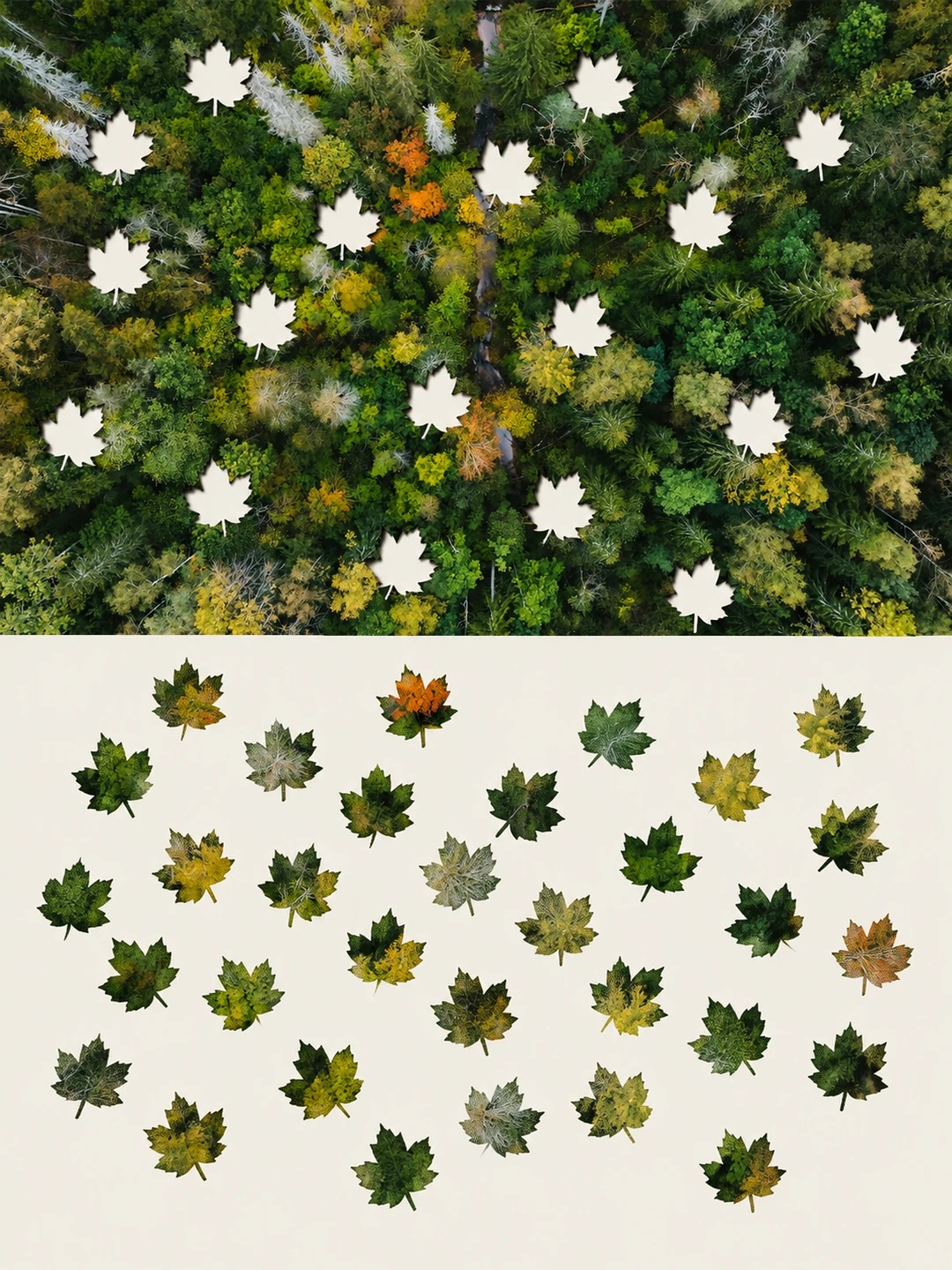
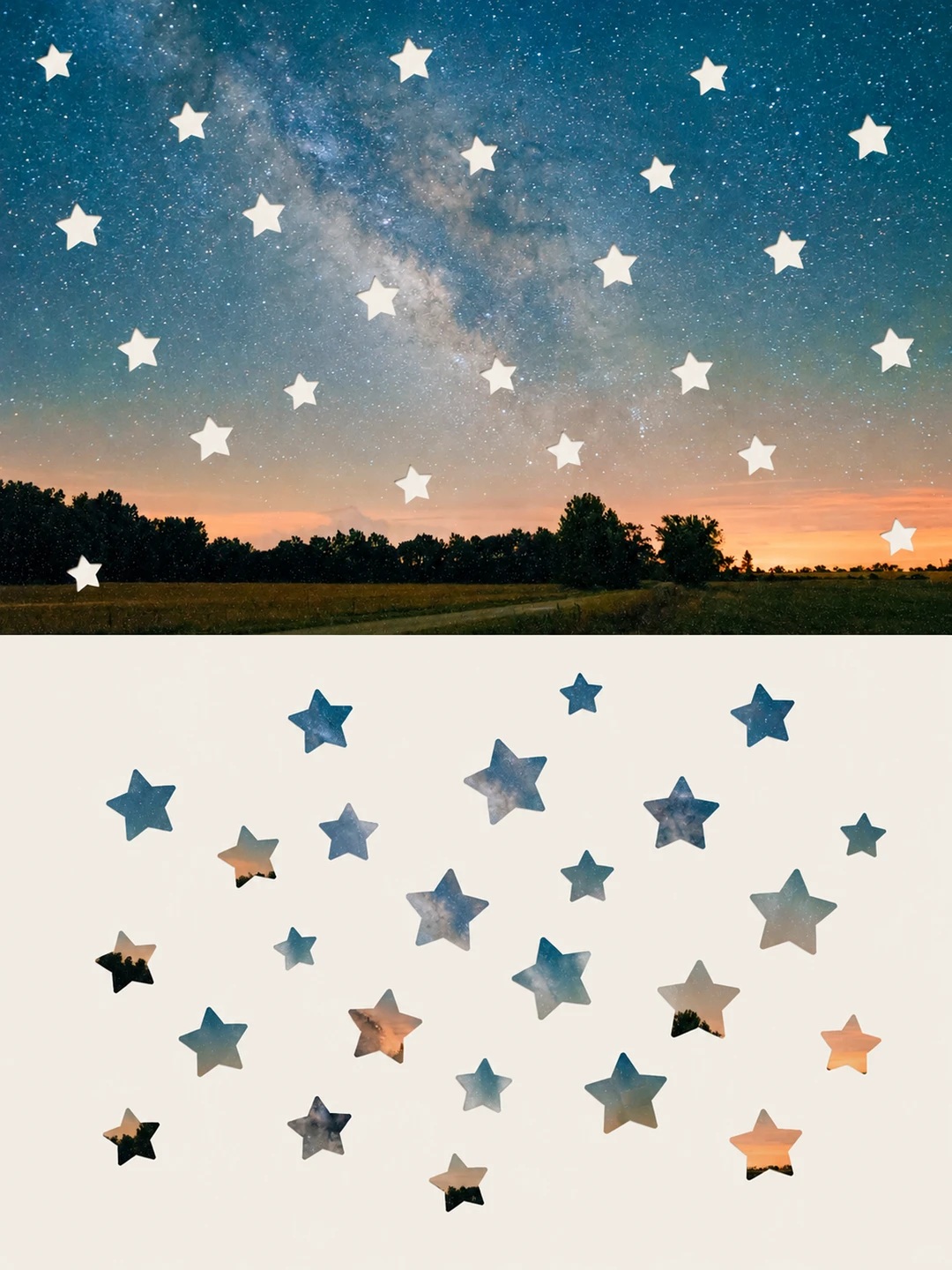
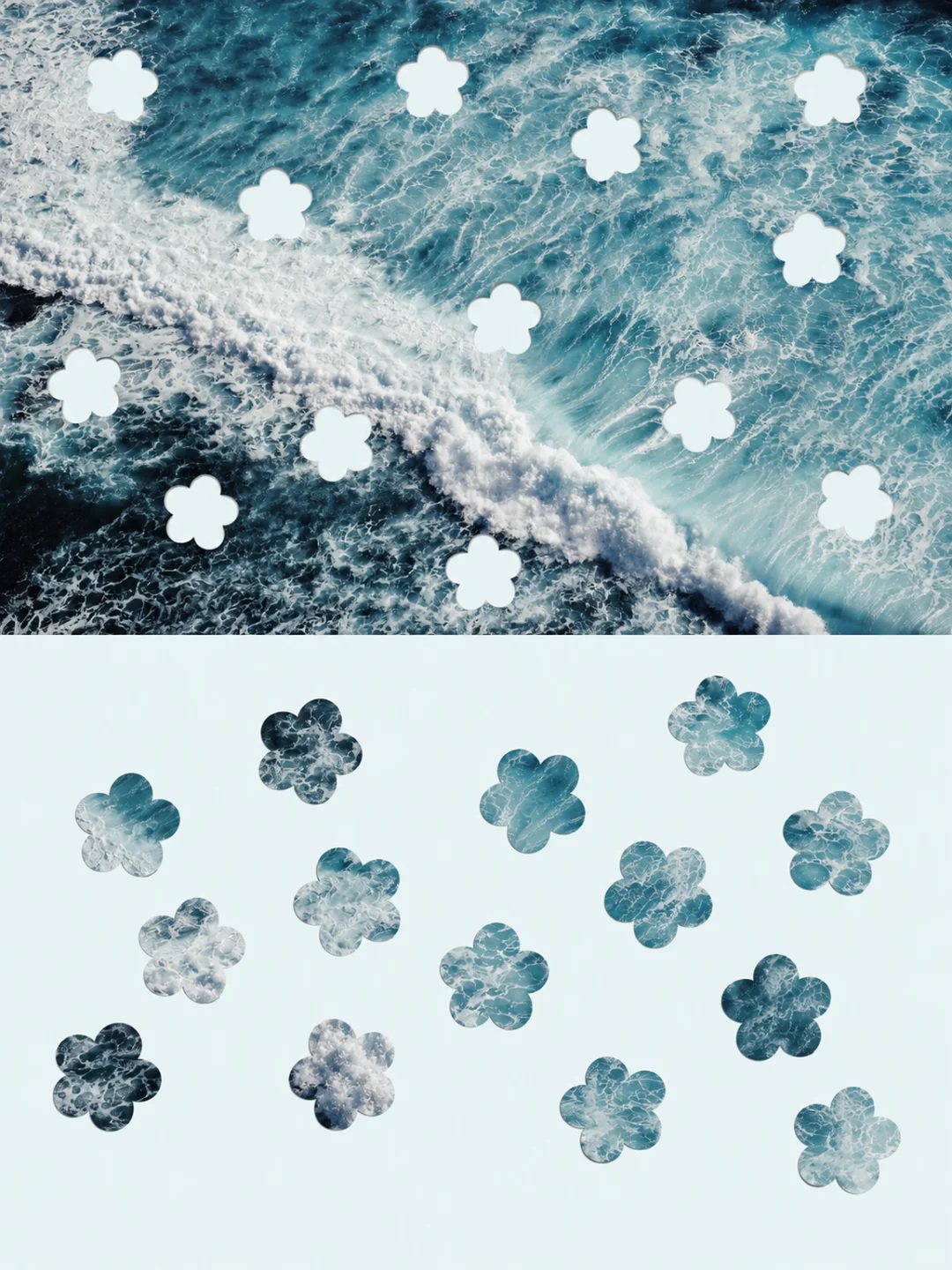
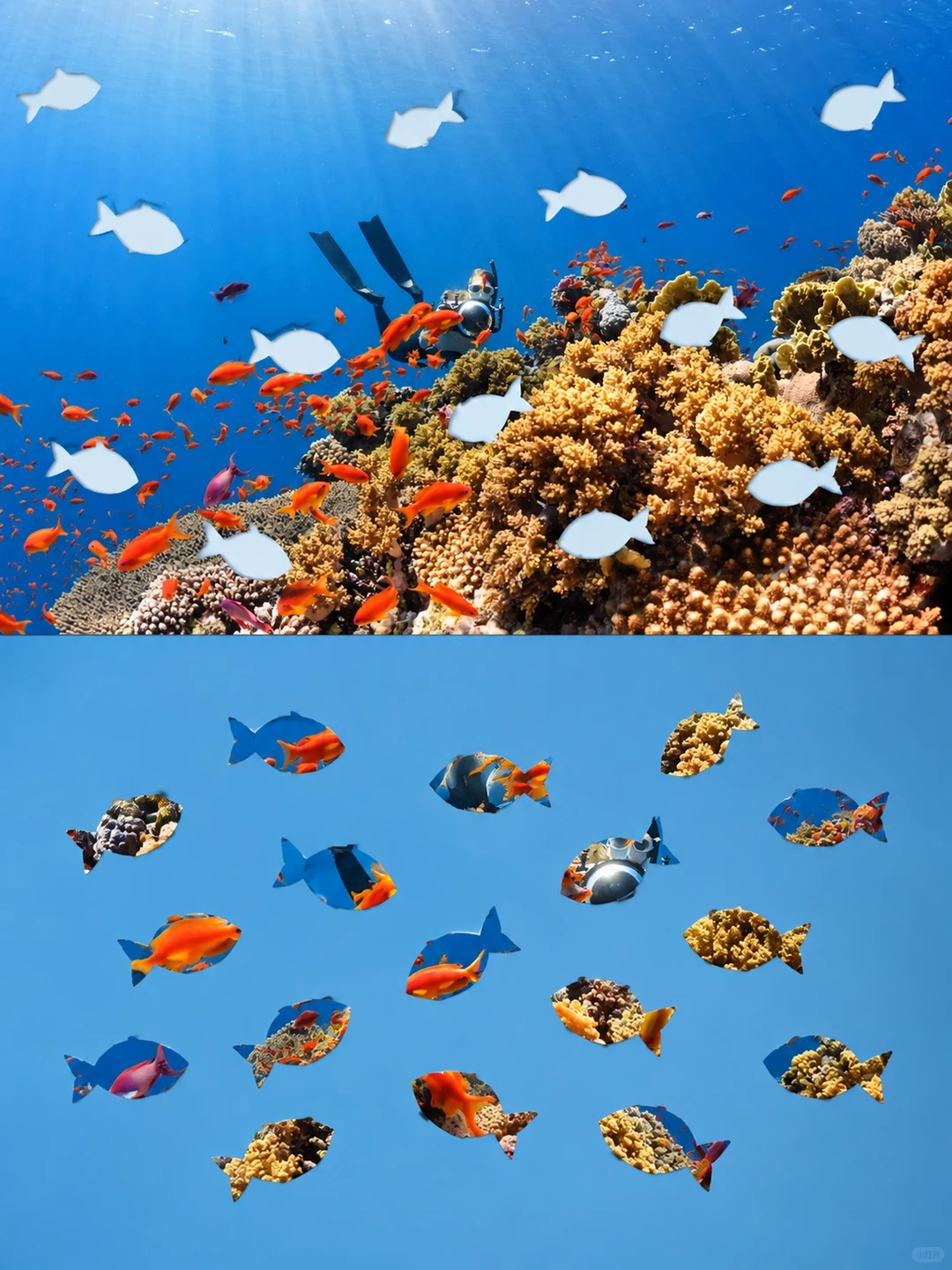
Create a two-part image composition in which punched fragments from the original image are rearranged below into a loose, meaningful visual constellation.
Example outputs
Prompt template
- Format
- Text
- Inputs
- Original_image (image) · Required
- Outputs
- Composed_image (image)
Using the supplied original image as your source, create a two-part composition with an upper section containing punched-out areas and a lower section that reimagines the resulting fragments.

For the lower half, choose a coordinated solid-color background that feels naturally drawn from the original image’s overall palette and mood. Leave generous, clean, open, quiet negative space.

Every fragment in the lower half must come from content actually removed by punching the upper half. Preserve the exact same die-cut outline used above, along with the real texture, colors, and details from each fragment’s original location in the source image. Do not treat the fragments as complete objects identified and cleanly cut out; they are miniature image windows randomly cut by the same die, local samples from within the original image, visual sentence fragments, color evidence, and remnants of meaning.

The goal is not simply to display the fragments, but to give them new relationships, a new order, and a lingering resonance once they are removed from their original positions. Arrange them so they might draw near or drift apart, form loose clusters, or suggest a constellation, a collection of specimens, clues, unfinished sentences, or a structure scattered and emerging again. Through their grouping, spacing, visual weight, density, orientation, and sense of breathing room, let them subtly suggest something deeper in the original image: a logic of growth, spatial tension, emotional density, an implicit narrative, an extracted metaphor, or a second reading that emerges only with close attention.

Do not make the lower half a simple sample library or a neatly arranged collection of punched shapes. There is no need for a fixed template or a standard grid, and do not overdesign the composition just to make it seem clever. Aim for fragments that appear to have regrouped at random, yet quietly form a coherent relationship: seemingly accidental, but governed by a deeper order; lightly scattered, yet suggesting on closer inspection something the original image left unsaid. Make the creativity semantic rather than merely decorative—a reorganization of meaning, an unveiling of the image’s visual subconscious, and a transformation that lingers. Let the viewer be drawn in at first by the light, random, unfamiliar rearrangement, then gradually sense that the fragments are not merely displayed but have come alive again within a different structure.
What you'll create
Punched areas interrupt the upper source image, while their matching pieces form a new composition on a coordinated solid background. Original textures and identical cut outlines connect the fragmented afterimage to its source.
Frequently asked questions
Can unrelated fragments be invented?
No. Every lower piece must come from content removed from the upper section.
What is preserved in each fragment?
Its exact die-cut outline, texture, colors and source details.
Comments
Tried this prompt? Share what you made, compare results, or ask a question