1950s Paris Shōjo Fashion Illustration
Create an original, elegant 2D shōjo fashion illustration of an adult woman in 1950s Paris, with varied haute couture, poses, and settings.
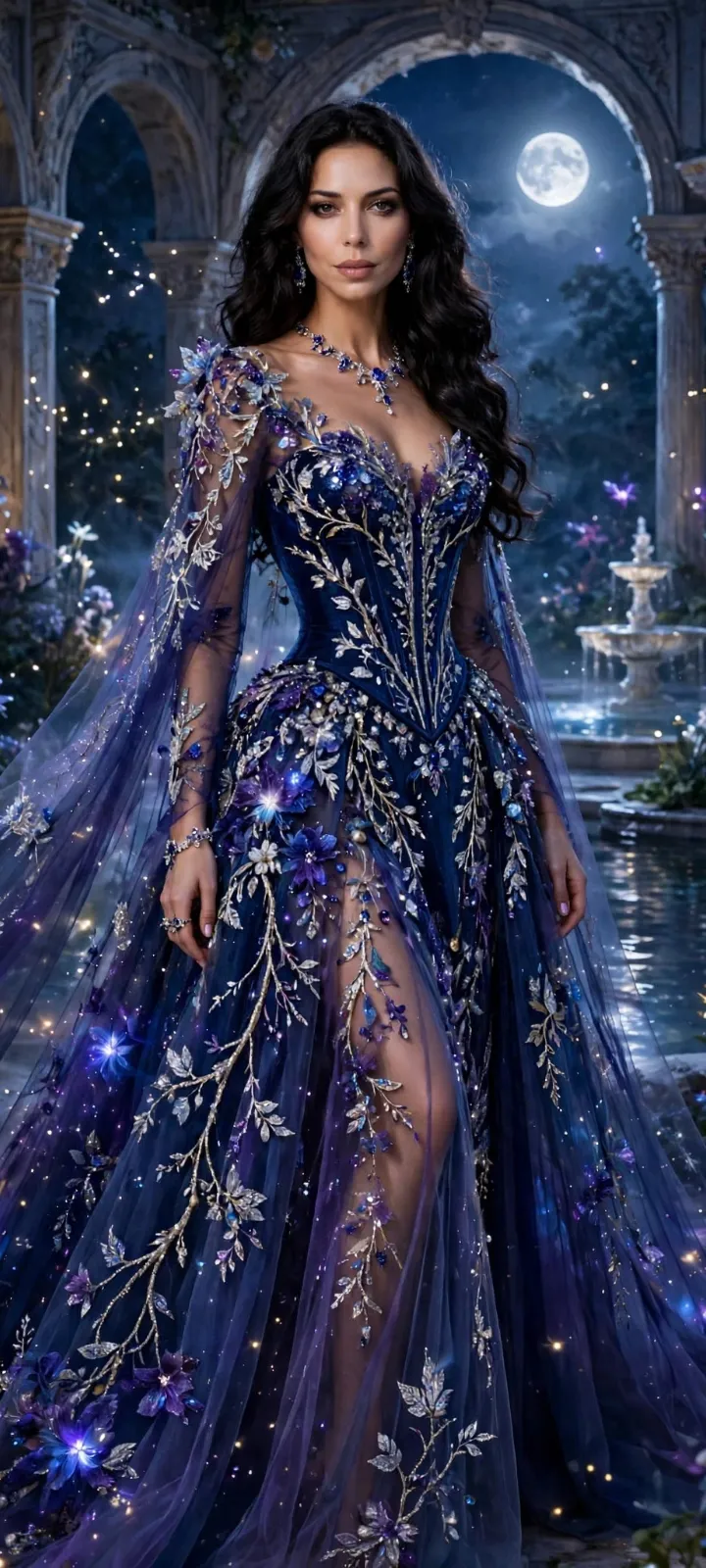
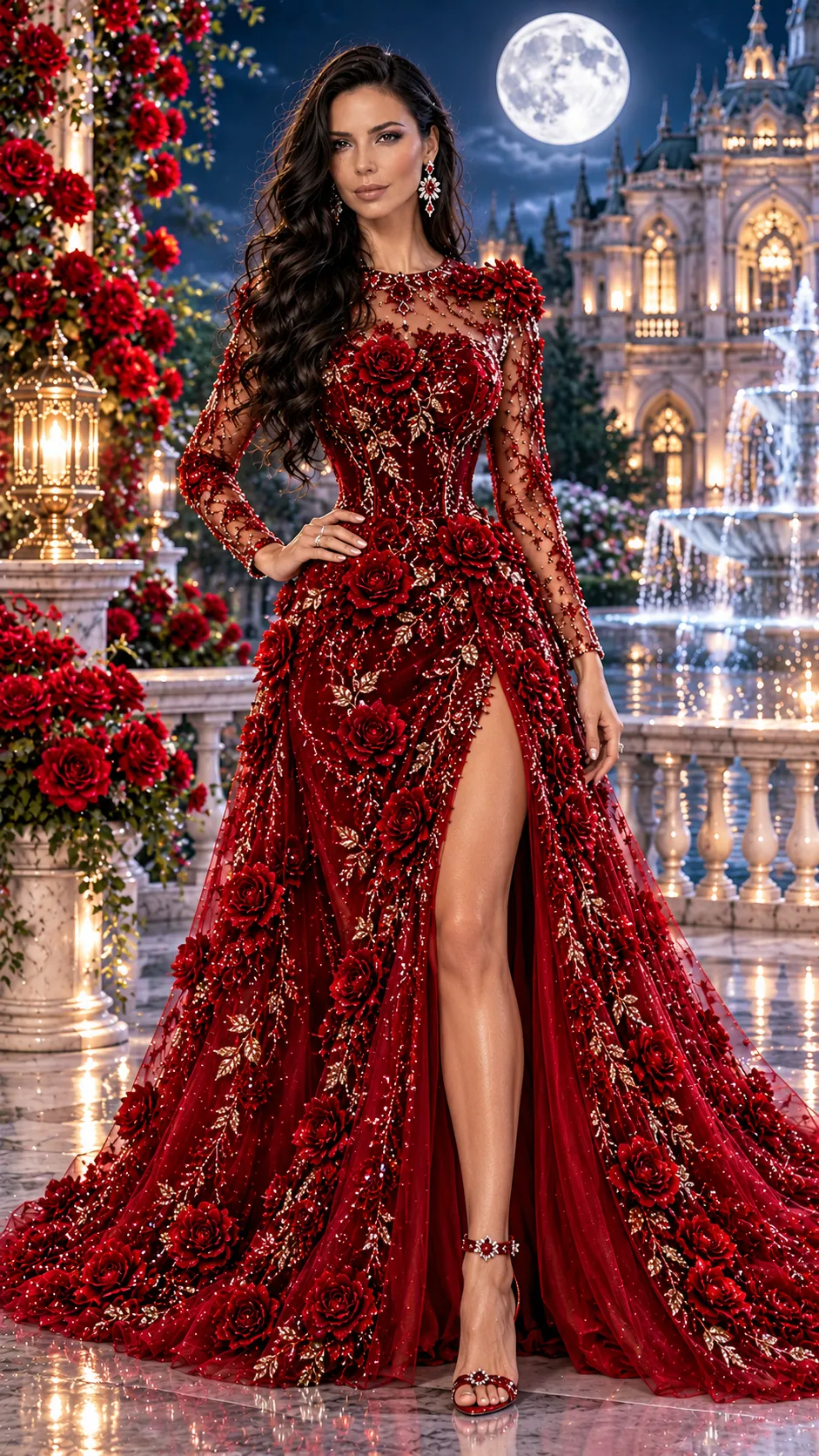
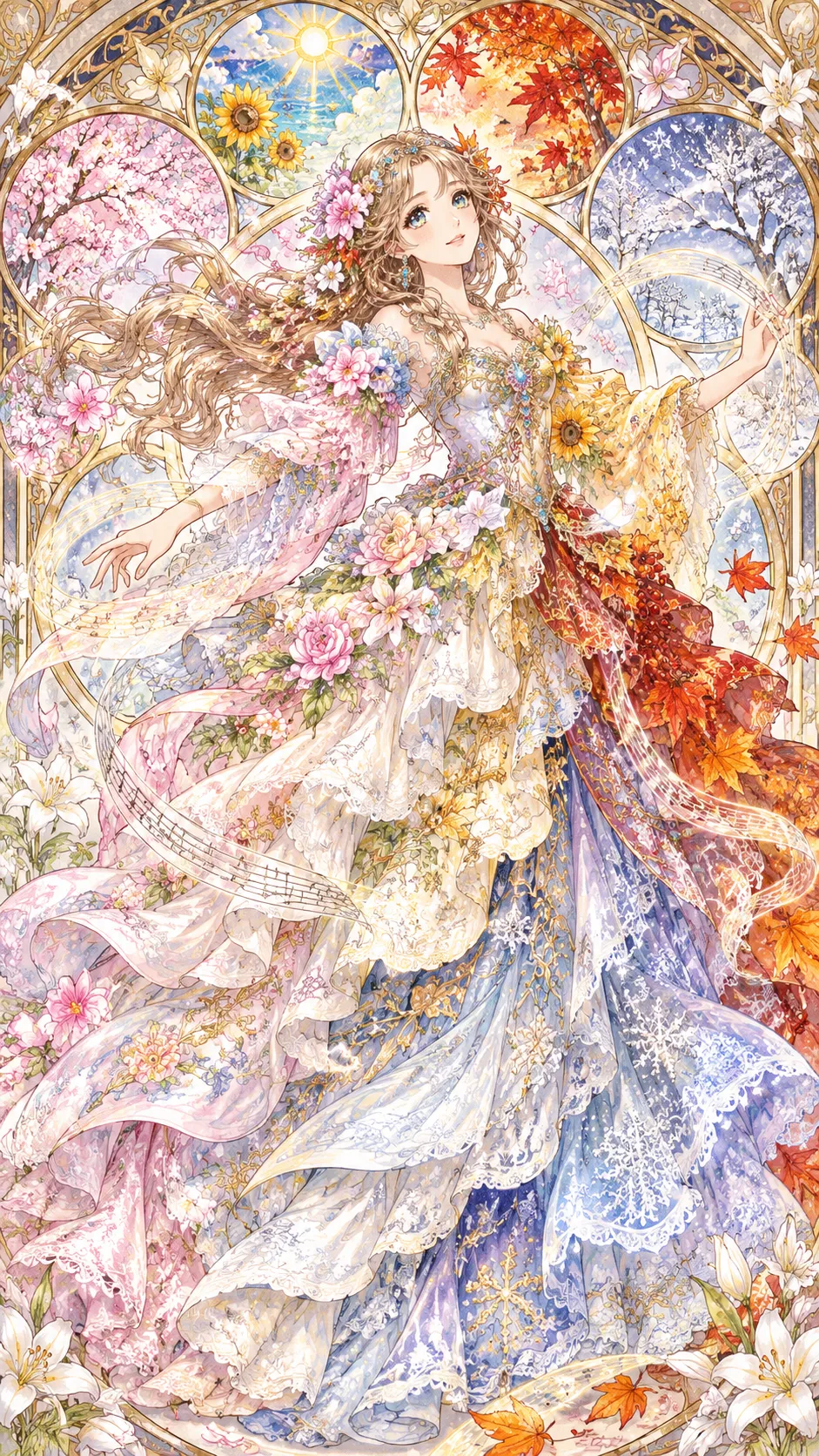
Example outputs
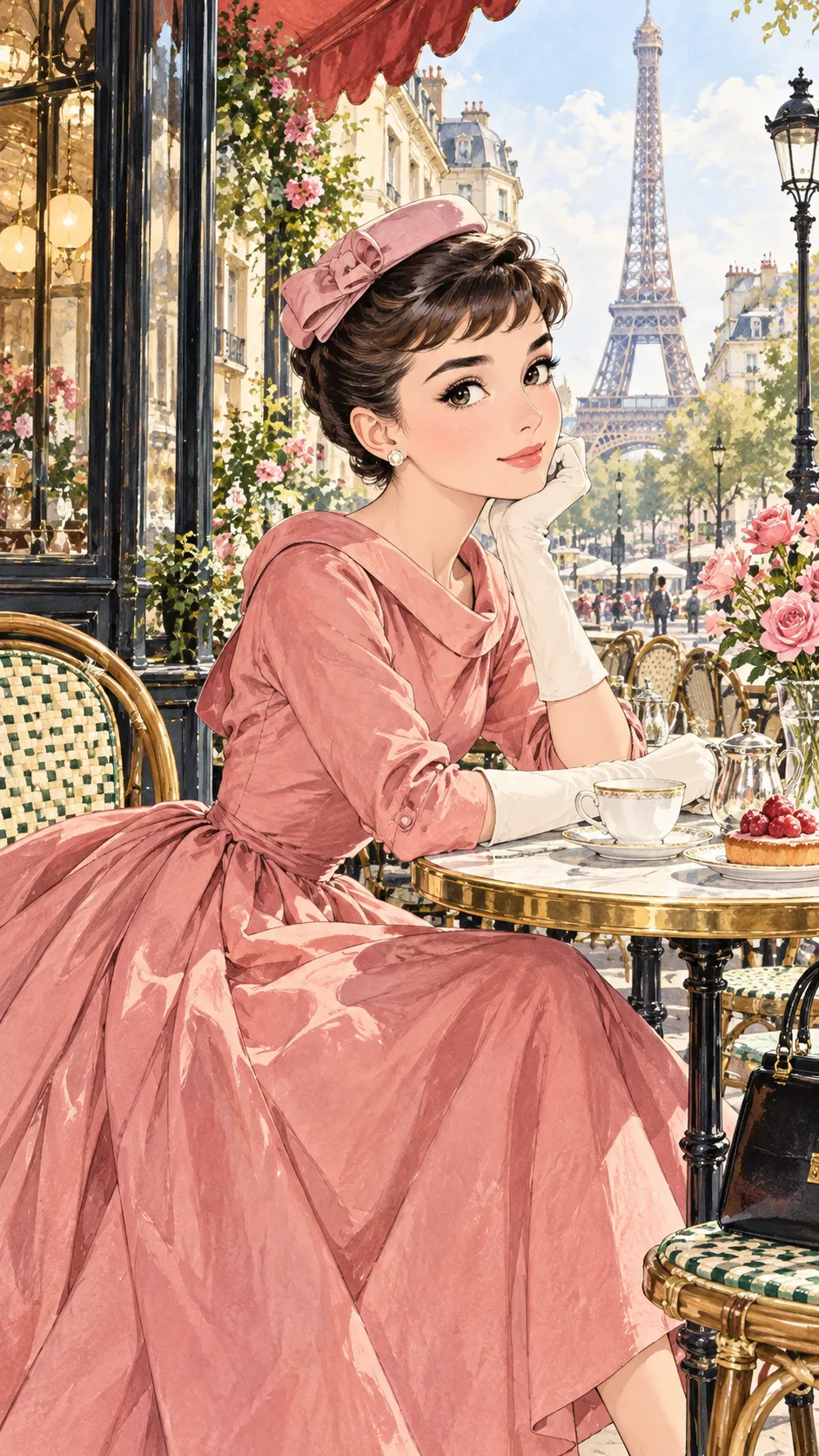
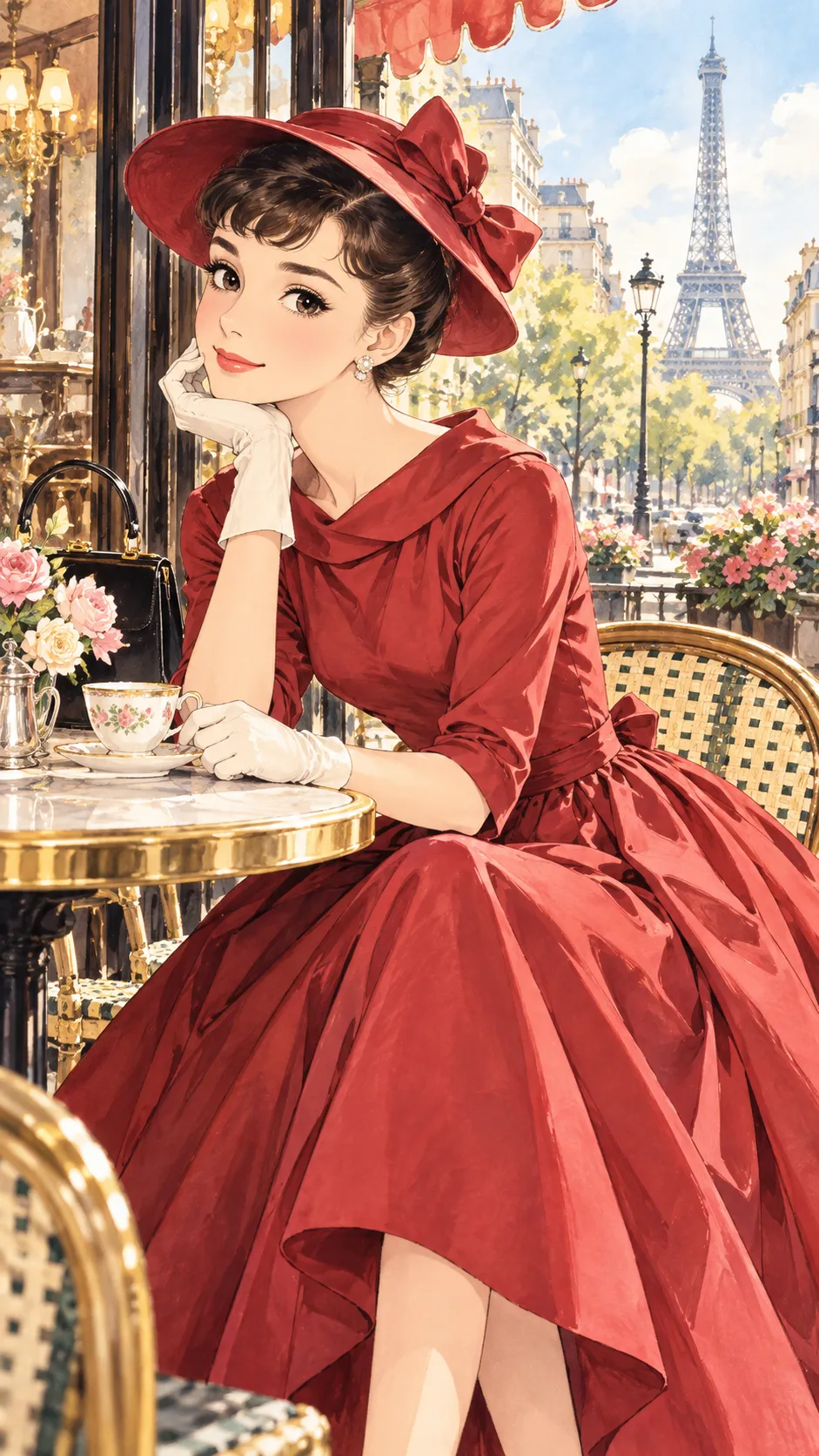
Prompt template
- Format
- Markdown
- Outputs
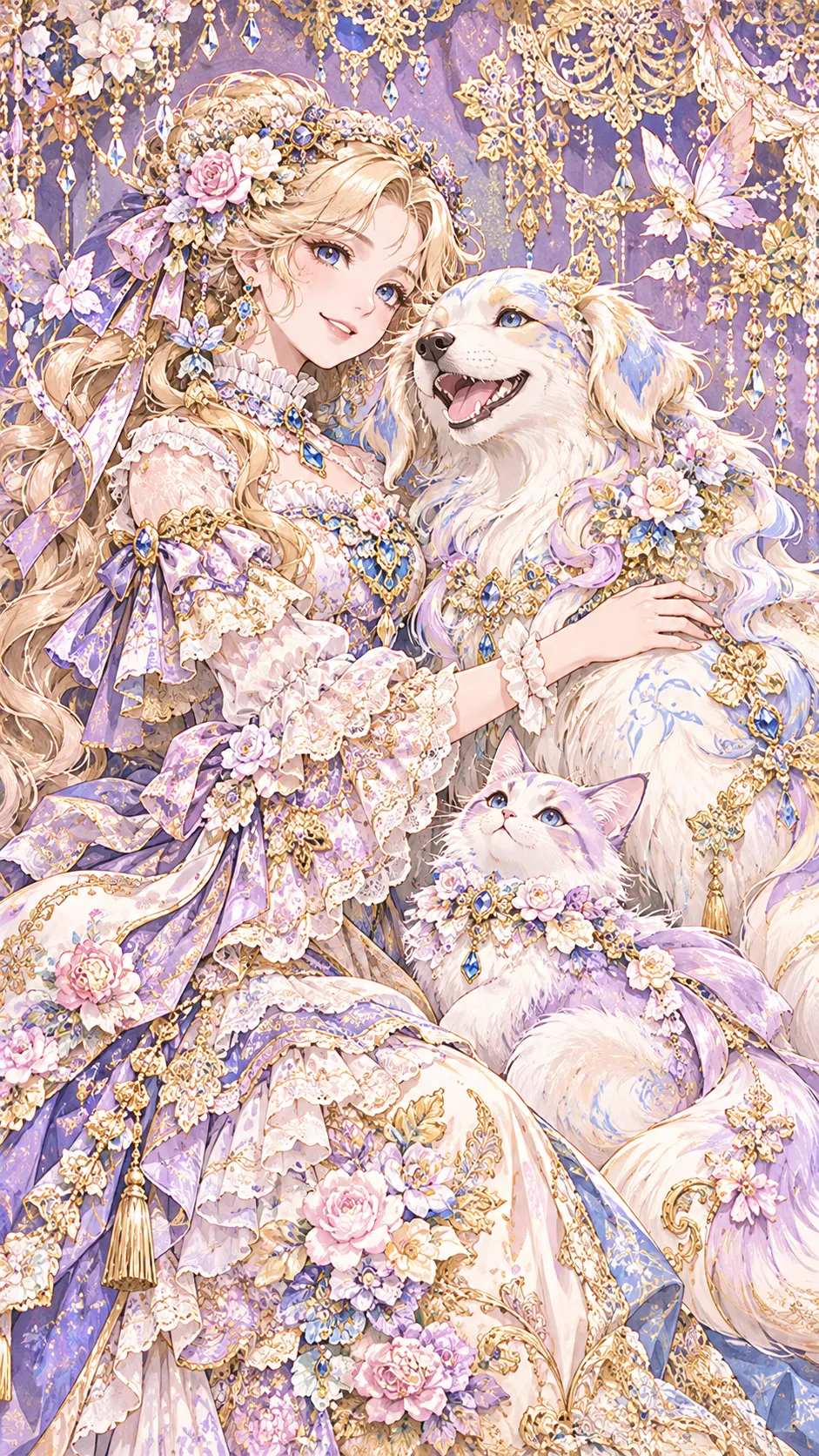
- Fashion_illustration (image)
Create an original, highly polished, completely 2D shōjo-manga fashion illustration inspired by the sophisticated fashion and graceful beauty Audrey Hepburn wore in the 1954 film *Sabrina*.

## Concept

The central character is one fictional adult woman with classic beauty reminiscent of Audrey Hepburn and the graceful, charming appeal of a shōjo-manga heroine. Set the scene in 1950s France, where she encounters Parisian fashion and discovers her own beauty and new charms. Blend 1950s Parisian haute couture, a romantic city atmosphere, and refined European life.

Create an original work with original fashion and a freely chosen pose. Do not faithfully reproduce a specific costume or scene from the film.

## Face and expression

Give her an intelligent, dignified, classic face reminiscent of Audrey Hepburn in her youth: striking large almond-shaped eyes, long delicate lashes, naturally arched and relatively full brows, a clean oval face, refined cheek lines, a slender, well-shaped nose, and small, graceful lips. Her eyes should be large and clear without making her look overly round or childlike; convey intelligence and resolve.

Vary her expression naturally to suit the scene: an elegant smile, a bright smile, a slightly shy look, a gaze alight with curiosity, or a calm, mature expression. Blend poised adult beauty with the delicate charm of a shōjo heroine. Favor distinctive, sophisticated beauty reminiscent of a classic 1950s film actress rather than a generic contemporary anime beauty. Draw her as a delicate, glamorous shōjo-manga illustration, not as a photorealistic portrait.

## Hairstyle

Use elegant dark brown to black hair reminiscent of Audrey Hepburn in the 1950s. Freely vary the style to suit the outfit and scene: a classic pixie cut, refined short curls, soft short waves, or a neatly arranged updo. Attend to neatly styled short bangs, natural hair flow, and a beautifully shaped nape. Hair accessories may also vary with the outfit and scene.

## Fashion — highest priority

Dress her in clean, refined, elegant fashion inspired by 1950s Parisian haute couture. Do not fix a single outfit design; choose a different style freely from one generation to the next. Possibilities include a glamorous evening gown, a fit-and-flare dress, a classic cocktail dress, an elegant day dress, a jacket-and-skirt suit, a blouse with a midi skirt, a sophisticated coat ensemble, or a delicately pleated dress.

Emphasize a beautiful waistline, dimensional silhouette, refined neckline, delicate sleeve design, and graceful skirt volume. Choose varied fabrics to suit the outfit, such as silk, satin, taffeta, organza, lace, velvet, or fine cotton. Patterns and details may include solid colors, small florals, polka dots, delicate embroidery, or tasteful lace trim.

Keep her chest fully covered and her appearance modest and dignified. If the outfit is sleeveless, use a refined neckline such as a high neck or bateau neckline that does not expose her chest. Use opaque fabric for the skirt, with beautiful draping and natural movement.

Freely coordinate accessories with the outfit: long gloves, a classic handbag, a slim belt, a small hat, elegant pumps, pearl jewelry, or a silk scarf.

## Clothing colors — highest priority

Do not fix the clothing color. With each generation, freely select a leading color from a broad palette and design a fresh outfit around it. Possible colors include red, wine red, coral, orange, mustard yellow, lemon yellow, emerald green, forest green, mint green, turquoise, royal blue, navy, lavender, violet, rose pink, fuchsia, ivory, champagne gold, camel, chocolate brown, and black. These are examples, not a limitation.

Treat pale, vivid, and deep colors equally; do not prioritize any particular color. Explore a broad range, including elegant monochromatic outfits, glamorous color combinations, restrained classic colors, and bright retro palettes. Do not treat the film’s iconic black or white dress as the default outfit. Avoid over-relying on black-and-white combinations or pale pastels; favor diverse, sophisticated original ensembles reminiscent of 1950s Paris fashion magazines.

## Background and situation

Set the scene in 1950s Paris. Freely vary the location and situation from one generation to the next. Possible settings include a classic haute couture salon, elegant boutique, glamorous hotel lobby, distinguished restaurant, antique café, beautiful staircase, historic Parisian streetscape, flower shop, shop window, or refined apartment. Vary the time of day as well: bright morning, soft afternoon sunlight, romantic dusk, or glamorous evening lighting.

Give indoor elegance and romantic outdoor streets equal consideration. Let the background harmonize naturally with her outfit and pose, conveying the distinctive sophistication of 1950s Paris. Render architecture and interiors thoughtfully while keeping the woman the clear focus.

## Composition and pose — highest priority

Do not fix her pose. For each generation, freely choose a natural, graceful action for a woman enjoying fashion in 1950s Paris. Possibilities include admiring a dress in a boutique, checking her outfit in a mirror, sitting in an elegant chair, slowly descending a staircase, relaxing at a café, looking at a shop window, walking through a hotel lobby, holding a handbag in one hand, adjusting a glove, lightly touching her hat, admiring a bouquet, enjoying the view by a window, pausing on a street corner, lightly lifting the hem of her skirt, or smiling happily. These are examples, not a limitation.

Vary her posture and orientation: standing, seated, walking, gently turning her body, in profile, at an angle, or facing forward. Do not default to standing or looking back. Give quiet, graceful poses, light and dynamic poses, and delicate, charming poses equal consideration. Vary her hand positions, gaze, and head direction naturally. Choose a composition that shows the outfit’s silhouette, skirt drape, and fabric movement beautifully in relation to her pose.

## Camera angle and framing

Freely choose a flattering angle, such as a front view, three-quarter front view, profile, or a look back over her shoulder from a three-quarter rear view. Choose full-length, knee-up, waist-up, or seated framing to show the outfit and pose to best effect. Do not repeat the same distance, angle, or placement of the subject each time. Place her naturally within the composition rather than always centering her.

Create a beautiful, varied composition reminiscent of a 1950s Parisian luxury fashion-magazine cover or a romantic moment in a film. Give highest priority to her facial beauty, the appeal of the outfit, and natural movement.

## Anatomy — strict requirements

Show exactly one adult woman. Give her two arms, two hands, five fingers on each hand, and two legs. Render both hands and all fingers accurately, without awkward joints or extra digits. Make the positions of both arms and hands clear, and keep her posture natural and graceful. Avoid crossed arms and resting her chin on her hand. Connect sleeves and arms naturally.

If she wears gloves, cover the fingers accurately to their tips and keep the left and right glove designs consistent. Maintain natural, anatomically plausible proportions and balance in her leg length, center of gravity, seated posture, and walking posture.

## Art style and finish

Use a completely 2D, highly polished shōjo-manga fashion-illustration style, with delicate, beautiful hand-drawn lines, large luminous eyes, and glamorous, sophisticated colors. Blend classic beauty reminiscent of Audrey Hepburn with the delicate charm of a beautifully rendered contemporary shōjo heroine.

Create refined fashion art that feels like a blend of a 1950s Parisian luxury fashion-magazine cover and a romantic film poster. Prioritize the woman’s face and the beauty of her clothes. Carefully depict fabric texture, delicate tailoring, neckline design, skirt drape, and accessory details. Use bright, luminous colors and soft, elegant lighting.

Do not use a photographic or live-action appearance, 3D CGI, or 3D-animation styling. Include no text, logos, or watermarks. Use a vertical 9:16 composition.

## Final requirements

With every generation, freely vary the clothing color and design, hairstyle, pose, body orientation, expression, background, and camera angle. Do not establish a particular outfit, color scheme, standing pose, over-the-shoulder pose, or composition as the default. Do not prioritize a black or white dress; freely explore the diverse range of 1950s Parisian haute couture.

Do not faithfully reproduce an existing photograph of Audrey Hepburn or a specific scene from one of her films. Depict an original adult woman inspired by her distinctive beauty and the sophisticated fashion of 1950s Paris.
What you'll create
A fictional adult heroine discovers Parisian fashion in a refined mid-century French setting. Sophisticated clothing, romantic urban atmosphere and delicate manga beauty create an original fashion-art scene.
Frequently asked questions
Is a specific Sabrina dress required?
No. The source encourages a broad range of original Parisian couture.
Does it reproduce a film scene?
No. Existing scenes and photographs are explicitly excluded.
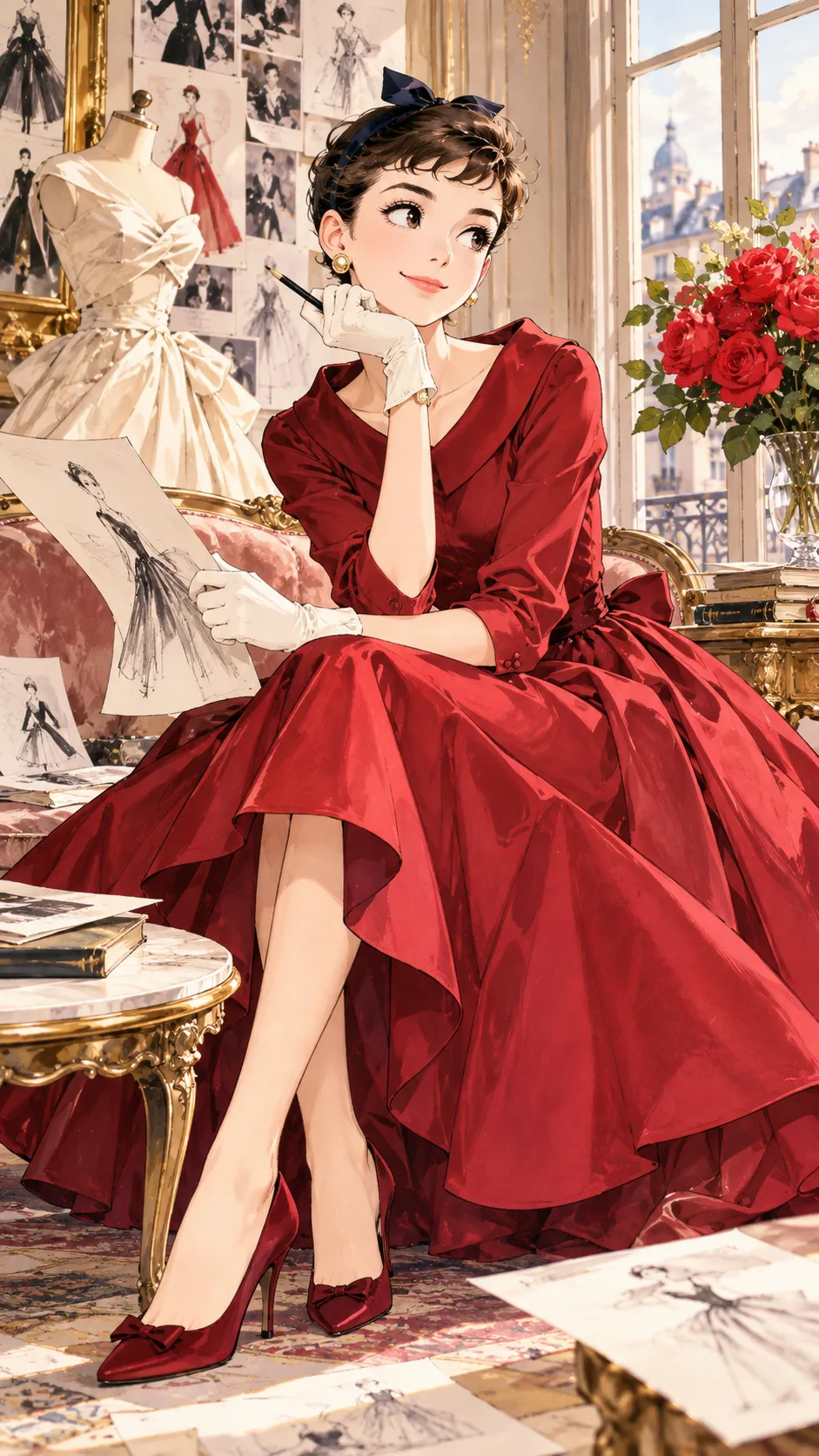



Comments
Tried this prompt? Share what you made, compare results, or ask a question