Royal State Banquet Fashion Illustration
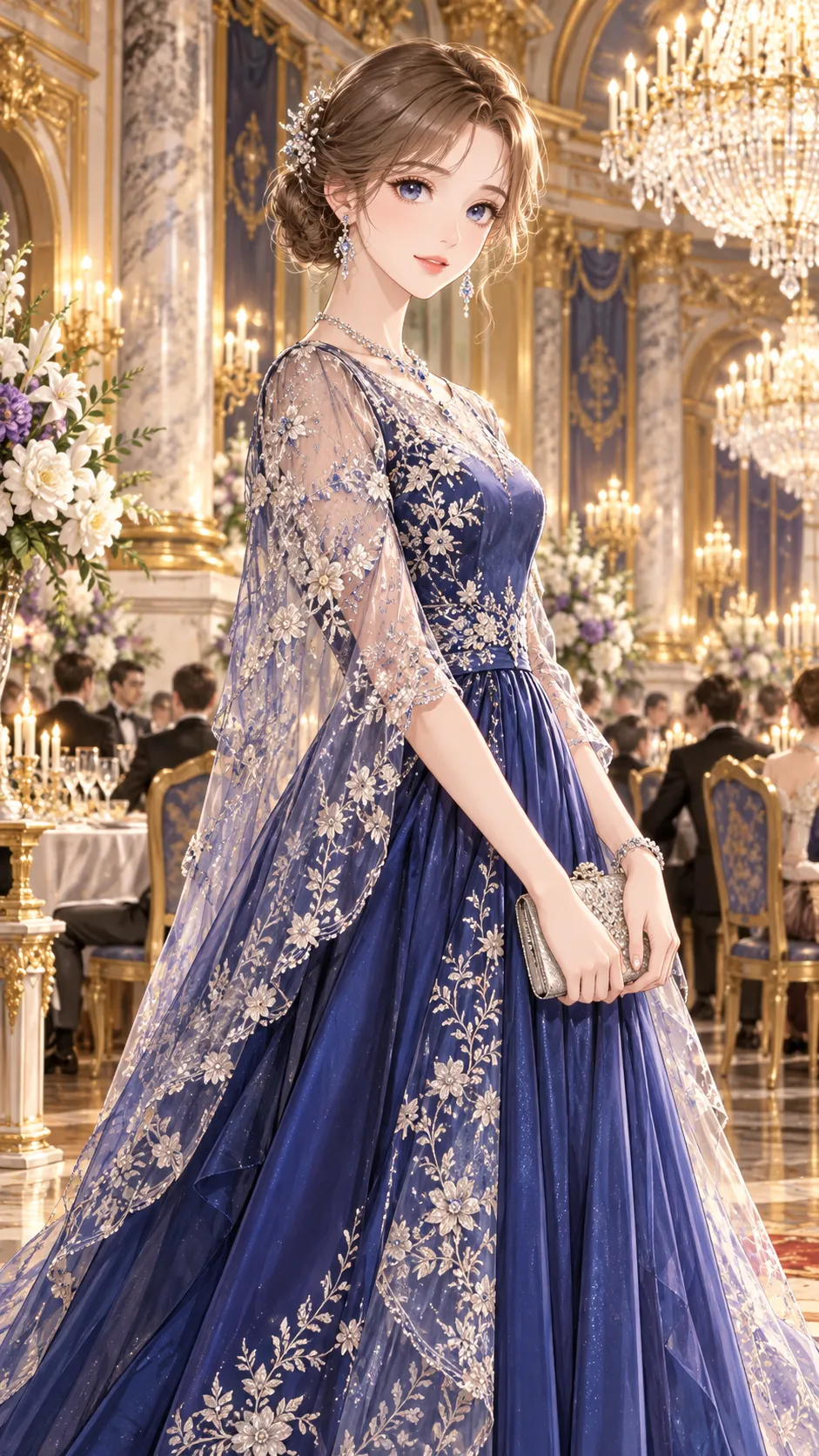
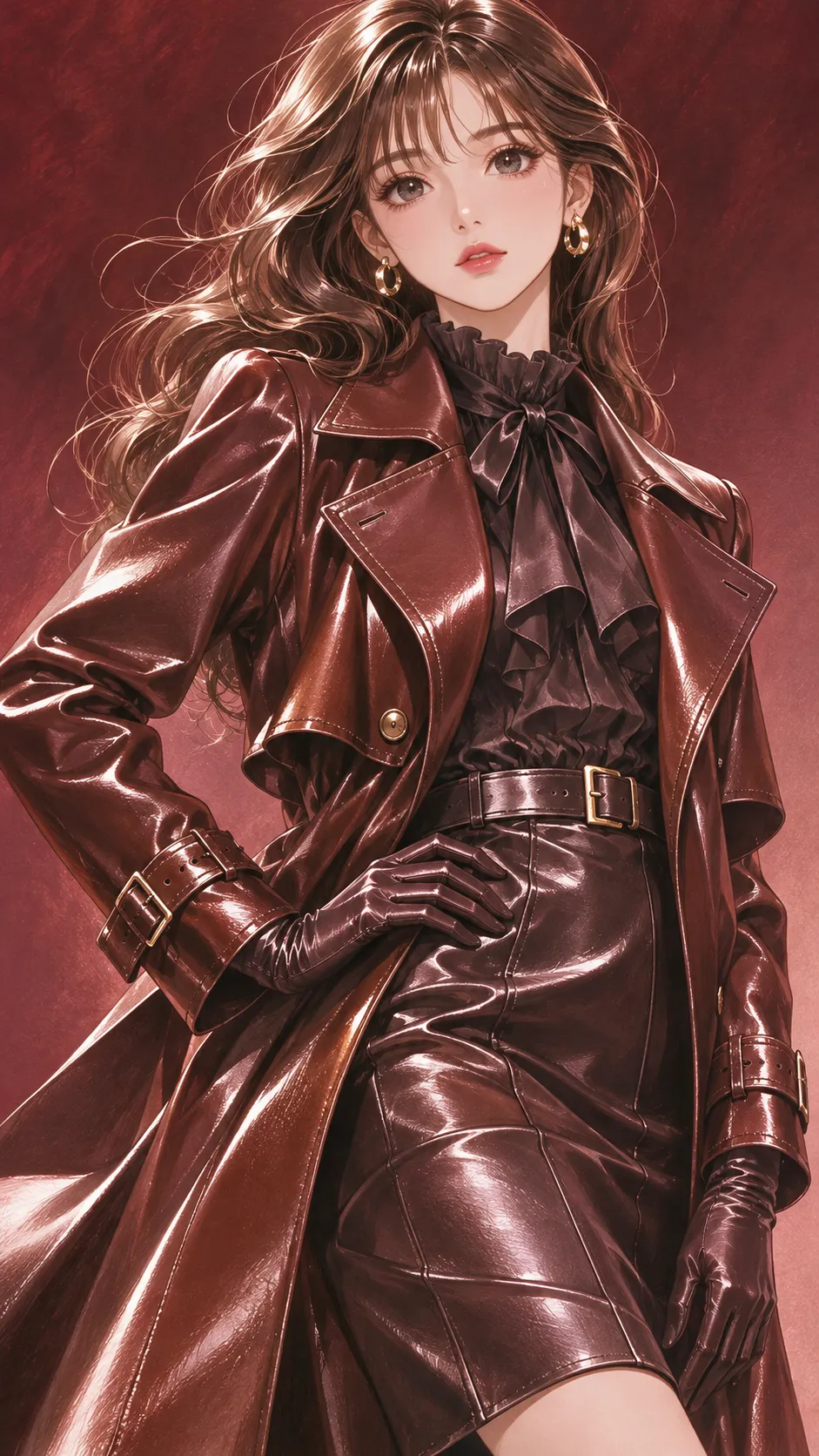
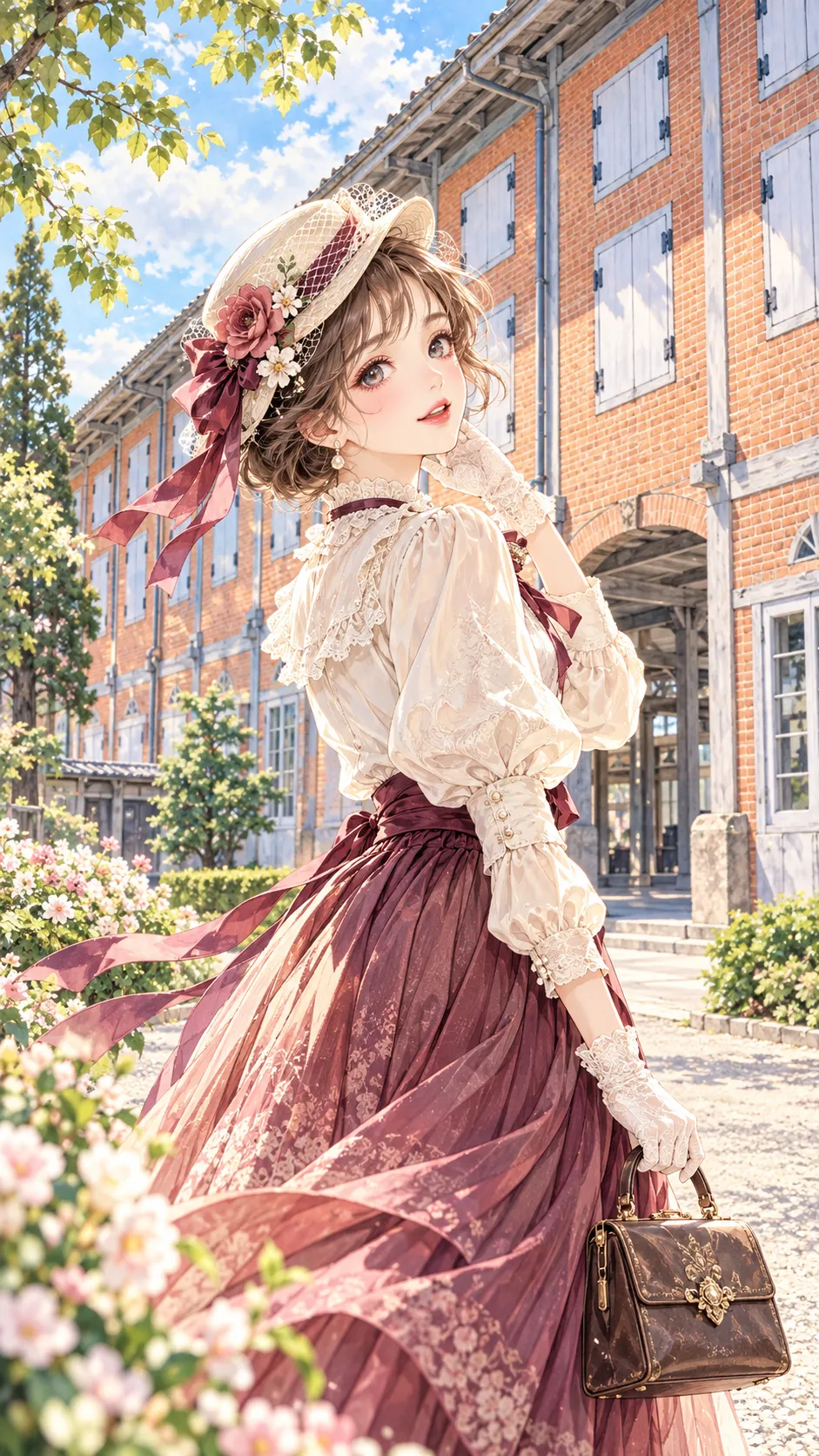
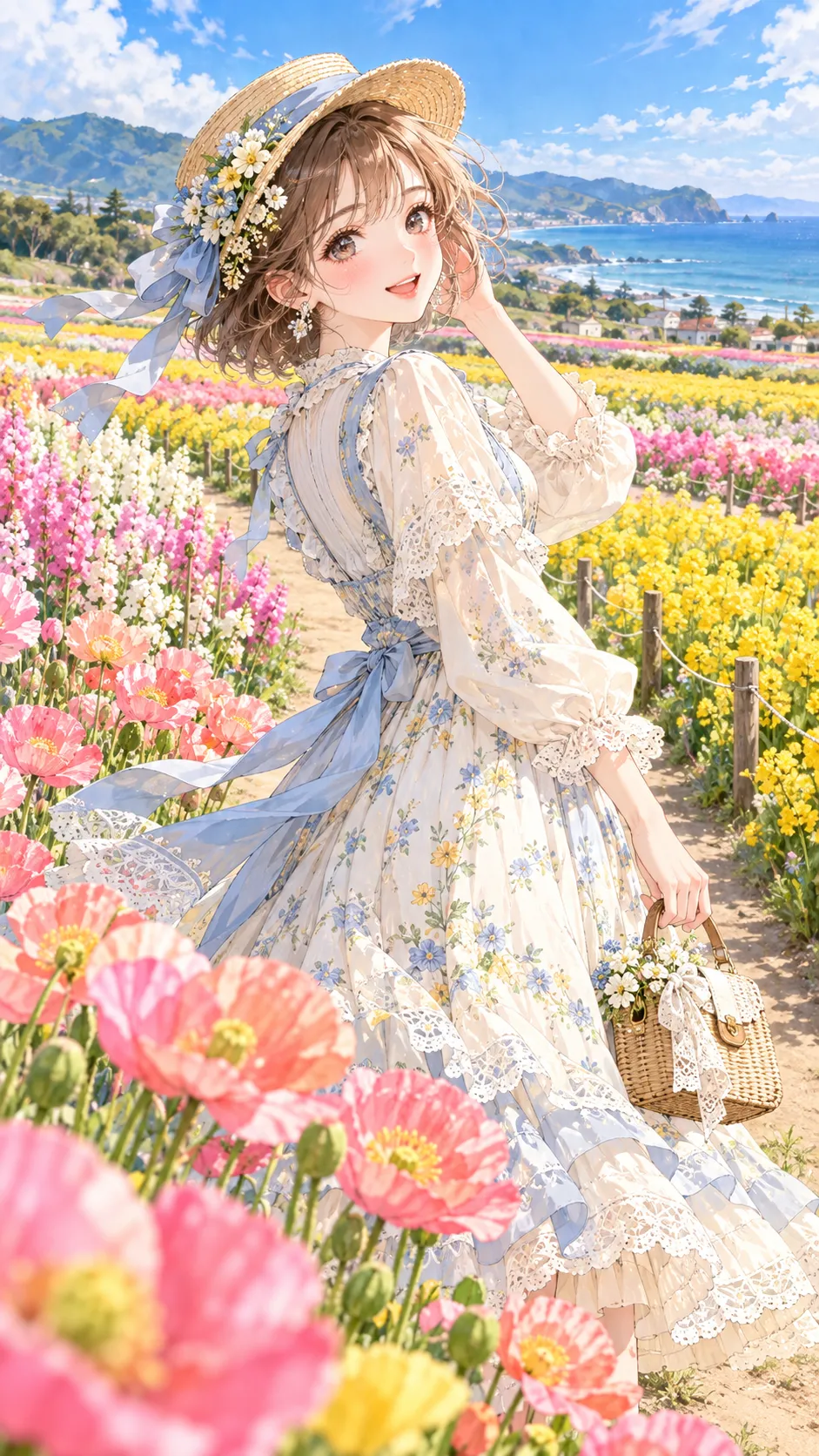
Create a polished 2D shōjo-manga fashion illustration of a fictional adult woman at a formal palace banquet, wearing an original evening gown. Vary the gown’s structure, silhouette, materials, and colors while preserving an elegant, refined atmosphere.
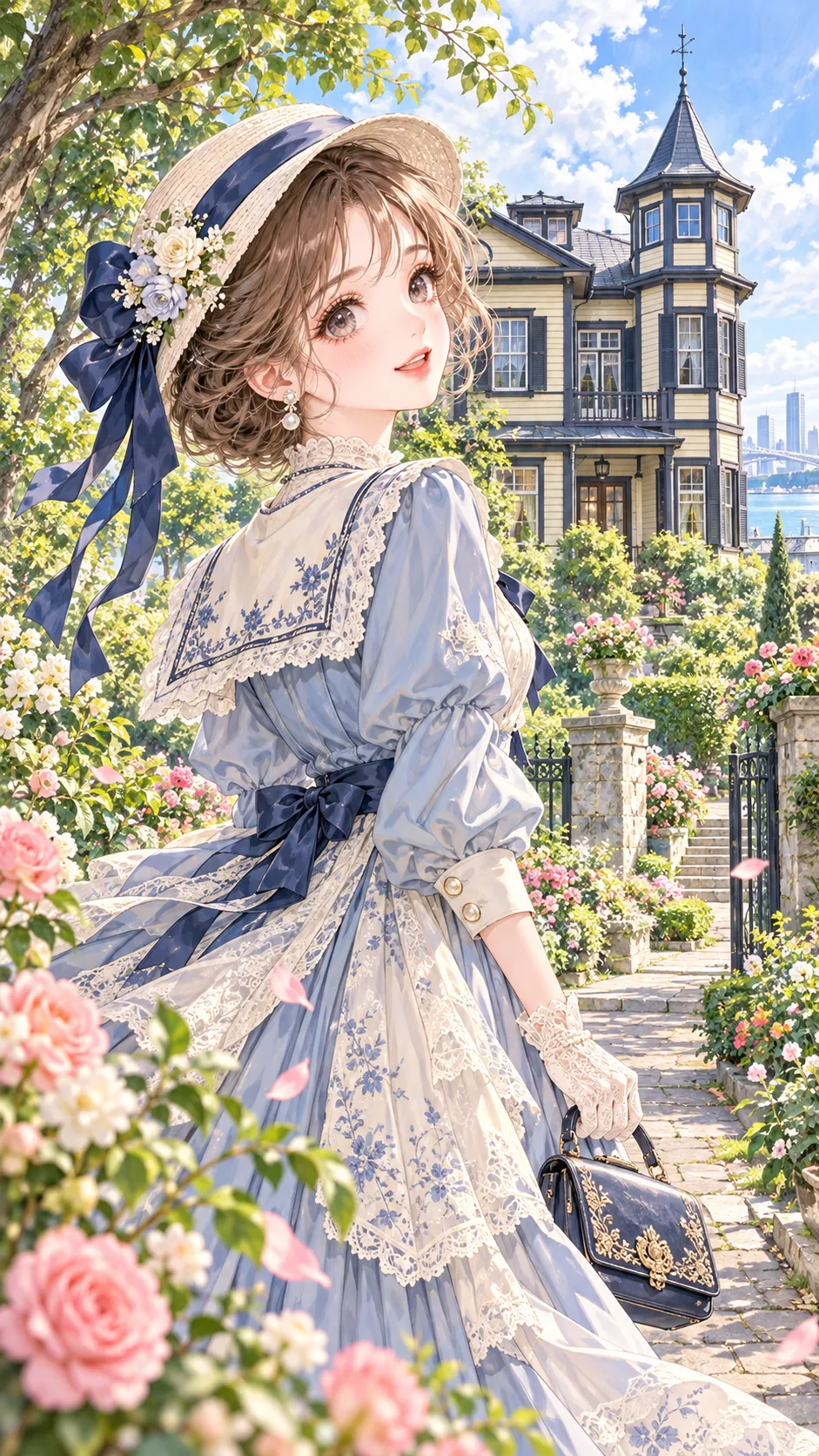
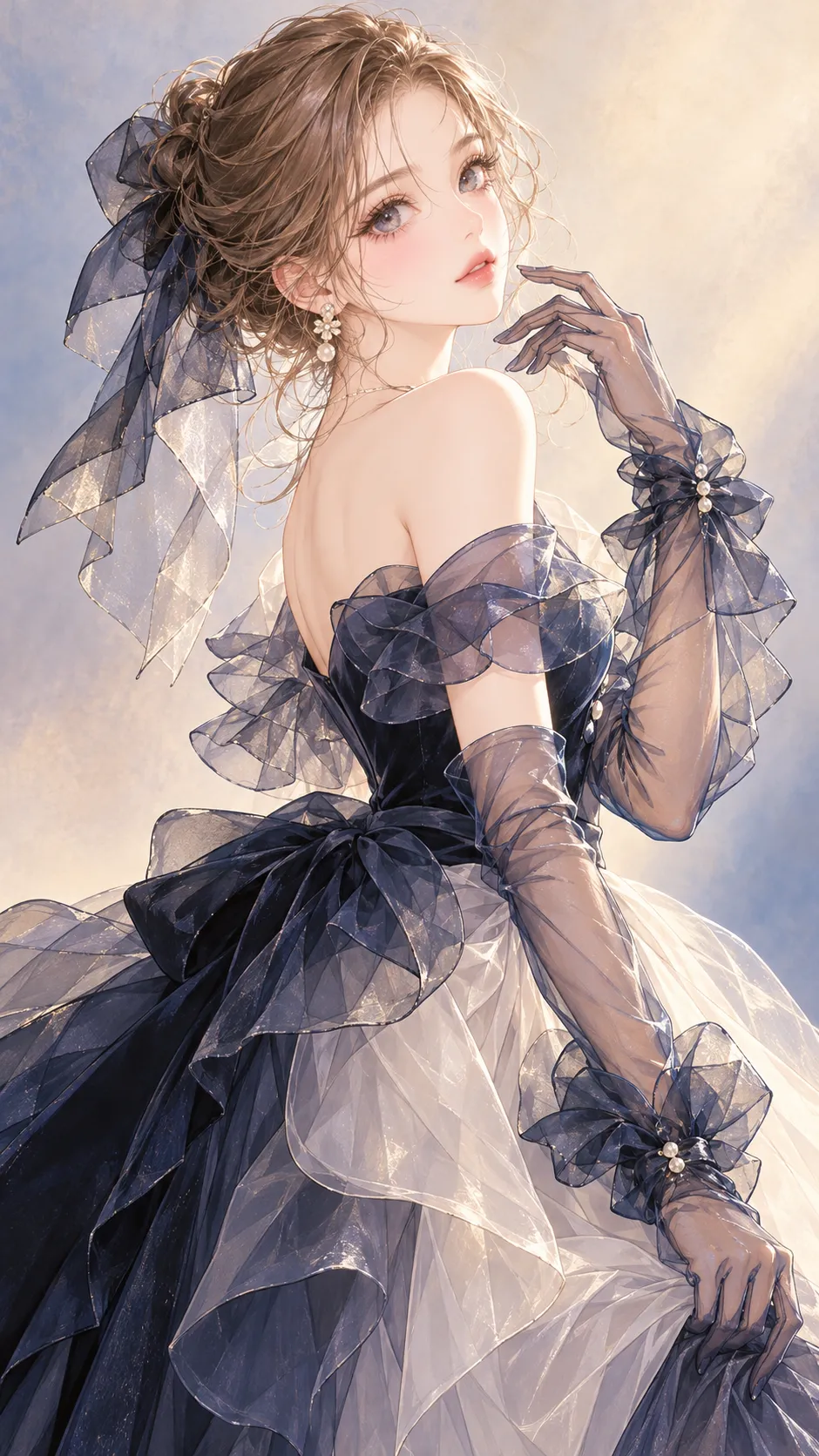
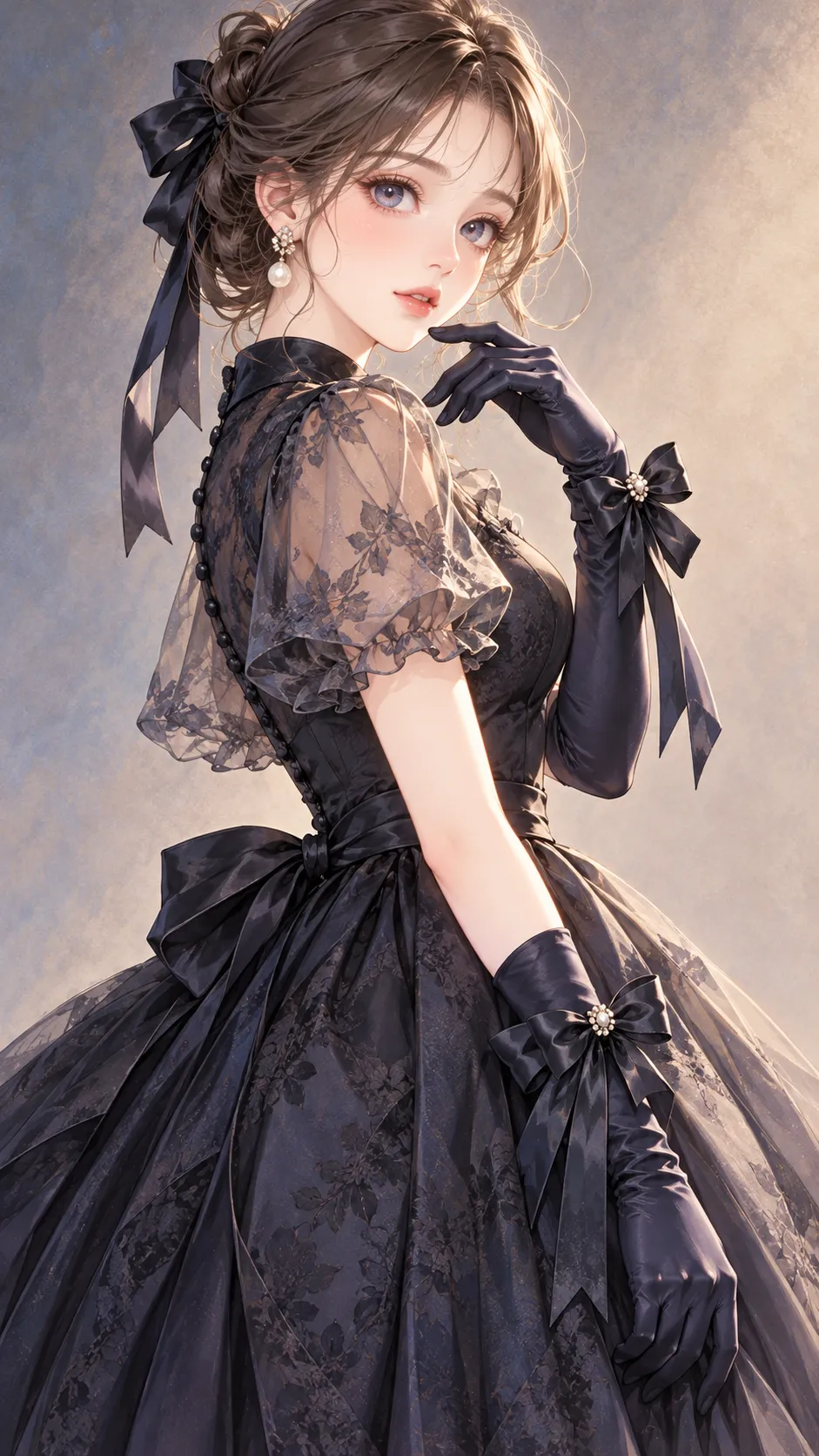
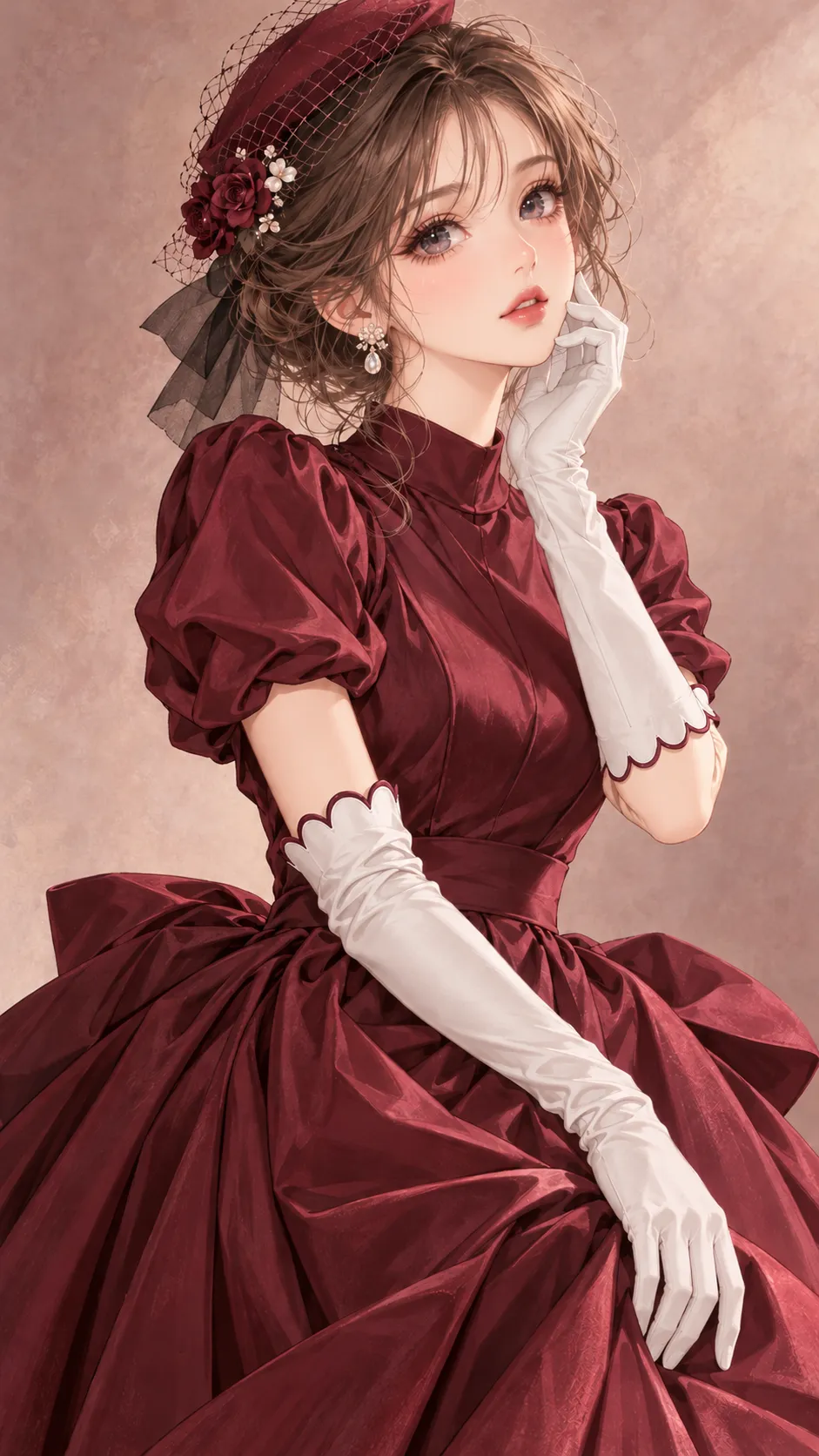
Example outputs
Prompt template
- Format
- Markdown
- Outputs
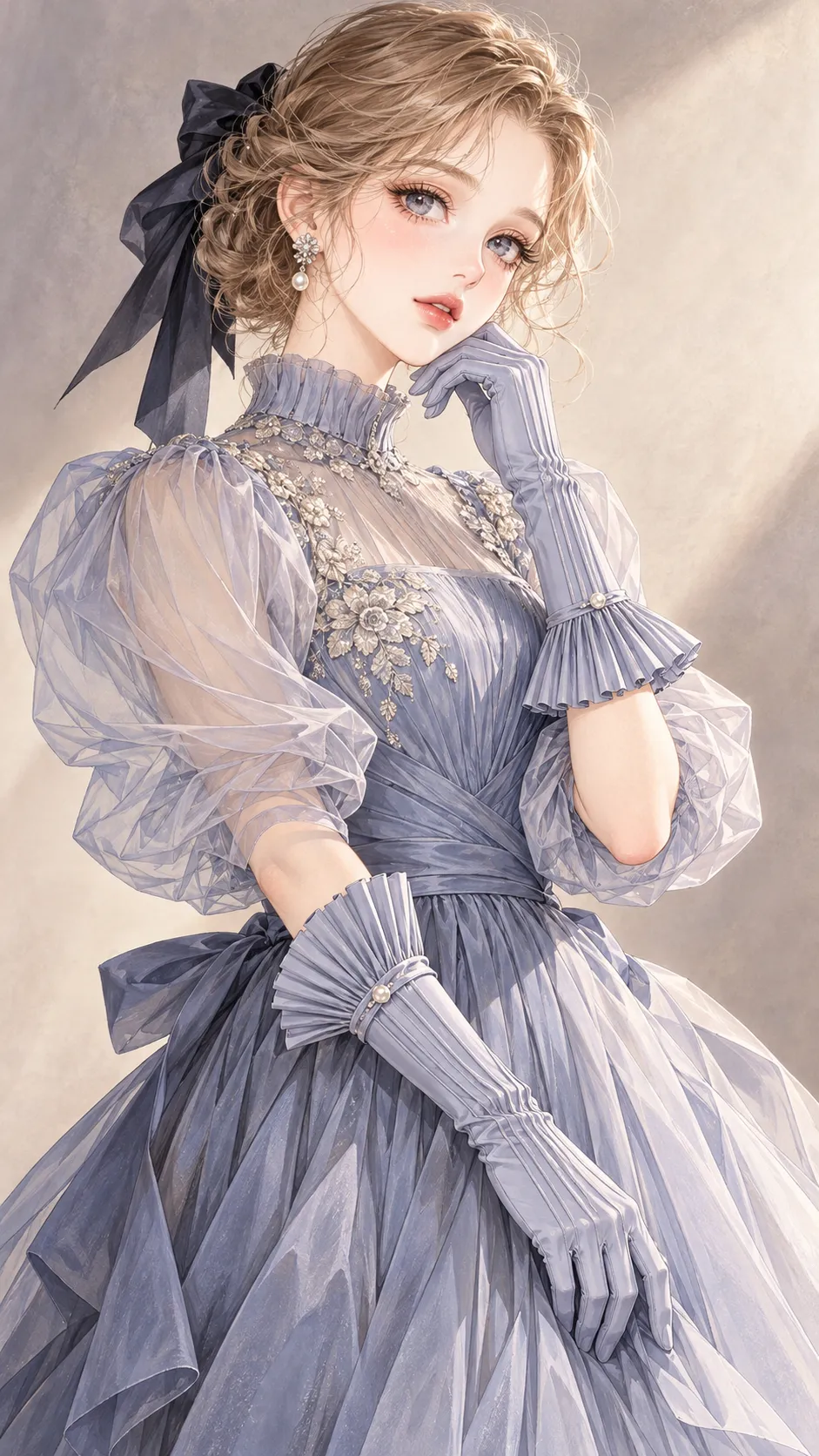
- Royalebanquetfashionillustration (image)
Create a lavish, fully 2D shōjo-manga fashion illustration inspired by the formal, refined evening fashion worn by contemporary Japanese female members of the imperial family at palace banquets and official events welcoming state guests.

## Concept

The central figure is a fictional adult woman with the poised, refined beauty of a Western doll and the delicate charm of a shōjo-manga heroine. Set the scene at a glamorous state banquet in a magnificent palace, in a formal space surrounded by glittering chandeliers, elegant court decorations, and soft evening light.

Convey the modesty, intelligence, courtesy, and grace associated with Japanese imperial fashion, along with the splendor of a formal evening event. Do not depict a real member of a royal or imperial family or reproduce a specific real outfit. Create an original royal evening-fashion design.

## Most important: vary the dress design

Create a new and different evening gown each time. Do not fix a default silhouette, neckline, sleeve, decoration, or color palette. First select one gown category, then make its defining features clear in the finished design. Vary the construction of the gown itself, not merely its color or decoration.

Treat all nine categories as equally valid options and choose one for each image:

1. **Classical Column Gown:** A refined, elegant floor-length gown that emphasizes a long, clean line.
2. **Elegant A-Line Gown:** A graceful, sophisticated floor-length gown that widens naturally toward the hem.
3. **Royal Princess Gown:** A formal gown with moderate volume that evokes the splendor of a royal court.
4. **Architectural Evening Gown:** A structured floor-length gown with features such as a sculptural neckline or an original arrangement of panels.
5. **Soft Draped Gown:** A floor-length gown that emphasizes soft draping and the fluid beauty of its fabric.
6. **Classical Empire Gown:** An elegant floor-length gown with a raised seam beneath the bust and a long, flowing silhouette.
7. **Refined Fit-and-Flare Gown:** A neatly tailored bodice that flares beautifully toward the hem.
8. **Royal Jacket Ensemble:** A formal ensemble pairing a fine-quality long gown with a short formal jacket.
9. **Contemporary Royal Couture:** A modern, refined evening gown featuring original cuts or asymmetrical paneling.

Clearly express the chosen category’s defining qualities. Do not turn every design into the same princess-style gown.

## Silhouette and details

Choose and combine the neckline, sleeves, waist, and skirt to suit the selected gown category.

Possible necklines include boat, high, round, and square necklines, a stand collar, or a sculptural folded collar. Possible sleeves include elegant long sleeves, three-quarter sleeves, delicate sheer sleeves, restrained puff sleeves, clean straight sleeves, and refined flared sleeves. Possible waist treatments include a natural shape, a high waist, paneling, a straight line, or subtle draping. Possible skirt shapes include column, A-line, mermaid, restrained flare, pleats, and fluid draping.

Keep the neckline modest and avoid excessive exposure of the shoulders or back. The skirt should generally be floor-length or nearly so, with no slit that exposes a large area of the legs. Do not make large bows, excessive ruffles, or extreme volume standard features.

Give equal importance to the beauty of clean tailoring and the beauty of ornate decoration.

## Flexible color selection

Choose the gown’s main color freely from these ten color families:

- Rose, coral, or pink
- Ruby red, wine red, or burgundy
- Royal blue, navy, or sapphire blue
- Emerald, sage green, or mint
- Lavender, lilac, or amethyst purple
- Champagne gold, cream, or yellow
- Apricot, orange, or terracotta
- Ivory, white, or pearl
- Greige, mocha, or brown
- Silver gray, charcoal gray, or black

Treat pale colors, vivid jewel tones, deep hues, and subdued nuanced colors as equally valid; do not favor any one color family. Vary the color arrangement as well: use a single color, tonal shades, or a restrained accent color. Create a rich variety of evening-fashion colors rather than repeatedly defaulting to white or champagne.

## Materials and embellishment

Choose suitable materials such as fine silk, satin, shantung, velvet, jacquard, chiffon, organza, or delicate lace. Carefully convey each material’s qualities, such as a smooth sheen, soft translucency, substantial texture, or intricate woven pattern.

As appropriate, add restrained embroidery, delicate beads, refined lace, sculptural fabric panels, or graceful draping. Do not overload the gown with embellishment; let its silhouette and tailoring remain beautiful and clear.

## Tiara and jewelry

A tiara is optional. If included, make it delicate and refined, and coordinate it with the gown. If omitted, convey elegance through a sophisticated hairstyle and beautiful jewelry.

Choose accessories freely from pearls, clear gems reminiscent of diamonds, sapphires, rubies, or emeralds. Combine earrings, a necklace, a brooch, a bracelet, or a formal clutch as appropriate. Do not include every accessory at once; value the elegance of restraint. A ceremonial sash or decorations are not required.

## The heroine

Depict an adult woman who combines the refined, composed beauty of a Western doll with the delicate charm of a shōjo-manga heroine. Give her naturally rounded facial contours, large, clear, luminous eyes, fine eyelashes, an elegant nose, and soft lips. Her features should read as those of an adult, not a very young girl, and her proportions should be natural and beautiful.

Choose a hairstyle to suit the outfit, such as short hair, a bob, a half-up style, a classical chignon, or another elegant updo. Give her a gentle, calm smile and a composed expression that suggests intelligence.

## Pose and presentation

Show the natural, graceful bearing of a royal lady attending a formal state banquet. Freely choose a pose, such as standing quietly in a palace hall, smiling toward guests, walking gracefully, or naturally holding a clutch. Use a polished pose that shows the gown’s silhouette and details beautifully.

Draw the arms and fingers naturally and in keeping with human anatomy. Avoid awkwardly crossed arms, resting the chin on a hand, and extreme body twists.

## Setting and composition

Set the scene at a formal state banquet in a magnificent palace. Naturally combine details such as elegant chandeliers, marble columns, gold-accented wall decorations, beautiful floral arrangements, and refined banquet furnishings. Let warm chandelier light softly illuminate the fabric and jewelry.

Keep the background grand but restrained enough to enhance the figure’s beauty. Choose the composition to suit the outfit, such as a crop from above the knees or mid-thigh to the head, or a full-body view—whichever best conveys the gown’s appeal. Emphasize the face, the design of the upper body, and the delicate beauty of the jewelry.

## Art style

Create an exceptionally polished, fully 2D shōjo-manga illustration. Use delicate hand-drawn outlines, luminous expressive eyes, soft shading, and rich, sophisticated colors. Carefully render the gown’s tailoring, fabric textures, the sparkle of the jewelry, and the flow of the hair. Aim for the elegance and splendor of a lavish color cover illustration for a contemporary shōjo manga.

Do not use a photographic or live-action look, 3D, or CG rendering.

## Required conditions

- Vertical 9:16 composition.
- No text, logos, or watermarks.
- One fictional adult woman.
- Fine-quality evening fashion suitable for a formal state banquet.
- Freely vary the gown category, silhouette, neckline, sleeves, materials, and colors.
- Avoid repeatedly favoring one gown design or color family.
- A tiara is optional.
- No excessive exposure of the neckline, shoulders, back, or legs.
- Clothing must have natural construction and layering.
- Use natural, beautiful adult female proportions.
- Exactly two arms, two hands, and two legs; each hand has five naturally rendered fingers.
- No crossed arms or chin-resting pose.
- No mirrors or reflections.
- Do not reproduce a real member of an imperial family or a specific real outfit.

## Highest priorities

Prioritize the modesty, intelligence, courtesy, and grace associated with Japanese imperial fashion, together with the splendor and dignity of a state banquet. At the same time, keep the gown’s type, silhouette, tailoring, materials, and colors varied and original.

First choose a gown category and make its defining design qualities clear. Then select colors, materials, jewelry, and a hairstyle that suit that gown. Avoid repeatedly producing similar princess gowns or pale palettes. Explore a range of designs, including clean column silhouettes, architectural couture, soft draping, and refined ensembles.

Convey the distinctive glamour and elegance of a nighttime palace banquet, distinguishing it from an outdoor garden party, a welcoming ceremony, or an awards ceremony. Complete the image as an exquisite royal-fashion artwork in which the heroine’s delicate beauty, original evening gown, and the palace’s magnificent architecture harmonize.
What you'll create
A fictional adult royal figure stands within a magnificent nighttime palace celebration. Glittering lights, formal decorations and elegant gown design create a refined shoujo fashion artwork.
Frequently asked questions
Does it portray an actual imperial family member?
No. The central woman is fictional, with contemporary royal fashion as inspiration.
What event should the setting convey?
A formal indoor state banquet at night rather than a garden party or awards ceremony.


Comments
Tried this prompt? Share what you made, compare results, or ask a question