The Living Masterpiece: A Modern Muse
Create an original 2D hand-painted-style artwork blending Art Nouveau, European Symbolism, modern fashion, and contemporary Japanese shōjo manga illustration.
Example outputs
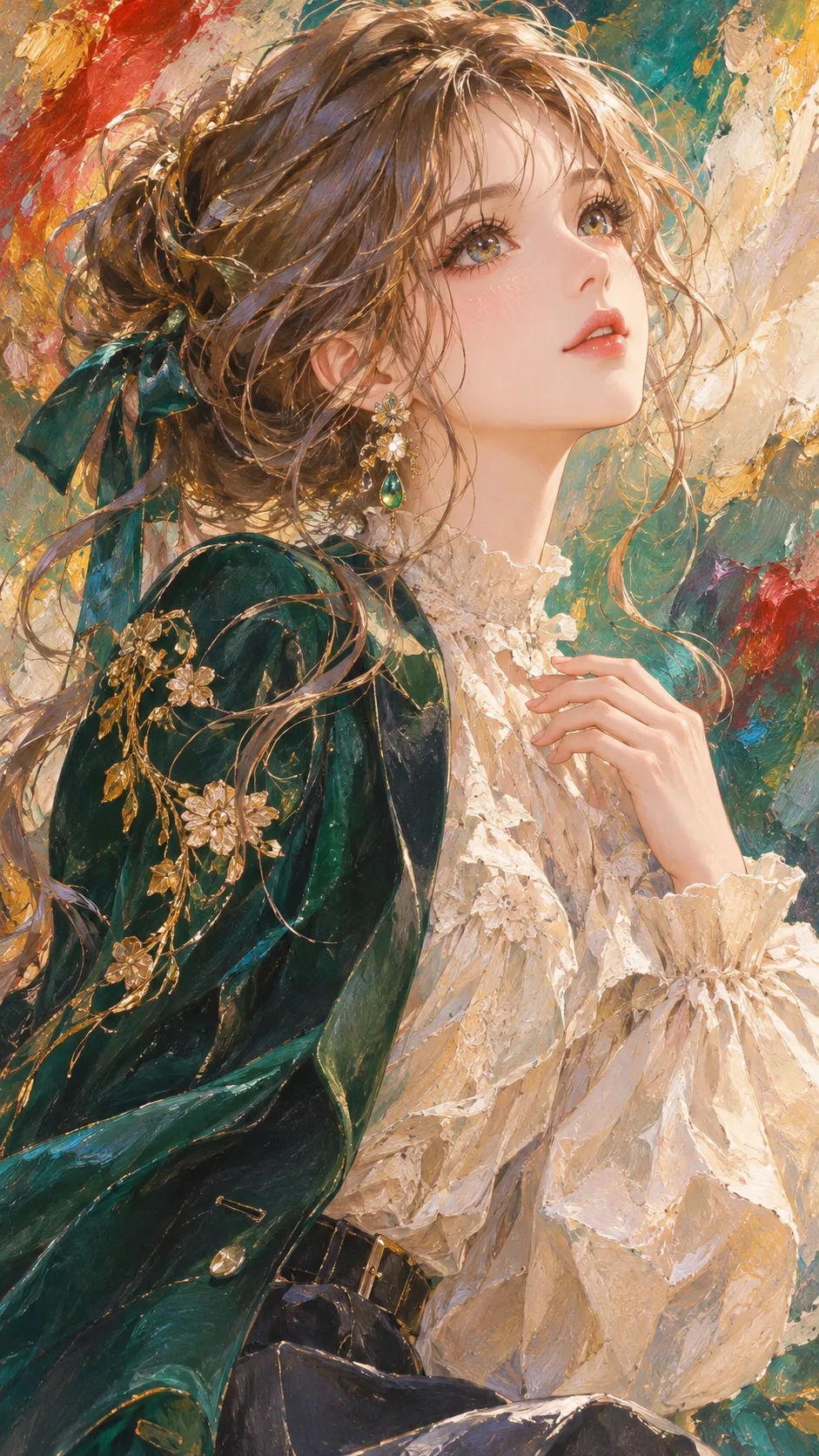
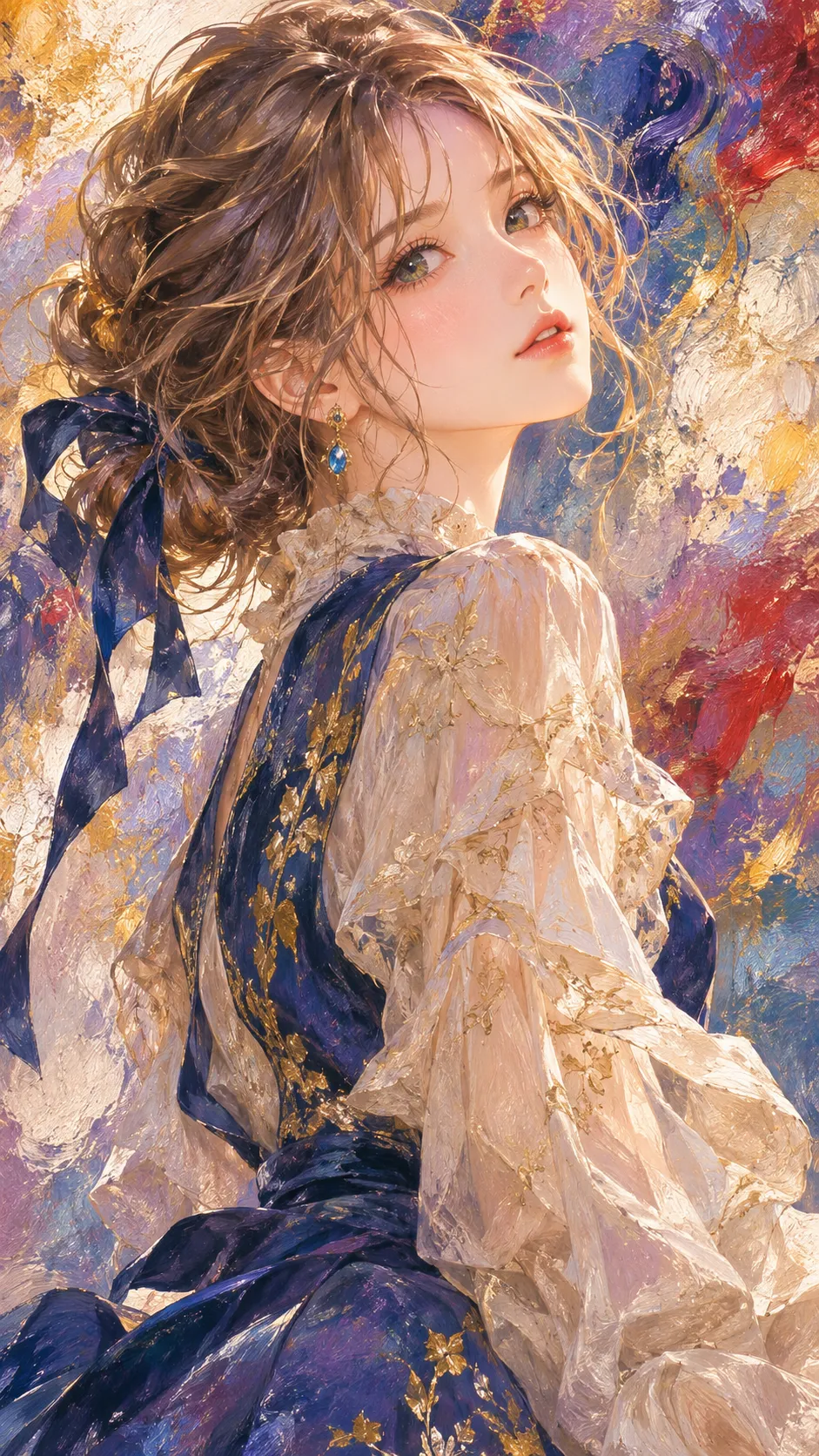
Prompt template
- Format
- Text
- Outputs
- IllustratedArtwork (image)
Create a completely original, fully 2D, hand-painted-style work of art that fuses late-19th-century Art Nouveau decorative art, European Symbolist painting, sophisticated 2020s fashion, and contemporary Japanese shōjo manga illustration.

The result should feel like encountering a masterpiece in a museum: arresting enough to make the viewer pause, catch their breath, and want to study its details. Combine the delicacy of shōjo manga character art with the rich colors of classical painting, the sculptural beauty of modern fashion, and the dreamlike quality of Symbolism. Make the woman’s beauty central, while using composition, color, light, clothing, and painterly technique to create a distinctive, memorable work. Reinterpret historical art forms in a contemporary way; do not imitate an existing masterpiece. Bring a fresh artistic idea to each creation and pursue beauty and surprise.

ARTISTIC IMPACT
Establish one clear, compelling focal feature. Choose what best suits this work and emphasize it boldly: the heroine’s striking face and eyes; an unexpected viewpoint or memorable composition; a beautifully moving, dimensional clothing silhouette; vivid colors balanced with delicate intermediate tones; fantastical light emerging from deep shadow; richly appealing paint texture; or a mysterious presence that suggests a story through a quiet expression. Do not give every element equal emphasis. Create clear visual hierarchy among figure, clothing, and background, balancing delicate and bold areas, stillness and movement, richness and negative space. Seek emotional impact, not merely tidy prettiness.

HEROINE
Depict one fictional, youthful-looking adult woman. Give her the delicate, endearing appeal of a contemporary Japanese shōjo manga heroine, combined with the refined, dignified beauty of a Western porcelain doll. Use naturally rounded, beautiful facial contours, large luminous eyes, fine long lashes, neat brows, and small, elegant lips. Her modern features should convey purity, radiance, intelligence, and gentle femininity. Base her face on beautiful contemporary shōjo manga art, not a realistic Western painted portrait. Give her eyes dimensional color and delicate points of light, with a captivating gaze. Render her skin with soft shadows that suggest layers of transparent paint. Choose an expression suited to the scene, such as a gentle smile, dreamy gaze, composed expression, quiet happiness, or thoughtful look. Preserve the beauty of her face and eyes in every artistic treatment.

HAIR
Choose the hairstyle and color freely to suit the work: short, bobbed, wavy, long, pinned up, or another suitable style. Hair ornaments, parting, and movement at the ends are also unrestricted. Suggest individual strands with delicate lines, soft sheen, and layered color. Use graceful flowing hair for a still portrait or natural movement for a dynamic scene. Do not restrict the hairstyle to a courtly or historical look; favor contemporary styling.

CLOTHING AND CONTEMPORARY FASHION
Dress her in sophisticated 2020s fashion that could plausibly be worn by a contemporary woman. Freely create the garment type, silhouette, materials, colors, and combinations. Possibilities include an elegant blouse, fine knitwear, designer jacket, refined dress, long skirt, wide-leg trousers, or coordinated set. Make the clothing part of the artwork, not merely a depiction of a trend. Select materials such as lace, embroidery, pleats, jacquard, satin, velvet, or tweed as appropriate, and carefully render drape, layers, embroidered detail, sheen, and shadows. When useful, incorporate Art Nouveau plant motifs or graceful ornament naturally into woven patterns, embroidery, or accessories. Clothing may provide a striking visual focal point, but do not let excessive ornament detract from the woman’s beauty. Keep the neckline and chest tastefully covered, avoid excessive exposure, and make any skirt opaque. Do not use court gowns, mythological-goddess attire, or ancient-style clothing.

FLOWERS AND ORNAMENT
Choose freely whether to include flowers or plants, and, if included, select their type, color, and placement to suit the scene. Vary the choice rather than relying on one flower, and also create works without flowers. Do not use white lilies as a recurring decorative default. Do not default to a pose holding a flower or wearing one in her hair. Gems, delicate embroidery, restrained gold-leaf-like glints, and artistic accessories may be used when appropriate. Ornaments should enhance the work, not fill the image without purpose.

POSE AND GESTURE
Choose a pose freely: standing, seated, turning, walking, quietly poised, or another fitting pose. Vary her face direction, gaze, body angle, and hand placement. Use natural movement as well as graceful still poses. Let her gesture convey dignity, delicacy, intelligence, kindness, or a quiet sense of narrative. Do not default to resting a hand against her cheek or propping up her face. Avoid unnatural crossing of the arms and twisted anatomy. Depict two arms, two hands, five fingers on each hand, and two legs. Carefully render anatomy, connected fingers, and the relationship between body and clothing.

COMPOSITION AND VISUAL STAGING
Choose the composition that best serves the artwork: full-length, knee-up, half-length, or a bust portrait. Vary the viewpoint, including frontal, three-quarter, profile, and over-the-shoulder views. Do not limit the image to a conventional, stable portrait composition; use bold negative space, striking crops, diagonal eye-lines, or an arrangement that suggests movement when appropriate. Prioritize the appeal of her face while making the clothing’s form and color read beautifully. Do not always center the figure, and do not restrict the work to symmetry, circular ornament, or a front-facing portrait. Make the image compelling from a distance and delicately beautiful when viewed closely.

BACKGROUND AND ABSTRACT PAINTING
Use an artistic abstract background that combines the rich color of classical painting with contemporary abstract expression. Do not depict a specific landscape, architecture, garden, castle, mountain, sky, or horizon. Do not put Art Nouveau curved ornament, circular decorative frames, arch-shaped frames, or geometric patterns in the background. The background should not be a decorative pattern: express it through the beauty of paint, light, color, and brushwork. Freely choose fitting techniques, such as layered colors with the body of oil paint, precise color fields reminiscent of tempera, soft pastel transitions, delicate gradients like layered transparent paint, elegant gold-leaf-like glints, and the warmth and fine traces of hand painting.

Give the background depth of color, variations in light and shadow, and painterly texture, but do not render every area with equal density. Leave suitable quiet space around the woman’s face so her eyes and expression stand out. A portion of the background may use bold color or distinctive brushstrokes. Preserve the beauty of the abstract painting while making the woman its most compelling subject.

COLOR DESIGN
Choose a fresh palette freely for each work. Possible colors include lavender, amethyst, emerald green, sapphire blue, ruby, antique gold, ivory, rose, and amber, but do not rely on the same palette each time. Combine bright, transparent colors; deep jewel tones; soft pastels; or weighty classical colors as appropriate. Establish a clear dominant color and supporting colors. Use contrasts effectively: vivid and subdued colors, warm and cool tones, luminous transparent areas and deep shadows, delicate intermediate tones and bold accents. Make the colors of the face, clothing, and background resonate with one another. Avoid uniform brightness and saturation; create beautiful tonal contrasts that draw the eye. Use gold sparingly when it suits the work rather than filling the image with it. Make the most of color richness, transparency, depth, and radiance.

LIGHTING
Choose the direction, strength, and color of the light freely, designing it to show the face and eyes at their most beautiful. Select soft diffused light, striking sidelight, delicate backlight, or painterly chiaroscuro as appropriate. Let light create the work’s mood and dreamlike quality, not merely illuminate the figure. Naturally bring out the skin’s translucence, the hair’s sheen, the clothing’s material, and the background’s depth. When suitable, let the figure emerge dramatically from deep shadow. Avoid excessive glow and CG-like lighting effects; make the light feel natural and painted.

STYLE AND PAINTING TECHNIQUE
Create a fully 2D, hand-painted-style artwork combining late-19th-century Art Nouveau decorative art, European Symbolist painting, and contemporary Japanese shōjo manga illustration. Use delicate contemporary shōjo manga linework for the face and eyes, and bring the rich color and painterly brushwork of classical painting to the skin, hair, clothing, and background.

Choose the techniques that best suit each work. Oil-paint qualities may include deep color, rich layers of paint, expressive brushwork, and weighty shadow. Tempera-like qualities may include precise rendering, delicate color fields, transparent layered hues, and quiet beauty. Pastel qualities may include soft color transitions, gentle powdery texture, fantastical light, and delicate atmosphere. Gold-leaf-like decoration may contribute restrained radiance and fine reflections in harmony with jewel-like colors. Layered transparent-paint effects may create clarity, depth, and soft shadows. Do not use every technique equally: choose one as the main approach and use others only as supporting elements. Vary brushwork, color layering, texture, and light from one work to the next. Seek unity so that the figure and background feel as though they were painted together as one painting, not like a digital illustration with a painterly texture added on top. Do not use photography, live-action imagery, 3D, CG, or photorealism.

ORIGINALITY AND VARIATION
Create each work through a different artistic interpretation. Do not fix the hairstyle, hair color, clothing, materials, pose, gaze, composition, palette, lighting, ornaments, painting technique, or background brushwork. Avoid repeatedly using a purple outfit, flower ornaments, a gold background, or a portrait with a hand against the cheek. Explore variety, including works without flowers, restrained ornament, bold vivid color, or quiet beauty. Give each work a new visual idea that defines it, but do not pursue novelty for its own sake; the woman’s beauty and the painting’s overall quality come first.

FINAL REQUIREMENTS
Use a vertical 9:16 composition. Create a sumptuous, fully 2D hand-painted-style artwork featuring one fictional, youthful-looking adult woman with a delicate, refined face reminiscent of contemporary Japanese shōjo manga, luminous large eyes, and delicate linework. Dress her in sophisticated contemporary 2020s fashion. Use the rich colors, fine brushwork, and artistic texture of classical painting. Give her a beautiful abstract painted background with no specific scenery or curved decorative motifs. Carefully render her face, eyes, hair, clothing, and hands, with natural anatomy. Include no text, logos, or watermark.

Bring together beauty, artistic composition, dramatic color, and distinctive painting technique in a polished work that stays in the viewer’s memory. Make it elegant yet bold, delicate yet striking, classical yet contemporary. Balance the delicate beauty of shōjo manga with the artistic presence of a masterpiece displayed in a museum. The goal is not merely a neat, pretty illustration, but a unique modern masterpiece that immediately captivates the viewer and inspires an awed reaction.
What you'll create
A woman’s beauty anchors rich hand-painted color and dreamlike decoration. Refined fashion forms and delicate manga-influenced character detail create an elaborate fully 2D composition.
Frequently asked questions
Is photorealism the intended medium?
No. The work is fully illustrated.
What decorative tradition is included?
Late-nineteenth-century Art Nouveau.


Comments
Tried this prompt? Share what you made, compare results, or ask a question