A Couple Getting Ready for Date Night
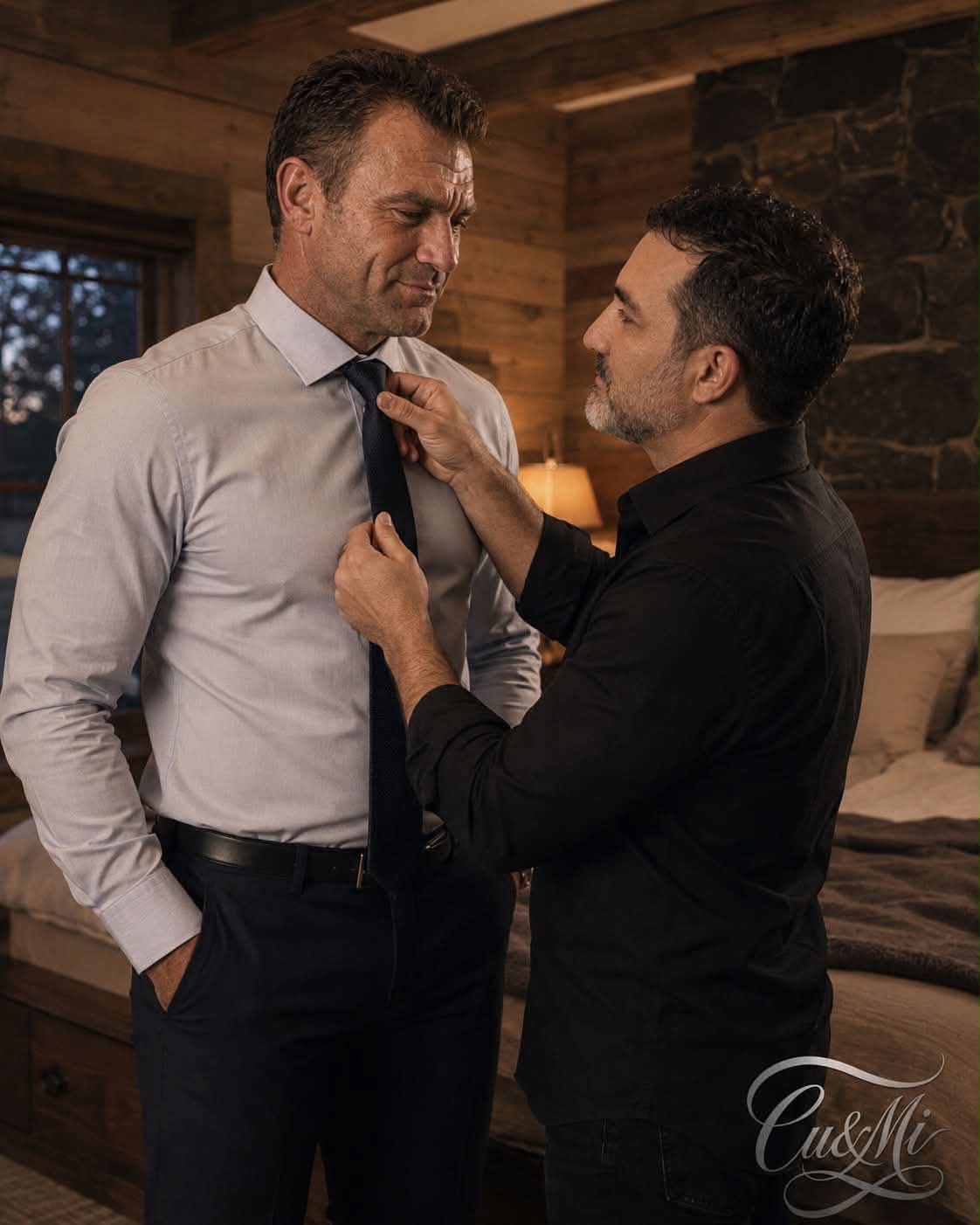
Create a cinematic, photorealistic portrait of two adults sharing a warm, candid moment as one adjusts the other's tie in a Texas ranch-house bedroom.
Example outputs
Prompt template
- Format
- Text
- Inputs
- Reference_image (image) · Required
- Outputs
- Cinematic_portrait (image)
Use the first uploaded image containing both adults as the sole identity and appearance reference. The person on the LEFT in the reference image is SUBJECT 1; the person on the RIGHT is SUBJECT 2. These labels identify the people only and do not dictate where they stand in the finished scene.

STRICT IDENTITY AND PHYSIQUE PRESERVATION

Preserve both subjects’ exact facial identities, apparent ages, genders, facial structures, hairstyles, hair lengths, natural hair colors, hairlines, skin tones, natural physiques, height difference, body proportions, and distinctive features from the reference. Keep each person individually accurate and visibly distinct.

Do not blend, exchange, average, duplicate, beautify, rejuvenate, slim, enlarge, over-muscularize, feminize, masculinize, or otherwise reshape either person. Do not give either subject a new or predetermined hairstyle. Do not add glasses, facial hair, makeup, or accessories unless specifically requested or already present in the identity reference.

The subjects may be two men, two women, or a mixed-gender couple. Preserve each person’s gender and established presentation exactly as shown. Include exactly these two adults and no additional people.

SCENE AND ACTION

Create an ultra-photorealistic, intimate cinematic photograph of the couple standing together in the warm bedroom of an elegant Texas ranch house while preparing for a date night.

SUBJECT 1 stands facing SUBJECT 2, wearing an elegant date-night outfit that includes a tailored collared shirt and a dark necktie. SUBJECT 2 stands directly in front of and slightly to one side of SUBJECT 1, carefully straightening and tightening the tie knot beneath SUBJECT 1’s collar.

SUBJECT 2 uses both hands for this specific action. One hand gently stabilizes the tie knot between the thumb and fingers while the other holds the narrow or lower section of the tie, guiding the knot upward into place. Both hands must remain separate, fully visible, and anatomically correct. The gesture must clearly read as adjusting a tie—not gripping the shirt, pulling the collar, choking the partner, embracing the neck, or merely touching the chest.

The tie is one continuous piece of fabric. It begins beneath the collar, passes cleanly through one properly formed knot, and hangs vertically down the center of SUBJECT 1’s shirt. Do not show a duplicate tie, split tie, floating knot, disconnected fabric, tangled collar, or impossible hand placement.

POSE AND SPATIAL RELATIONSHIP

Position SUBJECT 1 slightly left of center and SUBJECT 2 slightly right of center. They stand close enough for SUBJECT 2 to adjust the tie comfortably, while their torsos remain separate and anatomically distinct.

SUBJECT 1 stands in a relaxed, natural posture with weight shifted subtly onto one leg. One hand may rest loosely in a trouser pocket while the other hangs naturally beside the body. Keep the shoulders relaxed rather than squared into a formal pose.

SUBJECT 2 stands close in front, shoulders angled naturally toward SUBJECT 1. Keep the elbows comfortably bent as both hands work on the tie. Use a balanced stance, without unnatural leaning, stretched arms, raised shoulders, or distorted height.

Preserve the couple’s real height difference from the reference. If SUBJECT 2 is shorter, they look naturally upward while adjusting the tie. If SUBJECT 2 is taller, they lower their gaze and hands appropriately. Do not force an artificial or stereotypical height arrangement.

FACIAL DIRECTION AND EXPRESSIONS

SUBJECT 2 initially concentrates on the tie knot, then lifts their eyes toward SUBJECT 1 without moving their hands away from the tie. Raise their chin only as much as naturally required by the height difference.

SUBJECT 1 looks downward or slightly across toward SUBJECT 2’s face. Keep both faces visible at readable three-quarter angles rather than in strict side profile. Their eyes meet in a quiet, spontaneous moment. Neither subject looks at the camera.

Both expressions are friendly, soft, warm, familiar, and gently affectionate. SUBJECT 1 has a small, genuine smile and softened eyes, quietly enjoying the attention. SUBJECT 2 has a restrained, fond smile that combines concentration with playful tenderness.

Make their connection immediately legible through their shared gaze, relaxed proximity, familiar touch, and subtle smiles. They are emotionally comfortable with one another and clearly looking forward to spending the evening together.

Do not make either person stern, blank, seductive, distressed, frightened, intensely serious, or surprised. Avoid exaggerated grins, open-mouthed laughter, sultry model expressions, melodrama, or camera-facing smiles. This is not a posed romance-cover portrait; it is a candid private moment caught while one partner helps the other finish getting ready.

WARDROBE

Dress both subjects for an elegant but relaxed evening date. Their clothing should coordinate in refinement and color without becoming identical or overly formal.

SUBJECT 1 wears a gender-appropriate tailored outfit built around a collared dress shirt and necktie. For a male SUBJECT 1, use a well-fitted dress shirt with tailored trousers and an optional understated blazer, either worn open or waiting nearby. For a female SUBJECT 1, use a refined women’s tailored shirt, a blouse with a structured collar, or an elegant fitted suit with a slender tie or narrow necktie designed naturally for her proportions and presentation.

The tie should be dark navy, charcoal, black, burgundy, or forest green, with subtle woven texture. The shirt may be white, cream, pale blue, muted gray, or softly striped. The collar must sit naturally around the tie knot.

SUBJECT 2 wears a complementary, gender-appropriate date-night outfit. For a male SUBJECT 2, use an elegant open-collar shirt, fine knit top, tailored trousers, dark jeans, refined blazer, or fitted suede jacket. For a female SUBJECT 2, use an elegant dress, refined blouse with tailored trousers or skirt, tasteful satin top, fitted jumpsuit, or understated evening jacket.

For two men or two women, dress each according to their individual gender presentation and personality. Do not assign one subject stereotypically feminine clothing merely because they are adjusting the tie. A man may adjust another man’s tie while wearing masculine date-night clothing; a woman may adjust another woman’s tie while wearing clothing natural to her own presentation.

Use sophisticated evening colors such as deep navy, black, charcoal, burgundy, forest green, muted cream, warm taupe, or restrained earth tones. Include realistic fabric weave, seams, buttons, folds, and tailoring.

Avoid matching uniforms, wedding attire, tuxedos, ball gowns, nightclub clothing, excessive jewelry, hats, sunglasses, lingerie, exposed underwear, exaggerated cleavage, or sexualized styling.

RANCH-HOUSE BEDROOM

Set the scene in a comfortable, refined bedroom inside a Texas ranch house, combining warm natural wood with rugged dark stone.

Use broad honey-brown or weathered-oak wall planks, exposed wooden ceiling beams, handcrafted timber furniture, and one substantial section of deep charcoal fieldstone forming a fireplace surround, accent wall, or structural column. The stone should have irregular natural shapes, restrained mortar seams, and realistic mineral texture.

Include a wooden bed with neutral linen bedding, a softly folded wool blanket, a leather or upholstered bench, a timber nightstand, and warm bedside lighting. Add only a few restrained ranch details, such as black iron hardware, a woven textile, or a simple framed landscape. A jacket may rest naturally across the bed or chair to suggest that the couple is nearly ready to leave. Keep the room tidy but genuinely lived in.

The bedroom should feel private, adult, warm, grounded, and authentically part of an elegant ranch house. Avoid cowboy clichés, saloon décor, barn interiors, animal trophies, excessive antlers, an urban apartment, hotel room, palace, or rustic clutter.

LIGHTING

Use warm amber evening light from a bedside lamp, shaded wall fixture, or pendant light, balanced with faint cool-blue twilight entering through a nearby window. Let the warm light gently shape both faces, their hands, the tie knot, shirt collar, and clothing textures. Use soft cool rim light to separate their hair and shoulders from the wood-and-stone background.

Keep both faces clearly recognizable, with realistic skin texture, visible pores, natural wrinkles and expression lines, fine facial hair where naturally present, individual eyelashes, authentic eye moisture, and natural highlights on the lips. The lighting should feel intimate and flattering without smoothing, beautifying, or idealizing either person. Avoid harsh studio flash, artificial halos, excessive bloom, washed-out skin, or deep shadows hiding either face.

CAMERA AND COMPOSITION

Use a vertical 4:5 cinematic composition, framed from approximately the subjects’ hips or upper thighs upward. Set the camera at a natural eye level or slightly lower, at a gentle angle to the couple rather than directly square in front of them.

Clearly show both recognizable faces in three-quarter views, their connected eye lines, SUBJECT 2’s two hands adjusting the tie, the correctly formed tie knot and shirt collar, the natural height difference between the subjects, and the warm wood and dark-stone ranch bedroom.

Use a premium full-frame or large-format camera with a 50–65mm lens. Apply moderately shallow optical depth of field so both faces, SUBJECT 2’s hands, the knot, and the upper portion of the tie remain sharply detailed while the bedroom softens gently behind them. Do not crop through either face, SUBJECT 2’s hands, or the tie knot.

MOOD

Convey warm anticipation, playful familiarity, trust, companionship, domestic intimacy, and the understated happiness of preparing for a night out together. The emotional center is the tiny shared pause when SUBJECT 2 looks up from the tie and the couple catches each other’s eyes. The viewer should immediately understand that these people share a close, established bond and enjoy caring for one another.

Keep the moment romantic in a soft, mature, natural way—not sexualized, theatrical, overly sentimental, or staged. Their intimacy comes from familiarity and attention rather than exaggerated physical contact.

STYLE AND QUALITY

Ultra-photorealistic cinematic lifestyle photography, 8K–16K master quality, RAW photo realism, physically accurate warm lighting, realistic global illumination, true optical depth of field, balanced HDR, refined cinematic color grading, authentic skin texture, individual hair strands, accurate hands, natural fingernails, realistic shirt construction, precise tie fabric, visible stitching, detailed wood grain, and authentic dark-stone texture.
What you'll create
An adult couple stands close together as one carefully straightens a single dark tie beneath a shirt collar. Separate visible hands and relaxed postures make the affectionate preparation moment feel physically believable.
Frequently asked questions
Should the action resemble pulling the collar?
No. It must clearly read as adjusting the tie knot with both hands.
What preserves realism between the partners?
Their distinct identities, natural physiques and real height difference remain unchanged.


Comments
Tried this prompt? Share what you made, compare results, or ask a question