Two Investigators Advancing Through a Noir Passageway
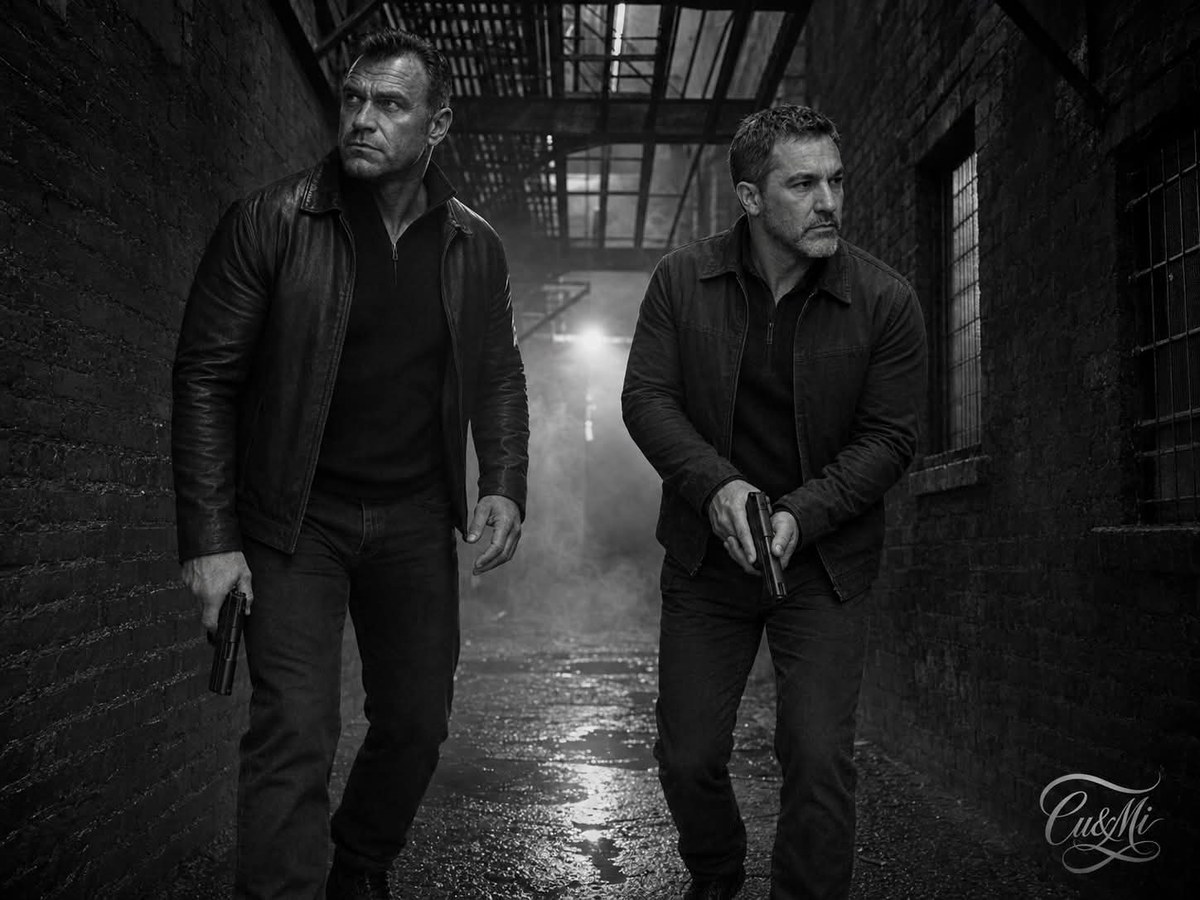
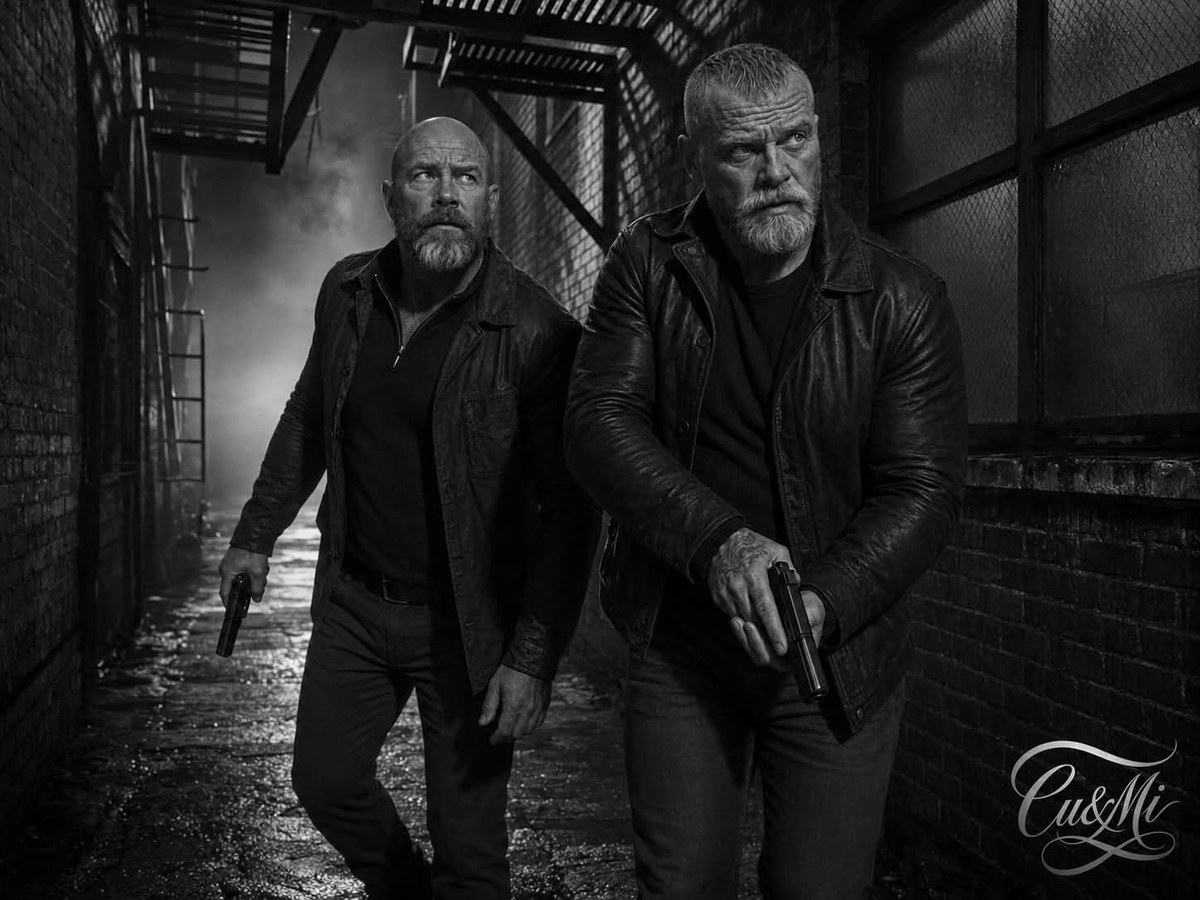
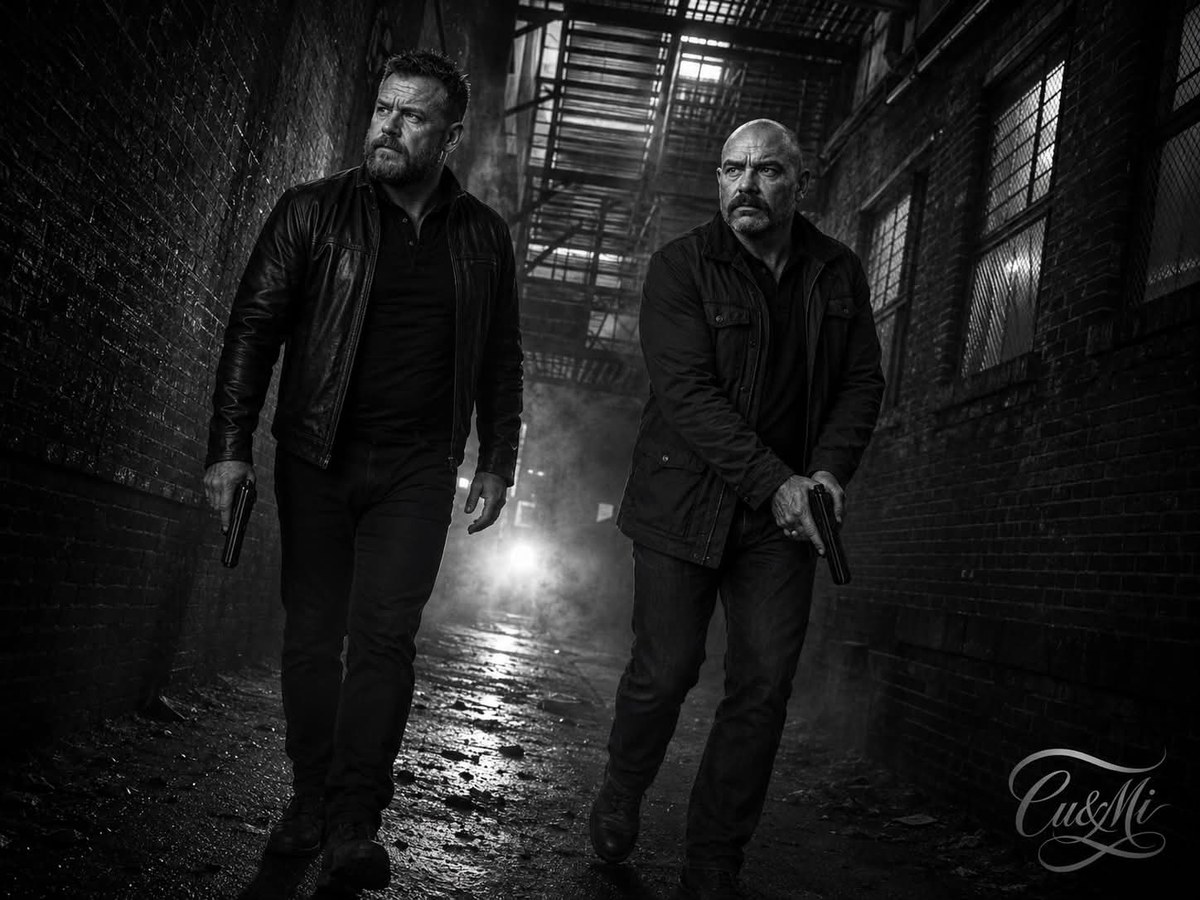
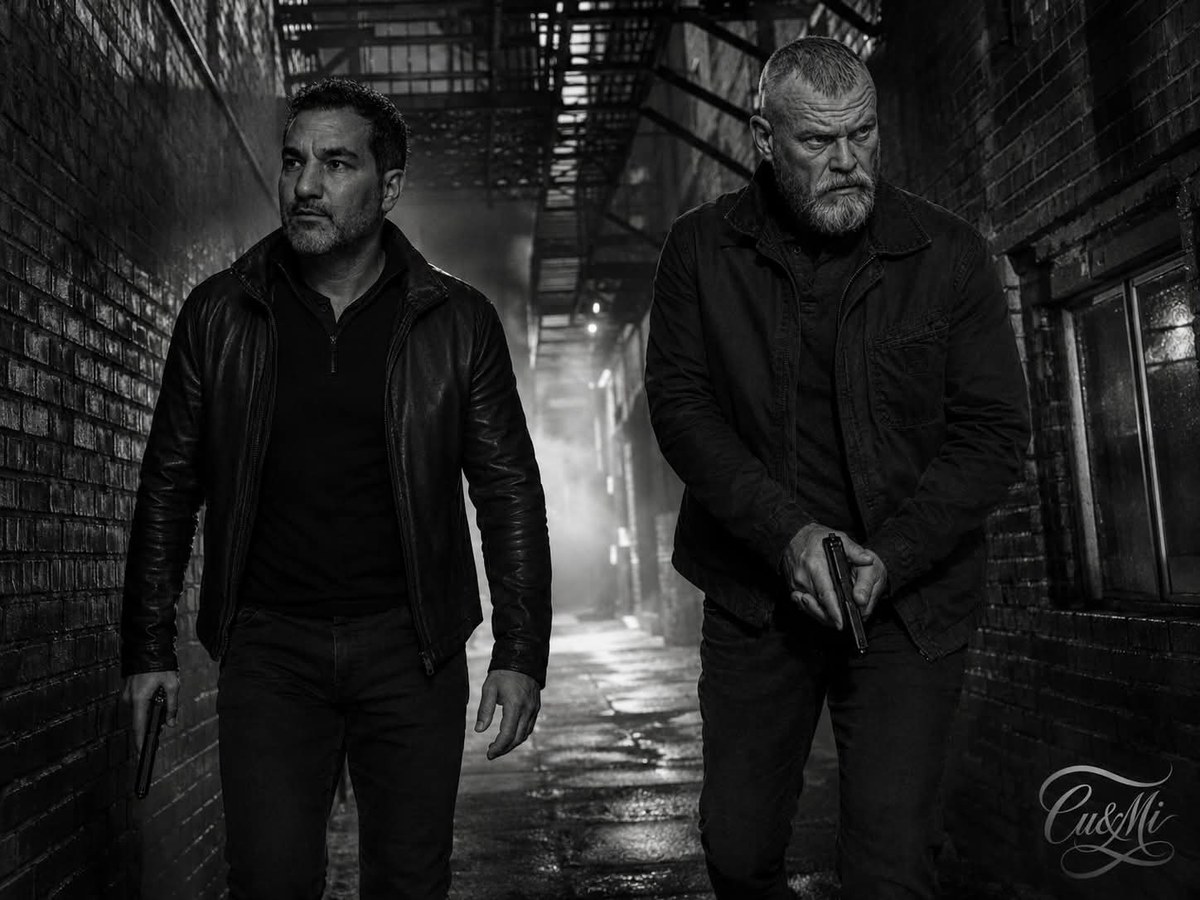
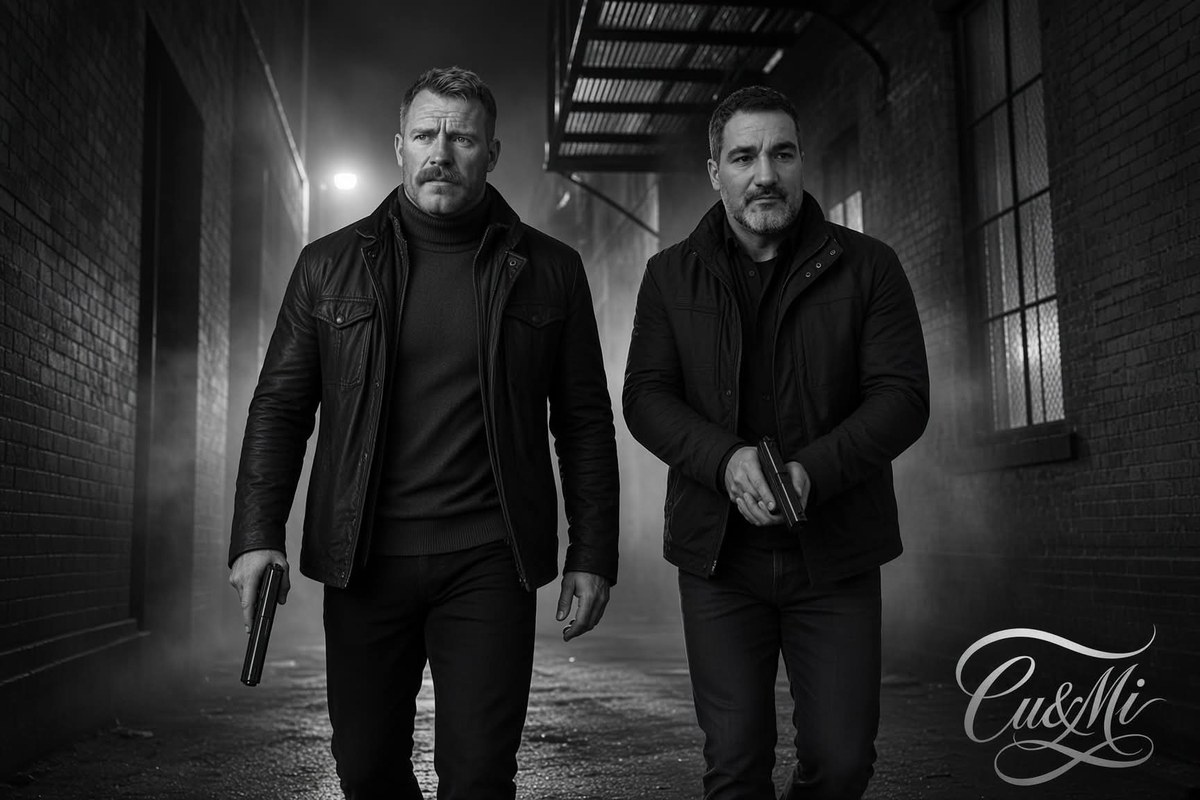
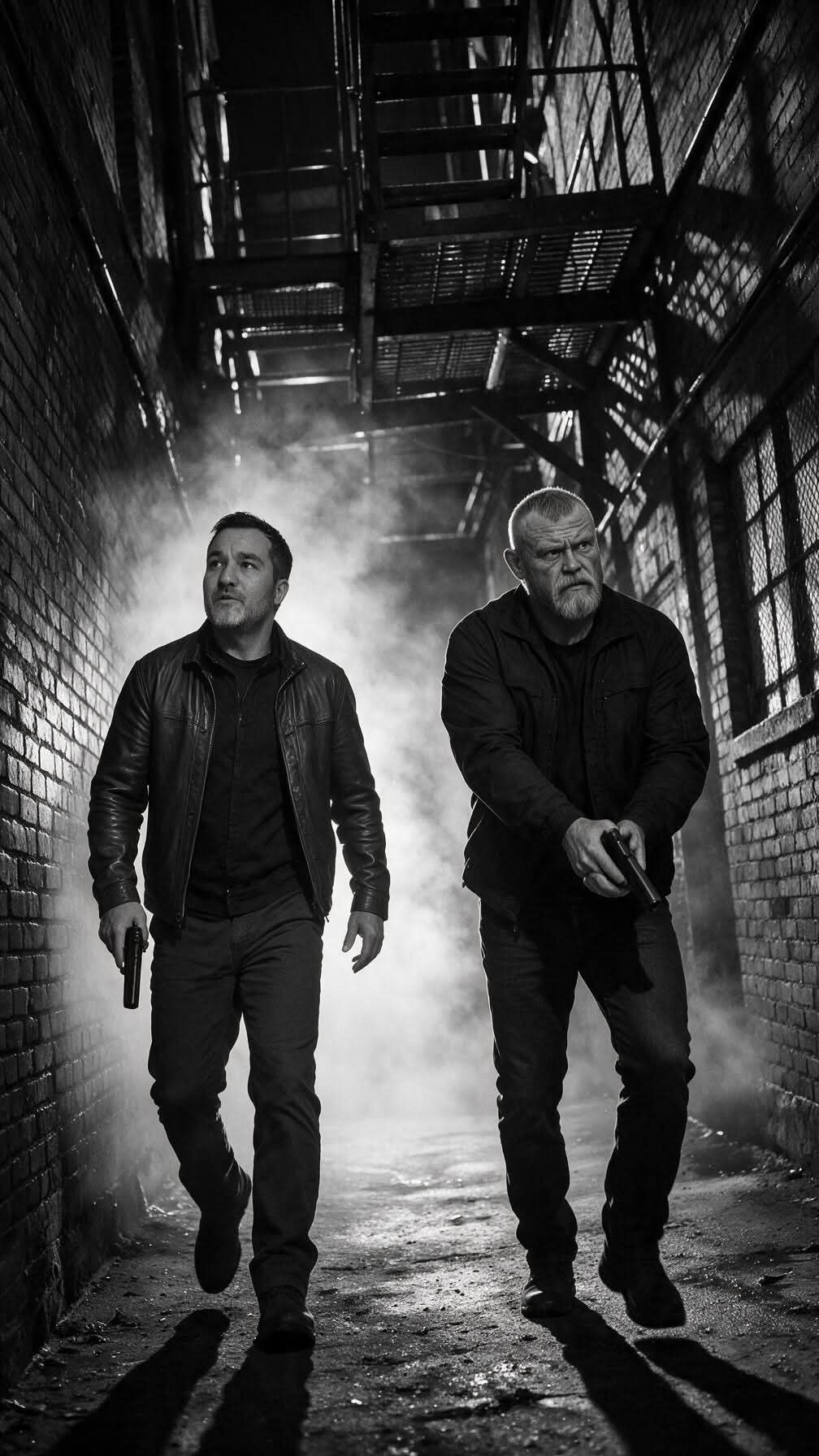
Create a photorealistic black-and-white crime-thriller scene of two reference subjects cautiously advancing through a narrow, foggy industrial passageway.
Example outputs
Prompt template
- Format
- Text
- Inputs
- Reference_image (image) · Required
- Outputs
- Crime_thriller_photograph (image)
Use the uploaded reference image containing both adult subjects as the sole identity and appearance reference. The person standing on the LEFT in the reference image is SUBJECT 1. The person standing on the RIGHT is SUBJECT 2. These labels identify the subjects only; they do not require them to occupy the same left/right positions in the finished image.

IDENTITY AND PHYSIQUE
Preserve both subjects’ exact facial identities, apparent ages, genders, facial structures, hairstyles, hair lengths, natural hair colors, hairlines, skin tones, natural physiques, height difference, body proportions, and distinctive features from the reference image. Keep both people individually recognizable and visibly different.

Do not blend, exchange, average, duplicate, beautify, rejuvenate, slim, enlarge, over-muscularize, feminize, masculinize, or otherwise reshape either person. Do not give either subject a new or predetermined hairstyle. Preserve the natural differences in their heights, builds, faces, and body language. Include exactly these two adults and no additional people.

SCENE AND ACTION
Create an ultra-photorealistic black-and-white cinematic crime-thriller photograph of both subjects advancing cautiously through a narrow industrial brick passageway at night. They are alert investigators or covert operatives moving toward an unseen threat somewhere ahead of them.

Capture a tense moment during active movement—not a posed promotional portrait, fashion shoot, heroic lineup, or staged gun pose. Both subjects have just slowed their advance after hearing or noticing something ahead. Their bodies retain forward momentum: one foot is slightly ahead of the other, knees are softly bent, shoulders are tense, and their weight is distributed naturally for cautious movement.

Their postures are upright but guarded rather than rigid. Neither person stands symmetrically or squarely toward the camera. They move independently while functioning as a coordinated team. The exact poses may vary slightly, but both subjects must remain caught in cautious forward movement, scanning different directions while responding to the same unseen danger. They are not talking, smiling, touching, embracing, staring at each other, or posing for the camera.

SUBJECT PLACEMENT AND MOVEMENT
Place SUBJECT 1 on the left side of the passageway and SUBJECT 2 on the right, walking side by side with a small but visible gap between their bodies. SUBJECT 2 may be half a step ahead, but neither person dominates the other. Preserve their natural height difference from the reference image.

SUBJECT 1 walks close to—but not touching—the left brick wall. Their torso faces generally forward while the head turns subtly toward the upper-left or straight ahead, scanning the dark architecture and overhead structure. Their expression is intensely focused and alert, with slightly narrowed eyes, controlled breathing, and a set jaw. Keep the face fully readable in a natural three-quarter angle, with no direct eye contact with the camera.

SUBJECT 1 holds a compact handgun low beside the outer thigh in one hand. The arm hangs with controlled tension, the muzzle points safely downward toward the floor, and the trigger finger remains straight and clearly outside the trigger guard. The opposite hand remains free beside the body, slightly raised, or prepared to react. Do not make SUBJECT 1 aim the weapon, wave it, point it toward the viewer, point it toward SUBJECT 2, or pose with it decoratively.

SUBJECT 2 advances on the right, positioned slightly farther from the camera or half a step ahead. Their torso faces forward while the head angles subtly toward the upper-right or farther down the passage, scanning a different sector from SUBJECT 1. Their expression is concentrated, watchful, and controlled rather than aggressive. Keep their face clearly visible in a readable three-quarter view, with no direct eye contact with the camera.

SUBJECT 2 holds a compact handgun in a restrained two-handed low-ready position in front of the lower abdomen or upper thighs. Both elbows remain naturally bent. The muzzle points diagonally downward and away from both subjects. The trigger finger remains straight and visibly outside the trigger guard. Make the hands, wrists, and weapon connect logically. Do not create fused hands, crossed wrists, duplicate fingers, an impossible grip, or a weapon attached unnaturally to the body.

WARDROBE
Dress both subjects in coordinated contemporary dark thriller wardrobe using black, charcoal, and deep gray. Adapt each outfit naturally to the subject’s gender, physique, proportions, and established presentation in the reference image. The outfits should share the same visual world without being identical.

Use appropriate combinations of fitted or relaxed black leather jackets, matte tactical-inspired jackets without military insignia, dark high-neck sweaters, black shirts, understated blouses where appropriate, charcoal trousers, fitted jeans, straight-leg pants, and practical dark boots.

For a male subject, use masculine cuts and proportions naturally suited to his body. For a female subject, use feminine or gender-appropriate tailoring naturally suited to her body without making the clothing sexualized or impractical. If both subjects share the same gender, give them individually appropriate outfits rather than dressing one as the “male role” and the other as the “female role.”

Clothing must move and fold naturally as they walk. Include realistic leather grain, subtle fabric texture, visible seams, small wrinkles, restrained wear, and slight moisture from the damp environment.

Do not include matching uniforms, police badges, visible logos, formal suits, eveningwear, dresses, skirts, high heels, hats, sunglasses, body armor, oversized tactical equipment, exposed cleavage, or sexualized clothing.

ENVIRONMENT
Place the subjects inside a narrow, claustrophobic passageway constructed from old dark brick. The tall parallel walls rise on both sides and converge toward the smoky background, creating strong depth and visual confinement.

Overhead, include a heavy industrial steel fire escape, grated walkway, or maintenance platform spanning the passage. Metal stairs, support beams, and open grating form dense geometric patterns above the subjects.

Include a few narrow industrial windows with wire-reinforced or dirty glass along the right brick wall. Their dim reflected light remains secondary to the powerful backlight behind the subjects.

The floor is worn concrete or dark damp pavement with scattered grit, small fragments, subtle puddles, and soft reflections. Make the passage look real and functional—not like a theatrical set, gothic castle, futuristic corridor, or clean studio.

FOG AND ATMOSPHERE
A restrained layer of pale fog or smoke drifts through the passage behind and around the subjects. The fog is densest near the bright opening in the deep background and becomes thinner around their bodies.

The mist curls naturally around their legs, rises in uneven columns, and catches the backlight in subtle volumetric layers. Keep it translucent enough for the brick walls, overhead fire escape, and silhouettes to stay readable. Use slight atmospheric haze around the subjects’ shoulders and hair edges. Do not engulf their faces, obscure their identities, or create an enormous explosion. No flames, supernatural mist, colored smoke, or artificial fog-wall effect.

LIGHTING
Illuminate the scene primarily with one harsh white source behind the subjects at the far end of the passage. The backlight shines through the fog, producing a restrained bloom near floor level and strong rim light around their silhouettes.

Cool overhead and side light catches selected planes of both faces, cheekbones, eyes, jacket seams, hands, and weapons. Shadows remain deep and dramatic but retain enough facial detail for accurate recognition.

The grated fire escape overhead casts narrow broken bands and striped shadows across the brick walls, fog, and portions of the subjects’ clothing. Keep the lighting physically coherent and directional.

Use rich blacks, bright controlled highlights, and a full range of textured mid-gray tones. Do not crush both faces into featureless darkness. Do not produce flat gray lighting, blown-out faces, artificial halos, or glossy studio illumination.

CAMERA AND COMPOSITION
Use a horizontal 4:3 cinematic composition. Position the camera slightly below the subjects’ waist level and several feet ahead of them, looking gently upward as they advance.

Tilt the camera only approximately 5–7 degrees on its roll axis to create a subtle Dutch angle. The vertical brick lines and overhead structure should lean just enough to generate psychological unease. Do not create an extreme diagonal composition or make the subjects appear to be falling sideways.

Use a premium large-format cinema camera with a natural 35–40mm lens. Preserve realistic perspective and anatomy. Frame both subjects approximately from the knees or mid-thigh upward, with comfortable space above their heads and enough environment visible to establish the narrow passage and overhead fire escape.

Keep both faces in sharp focus. Use moderate depth of field so the immediate brick texture, clothing, hands, and weapons remain detailed while the illuminated fog in the far background softens naturally.

MOOD AND REALISM
Create a mood of brooding urban noir, restrained danger, professional vigilance, claustrophobia, uncertainty, and the quiet moment immediately before violence erupts. The tension should come from what the subjects sense but the viewer cannot see.

Both subjects are competent, focused, and on alert, but their fear response remains human and subtle. Their expressions and body language communicate that they are listening, calculating, and covering separate angles while continuing forward.

The image should resemble a still from a sophisticated prestige crime thriller or psychological espionage film—serious, grounded, elegant, atmospheric, and emotionally controlled.

Create ultra-photorealistic monochrome cinema photography with 8K–16K master quality, HDR, realistic global illumination, physically accurate shadows, subtle volumetric light, true optical depth of field, natural film grain, fine brick texture, corroded steel, damp concrete, realistic leather and fabric weave, individual hair strands, visible skin pores, natural wrinkles, fine facial hair where present, realistic eye moisture, accurate hand anatomy, and physically correct reflections on the weapons.

Apply sophisticated black-and-white film grading with deep blacks, restrained highlight bloom, strong local contrast, and subtle silver-gelatin texture. The result must remain photographic—not an illustration or graphic-novel drawing.

AVOID
No posing, fashion stance, heroic power pose, symmetrical lineup, smiles, romantic interaction, eye contact with the camera, weapons pointed at the viewer, fingers on triggers, muzzle flash, active gunfire, visible enemy, corpses, blood, explosion, extra people, altered identities, swapped faces, blended features, changed physiques, extra limbs, fused anatomy, malformed hands, duplicated weapons, extreme Dutch angle, heavy fog hiding the subjects, CGI appearance, plastic skin, artificial sharpening, color tint, or AI artifacts.
What you'll create
Two recognizable adults move side by side with a visible gap, scanning different directions for an unseen threat. Guarded forward motion and readable three-quarter faces create tension without active gunfire.
Frequently asked questions
Is an enemy visible?
No. The source excludes a visible enemy and active gunfire.
Where does the low-held handgun point?
Down toward the floor, with the trigger finger straight outside the guard.






Comments
Tried this prompt? Share what you made, compare results, or ask a question