- Category
- Photography
- Model
- openai-chatgpt
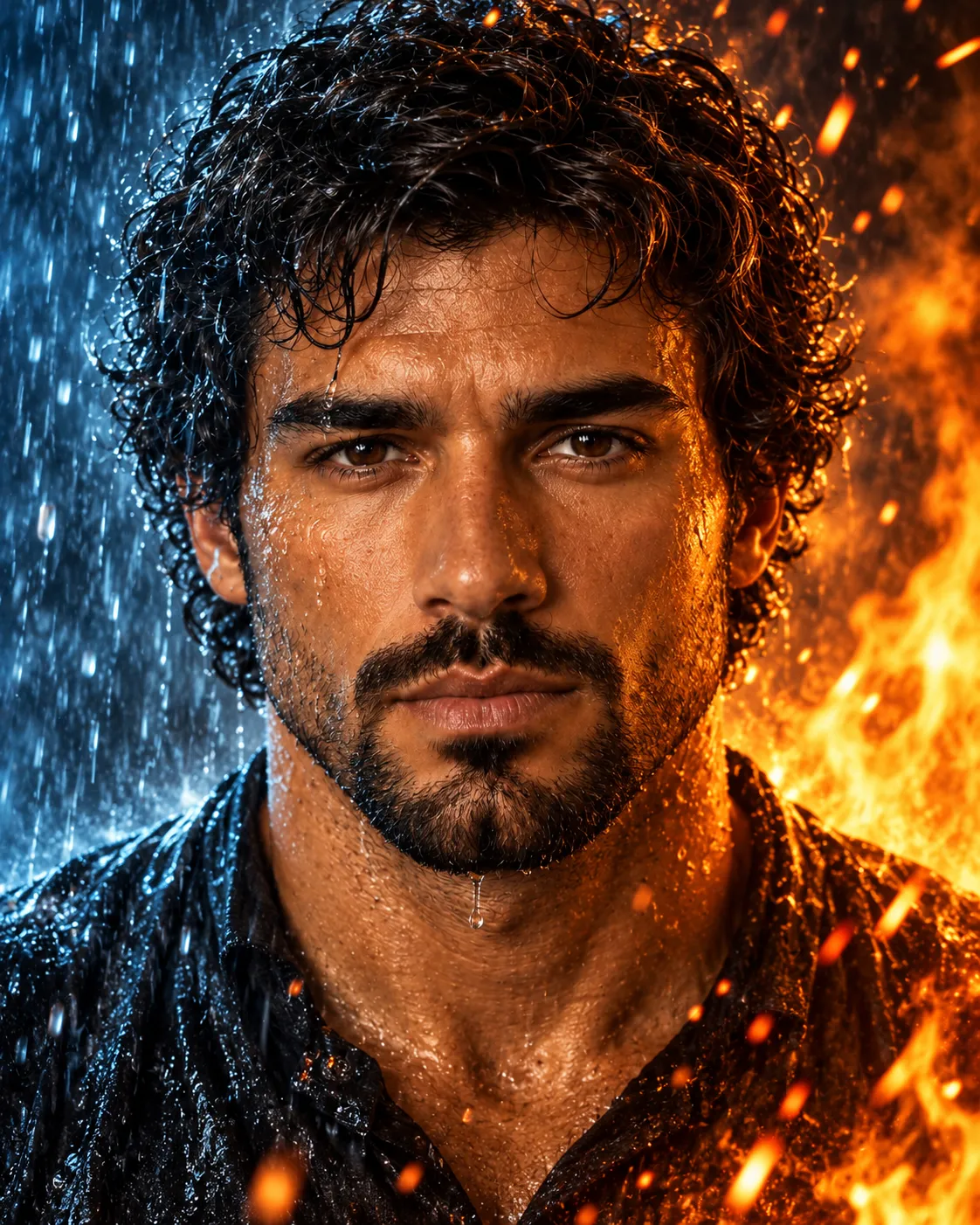
Between Fire and Rain: Cinematic Portrait
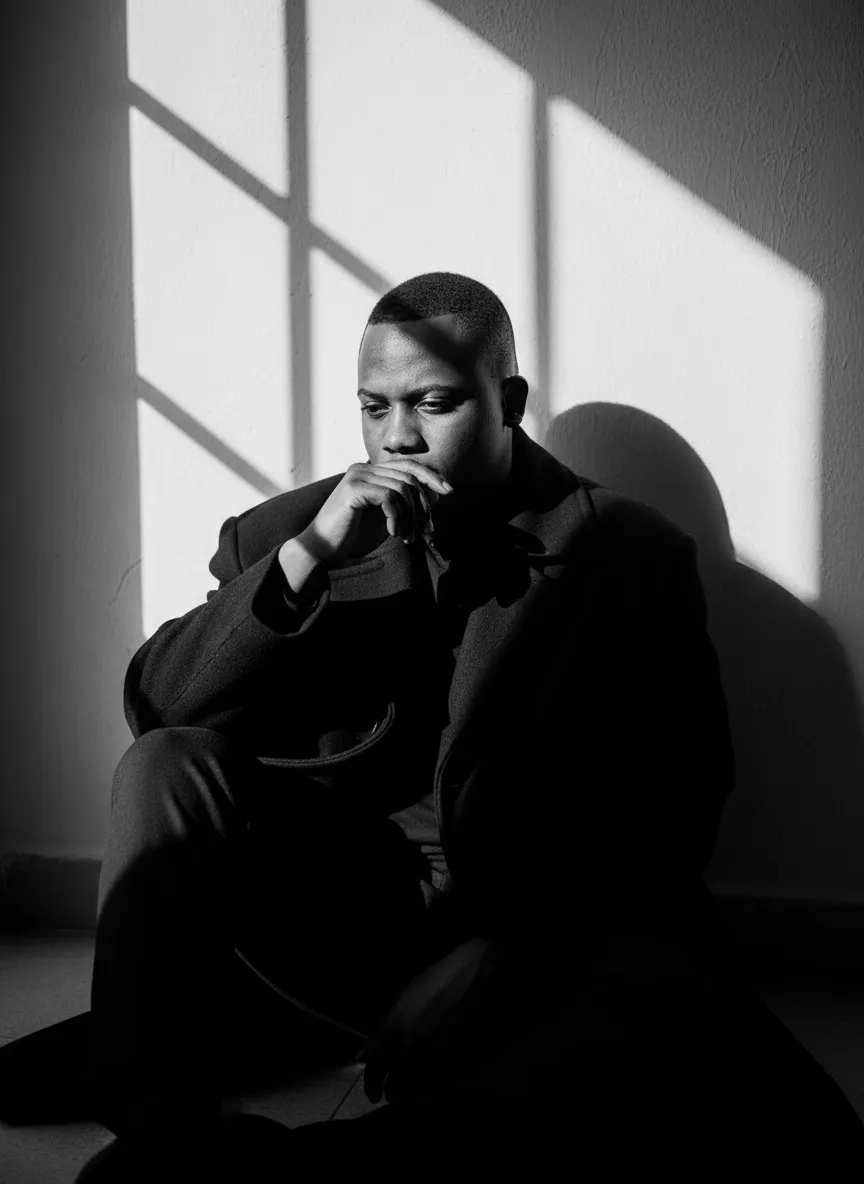
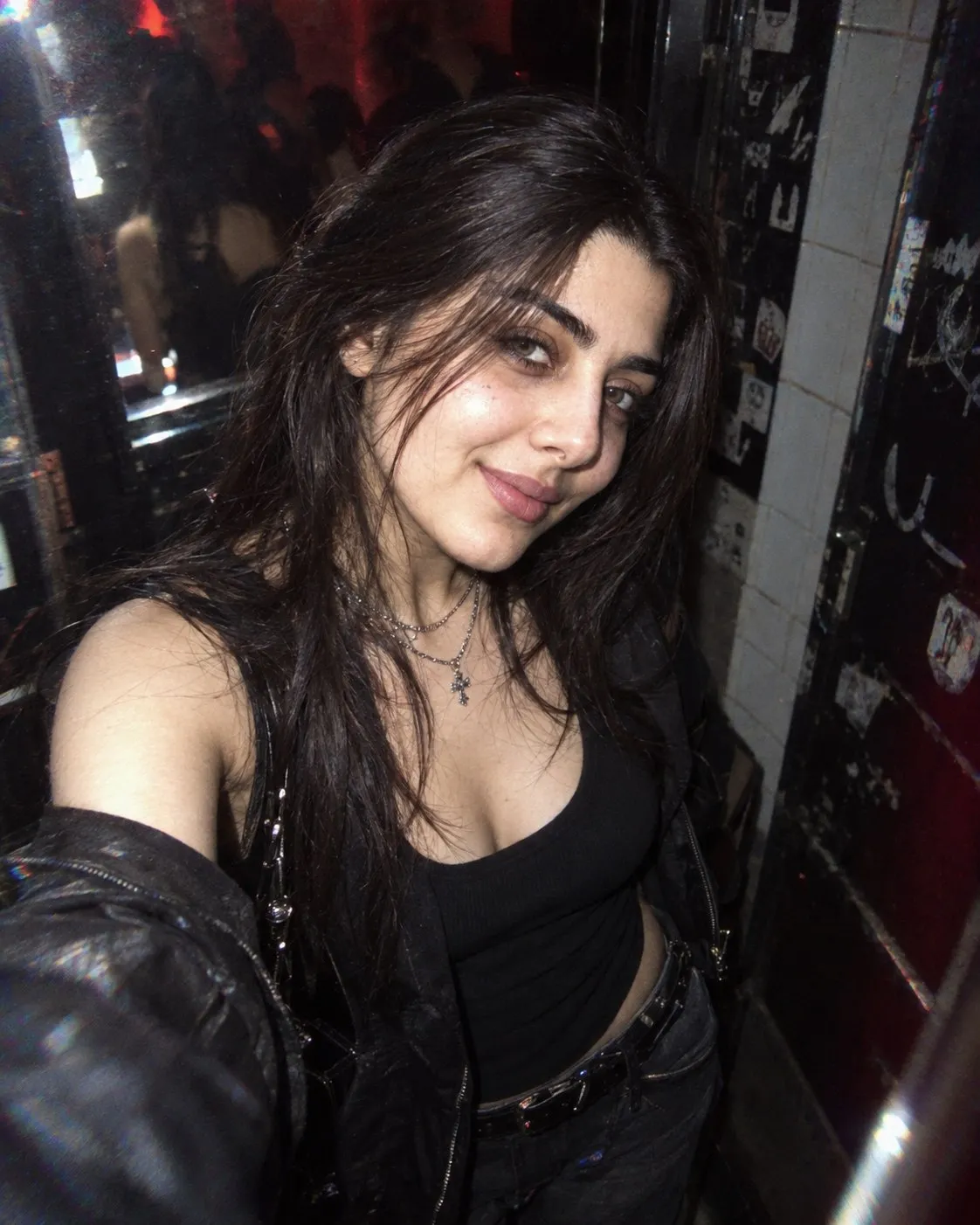
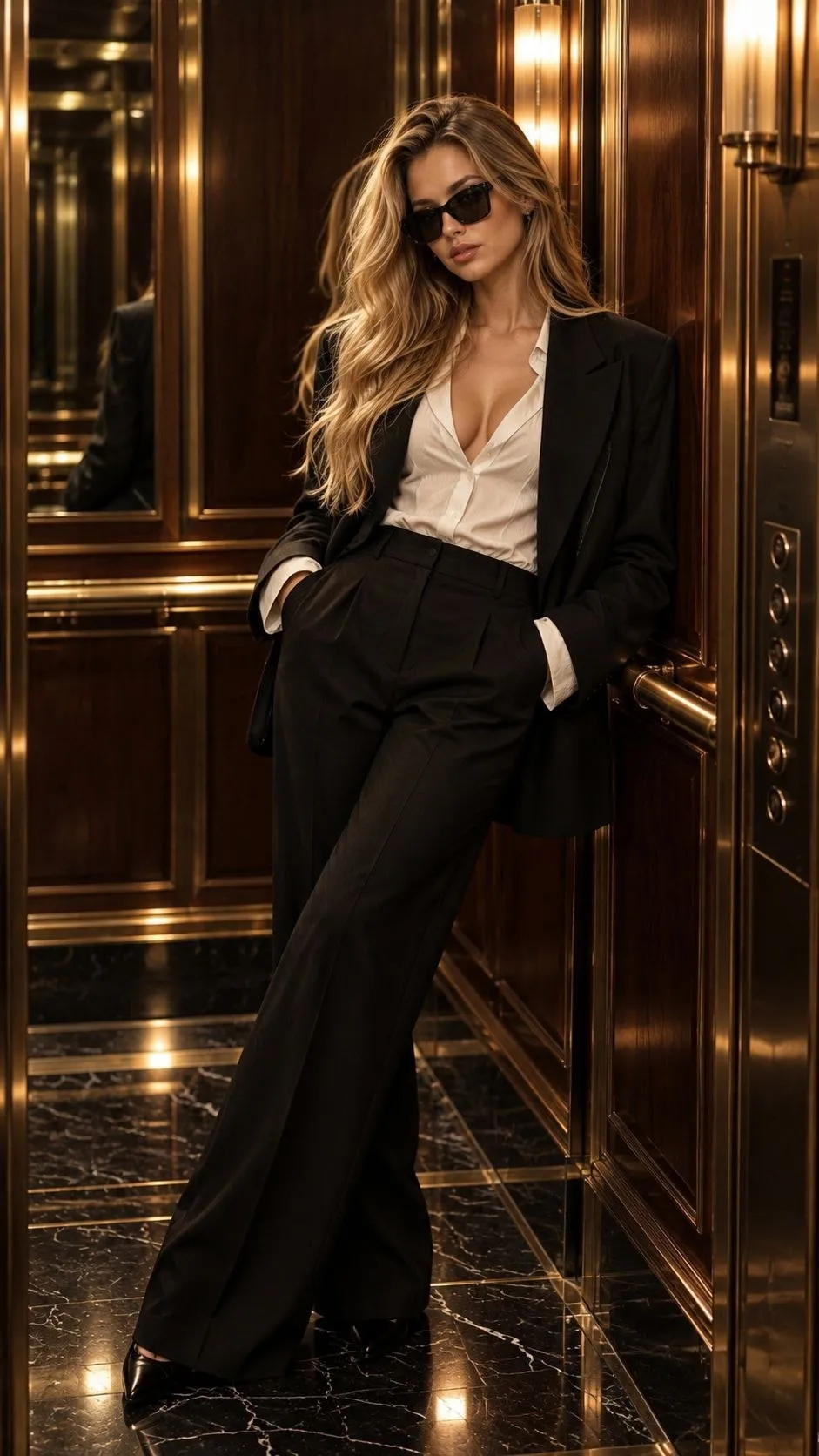
Create a photorealistic close-up portrait that contrasts freezing rain and blazing fire while preserving the identity of the person in the reference photo.
By Threads — Published on — Modified on
Example images
Prompt template
0 copies
- Format
- Text
- Inputs
- Uploadedpersonphoto (image) · Required
- Outputs
- Cinematicportrait (image)
Create an image using the uploaded image as the primary facial identity reference.

IDENTITY AND FACIAL PRESERVATION:
Preserve the person’s recognizable facial identity, natural skin tone, apparent age, facial proportions, eye shape and color, eyebrows, nose, lips, cheekbones, jawline, hairline, hairstyle, facial hair if present, and distinctive characteristics. Maintain authentic skin pores, fine lines, natural imperfections, and realistic anatomy. Do not de-age, excessively beautify, reshape, or replace the person’s face. Adapt naturally to the person’s hair, facial hair, and physical characteristics while preserving maximum resemblance.

STYLE AND ATMOSPHERE:
Create an extraordinarily detailed, ultra-photorealistic cinematic close-up portrait depicting the dramatic collision of freezing rain and blazing fire. Draw on Hollywood action movie posters, premium cinematic character photography, elemental fantasy realism, and high-end dramatic portraiture. Make the atmosphere intense, powerful, mysterious, emotionally charged, and visually spectacular. Use a striking split-color palette of icy cyan-blue, deep midnight-black, molten amber, fiery orange, and brilliant golden highlights.

COMPOSITION AND CAMERA ANGLE:
Use a vertical 4:5 extreme close-up, photographed from a direct, eye-level frontal perspective. Position the person’s face prominently in the center, filling nearly the entire frame. Maintain direct, piercing eye contact with the camera and a serious, confident, subtly defiant expression. Keep both eyes visible and intensely expressive, with naturally furrowed brows and relaxed, closed lips. Frame from the upper portion of the wet hair to the lower neck and shoulders. Slight natural cropping of the outer hair is permitted for this intentional extreme close-up. Keep facial proportions undistorted and preserve realistic perspective compression.

LIGHTING AND COLOR:
Create a spectacular dual-temperature lighting arrangement. On the viewer’s left, use cold cyan-blue storm lighting to illuminate falling rain, wet hair, and glistening skin. On the viewer’s right, use intense orange flames to cast brilliant amber highlights across the forehead, cheek, jawline, and neck. Let a dramatic transition between cold blue shadows and burning orange illumination travel naturally across the face. Use strong directional side lighting, deep cinematic shadows, controlled specular reflections, delicate rim lighting, and realistic light scattering through rain and airborne sparks. Maintain balanced facial exposure despite the extreme lighting contrast.

RAIN, FIRE, AND ENVIRONMENT:
Surround the subject’s left side with heavy, realistic rainfall against a dark, atmospheric background. Saturate the hair with water, forming individual wet strands and naturally separated curls or locks appropriate to the person’s hairstyle. Render countless realistic droplets across the forehead, eyebrows, eyelashes, cheeks, nose, lips, and neck. Include delicate rivulets running down the face and suspended droplets falling from the chin.

On the viewer’s right, create vivid orange-yellow flames rising through the dark background, with glowing embers, scattered sparks, and floating incandescent particles. Position fire mainly behind and alongside the subject without burning the skin or obscuring facial features. Let some sparks pass through the foreground to add cinematic depth. Preserve physically believable water behavior, flame movement, reflections, and environmental interaction.

CLOTHING AND TEXTURES:
Dress the subject in a dark charcoal or black garment with a soaked neckline and shoulders, naturally adapting the clothing to the person’s appearance. Render individual fabric fibers, saturated folds, wet seams, subtle reflective highlights, and realistic material textures. Keep clothing secondary to the face. Emphasize extraordinary micro-detail in skin texture, individual eyelashes, eyebrows, wet hair strands, natural lip texture, facial hair where applicable, water droplets, and reflective surfaces. Avoid plastic skin, artificial sharpening, and unrealistic beauty filtering.

CAMERA AND PHOTOGRAPHIC SETTINGS:
Use professional full-frame cinematic photography with a 100mm portrait prime lens, f/2.8 aperture, 1/500-second shutter speed, ISO 400, and carefully controlled shallow depth of field. Focus critically on both eyes and central facial features, with realistic sharpness throughout the primary facial plane. Allow flames, distant rainfall, and background particles to dissolve into soft cinematic bokeh. Preserve realistic optical compression, natural contrast, high dynamic range, exceptional color separation, and dimensional photographic depth.

FINAL IMAGE QUALITY:
Create ultra-photorealistic 8K-quality imagery with premium theatrical poster aesthetics, lifelike water physics, volumetric atmospheric lighting, detailed flame textures, realistic facial anatomy, sophisticated cinematic color grading, and extraordinary photographic realism. Do not include illustrations, painterly effects, cartoon styling, text, logos, watermarks, facial distortion, or artificial-looking skin.

Use a vertical 4:5 portrait composition with full-frame height emphasis and a cinematic poster layout.



Comments — 0