- Category
- Photography
Cinematic Identity-Preserving Studio Portrait
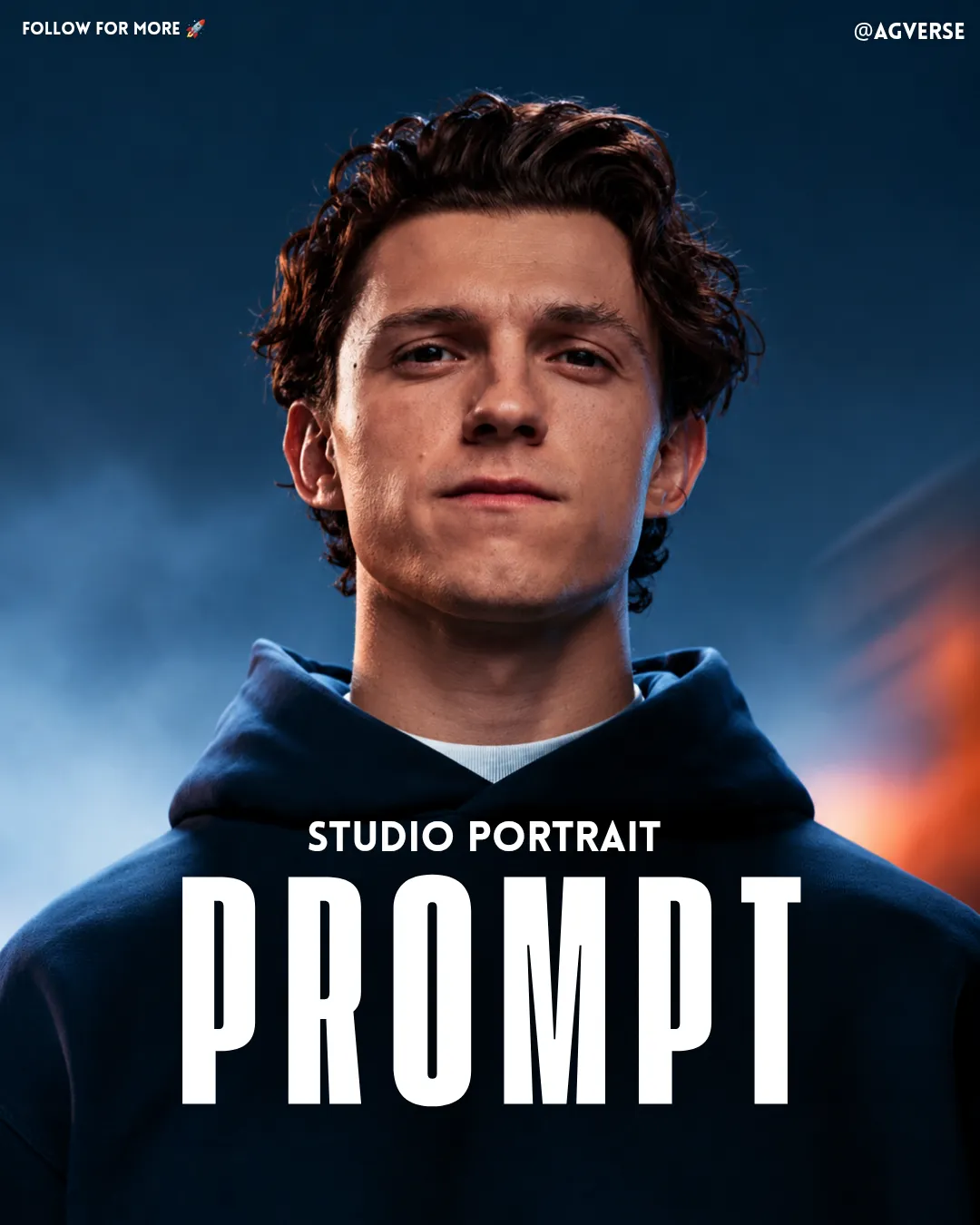
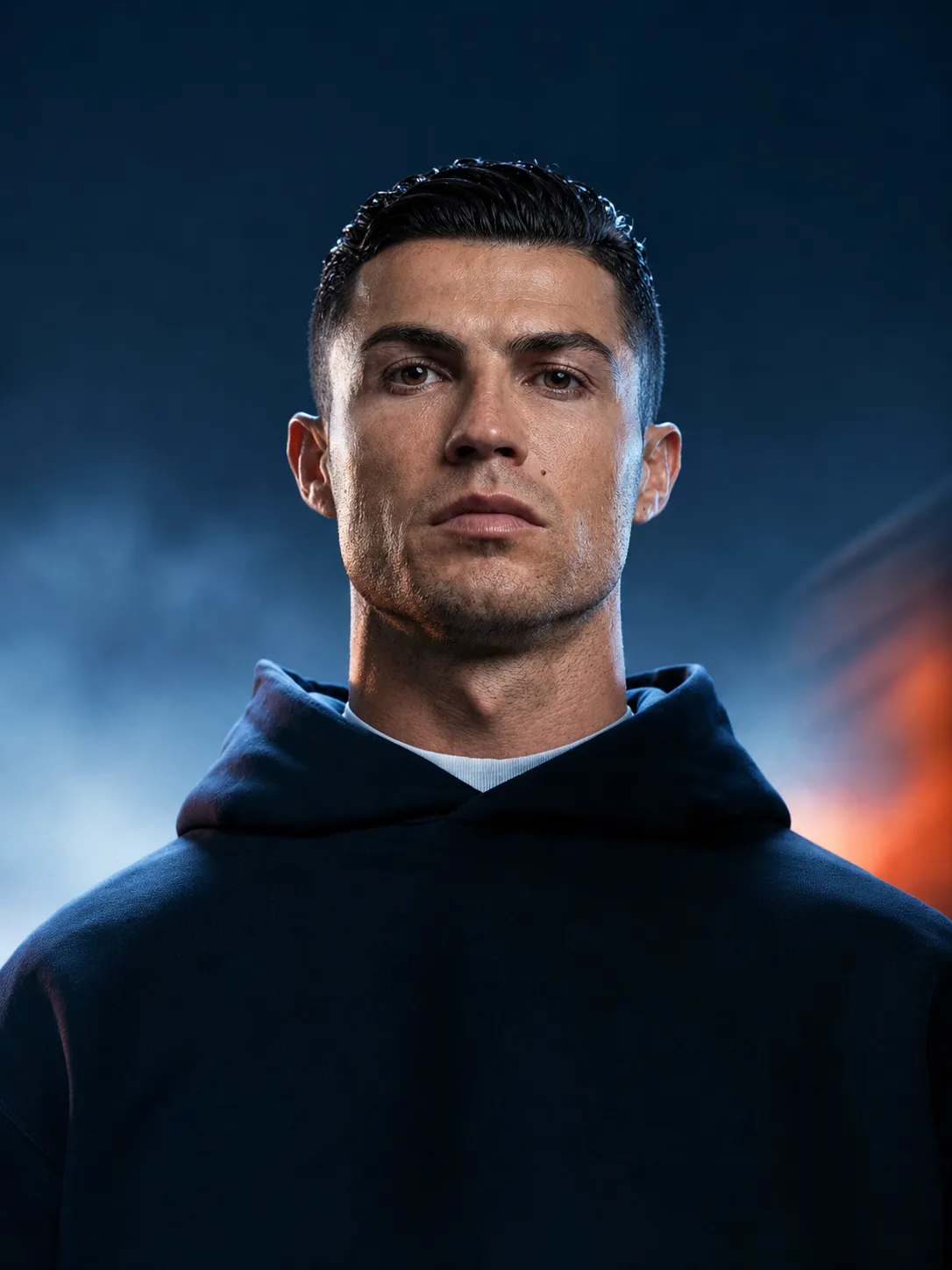
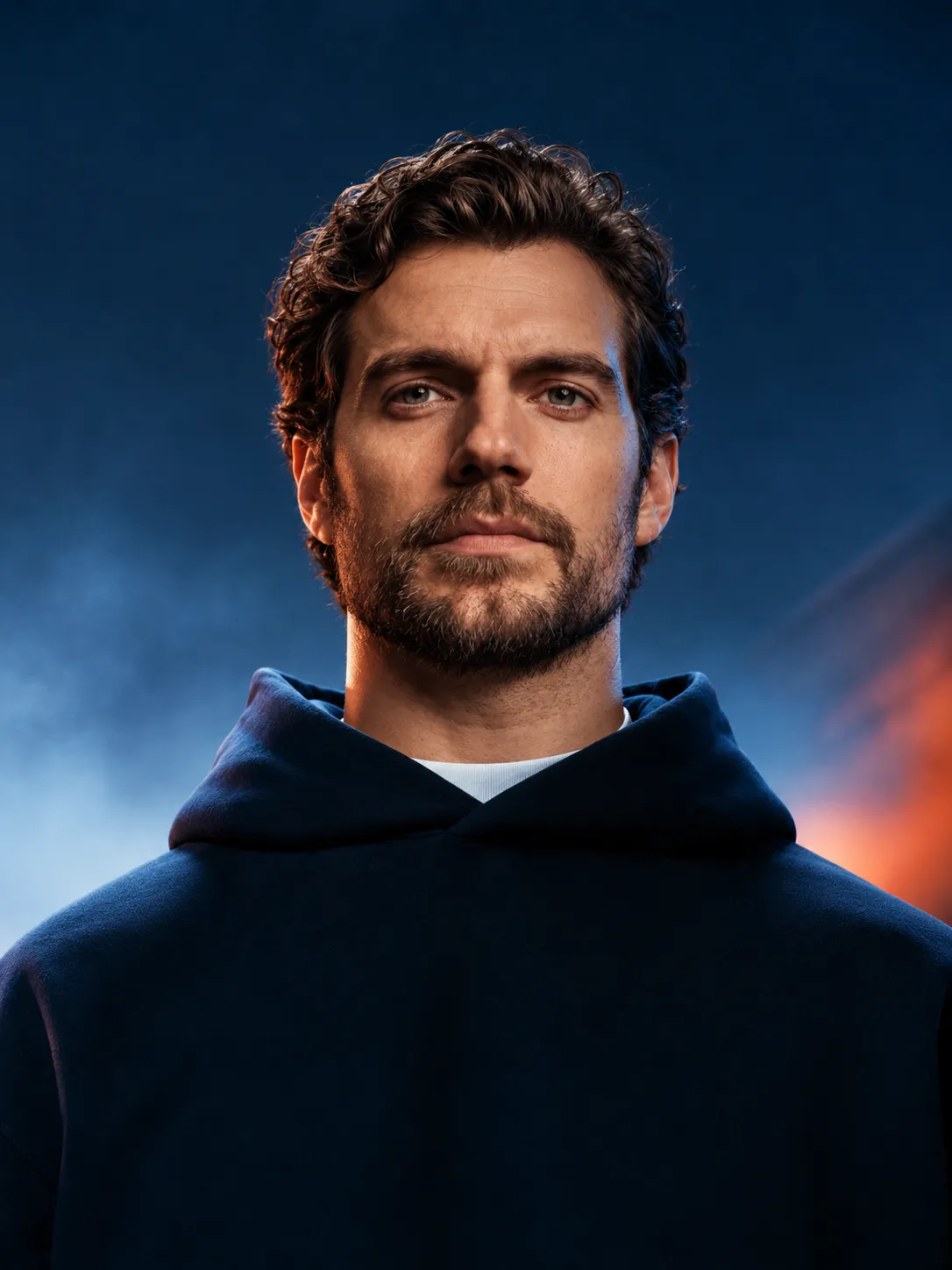
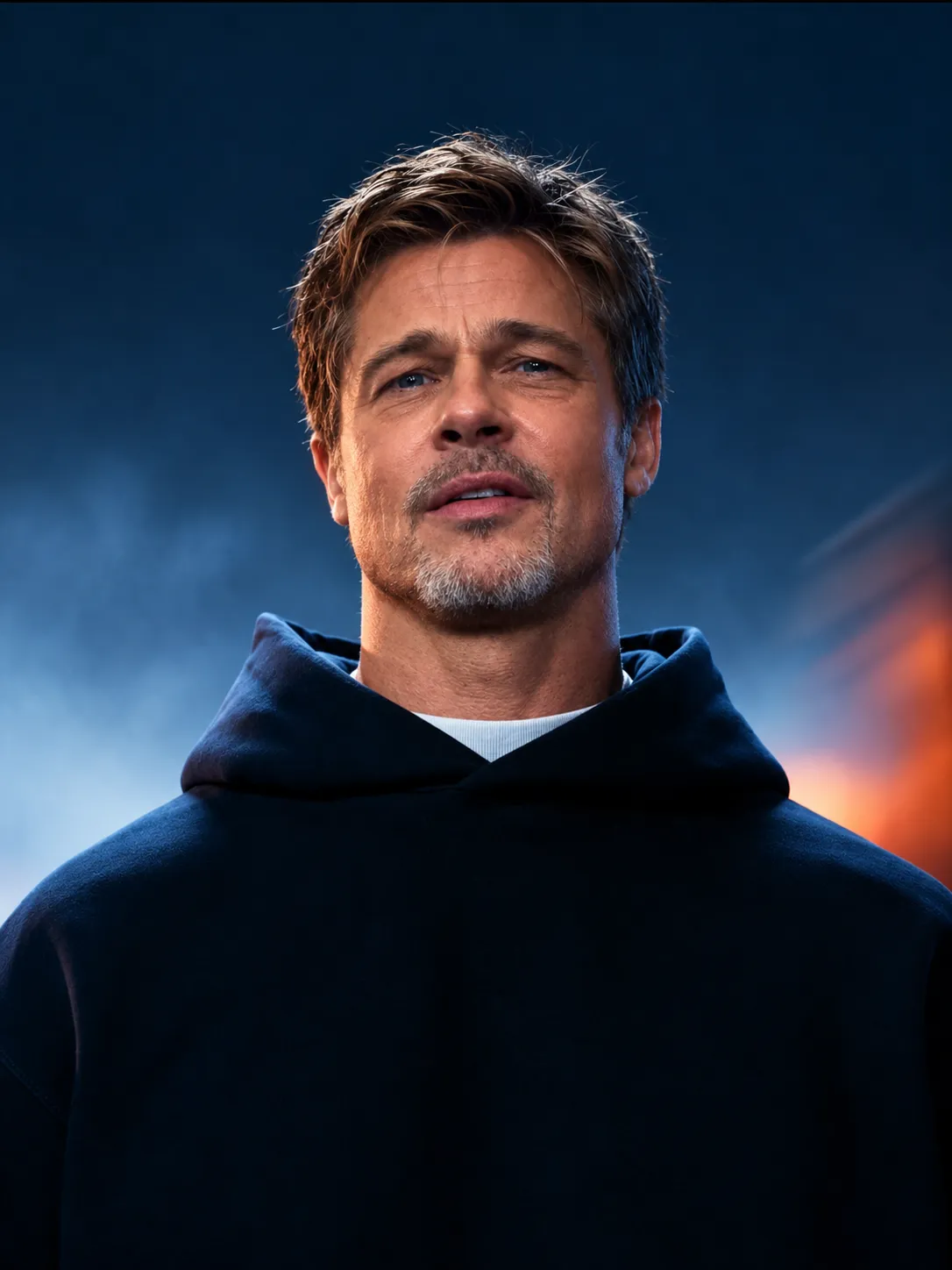
Create a hyper-realistic cinematic studio portrait using one image for visual direction and another as the sole source of the subject’s identity.
By Threads — Published on
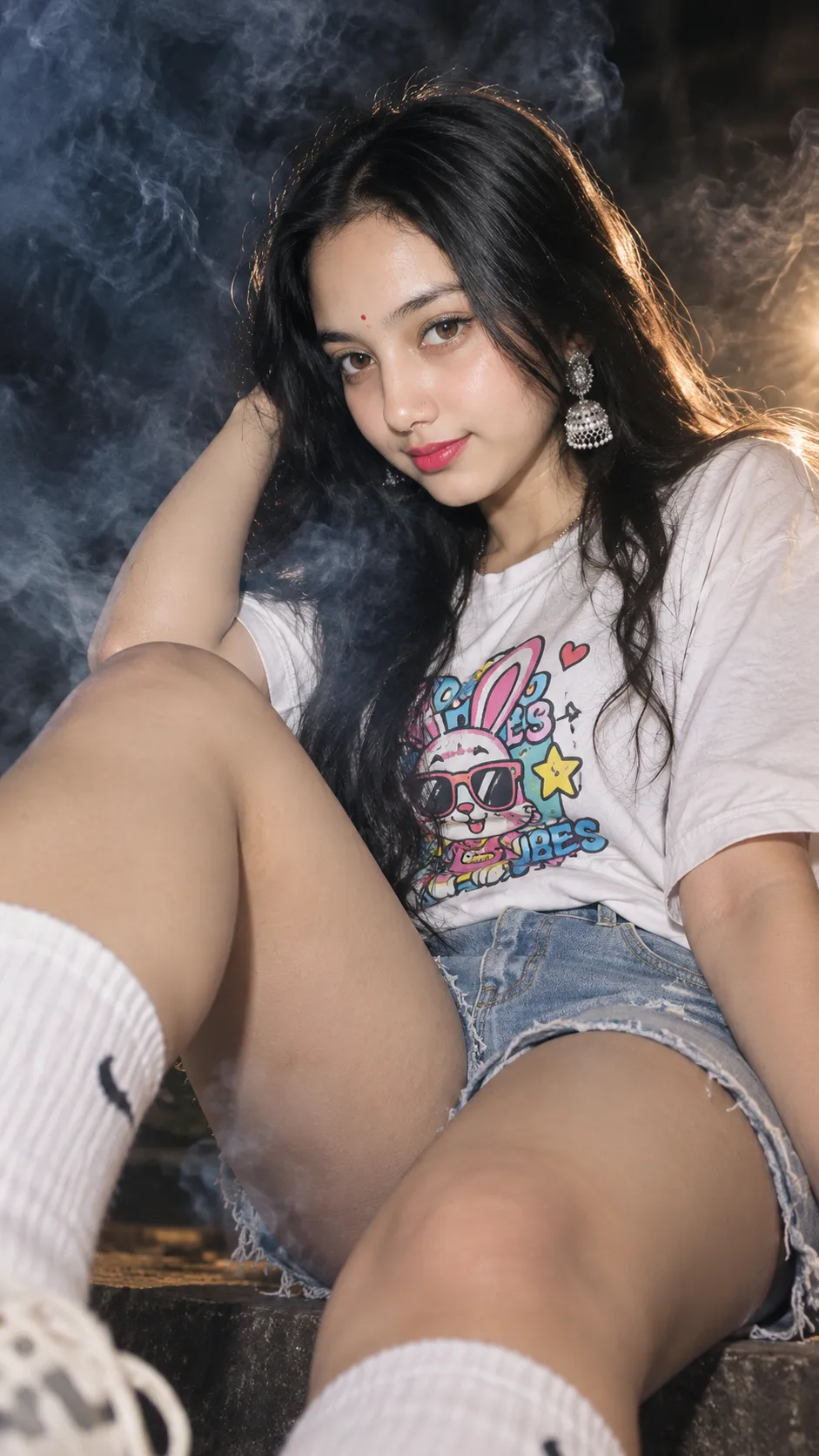
Example images
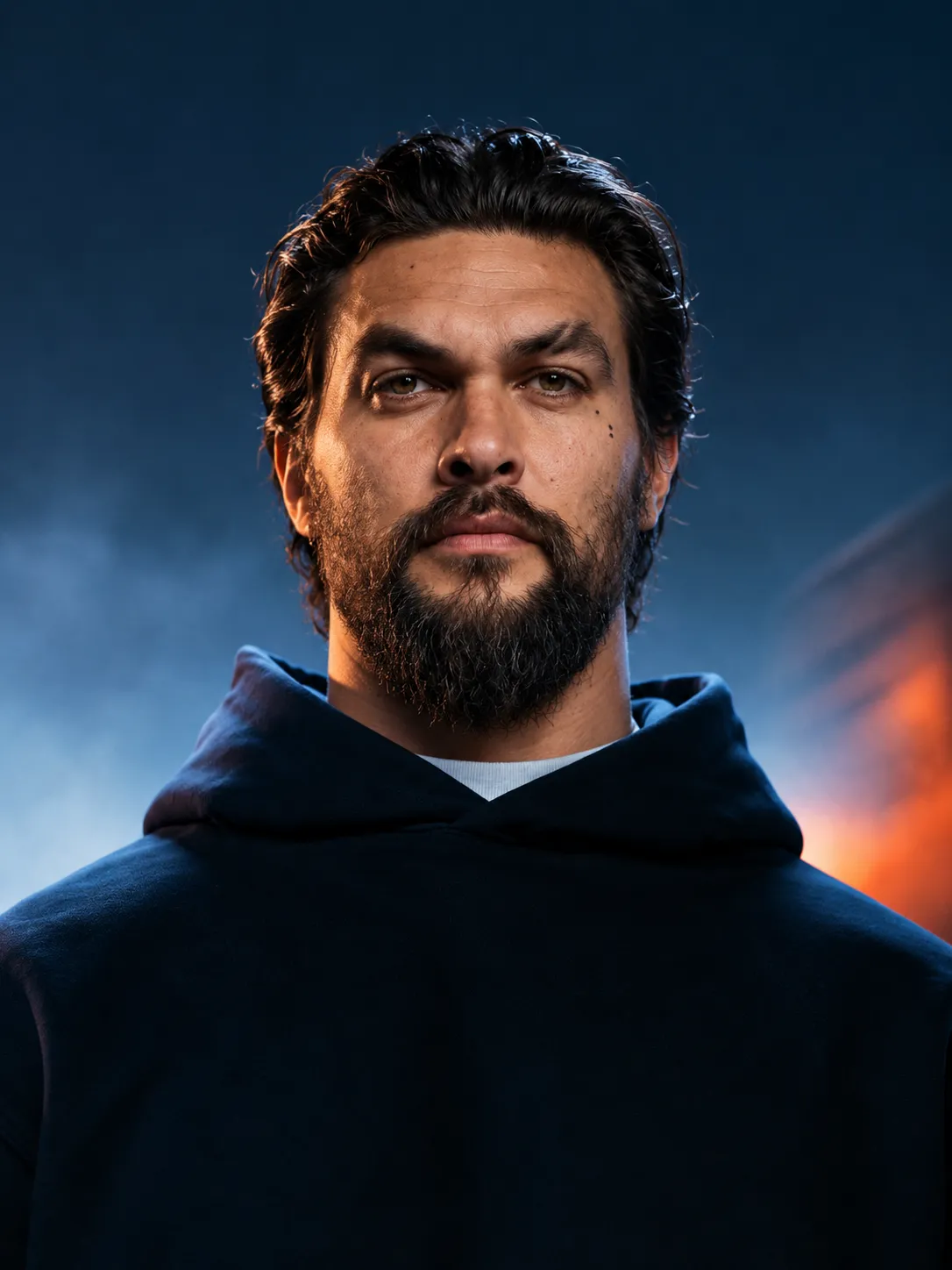
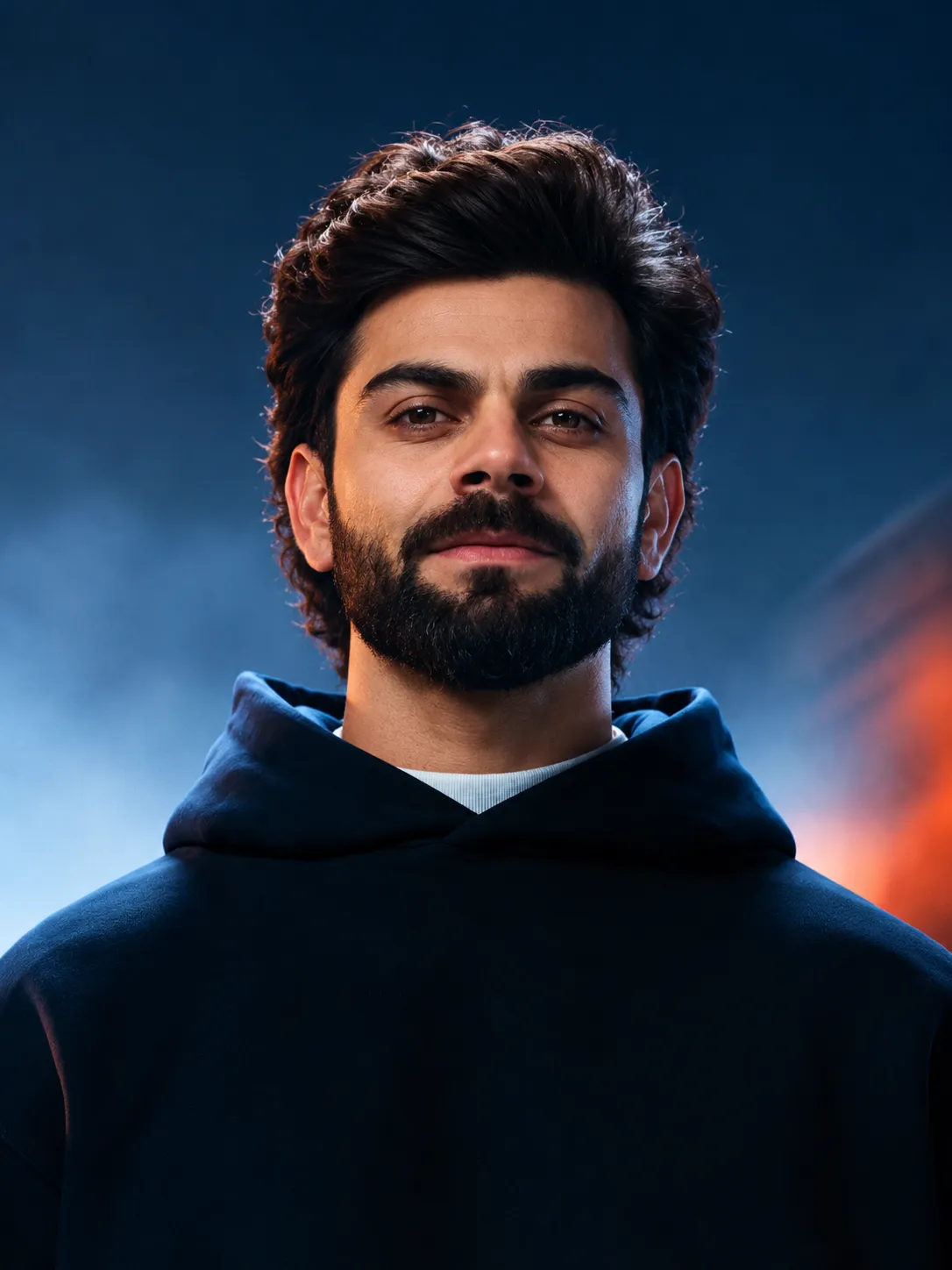
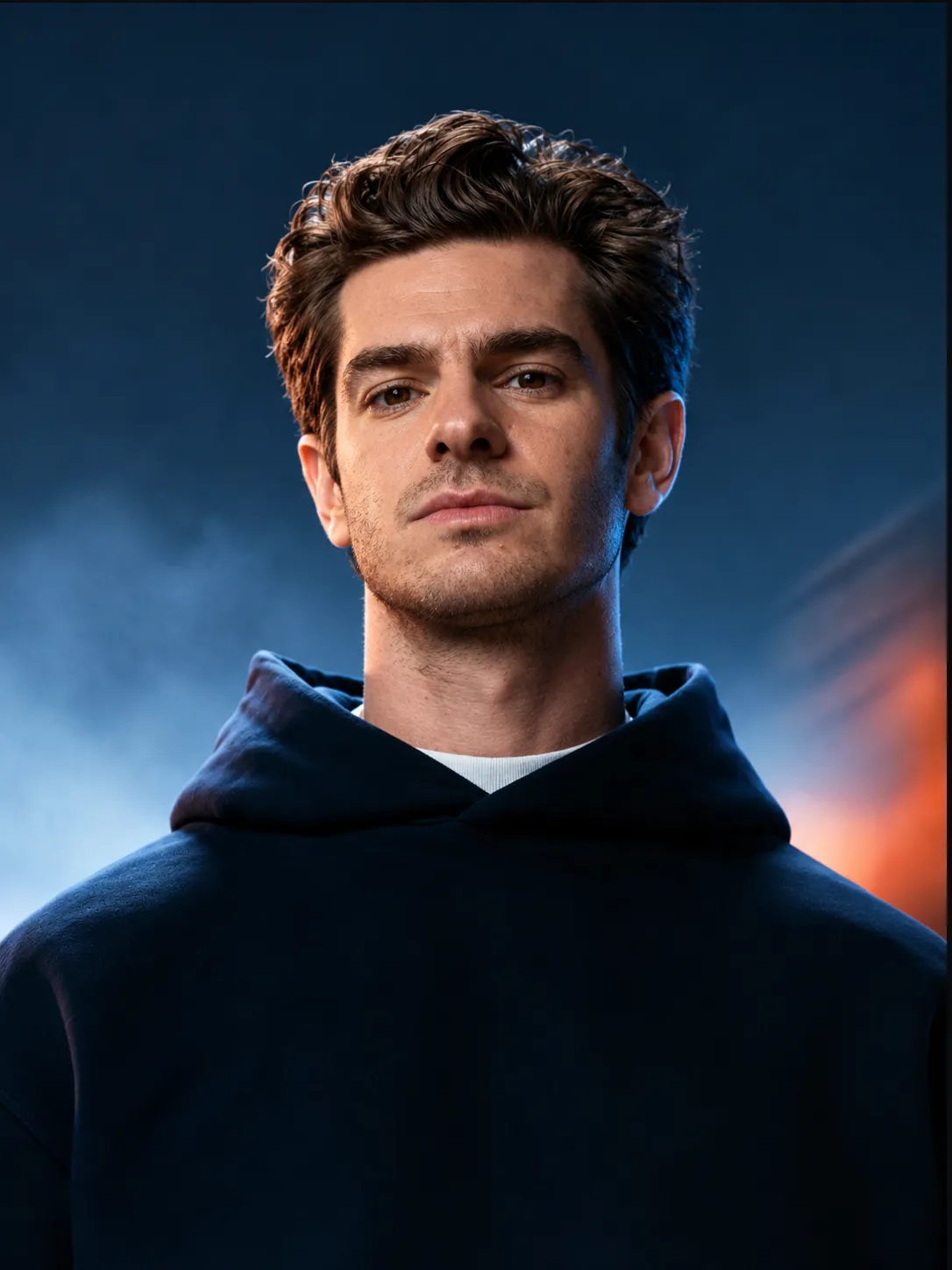

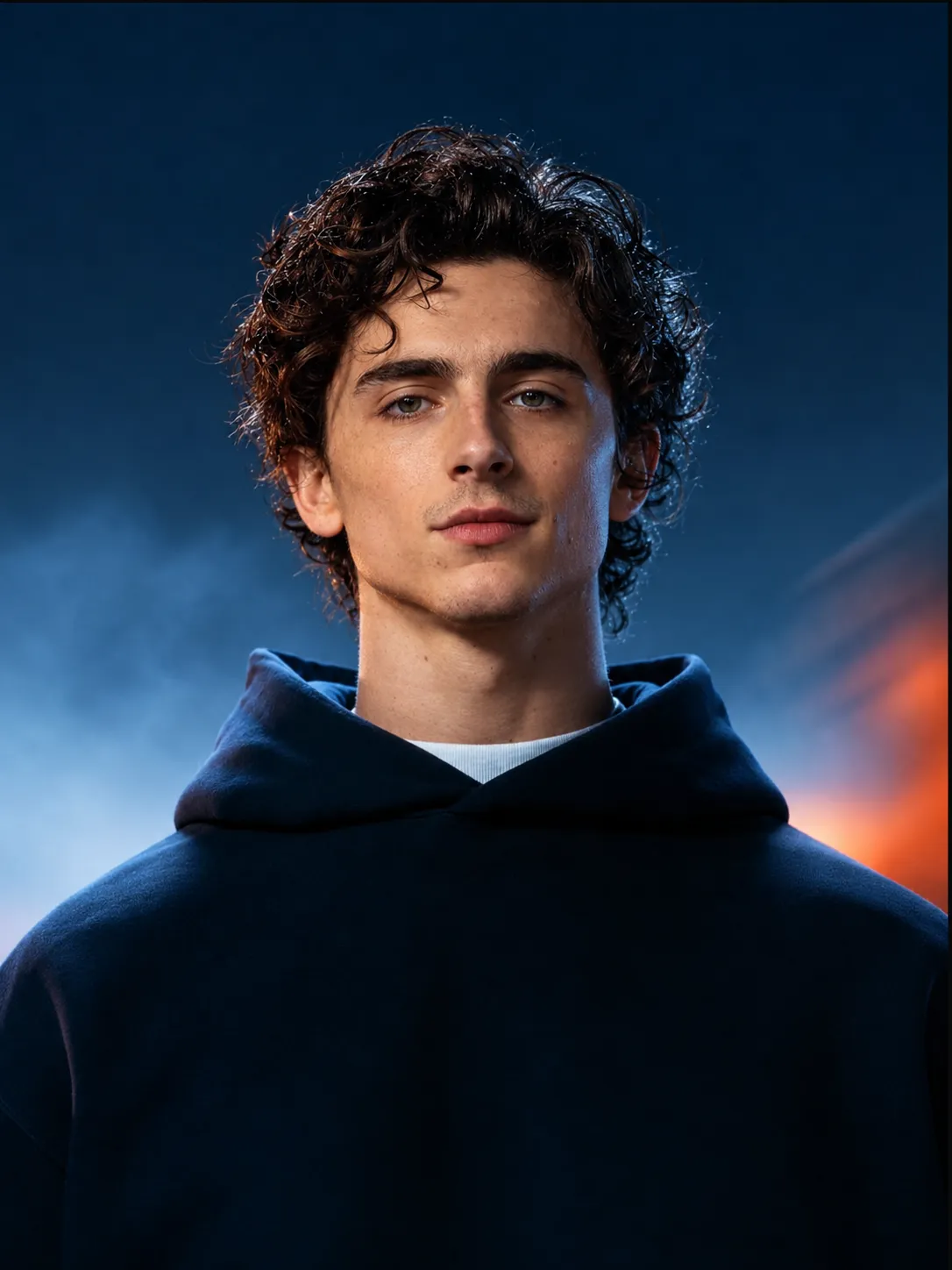
Prompt template
- Format
- Text
- Inputs
- Visual_reference_image (image) · Required Identity_reference_image (image) · Required
- Outputs
- Cinematic_studio_portrait (image)
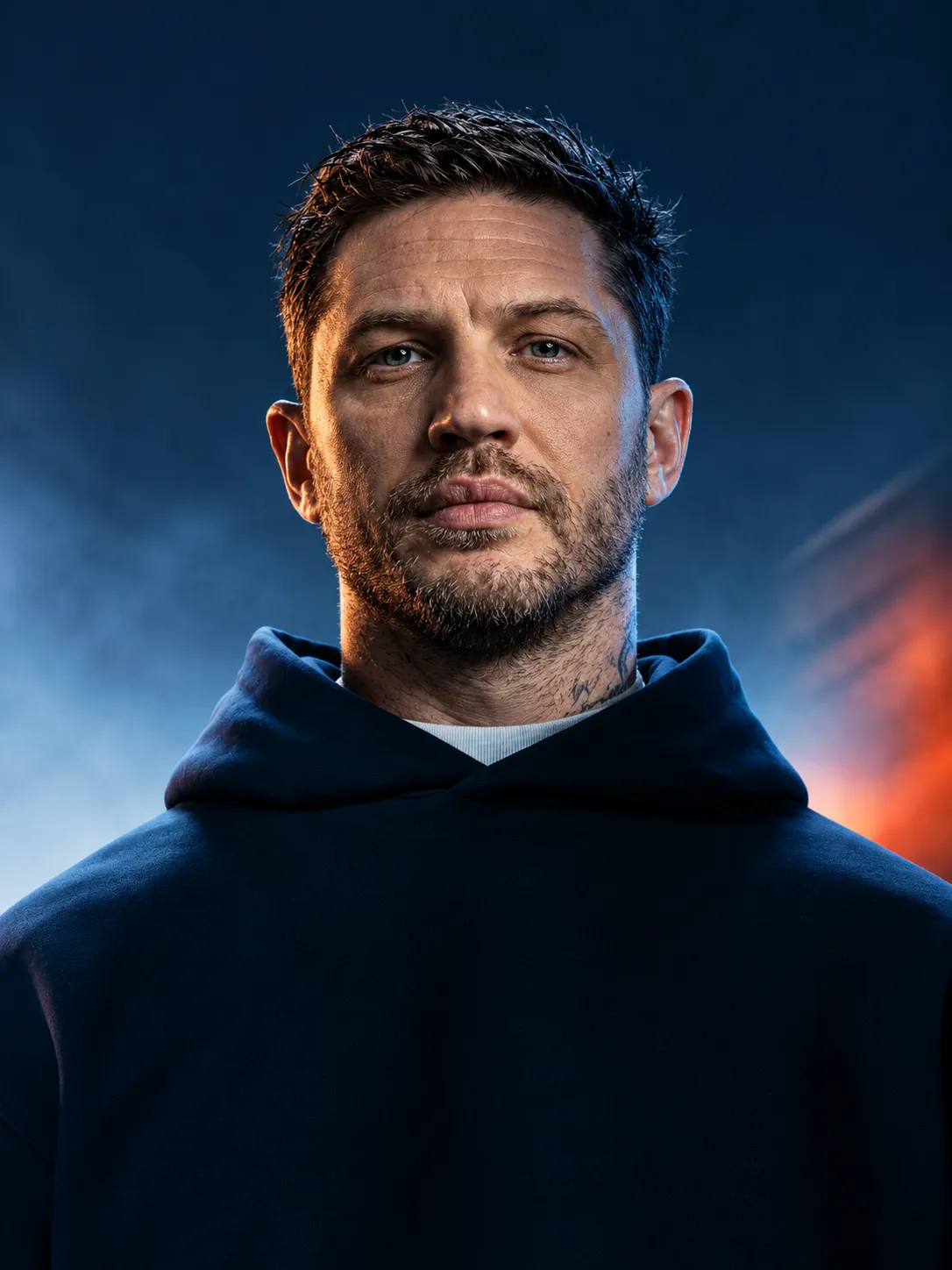
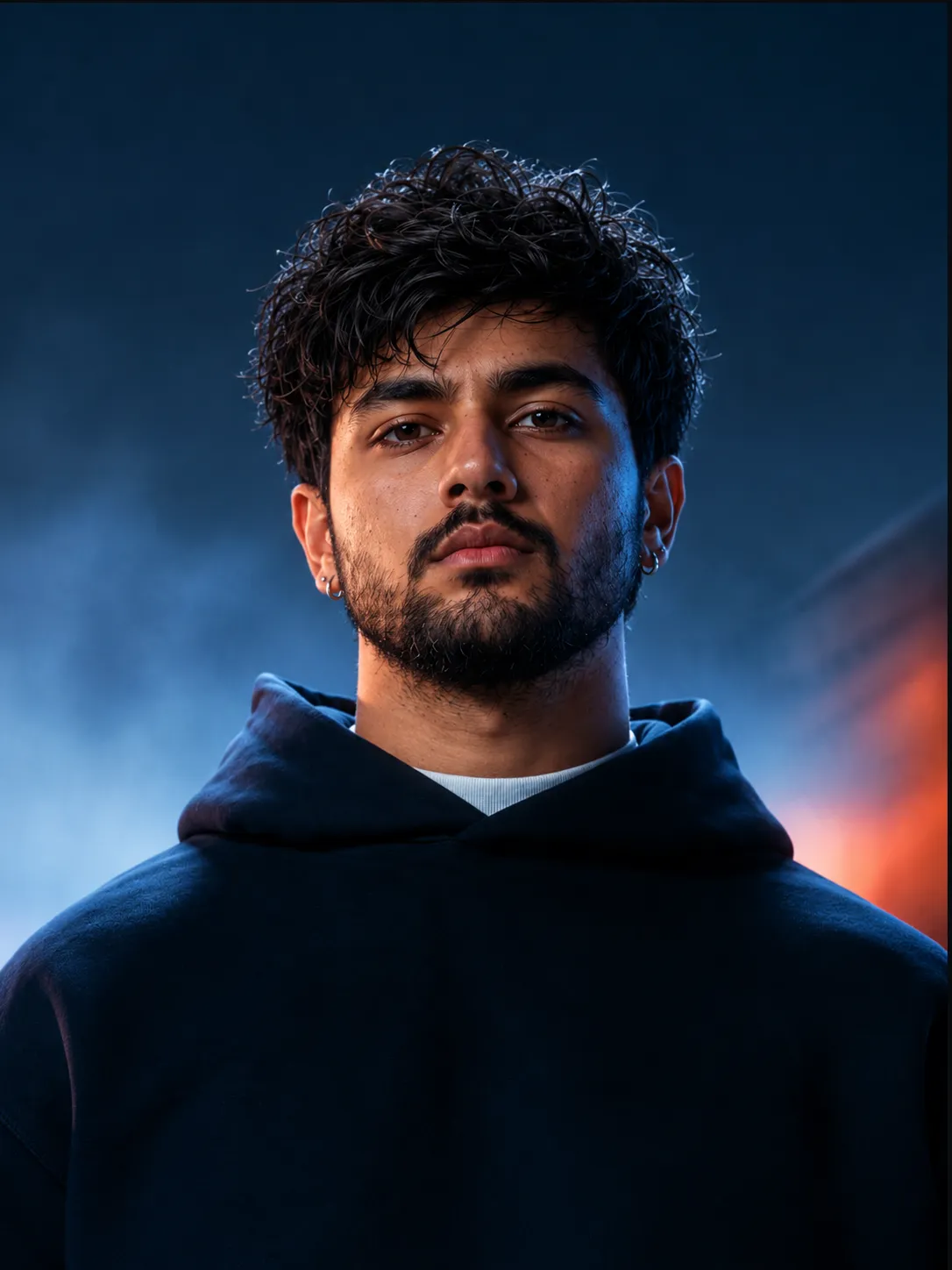
Create an ultra-premium, hyper-realistic cinematic editorial portrait. Use the supplied visual reference image strictly for its composition, framing, camera perspective, lighting design, color palette, background atmosphere, pose structure, wardrobe silhouette, depth, contrast, and photographic aesthetic. Replace its subject completely with the person in the uploaded identity reference image, which must be the sole source of facial identity.

Preserve the identity image subject’s recognizable facial geometry, face shape, eyes, eyebrows, nose, lips, jawline, skin texture, hairline, natural hairstyle, and other physical characteristics with maximum fidelity. Do not blend facial features from the two images, alter facial proportions, change apparent age or ethnicity, or beautify the face into an unrealistic appearance. Render natural skin with visible pores and subtle imperfections; use restrained professional retouching and avoid plastic, over-smoothed, artificially symmetrical, or CGI-like skin.

Frame a centered, vertical 4:5 upper-torso portrait, cropped from approximately chest level to above the head. Place the head slightly above vertical center, at eye level, with a straight-on frontal perspective and moderate clean negative space around the head and shoulders. Keep the subject centered and symmetrical, head naturally upright with minimal tilt, shoulders naturally squared toward the camera, and face as the primary focal point. The subject looks directly into the camera with a calm, serious, composed, confident, stoic expression; mouth naturally closed, eyebrows relaxed, and intensity subtle rather than aggressive.

Dress the subject in a minimal premium deep matte-black oversized hoodie or high-neck sweatshirt, with realistic fabric texture and a small visible white collar or undershirt detail at the neckline. Preserve the reference’s wardrobe silhouette while keeping the styling clean and contemporary.

Use a minimal abstract studio background in deep navy and midnight blue, darker toward the top, with a cool blue atmospheric glow and subtle warm orange-red illumination on the right. Add very subtle haze or translucent blue-gray mist and soft background light diffusion for layered separation; include no distracting objects. Create dramatic cinematic studio lighting: a large diffused soft key light about 45 degrees to the subject’s front-left, low fill to retain shadow detail without flattening contrast, and a subtle cool-blue rim light from behind and slightly to the subject’s right, separating the hair, shoulder, and silhouette. Maintain medium-high, refined cinematic contrast, controlled highlights, deep but detailed shadows, and natural warm-neutral skin tones.

Use the look of high-end full-frame cinema photography with an approximately 85 mm portrait lens at about f/2.0–f/2.8. Maintain natural facial proportions, subtle lens compression, shallow but controlled depth of field, tack-sharp eyes and facial features, and a softly defocused background with smooth cinematic falloff. Render high dynamic range, crisp but natural facial micro-detail, realistic optical texture, subtle sensor grain, smooth bokeh, and a premium cinematic teal-and-warm complementary grade with rich blacks, controlled cool highlights, and moderately saturated colors.

The result should look like a professionally photographed real person, not an AI-generated image. Match the visual reference’s centered composition, portrait crop, camera perspective, deep-blue atmospheric studio, cool blue rim light, warm right-side glow, black oversized hoodie, controlled contrast, and photographic finish. Do not introduce unnecessary props, scenery, accessories, text, logos, graphics, additional people, or dramatic pose changes.

Avoid low resolution, blur, soft or out-of-focus eyes, distorted facial anatomy, deformed features, asymmetrical eyes, extra limbs or fingers, bad anatomy, plastic skin, CGI or 3D-render appearance, cartoon or anime style, overprocessed HDR, excessive sharpening, oversaturation, flat lighting, harsh flash, washed-out highlights, crushed facial shadows, busy backgrounds, artificial beauty filters, facial identity drift, changed facial proportions, or a different person.


Comments — 0