- Category
- Photography
Cinematic Luxury Nighttime Portrait
Create a full-length, photorealistic editorial portrait of the woman in the reference image, seated in a sophisticated high-rise apartment at night and wearing a deep burgundy satin gown.
By Threads — Published on — Modified on
Example images

Prompt template
0 copies
- Format
- Markdown
- Inputs
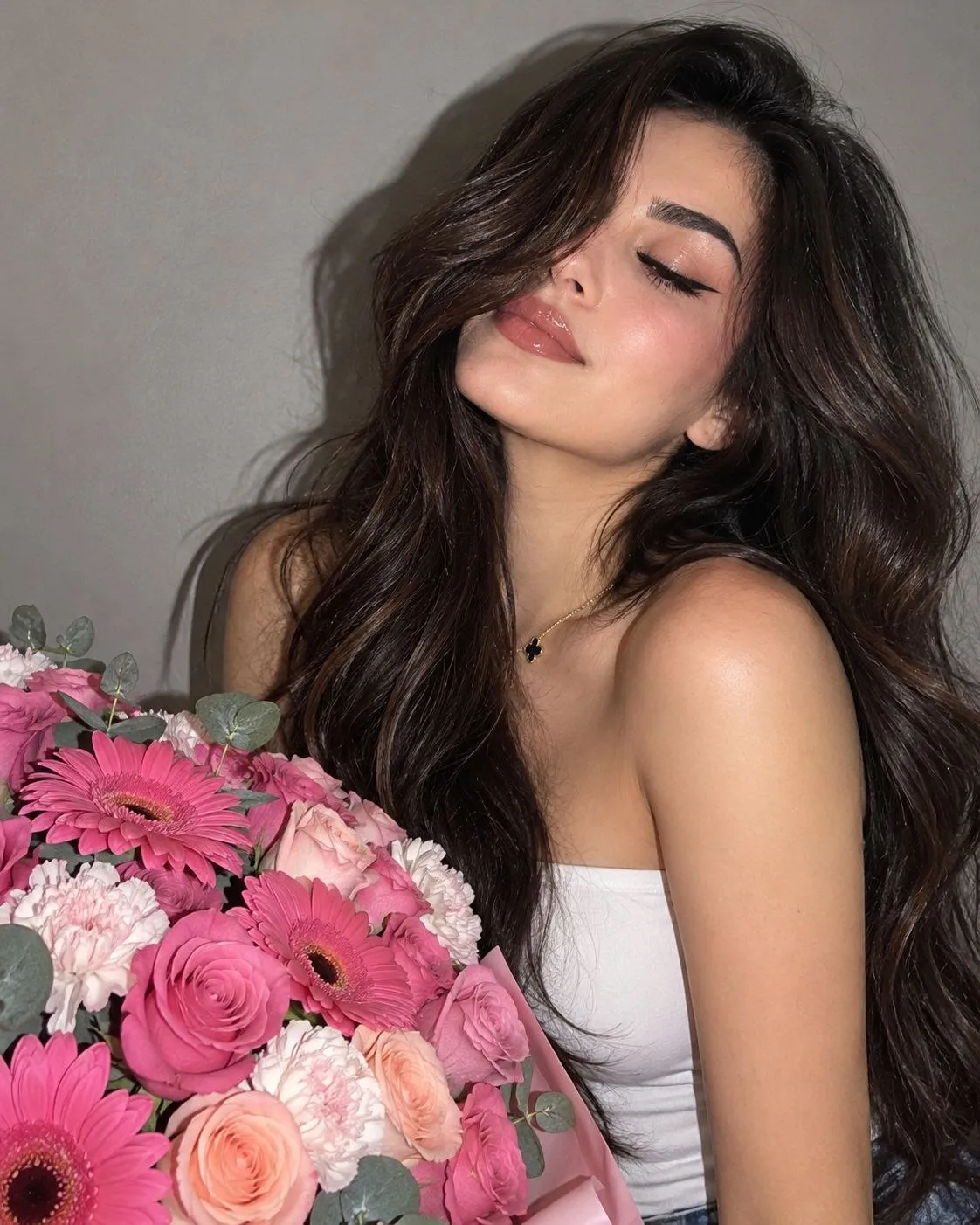
- Reference_image (image) · Required
- Outputs
- Generated_image (image)
Create a single vertical, full-length, hyper-realistic cinematic photograph with the look of high-budget live-action and a luxury magazine editorial. Use professional RAW photography aesthetics, realistic physical lighting, natural textures, precise anatomy, balanced HDR, optical depth of field, high-resolution detail, cinematic color, and a premium photographic finish.

## 1. Identity reference — highest priority
Use the attached image as the primary visual reference for depicting the same woman. Preserve her recognizable facial features as faithfully as possible, including face shape, bone structure, eyes, nose, lips, eyebrows, chin, jaw, natural skin texture and tone, and the individual asymmetries and characteristics visible in the reference.

Reproduce her hairstyle, hair length, color, volume, texture, and hairline as shown in the reference photograph, without unnecessary changes. Preserve her body proportions, silhouette, shoulder structure, waist, hips, arms, and legs. Keep her anatomy natural and consistent with the reference; do not artificially slim, enlarge, reduce, or reshape any part of her body.

The new composition should look like a real photograph of the same person in a different setting, not a generic character inspired by her. Do not promise absolute biometric correspondence; prioritize the greatest visual similarity possible without distorting her original features.

## 2. Scene concept
Create an ultra-realistic photograph of an elegant, self-assured adult woman with a naturally magnetic presence, seated in a contemporary chair with a minimalist frame and white backrest.

The scene takes place at night in a sophisticated contemporary apartment, with floor-to-ceiling panoramic windows and a city view filled with distant lights. Convey confidence, presence, refinement, and subtle sensuality through her expression, posture, the drape of her dress, and the lighting—without nudity or intimate exposure. The woman is the unmistakable visual focus of the composition.

## 3. Setting and art direction
Set the scene in a spacious, high-end minimalist living room. Include a polished dark graphite porcelain floor with subtle, physically plausible reflections; panoramic windows overlooking illuminated buildings and softly blurred city lights; long, heavy charcoal-gray curtains, partially open; and contemporary furniture with clean lines and few decorative elements. The chair should be modern, sophisticated, and structurally coherent, with a white backrest.

Use a palette of deep burgundy, black, graphite, white, and small golden reflections from the city lighting. Give the environment realistic depth and physically convincing materials. Keep the composition organized, without unnecessary objects or artificial-looking elements.

## 4. Wardrobe — deep burgundy satin
The woman wears a long, deep burgundy satin gown with thin straps and a deep V-neckline that is elegant and fully integrated into the garment’s design. The gown should drape realistically and follow her silhouette naturally, without transparency or breast exposure.

Give the fabric controlled satin sheen, soft reflections, natural pleats, slight variations in tension, and folds created by contact with her body and the chair. The long skirt has a sophisticated side slit that reveals only part of her legs while keeping intimate areas covered. Let the fabric fall naturally over the seat and down to the floor, forming voluminous folds and reflections consistent with the lighting.

Keep the neckline elegant: no exposed nipples, transparent fabric over the bust, or framing centered on intimate areas.

## 5. Pose — naturalness and presence
Seat the woman firmly and confidently in the chair, with her body positioned carefully in relation to its backrest. Her torso faces the camera and leans slightly forward, creating a dynamic, elegant, assured posture. The white backrest provides support and compositional structure without compressing or deforming her body.

Her right arm rests naturally on the upper part of the backrest, with a relaxed hand and anatomically correct finger placement. Her left arm is raised, with her hand gently touching the top of her hair in a spontaneous, confident gesture. Keep the shoulder and elbow within a natural range of motion.

Position her legs stably and symmetrically, with a moderate, elegant separation. Align her knees and feet in an anatomically plausible way. Both feet should make coherent contact with the floor, respecting perspective. Keep her spine balanced, shoulders relaxed, neck natural, and weight distribution consistent with the chair and points of support.

The pose should convey commanding editorial presence without looking artificial or contorted, and without anatomical exaggeration.

## 6. Facial expression
She looks directly at the camera with a confident, serene, magnetic expression. Give her eyes natural reflections from the light sources, detailed irises, and a coherent gaze direction. Keep her lips subtly expressive, without artificial exaggeration. Her facial muscles should look relaxed and real, while preserving the identity shown in the reference.

Convey sophistication, personality, and confidence, as in a luxury fashion editorial portrait. Do not alter the shape of her eyes, nose, lips, jaw, or any other facial feature to create a more dramatic expression.

## 7. Cinematic lighting
Combine studio lighting with ambient urban light. Use a diffused key light positioned in front and slightly to one side, softly illuminating her face while preserving natural skin detail. Add delicate backlighting to define the contours of her hair, shoulders, and dress against the dark background. Include subtle bluish reflections from the windows, balanced by warm points of city light.

The satin should have directional, gradual highlights consistent with the position of the light sources and the fabric’s geometry. Keep shadows soft, deep, and physically plausible, with detail preserved in dark areas. Create cinematic contrast without clipping highlights, erasing shadow detail, or producing artificial halos.

## 8. Camera and photographic composition
Make a vertical, full-length photograph with the woman completely visible, including her hair, hands, dress, legs, and feet. Use a vertical resolution of 832 × 1536 pixels, approximately a 9:16 aspect ratio. Compose it as a balanced luxury editorial portrait, with the camera approximately at torso height and a natural perspective.

Use the optical appearance of a professional 50 mm to 85 mm portrait lens, avoiding wide-angle distortion. Use moderate depth of field, keeping the woman sharp while softly blurring the urban horizon. Prioritize focus on her eyes and face. Preserve visible textures in the hair, skin, satin, chair, and floor, and maintain coherent perspective among the body, chair, windows, and architectural elements.

Do not crop her feet, hands, the top of her head, or important parts of the dress. Avoid excessively tight or disproportionate framing.

## 9. Physical realism and detail
Show natural skin texture, with subtle pores and microdetails; realistic transitions between light and shadow; individual hair strands and coherent volume; and anatomically correct hands, with five fingers on each visible hand. Keep the joints, elbows, shoulders, and knees plausible. Render the fabric’s tension, gravity, folds, and reflections consistently with physical reality. Include natural reflections on the polished floor and room materials, and contact shadows among her body, the chair, the dress, and the environment.

Maintain photographic sharpness without a plastic appearance, excessive beauty filters, or artificial texture. The result should look like a photograph captured by a professional crew in a real apartment with carefully arranged lighting.

## 10. Avoid
- Significant changes to facial identity or hairstyle.
- Artificial body reshaping or changes to body proportions.
- Impossible anatomy, duplicated limbs, or deformed joints.
- Deformed hands, extra fingers, or fused fingers.
- Cropped arms, legs, or feet.
- Floating fabric, impossible folds, or excessively plastic-looking shine.
- Artificially smooth skin, a doll-like appearance, or excessive retouching.
- A transparent neckline, nudity, exposed breasts, or exposed intimate areas.
- Explicitly sexual poses, obscene gestures, or fetishistic framing.
- Excessive contrast or saturation, artificial halos, or aggressive digital sharpening.
- An illustration, painting, 3D render, or video-game character appearance.
- Text, signatures, watermarks, logos, or overlaid graphic elements.

## 11. Final result and priorities
Produce one vertical, ultra-realistic, cinematic, full-length photograph with a luxury editorial aesthetic, a sophisticated nighttime setting, a deep burgundy satin gown, a confident pose, and professional lighting.

Prioritize, in this order:
1. Preserve the reference woman’s visual identity and natural characteristics.
2. Maintain physically plausible anatomy, proportions, and pose.
3. Render the dress, environment, and materials with photographic realism.
4. Ensure complete framing, elegant composition, and cinematic lighting.

The desired output resolution is 832 × 1536 pixels, vertical orientation, full length. The reference to 8K describes the desired level of detail; the actual resolution depends on the capabilities and settings of the image generator.


Comments — 0