Dark Fantasy Mad Hatter Identity Portrait
Transform a person in a reference photo into an original, menacing Mad Hatter-inspired character in a cinematic fantasy setting while preserving their identity.
By Threads — Published on
Screenshots
Prompt template
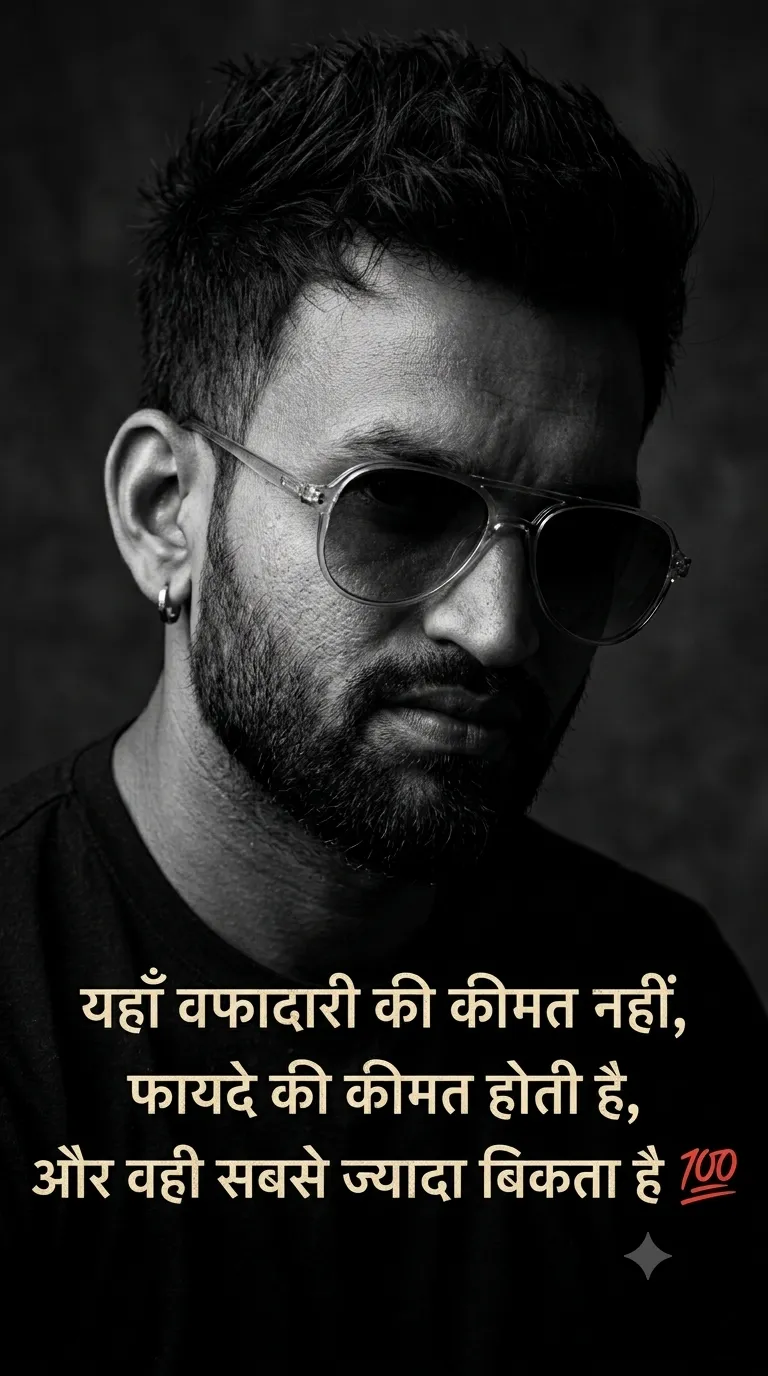
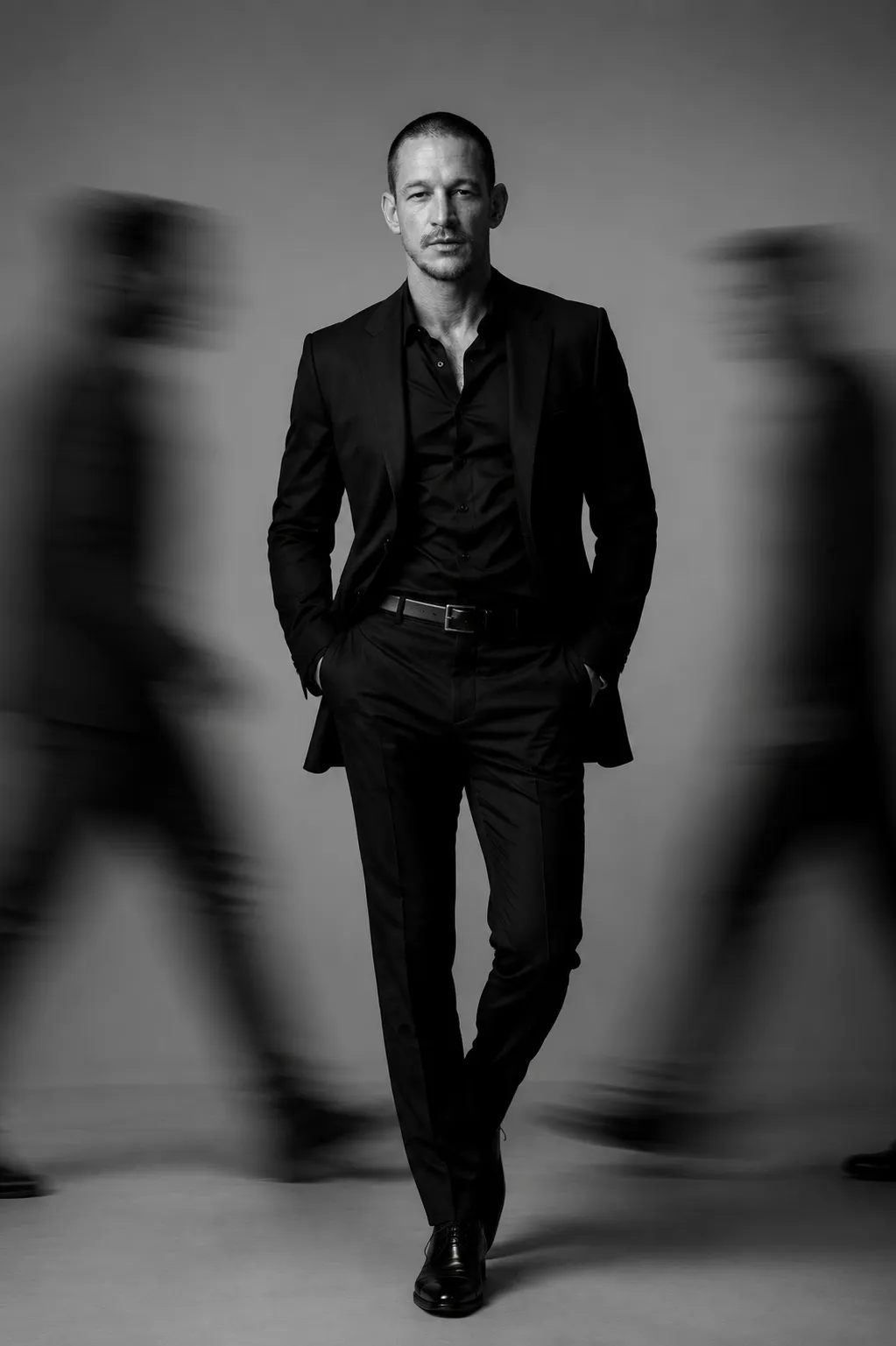
Use the uploaded photo as the only and primary reference for the main person's identity and appearance.

## Absolute identity preservation
Preserve the person's recognizable identity exactly: facial and bone structure, head shape, proportions, eyes, nose, lips, eyebrows, natural skin tone, beard shape, density, length and texture, bald head, age, skin texture, and every distinctive facial characteristic. Do not beautify, idealize, de-age, age, redesign, or replace the face. The character must clearly remain the same person in the photograph.

## Original character interpretation
Create an original, cinematic fantasy interpretation of a Mad Hatter-inspired character from the broad, timeless Alice in Wonderland archetype. Do not recreate a specific film, television adaptation, actor, costume, illustration, or copyrighted screen version. Do not copy any particular actor's appearance. Create a dark, terrifying, theatrical interpretation of the eccentric and unstable Mad Hatter archetype.

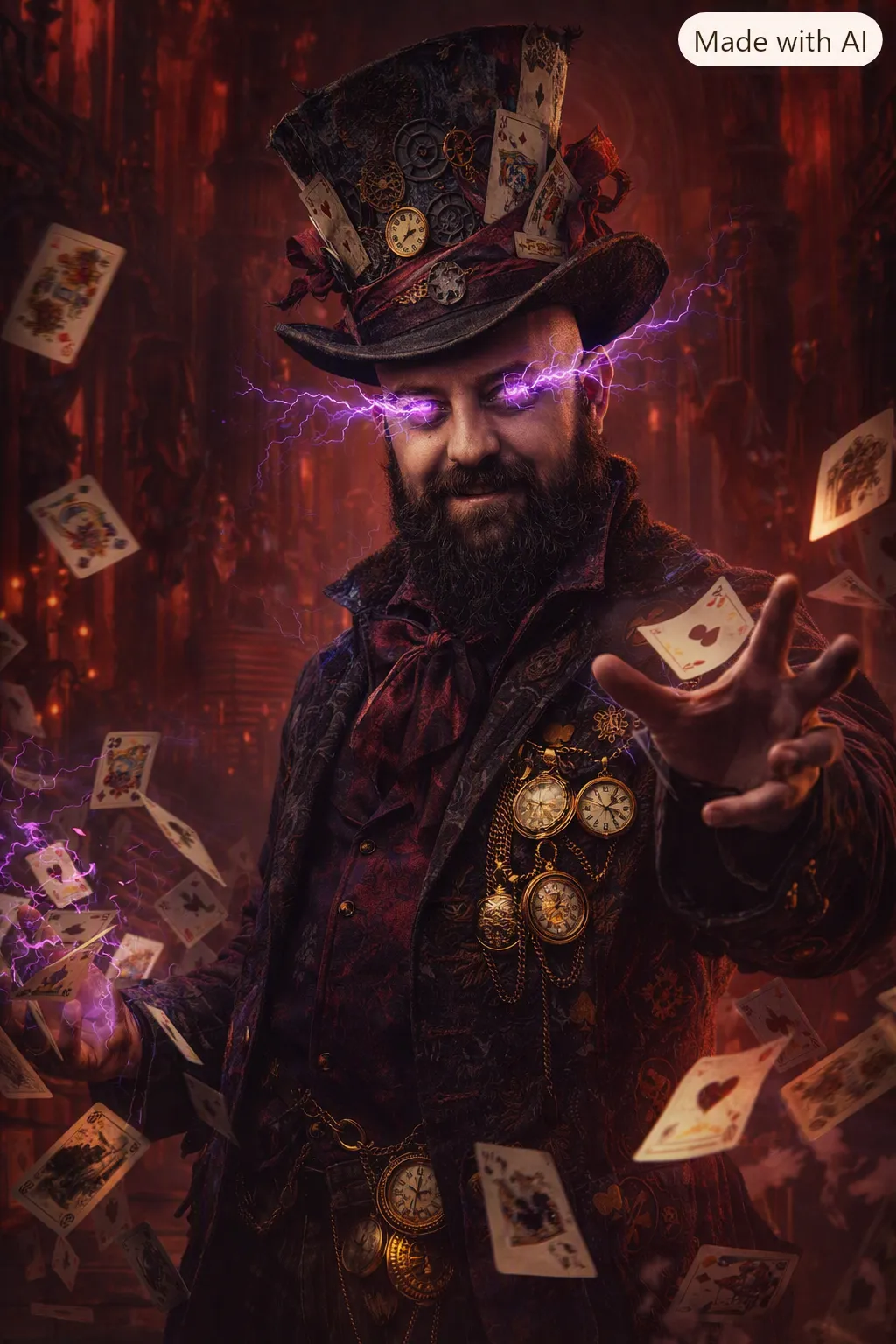
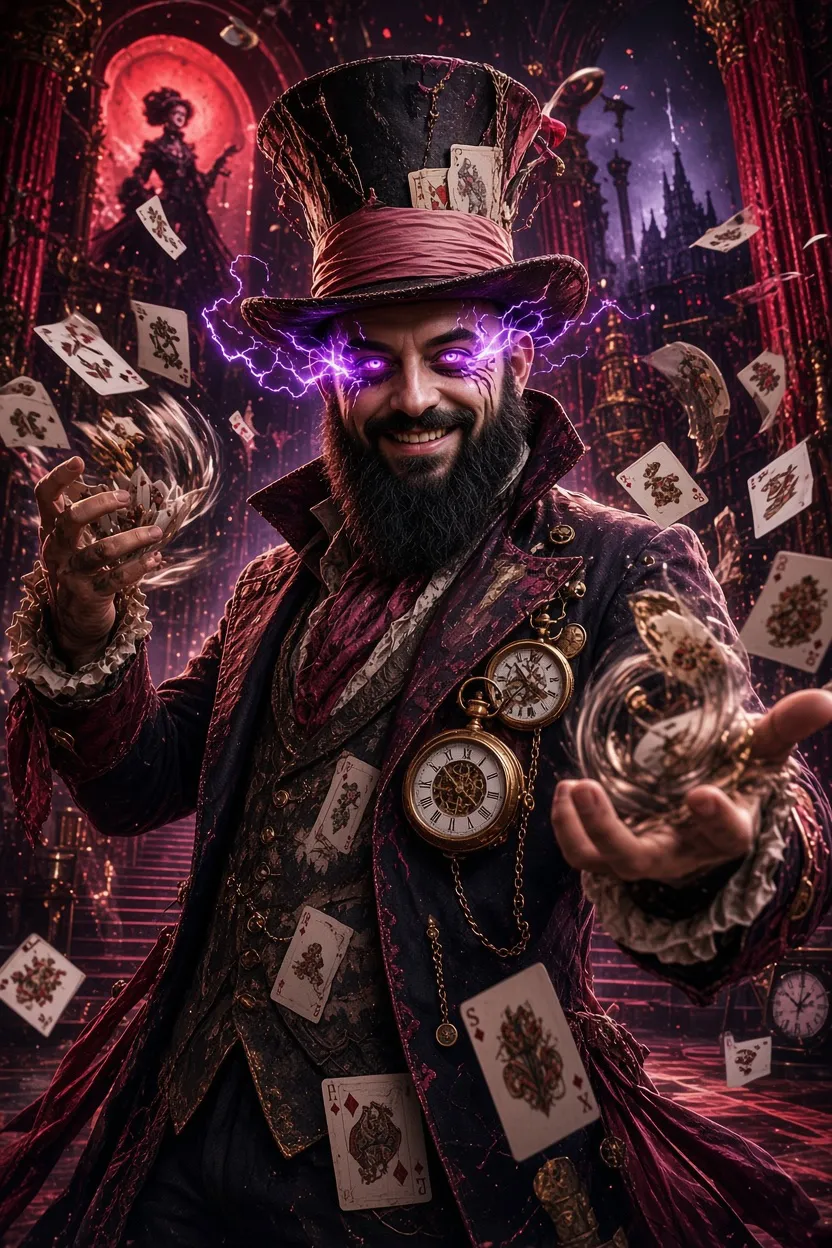
Transform the person into a profoundly unhinged, unpredictable, psychologically disturbing Hatter. Give him an expression combining manic delight, uncontrolled madness, sinister amusement, and genuine menace. His slightly unnatural, unsettling smile should suggest that he knows something horrifying that nobody else understands.

His eyes are intensely violet and supernatural. Small, vivid electric-purple lightning arcs burst outward from both eyes, appearing to originate deep within them and crackle around the eyelids, cheeks, and temples. Keep the eyes anatomically realistic and recognizable while giving them an unnatural supernatural glow.

Dress him in an elaborate, eccentric dark-fantasy Hatter costume: an oversized battered top hat decorated with strange ribbons, playing-card fragments, miniature clockwork, and mysterious ornaments; richly layered Victorian-inspired clothing; a slightly crooked elegant coat; and unusual fabrics, embroidery, and subtle card, clock, hat, and Wonderland motifs. Make the costume feel handmade, theatrical, aristocratic, and deeply disturbing, not like a generic Halloween costume.

Several antique gold pocket watches must be clearly visible sticking out of his coat pocket, with chains hanging naturally. One watch is partially open, revealing intricate mechanical gears. The watches should look old, expensive, mysterious, and slightly impossible, as if time behaves incorrectly around him.

Dozens of playing cards fly violently outward from both hands, as if controlled by supernatural telekinetic energy. Some spin rapidly, some hang suspended in midair, and others form chaotic spirals around his body. Make the cards feel dangerous and supernatural, not merely decorative. Avoid recognizable modern branded designs; use original fantasy card artwork inspired by Wonderland symbolism.

## Setting and atmosphere
Place him inside the enormous throne hall of a dark-fantasy castle belonging to the Red Queen. Make the interior extravagant, gothic, and surreal, with enormous crimson walls, black-and-red architecture, towering columns, grotesque ornamentation, impossible staircases, giant playing-card motifs, antique clocks, strange mirrors, enormous doors, and oppressive shadows.

Subtly suggest the Red Queen's court in the distant background through surreal silhouettes, card-soldier figures, and ominous royal architecture. Do not reproduce any specific movie's characters or costume designs. The environment should feel like Wonderland distorted into a nightmare.

Radiate madness, horror, dread, and fear. The viewer should immediately sense that the man is dangerous and mentally unpredictable. Make reality appear unstable through slightly distorted architecture, impossible perspective, floating objects, warped shadows, clocks showing different times, cards following unnatural trajectories, and subtle visual anomalies. He should seem to have surrendered completely to madness while possessing immense supernatural power.

Use a dark gothic fantasy palette dominated by deep crimson, black, violet, and muted antique gold. Contrast the cold violet eye energy with the castle's dark red interior. Add subtle atmospheric fog and floating dust, heavy shadows, oppressive cinematic darkness, and a sinister fairytale mood that is beautiful but deeply disturbing.

## Lighting and composition
Match the lighting on the face and the person's appearance to the scene so the face blends naturally into the environment. Use dramatic cinematic castle lighting: deep crimson ambient light, cold violet illumination from the supernatural eyes, subtle golden reflections from the pocket watches, and soft rim lighting around the silhouette. The purple lightning should realistically illuminate nearby facial features, beard, clothing, and floating cards. Preserve realistic skin texture and natural facial details despite the supernatural transformation.

Create a full-body cinematic portrait. The man stands confidently at the center of the throne hall, viewed from a dynamic, slightly low camera angle that makes him intimidating and powerful. Raise one hand slightly as cards explode outward from his fingers; position the other hand naturally near his coat, with additional cards flying around it. Keep the golden pocket watches and oversized hat clearly visible. His face remains the primary visual focus.

Use a 35mm cinematic lens and moderate depth of field. Keep the face and upper body sharply focused while the background recedes into atmospheric depth. Use professional movie-grade composition, high dynamic range, photorealistic rendering, highly detailed facial rendering, realistic skin texture, an ultra-detailed beard, realistic fabric, leather, metal, and clockwork textures, detailed playing cards, realistic atmospheric effects, and subtle supernatural distortion. Aim for ultra-detailed, 8K-quality detail.

## Restrictions
The final image must unmistakably preserve the identity of the person in the uploaded photo while transforming him into an original, terrifying Mad Hatter-inspired character. Do not reproduce any exact actor's face, specific film costume, television adaptation, or particular illustration. Do not include movie posters, studio logos, franchise logos, or copyrighted promotional elements. The result should feel like a new, original dark-fantasy interpretation of the Mad Hatter archetype: elegant, theatrical, supernatural, completely insane, frightening, and visually unforgettable.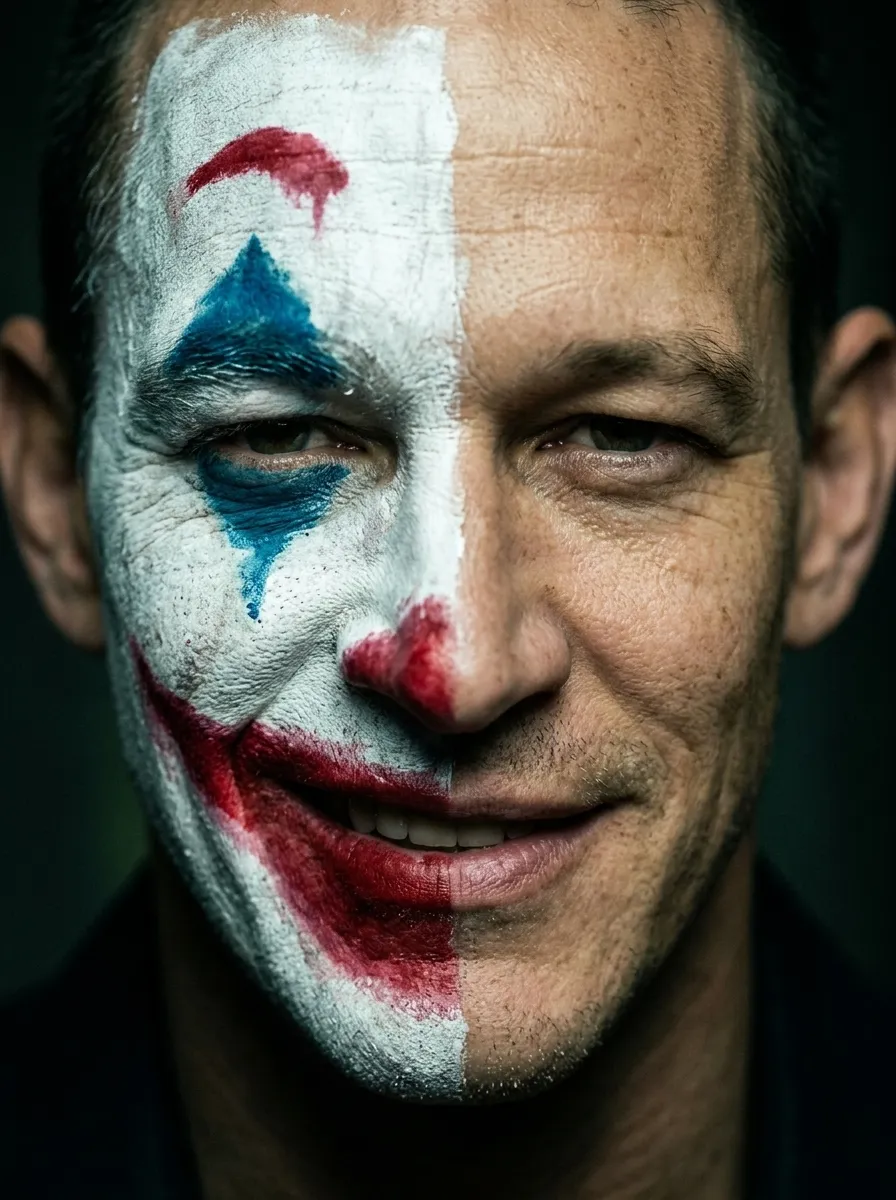




Comments — 0