- Category
- Art & Illustration
Electric Vision Pop-Art Halftone Reinterpretation
Reinterpret a supplied reference image as a vivid, identity-preserving pop-art editorial artwork with strategic halftone texture and a vertical 9:16 composition.
By Threads — Published on — Modified on
Example images
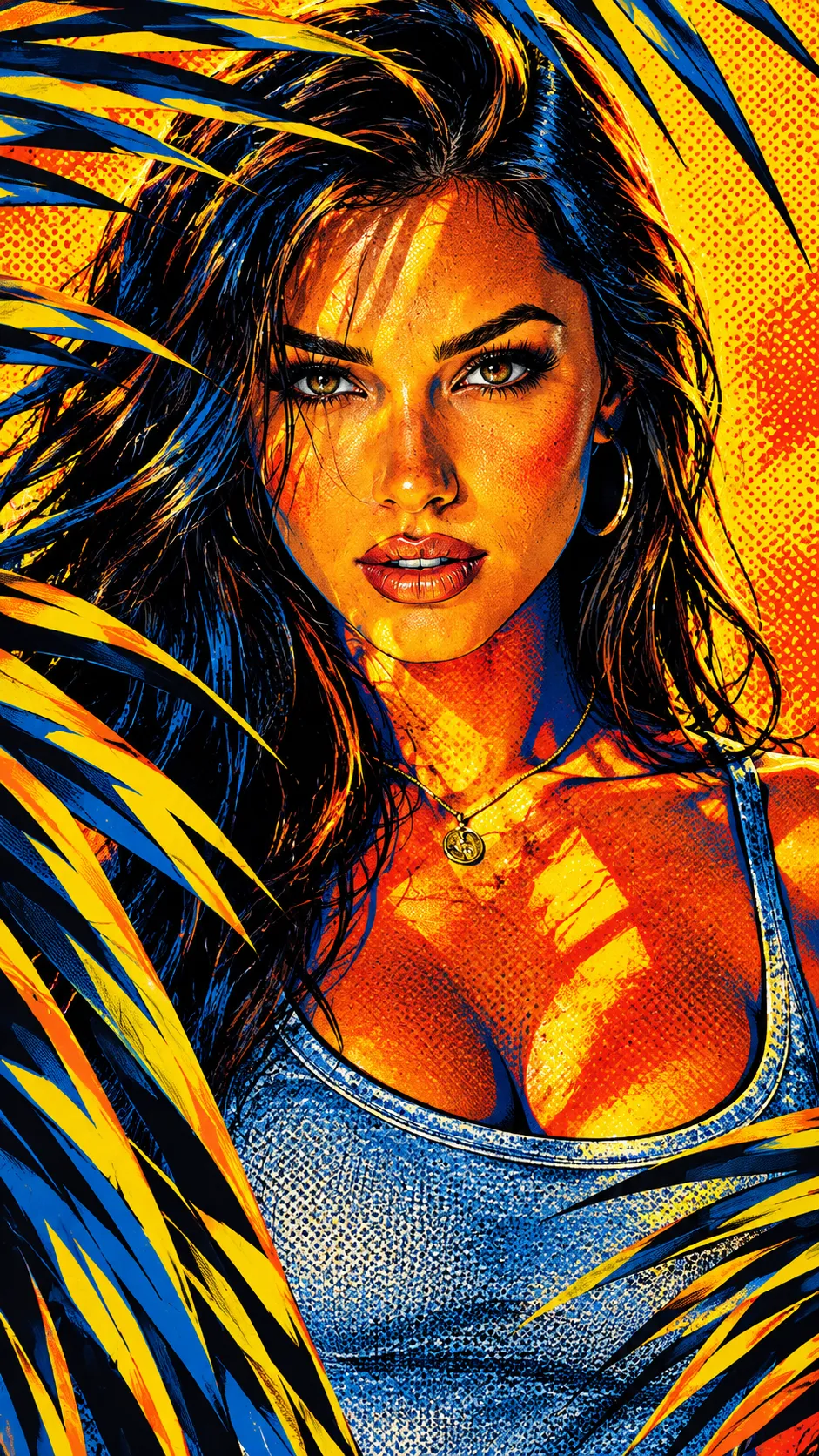
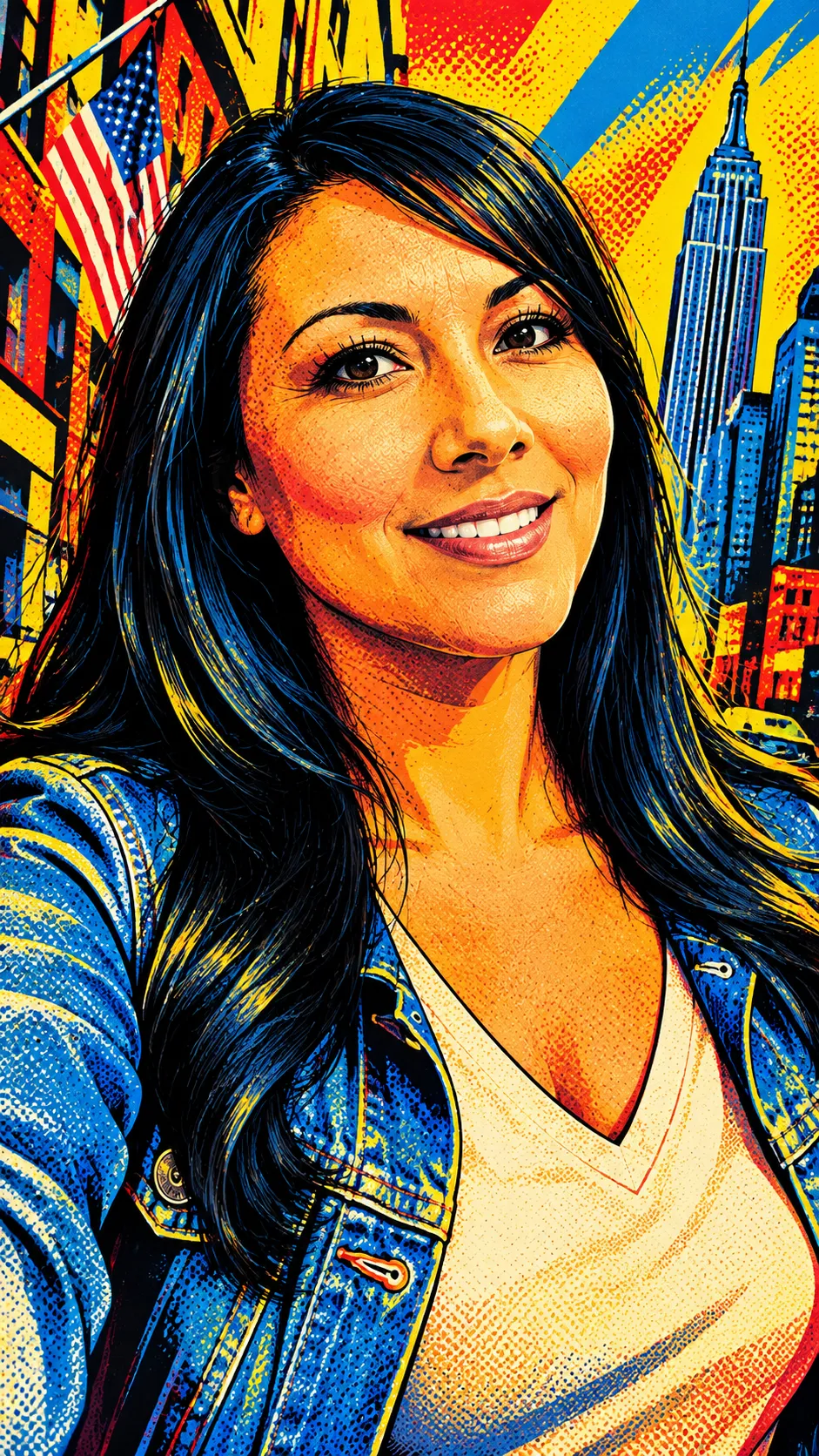
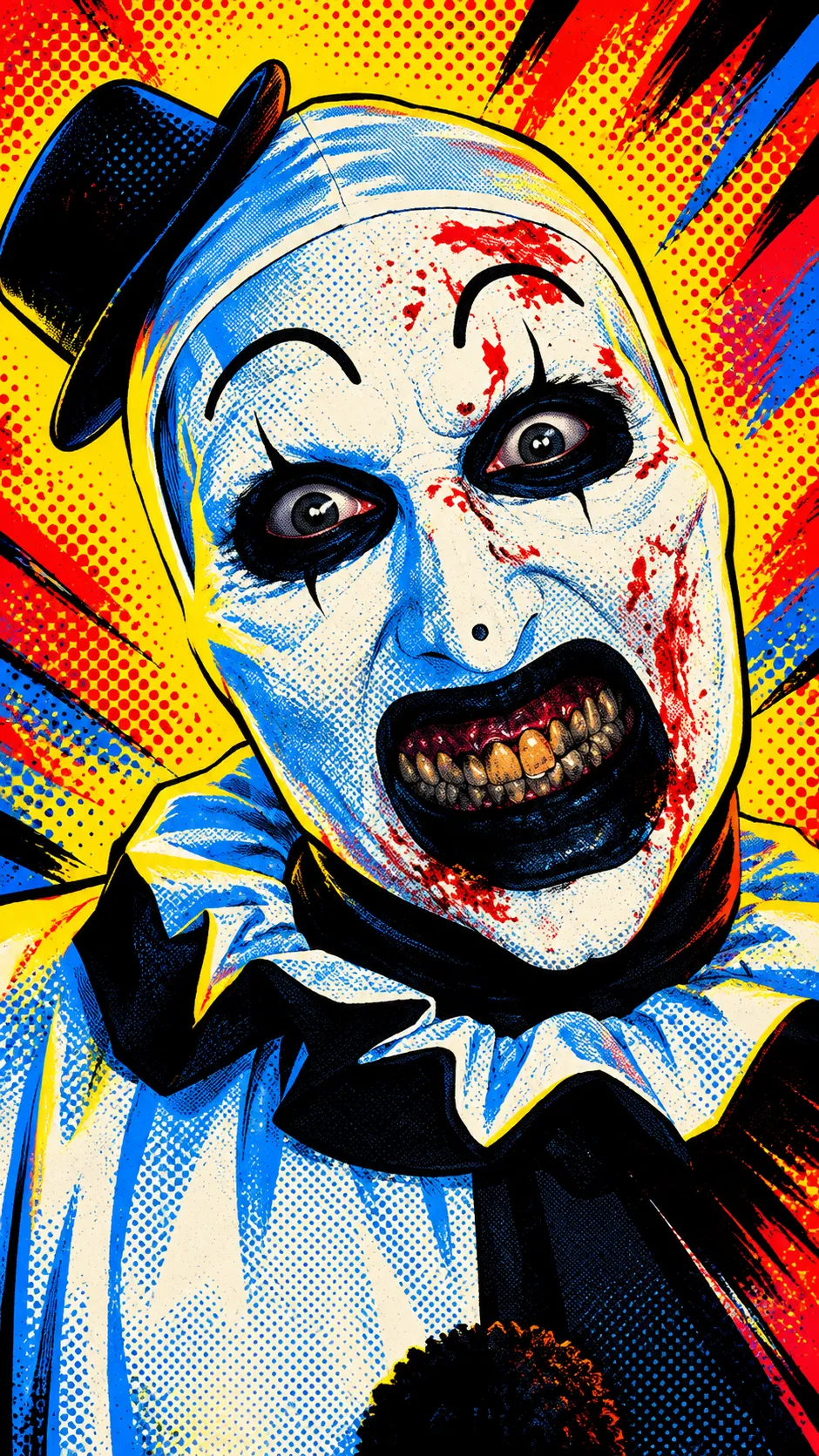
Prompt template
0 copies
- Format
- Text
- Inputs
- Reference_image (image) · Required
- Outputs
- Reinterpreted_artwork (image)
Use the supplied image as the primary visual reference for identity, content, and composition, but do not copy it literally. Creatively reinterpret the entire image in an intensely graphic, contemporary pop-art editorial style.

## Reinterpret the image

Automatically analyze the reference image’s content, including any people, faces, bodies, objects, animals, architecture, landscapes, scenes, clothing, poses, expressions, perspectives, and other important visual elements.

Transform and reconstruct the image while preserving the essential features that make the reference recognizable. Treat the original photograph as a reference, not as the final result. Do not merely reproduce the photograph with filters. Create a new artistic interpretation, as though the image had originally been conceived as a high-end pop-art editorial illustration.

## Preserve identity and defining features

If a person appears, faithfully preserve their recognizable identity, including their actual facial structure and proportions; the shape of their eyes, nose, lips, and jaw; cheekbones, eyebrows, and distinctive features; apparent age and natural features; hair and its texture; expression and visual personality; body proportions; and pose and body language when relevant.

Do not replace the face with a generic one or turn the person into someone else. If multiple people appear, preserve each person’s individual identity.

If the image contains an animal, object, vehicle, building, landscape, or other element, preserve its essential recognizable features while reinterpreting it in the same graphic visual language.

## Adapt the composition

Do not force the original composition. Determine the most effective framing for the reference’s content. Depending on what works best, use an extreme close-up, medium shot, full-body portrait, panoramic composition, dramatic perspective, low angle, high angle, or dynamic editorial composition.

Design the composition specifically for the supplied image rather than repeating a template. Prioritize the reference’s main subject and create a visually powerful composition around it.

## Pop-art transformation

Transform the image into a high-impact pop-art editorial reinterpretation. Use electric cobalt blue, intense orange, golden yellow, scarlet red, and deep black.

Selectively transform areas of light, shadow, and volume into broad graphic color masses. Incorporate saturated electric colors, complementary contrasts, color blocks, graphic shadows, intense rim lights, print textures, halftone patterns, 1960s vintage comic-book aesthetics, contemporary editorial design, and a high-fashion poster finish.

Use color to reinterpret the lighting and volume rather than applying a uniform filter over the photograph.

## Halftone and texture

Integrate halftone patterns inspired by traditional comic-book printing. Strategically vary the size and density of the dots. Halftone may appear in the background, shadows, highlights, clothing, hair, skin, objects, surfaces, or selected areas of the composition.

Blend the halftone naturally with the image’s forms and lighting. Do not indiscriminately cover the entire image with dots.

## Lighting

Reinterpret the original lighting as graphic, cinematic lighting. Use strong contrast between electric blue and fiery orange or red. Create intense, dramatic rim lights that separate the subject from the background. Preserve volume, depth, and dimensionality despite the graphic treatment. Lit areas should feel luminous and energetic; shadows should be deep, graphic, and deliberate.

## Detail and realism

Even with the highly stylized treatment, preserve essential realistic details.

For people, retain natural skin texture and visible pores, individual hairs, facial hair when present, natural lines and wrinkles, lip texture, eye details, and distinctive facial features.

For objects and environments, retain texture, materials, surfaces, small details, depth, and realistic structure.

Combine hyperrealistic detail with extreme pop-art stylization.

## Background

Reinterpret the reference image’s background to suit its content and composition. You may simplify, transform, or creatively reconstruct it, but it must complement the main subject. When appropriate, use a bright golden-yellow background with red and orange halftone patterns. Give the background a graphic editorial appearance that directs attention toward the main subject.

## Visual style

Fuse hyperrealistic photography, pop art inspired by Roy Lichtenstein, contemporary comics, vintage printing, halftone, screen printing, editorial illustration, and high-fashion poster design.

The result should feel bold, electric, sophisticated, graphic, experimental, modern, collectible, and visually striking. It should look like a fully reinterpreted work of art, not a conventional photograph with a filter.

## Core reinterpretation rule

Do not copy, merely apply a filter, or reproduce the image literally. Use the photograph as a starting point and visually reconstruct its content from scratch within the “Electric Vision” aesthetic.

Preserve the reference’s identity and essential elements while allowing artistic changes to lighting, colors, background, surface treatment, perspective, contrast, composition, texture, depth, and graphic language. The final image must be a recognizable artistic reinterpretation of the reference, not a replica.

## Final quality and constraints

Create premium, ultra-detailed editorial artwork with extremely sharp focal details, sophisticated color separation, realistic dimensionality, a dynamic graphic composition, refined halftone printing texture, cinematic contrast, and a high-end fashion-poster aesthetic.

No text, typography, logos, or watermarks. Do not add people who are absent from the reference. Avoid deformed anatomy, generic faces, loss of identity, a plastic appearance, 3D effects, a rendered look, or cheap photographic filters.

Format: vertical 9:16. Adapt the framing and composition automatically to the content of the supplied photograph.





Comments — 0