- Category
- Art & Illustration
- Model
- google-gemini
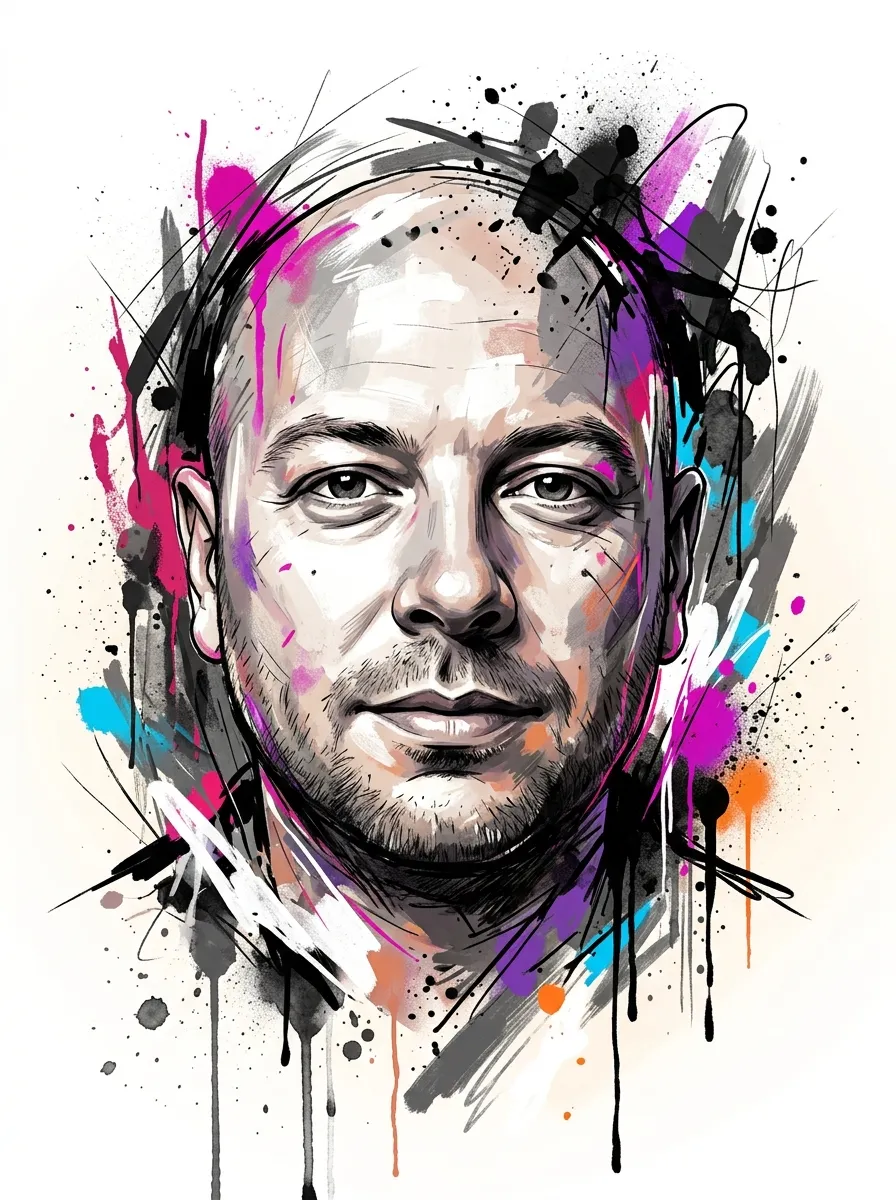
Experimental Unfinished Graffiti Portrait
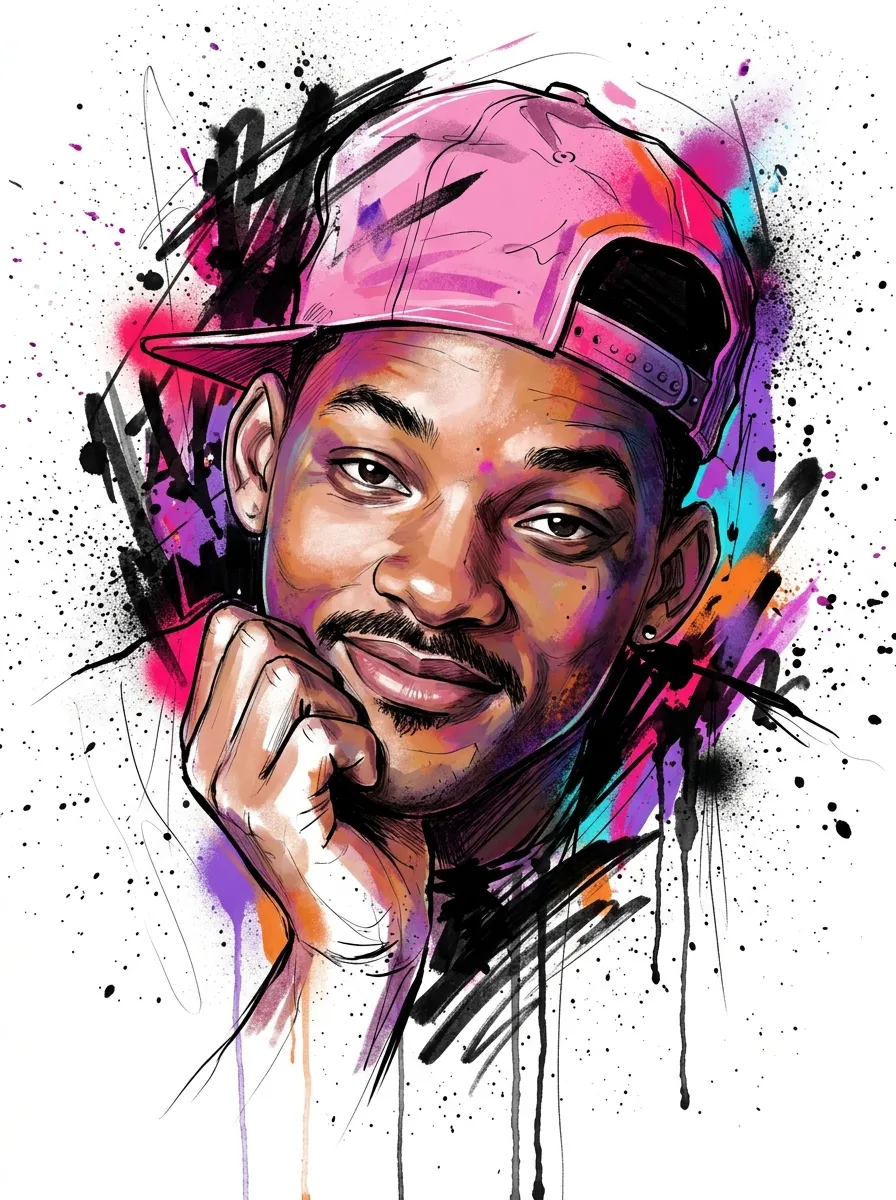
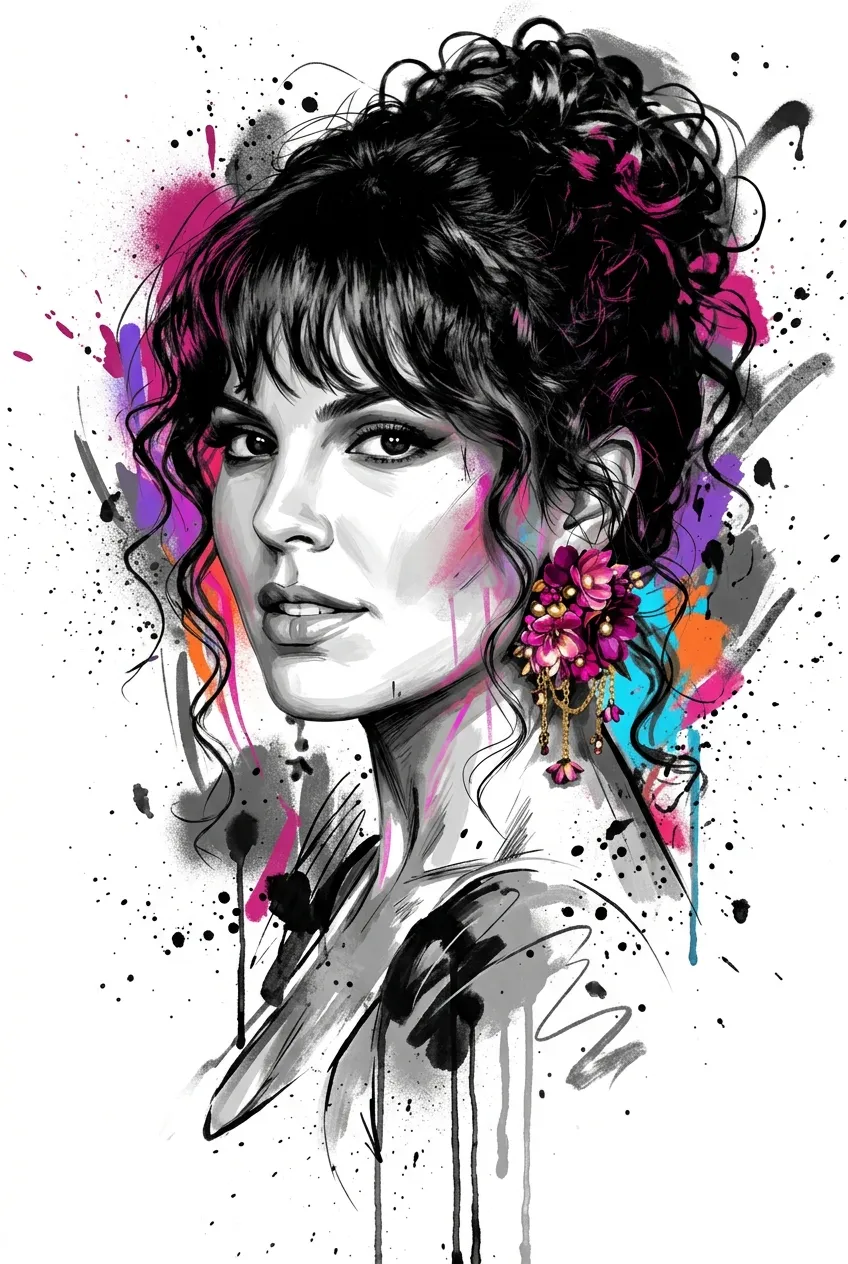
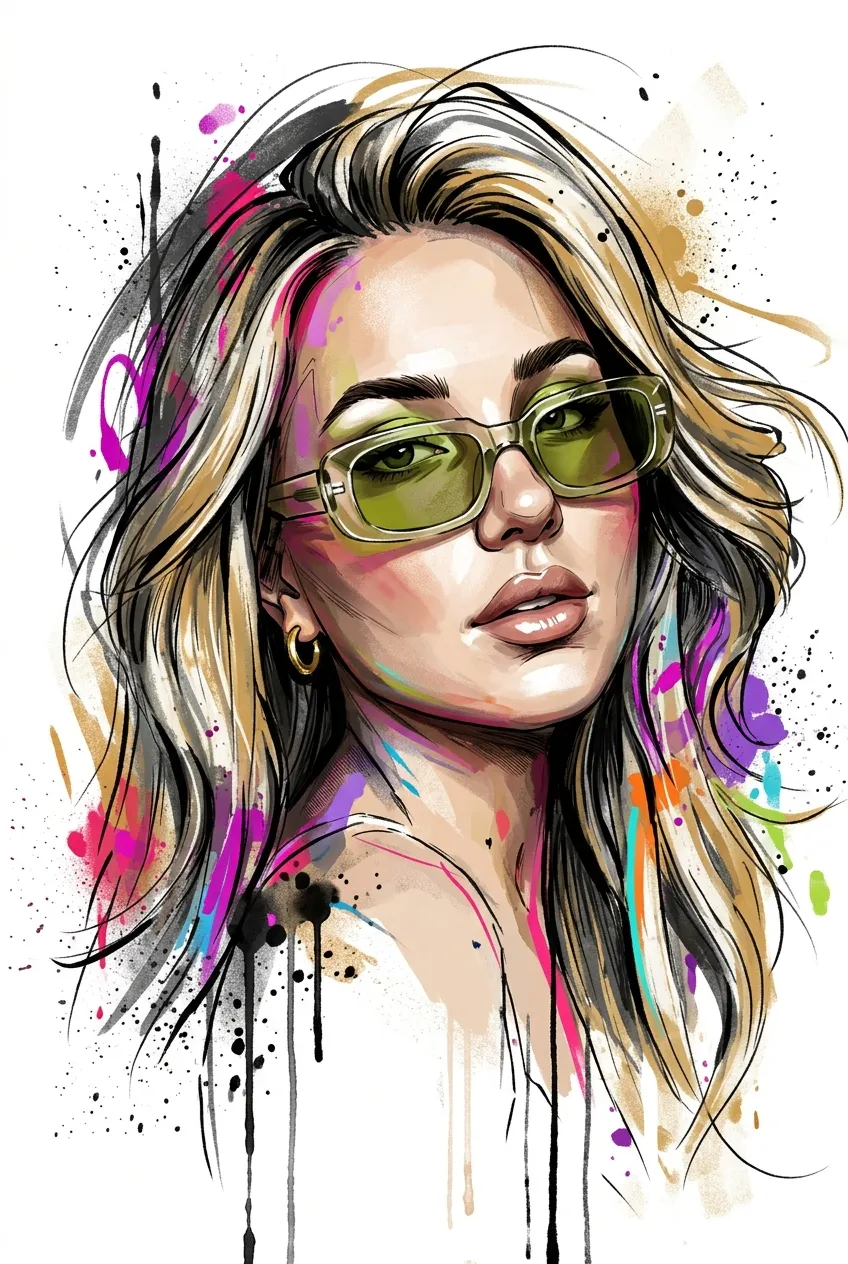
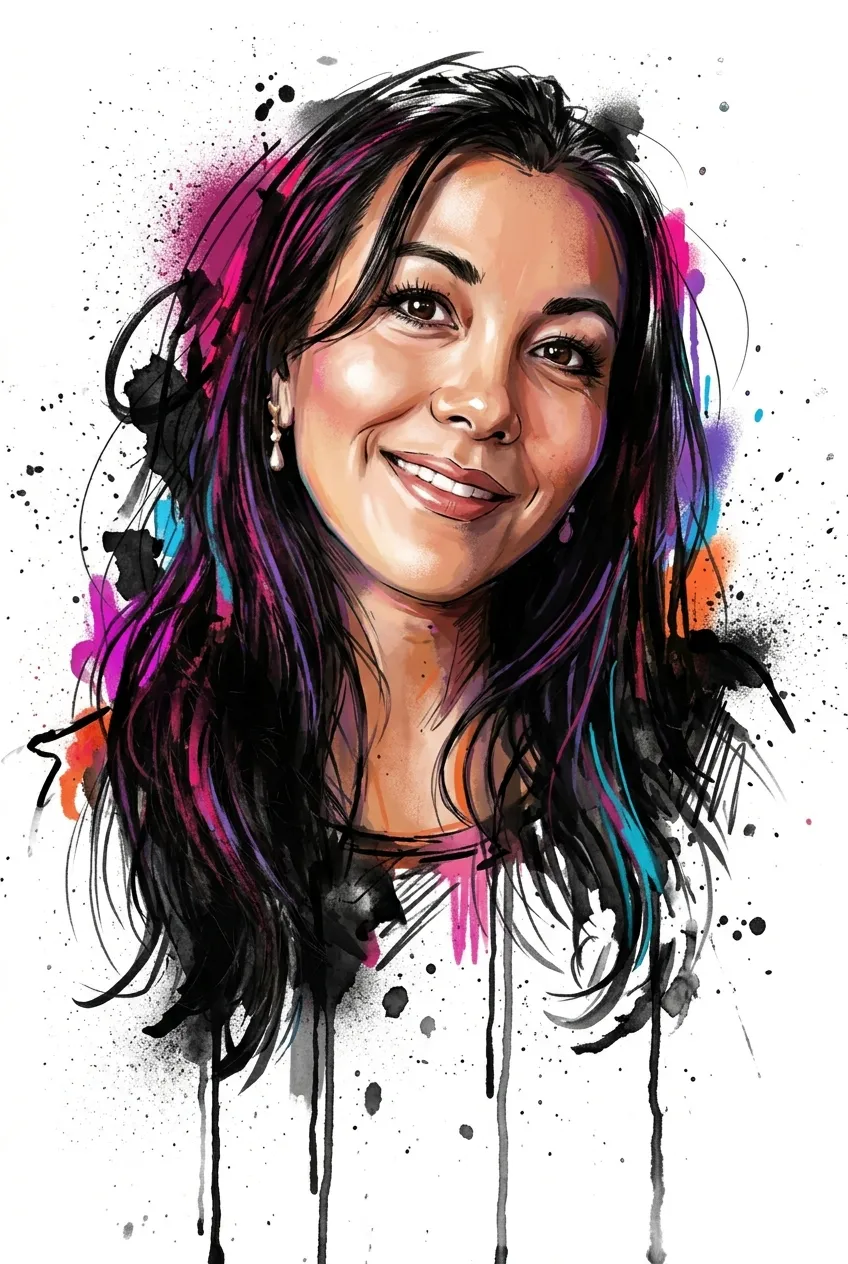
Transform a reference photo into a recognizable, editorial-style graffiti illustration with expressive black marks, selective neon accents, a white background, and an intentionally unfinished lower silhouette.
By Threads — Published on — Modified on
Example images
Prompt template
1 copy
- Format
- Markdown
- Inputs
- Identity_photo (image) · Required Artistic_style_reference (image) · Required
- Outputs
- Experimental_graffiti_portrait (image)
Using the attached identity photo and artistic style reference, transform the person into an original experimental graffiti illustration. Use the identity photo only to preserve the person’s identity and features; use the artistic reference to guide the visual language, composition, and deliberately unfinished treatment.

Make the face the sole protagonist, accompanied only by the hair, neck, and a small portion of the shoulders where needed. Do not show a full body, extend the torso, or add unnecessary clothing details. Use a close, centered, vertical portrait composition. Keep the face the most recognizable figurative element and preserve its anatomy and essential features.

Preserve the same person and faithfully retain their facial features, proportions, eyes, eyebrows, nose, lips, jaw, skin tone, apparent age, expression, distinctive traits, visible hairstyle, and accessories. Do not beautify or artificially alter the face or replace it with a generic model. Redraw and paint the entire portrait as an illustration; do not leave the photo intact or merely apply filters. Combine a carefully detailed figurative face with abstract, gestural urban art around the head. Give the face painterly volume, illustrated shadows, controlled brushwork, expressive contours, and a contemporary graphic texture. Keep the features precise and recognizable without making the result look like an unaltered hyperrealistic photograph.

Transform the hair into an expansive graphic structure of energetic black marks, irregular curves, layered strokes, stains, and abstract forms extending around the head. Make the upper and side areas dense and irregular, like an explosion of ink and gestural paint. Use abstract visual elements only: bold overlapping black strokes of varied widths, paint marks and spray-paint splashes, fine lines extending beyond the silhouette, fragmented forms, irregular paint edges, print-like textures, scratches, and vertical ink drips toward the bottom. Add selective accents of electric magenta, fuchsia, violet, cyan, and orange. Distribute the marks spontaneously and experimentally, without artificial symmetry or repetitive patterns.

Do not use letters, words, numbers, calligraphy, tags, signatures, logos, icons, or recognizable symbols. Keep the background pure or slightly warm white, with generous empty space around the portrait. Use intense black, charcoal gray, and white as the main palette, concentrating the accent colors in small areas of the graphic mass and in a few strokes around the face. Add only scattered splashes, small marks, and a few strokes reaching toward the edges; do not turn the background into a crowded wall. Preserve the contrast between the clean background and the dense illustration.

Make the finish deliberately incomplete and fading, not enclosed by a clean edge. Keep the face relatively defined while the neck, shoulders, and lower area progressively dissolve into incomplete brushstrokes, stains, loose lines, fragments, and vertical drips. Interrupt some forms before they close; leave unpainted areas, open contours, marks that fade into the background, and visible passages that seem still in progress. Let parts of the hair and silhouette blend into the black marks while other parts disappear into the white space. The lower portion should feel fragmented and pictorially unfinished, with the gestures of the artist still visible. This unfinished treatment must not compromise the face’s anatomy: the eyes, nose, and mouth must remain coherent and recognizable.

Combine hand-painted digital illustration, imperfect-edged black ink, dry-brush and acrylic textures, controlled spray-paint effects, natural splashes and drips, detailed figurative passages, abstract passages, and incomplete, fading edges. Convey spontaneity, graphic strength, and editorial sophistication. Do not make it look like vector art, a 3D render, a childish caricature, or a photograph with doodles overlaid.

Do not complete unfinished areas artificially; preserve the illustrated transformation rather than the original photograph. Do not alter the person’s facial identity. Do not include a full body, extended torso, limbs, text, letters, numbers, symbols, signatures, watermarks, logos, photographic urban backgrounds, buildings, brick walls, additional scenes, or a frame. Do not accidentally crop the head, obscure essential facial features with paint, or turn the image into an illegible mass of black.

Generate a high-quality vertical experimental editorial graffiti illustration: a recognizable, defined face centered in the composition; hair transformed into an exuberant explosion of black strokes and gestural paint; selective neon-color accents; a white background; and a deliberately incomplete silhouette dissolving into brushstrokes and drips toward the bottom. Reproduce the reference’s visual logic: an illustrated, defined face, exuberant graphic hair, urban abstraction around the head, and a lower silhouette that fades into an unfinished treatment. Deliver an original, expressive, detailed artwork with no text or symbols.


Comments — 0