- Category
- Art & Illustration
- Model
- xai-grok
Expressive Ink Portrait with Selective Red Accents
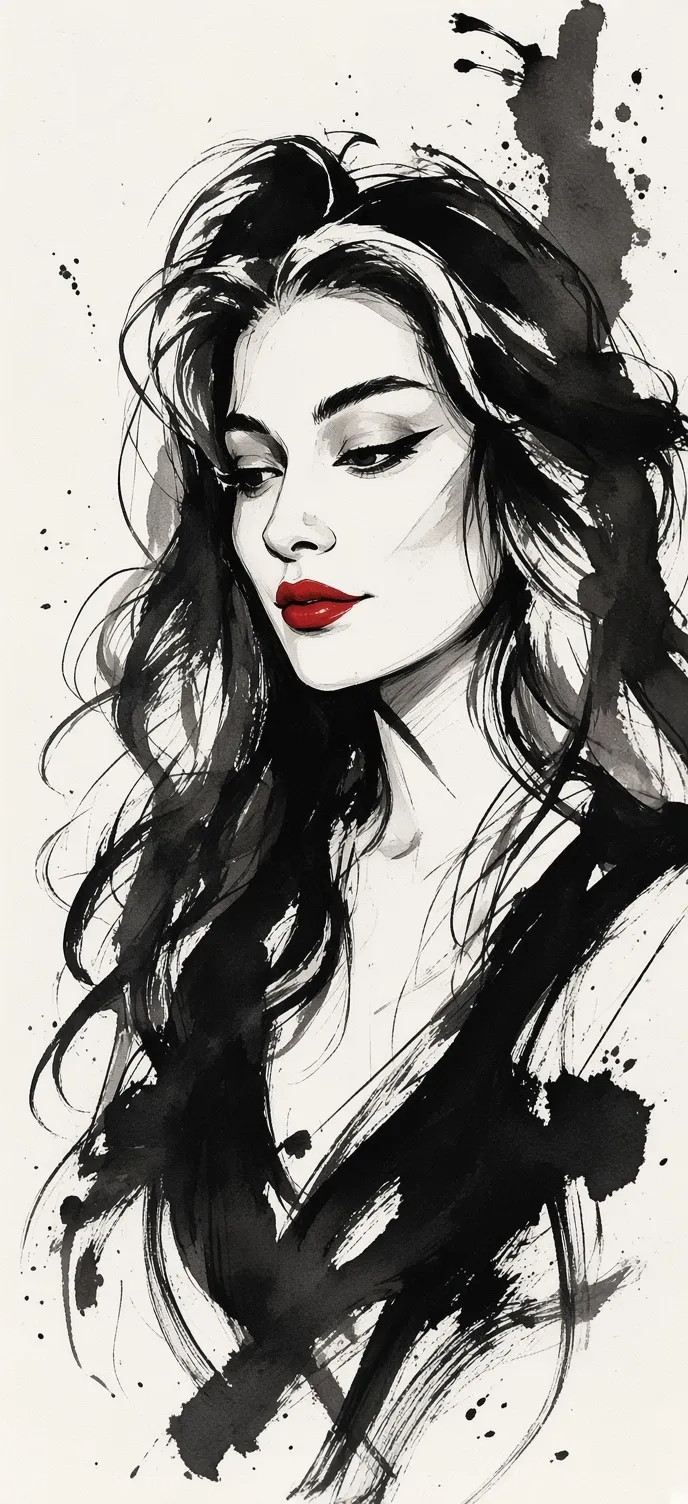
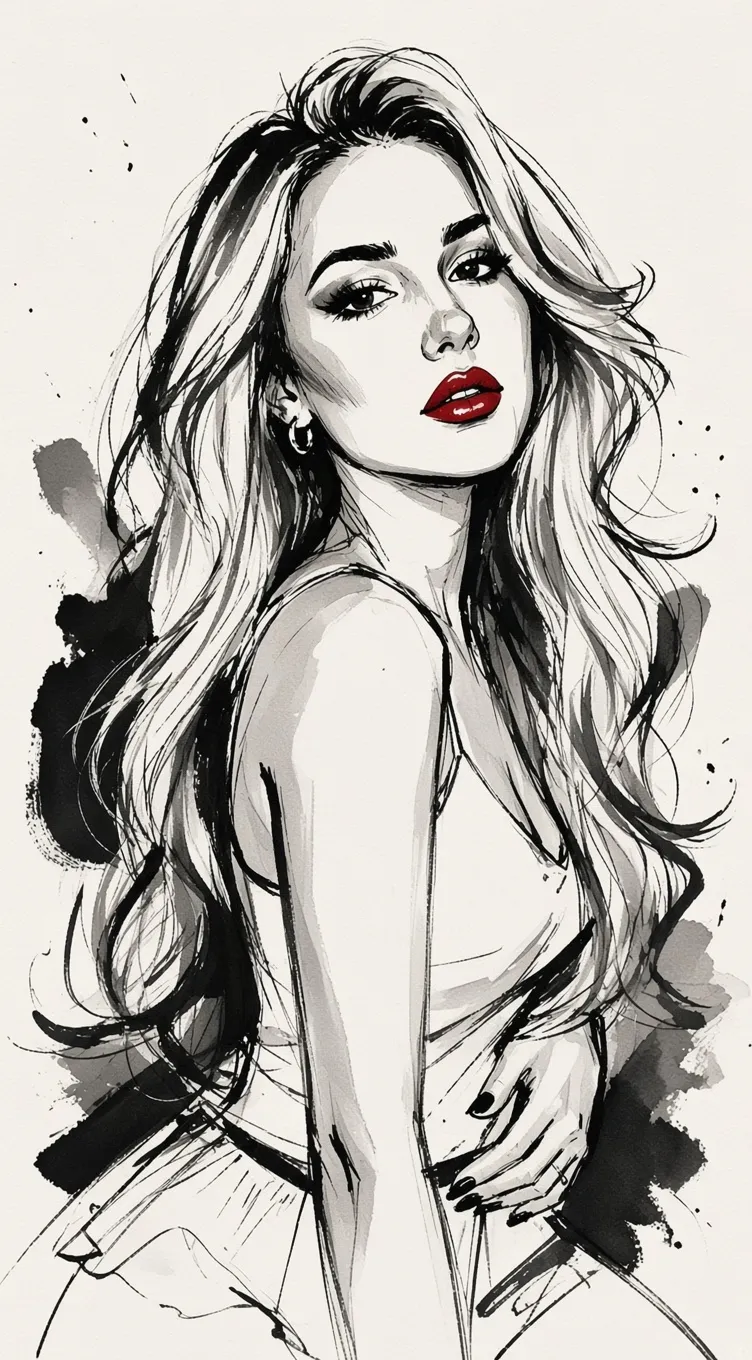
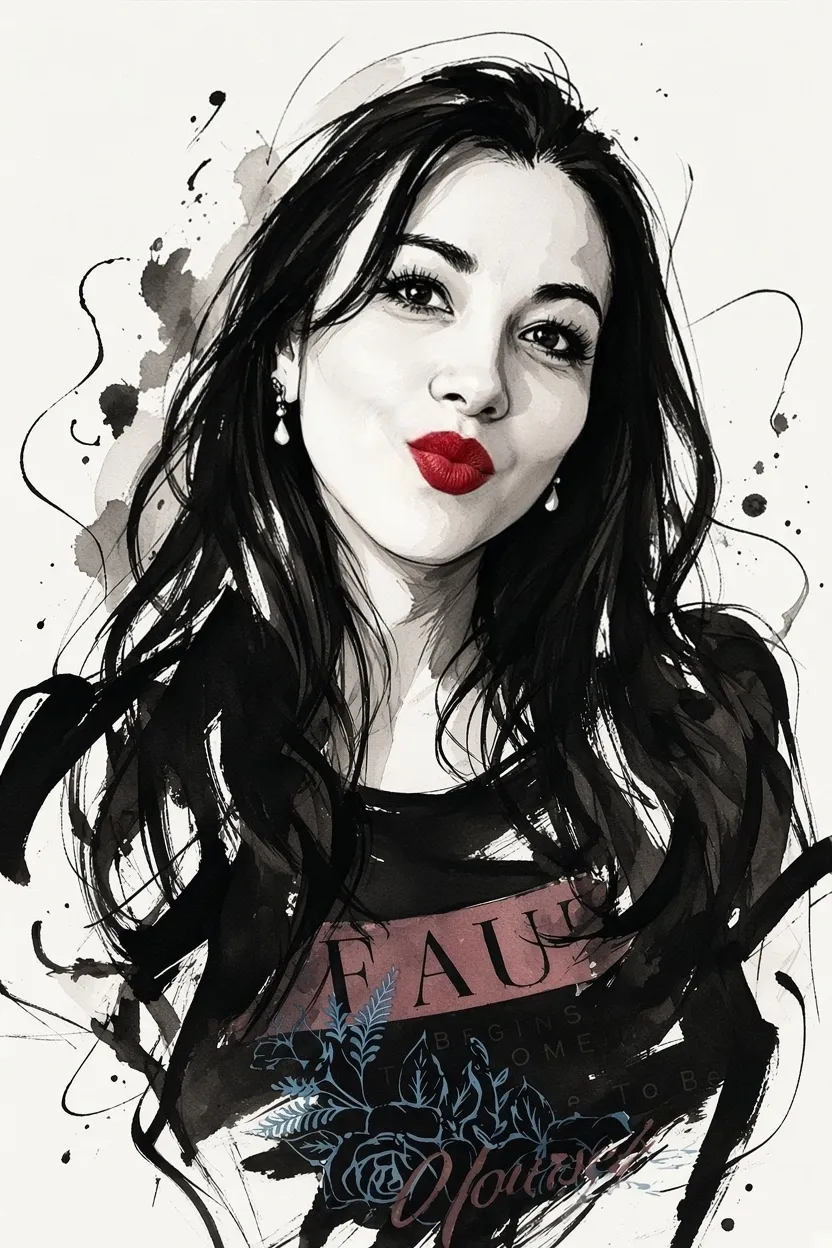
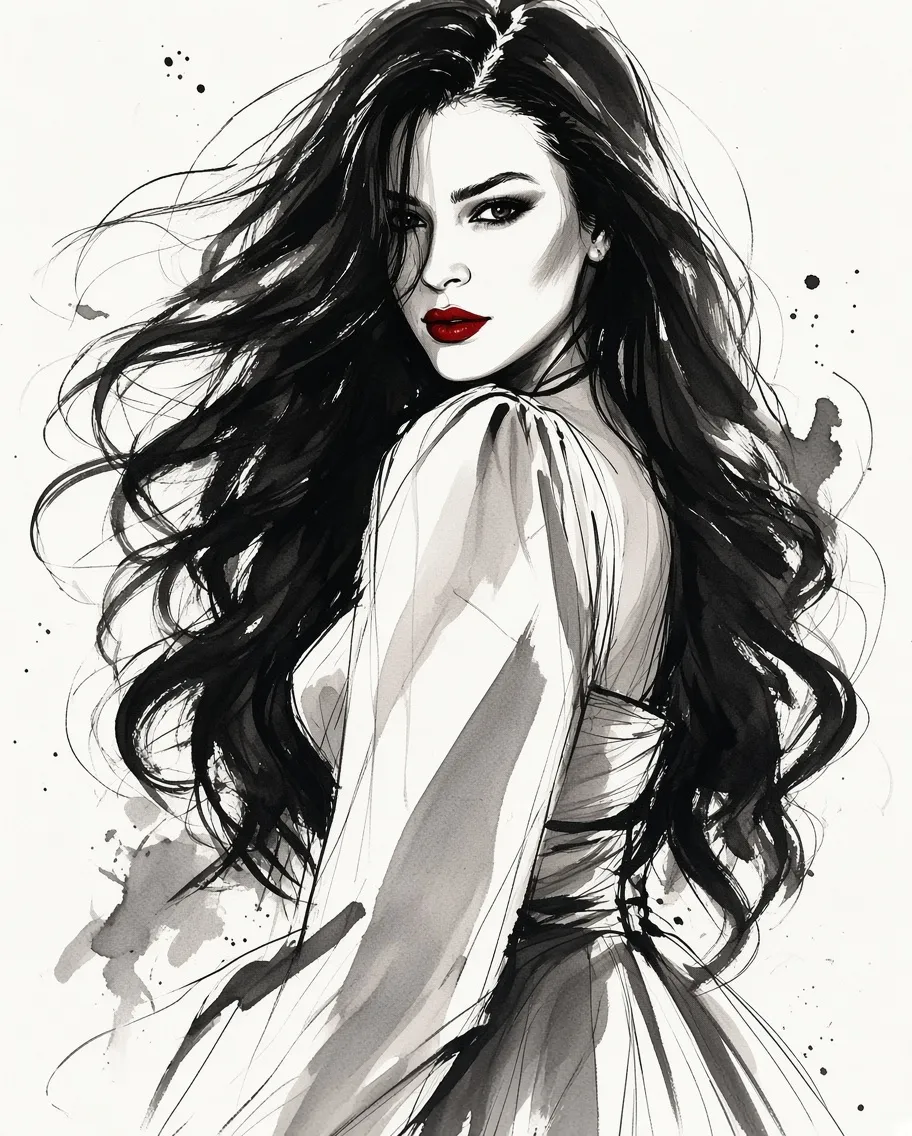
Transform a person’s photo into a recognizable, hand-drawn editorial portrait using expressive black ink, ivory negative space, and selective red accents.
By Threads — Published on — Modified on
Example images
Prompt template
0 copies
- Format
- Markdown
- Inputs
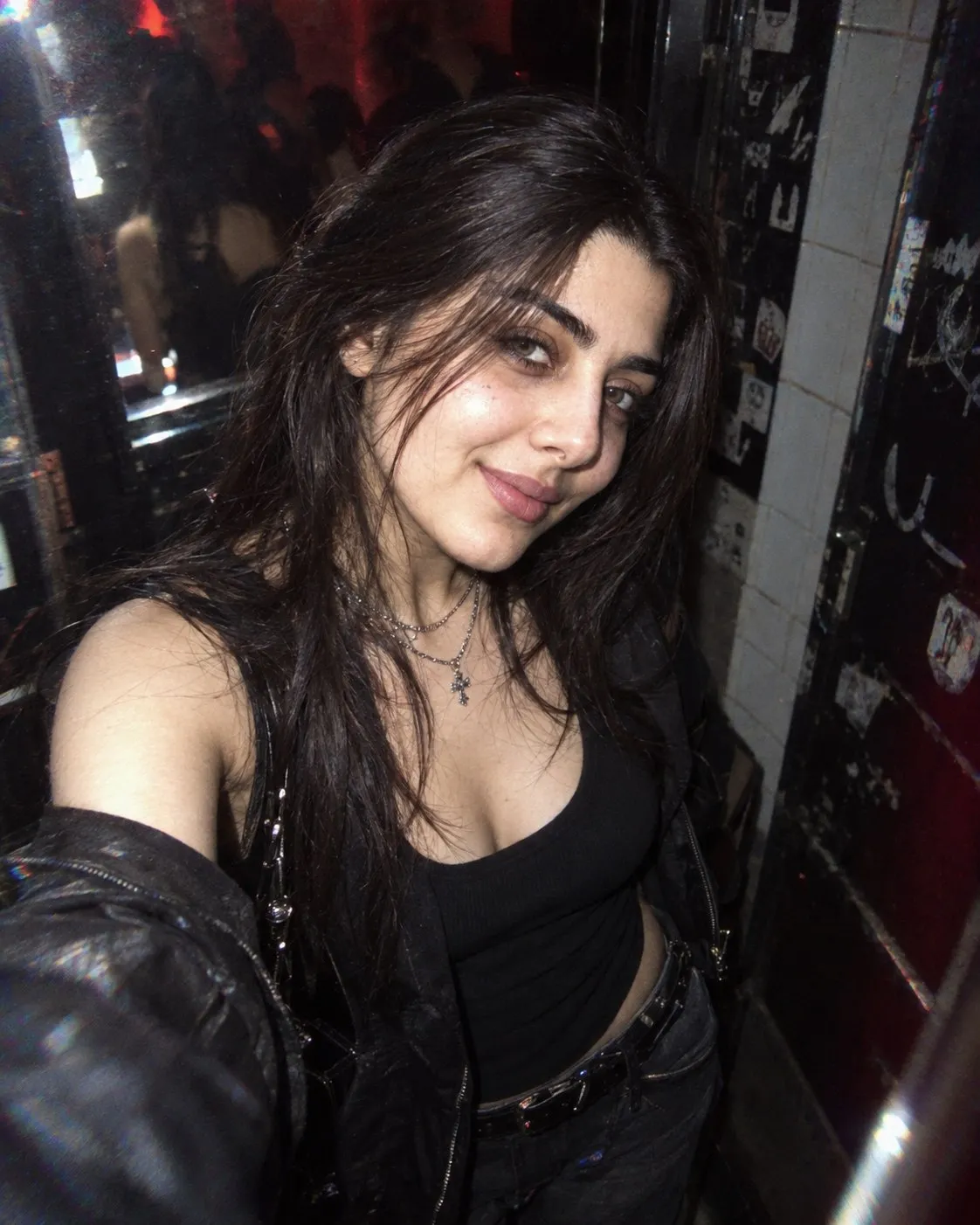
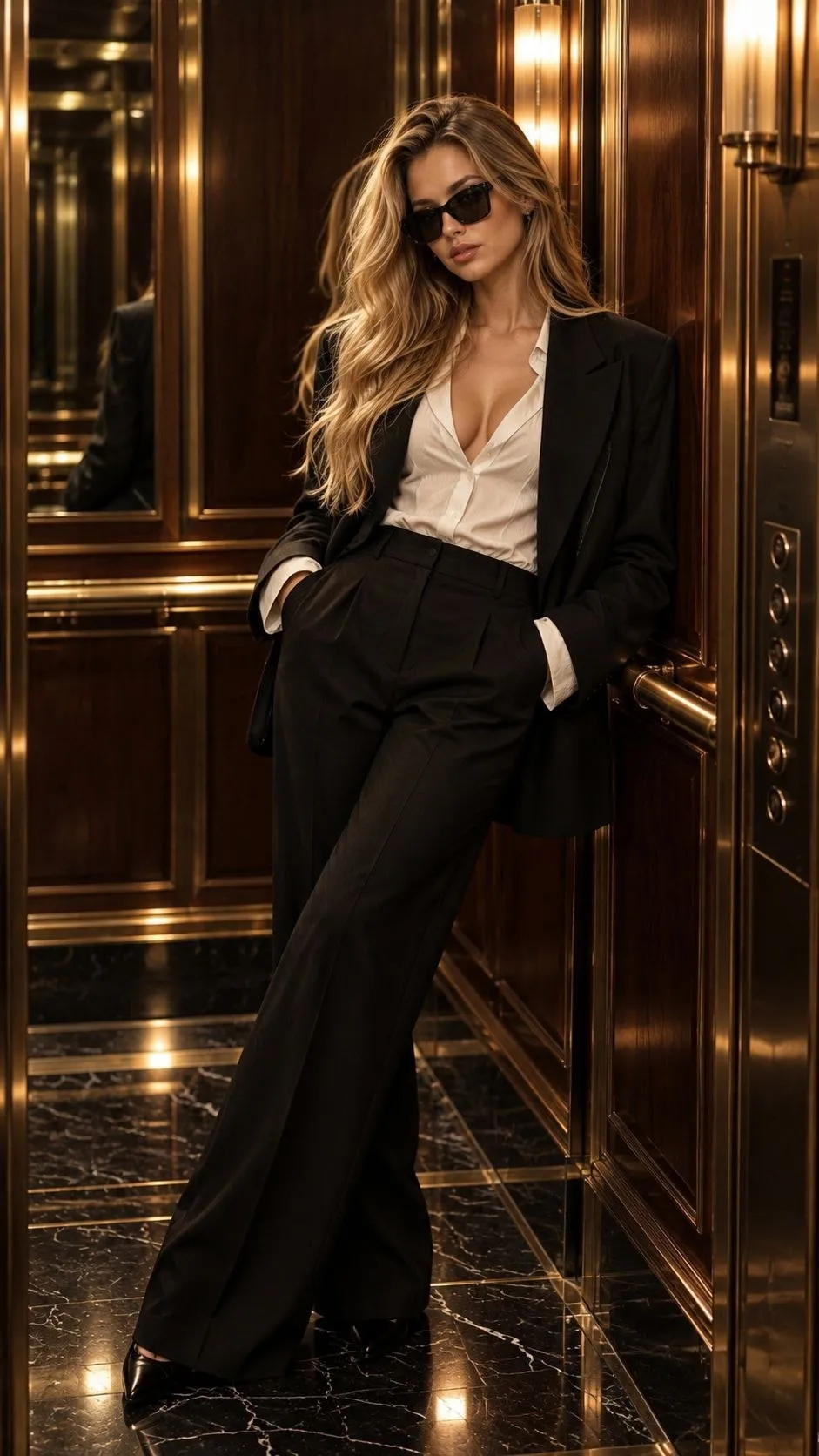
- Person_photo (image) · Required Style_reference_image (image) · Required
- Outputs
- Portrait_illustration (image)
# Master Prompt: Expressive Ink and Red Portrait Illustration

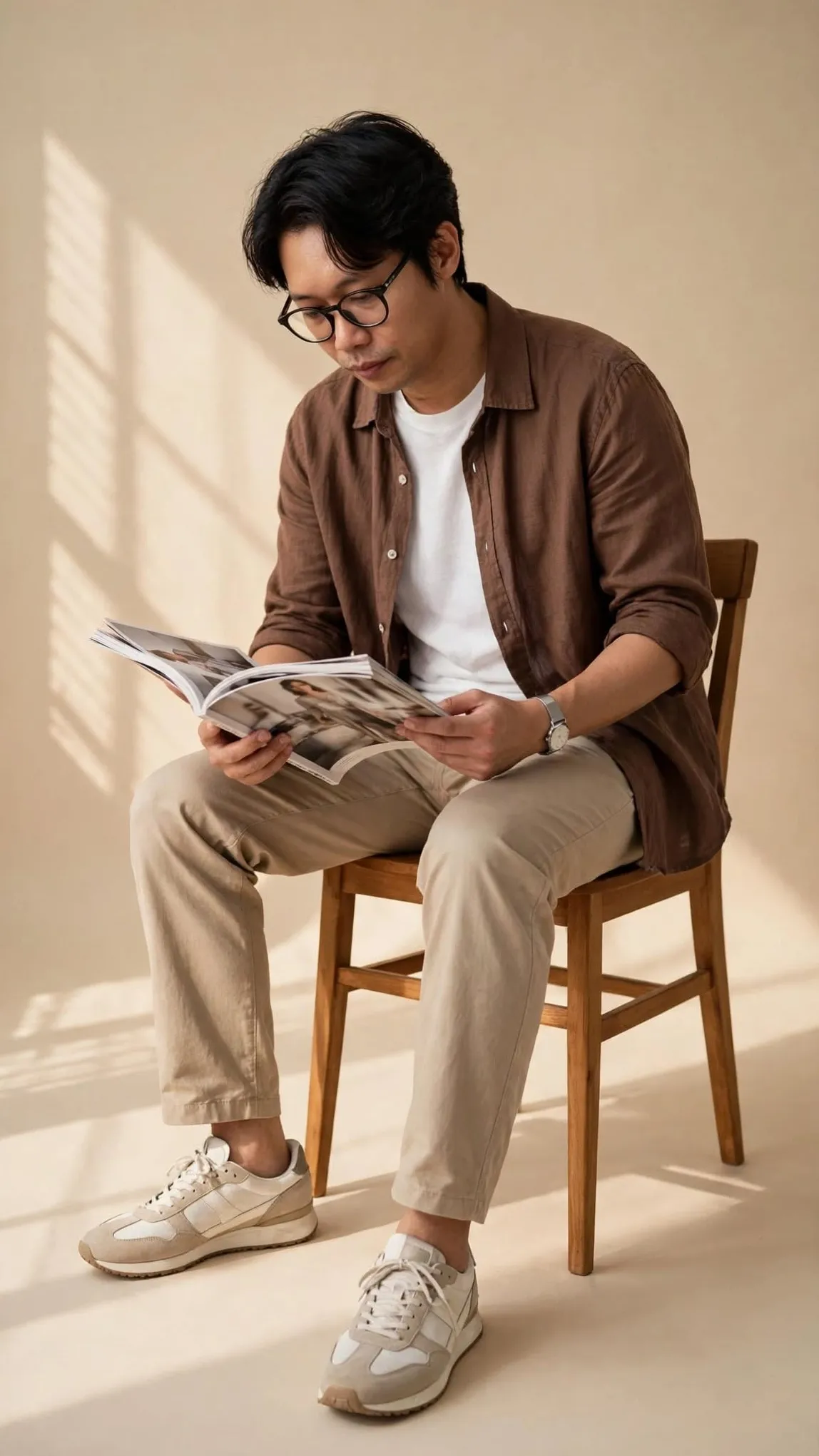
Use the attached **person’s photograph** as the source for the subject’s identity, features, age, hairstyle, pose, and distinctive characteristics. Use the attached **style reference image** only to guide the visual language and artistic technique. Transform the photograph into an expressive portrait illustration inspired by contemporary fashion illustration, gestural ink-and-brush drawing, high-end editorial sketching, and monochromatic painting with selective color accents.

Do not merely apply a filter to the photograph. Reinterpret the person as a hand-drawn and hand-painted artwork, with spontaneous strokes, loose lines, ink stains, gestural brushwork, and an elegant, bold, cinematic aesthetic.

## 1. Preserve the person’s identity

Keep the person in the original photograph clearly recognizable.

- Preserve the facial structure, eye shape, eyebrows, nose, lips, cheekbones, jaw, and natural facial proportions.
- Respect the person’s apparent age, expression, gaze direction, and distinctive features.
- Use the original skin tone as a guide for highlights and shadows, reinterpreting it through artistic brushwork.
- Keep the original hairstyle, hair length, and volume. Adapt the hair to the gestural drawing style without replacing it with a different hairstyle.
- Preserve the original pose and body anatomy.
- Do not idealize, beautify, or arbitrarily alter the person’s features.

This is an artistic transformation, not an identity replacement. The person must remain recognizable after becoming an illustration.

## 2. Artistic technique and visual style

Turn the photograph into an illustration combining:

- Deep black ink and diluted ink washes.
- Expressive gestural drawing, with quick, imperfect, spontaneous lines.
- Long, fluid strokes defining the hair, facial contours, and silhouette.
- Ink stains, translucent grays, dry-brush strokes, and small splatters.
- Shadows formed from black shapes, smoky grays, and unpainted white areas.
- Overlapping lines that add movement, energy, and depth.
- A deliberately free artistic-sketch finish, balancing anatomical accuracy with unfinished strokes.

The result should look like an original illustration made by a skilled artist with ink, brush, and paint on paper—not a photograph with a drawing effect.

## 3. Color palette

Use a restrained, elegant palette:

- Deep black as the dominant color.
- Charcoal gray and smoky gray for shadows.
- Ivory white or pale cream for the background and negative space.
- Vivid red and crimson as selective color accents.

Let red stand out especially on the lips when they are visible, preserving their natural shape and adapting the color to the person’s expression. If the lips are not clearly visible, use red sparingly on an appropriate detail, or omit it if it does not improve the composition.

Keep the rest of the illustration almost entirely monochromatic. Avoid unnecessary colors, artificial digital gradients, and neon effects.

## 4. Treatment of the face

Make the face the visual center of the artwork. Render its features with a combination of defined lines, expressive dark shadows, and unpainted white areas that suggest light.

Preserve the essential details needed to recognize the person, while simplifying secondary areas with loose brushwork and controlled ink marks.

Do not turn the face into a caricature. Do not exaggerate the lips, eyes, nose, or jaw. Let the artistic technique—not anatomical distortion—create the expressiveness.

## 5. Dynamic hair and free-flowing strokes

Interpret the hair using broad black brushstrokes, fine lines that define individual locks, and gestural marks that extend organically around the head.

Combine dark masses with white and gray lines suggesting shine, volume, and movement. Allow some strokes to extend beyond the main silhouette and cross one another, creating a spontaneous, elegant, slightly unruly drawing.

Respect the original hairstyle. Do not invent a completely different head of hair. If the person has short, curly, tied-back, or otherwise distinctive hair, adapt the technique to the actual hair instead of copying the hairstyle in the style reference.

## 6. Clothing and body

Reinterpret the original clothing using broad areas of black ink, gray shadows, and expressive brushwork. Preserve the type of clothing, neckline, visible accessories, and original silhouette, simplifying secondary details when necessary.

Clothing may partially merge with the background through incomplete brushstrokes and broken contours.

Do not add dresses, necklines, jewelry, or accessories that are not present in the photograph. Do not alter the anatomy or arbitrarily change body proportions.

## 7. Composition and framing

Preserve the orientation and composition of the original photograph whenever possible. Prioritize an editorial portrait that gives prominence to the face, hair, and expression. If the photograph shows the full body, retain the figure and adapt the level of detail to the composition.

Use a clean ivory-white or very pale cream background with abundant negative space. Add small ink marks, loose lines, and incomplete brushstrokes around the silhouette without crowding the background or obscuring the face.

Avoid accidentally cropping the head, and leave sufficient space around the figure.

## 8. Lighting and contrast

Interpret the original lighting through strong graphic contrast. Use deep black shadows, gestural gray transitions, and light areas left unpainted to create volume.

Lighting should clarify the features and give the portrait depth without making it look photographic or using artificial three-dimensional effects.

## 9. Final finish

Give the artwork a luxurious, expressive, minimalist, contemporary editorial-illustration aesthetic. Convey personality, movement, elegant sensuality, and visual strength through the contrast of black, ivory white, and selective red.

Combine carefully defined areas of the face with other parts that are deliberately unfinished. Brushstrokes should feel human, varied, and organic, as if physically made with ink and brush.

Avoid a perfectly vectorized appearance, 3D aesthetics, photographic filters, a plastic finish, overly uniform lines, and generic digital textures.

## 10. Important restrictions

- Do not change the person’s identity.
- Do not replace their features with those of the person in the style reference.
- Do not copy the identity, face, or hairstyle of the person in the style reference.
- Do not turn the image into a photograph with an artistic filter.
- Do not use additional colors indiscriminately.
- Do not add text, letters, signatures, logos, frames, or watermarks.
- Do not introduce unnecessary objects, accessories, or decorative elements.
- Do not exaggerate the anatomy or distort the features.
- Do not create a childish drawing, manga, comic caricature, vector image, or 3D image.
- Do not simplify the features so much that the person is no longer recognizable.

## Expected result

Create an illustrated reinterpretation of the original photograph using black ink, expressive grays, an ivory-white background, gestural brushstrokes, dynamic hair, and a selective red accent. The artwork should look hand-drawn, have editorial elegance and a strong personality, and preserve the distinctive features of the photographed person.

**Absolute priorities:** recognizable identity, an authentic transformation into an illustration, and fidelity to the expressive-ink visual language of the style reference.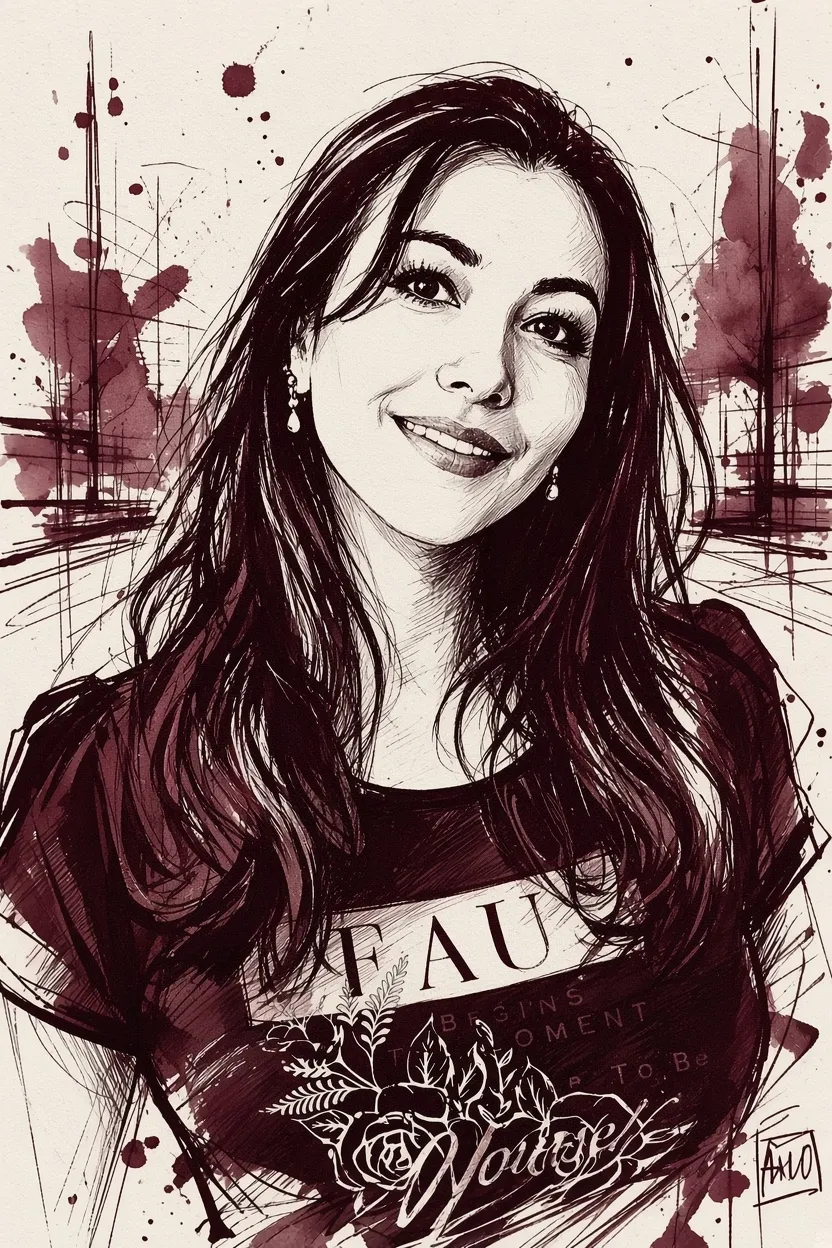



Comments — 0