- Category
- Photography
Fast & Furious Underground Street-Racing Ensemble Photo
Create a hyper-realistic vertical Hollywood-style ensemble photograph featuring the reference-photo subject, a heavily modified Japanese sports car, and eleven Fast & Furious characters at a nighttime street-racing meet.
By Threads — Published on — Modified on
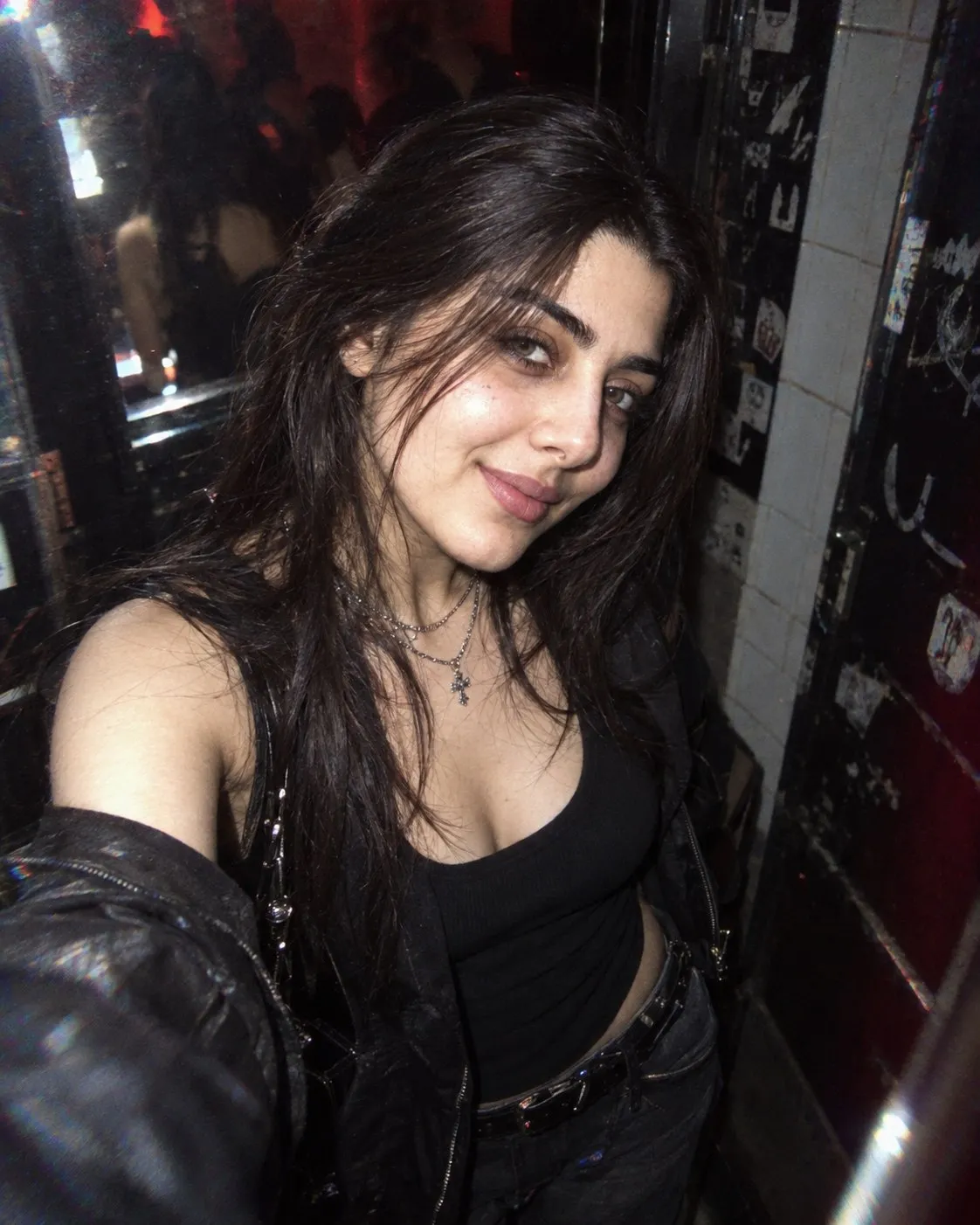
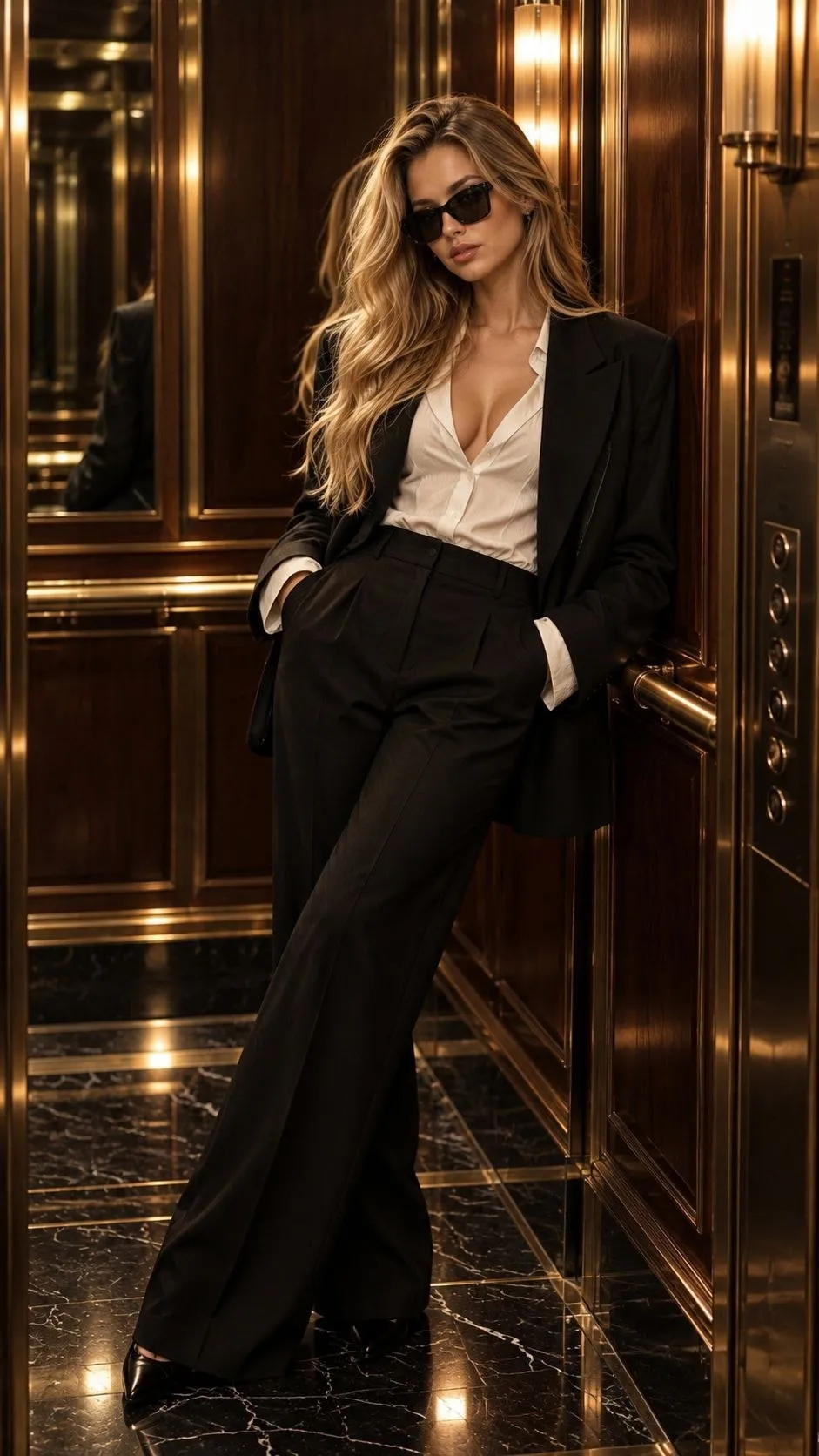
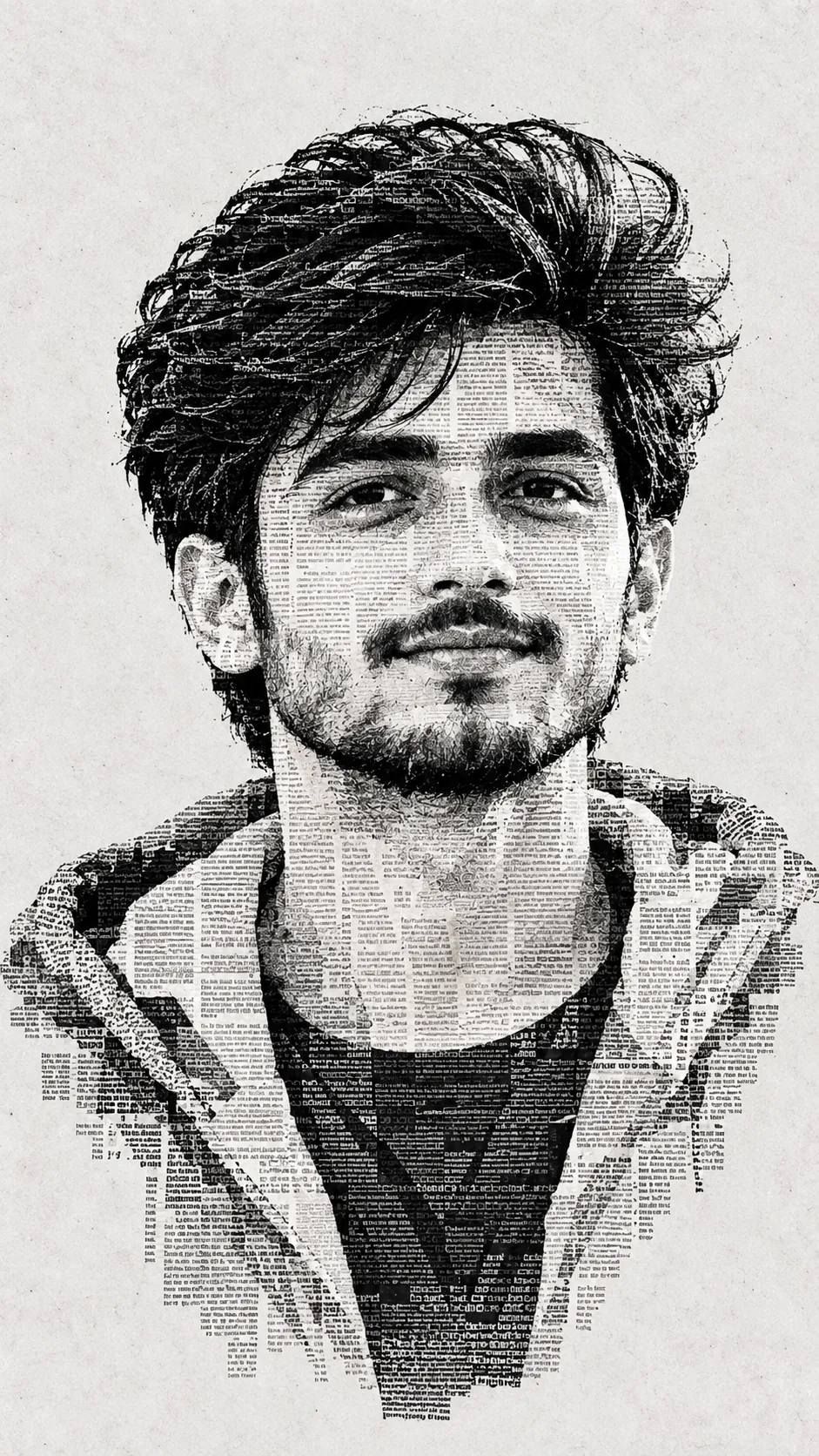
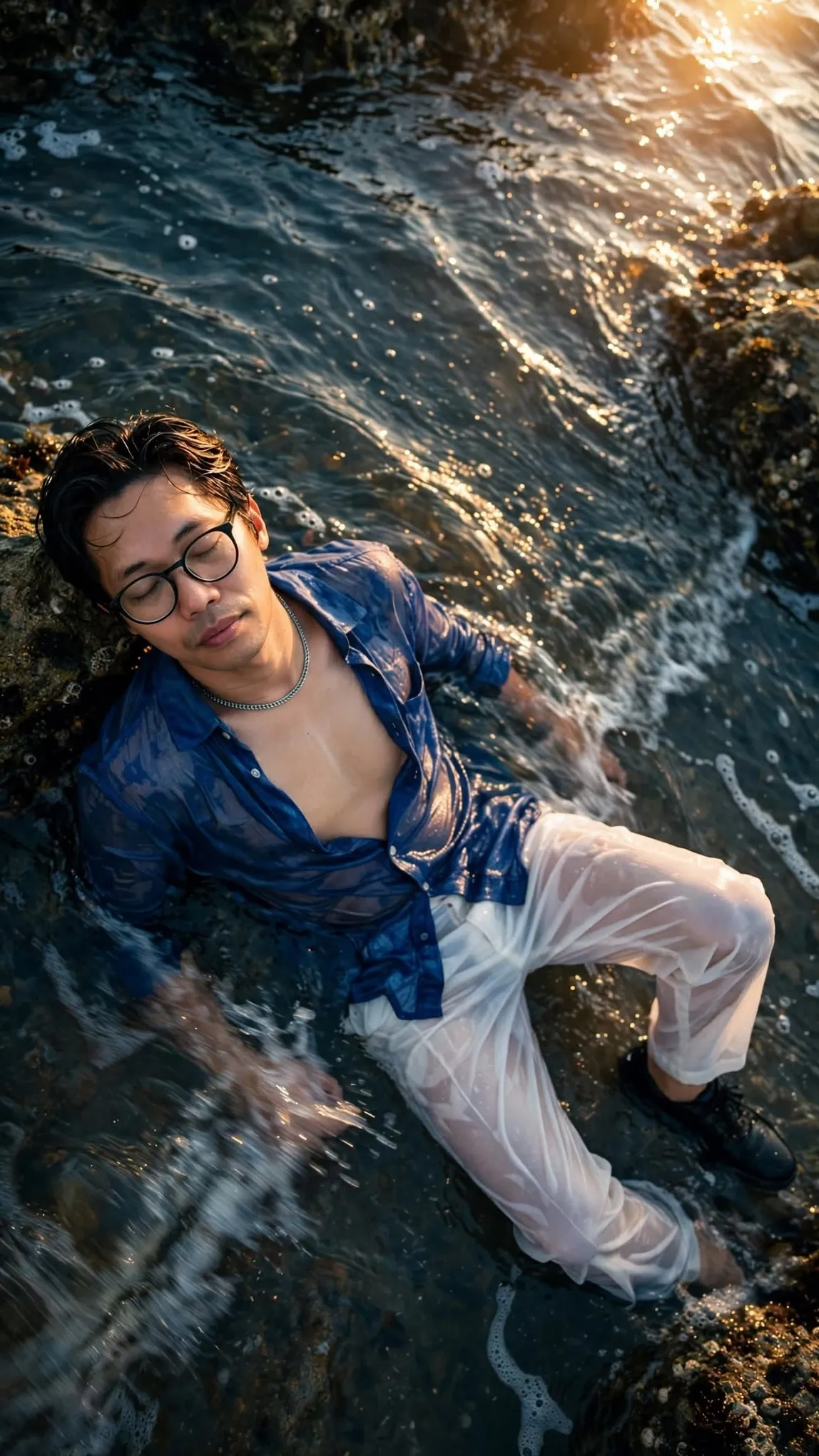
Example images

Prompt template
0 copies
- Format
- Markdown
- Inputs
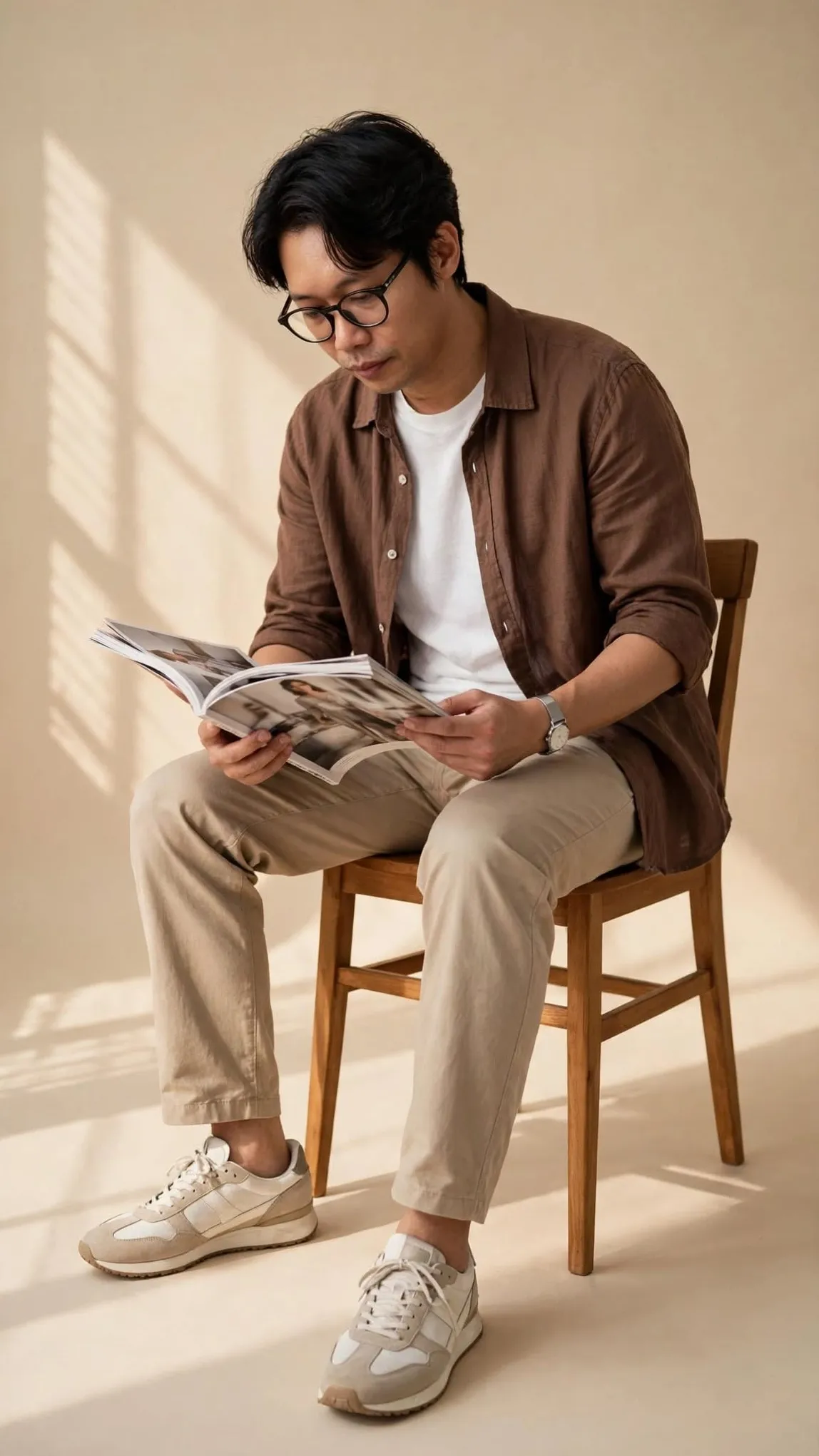
- Reference_photo (image) · Required
- Outputs
- Cinematic_ensemble_photograph (image)
Create a hyper-realistic cinematic photograph in a vertical 9:16 format, with the feel of a big-budget Hollywood production. Draw on the atmosphere, car culture, tuned cars, and street races of classic early-2000s automotive action films, especially the visual aesthetic of Fast & Furious.

The result should look like an authentic photograph taken during a major film production, with the people, cars, and setting integrated in a physically convincing way.

## 1. Facial identity — absolute priority

Use the uploaded reference photo as the primary and mandatory visual reference for the person in the foreground.

The person must remain immediately recognizable. Preserve their identity and original facial features rigorously, including:
- Face shape and bone structure.
- Eye spacing, shape, color, and distinctive features.
- Nose, mouth, and lip shape.
- Eyebrows, cheekbones, chin, and jawline.
- Natural skin tone, texture, and individual characteristics.
- Apparent age and facial proportions.
- Marks, moles, small asymmetries, and other individual features.
- Natural expression and the features that make the person recognizable.

Do not reinterpret, beautify, stylize, or freely reconstruct the face. Do not replace the person with a generic face or an idealized version. Facial identity takes precedence over lighting, wardrobe, cinematic style, and every other visual element. The result should give the impression that the person in the photo actually took part in a Hollywood production.

## 2. Adapt gender presentation and wardrobe automatically

Identify the masculine or feminine presentation of the person in the reference photo and adapt the wardrobe accordingly, without changing their identity.

**If the person presents as a man:** Create a masculine look inspired by the protagonists of early-2000s underground car culture. Use a black leather jacket or fitted racing jacket; a premium urban-fit T-shirt; dark-wash slim or straight-leg jeans; a leather belt with a metal buckle; automotive-inspired men's athletic shoes; a sturdy men's watch; and subtle bracelets or metal accessories. Include realistic stitching, zippers, textures, and automotive details. The overall look should convey confidence and attitude without resembling a costume.

**If the person presents as a woman:** Create a feminine look inspired by 2000s underground car culture. Use a fitted women's leather jacket or stylized racing jacket; a modern top or automotive-inspired cropped top; fitted low-rise women's jeans; a belt with a stylized metal buckle; women's boots or athletic shoes; delicate earrings, necklaces, and metal accessories; and sophisticated, natural, photorealistic makeup. Preserve the person’s individual appearance without exaggeration or loss of identity.

## 3. Hair — faithfully reproduce the reference

Reproduce the hair as it appears in the uploaded photo. Preserve its length, cut, color, texture, volume, hairline, style, and natural distribution. Do not invent a haircut, hairstyle, color, or other alteration.

Render individual visible strands, naturally overlapping locks, variations in strand thickness, subtle highlights, and loose hairs. Hair must have realistic photographic texture, never a plastic or artificial appearance.

## 4. Composition — foreground protagonist

The person from the reference photo is the image’s absolute protagonist. Show them standing beside a highly modified Japanese sports car, with a natural, confident posture, authentic expression, relaxed body language, and cinematic presence. Show the full outfit whenever possible.

Use a vertical full-body framing or an extended medium-full shot, preserving natural body proportions. The car should be a prominent central element, slightly in front of or beside the person.

Build the composition in three visual layers:
1. Foreground: the reference-photo subject and the car.
2. Midground: the principal characters gathered near the vehicle.
3. Background: the remaining characters, modified cars, and the race-meet setting.

No character may obscure the main subject’s face.

## 5. Cast — characters from the film universe

Include these fictional characters associated with the Fast & Furious franchise, retaining their narrative identities, recognizable visual characteristics, and cinematic personalities:
1. Brian O'Conner.
2. Dominic Toretto.
3. Letty Ortiz.
4. Mia Toretto.
5. Vince.
6. Jesse.
7. Leon.
8. Tej Parker.
9. Monica Fuentes.
10. Carter Verone.
11. Suki.

Each character should have a distinctive appearance, wardrobe consistent with their film portrayal, a natural expression, realistic human proportions, a sufficiently visible face, and a distinct position in the composition.

Place Dominic Toretto and Brian O'Conner near the car in prominent positions. Place Letty Ortiz and Mia Toretto near the protagonists. Distribute Vince, Jesse, and Leon along the sides of the vehicle. Position Tej Parker, Monica Fuentes, Carter Verone, and Suki in the midground and background.

Show all eleven characters in the same photograph, without duplication, intentional omissions, or replacement by generic people. Arrange the cast across different depth planes, while keeping their faces sharp enough to distinguish each character. The reference-photo subject remains the visual protagonist; the other characters form a large cinematic gathering around them.

## 6. Car — Japanese tuning culture

Add an impressive Japanese sports car inspired by iconic models from the 1990s and early 2000s. Give it extreme tuning while keeping it believable as a real car. Include a custom aerodynamic body kit, modified bumpers, a large rear spoiler, alloy sport wheels, performance tires, metallic or pearlescent paint, period-inspired tuning graphics, carbon-fiber details, custom headlights, subtle underbody neon, functional air intakes, a sport exhaust, detailed mechanical components, and realistic reflections on the bodywork.

The car should convey power, personality, and authenticity, not look like a video-game vehicle.

## 7. Setting — nighttime car meet

Set the scene on an industrial street in the early hours of the morning, transformed into an underground street-racing gathering. Include industrial warehouses and metal structures; wet asphalt reflecting colored lights; other modified Japanese sports cars and vehicles prepared for drag racing; illuminated headlights; blue, red, purple, and pink neon; tire smoke drifting through the scene; palm trees and other nighttime urban details; spectators in the background; and small distant points of light from police vehicles.

Create an atmosphere of anticipation, adrenaline, and camaraderie just before a race. The setting should evoke the cinematic automotive aesthetic of the early 2000s.

## 8. Lighting and cinematography

Use professional cinematic photography with carefully constructed nighttime lighting. Include soft key light on the protagonist’s face; rim light on their hair and shoulders; natural neon reflections on skin, clothing, and the car; volumetric light passing through smoke; deep shadows with details preserved; balanced cinematic contrast; subtle anamorphic flares; and controlled depth of field. Keep all important characters sufficiently sharp. Use color grading inspired by 2000s automotive action films and the look of Kodak cinematic film.

Lighting must not artificially alter the main subject’s skin tone or conceal their facial features.

## 9. Photographic realism

Create an image that looks like a RAW photograph captured with a professional cinema camera. Target a vertical 9:16 composition and 8K resolution when supported. Simulate a 35 mm cinematic lens and an f/1.8 aperture with controlled depth of field. Use cinematic HDR, natural skin texture with visible pores and small imperfections, hair with individual strands, convincing fabric, leather, denim, and metal textures, physically plausible automotive reflections, correct human anatomy, natural hands and fingers, coherent perspective and scale, and lighting consistent with the environment.

At first glance, the result should be indistinguishable from a promotional photograph for a major cinematic production.

## 10. Visual constraints

Avoid changes to the main subject’s facial identity; generic or excessively beautified faces; artificial changes to apparent age; arbitrary hair changes; mixing masculine and feminine wardrobe elements; a cartoon, anime, or video-game appearance; excessively smooth or plastic-looking skin; distorted faces; duplicated, hidden, or omitted characters; deformed hands or extra fingers; incorrect body anatomy; cars with deformed wheels, headlights, or bodywork; impossible perspectives; random text; captions; watermarks; invented logos; and visual elements unrelated to the scene.

## 11. Final cinematic vision

Create an epic, hyper-realistic cinematic group photograph depicting the person in the uploaded photo as a special guest at an automotive gathering inspired by the Fast & Furious universe. Place the person in the foreground with their facial identity preserved, wardrobe adapted automatically, and hair faithful to the reference. Make the Japanese sports car one of the composition’s principal visual elements. Show all eleven characters around and behind the vehicle, forming a large cinematic gathering.

The image should convey nostalgia, adrenaline, tuning culture, friendship, rivalry, and the unmistakable atmosphere of underground street racing in the 2000s.

Format: vertical 9:16.
Aesthetic: RAW photography, cinematic hyper-realism, big-budget Hollywood production.
Highest priorities: the photographed person’s facial identity, coherent composition, and the visible presence of all eleven characters.
Desired result: a cinematic promotional photograph of a historic gathering from the street-racing universe.




Comments — 0