- Category
- Photography
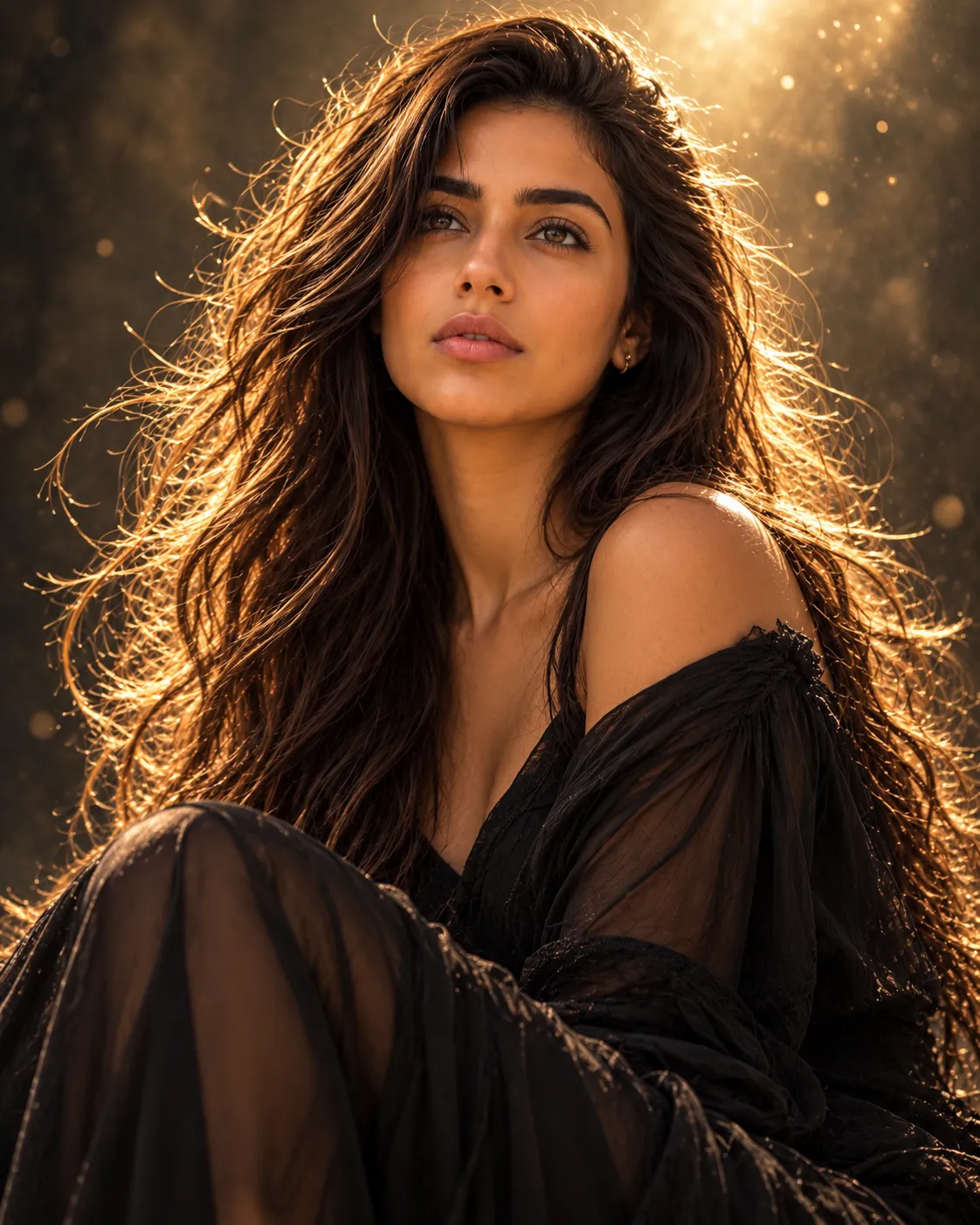
Golden Backlit Editorial Portrait
Create a photorealistic, cinematic fine-art portrait of the person in an uploaded reference photo, with dramatic golden rim lighting and a dark, atmospheric background.
By Threads — Published on — Modified on
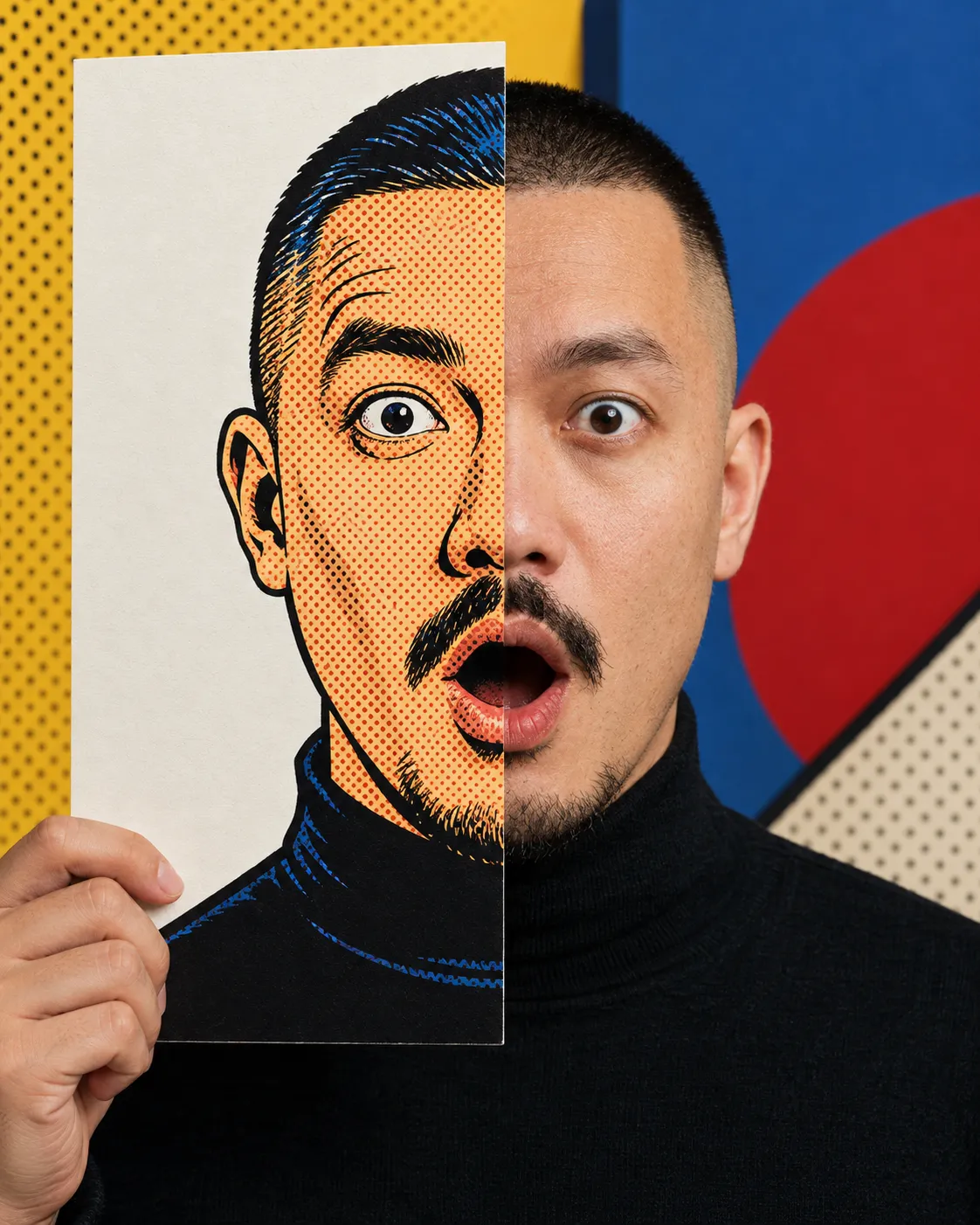
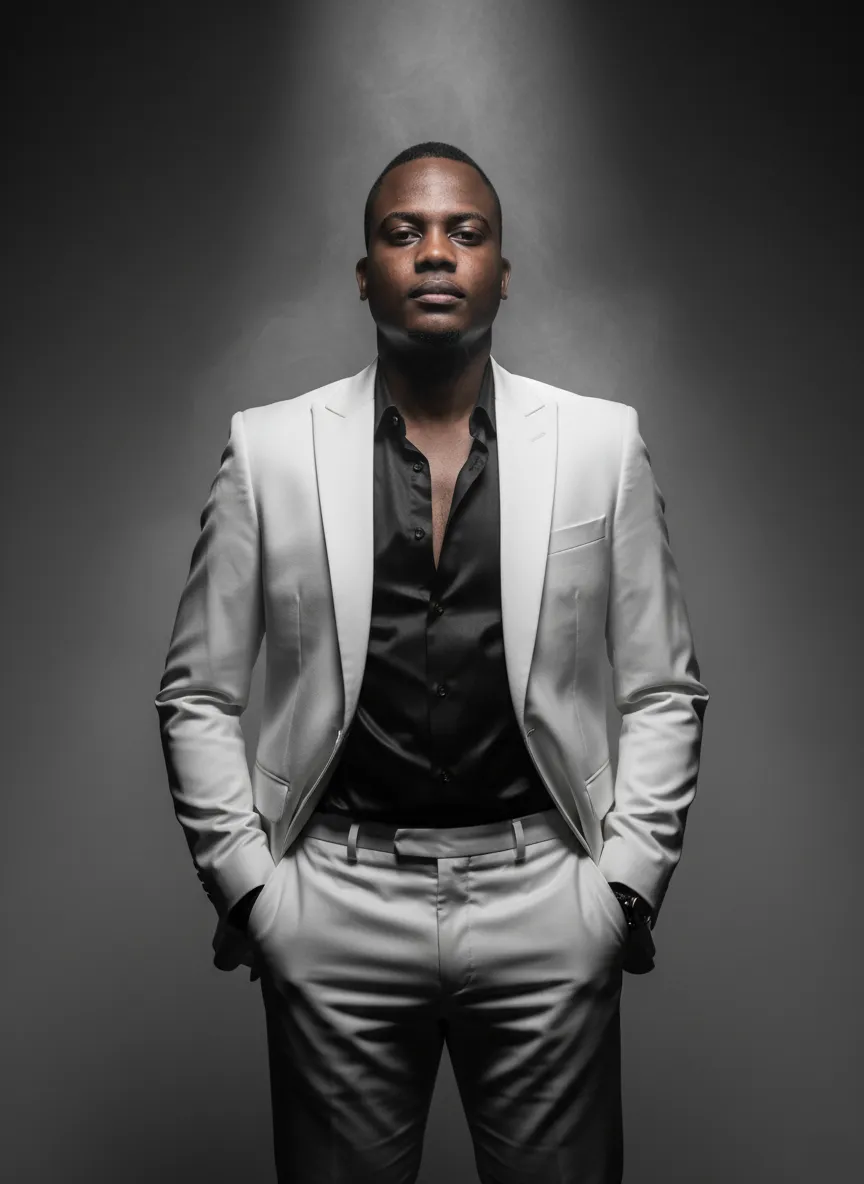
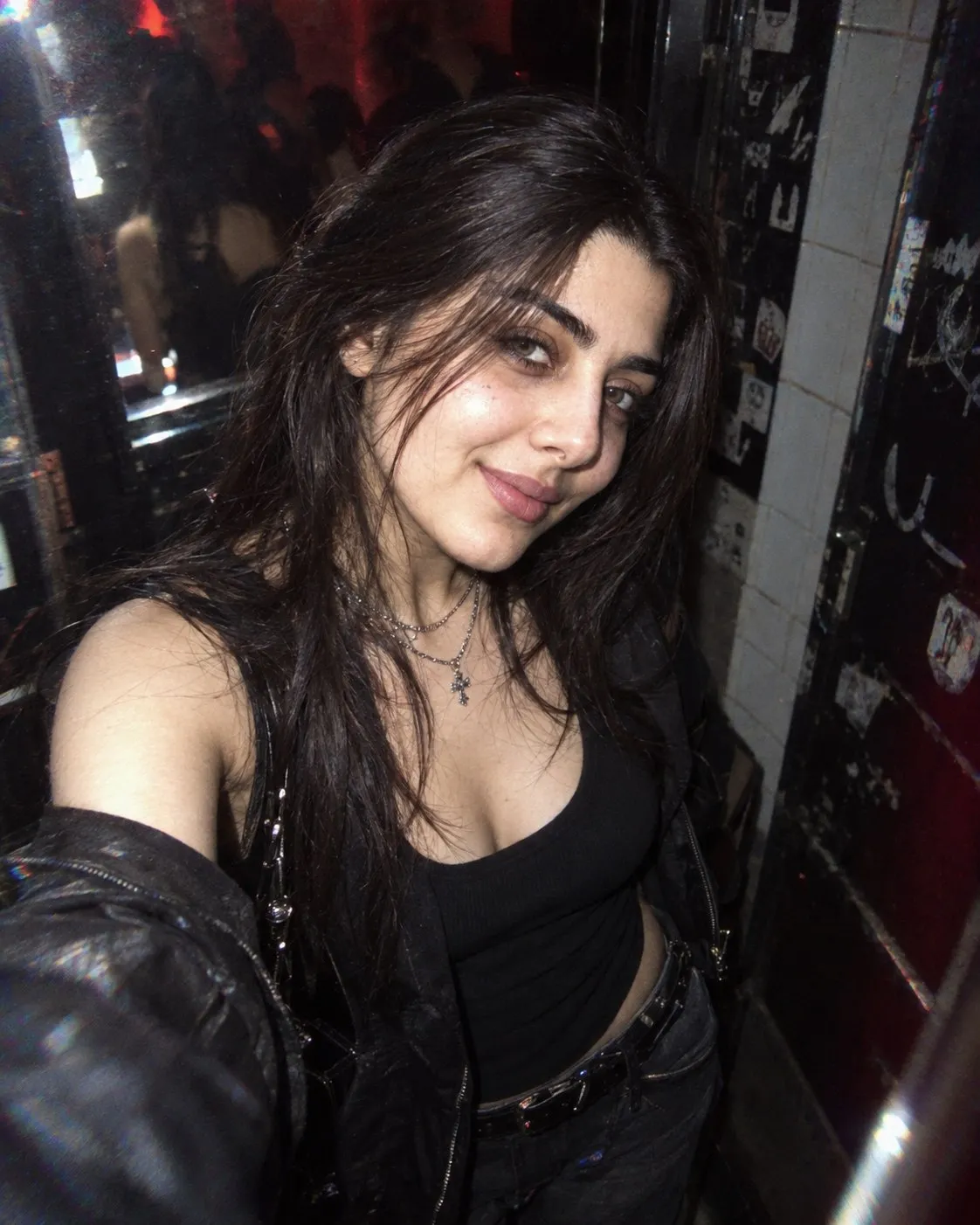
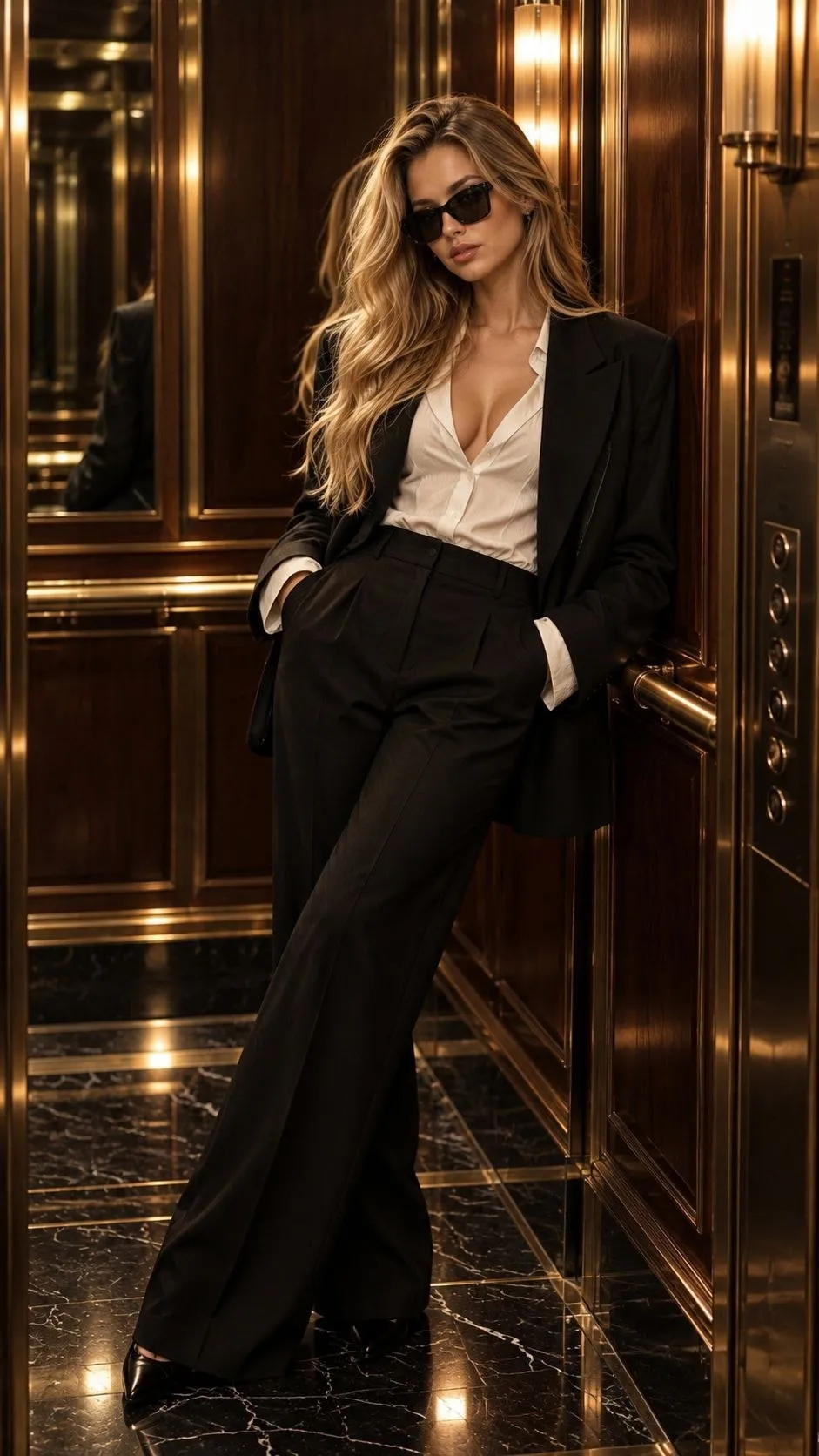
Example images
Prompt template
0 copies
- Format
- Text
- Inputs
- Uploaded_reference_photo (image) · Required
- Outputs
- Portrait_image (image)
Create an image using the uploaded image.

IDENTITY AND FACIAL PRESERVATION:
Use the uploaded person's photograph as the primary facial identity reference. Strictly preserve their recognizable facial identity, natural skin tone, apparent age, facial proportions, eye shape and color, eyebrows, nose, lips, cheekbones, jawline, hairline, hairstyle, hair color, and distinctive characteristics. Maintain natural skin pores, fine lines, realistic anatomy, and authentic facial textures. Do not de-age, excessively beautify, reshape, or replace their face. Adapt the pose, hairstyle movement, clothing, and styling naturally to the person's gender and appearance.

STYLE AND ATMOSPHERE:
Create an extraordinarily detailed, ultra-photorealistic cinematic fine-art portrait inspired by luxury editorial photography, romantic chiaroscuro lighting, dramatic backlit portraiture, and timeless fashion imagery. The atmosphere is ethereal, mysterious, contemplative, intimate, elegant, and dreamlike. Combine sophisticated photographic realism with subtle painterly tonal depth, luminous golden highlights, deep charcoal shadows, and delicate atmospheric particles.

COMPOSITION AND CAMERA ANGLE:
Use a vertical 4:5 composition featuring a seated subject in an intimate three-quarter portrait extending from the upper torso toward the top of the head, with a portion of the bent leg visible in the lower foreground. Position the subject slightly right of center, allowing loose hair to spread dramatically across the left and right sides of the frame. Photograph from a subtly low camera angle, looking gently upward toward the subject's face.

Turn the subject's shoulders approximately 30–45 degrees away from the camera while rotating their face toward the lens. Raise their chin gracefully, slightly elongate the neck, and direct their eyes upward beyond the camera with a distant, thoughtful expression. Keep the lips naturally relaxed and slightly parted. Preserve believable posture, anatomy, and facial proportions.

HAIR AND MOVEMENT:
Preserve the subject's original hair identity while creating flowing, voluminous, naturally tousled movement. Individual strands and loose flyaway hairs drift around the face, shoulders, and outer silhouette. Strong golden backlighting illuminates the finest strands, producing a spectacular luminous halo. Render exceptional strand separation, varied thickness, subtle translucency, realistic texture, and naturally irregular movement. Avoid artificial-looking hair, excessive smoothing, or overly symmetrical styling.

WARDROBE AND FABRIC:
Dress the subject in luxurious, flowing black clothing featuring a relaxed neckline, soft draping folds, and a sophisticated dark editorial silhouette. The material should resemble lightweight matte silk, fine woven fabric, or softly textured black velvet. Emphasize realistic textile fibers, natural creases, overlapping layers, subtle sheen, and deep shadow detail. Maintain elegant, tasteful coverage with a natural fit.

LIGHTING AND SHADOWS:
Use dramatic low-key cinematic lighting dominated by intense warm golden backlighting positioned high behind the subject, slightly camera-right. Create brilliant champagne-gold rim lighting along the hair, shoulders, and outer profile.

Illuminate the face with exceptionally soft, diffused frontal fill light, revealing natural skin tones, dimensional cheekbones, gentle nose shadows, detailed lips, and luminous eyes. Maintain strong contrast between the brightly outlined hair and the dark wardrobe. Introduce subtle reflected light around the jawline and neck while keeping shadows rich, soft, and beautifully graduated.

COLOR PALETTE:
Use an elegant near-monochromatic palette of charcoal black, smoky graphite, muted sepia, antique bronze, champagne gold, and warm ivory skin tones. Preserve the uploaded person's natural eye color, allowing clear iris details and delicate catchlights. Maintain realistic skin coloration beneath the cinematic grading. Avoid overly saturated colors, plastic-looking skin, or harsh artificial highlights.

BACKGROUND AND ATMOSPHERIC DETAILS:
Create a dark, abstract, softly textured studio background resembling weathered charcoal clouds, cinematic smoke, and aged fine-art photography. Introduce delicate suspended dust particles, tiny floating specks, subtle golden bokeh, and faint atmospheric haze illuminated by the backlight.

Place the brightest atmospheric glow behind the head and hair, gradually transitioning into deep black at the outer edges. Maintain organic irregularity in the floating particles and subtle film-grain texture. Keep the background unobtrusive with no recognizable buildings, props, scenery, lettering, logos, signatures, or watermarks.

CAMERA AND PHOTOGRAPHIC SETTINGS:
Simulate professional full-frame portrait photography using an 85mm prime lens at f/1.8–f/2.2, ISO 100–200, and 1/250-second shutter speed. Use a shallow depth of field with exceptionally sharp focus on the eyes, eyelashes, lips, and central facial features. Allow gentle focus falloff through the outer hair and softly blurred background.

Capture delicate iris patterns, realistic catchlights, individual eyelashes, fine eyebrows, natural skin pores, subtle facial peach fuzz, lip texture, fabric fibers, and illuminated airborne particles. Apply controlled high dynamic range, refined cinematic color grading, subtle analog film grain, and natural photographic contrast.

FINAL IMAGE QUALITY:
Deliver an extraordinarily realistic, high-resolution editorial masterpiece with lifelike facial anatomy, dramatic golden rim lighting, richly textured black clothing, and exquisite environmental depth. The final result should feel like an expensive fine-art portrait captured with professional studio equipment, not a painting, illustration, CGI render, or digitally overprocessed photograph.

-- ar 4:5

Use a vertical portrait composition with full-frame height emphasis and a cinematic poster layout.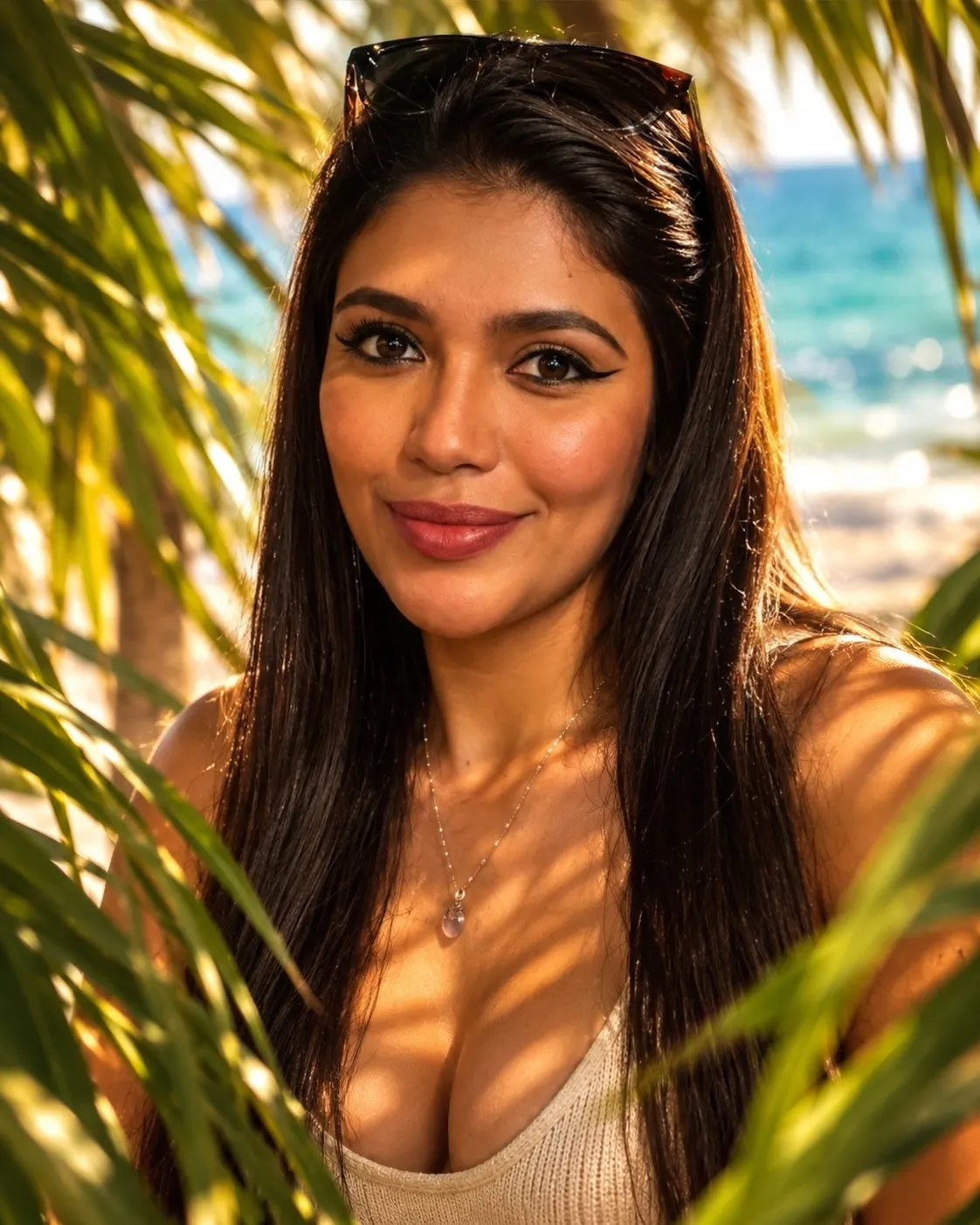




Comments — 0