- Category
- Art & Illustration
Gouache Caricature Portrait in Sage and Rose
Turn a person’s photo into a bold, hand-painted gouache caricature while preserving their recognizable features, clothing, and attitude.
By Threads — Published on
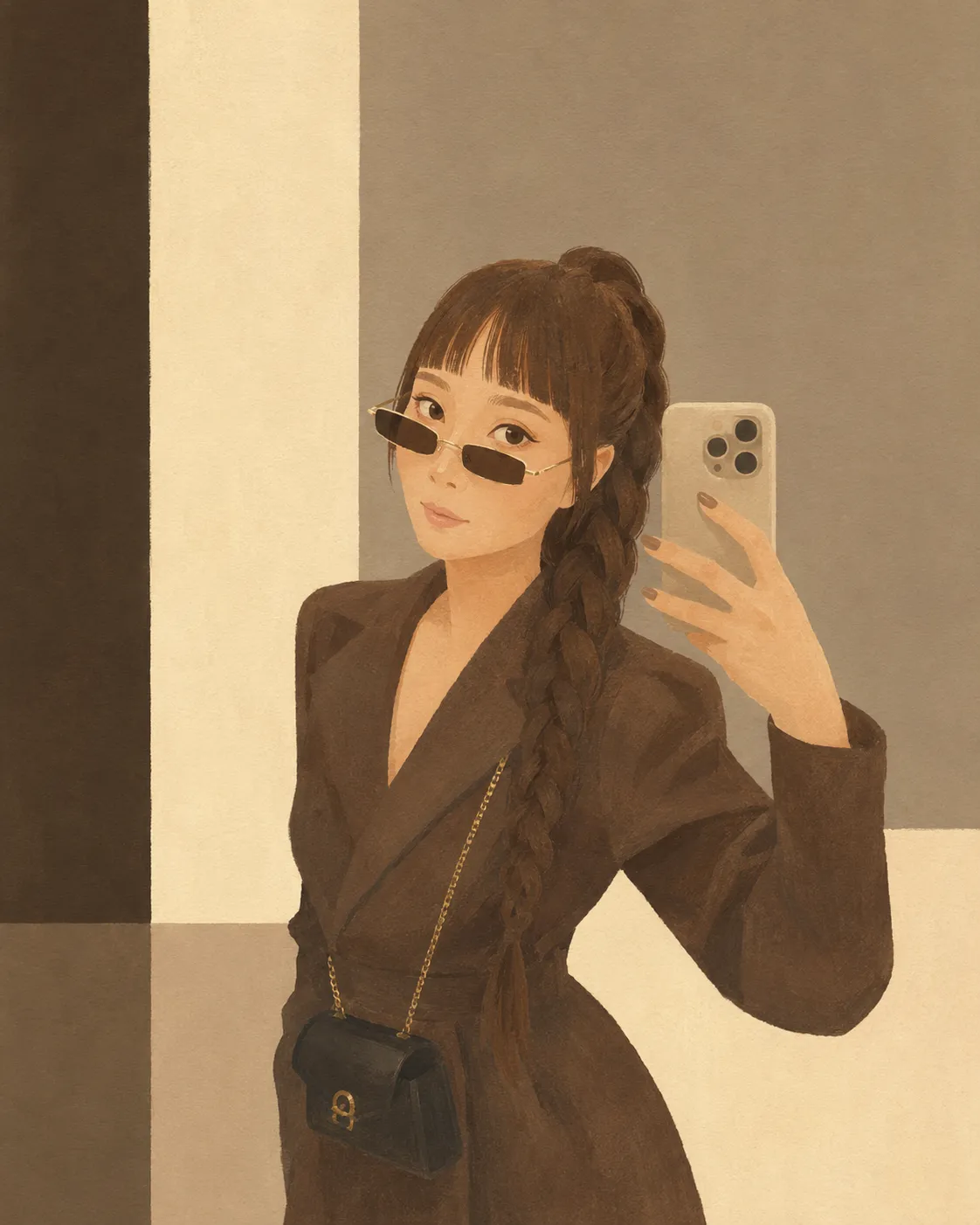
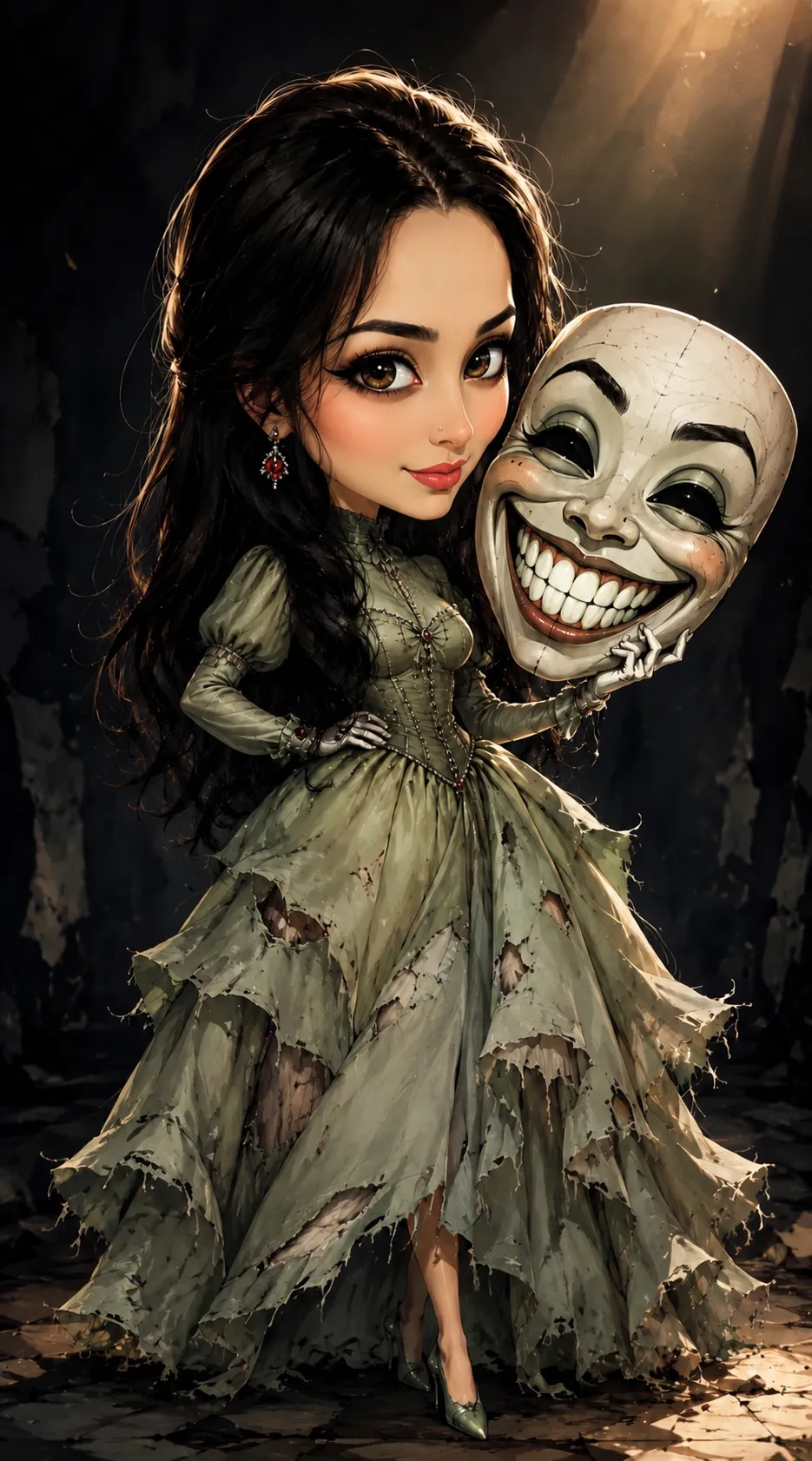
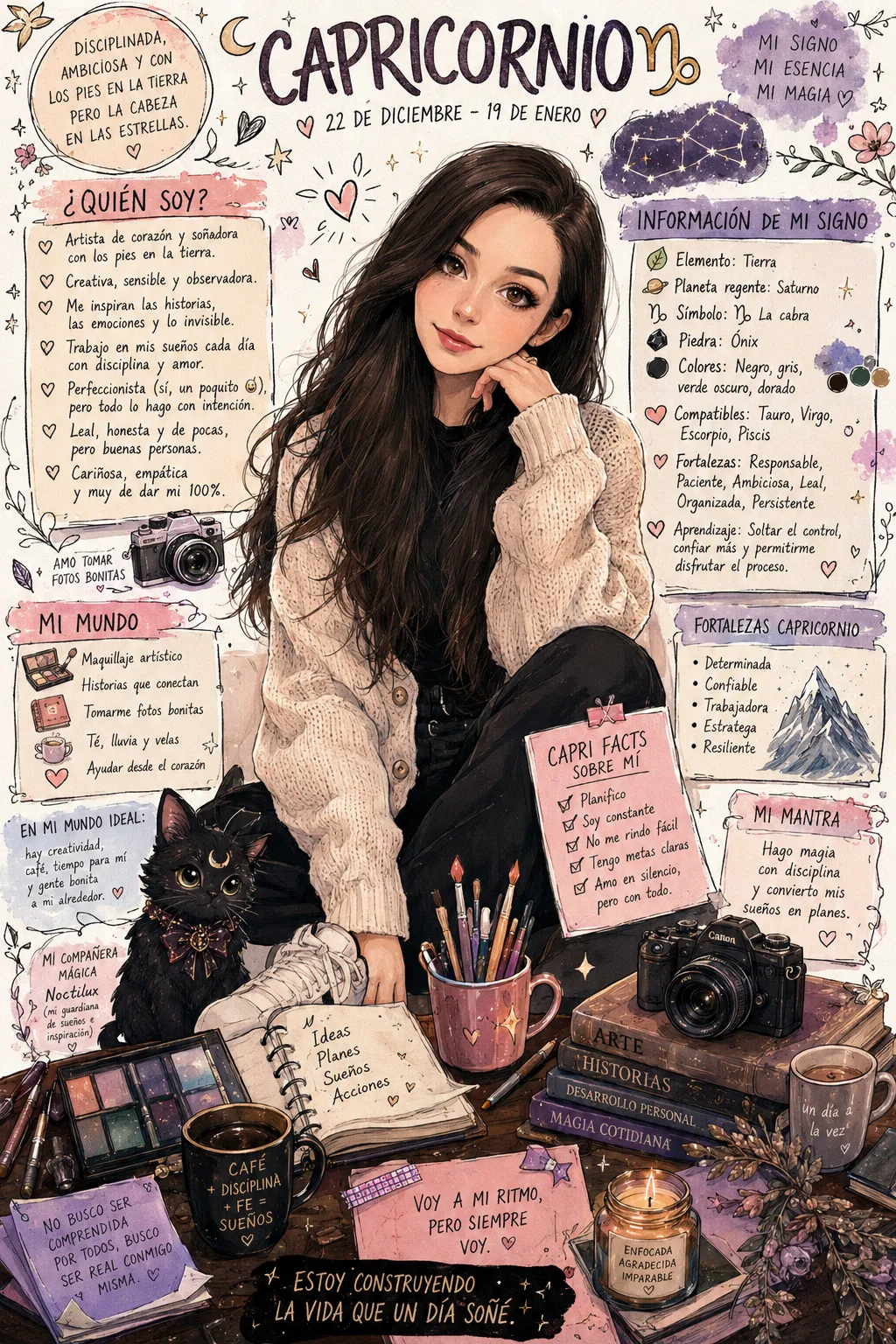
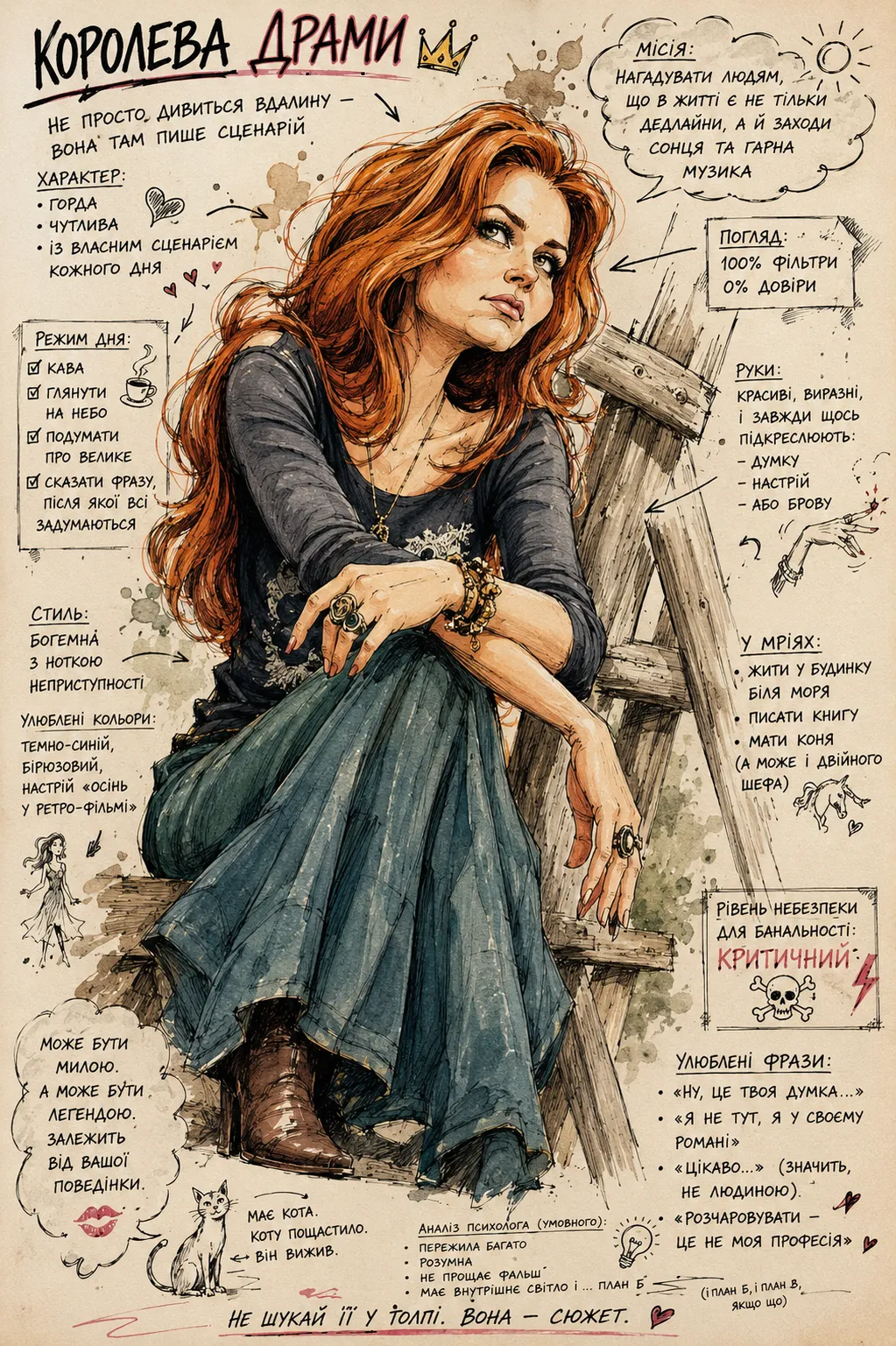
Example images


Prompt template
- Format
- Text Parameterized
- Inputs
- reference_photo (image) · Required
- Outputs
- illustration (image)
Replace the ${…} placeholders with your values
before using this prompt. See parameters
and defaults below.
Using ${reference-photo}, create a hand-painted gouache illustration on cream cotton paper. Treat this as character design, not portraiture. Use flat, opaque color with 2–3 tones per surface, confident economical contours, visible paper tooth, and slight pigment granulation. Prioritize bold shapes over detail. Avoid photographic skin, pores, lens blur, 3D shading, and rendered realism.

Redraw the person with stylized proportions: a larger head (roughly one-sixth of the figure), enlarged graphic eyes, a nose and mouth reduced to simple marks, simplified hands, and clothing built from large, readable masses. Make every surface shape-first and texture-second.

Work like a caricaturist. Identify and exaggerate 2–3 traits that make this specific face unmistakable, such as glasses, hair, jaw, brow, nose profile, eyes, or facial hair. Preserve eye spacing, forehead-to-nose-to-chin ratio, jaw width, hairline, age, build, and natural asymmetry. Do not smooth, beautify, slim, symmetrize, de-age, or replace the face with a generic or anime face. Someone who knows the person should recognize them instantly.

Use a narrow but strong palette of fresh sage-to-olive green, clean rose pink, and warm cream paper. Green and pink must carry equal visual weight. Push value contrast with deep greens, pale pinks, and exposed cream paper. Do not desaturate, gray down, or wash out the colors. Use no colors outside these three families: no primaries, black, brown, blue sky, or rainbow colors.

Read the photo’s energy and attitude, then invent a persona and push it until it feels funny, sharp, or absurd. Add a prop or gesture that tells a story. The register should be punk irreverence in a sweet medium. Put the attitude in the eyes; avoid a polite smile.

Pose the person waist-up and large in the frame, with an expressive stance such as crossed arms, a raised hand, leaning, or brandishing an object. Never use passive, square-shouldered posing.

Take the wardrobe from the photo: keep the same garments, cut, and layers, but rebuild them in flat painted shapes using the palette above. Simplify folds; do not restyle the clothing.

Create a background with a few oversized objects that push the joke. Use big, simple, flat-color shapes, no clutter, and generous cream paper. Keep everything quieter in value than the head.

Add subtle paper grain, uneven wash edges, occasional pigment pooling, and a soft border.

FORBIDDEN: realistic proportions; a painted-photo look; softened features; passive posing; decorative filler; desaturated color; one color dominating; text or logos; photographic skin; 3D, CGI, or plastic shading; an anime face; symmetrical beauty; an unrecognizable face; a busy composition.

The result must clearly depict this exact person and clearly look like a drawing.
Parameters
Replace each placeholder with your own value, or use its default when one is provided.
${reference-photo}
reference-photo
Required






Comments — 0