- Category
- Photography
Live-Action Android Superhero in a Destroyed New York Street
Create a photorealistic, cinematic blockbuster frame featuring an original android superhero, mutant villains, and civilians in a devastated New York street. Preserve the reference person’s identity and use a 9:16 composition.
By Threads — Published on — Modified on
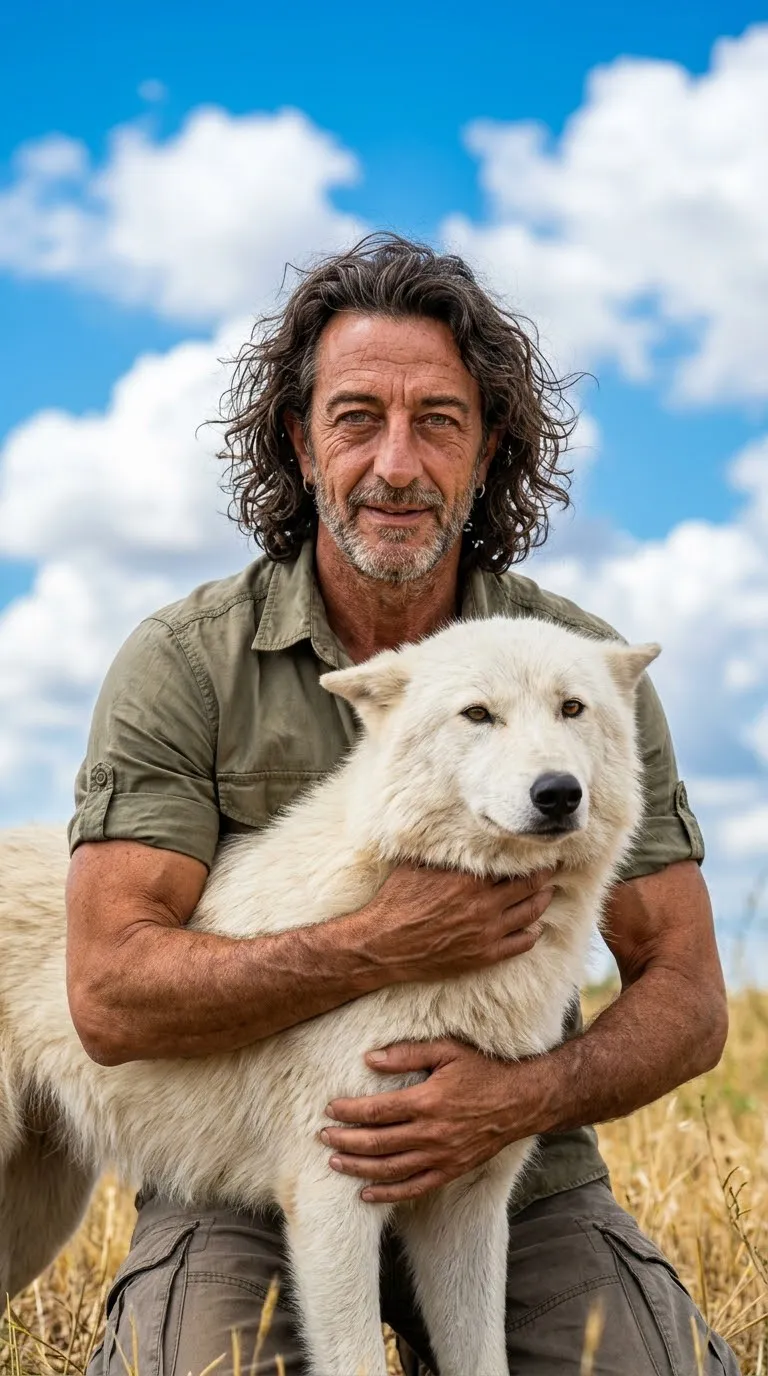
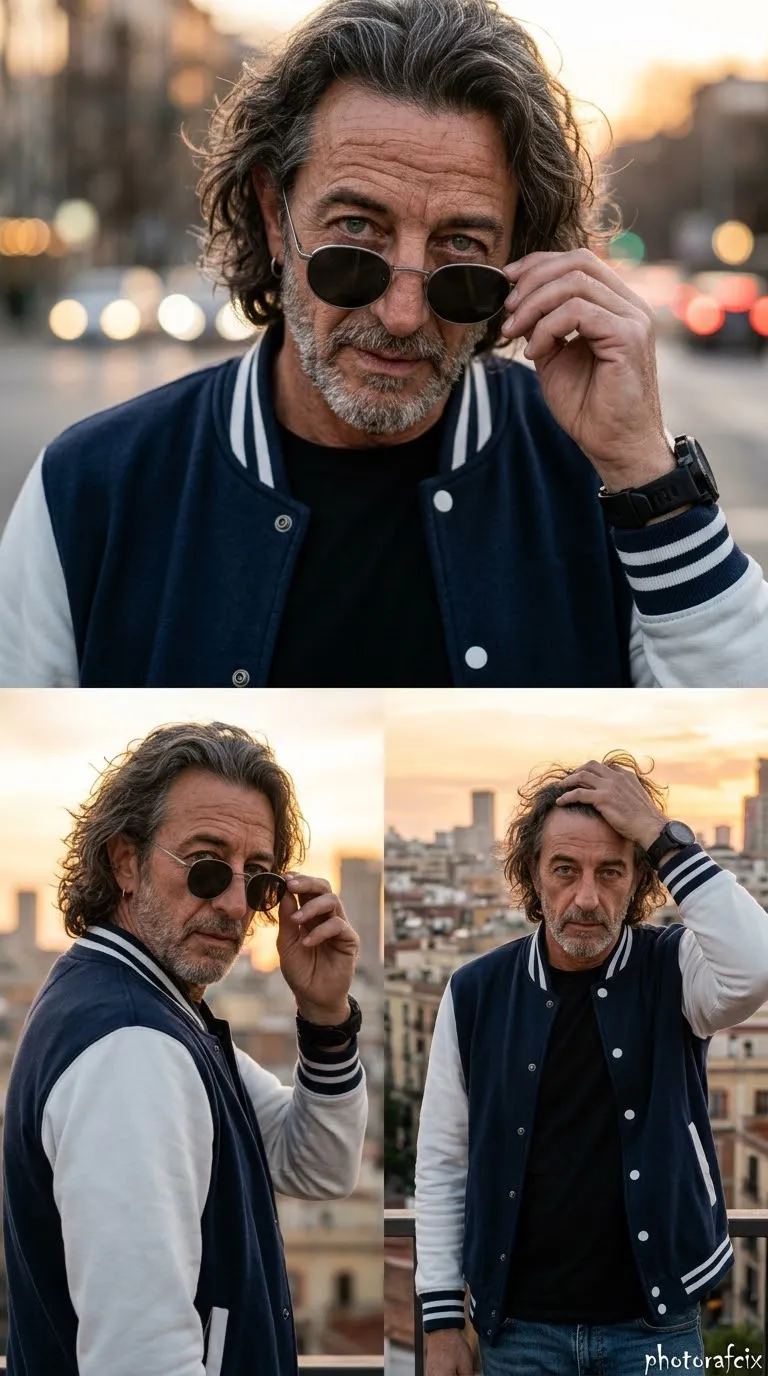
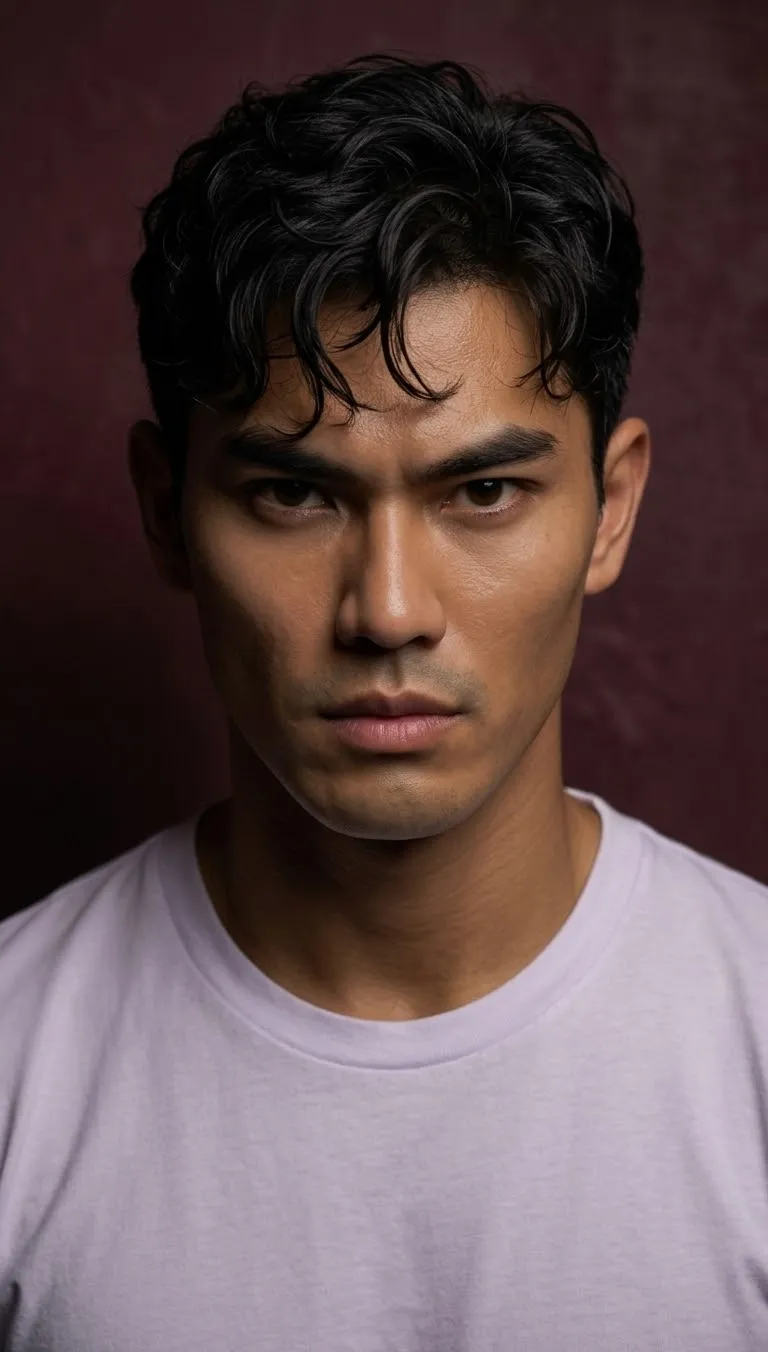
Example images

Prompt template
0 copies
- Format
- Text
- Inputs
- Reference_photo (image) · Required
- Outputs
- Cinematic_live_action_image (image)
Create a RAW-format photograph that looks like an extremely realistic, cinematic live-action frame worthy of a major Hollywood blockbuster. Depict the real world: no CGI, digital art, painting, video-game aesthetic, or 3D rendering. Physical materials—including skin, fabrics, metals, and surfaces—must obey the laws of real-world optics and lighting.

Use the [REFERENCE PHOTO] as the absolute basis for the main character. Preserve 100% of the person’s facial identity: bone structure, facial proportions, expression, distinctive features, natural skin microtexture, visible pores, and minor imperfections. Do not alter their identity. It must be the same person as in the reference, with only costume and effects applied.

SUBJECT: An adult man portrayed as an original synthetic android superhero inspired by Vision, but NOT wearing an exact Marvel costume. His face has deep, matte plum-burgundy synthetic skin with a subtle metallic sheen. Beneath this layer, the real skin texture from the reference photo remains visible, including pores, natural oiliness, and subsurface scattering. His eyes glow amber-gold, with realistic reflections in the irises; his expression is calm and heroic. A bright solar gem is embedded in his forehead, emitting a soft yellow light. He wears a close-fitting, high-tech armored suit in dark crimson and green, with gunmetal details. The suit has a realistic woven texture, visible stitching, micro-scratches, and signs of wear. It includes a long, dark wine-colored cape with a heavy, realistic drape, blowing in the wind, and a high collar. He has an athletic build.

ACTION AND POWERS: Show an intense action-movie scene. The character floats 2 meters above the ground in the middle of a devastated city avenue. With his left arm extended, he fires a narrow, concentrated beam of intense golden solar energy emitted from the gem in his forehead. His right hand phases through solid matter, demonstrating density control. Light interacts realistically with the scene: a volumetric beam illuminates dust particles within it.

VILLAINS: Place three original mutant villains in the foreground: (1) a tall reptilian mutant with cracked gray-green scales, an elongated jaw, and tattered tactical pants; (2) a massive brute mutant with deformed muscle mass, exposed veins, and skin coated in concrete dust; and (3) a slender mutant with bioluminescent filaments emerging from their back. Render them with realistic practical prosthetic makeup, not CGI, including detailed skin imperfections, drool, sweat, and grime.

CIVILIANS: Show a diverse group of 15 to 20 civilians behind a police barricade. Include a terrified mother shielding her child, an elderly person being helped to their feet, and a young person filming with a phone; everyone has a realistic expression of fear. Their clothing looks natural, marked by dirt and rain. Apply motion blur to some people running.

SETTING: A modern, devastated street in New York, with cracked asphalt, smoke, rubble suspended in the air, shattered storefront windows, an overturned hot dog cart, and NYPD police vehicles (Ford Interceptor models) with flashing red and blue emergency lights. Include realistic reflections on wet asphalt, bokeh from the police lights, and a white ambulance with a red stripe, open doors, and paramedics in action, with motion blur. Add light rain and puddles with reflections.

Capture the image with an ARRI ALEXA 65 large-format sensor and high-quality anamorphic cinema lenses (Cooke Anamorphic Full Frame Plus or Panavision C-Series). Use a T2.0 aperture and cinematic shallow depth of field, with characteristic soft oval anamorphic bokeh, subtle lens breathing, and controlled anamorphic flares.

Use feature-film cinematography: soft, directional key light; subtle fill light; delicate rim light separating the characters from the background; naturally graded shadows; realistic high dynamic range (HDR); physically accurate specular highlights; subtle atmospheric volumetric haze; and suspended dust particles. Light must interact with the skin, with visible subsurface scattering.

Native 8K quality, extreme sharpness, and microdetail: individual pores, natural skin oil texture, clearly defined eyebrow hairs, beard, and hair with realistic reflections, fabric fibers, stitching, surface irregularities, and fine grain characteristic of digital cinema sensors.

Use a live-action blockbuster composition: classic cinematic framing, medium-wide shot, eye-level angle, sophisticated visual balance, and a natural, restrained color palette. Apply high-quality cinematic color grading in the style of ARRI / Kodak Vision3, while keeping the result extremely natural and subdued: biologically accurate skin tones, balanced contrast, deep blacks with detail preserved, soft highlights, and organic tonal rolloff. Avoid exaggerated saturation, artificial colors, excessive HDR, or an artificially processed look. The final result must be indistinguishable from a real frame extracted from a film shot with large-format digital technology. No AI artifacts, plastic-looking skin, excessively perfect symmetry, or artificial textures. Aspect ratio: 9:16.

Negative prompt: CGI, 3D rendering, cartoon, anime, illustration, painting, video game, plastic-looking skin, excessively smooth skin, perfect symmetry, AI artifacts, excessive sharpness, excessive saturation, artificial HDR, wax figure, doll, deformed hands, extra fingers, blurry image, low resolution, costume logo identical to Marvel’s, faithful comic-book version of Vision.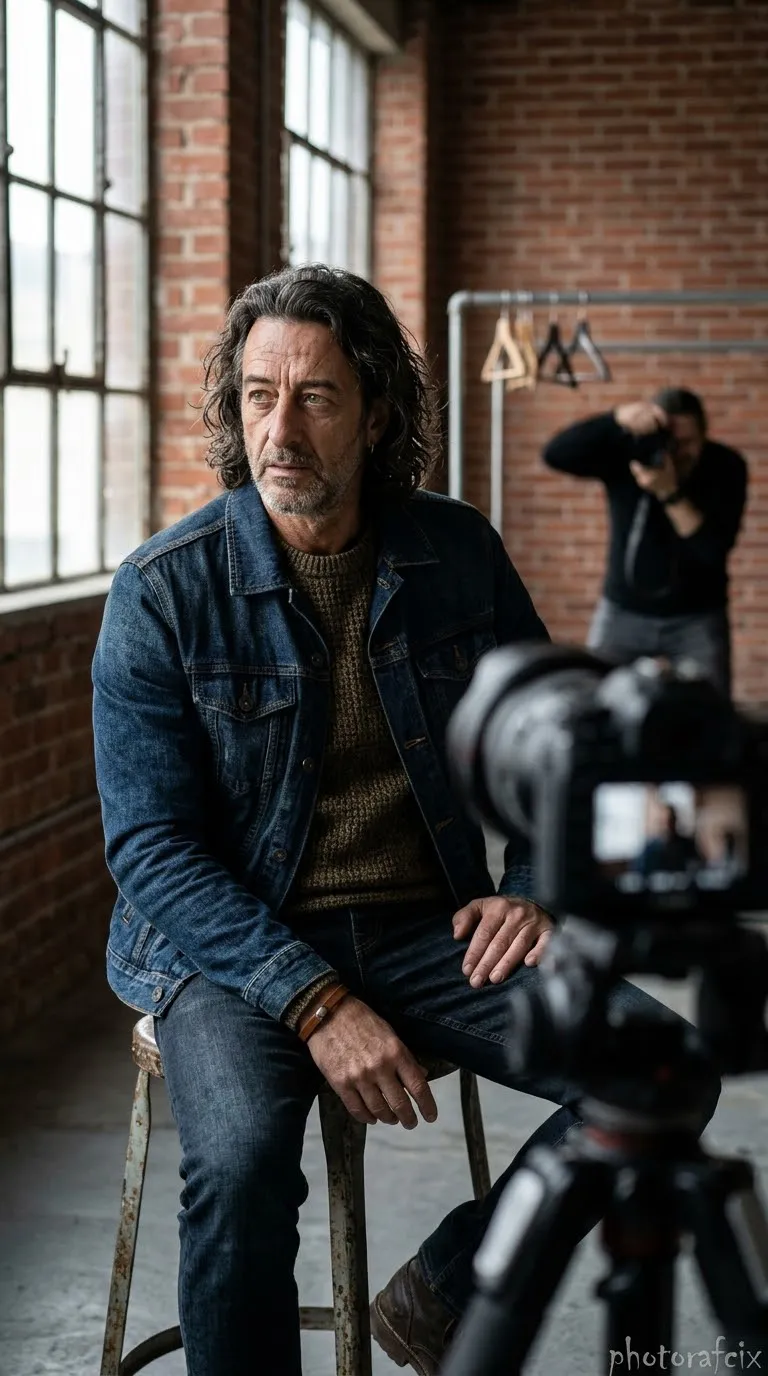




Comments — 0