- Category
- Design & Image
Minimalist Editorial Photo Poster
Turn each uploaded photo into a separate 3:4 minimalist poster pairing a lightly refined photograph with a geometric abstract rendering of its subject.
By Threads — Published on
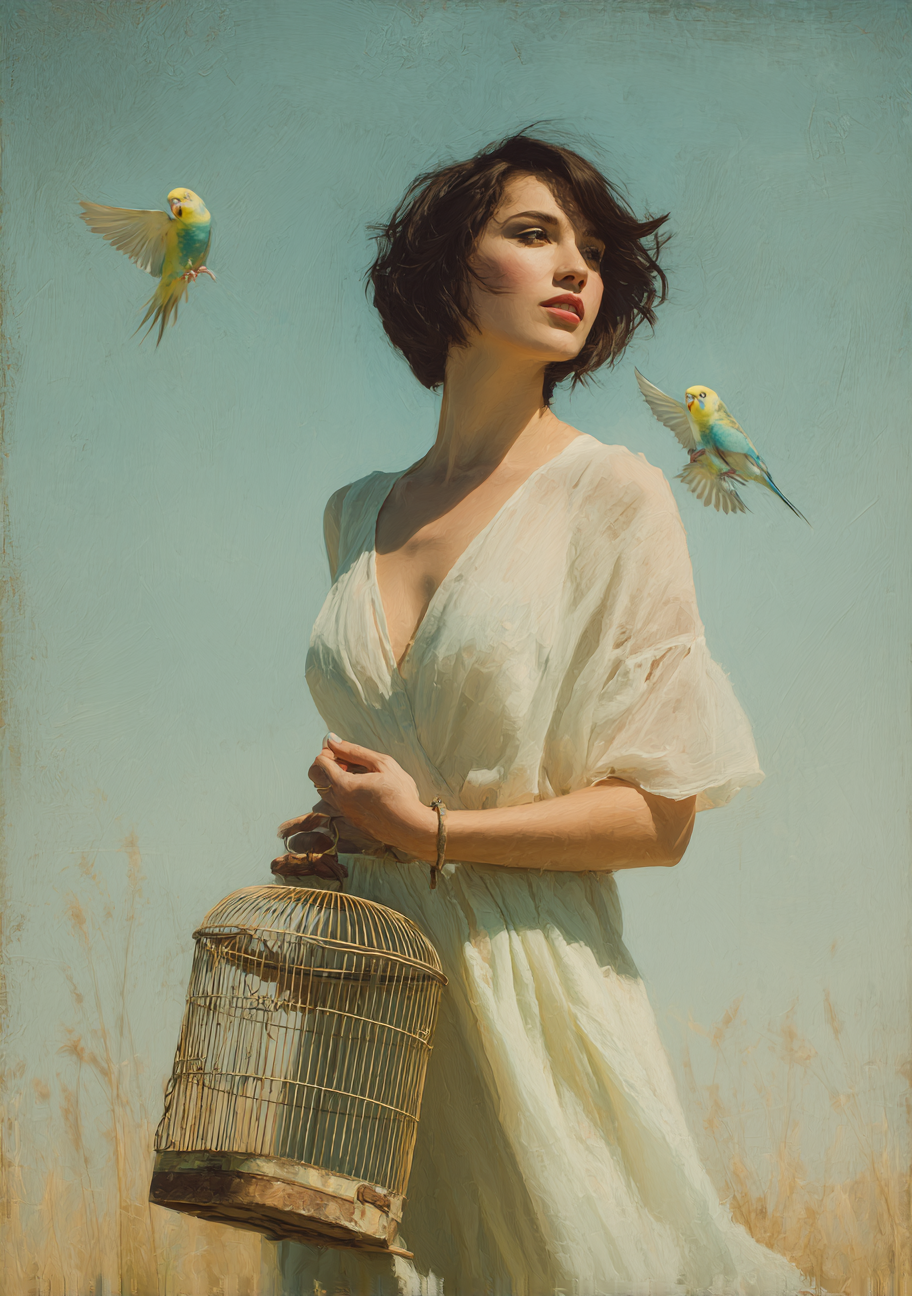
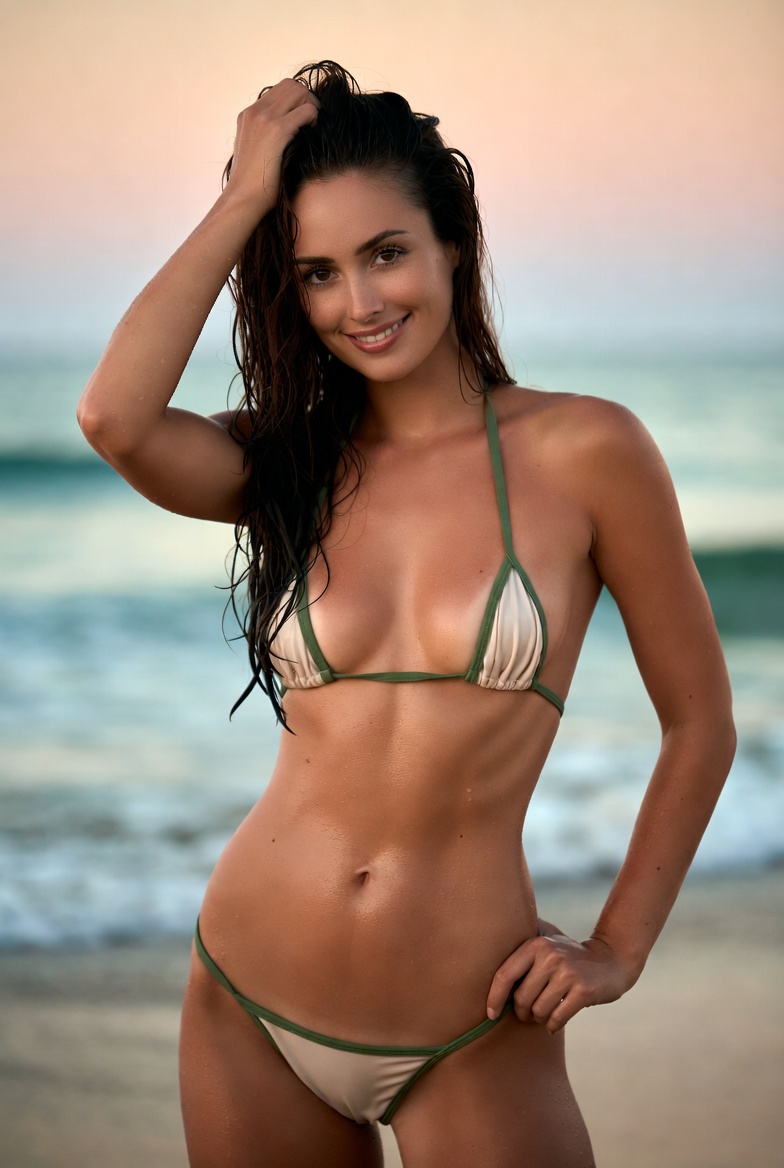
Example images


Prompt template
- Format
- Text
- Inputs
- Uploaded_photo (image) · Required
- Outputs
- Minimalist_photo_poster (image)
For each uploaded photo, create one separate premium minimalist design poster. Do not combine multiple photos into a collage; output one poster per photo.

Use a vertical 3:4 composition divided into two equal-height areas, each occupying exactly 50% of the canvas.

In the upper half, preserve the original photograph, including the subject’s structure, realistic texture, natural lighting, and original color atmosphere. Apply only subtle, refined photographic color grading for a magazine-photography and art-exhibition feel. You may naturally extend the sky, ground, or environmental background to fit the format, but do not stretch, distort, or alter the subject.

In the lower half, distill the subject’s most recognizable silhouette and structure into a minimalist abstraction using simple geometric shapes, flat color blocks, fine lines, and negative space. Avoid photorealistic illustration and excessive detail, while preserving enough defining features for the original subject to be immediately recognizable. Derive the palette from the photograph above; you may add a few horizontal lines, structural lines, or abstract environmental elements.

Use an off-white or light background, generous negative space, a centered subject, and a balanced, restrained composition. A small amount of simple English title text, numbering, or a year may be included.

Aim for the quality of an international design studio, architectural poster, art-exhibition poster, or premium brand visual identity: sophisticated, modern, quiet, and artistic. Avoid ordinary filter effects, cheap vector aesthetics, cartoon styling, e-commerce styling, and generic template-like design.

Comments — 0