Modern Local Heritage Food Photography
Turn a food product photo into a bright, contemporary campaign image that preserves the food’s identity and uses subtle local heritage cues.
By Threads — Published on
Screenshots
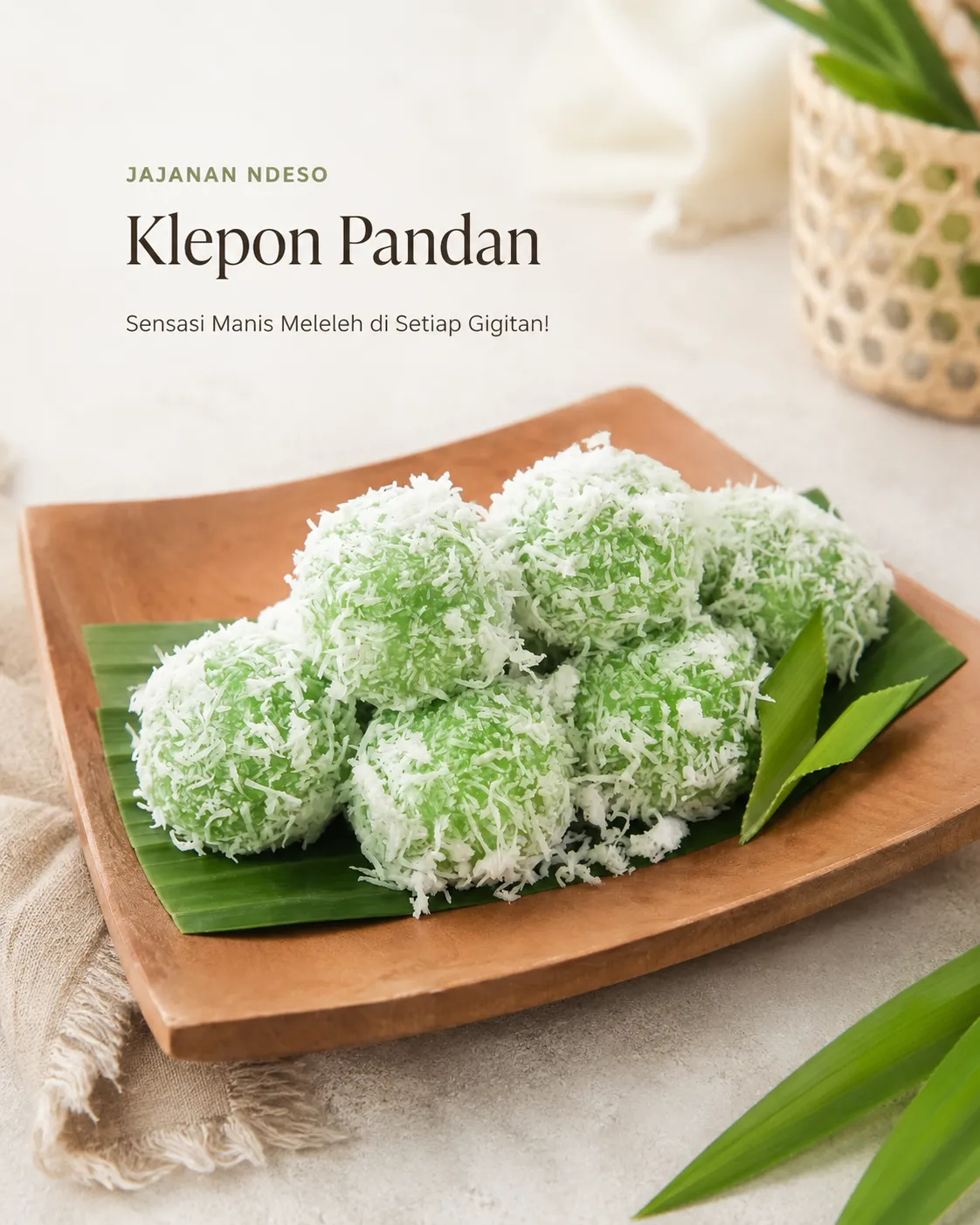
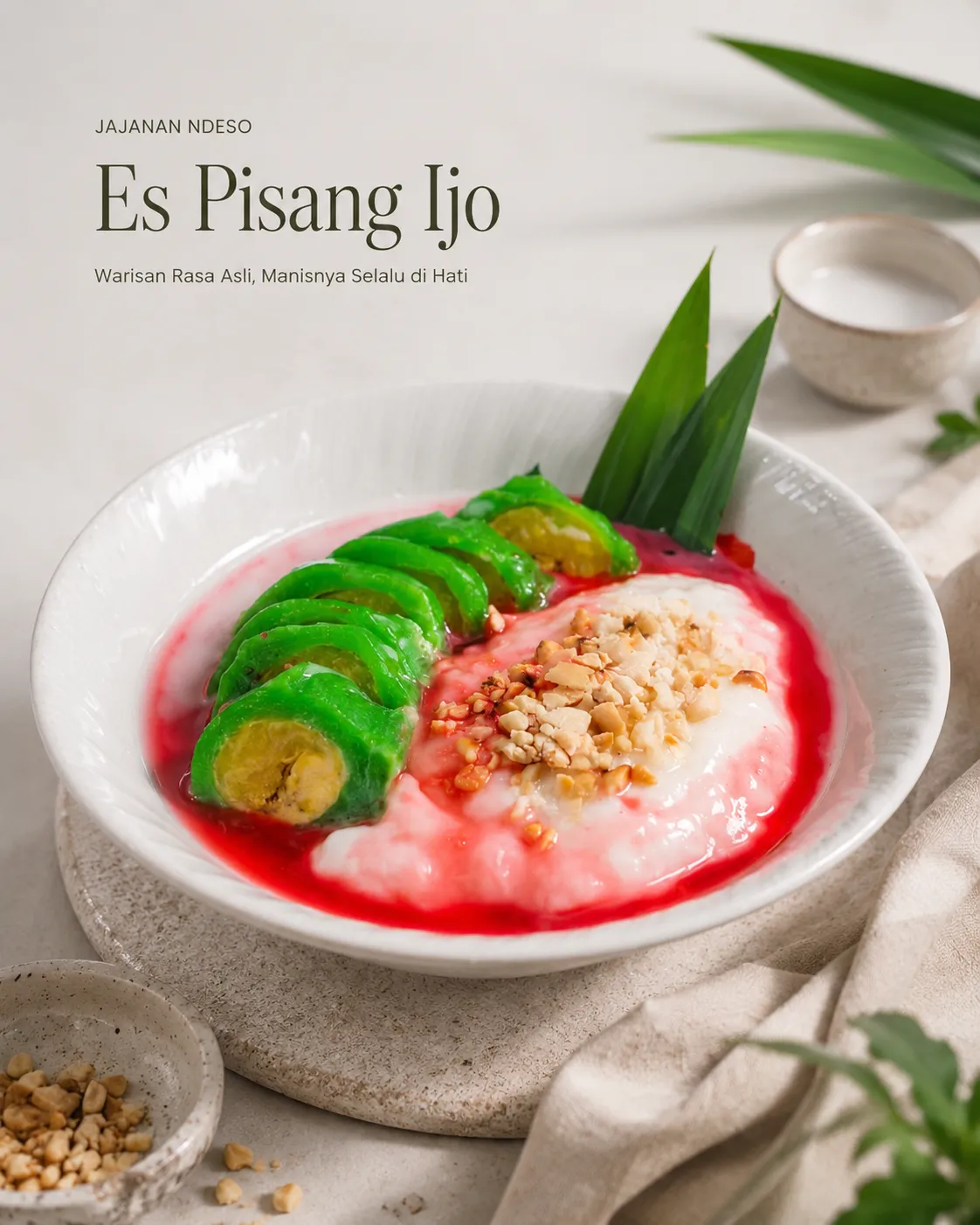
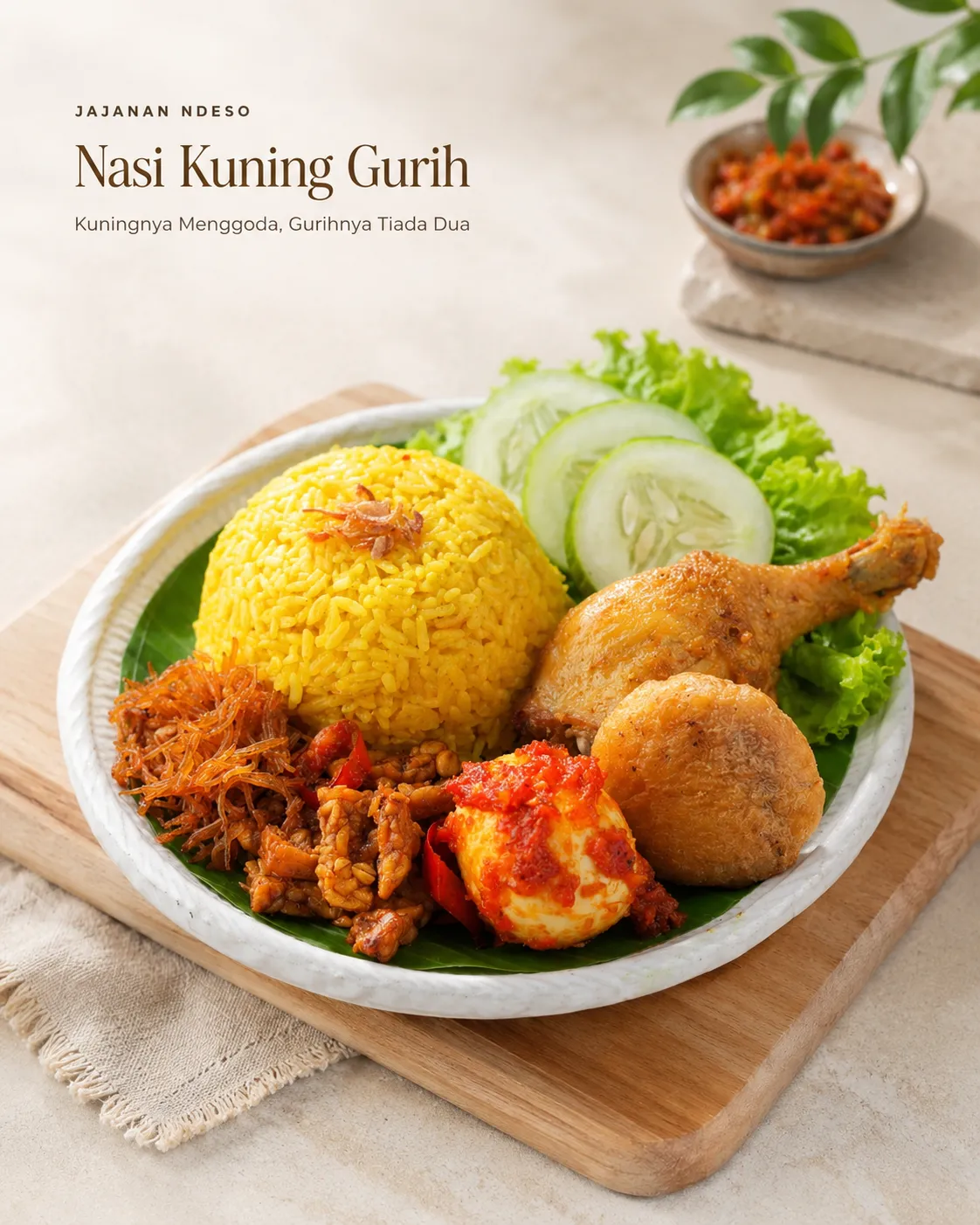
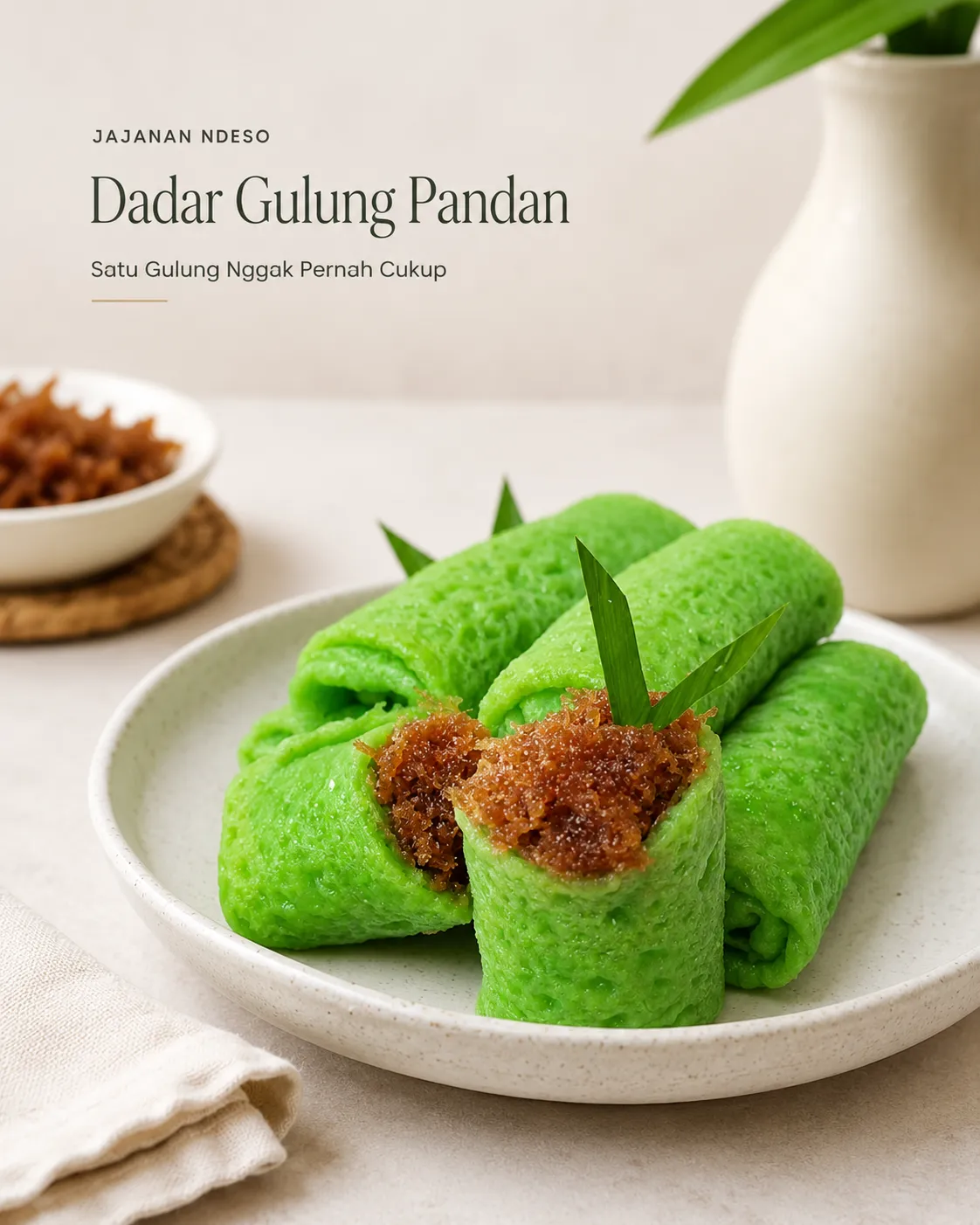
Prompt template
Create a realistic 4:5 vertical food photograph using the uploaded product photo as the primary visual reference.

First, analyze the food’s real appearance, textures, colors, portion, serving style, and distinctive characteristics. Preserve its recognizable identity. Do not redesign the recipe, replace the product, or make it generic.

Create a bright, clean, refined, contemporary food photoshoot with subtle local heritage character. The food must remain the clear visual hero. Make the result feel modern first and culturally grounded second—not old-fashioned, overly rustic, theatrical, or culturally exaggerated.

Use a soft, neutral, airy setting, such as white, light cream, pale warm gray, light natural wood, or muted earthy accents. You may improve or replace the plate, bowl, tray, or serving base when appropriate. Choose simple, handcrafted-looking ceramic or natural tableware that suits the food. Add only a few restrained supporting details when relevant, such as a light woven texture, simple wooden utensil, neutral linen, minimal condiment dish, ingredient cue, or understated traditional serving detail. Keep these elements secondary and avoid clutter.

Compose the scene as a professional photographer creating a contemporary campaign for a modern local culinary brand. Choose the most flattering camera angle for the product. Use soft diffused daylight, bright natural exposure, realistic food colors, crisp texture, gentle shadows, believable depth, and an appetizing but natural presentation. Avoid heavy warm grading, making the food darker or more orange than the original, or making it look fake, plastic, overly glossy, or unnaturally perfect.

Express local heritage only through subtle materials, serving details, and atmosphere. Avoid excessive batik, crowded traditional ornaments, dark rustic wood, staged village scenery, antique props, dramatic cultural decoration, and cliché heritage styling.

Add a small, refined text block in clean negative space, preferably in the upper-left, upper-center, or another quiet area that does not compete with the food. Use the exact spelling provided. Include the brand name or uploaded logo, the product name, and the short copy only if supplied. If short copy is empty, omit it cleanly. Use elegant serif or refined editorial display type for the product name, small clean sans serif for the brand name, and subtle supporting type for short copy. Keep the typography modest, airy, and restrained; do not use oversized headlines or invent promotional copy.

Branding details:
- Product name: ${product-name}
- Brand name: ${brand-name}
- Logo: ${logo}
- Short copy (optional): ${short-copy}

Preserve the recognizable structure of the original food. Avoid invented main ingredients, excessive garnish, unrelated props, dramatic dark mood, heavy orange lighting, cluttered heritage decoration, distorted tableware, obvious cutout appearance, fake AI perfection, and poster-heavy composition.

Create a bright, clean, authentic, modern, subtly heritage-inspired, professional, appetizing, social-media-ready image. Keep the food as the main hero and all heritage cues subtle and refined.
Parameters
${product-name}
product-name
Required
${brand-name}
brand-name
Required
${logo}
logo
Required
${short-copy}
short-copy
Required


Comments — 0