- Category
- Photography
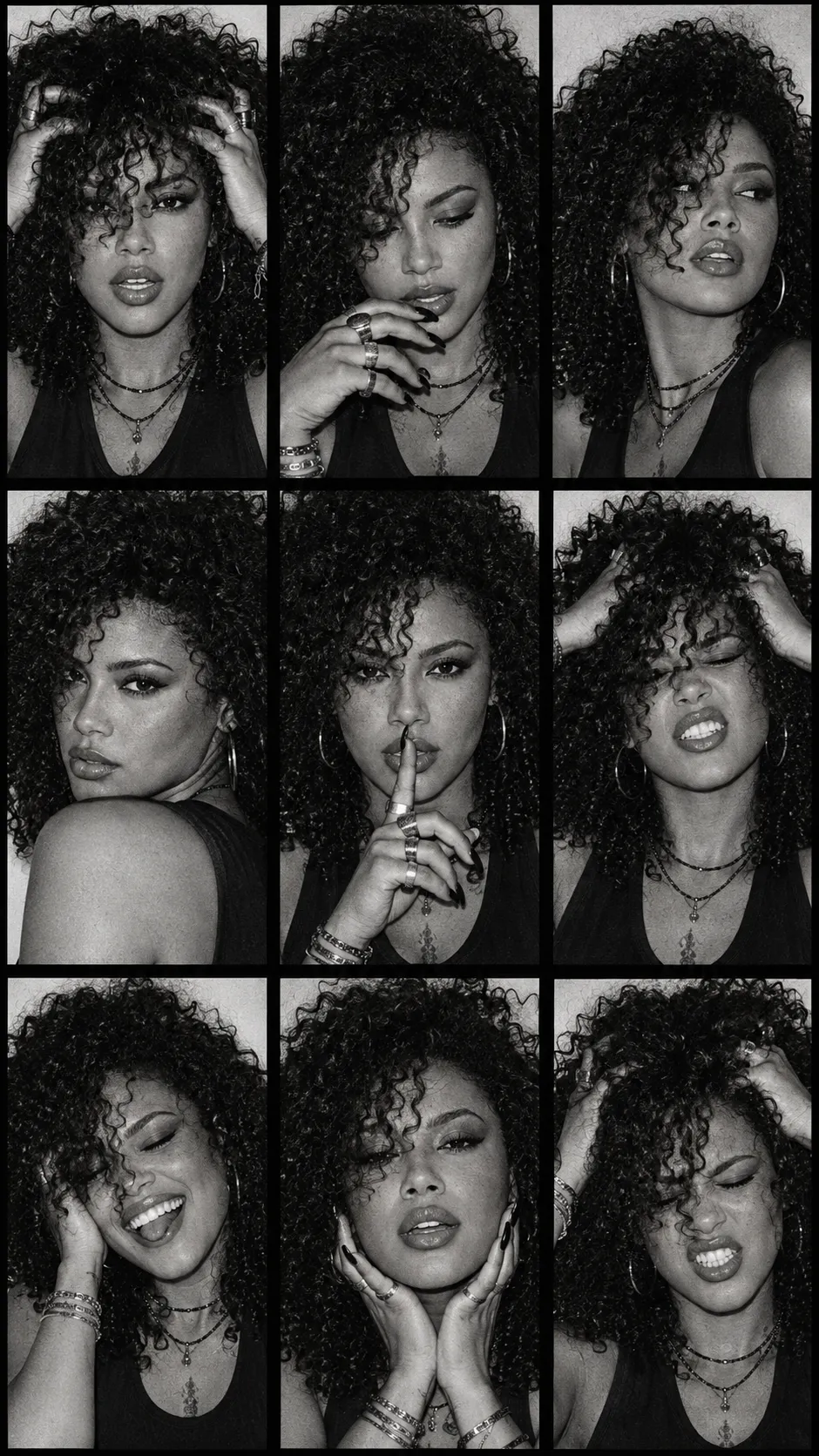
Nine Cinematic Angles from One Reference Photo
Create a photorealistic 3×3 cinematic contact sheet showing the subjects or objects in a reference image from nine complementary shot types and angles.
By Threads — Published on — Modified on
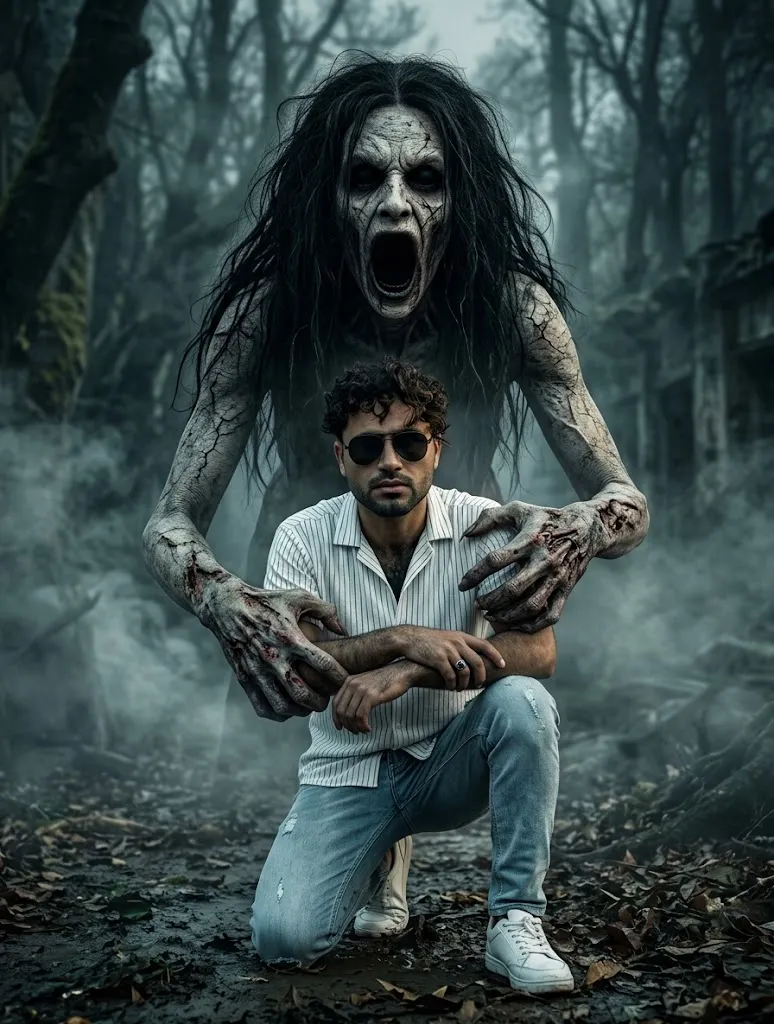
Example images


Prompt template
0 copies
- Format
- Text
- Inputs
- Reference_photo (image) · Required
- Outputs
- Cinematic_contact_sheet (image)
Analyze the entire composition of the input image. Identify all key subjects present—whether a single person, a group or couple, a vehicle, or a specific object—and their spatial relationships and interactions.

Create a professional, coherent 3×3 cinematic contact sheet showing exactly these subjects in the same environment across nine different shots. Adapt each shot type to the content: keep groups together, and frame objects appropriately, including the full object where called for.

Arrange the panels as follows:

Top row — establish the environment:
1. Extreme long shot (ELS): the subject appears small within a vast environment.
2. Long shot (LS): show the full subject or group from top to bottom, or the full object from wheels to roof.
3. Medium long shot (American shot / three-quarter): frame people from above the knees, or show objects in a three-quarter view.

Middle row — core coverage:
4. Medium shot (MS): frame people from the waist up, or show the central core of an object. Focus on interaction or action.
5. Medium close-up (MCU): frame people from the chest up for an intimate view of the main subject; adapt the framing appropriately for other subjects or objects.
6. Close-up (CU): tightly frame the face or the front of the object.

Bottom row — details and angles:
7. Extreme close-up (ECU): focus intensely on key features such as eyes, hands, signs, or textures, with macro-like detail.
8. Low-angle shot (worm’s-eye): look up at the subject from ground level for an epic or heroic feeling.
9. High-angle shot (bird’s-eye): look down at the subject from above.

Maintain strict continuity across all nine panels: show the same subject or object, the same clothing where applicable, the same environment, and consistent lighting and cinematic color grading. Use realistic depth of field, with background blur in close-up shots. Ensure every frame has photorealistic textures and framing suited to the number and type of subjects or objects in the input image.




Comments — 0