- Category
- Art & Illustration
- Model
- openai-chatgpt
Photo to Botanical Ink and Color-Block Illustration
Transform a photo into a handmade botanical ink illustration with a limited palette drawn from the image, bold abstract color fields, and generous warm-white negative space.
By Threads — Published on
Example images


Prompt template
- Format
- Text
- Inputs
- uploaded_photo (image) · Required
- Outputs
- illustration (image)
Transform the uploaded photo into a stylish hand-drawn illustration inspired by botanical ink sketching combined with bold abstract color fields. Redraw the entire image as an illustration: 100% illustration, 0% photography.

PRESERVE THE ORIGINAL: Keep the composition, main subject, pose, proportions, recognizable facial features, hairstyle, clothing silhouette, and important objects. Do not change the subject’s identity or the basic structure of the scene.

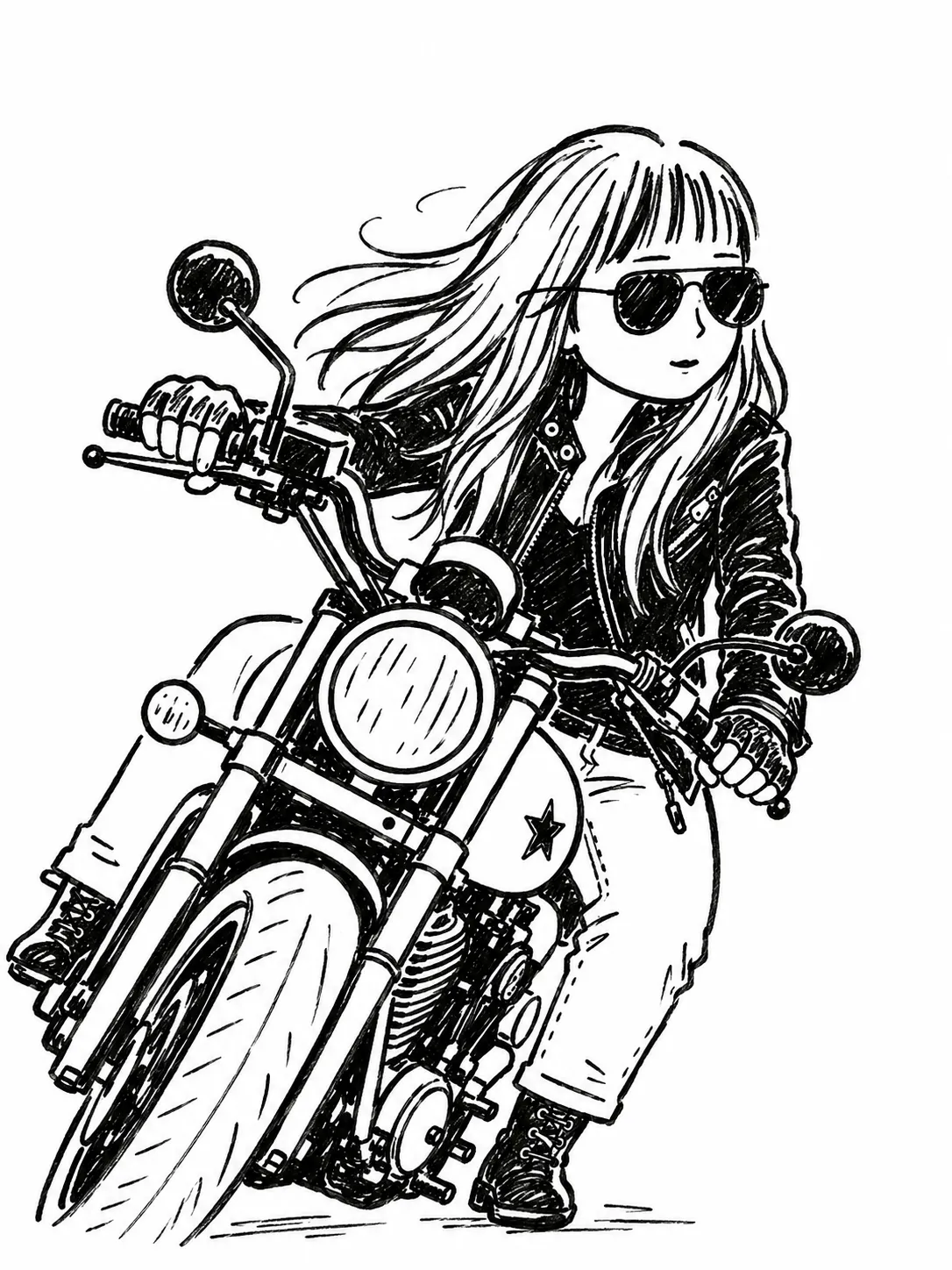
STYLE AND LINEWORK: Create a handmade, slightly imperfect drawing that combines very fine black ink lines, delicate botanical-style contours, large flat organic color shapes, small scattered color dots and rounded patches, and generous untouched warm-white paper. Draw the main subject primarily with thin, elegant black lines. Use flowing contours and fine parallel hatching to describe form, shadows, hair, clothing folds, and important details. Avoid realistic rendering and smooth digital shading. Let some areas have intricate linework while others remain nearly empty, as if drawn with a fine black fineliner and broad markers in a spiral sketchbook.

PHOTO-DERIVED PALETTE — CRITICAL: Analyze the photo and select its two most characteristic dominant colors, plus one contrasting or complementary accent color that is also naturally derived from the photo. Use only those selected colors, black ink, and warm-white paper. Do not copy every color in the photo.

COLOR BLOCKS: Place large, irregular organic color fields behind, around, and occasionally partially across the subject. Use loosely hand-painted forms such as rounded blobs, imperfect circles, asymmetric patches, and softly geometric shapes. Do not precisely fill objects with color. Let the color blocks and black drawing overlap independently for an intentional screen-print and sketchbook effect. Add a few much smaller colored dots or patches to create rhythm and balance.

SUBJECT: Keep the subject clearly recognizable while translating it completely into this graphic style. If a person is present, preserve recognizable facial proportions and characteristic features with economical black linework rather than realism. Use fewer lines on the face so it stays clean and readable.

BACKGROUND AND COMPOSITION: Strongly simplify the background; do not reproduce every detail. Translate only a few important environmental elements into delicate black outlines. Replace most of the background with warm-white negative space and abstract color fields derived from the photo. Create an airy, asymmetric composition. Let some black contours extend beyond the color blocks, some colored shapes disappear behind the subject, and occasional color cross the linework. Keep the result deliberately imperfect rather than digitally precise.

PAPER AND FINISH: Use warm-white, slightly textured heavyweight sketchbook paper with subtle visible grain. Aim for a modern botanical ink illustration with fine black fineliner, bold marker color blocks, delicate hatching, a limited photo-derived palette, organic abstract shapes, abundant negative space, and an elegant handmade sketchbook aesthetic.

AVOID: Photorealism, realistic digital painting, 3D rendering, smooth gradients, watercolor washes, colored outlines, overly detailed backgrounds, full-frame color, perfect geometric shapes, generic floral decorations, colors unrelated to the photo, and dense detail covering the entire image.




Comments — 0