- Category
- Photography
Photorealistic Psychological Horror Close-Up Poster
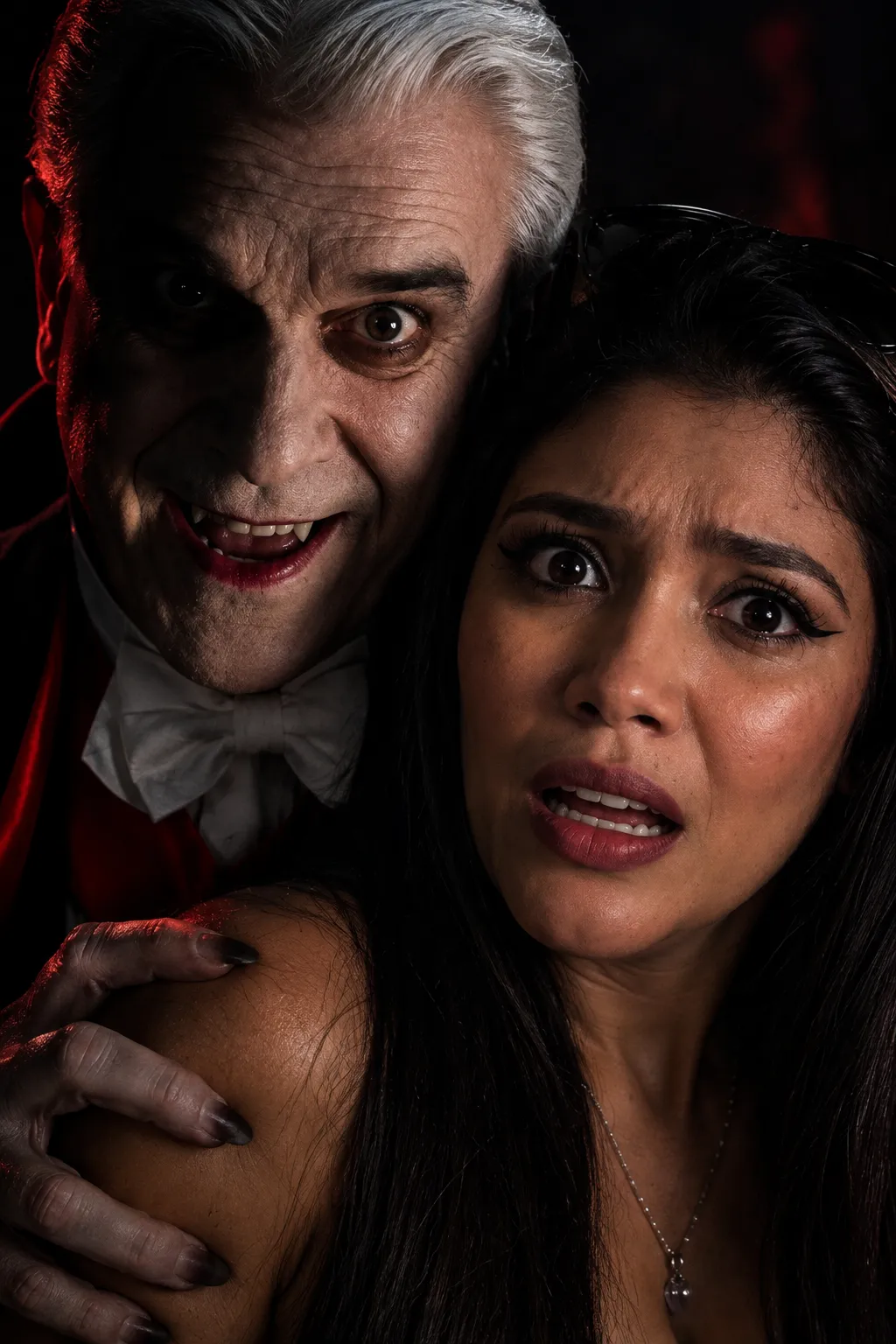
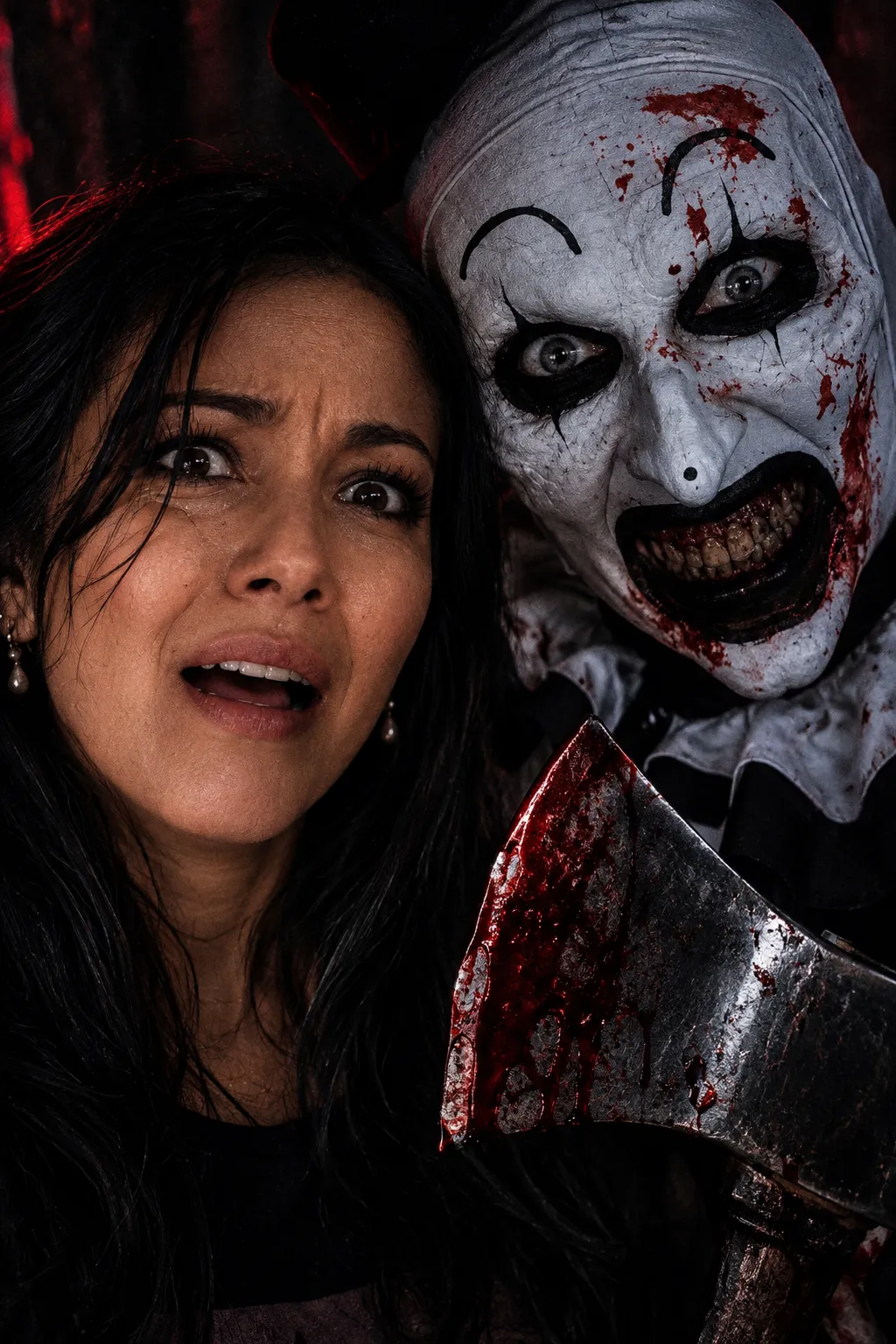
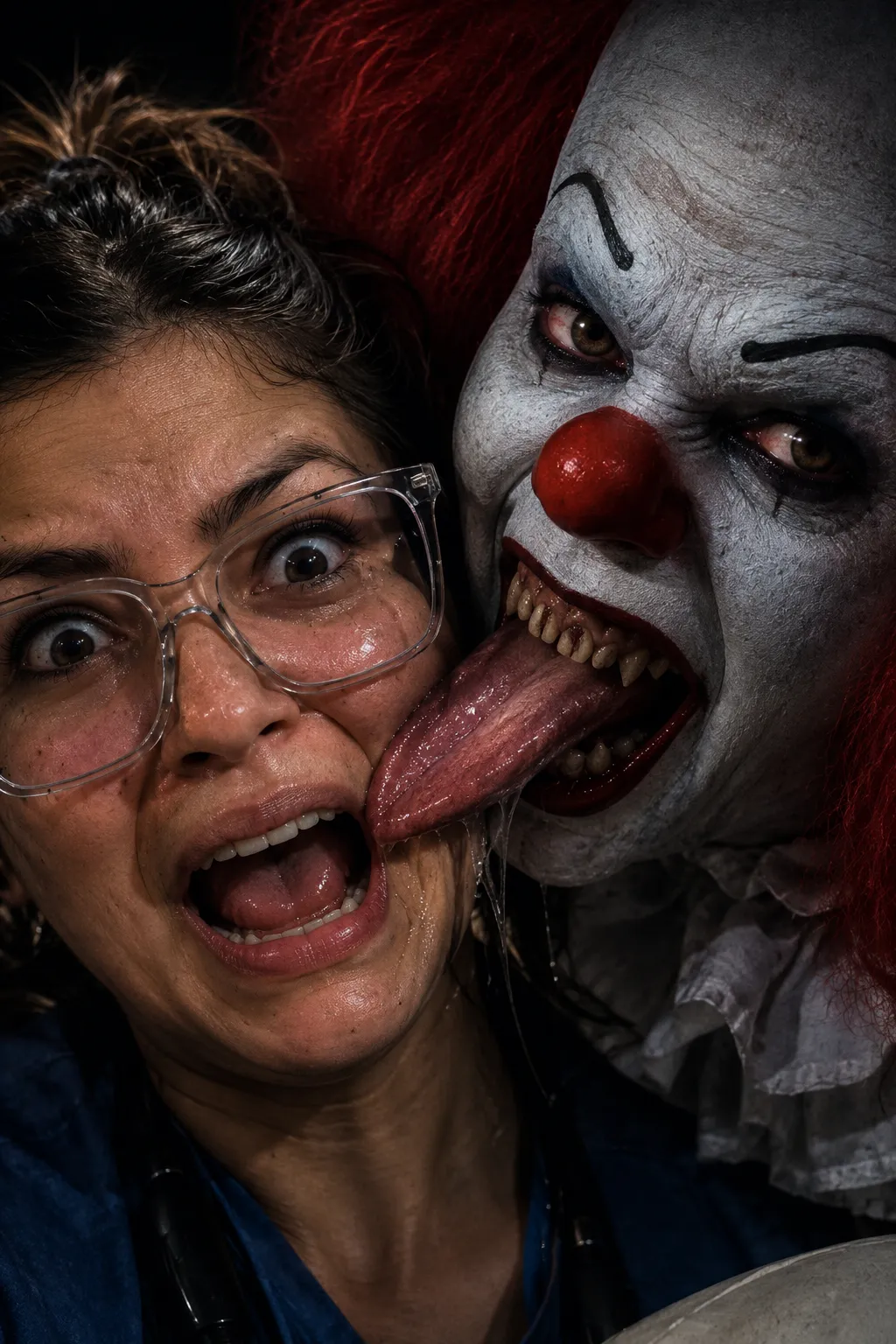
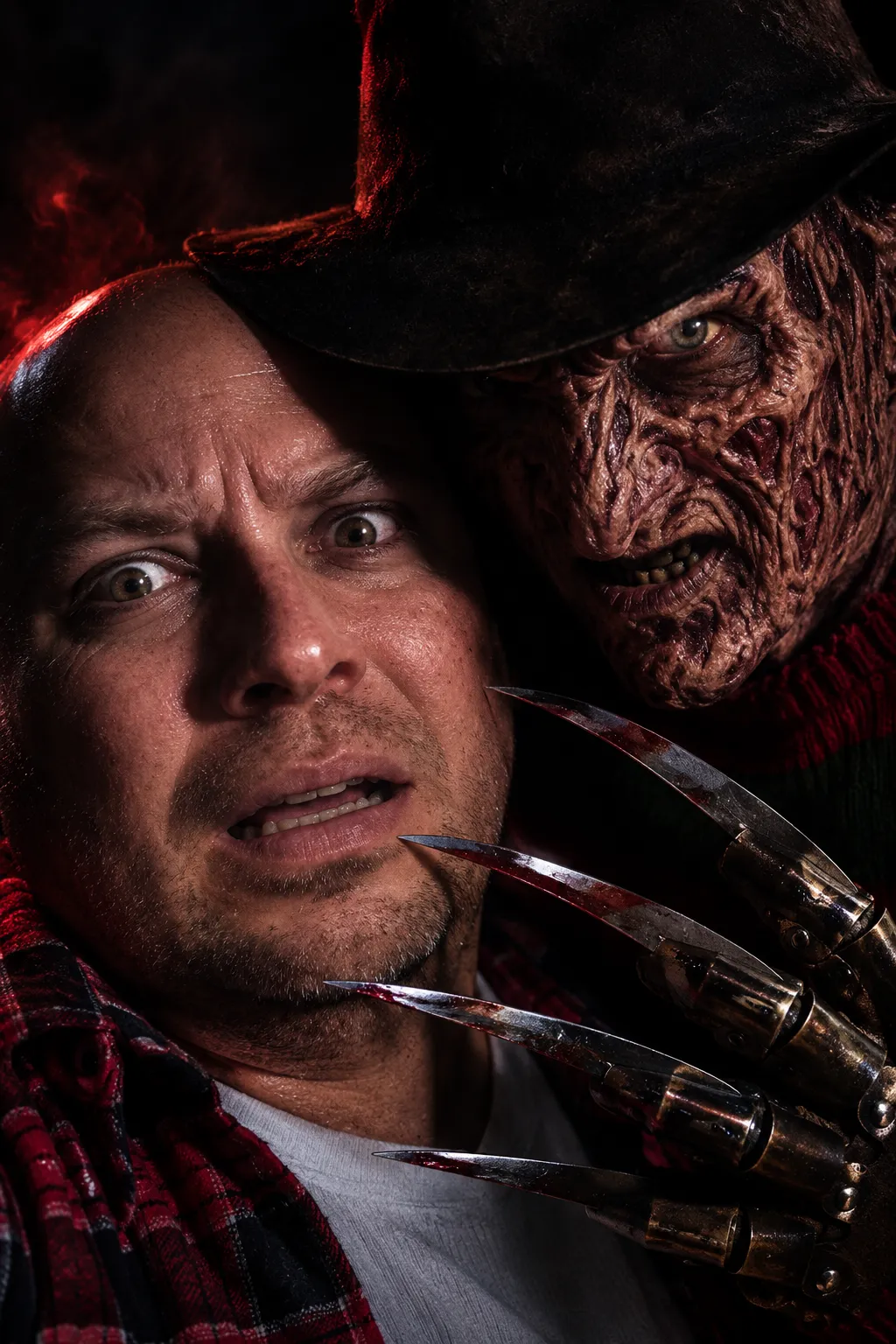
Create a vertical, photorealistic horror-poster close-up featuring a person and a horror character, preserving the person’s identity and the character’s reference appearance.
By Threads — Published on — Modified on
Example images
Prompt template
0 copies
- Format
- Text Parameterized
- Inputs
- Horror_character_reference (image) · Required Model_identity_reference (image) · Required horror_character (text) · Optional · Default: Leslie Nielsen as a vampire character_attitude (text) · Optional · Default: a malevolent smile character_accessory (text) · Optional · Default: a chrome axe
- Outputs
- Horror_poster_image (image)
Replace the ${…} placeholders with your values
before using this prompt. See parameters
and defaults below.
Create a premium psychological-horror movie poster as an ultra-photorealistic cinematic photograph.

Use Reference Image 1 as the primary visual reference for the horror character. Faithfully preserve the character’s appearance, makeup, skin texture, lighting, expression, and design; do not unnecessarily reinterpret the character. Use Reference Image 2 only as a reference for the model’s identity, face, hair, facial features, and physical characteristics. Keep the model recognizable and do not replace their face with a generic one.

Show the model and the horror character together in an extreme cinematic close-up, filling nearly the entire frame. Their faces should be very close, with their upper shoulders partly visible. The model stands physically beside the character in the same scene, looks directly at the camera, and conveys a serious, possessed, genuinely terrified, disturbing expression without becoming caricature-like. The character is visually close beside the model, looks directly at the camera, and has a sinister, malevolent, threatening expression and presence. Keep the character dominant and unsettling without completely obscuring the model’s face.

Character: ${horror-character:Leslie Nielsen as a vampire}
Character attitude and expression: ${character-attitude:a malevolent smile}
Character accessory: ${character-accessory:a chrome axe}

Render the model as a completely human, ultra-photorealistic person photographed with a high-end professional cinema camera. Preserve the model’s facial identity while showing a genuinely frightened and unsettling expression. Include natural human skin texture, subtle pores and imperfections, realistic eyes with moisture and natural reflections, and photorealistic hair with individual strands. Dramatic light must affect the model’s skin, eyes, and hair physically. Use natural, deep shadows consistent with the horror lighting. Do not turn the model into a 3D character, illustration, anime character, or creature; do not use plastic-looking skin, change their identity, substitute a generic face, or exaggerate their features into something unrealistic.

Preserve the horror character’s faithful reference appearance and supernatural, terrifying quality. Partially conceal the left side of the character’s face in deep shadow while contrasting light reveals texture on the right side.

Use a dark, dramatic, cinematic lighting scheme with deep shadows, high contrast, and strong side lighting that reveals the textures of both faces. Set the palette to black, pale gray, and red, with subtle red reflections, cool light on the skin, and a deep-black background. Create an oppressive, threatening psychological-horror atmosphere that makes the model seem trapped in a terrifying encounter with the character. Intense visual horror, but no explicit gore.

The finished image should resemble the official poster for a horror film, not an illustration or a collage. Use extreme detail, realistic physical lighting, deep shadows, dense blacks, and realistic depth of field.

Output requirements: exclusively vertical portrait orientation, 2:3 aspect ratio, 2048 × 3072 resolution. Do not generate a horizontal, 16:9, or square image. Do not add extra characters, watermarks, or logos.
Parameters
Replace each placeholder with your own value, or use its default when one is provided.
${horror-character:Leslie Nielsen as a vampire}
horror-character
Default: Leslie Nielsen as a vampire
${character-attitude:a malevolent smile}
character-attitude
Default: a malevolent smile
${character-accessory:a chrome axe}
character-accessory
Default: a chrome axe





Comments — 0