- Category
- Photography
- Model
- openai-chatgpt
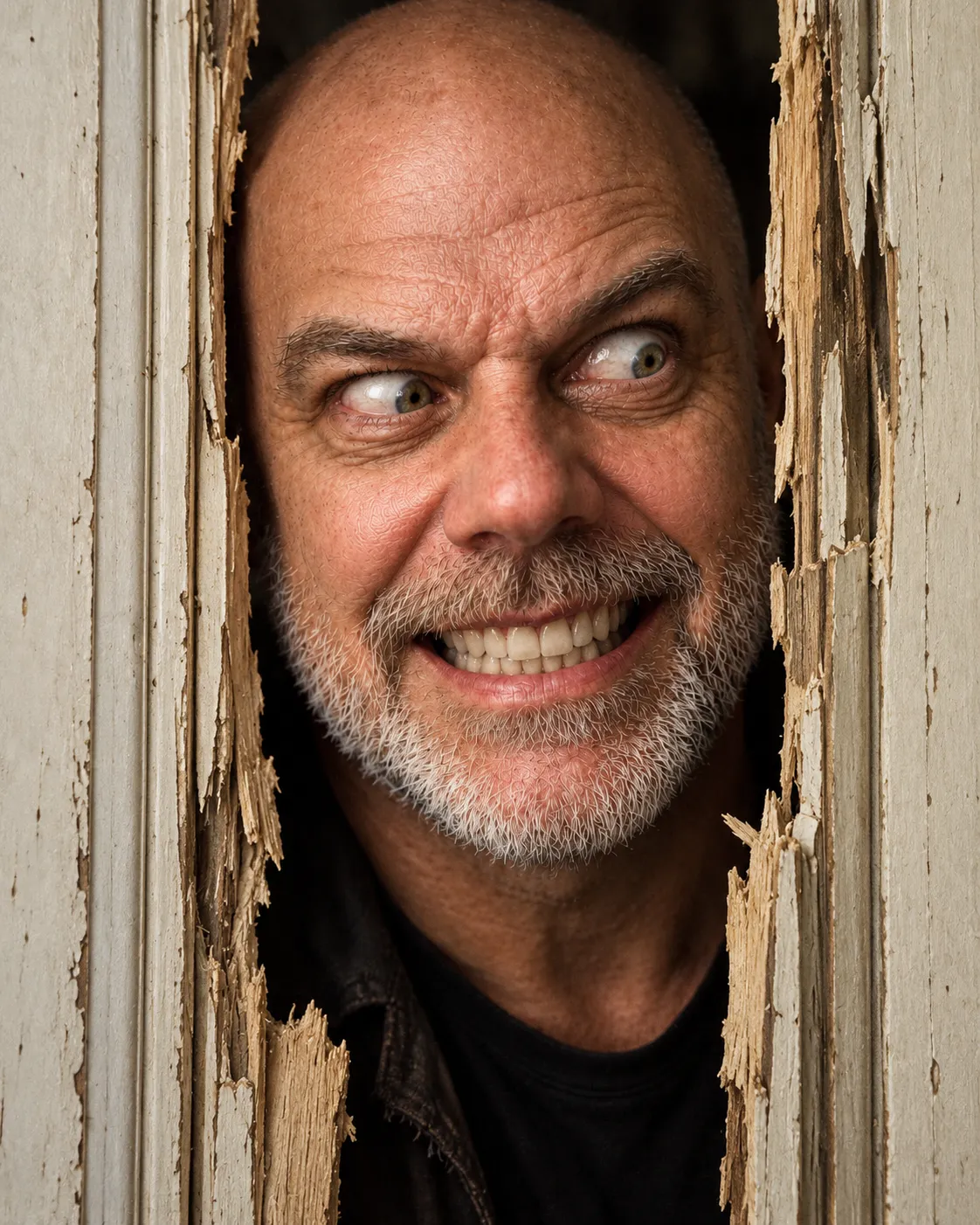
Photorealistic Psychological-Horror Doorway Portrait
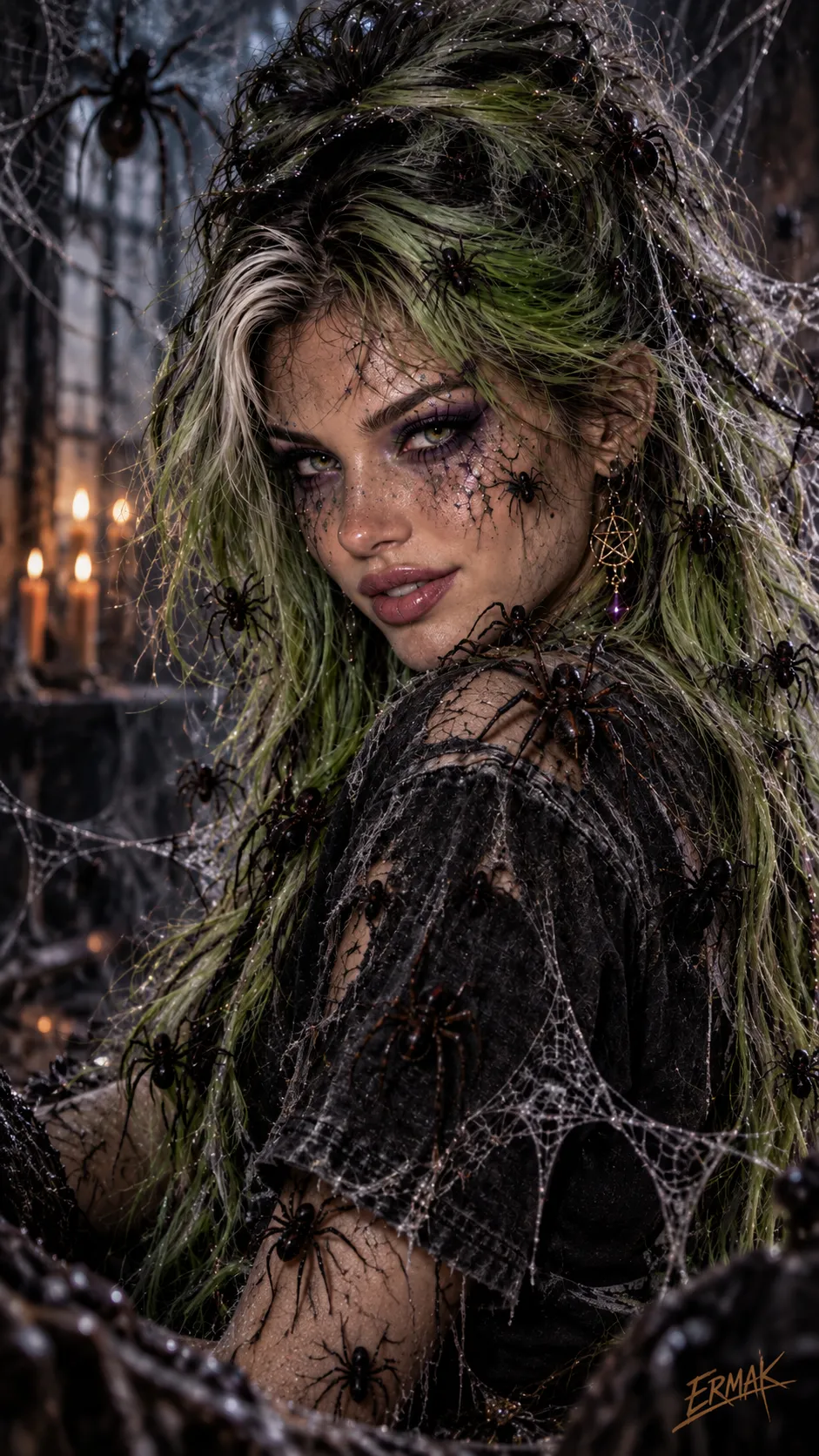
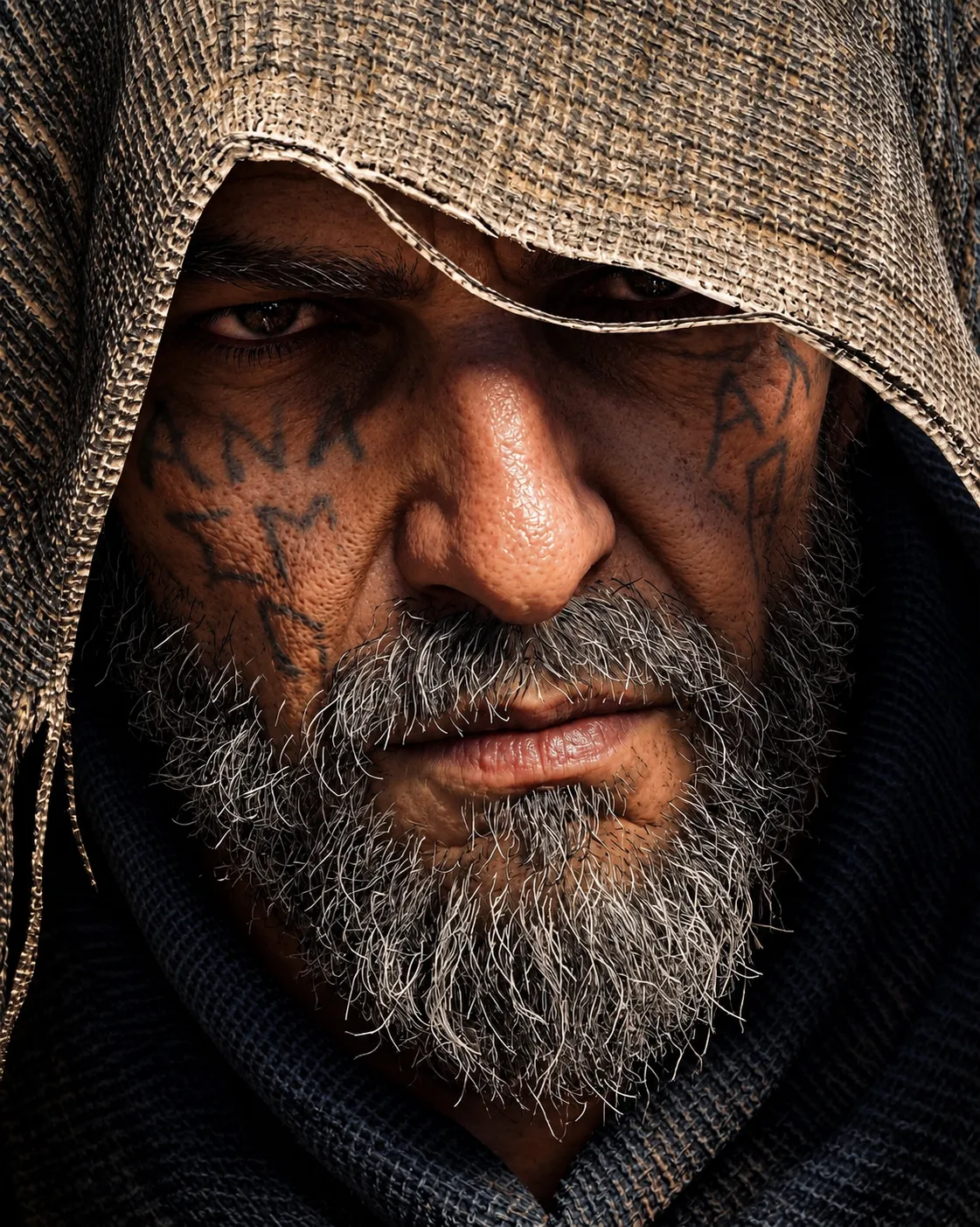
Transform an uploaded photo into a cinematic, photorealistic close-up portrait framed by a splintered wooden doorway, preserving the subject’s identity and emphasizing an intense, mischievous expression.
By Threads — Published on — Modified on
Example images
Prompt template
0 copies
- Format
- Text
- Inputs
- uploaded_photo (image) · Required
- Outputs
- portrait (image)
Create a vertically framed, 4:5 ultra-photorealistic, cinematic psychological-horror portrait using the uploaded photograph. Preserve the person’s recognizable facial identity, facial structure, natural features, skin tone, eye shape, nose, mouth, jawline, hairline, and apparent age. The subject must clearly resemble the person in the uploaded photograph, not the individual in any reference composition.

Scene and expression:
The subject thrusts their face through a narrow, jagged opening in an old, damaged wooden door, wearing an exaggerated, unsettling, mischievous grin. Their eyes are wide open and directed dramatically sideways, creating an unpredictable, almost manic expression. Raise the eyebrows slightly and asymmetrically; tense the forehead muscles; and lift the cheeks into a broad, tooth-revealing smile. The expression should feel spontaneous, theatrical, intense, and darkly humorous. Preserve the subject’s natural teeth, facial proportions, and distinguishing characteristics.

Camera angle and framing:
Photograph an extreme close-up portrait straight-on at approximately eye level, with a very subtle cinematic three-quarter facial perspective. Position the camera directly outside the broken doorway, extremely close to the subject’s face. Let the face dominate the frame, tightly surrounded on both vertical sides by damaged wooden door panels. Use a slightly off-center composition to emphasize the subject’s intense sideways glance. Make the forehead, eyes, nose, mouth, chin, and any lower facial hair prominent. Hair may naturally extend beyond the upper frame as an intentional extreme close-up. For any wider adaptation, include the entire head and any hat without cropping.

Lens and photographic settings:
Simulate a professional full-frame cinema camera using a 65mm portrait lens at approximately f/4, ISO 800, and a 1/125-second shutter speed, with natural photographic color rendering. Maintain realistic facial perspective without wide-angle distortion. Focus critically on the eyes, teeth, skin texture, and facial expression. Use a moderately shallow depth of field, keeping the nearest splintered wood edges visibly detailed while the dark interior softly recedes behind the subject. Add subtle analog film grain and authentic photographic microcontrast.

Lighting and atmosphere:
Use moody, low-key indoor cinematic lighting, with soft, directional illumination from the camera’s front-left side. Let warm neutral highlights illuminate the forehead, cheekbones, nose, lips, and teeth. Add gentle pinkish reflections across the forehead and cheeks. Use deep, soft-edged shadows to emphasize the eye sockets, jawline, neck, and interior behind the doorway. Include slight specular highlights that reproduce natural skin oils and moisture. Avoid artificial glow, excessive contrast, and exaggerated color grading.

Colors and environment:
Use muted cream and weathered ivory wooden door panels with chipped paint, exposed beige wood fibers, rough vertical splinters, cracked edges, and aged surface imperfections. Contrast the subject’s natural complexion with the pale surrounding wood and almost-black interior background. Use rich brown hair tones, subdued warm skin colors, deep charcoal shadows, and slightly desaturated vintage cinematic color grading. Make the environment feel claustrophobic, authentic, and tense.

Photorealistic detail:
Render realistic skin pores, fine wrinkles, forehead creases, under-eye folds, natural facial asymmetry, beard stubble, individual hair strands, subtle perspiration, accurate eye moisture, detailed irises, natural tooth enamel, gums, lip texture, and realistic facial muscle tension. Preserve any visible clothing with convincing fabric weave, folds, and shadowing. Reproduce the chipped paint, splintered wood grain, dust, and rough doorway surfaces with exceptional material accuracy.

Avoid beauty filters, plastic skin, cartoon rendering, facial identity changes, altered age, unnatural teeth, distorted eyes, duplicated facial features, excessive sharpening, artificial HDR, illustration effects, watermarks, typography, and logos.

Create an ultra-photorealistic cinematic portrait with precise facial identity preservation, dramatic expressive realism, natural photographic lighting, extraordinary environmental texture, and the same intense, claustrophobic doorway composition. The finished image should resemble an authentic high-resolution frame from a classic psychological-horror film. Use a vertical portrait composition with emphasis on full-frame height and a cinematic poster layout.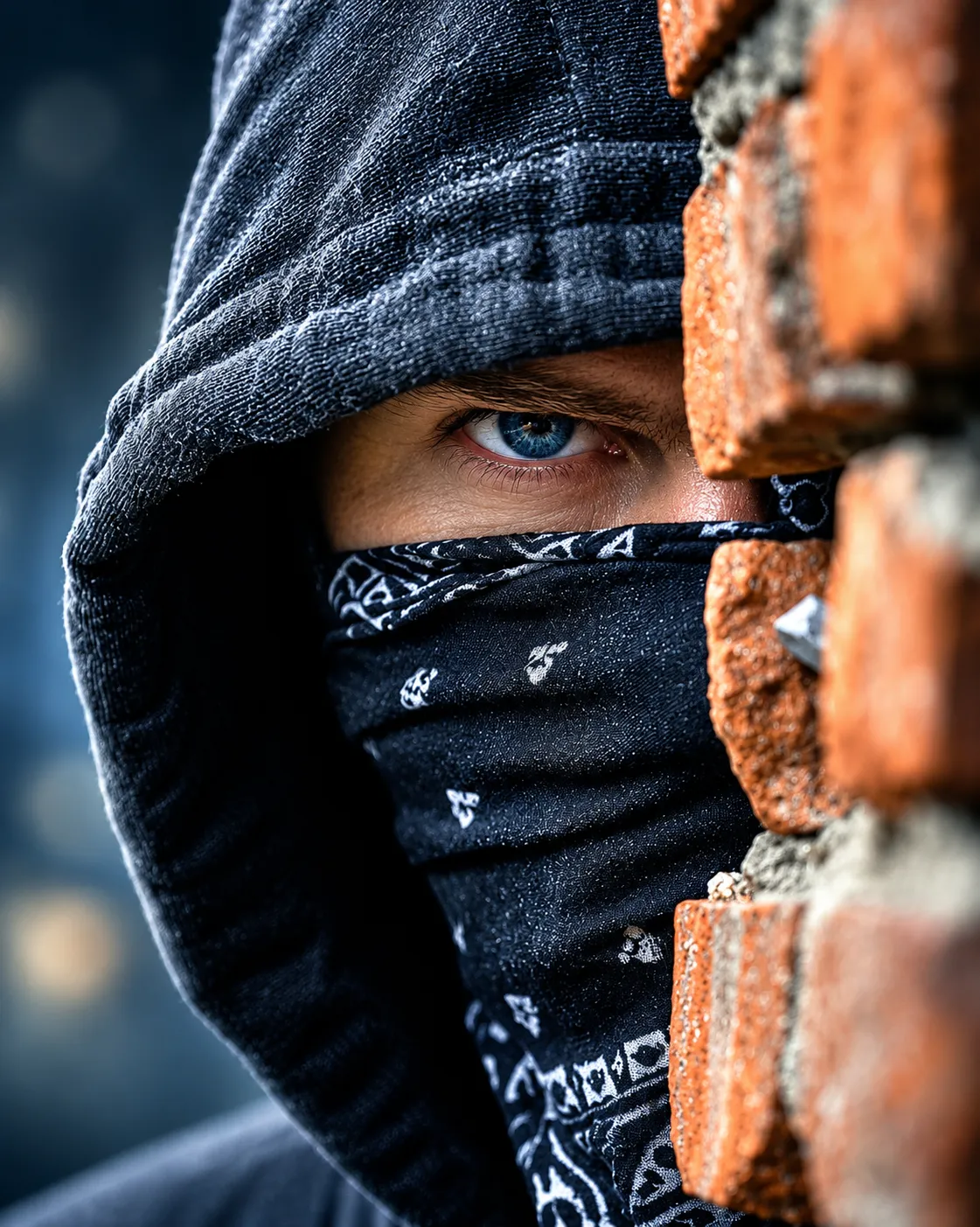




Comments — 0
Tried this prompt? Share what you made, compare results, or ask a question.