Playful Outfit Flat-Lay Infographic
Create a polished fashion flat-lay infographic using clothing photos or written item descriptions, with scrapbook-style typography, annotations, and doodles.
By Threads — Published on
Screenshots
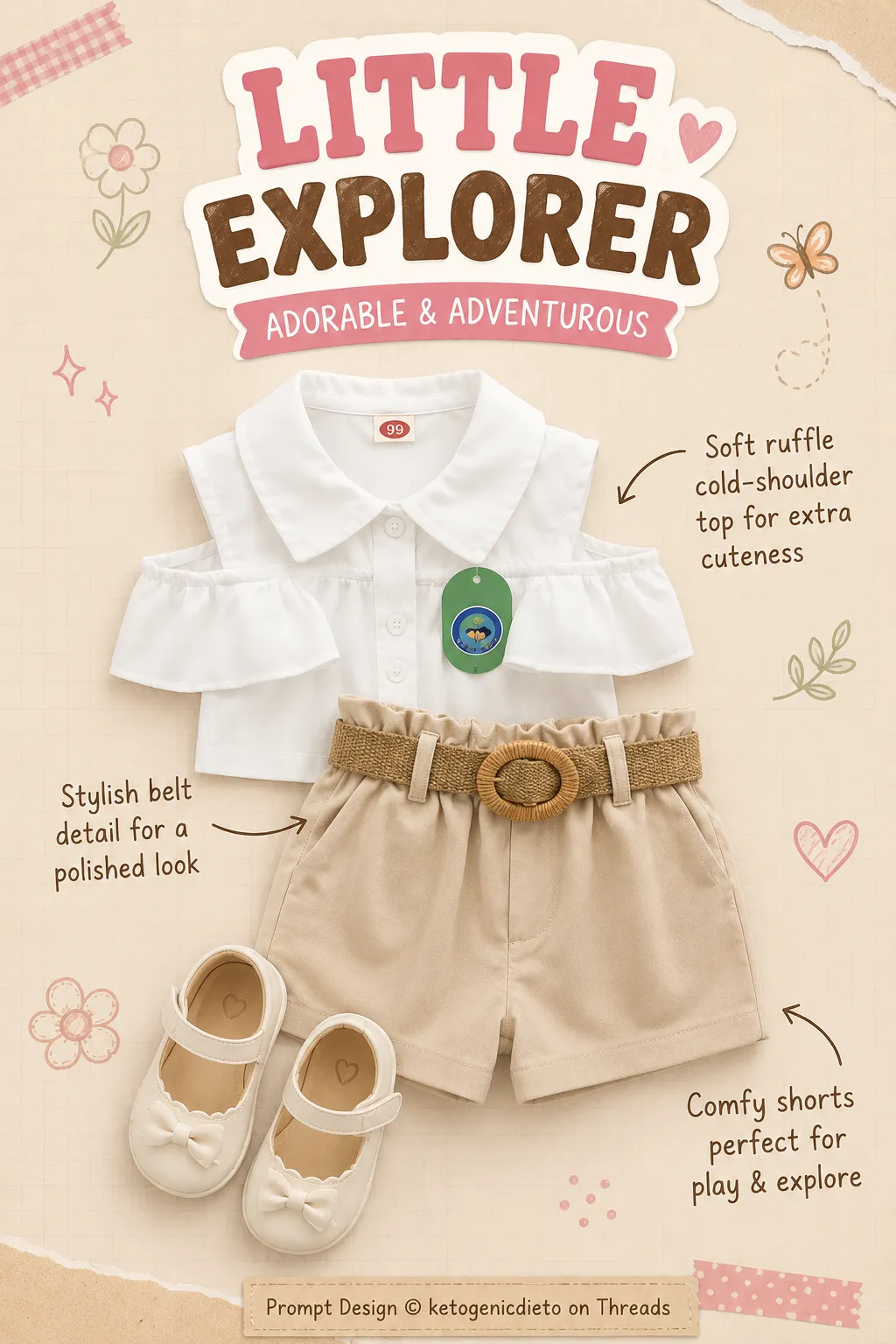
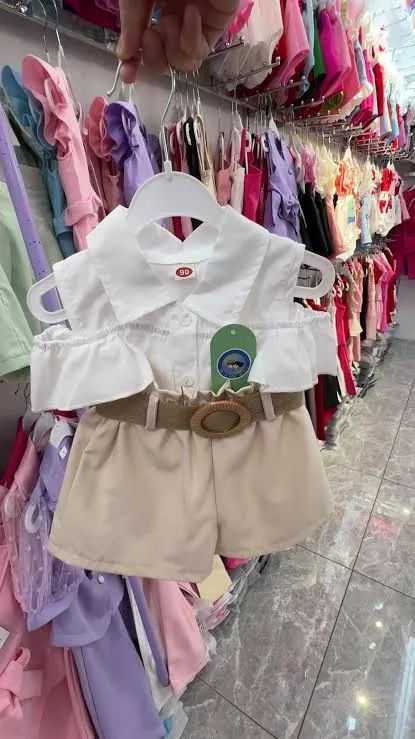
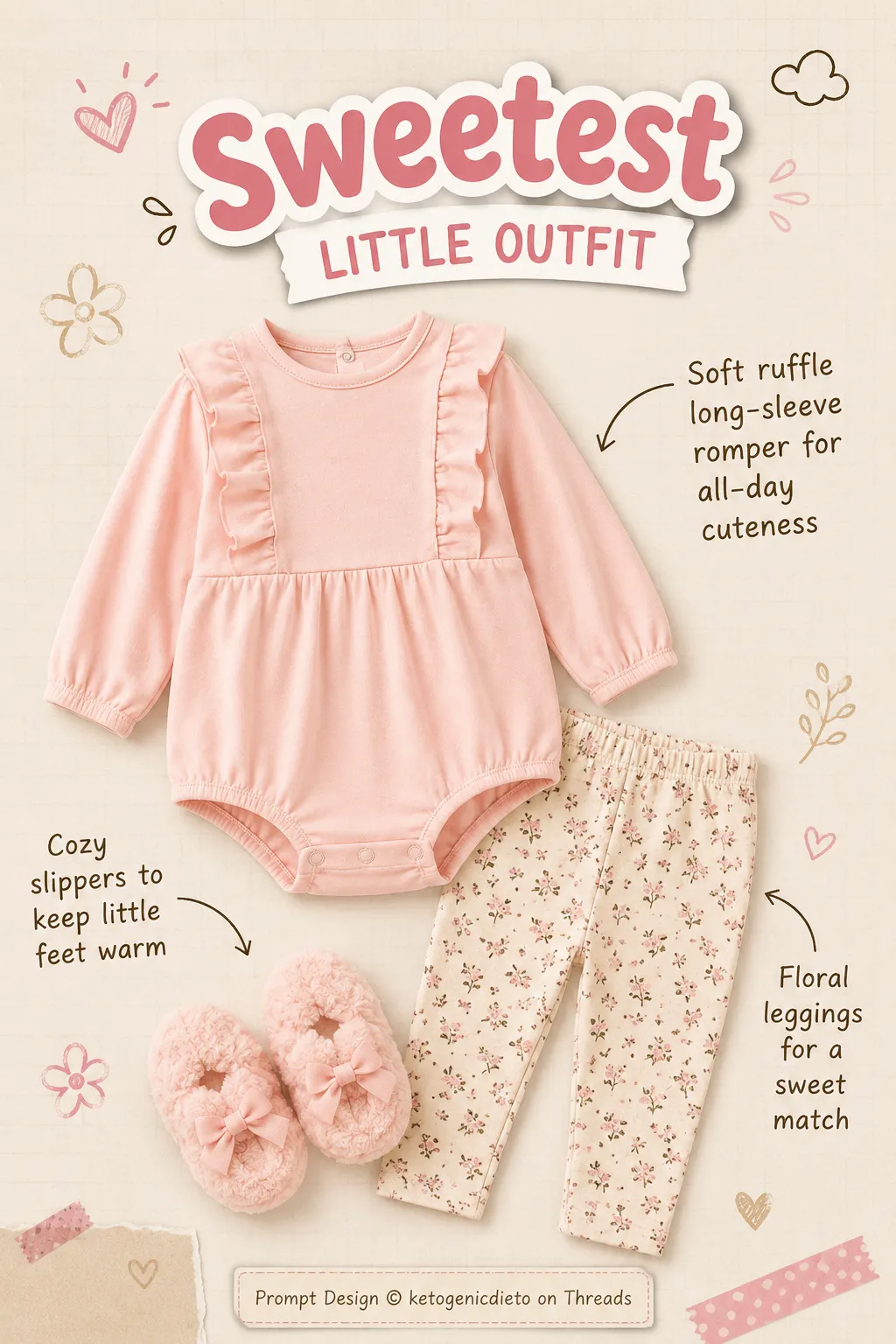
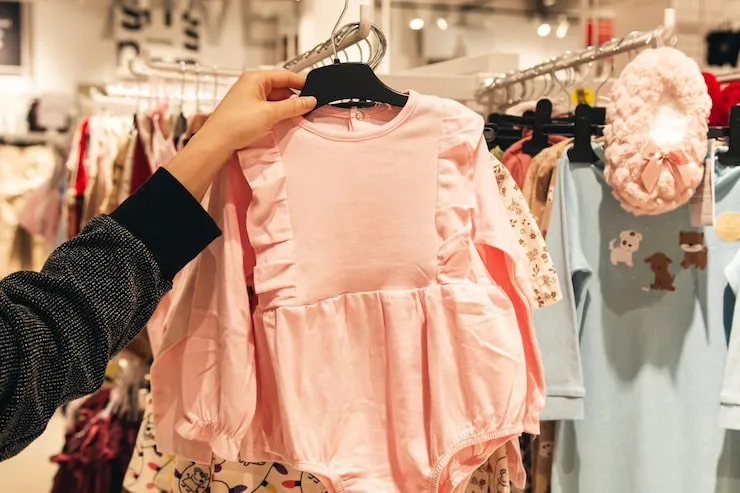
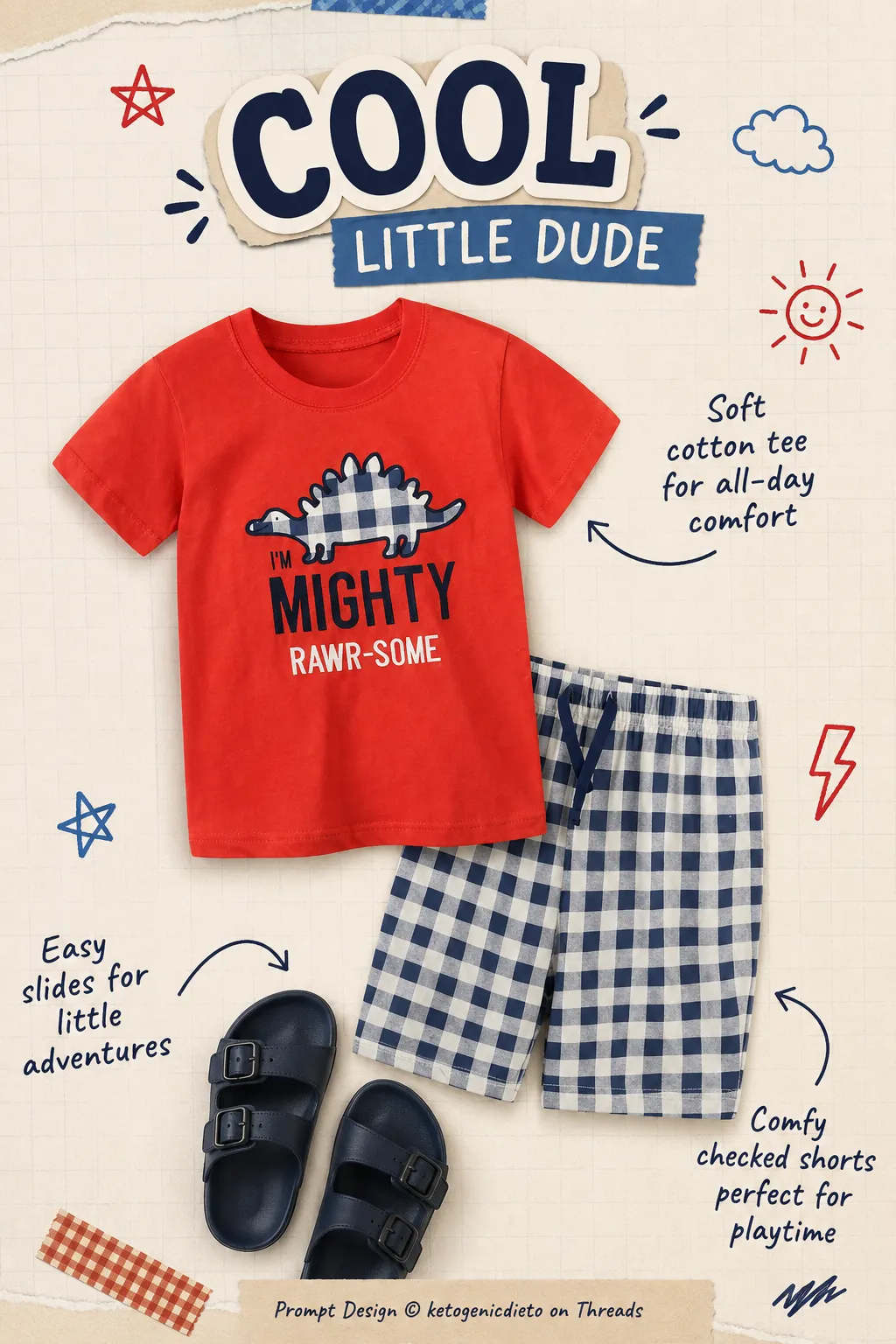
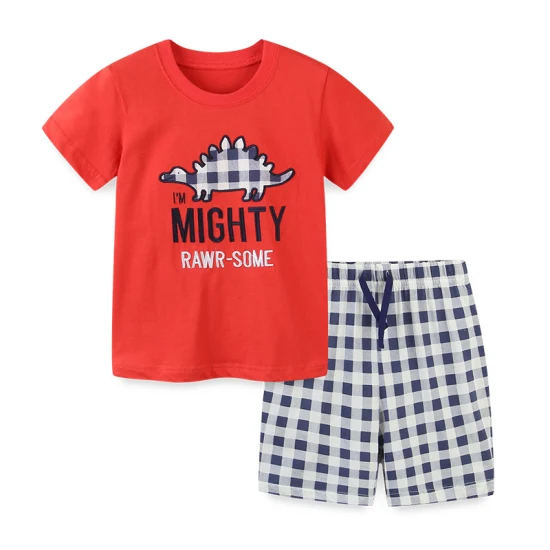
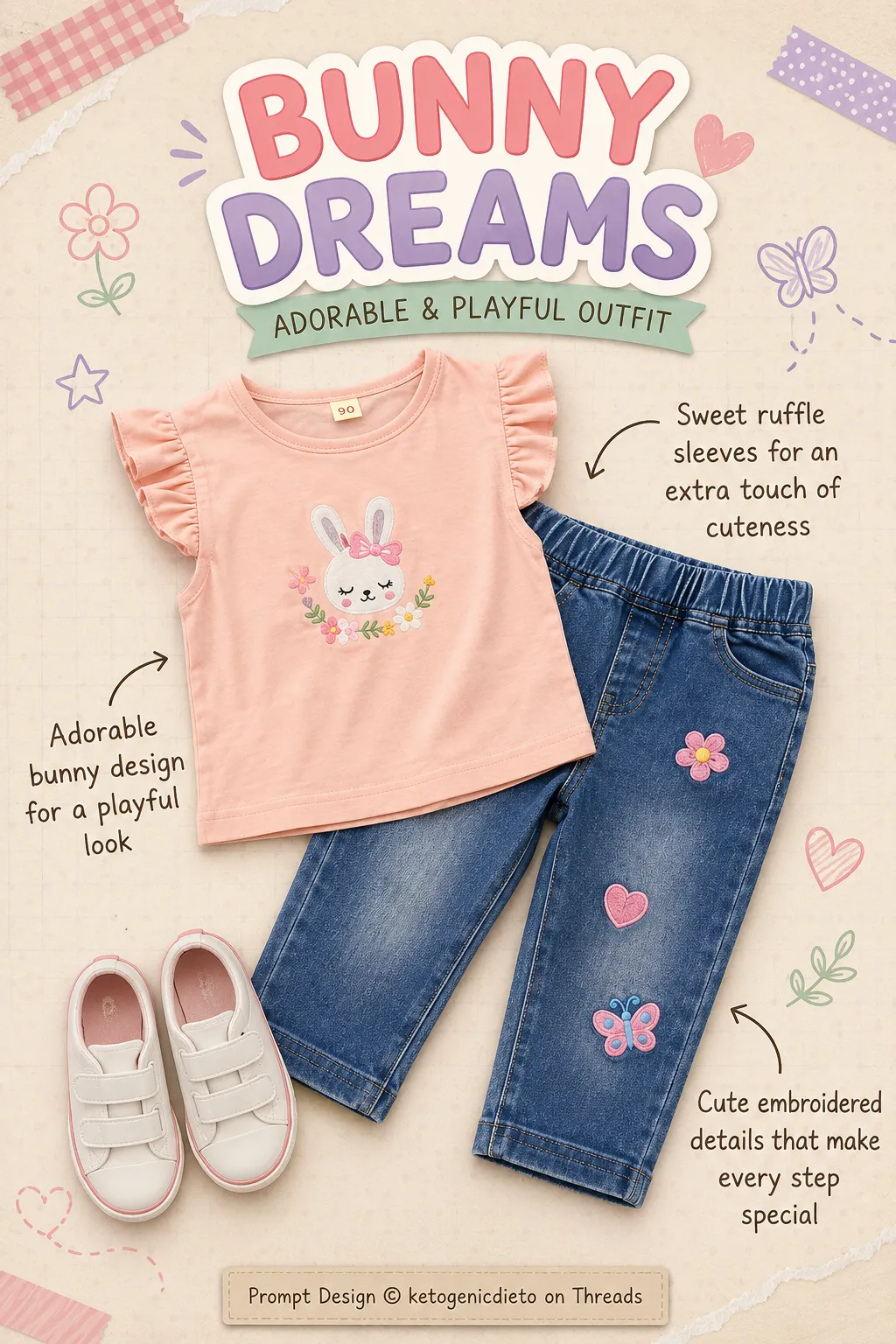
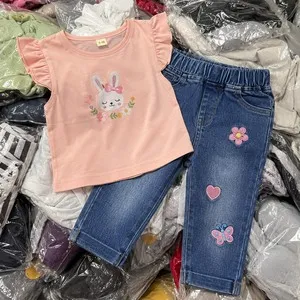
Prompt template
Create a premium vertical outfit flat-lay infographic in ${image-ratio}, combining photorealistic clothing cutouts, playful editorial typography, handwritten annotations, and clean lifestyle branding. Use ultra-high resolution and professional social-media quality.

## Reference images
If clothing images are uploaded, use them as the primary visual references. Accurately preserve each garment’s shape, proportions, type, color, pattern, fabric, texture, construction, details, and any supplied logos or branding. Remove the original backgrounds and present clean, realistic product cutouts. Do not redesign, replace, recolor, simplify, or add patterns to the garments unless explicitly requested.

If no reference images are uploaded, generate ${clothing-item-1}, ${clothing-item-2}, and ${clothing-item-3} according to their written specifications.

## Concept and composition
Create a playful outfit-of-the-day editorial featuring a coordinated ${outfit-category} for ${season-or-theme}. Present the pieces as a stylish outfit system surrounded by handwritten notes, curved arrows, simple doodles, and scrapbook-inspired typography. The result should feel youthful, friendly, fashionable, and commercially polished.

Use an overhead flat lay without a visible model or mannequin. Place clothing item 1 prominently in the upper-middle area. Place clothing item 2 in the lower-right or lower-middle area, with a small intentional overlap or realistic visual relationship to item 1. Position clothing item 3 as a smaller supporting accessory when supplied. Keep garments fully recognizable and at realistic relative scales. Reserve the upper area for the title and distribute annotation space around the outer sides. Maintain generous negative space and a clear reading path from title to garments to notes. Do not reproduce a reference image’s exact placement or flower arrangement.

## Title
Write the main title exactly: “${main-title}”

Write the subtitle exactly: “${subtitle}”

Present the main title as an oversized paper-sticker, cutout-letter, curved-label, or layered scrapbook headline. Use one dominant word in bold rounded typography with a thick contrasting outline. Place the subtitle nearby in a smaller casual hand-drawn or marker-style font. Do not generate any additional headline or pseudo-text.

## Garment annotations
Write these notes exactly, omitting any note field left empty:
- “${note-1}”
- “${note-2}”
- “${note-3}”

Connect each note to its corresponding garment using thin curved arrows, loops, or hand-drawn pointer lines. Use legible handwritten typography, and ensure each arrow points clearly to the correct item or design detail. If a note is empty, remove that note and its arrow completely.

## Clothing presentation
Display garments as professionally photographed clothing cutouts laid naturally on a flat surface. Preserve believable fabric weight, folds, wrinkles, seams, shadows, and material texture. Keep clothing clean but not unnaturally rigid or perfectly symmetrical. Avoid invisible mannequins, human body shapes inside empty garments, and excessive floating effects.

## Background and doodles
Create ${background-style} using ${color-palette}. Use a subtle paper, fabric, notebook, or lightly printed grid texture. Keep the background low-contrast so the garments and annotations remain dominant. Add minor printing variation, soft grain, or faint paper fibers for a tactile scrapbook quality.

Add original outline doodles based on ${doodle-motifs}. Use only three to five doodles in different sizes, distributed through unused negative space without covering garments or text. Coordinate their colors with the palette. Make them feel hand-drawn and spontaneous, not like repeated stock icons.

## Lighting and style
Use soft overhead studio lighting with subtle directional shadows beneath each garment. Show realistic material behavior appropriate to the clothing, including cotton, denim, linen, knitwear, leather, or synthetics. Maintain natural texture and restrained sharpness. Clothing should look photographed; typography and doodles may remain clean graphic elements.

Aim for a playful fashion editorial, outfit-of-the-day infographic, scrapbook-inspired composition, photorealistic clothing flat lay, handwritten fashion notes, youthful lifestyle branding, clean social-media design, and marketplace-ready template system.

## Text accuracy
Render only the supplied text. Preserve its exact spelling, punctuation, capitalization, and reading order. Do not translate, rewrite, duplicate, abbreviate, or invent wording.

## Avoid
Redesigned reference clothing, altered patterns, incorrect colors, missing buttons, distorted sleeves, malformed pockets, duplicated garments, human bodies, models, mannequins, invisible-mannequin effects, floating clothing, plastic fabric, impossible folds, unrelated accessories, arrows pointing to the wrong item, cluttered annotations, copied compositions, random text, pseudo-text, spelling errors, duplicated wording, unrelated logos, mockup frames, unintended watermarks, and low resolution.

## Final quality
Prioritize accurate garment preservation, realistic fabric texture, coordinated outfit styling, clean cutout edges, balanced flat-lay composition, readable handwritten annotations, original doodles, refined scrapbook texture, and a premium commercial finish.

## Signature
Include a subtle signature in the bottom area, integrated naturally into the layout, reading exactly: “Prompt Design © ketogenicdieto on Threads”. Keep it small, elegant, legible, and unobtrusive so it complements the layout without distracting from the clothing, title, notes, arrows, or doodles.
Parameters
${image-ratio}
image-ratio
Required
${clothing-item-1}
clothing-item-1
Required
${clothing-item-2}
clothing-item-2
Required
${clothing-item-3}
clothing-item-3
Required
${outfit-category}
outfit-category
Required
${season-or-theme}
season-or-theme
Required
${main-title}
main-title
Required
${subtitle}
subtitle
Required
${note-1}
note-1
Required
${note-2}
note-2
Required
${note-3}
note-3
Required
${background-style}
background-style
Required
${color-palette}
color-palette
Required
${doodle-motifs}
doodle-motifs
Required






Comments — 0