- Category
- Design & Image
- Model
- openai-chatgpt
Premium Nine-Scene Product Campaign Board
Create a photorealistic, premium editorial campaign board for a product, adapting the scenes to its category while preserving the real product and its branding.
By Threads — Published on
Example images
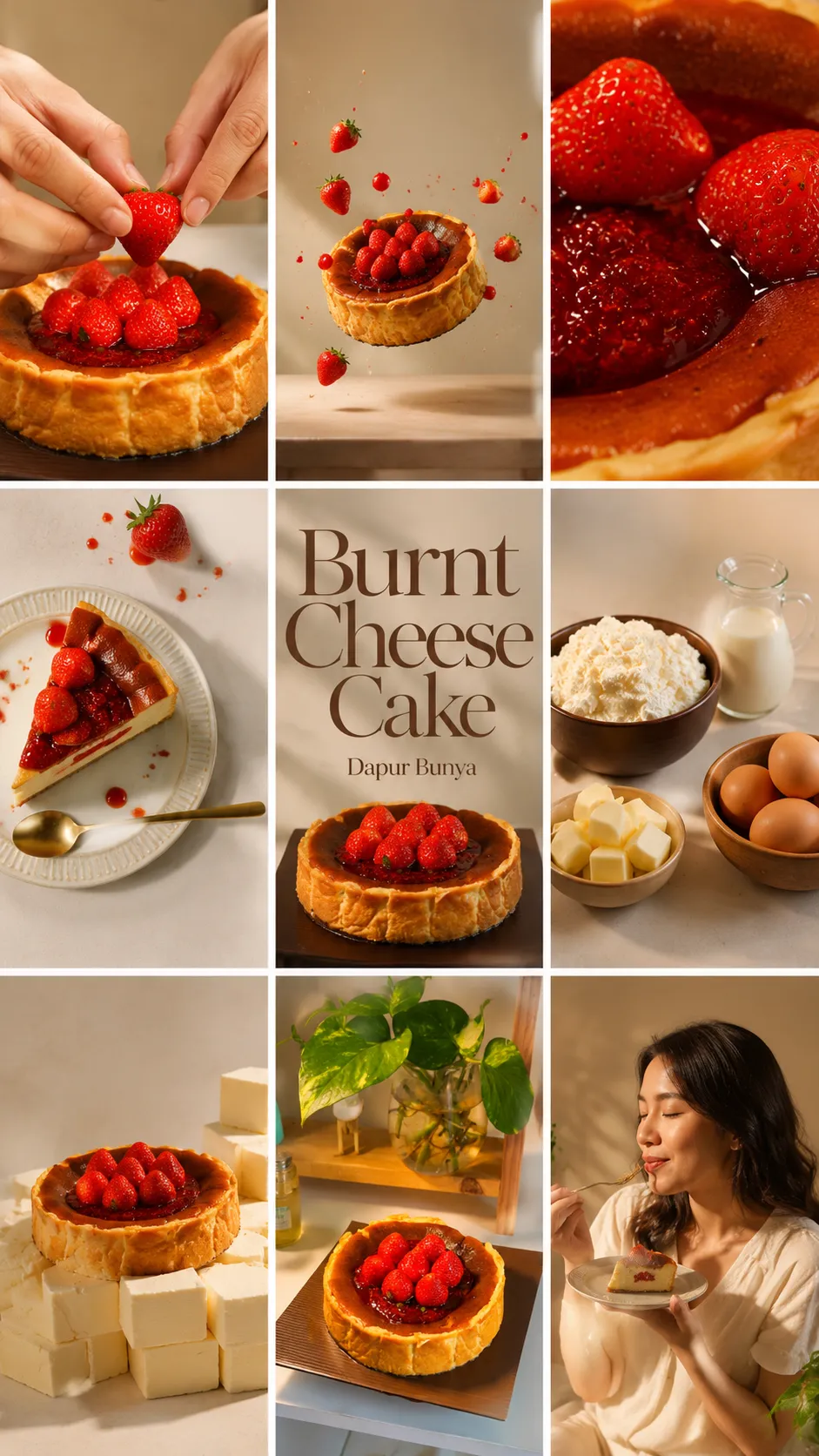
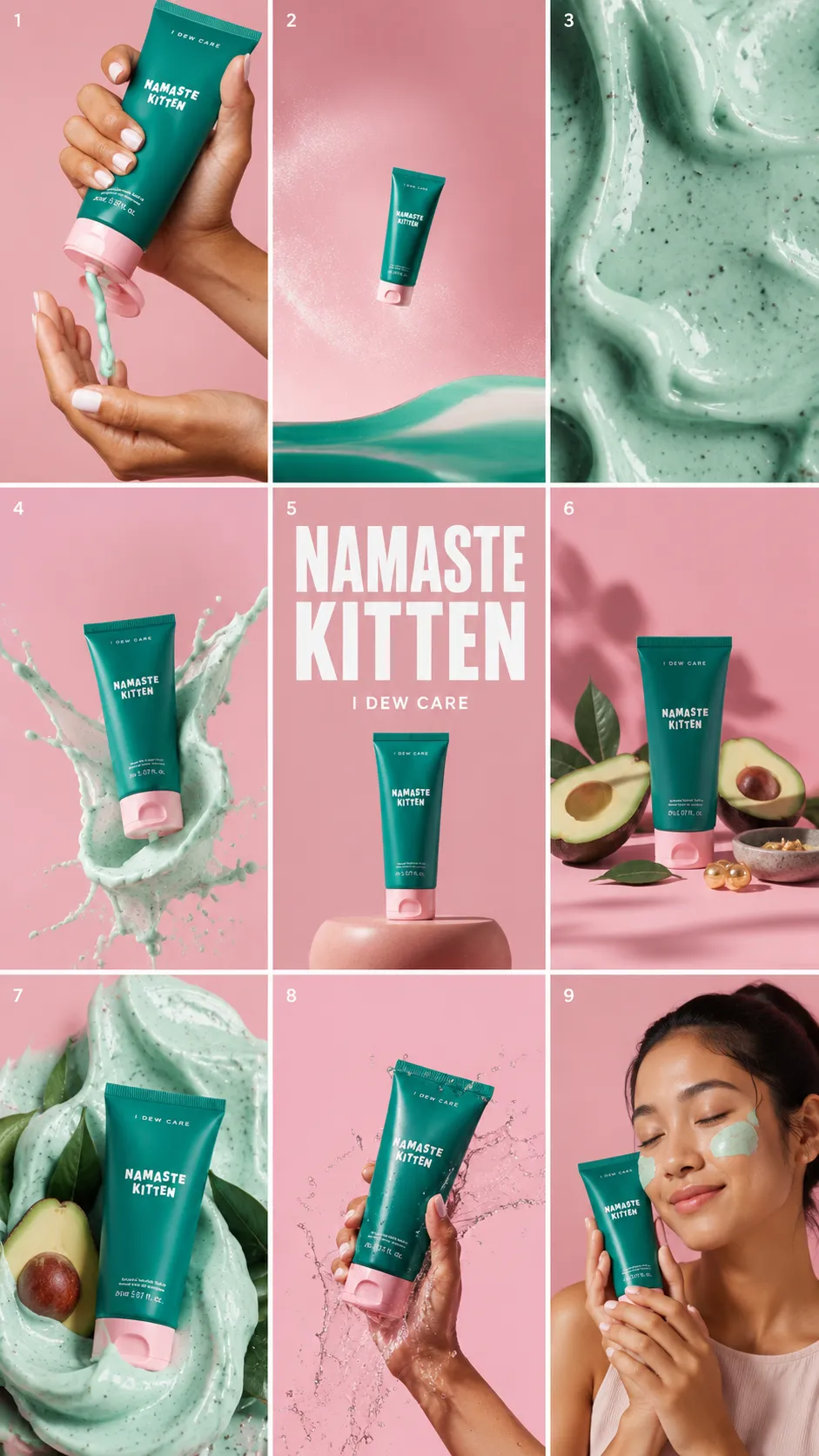
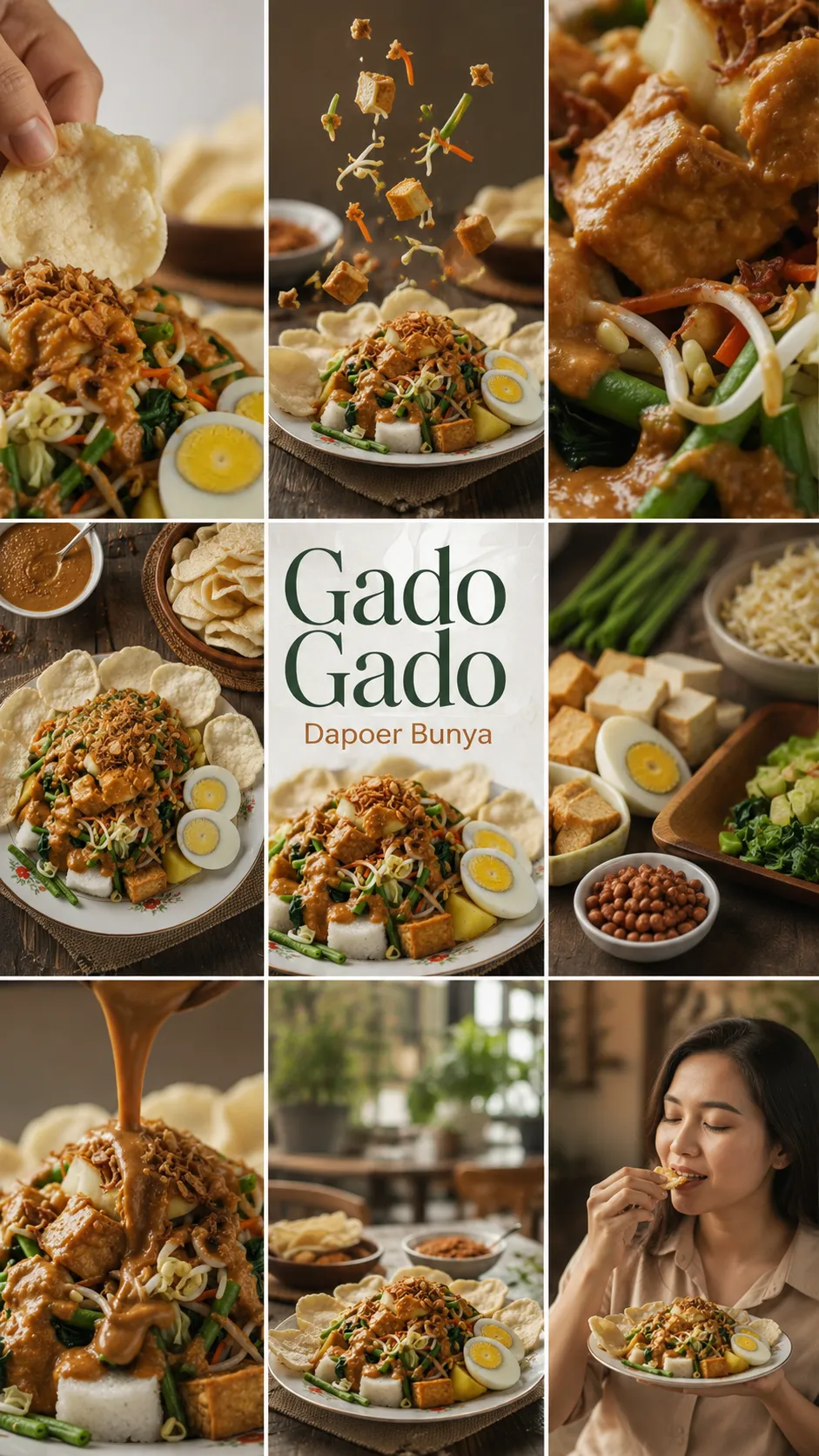
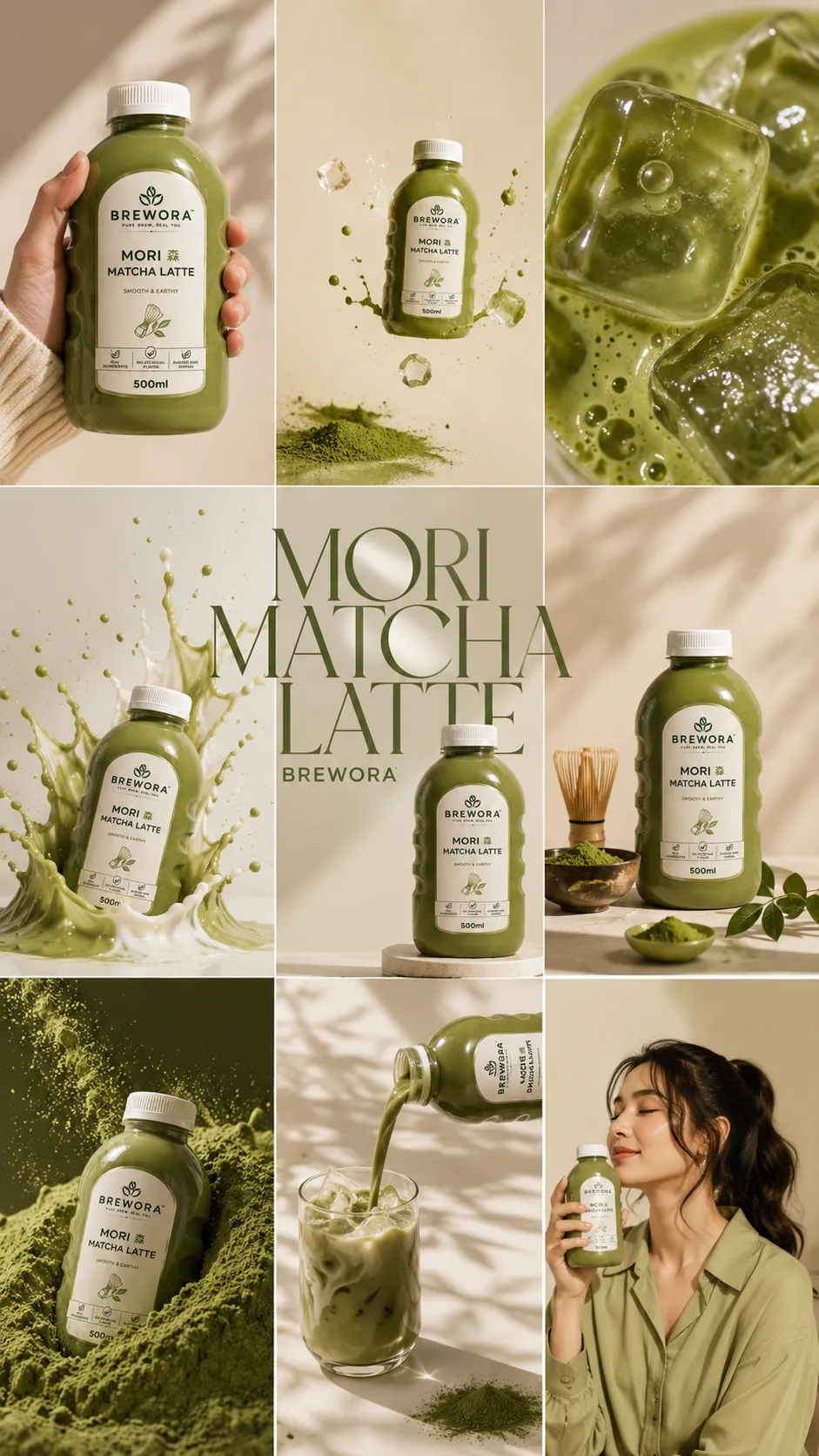
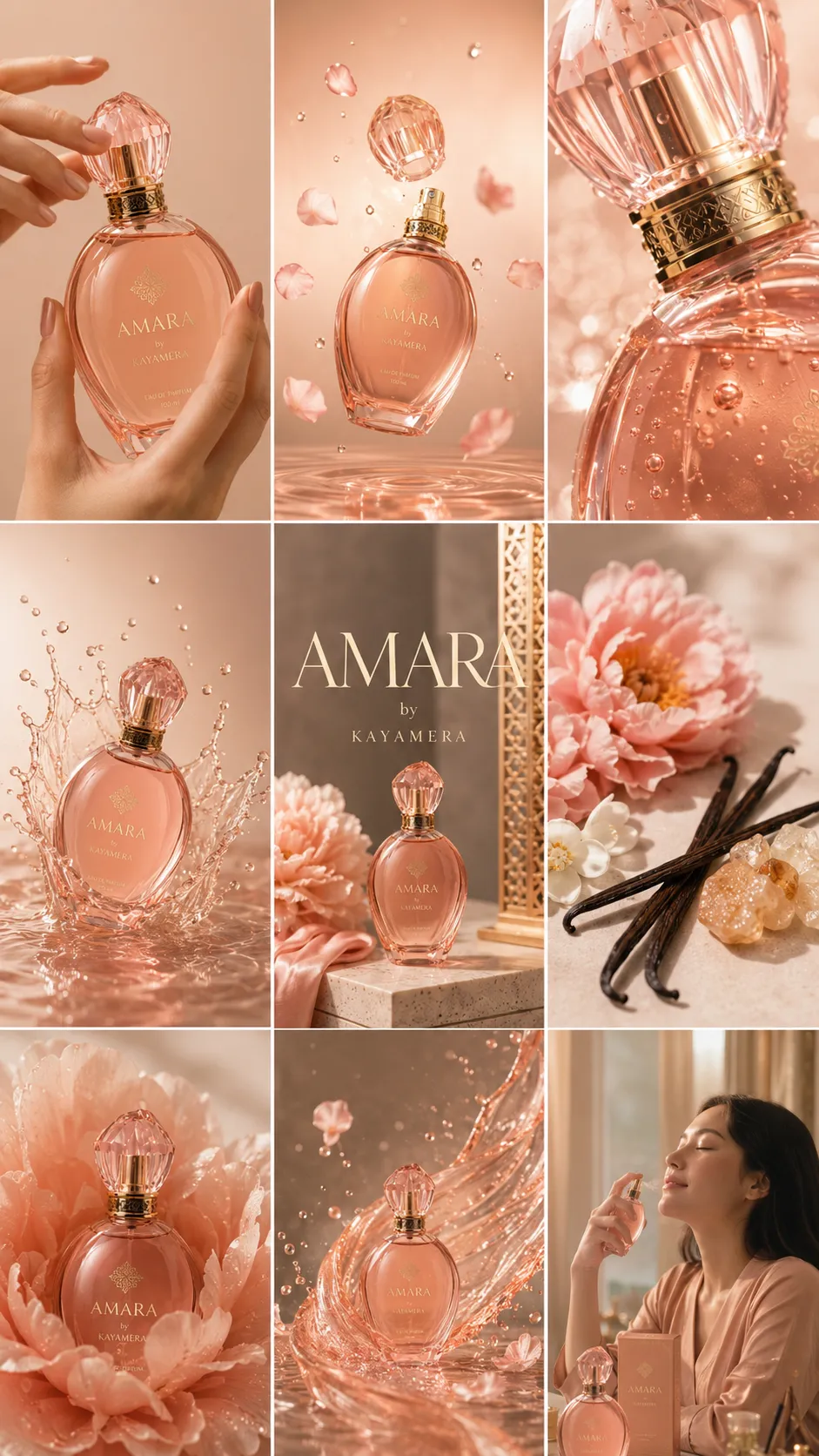
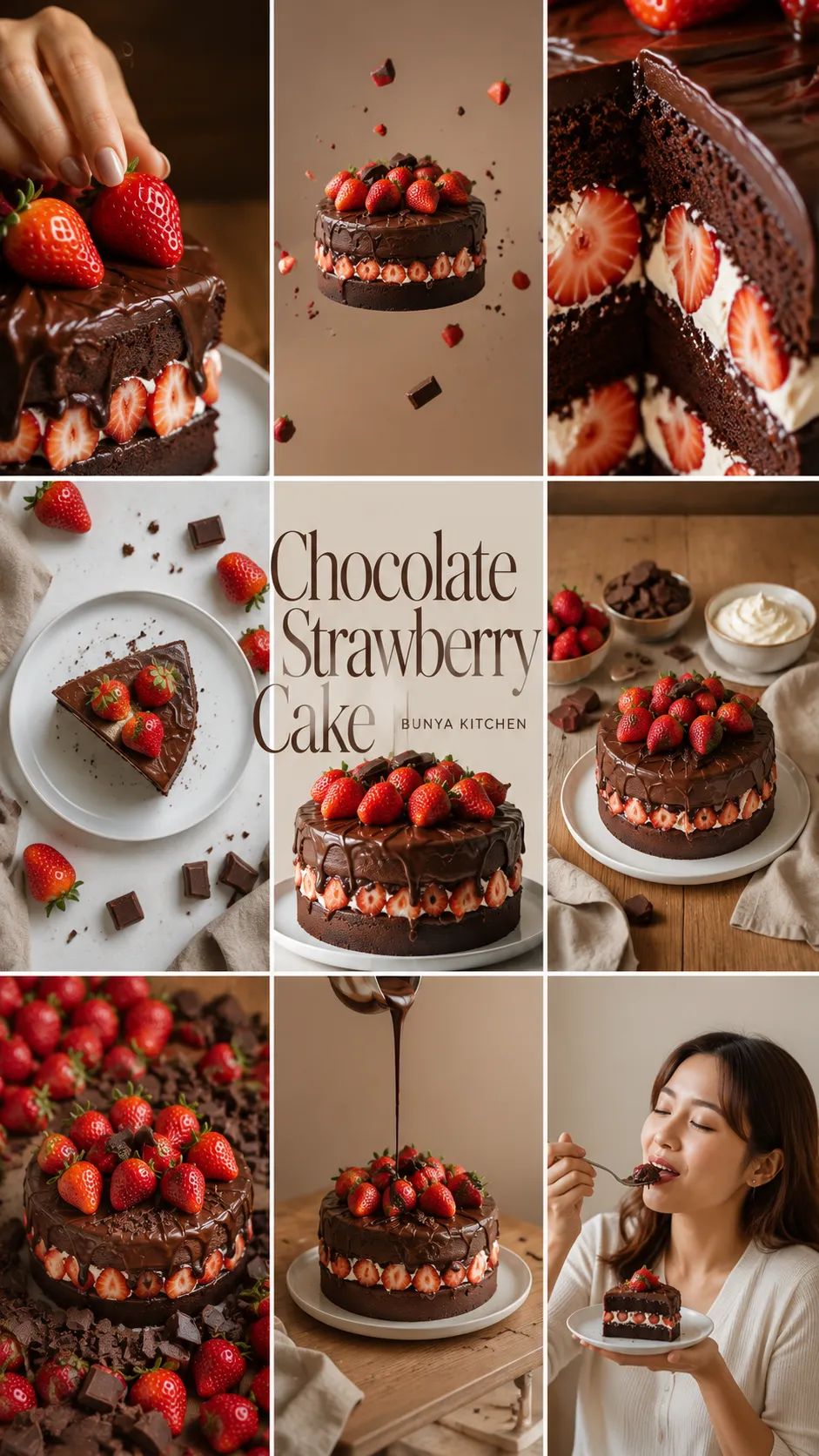
Prompt template
- Format
- Text Parameterized
- Inputs
- Product_photo (image) · Required product_name (text) · Optional · Default: Gado Gado brand_name (text) · Optional · Default: Dapoer Bunya
- Outputs
- Campaign_board (image)
Replace the ${…} placeholders with your values
before using this prompt. See parameters
and defaults below.
Create an image. Use ONLY the uploaded real product photo(s) as the product reference. Create ONE cohesive premium editorial campaign—not nine unrelated posts. The final campaign board must be a 9:16 portrait canvas with exactly nine visible, equal square feed positions.

Product name: ${product-name:Gado Gado}
Brand name: ${brand-name:Dapoer Bunya}

CREATIVE DIRECTOR MODE
Act as a creative director, editorial art director, commercial product photographer, food stylist, brand designer, and advertising designer. Before generating, analyze the product category and type, brand identity, target audience, product personality, shape, texture, packaging, color palette, portion, main ingredients, signature visual elements, and suitable photography, typography, and lighting styles. Identify the primary ingredient and the visual elements consumers most strongly associate with the product.

CATEGORY ADAPTATION
Automatically classify the product (for example: beverage, coffee, tea, dessert, bakery, cake, donut, snack, savory food, rice dish, noodles, or frozen food). Adapt the creative direction to the detected category; do not reuse the same direction for different products.

For beverages, Scenes 2, 4, and 8 must each feature a different dynamic movement, such as floating, splash, swirl, rotation, pouring, flying ice, liquid ribbons, motion blur, ingredient explosion, or gravity-defying composition. Scenes 2 and 8 use a small product shot. Keep the label readable and the product the hero.

For food, bakery, dessert, or savory products, only Scene 2 uses dynamic movement, such as floating product, flying toppings, ingredient explosion, breaking action, steam, or falling crumbs. All other scenes use elegant editorial food photography.

PRODUCT PRESERVATION
Do not redesign or alter the real product. Preserve its shape, texture, color, ingredients, toppings, packaging, labels, branding, portion, and serving style. Use photorealism only.

DESIGN AND COMPOSITION
The campaign should feel premium, editorial, modern, minimal, sophisticated, highly appetizing, authentic, and suitable for commercial advertising. The product is always the hero. Keep 50–70% of most scenes as clean negative space. Prefer simple backgrounds: solid studio colors, soft gradients, seamless backdrops, matte surfaces, stone, or acrylic pedestals. Use environmental props only when they genuinely support the story; avoid unnecessary leaves, linen, plants, decorative props, and random shadows.

Make every scene feel like a different commercial photoshoot. Do not repeat camera angles, composition, crop, background, lighting, product placement, or prop arrangement. Use asymmetrical layouts and vary product placement instead of centering every scene.

SCENES
1. Human connection — Extreme close-up of only a talent’s hands naturally interacting with the product; no face. Use a clean, plain background.
2. Wow hero — Create the strongest first impression, with large negative space. For food, use one dynamic movement. For beverages, use a small floating hero shot.
3. Texture — Extreme macro highlighting freshness, texture, and delicious details.
4. Packaging or splash — For food, show packaging or a flat lay. For beverages, create a dynamic splash with liquid that matches the drink.
5. Brand recognition — Use the product name as the headline and the brand name as the subheadline. Create oversized editorial typography in an asymmetrical composition. Typography should read as one continuous artwork spanning Scenes 4–6, but must remain behind the product and never cover it.
6. Ingredient story — Show the product with its primary ingredient and signature visual elements. Keep the scene elegant, minimal, and premium.
7. Creative signature — Let the product naturally emerge from, or be partially surrounded by, its primary ingredient. Do not bury the label or create a chaotic arrangement.
8. Editorial lifestyle — For food, create a premium editorial environment. For beverages, create a dynamic signature advertising scene using a different movement from Scenes 2 and 4; use a small product shot.
9. Purchase desire — Show one half-body talent with a natural expression genuinely enjoying the product: a first bite, first sip, or moment of satisfaction. Avoid fashion or “cool” poses. Keep the product the visual hero.

TYPOGRAPHY
Only Scene 5 contains oversized typography, with the headline set to the product name and the subheadline set to the brand name. The artwork may span Scenes 4–6 as described above, but must never cover the product.

FINAL QUALITY AND AVOIDANCES
Deliver commercial advertising quality with editorial branding, photorealism, high detail, natural lighting, premium styling, balance, minimalism, and strong appetite appeal. Do not create CGI or plastic-looking food. Do not change the product, packaging, ingredients, or branding. Do not overcrowd the layout, repeat compositions, camera angles, movement styles, or backgrounds, center every composition, add unnecessary decoration, create a Canva-style layout, or let typography cover the product. Prioritize realism, appetite appeal, premium editorial design, strong visual hierarchy, and commercial storytelling.
Parameters
Replace each placeholder with your own value, or use its default when one is provided.
                                        ${product-name:
                                            Gado Gado}
product-name
Default: Gado Gado
                                        ${brand-name:
                                            Dapoer Bunya}
brand-name
Default: Dapoer Bunya




Comments — 0