- Category
- Photography
Spontaneous Nighttime Flash Portrait
Create a candid, photorealistic nighttime portrait of a woman in a black leather jacket, using a reference image to preserve her identity and natural features.
By Threads — Published on — Modified on
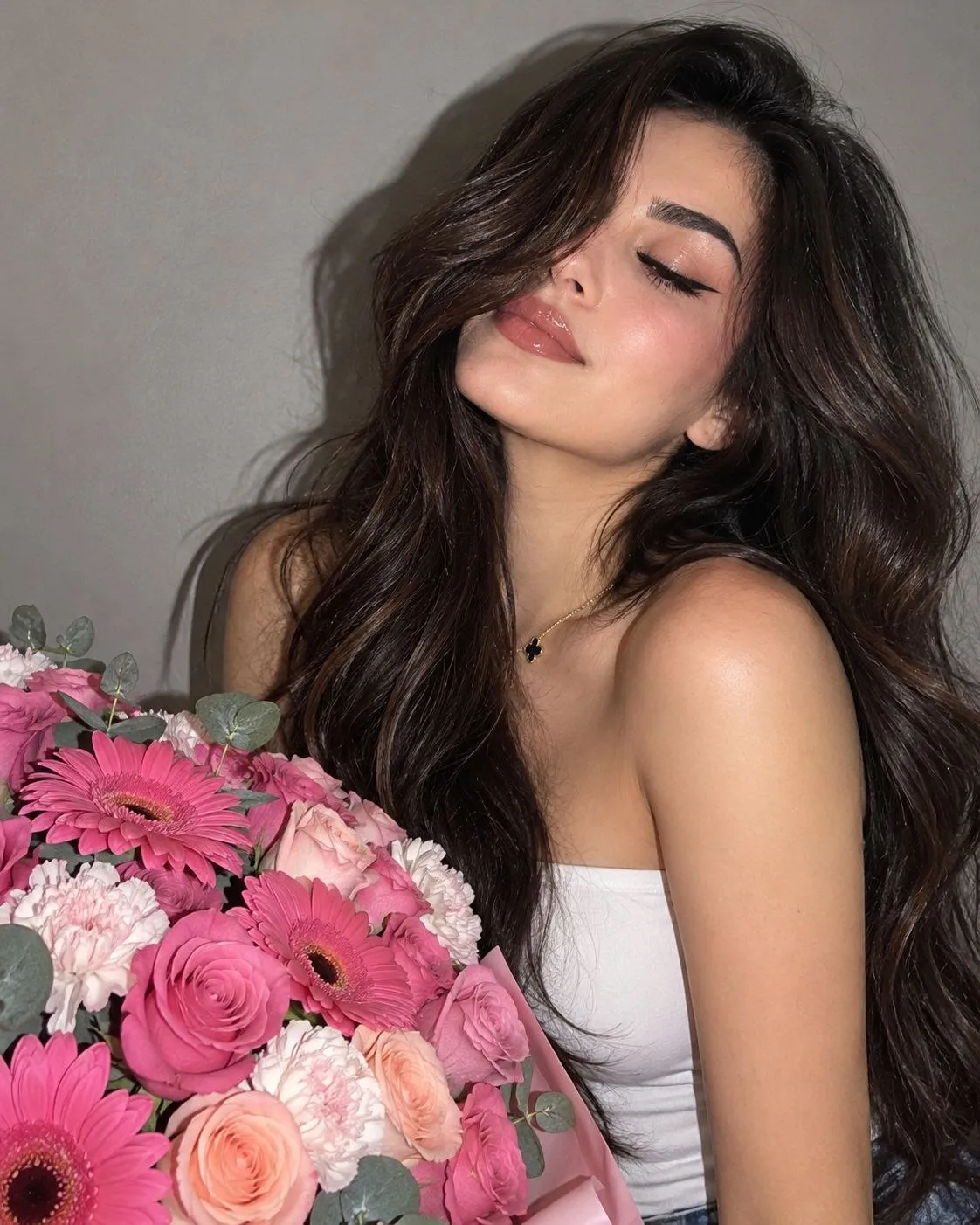
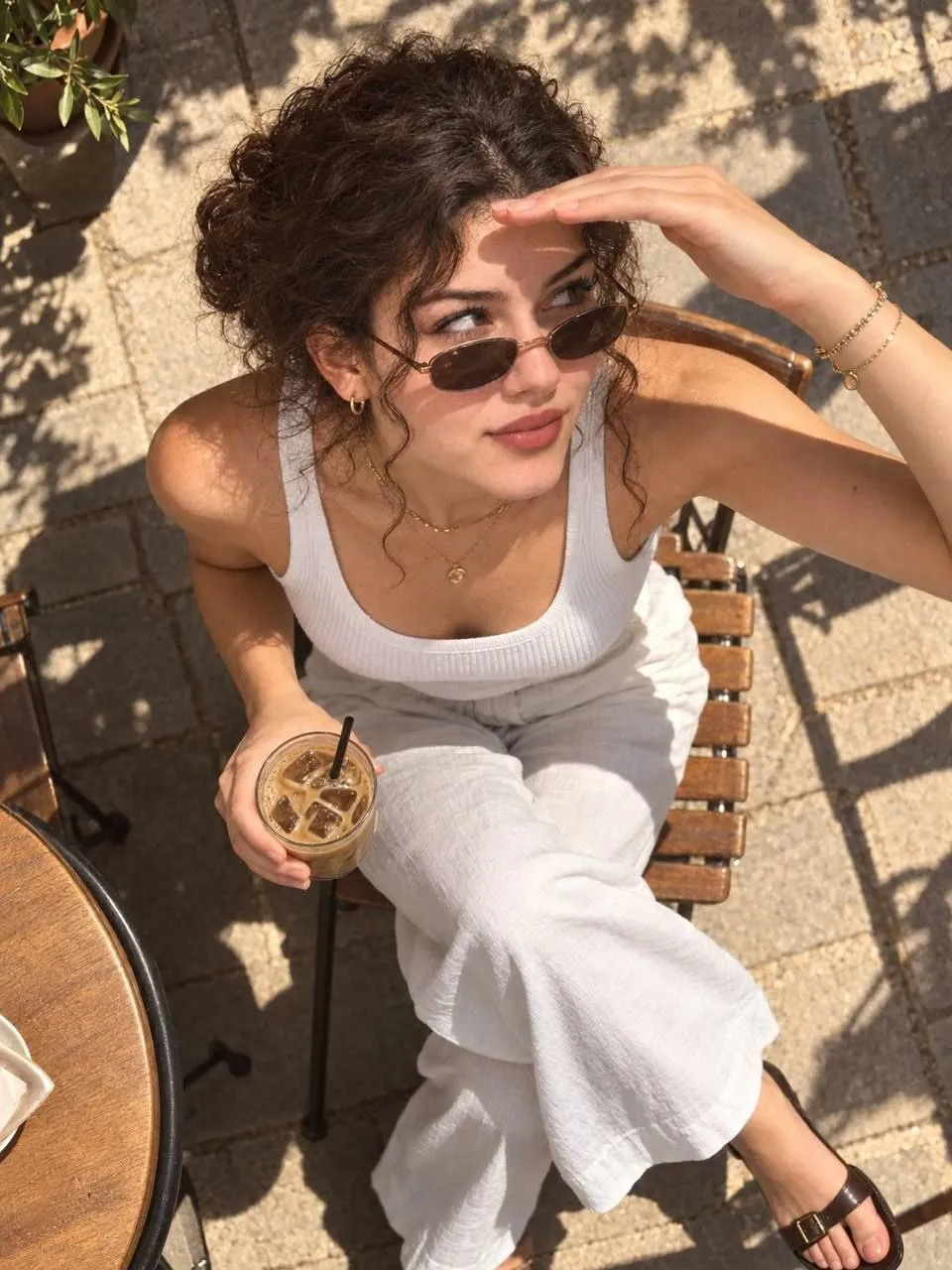
Example images

Prompt template
0 copies
- Format
- Text
- Inputs
- Reference_image (image) · Required
- Outputs
- Portrait (image)
Create a hyper-realistic portrait, preserving 100% of the real features of the person in the reference image.

Recreate an amateur, spontaneous, natural nighttime photograph, as if captured by someone nearby using a compact digital camera or a smartphone with direct flash in a dimly lit outdoor setting. The image should feel like a genuine moment caught by surprise, without an overly staged pose, the appearance of a professional photoshoot, or retouching that erases the skin’s natural characteristics.

COMPOSITION AND FRAMING:

Use a vertical photograph with an approximate 9:16 aspect ratio, framed from the upper thighs to slightly above the head. Place the woman in the center-right of the image, with much of the background on the left completely dark. Position the camera slightly behind her and a little above shoulder level, capturing her back at a three-quarter angle. Keep the framing close, casual, and slightly imperfect, like a quick photo taken during a night out.

Her body faces forward, moving partly away from the camera, while her head turns over her shoulder to look toward the photographer. The neck rotation should feel comfortable and anatomically natural, without exaggeration. Keep the shoulder line asymmetrical to follow the spontaneous twist of her torso. Her silhouette should not look stiff or overly composed.

POSE AND FACIAL EXPRESSION:

The woman is turned away from the camera, with her face turned over her shoulder as she looks toward the photographer with a cheerful, genuinely spontaneous expression. She has an open smile, naturally showing her upper teeth, with slightly raised cheeks, the corners of her mouth turned upward, and small expression lines appearing around her eyes. The smile should feel like the result of a joke or real interaction, not an artificially perfect expression.

One arm is raised above her head. Her hand rests on the top of her head, gently holding a section of hair near the roots, as if she were adjusting a high ponytail. Her fingers are naturally curved, with small differences in height between them and no stiffness. Her elbow remains raised and partially blends into the dark background silhouette.

Her head is tilted slightly toward her shoulder, and a few loose strands frame her face and the side of her neck. Her posture should convey ease, movement, and spontaneity. Do not exaggerate the curve of her spine, the rotation of her neck, or the position of her arms.

HAIR AND MOVEMENT:

Keep the hair’s appearance, length, and tone as seen in the reference image, without specifying a particular color. It is tied in a high ponytail, but not perfectly neat. Its length falls down her back in voluminous sections, with irregular waves, some more defined curls at the ends, and individual strands escaping at the sides.

The texture should show realistic variations in volume, overlapping strands, small flyaway areas, and subtle highlights from the flash. Some sections follow the movement of her head and rest on the jacket. Avoid uniform strands, repetitive curls, or an excessively tidy hairstyle.

CLOTHING — BLACK LEATHER JACKET:

The main garment is a black leather jacket with the appearance of worn genuine leather, a dark finish, and irregular shine. The material should have a slightly aged surface, alternating matte areas with soft, localized reflections. It should not look like plastic, glossy vinyl, or perfectly smooth synthetic fabric.

The jacket has a roomy cut, substantial structure, and a loose fit across the back and shoulders. The material forms voluminous, asymmetrical folds at the elbows, back, and waist, with diagonal creases caused by her pose. Taut areas have fine fold lines, while looser areas form deeper pleats and dark shadows.

The seams are clearly visible, sewn with discreet thread in a slightly contrasting dark tone. Emphasize the curved and diagonal seams crossing the back to form irregular geometric panels. Include a central seam and lines following the garment’s structural design, especially around the shoulders and lower back. The edges have reinforced finishing, with small variations in thickness and sheen.

Add a discreet horizontal pocket at the lower back, with a stitched outline and a narrow opening. The material should show subtle signs of wear, small variations in texture, and reflections that follow its natural folds. Keep the jacket predominantly black, with graphite nuances in the illuminated areas and nearly black shadows on surfaces facing away from the flash.

The jacket covers the shoulders, arms, and almost the entire torso, ending at the waist. Only a small strip of dark fabric from the garment underneath may be visible below the jacket’s hem. Do not add logos, prints, text, buckles, or adornments that are not visible in the reference.

NIGHTTIME LIGHTING:

The setting is at night, with very little ambient light. The main light source is a direct flash, positioned close to and facing forward from the camera, illuminating her face, raised hand, and the parts of the jacket facing the lens.

The flash produces relatively hard lighting, typical of casual nighttime photography. The illuminated skin has concentrated highlights on the forehead, cheeks, tip of the nose, and fingers, while shadows form quickly along the sides of the face, beneath the chin, and in the jacket’s folds.

The light should reveal the leather’s texture without erasing details in the dark areas. Reflections are small, irregular, and consistent with the material’s curvature. The skin receives warm, direct light, while the background remains predominantly black, with very few recognizable details.

There may be a small, distant, faint yellowish point of light on the left side of the background, blurred by distance. Do not create studio lighting, colored lights, artificial outlines around her body, or a nonexistent light source. The transition between the illuminated woman and the dark background should be abrupt, as in nighttime flash photography.

SKIN AND MAKEUP:

Preserve the skin’s natural texture, with subtle pores, small irregularities, slight differences in tone, and natural shine in areas hit by the flash. Do not apply porcelain-skin effects, excessive smoothing, or an artificially uniform finish.

The makeup is subtle and suitable for a casual night out. The skin has light coverage, localized correction, and a natural finish. Keep the eyebrows’ hairs and contours defined without making them excessively geometric. The eyes have subtle makeup, with mascara and soft definition along the lash line. The lips have a natural finish, without exaggerated outlining, preserving their real lines and volume.

The smile should preserve the natural anatomy of the lips, gums, and teeth, without excessive whiteness or artificial alignment. The flash may subtly highlight the lips’ natural moisture and the reflections on the teeth.

BACKGROUND AND SETTING:

The background is very dark, almost black, with no clearly identifiable decorative elements. It should look like an outdoor space at night, where the ambient light is insufficient to reveal the surroundings. The intentional absence of background detail helps emphasize the illuminated figure.

Do not add studio walls, furniture, landscapes, signs, text, or objects that are not present in the reference image. Keep the background realistic, with only nearly imperceptible tonal variations.

PHOTOGRAPHIC TREATMENT AND COLOR PALETTE:

Use a casual digital nighttime photography aesthetic, with direct flash, pronounced contrast, and the appearance of a photograph taken with a compact camera or an older-generation smartphone.

The palette consists of deep black, graphite, warm natural skin tones, and subtle brown reflections in the illuminated hair and leather. Overall saturation is moderate, with dark tones predominating. The white balance should preserve the skin’s slightly warm appearance without making the scene excessively orange.

Apply subtle photographic treatment, similar to a nighttime photography filter, with moderately elevated contrast, dense shadows, concentrated highlights, and nearly imperceptible fine grain. Preserve small capture imperfections, slight softness in more distant details, and discreet loss of information in deep shadows. The image should not have exaggerated digital sharpness, intense HDR, or the look of a retouched advertising photograph.

REALISM AND FIDELITY:

Faithfully preserve the facial features, facial proportions, expression, body structure, and individual characteristics of the person in the reference image. Do not alter her facial identity or invent physical features.

Maintain correct anatomy in the hands, fingers, arms, shoulders, and neck. Keep the jacket’s folds realistic, the direction of the light consistent, and the relationship between the body and the background natural.

The result should look like a real photograph, captured in a fraction of a second during a spontaneous interaction, with flash lighting, natural texture, casual framing, and a restrained photographic finish.

AVOID: the appearance of a computer-generated image, artificially smooth skin, excessive beauty retouching, forced facial symmetry, a stiff pose, an artificial smile, excessively tidy hair, plastic-looking leather, distorted seams, elongated fingers, poorly positioned hands, exaggerated cinematic lighting, an artificial background, excessive sharpness, unrealistic colors, and any decorative element that is not present in the reference image.



Comments — 0