- Category
- Design & Image
- Model
- openai-gpt-image
- Tags
- person textile-art 3d-render
Textile-Art Designer Toy Bust from Two References
Transform a real-photo subject into an exaggerated 3D textile-art toy bust, using a minimalist toy image for style guidance only.
By Threads — Published on — Modified on
Example images


Prompt template
0 copies
- Format
- Text
- Inputs
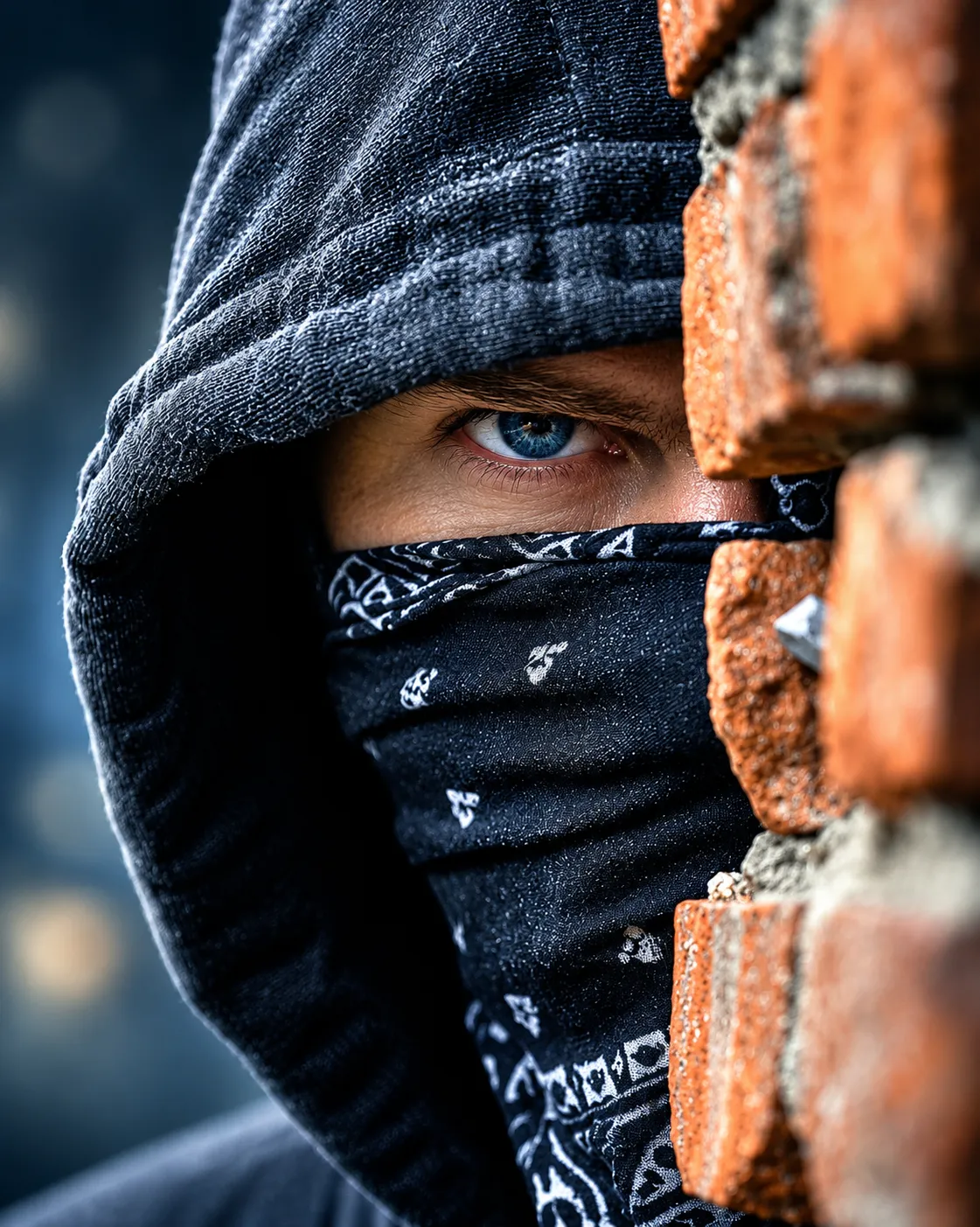
- Real_photo (image) · Required
- Outputs
- Designer_toy_bust (image)
Create a 1:1 square stylized 3D textile-art designer-toy bust using the attached images.

REFERENCE LOGIC:
Identify the images by their content, regardless of their order. The REAL PHOTO is the only source of identity and content—it determines WHAT appears. The minimalist TOY ON WHITE is a style reference only—it determines HOW it is rendered.

SUBJECT:
Preserve the real subject’s identity, expression, pose, hairstyle, clothing, accessories, visible objects, and contact relationships. Treat the photo as a strict whitelist: depict ONLY what is actually visible; never invent or complete anything outside the frame. Extract 2–5 identity anchors, exaggerate 1–2, and simplify the rest.

DESIGN:
Transform the subject into an exaggerated, humorous textile designer toy—not a fuzzy filter. Create a huge, horizontally wide, rounded head (75–90% of the image width), a broad rounded-square or short-cylinder face, tiny centrally clustered features, and generous negative space on the face. Use tiny black bead or capsule eyes, a small rounded-block nose, and a short-line or tiny-opening mouth that matches the expression. Turn the hair into oversized sculptural yarn loops or clusters. Add slight handmade asymmetry and a compressed miniature body.

HANDS:
Match the exact number of visible hands. If no hands are visible, include none. If one hand is visible, include exactly one. Preserve its direction, sleeve cuff, gesture, and contact with objects.

STYLE & MATERIALS:
Use a stylized 3D textile-art toy aesthetic with sculptural knit or crochet, chunky yarn loops and clusters, and micro-flocked or fine-felt surfaces. Use short, dense fine felt for the face, hands, and small parts; use chunky knit or crochet for hair, hats, and clothing. Prioritize abstraction and exaggeration while keeping the subject recognizable.

COLOR:
Use a deliberate 3–5 color palette with a dominant color, a strong contrasting accent, a supporting color, and a neutral. Avoid monochrome, all-neutral, rainbow, or mechanical stripe palettes.

COMPOSITION:
Create a tight head-and-shoulders close-up with the oversized head dominating the square frame. Cropping is allowed; never add unseen anatomy. Use a warm-white seamless studio background, soft bright lighting, subtle highlights, and short soft shadows.

RESTRICTIONS:
Do not use realistic eyes, nostrils, lips, skin, or individual hair strands. Avoid generic 3D cartoon styling, plastic, clay, wax, long-pile plush, readable text or logos, rooms, and complex backgrounds. Convert any visible text or logos into unreadable woven patterns. Do not inherit the style reference’s identity, body, pose, hairstyle, clothing, accessories, props, or colors.

REAL PHOTO = WHAT to depict.
STYLE REFERENCE = HOW to depict it.
If they conflict, always preserve the real photo’s content.



Comments — 0
Tried this prompt? Share what you made, compare results, or ask a question.