- Category
- Art & Illustration
- Model
- midjourney-v7
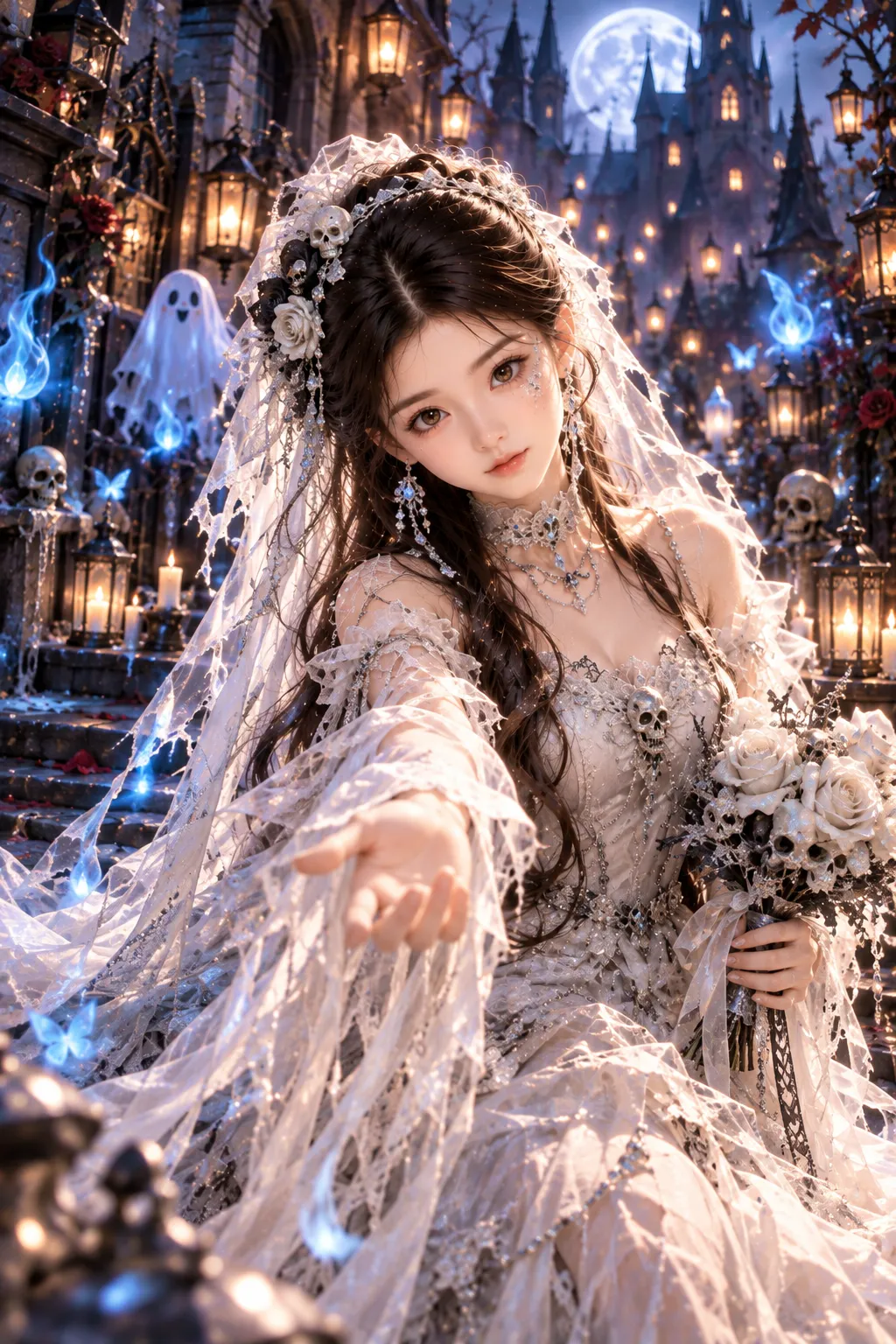
The Forgotten Muse — A Portrait Lost in Time
Transform a reference subject into a haunting Renaissance-inspired oil portrait, blending a photorealistic face with the texture of an aged painting.
By Threads — Published on — Modified on
Example images


Prompt template
0 copies
- Format
- Text
- Inputs
- reference_image (image) · Required
- Outputs
- generated_image (image)
Transform the subject in the uploaded reference image into a mysterious, forgotten Renaissance-inspired muse preserved inside an ancient oil painting, hidden for centuries in an abandoned European art museum. Create ultra-photorealistic cinematic fine art that combines classical painting, historical decay, and haunting timeless elegance.

ABSOLUTE IDENTITY PRESERVATION: Faithfully preserve the subject’s original identity and features. For a human subject, retain facial geometry, forehead, eye shape, iris color, eye spacing, eyebrows, nose, lips, jawline, hairline, hairstyle, hair color, skin tone, natural asymmetry, body proportions, and apparent age. This prompt may also be used with girl characters, Blythe dolls, BJD dolls, cats, dogs, and anthropomorphic animals. Preserve each subject’s defining features: for animals, retain species, fur markings, ears, muzzle, paws, and tail; for dolls, retain sculpted features, glass eyes, articulation, and original materials. Do not beautify, replace the identity, or humanize the subject.

POSE, EXPRESSION, AND WARDROBE: Seat the subject inside a monumental, aged gilded frame, gazing directly forward with a melancholic expression, quiet dignity, and an air of long waiting. Use an elegant three-quarter seated pose with one shoulder turned slightly. Preserve the original hairstyle. Dress human-shaped subjects in a faded ivory velvet Renaissance-inspired gown with delicate antique lace and a small pearl brooch; adapt the clothing appropriately to animals, dolls, or other subjects while preserving their original structure.

REALITY-TO-PAINTING TRANSITION: Keep the eyes, nose, lips, and central facial features strikingly photorealistic, with natural pores, eyelashes, fine facial hairs, and delicate skin texture. Gradually transition from the face outward toward the hair, neck, shoulders, and clothing into delicate oil-painting brushwork, layered pigments, and thick impasto. Preserve the central facial features without cracks so the subject remains recognizable.

AGED SURFACE: Show aged linen canvas, fine craquelure, yellowed varnish, and restrained flaking pigment, with the wear of centuries visible across the painting but not obscuring the defining facial features.

ENVIRONMENT: Set the portrait in a long-abandoned ancient art museum. Include dusty marble floors, dark walnut gallery walls, faint antique portraits in the distance, and a monumental tarnished gilded frame. A narrow beam of golden natural light from a high window illuminates the subject’s eyes and cheekbones. Use Renaissance chiaroscuro, deep cinematic shadows, and dust particles suspended in the air.

CAMERA AND COMPOSITION: Use an 85mm portrait lens, f/1.8, shallow depth of field, RAW detail, and HDR. Compose vertically in 9:16, showing both the entire frame and the subject’s face. Keep the framing balanced and cinematic.

Avoid excessive beautification, plastic skin, distorted anatomy, extra body parts, text, and watermarks.

--ar 9:16 --v 7 --raw --s 150 --q 2 --no text, watermark, distorted anatomy, plastic skin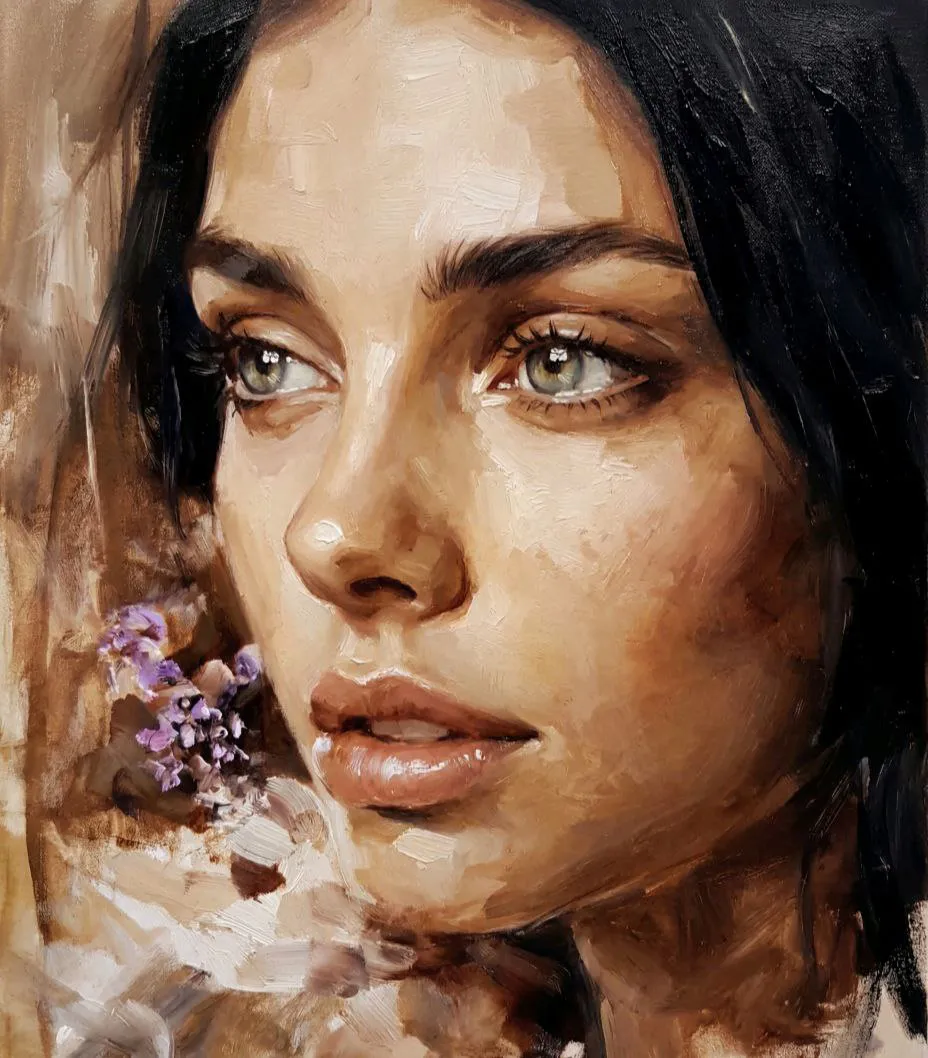




Comments — 0
Tried this prompt? Share what you made, compare results, or ask a question.