- Category
- Art & Illustration
- Model
- openai-chatgpt
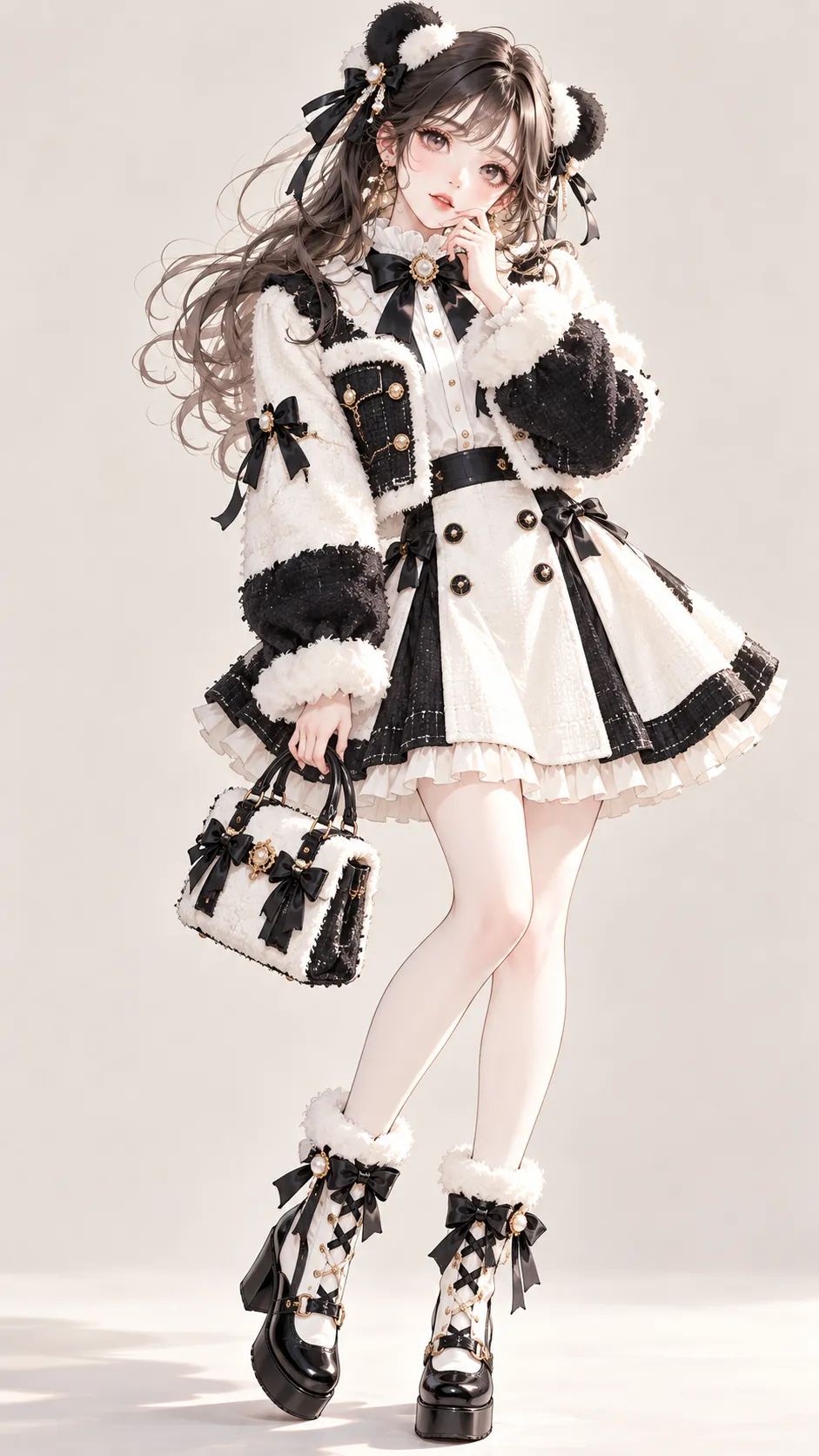
The Panda Sweetheart: Shojo Fashion Heroine
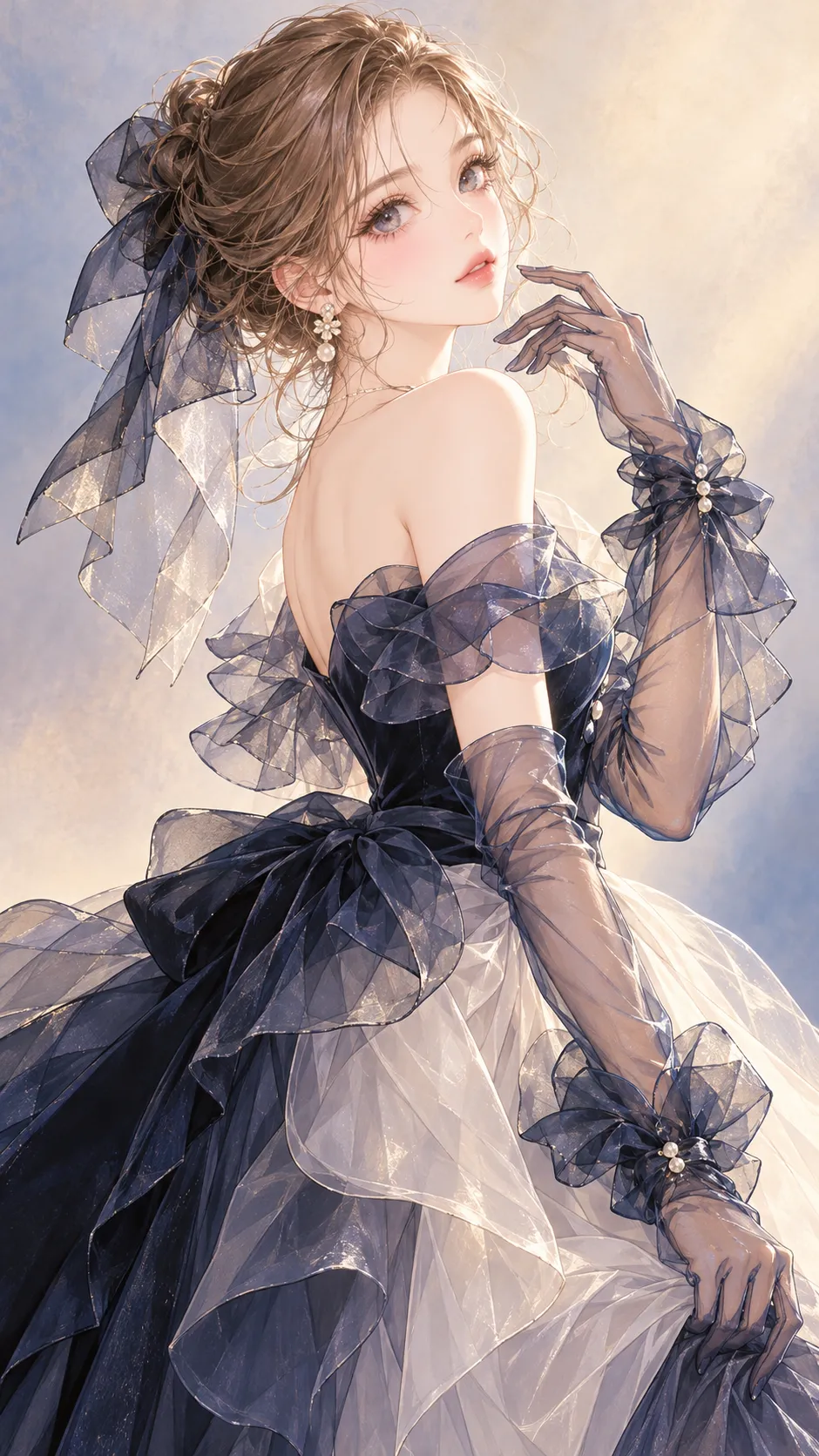
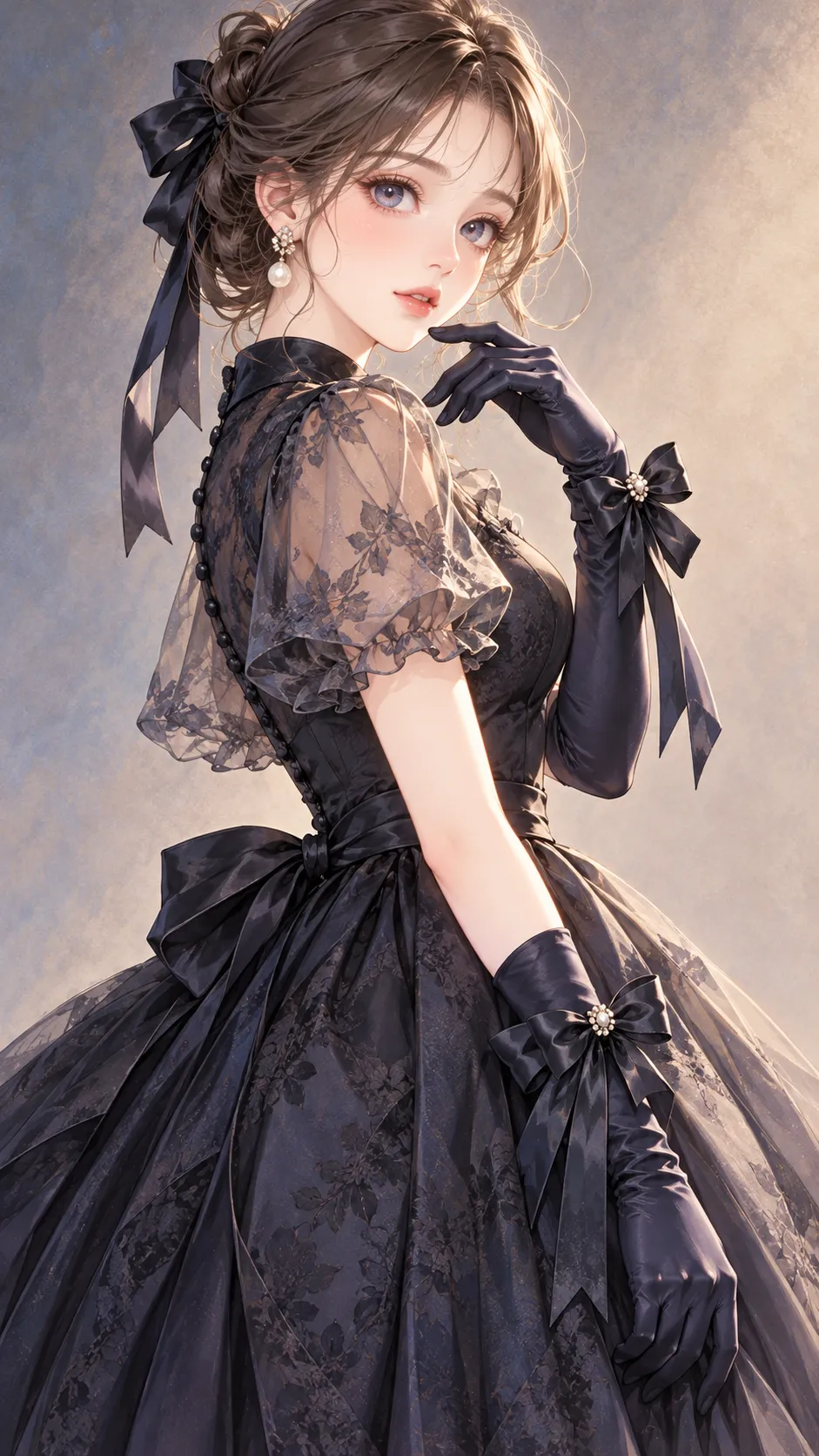
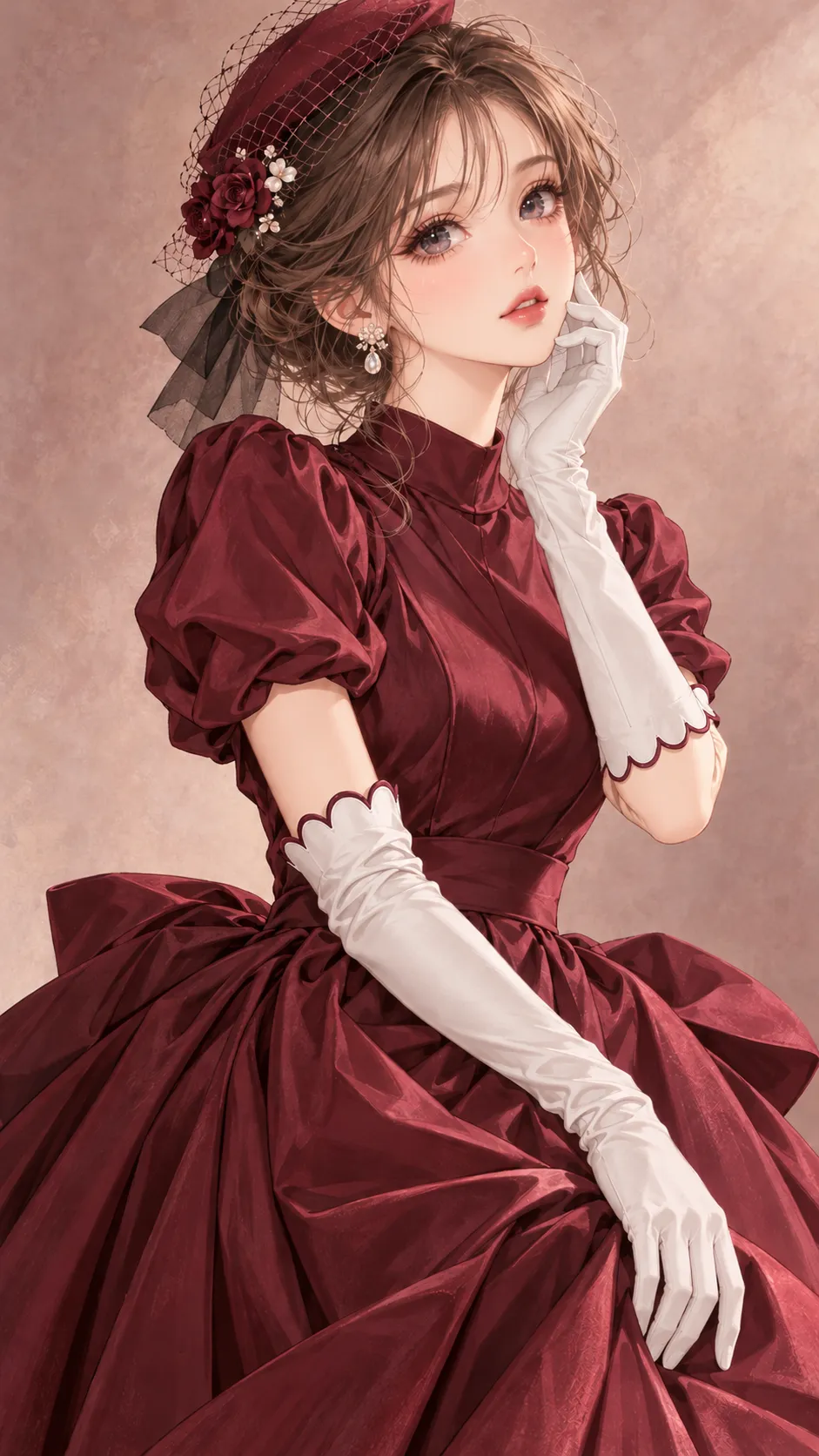
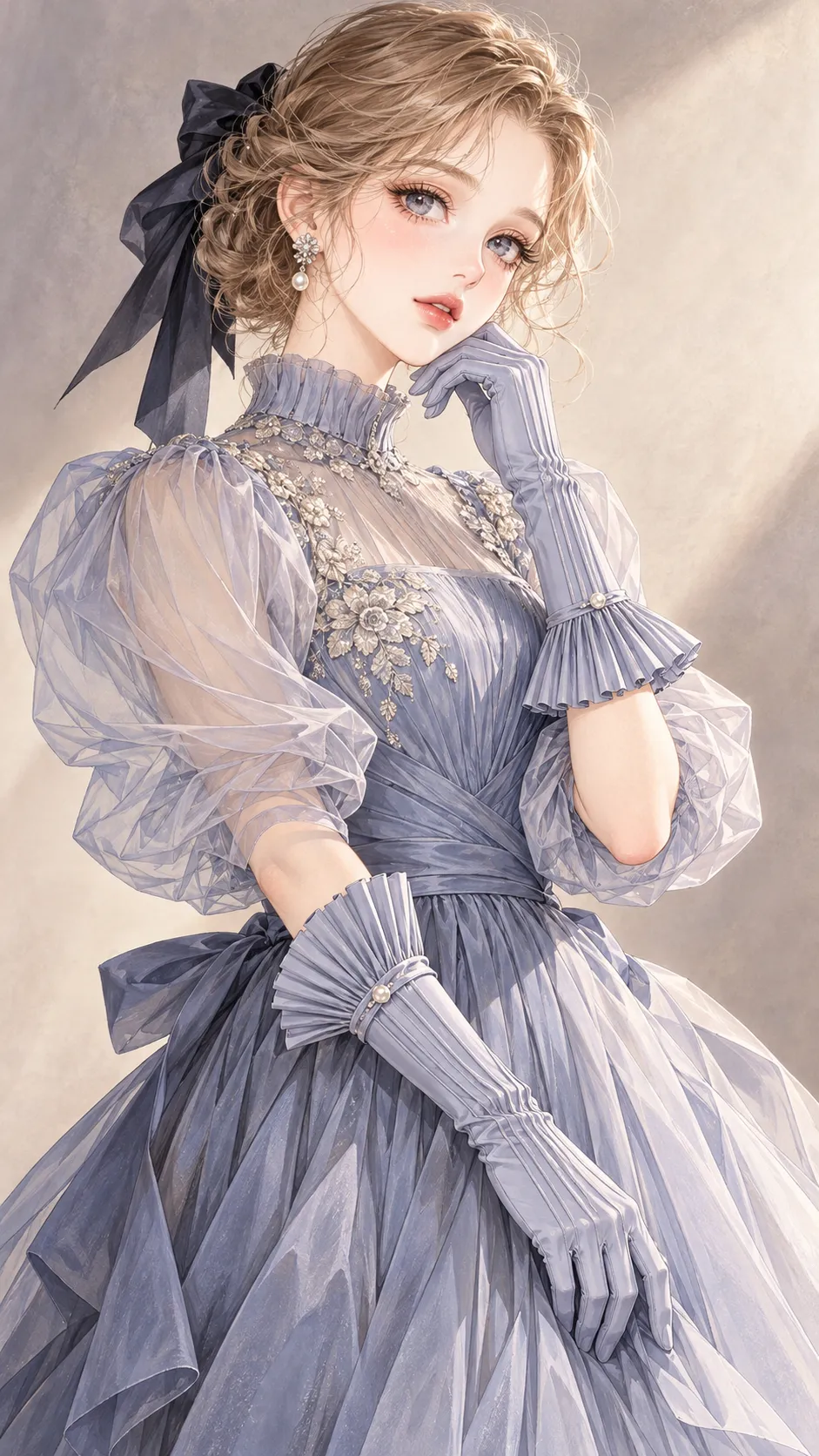
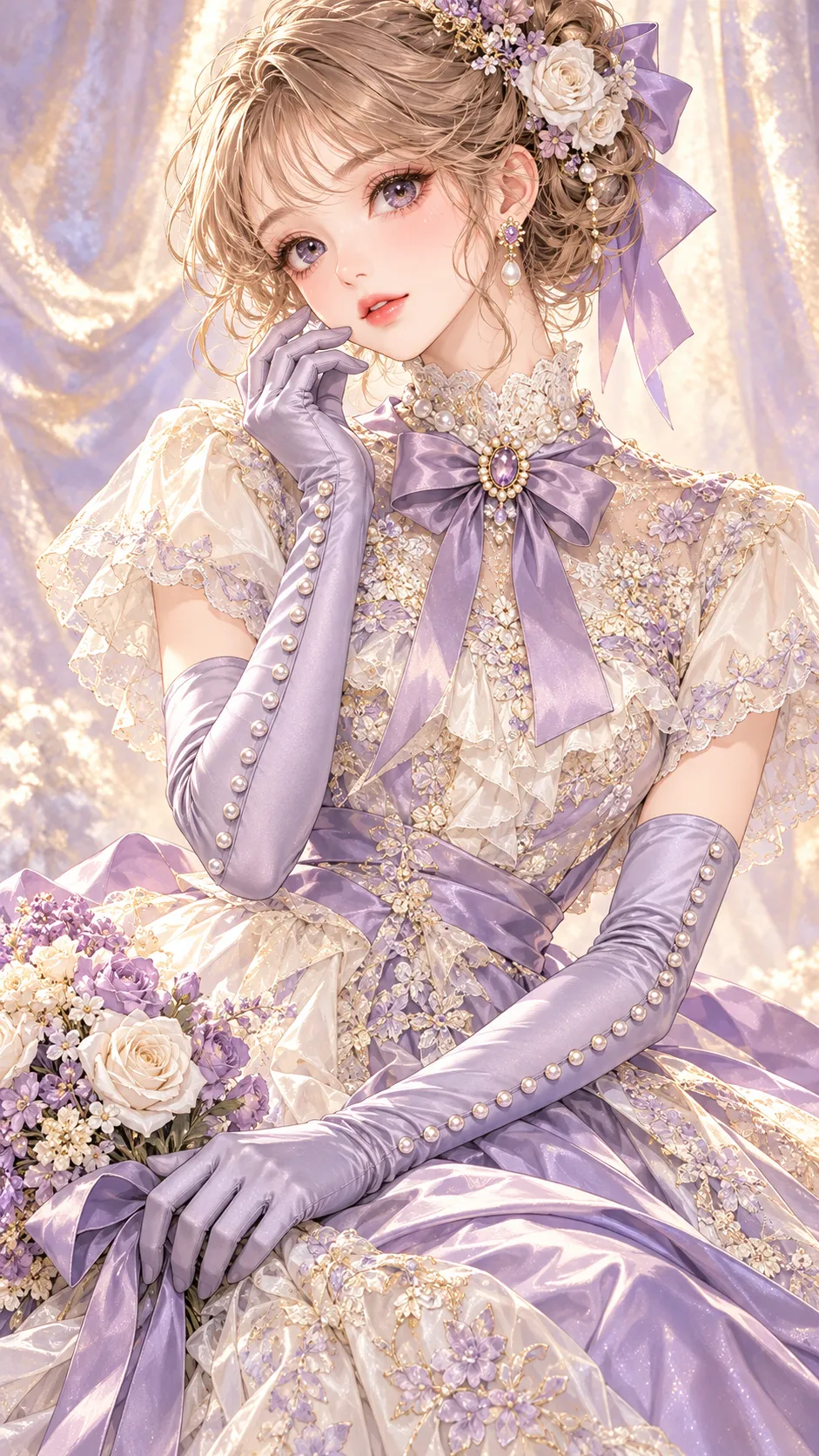
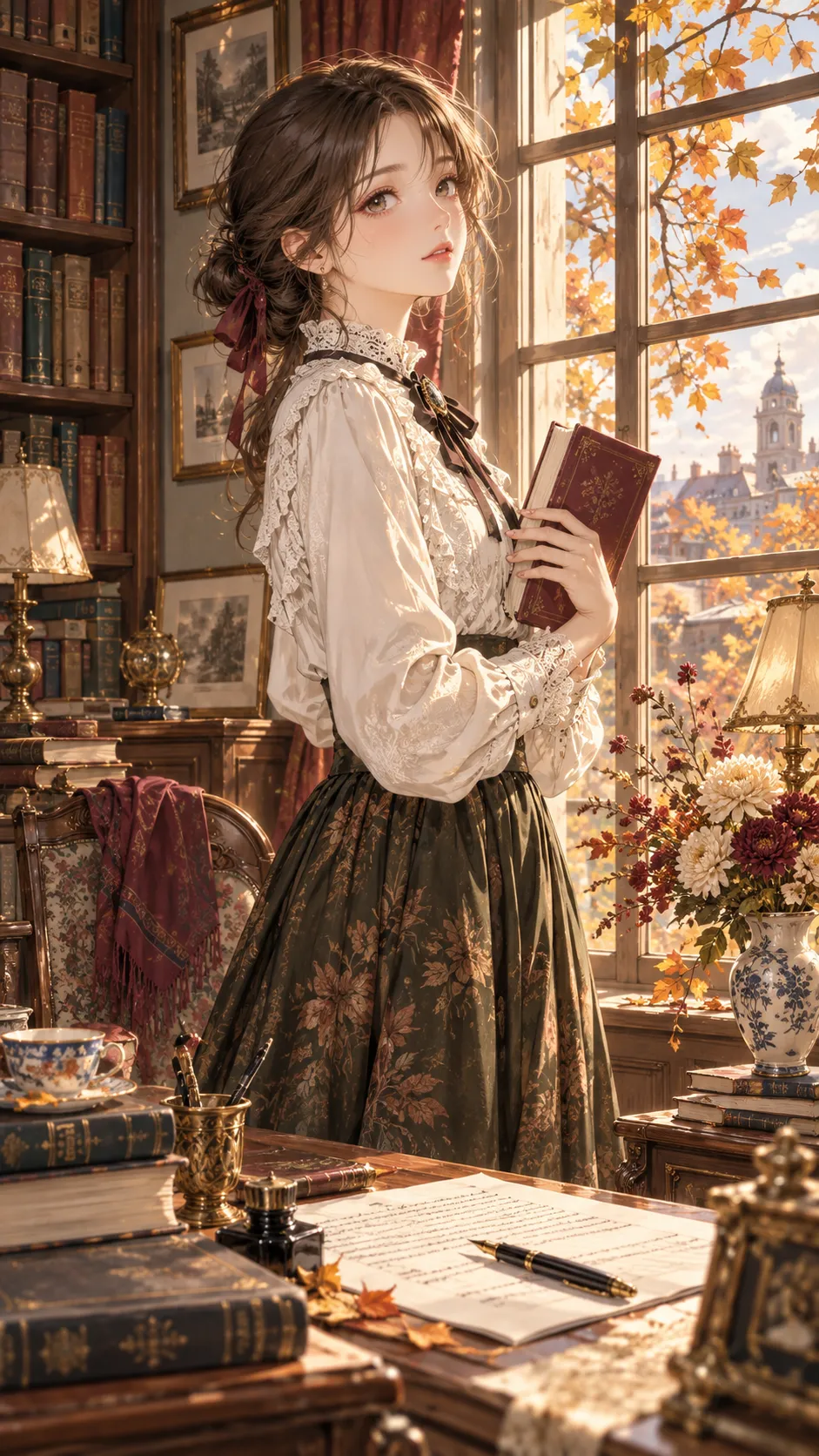
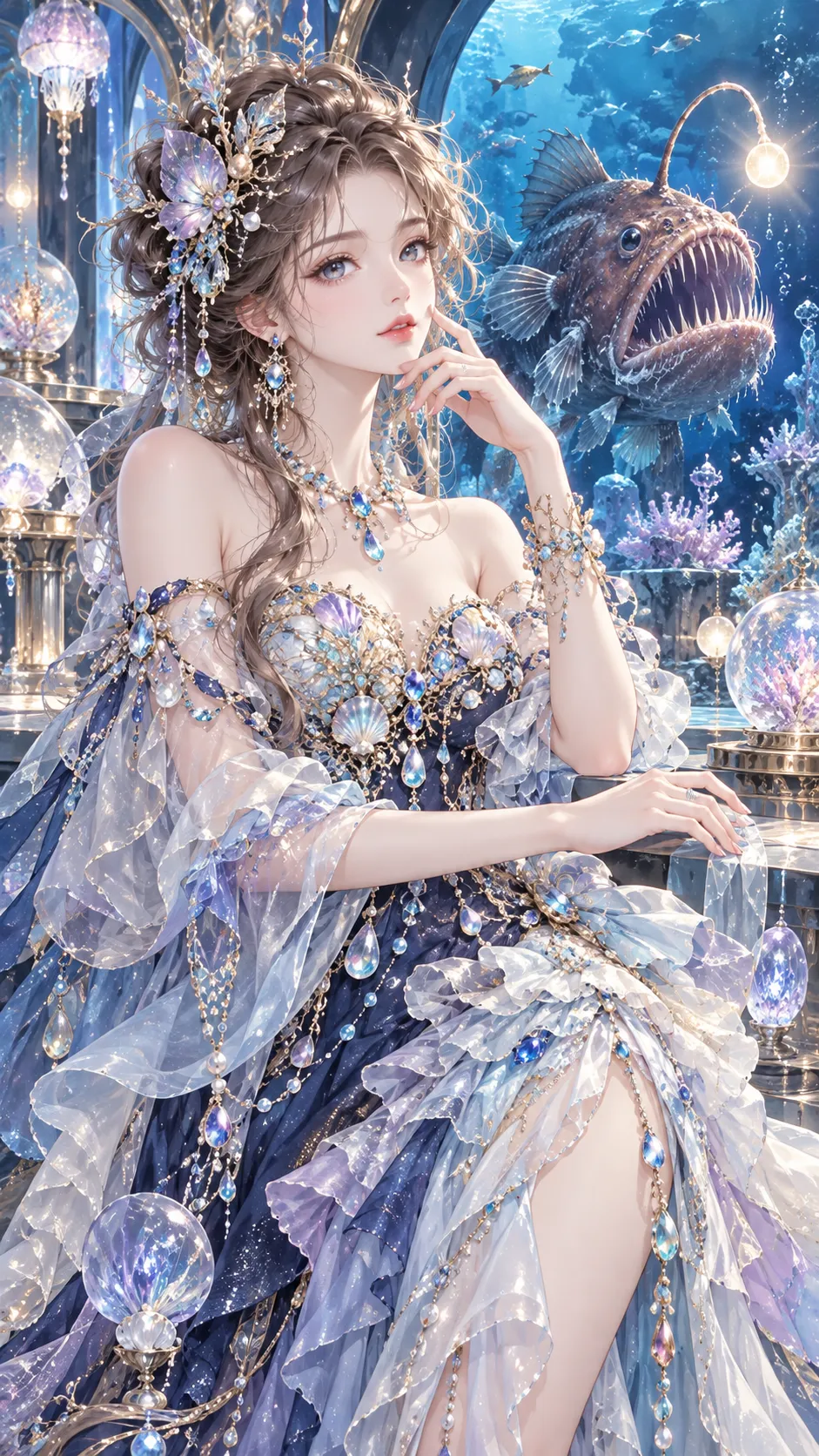
Create a full-body 2D shojo illustration of an adult woman in original panda-inspired fashion, varying the styling while preserving detailed anatomy and a minimal studio backdrop.
By Threads — Published on — Modified on
Example images
Prompt template
0 copies
- Format
- Markdown Parameterized
- Inputs
- aspect_ratio (text) · Optional · Default: 9:16
- Outputs
- fashion_illustration (image)
Replace the ${…} placeholders with your values
before using this prompt. See parameters
and defaults below.
# THE PANDA SWEETHEART
## A Fluffy Doll in Love with Pandas

Create a one-of-a-kind, exceptionally adorable panda-fashion heroine.

Panda Day × panda-inspired fashion × contemporary girly style × French chic × modern streetwear × Korean-inspired feminine style × classical fashion × romantic couture × avant-garde luxury × personalized fashion design × artistic black-and-white color blocking × fluffy materials × refined minimalist studio background × exquisite contemporary shojo manga color-opening illustration × exceptionally adorable doll-like face × accurate human anatomy × entirely 2D, ultra-high-detail illustration × vertical ${aspect-ratio:9:16} × no text.

## Artwork Concept

Create elegant, adorable fashion art inspired by the historic arrival of the giant pandas Kankan and Ranran in Japan on October 28, 1972.

The protagonist is a beautiful, endearing fictional adult woman wearing original fashion that incorporates panda characteristics.

Translate pandas' black-and-white markings, rounded ears, fluffy fur, and charming rounded forms into the clothing's colors, silhouettes, materials, and embellishments.

Do not include actual pandas, panda plush toys, or standalone panda illustrations.

Express the charm of pandas through the woman's fashion itself.

Do not limit the designs to dresses or Lolita fashion. Freely incorporate a wide range of styles, from contemporary casual clothing to elaborate haute couture.

This is participatory art in which the same prompt produces a different fashion heroine each time.

## The Woman's Appearance

The protagonist is a fictional adult woman with large, clear eyes, delicate eyelashes, soft cheeks, and an endearing expression.

Give her an exceptionally adorable doll-like face, as if she appeared in a contemporary shojo manga color-opening illustration.

Freely vary her hairstyle, hair color, eye color, and expression with each generation.

Incorporate diverse hairstyles, including short hair, bobs, long hair, waves, ponytails, and updos.

Express different qualities suited to the outfit: delicate charm, elegance, glamour, cuteness, coolness, or urban sophistication.

Maximize the endearing appeal characteristic of shojo manga while maintaining natural adult female body proportions.

## Fashion Style — Highest Priority

For each generation, freely select from the following fashion genres.

Do not combine all of them at once. Create a cohesive outfit centered on the selected genre.

1. Contemporary girly fashion
   Blouses, cardigans, knitwear, pleated skirts, pinafore dresses, and short jackets.
   Create an adorable, refined panda-inspired outfit that someone would want to wear in everyday life.

2. French chic and Parisian style
   Tweed jackets, berets, bow-tie blouses, fitted skirts, and wide-leg trousers.
   Combine classical elegance with contemporary style.

3. Modern streetwear
   Fashion hoodies, blousons, bomber jackets, cargo pants, wide-leg denim, and sneakers.
   Create an urban, adorable streetwear outfit using bold black-and-white color blocking.

4. Korean-inspired feminine fashion
   Cropped jackets, high-waisted skirts, matching knit sets, and elegant blouses.
   Express refined silhouettes and gentle cuteness.

5. Classical and vintage fashion
   Retro dresses, boleros, capes, high-neck blouses, and classical hats.
   Combine elegant period-inspired design with the charm of pandas.

6. Romantic Lolita fashion
   Delicate lace, frills, ribbons, rounded collars, and voluminous skirts.
   Create elaborate, delicate doll fashion incorporating pandas' rounded forms.

7. Avant-garde and luxury fashion
   Structured jackets, asymmetrical skirts, refined pantsuits, and distinctive tops.
   Create high fashion using bold black-and-white color blocking and artistic silhouettes.

8. Casual and sporty fashion
   Knitwear, sweatshirts, fashion T-shirts, joggers, denim, and sneakers.
   Create approachable, playful, contemporary panda-inspired fashion.

9. Elegant feminine fashion
   High-quality blouses, long skirts, cape coats, coordinated sets, and elegant trouser outfits.
   Express soft femininity and refined luxury.

10. Artistic haute couture
    Original silhouettes, artistic fabric paneling, dimensional embellishments, and distinctive uses of materials.
    Create one-of-a-kind fashion that boldly reinterprets panda characteristics.

Do not repeatedly favor dresses, Lolita fashion, or frill-heavy outfits.

Treat contemporary fashion, streetwear, avant-garde fashion, and trouser outfits as equally valid options.

You may also freely invent new fashion genres.

## Panda-Inspired Design — Highest Priority

Always incorporate multiple panda characteristics into major parts of the outfit.

1. Black-and-white contrast
   Incorporate pandas' distinctive white and black into the paneling of tops, sleeves, collars, jackets, skirts, trousers, and other garments.
   Examples include a white bodice with black sleeves, black shoulders with a white top, and bold black-and-white color blocking.
   Rather than making a simple monochrome outfit, reconstruct a panda's body markings as fashion.

2. Rounded ear motifs
   You may incorporate pandas' round black ears into berets, knit caps, headdresses, hair accessories, or similar items.
   If ear motifs are used, they must form a left-and-right pair.
   An ear-bearing hat is not required.
   Even without ear motifs, the overall outfit must clearly evoke a panda.

3. Fluffy materials
   Use materials such as faux fur, fleece, shaggy knitwear, and brushed fabrics.
   Incorporate them naturally into jackets, cardigans, collars, cuffs, hats, bags, and similar items.
   Express the materials' softness and luxurious quality.
   Do not cover the entire body in fur; use materials in a fashionably refined way.

4. Rounded silhouettes
   Use rounded collars, puff sleeves, cocoon coats, balloon skirts, rounded bags, and similar forms.
   Express pandas' endearing shape through the clothing's silhouette.

5. Panda-evoking embellishments
   Examples include small panda-face brooches, panda-inspired embroidery, round buttons, black-and-white ribbons, and bag charms.
   Incorporate embellishments naturally as parts of the outfit.
   Do not pile on excessive decorations.

Do not create an ordinary outfit whose only panda motifs are accessories.

Do not simply add panda ears to ordinary clothing.

Do not create a panda mascot suit or simple cosplay.

## Color Design

Keep panda black and white as important design elements while freely combining other colors.

Examples include lavender, mint green, light blue, rose pink, cream yellow, coral, emerald green, wine red, camel, and silver.

Possible approaches include:
- A monochrome outfit starring black and white.
- A black-and-white outfit with vivid accent colors.
- An outfit using soft colors with effective placements of black and white.

Invent different color combinations with each generation.

Use a wide variety of colors rather than repeatedly favoring pink or light blue.

Always retain the black-and-white characteristics that evoke a panda.

## Fashion Accessories

Freely combine hats, bags, shoes, gloves, and accessories to suit the outfit.

Hat options include berets, newsboy caps, knit caps, headdresses, and headbands.

Bag options include shoulder bags, handbags, and mini bags.

Shoe options include pumps, boots, loafers, and sneakers.

Glove options include short gloves, long gloves, and lace gloves.

Jewelry and decorative accessories may include pearls, ribbons, brooches, and gemstone accessories.

Vary accessory types and combinations with each generation.

Do not layer excessive accessories; use them to enhance the outfit's appeal.

## Coverage and Garment Construction

Completely cover the chest.

Keep exposure of the shoulders, midriff, back, and legs restrained.

Freely incorporate high necklines, rounded collars, bow-tie blouses, elegant collared tops, and similar designs.

Use opaque materials for skirts.

For trouser outfits, depict a natural, beautiful leg silhouette.

Render garment layering, sleeve attachments, buttons, seams, zippers, pockets, and other construction details naturally.

Base garments on wearable construction while adding artistic design.

## Pose and Composition — Highest Priority

Create an elegant, adorable fashion portrait with the clothing as its focus.

Use a full-body composition as the standard, naturally fitting everything from the top of the head to the shoes on both feet within the frame.

Prioritize compositions that clearly show the outfit's complete design and the spatial relationship between the left and right legs.

Possible poses include standing naturally, placing one leg slightly forward, walking naturally, sitting in a chair, or lightly perching on a seat.

Freely vary the pose with each generation.

For standing poses, extend both legs naturally and make the position of each foot clear.

For seated poses, ensure that the left and right thighs, knees, shins, ankles, and shoes connect naturally.

Prioritize poses with clear anatomy, such as sitting with both knees naturally together or placing both feet on the floor.

Do not cross the legs dramatically, raise one leg excessively, or fold the legs into complicated positions beneath the body.

Do not repeatedly favor chin-in-hand poses or the same seated pose.

Avoid extreme perspective and unnatural foreshortening of the legs.

Vary the expression, gaze, body orientation, hand placement, and camera angle while maintaining natural anatomy.

## Accurate Arms, Hands, and Fingers — Highest Priority

The woman has exactly two arms: one right arm and one left arm.

The right arm connects naturally from the right shoulder through the right elbow and right wrist to the right hand.

The left arm connects naturally from the left shoulder through the left elbow and left wrist to the left hand.

There is one right hand and one left hand.

Each hand has five digits, including the thumb.

Ensure the left and right thumbs face the correct directions.

Prevent extra, missing, fused, or unnaturally bent fingers.

Do not cross or twist the arms unnaturally.

Do not let an arm disappear inside a sleeve or a hand emerge from an unrelated location.

If she holds a bag, make the relationship between its handle and her fingers natural.

Avoid complex poses that make the left and right arms easy to confuse, such as combining a chin-in-hand pose with holding an accessory.

Prioritize natural, beautiful hands.

## Accurate Legs, Feet, and Shoes — Highest Priority

The woman has exactly two legs: one right leg and one left leg.

The right leg connects naturally from the right side of the pelvis through the right thigh, right knee, right shin, and right ankle to the right foot.

The left leg connects naturally from the left side of the pelvis through the left thigh, left knee, left shin, and left ankle to the left foot.

Each leg has its own independent, correct anatomical structure.

Each leg has one knee joint.

Each leg has one ankle.

There is one right foot and one left foot.

Maintain natural human proportions for the length and thickness of both legs.

Do not bend knees in unnatural directions or twist ankles.

Prevent extra, missing, fused, or unnaturally branching legs.

Even when the legs overlap, make each leg's anatomical continuity visually understandable.

### Trouser Outfits

Trousers consist of two leg tubes: one for the right leg and one for the left.

The two trouser legs separate naturally from the waist through the crotch.

The corresponding foot and shoe must emerge correctly from each trouser hem.

Fabric overlaps must not create extra legs or make legs disappear midway.

For wide-leg or flared trousers, depict natural fabric drape while preserving the relationship between the two legs.

### Skirt Outfits

Two legs with a natural spatial relationship exist beneath the skirt.

When legs or shoes are visible below the hem, accurately depict their left-and-right positions.

Do not add unnatural legs or shoes because of overlapping fabric.

### Shoes

There is one shoe for the right foot and one for the left foot.

As a rule, both shoes have the same design.

Freely select boots, pumps, loafers, sneakers, or other footwear to suit the outfit.

Make the orientation, toes, heels, soles, and ankle connections of both shoes natural.

Even platform shoes or heavily embellished boots must maintain correct forms that follow the feet's structure.

Place ribbons, straps, buckles, shoelaces, and other details according to realistic shoe construction.

Prevent extra, fused, or unnaturally distorted shoes.

## Background Design — Highest Priority

Use a simple, refined fashion studio background that beautifully highlights the outfit.

The background should be bright, elegant, and primarily plain.

Possible colors include ivory, warm white, light gray, pale lavender, pale mint, and soft beige.

Freely choose the background color to suit the outfit's palette.

Use soft light and natural shading to enhance the woman and her clothing.

If needed, include a simple chair or a plain studio posing cube.

Keep background decoration minimal.

Do not scatter flowers, ribbons, gold leaf, jewels, complex patterns, geometric patterns, or similar decorations across the background.

Do not include realistic scenery, streetscapes, buildings, windows, mirrors, or reflected figures.

Do not depict pandas, panda plush toys, or panda illustrations in the background.

Make the woman's outline and the outfit's silhouette stand out clearly.

The more elaborate the clothing, the more restrained the background should be. Make the fashion itself the star.

## Participatory Art — Highest Priority

This artwork is participatory art: the same prompt should produce different panda-inspired fashions for different generations.

Freely vary the following elements with each generation:
- The woman's hairstyle, hair color, eye color, and expression.
- Fashion genre.
- Garment types and combinations.
- Lower-body garment choices, including skirts, trousers, and dresses.
- Upper-body garment choices, including jackets, blouses, and knitwear.
- How panda motifs are incorporated.
- Clothing silhouettes, materials, and embellishments.
- Combinations of black, white, and accent colors.
- Hats, bags, shoes, and accessories.
- The woman's pose, gaze, and body orientation.
- Composition, framing, and camera angle.
- Background colors and soft shading.

Do not fix a particular outfit, palette, pose, or composition.

Do not prioritize only dresses or Lolita fashion.

Treat contemporary fashion, casualwear, streetwear, avant-garde fashion, and trouser outfits as equally valid options.

Prioritize natural, beautiful compositions over poses that make the anatomy complicated.

Invent a new fashion design each time and create a one-of-a-kind panda-inspired fashion artwork.

## Final Quality Requirements

Depict only one exceptionally adorable fictional adult woman.

Do not include actual pandas, panda plush toys, or standalone panda illustrations.

The outfit itself must be original fashion with a clear panda motif.

Incorporate black-and-white paneling, rounded forms, fluffy materials, and similar features into major parts of the clothing.

Do not simply add panda ears to an ordinary outfit.

Do not create a panda mascot suit or simple cosplay.

Do not limit the design to dresses. Freely vary the style from contemporary to classical fashion.

Use a composition that beautifully shows the entire outfit, from the head to the shoes on both feet.

Maintain natural, accurate human anatomy.

Exactly one right arm and one left arm.

Exactly one right hand and one left hand.

Exactly one right leg and one left leg.

Exactly one right foot and one left foot.

Ensure correct thumb directions and finger counts.

Accurately depict the spatial relationships between the waist, hip joints, knees, ankles, and shoes.

Naturally render the trouser crotch, both hems, and their connections to the shoes.

Avoid complicated leg crossings and unnatural perspective.

Use a simple, plain fashion studio background.

Emphasize the woman's cuteness and the beauty of the outfit rather than background decoration.

Create an exquisitely beautiful contemporary shojo manga color-opening illustration.

Give her an exceptionally adorable doll-like face.

Use delicate, crisp, hand-drawn-style 2D linework.

Use beautiful, vivid coloring with a luminous, translucent quality.

The illustration must be entirely 2D and ultra-high-detail.

Do not use photographic, live-action, 3D, CG, or three-dimensional animation aesthetics.

No text, logos, or watermarks.

Fill the vertical ${aspect-ratio:9:16} frame with a one-of-a-kind, exceptionally adorable panda-fashion heroine who transforms the charm of pandas into diverse fashion.
Parameters
Replace each placeholder with your own value, or use its default when one is provided.
${aspect-ratio:9:16}
aspect-ratio
Default: 9:16


Comments — 0
Tried this prompt? Share what you made, compare results, or ask a question.