Handheld Illustrated Memory Card in a Real Smartphone Photo
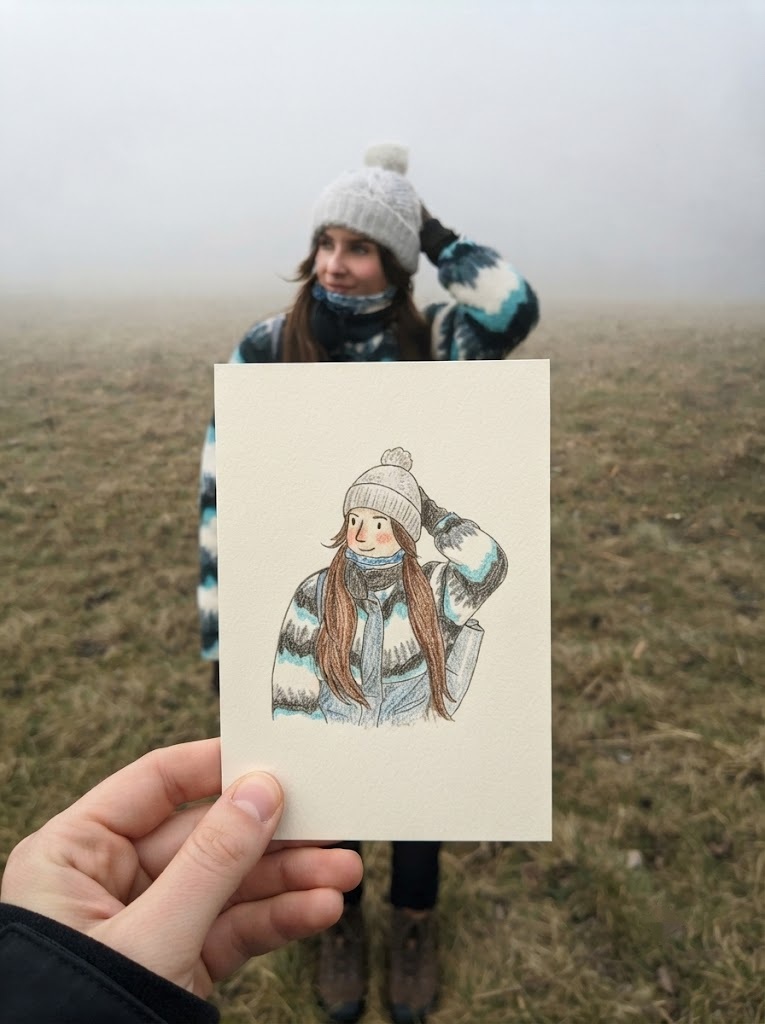
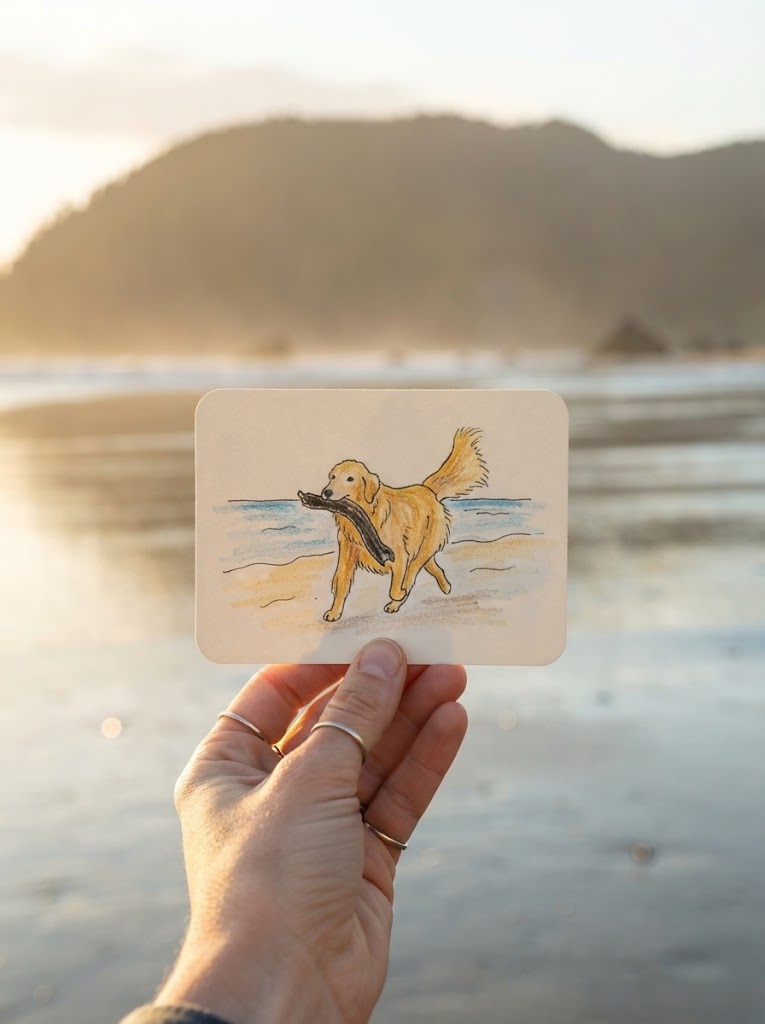
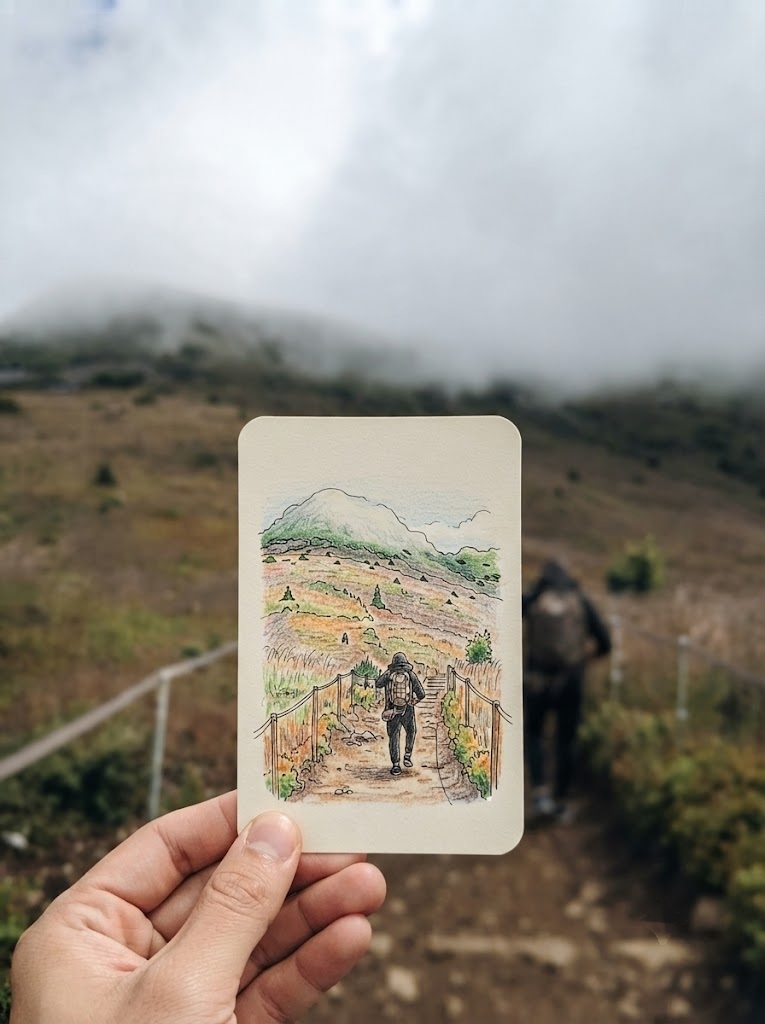
Transform a reference photo into a realistic smartphone photograph of a hand holding a rounded, illustrated card in front of the same softly blurred scene.
Example outputs
Prompt template
- Format
- Text Parameterized
- Inputs
- reference_photo (image) · Required
- Outputs
- smartphone_photo (image)
Use ${reference-photo} as the sole source for the scene, people, objects, clothing, poses, and overall mood.

Transform the photo into a single, realistic smartphone photograph. Keep the original scene as a real photographic background, with one hand-held illustrated card prominently in the foreground, obscuring part of the scene.

Keep the background photographic and recognizable as the same place and situation as in the original. Apply a strong shallow depth of field: soft, natural blur, realistic lens bokeh, subdued background detail, and a gentle falloff out of focus. Preserve the original photo’s broad composition, direction of light, color palette, and arrangement of main subjects. Do not replace the background with a different location.

Add only one illustrated card in the foreground, held by a real human hand close to the camera. The hand should enter naturally from the lower edge of the frame, with the fingers visibly gripping the card. Preserve realistic skin texture, nail shapes, contact shadows, perspective, and natural hand anatomy.

The card is a slightly irregular rectangle with softly rounded corners, warm off-white paper margins, slight thickness, and a handmade-object texture. It is held in front of the camera, covering part of the real background, and should look like a printed illustrated card being held up for comparison with the scene behind it.

Keep the card layout fixed: surround the illustration with a warm off-white paper margin of roughly equal width on all four sides, and place the illustration directly on the paper. Do not add a printed border, inner frame, box line, or decorative outline inside the card.

Do not put any text on the card: no captions, handwriting, place names, dates, signatures, numbers, or logos. Do not copy any text from signs, posters, packaging, or clothing in the original photo. If the original scene contains signs or printed text, depict them inside the card only as text-free blocks of color. Do not add scribbles that resemble writing.

Inside the card, redraw the main people, objects, and spatial relationships from the original photo as a hand-drawn, colored cartoon illustration. Show the same subjects and recognizable actions in a simple, lively picture-book illustration style. Preserve visible hairstyles, types of clothing, expressions, gestures, distinctive accessories, carried objects, and interactions between people. Keep the number of people, animals, and carried objects exactly the same as in the original photo. Draw the dog in a running pose.

Use expressive, dark ink outlines with slightly uneven, organic strokes. Add colored-pencil and crayon-like texture, visible paper grain, somewhat rough hand coloring, simplified forms, warm natural colors, and an intentionally handmade finish. The card illustration should look like a personal travel sketch, a memory card, or a small printed comic illustration—not a slick digital cartoon.

Make the card illustration clearly correspond to the real scene visible behind it, so the contrast between the photographic background and hand-drawn foreground is evident. You may simplify anatomy, facial details, background structures, and surface textures in the card illustration, but keep the original photo’s content recognizable.

Composition: vertical smartphone photograph, close framing. The card occupies the foreground slightly below the center of the frame, with the real environment visible around it. Focus sharply on the card and the hand holding it, and keep the background distinctly blurred. Use natural perspective, realistic depth, subtle lens softness, and plausible contact shadows around the card.

The result must look like a single photograph taken in real life, not a collage or graphic-design mockup.

Avoid: any text or lettering on the card; inner border lines on the card; turning the background into an illustration; replacing the original location; a floating card; a perfectly straight digital rectangle; a glossy commercial poster; clean vector illustration; a photographic image printed on the card; logos or watermarks; extra hands; malformed fingers; duplicated people; props absent from the original; incorrect perspective; roughly cut edges; artificial shadows; extreme fisheye distortion; or a blurred card.
Replace the ${…} placeholders with your values
before using this prompt. See parameters
and defaults below
Parameters
Replace each placeholder with your own value, or use its default when one is provided
${reference-photo}
reference-photo
Required
What you'll create
A real hand holds a slightly irregular off-white illustrated card close to the camera. The recognizable photographic setting remains behind it in soft natural bokeh, preserving the source scene’s arrangement and light direction.
Frequently asked questions
Does the whole scene become an illustration?
Only the foreground card is illustrated; the background remains photographic.









Comments
Tried this prompt? Share what you made, compare results, or ask a question