Transform a Reference Photo into a 3D Animated Feature-Film Scene
Recreate a reference photograph as a cohesive, premium 3D animated movie frame while preserving the person’s recognizable features and the original scene composition.
Example outputs
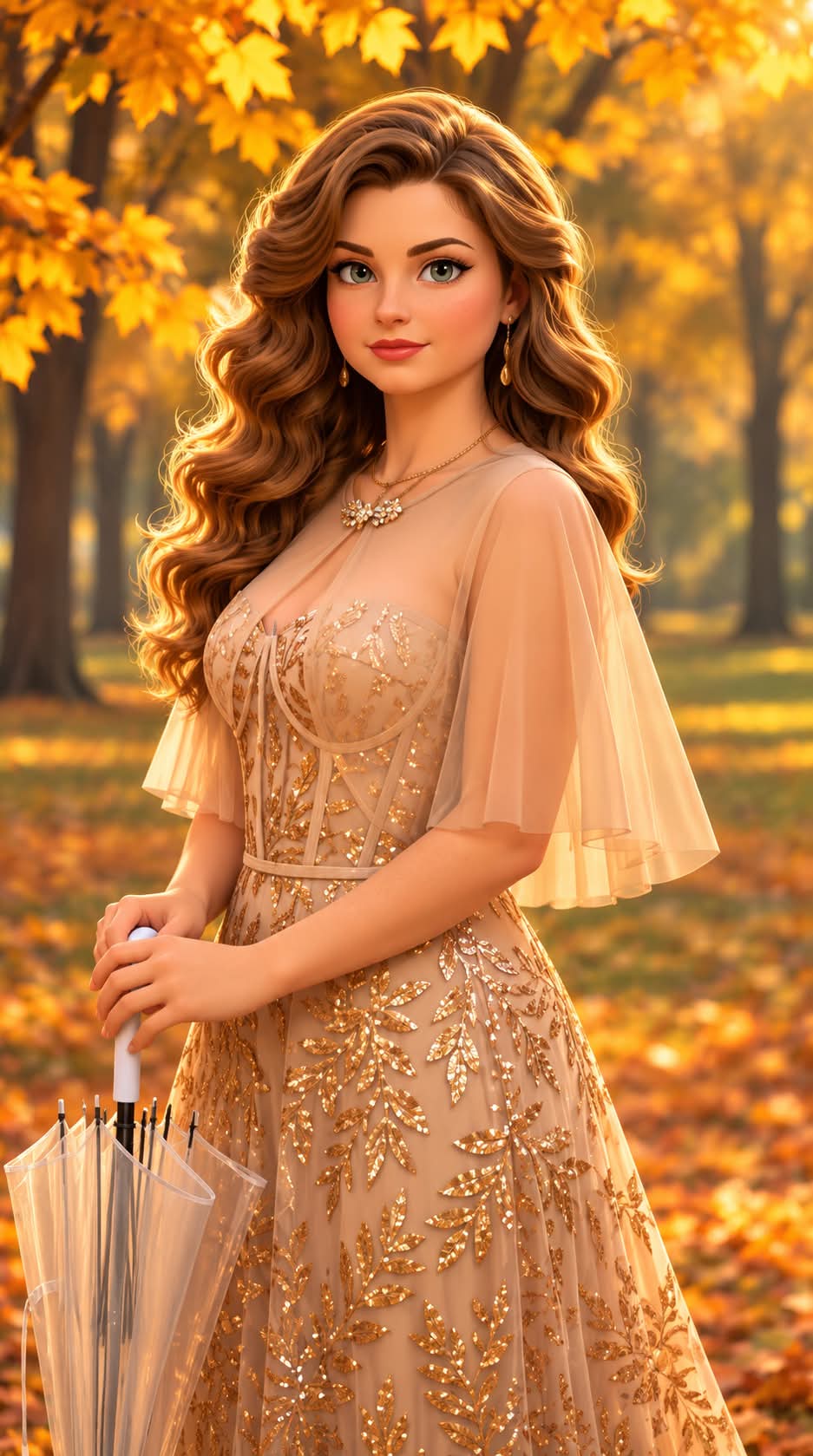
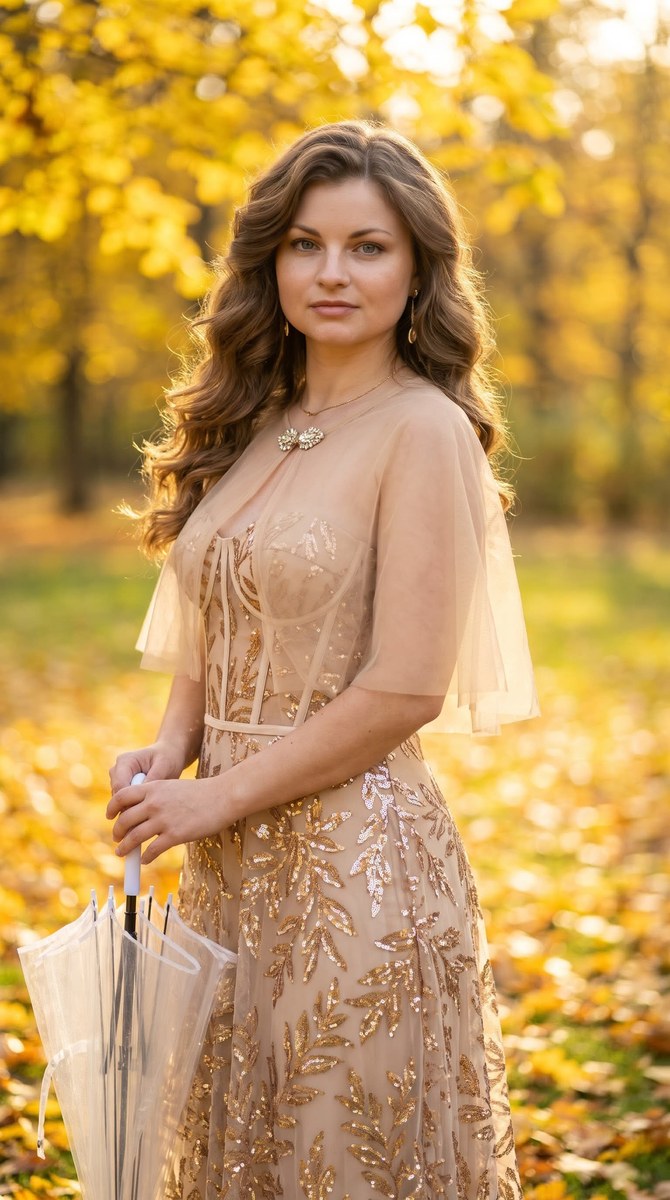
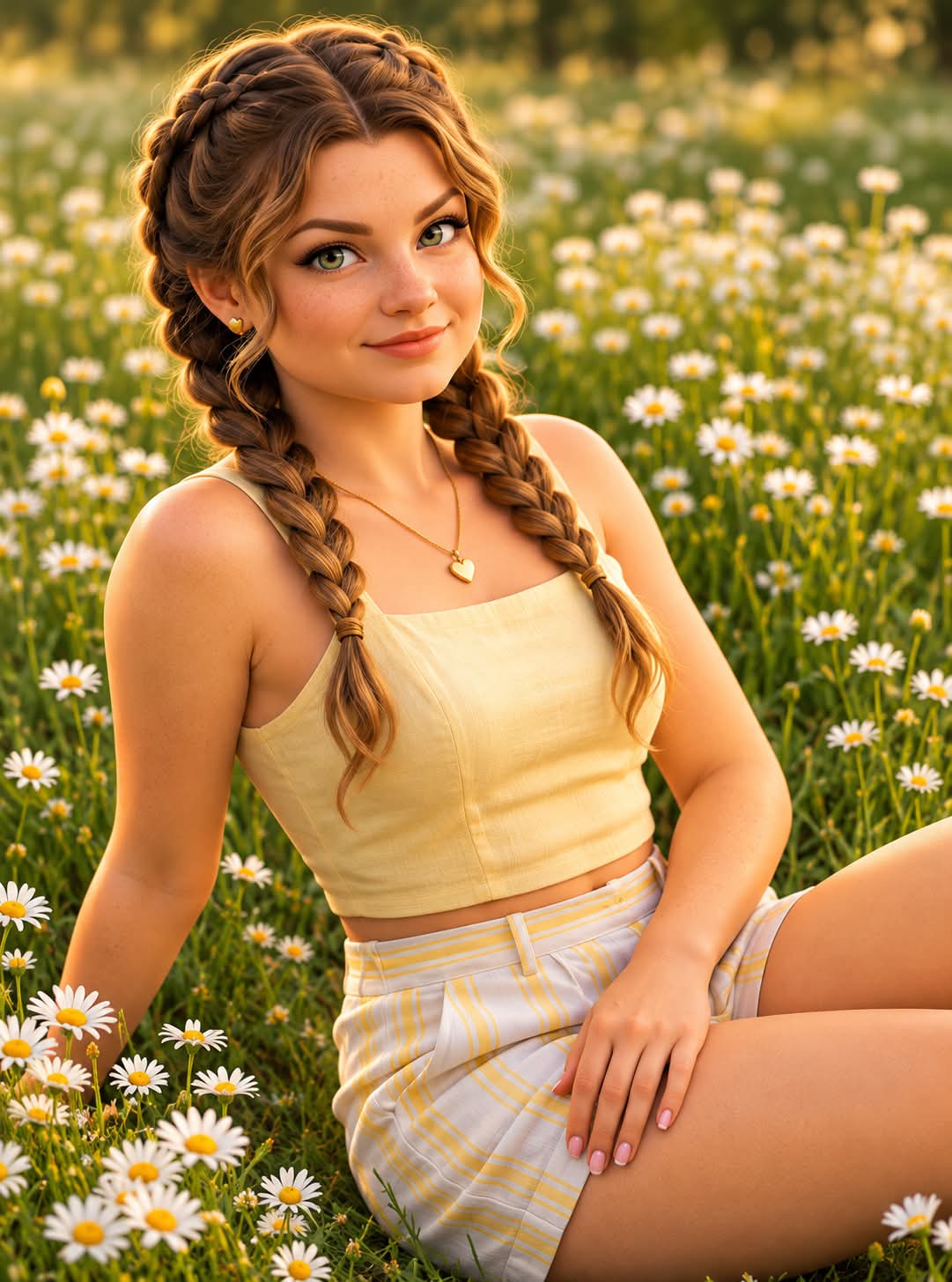
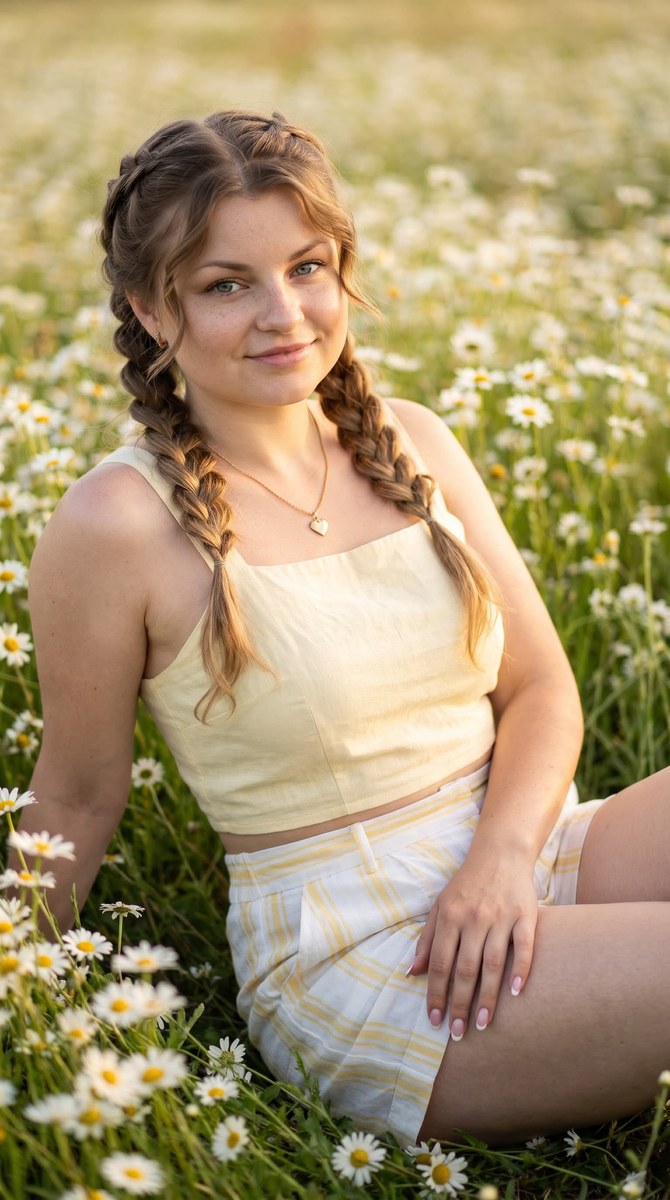
Prompt template
- Format
- Markdown
- Inputs
- Reference_photograph (image) · Required
- Outputs
- Animated_movie_frame (image)
Transform the provided reference photograph into an extraordinary, premium-quality, fully computer-generated 3D animated movie frame, with the artistic language, character stylization, expressive facial design, and visual storytelling of a high-budget Pixar and Walt Disney Animation Studios feature film.

## Most important requirement

The result must look like a frame from a professionally produced 3D animated feature film—not a realistic photograph converted into 3D, a photorealistic CGI portrait, or a realistic human with slightly enlarged eyes. It must be unmistakably a sophisticated 3D animated cartoon. Completely redesign and recreate every visible element in one cohesive animated-film aesthetic.

## 1. Character design and identity

Transform the person in the reference photograph into a beautifully designed, fully stylized 3D animated feature-film character. Use softly sculpted three-dimensional facial geometry; rounded, simplified facial volumes; expressive, slightly enlarged eyes with dimensional irises and carefully designed highlights; softly sculpted cheeks and cheekbones; smooth, appealing facial contours; an elegantly stylized nose and lips; refined, expressive eyebrows; and smooth stylized skin with soft subsurface scattering. Use deliberately designed animated facial proportions and a charming, sophisticated, premium animated-character aesthetic. The character should be distinctly cartoon-like yet elegant and naturally proportioned, with a professionally sculpted animated face rather than a realistic human face. Avoid photographic skin textures, visible pores, hyperrealistic facial details, and live-action facial rendering.

Preserve the recognizable identity of the person in the reference photograph. Maintain their distinctive face shape, facial proportions, eye color and shape, nose structure, lip shape, eyebrows, natural expression, and individual facial characteristics, translating them into a stylized animated character without replacing them with generic cartoon features. Keep the character clearly recognizable as the original person. Do not excessively enlarge the eyes, change the person’s age, alter their facial identity, or create exaggerated caricature proportions. Create a faithful animated interpretation, not an entirely different character.

## 2. Hair

Transform the original hairstyle into sophisticated, stylized 3D animated hair. Preserve its original color, length, parting, volume, and overall hairstyle. Use beautifully sculpted, dimensional hair locks with elegant flowing shapes, clearly defined stylized strands and grouped locks, smooth polished surfaces, soft cinematic highlights, rich dimensional volume, carefully designed silhouettes, and natural-looking but artistically stylized movement. The hair should resemble the sculpted hairstyles of premium animated feature-film characters. Avoid photorealistic individual-hair simulation and photographic hair textures.

## 3. Clothing

Recreate the person’s original outfit as a premium animated movie costume. Preserve the clothing design, colors, silhouette, fabric layers, transparency, decorations, accessories, and distinctive details. Transform all fabric into stylized 3D materials with expressive sculpted folds, soft dimensional geometry, rich but artistically simplified textile materials, elegant animated shading, carefully modeled seams and decorations, and stylized fur, lace, embroidery, or other visible textures. Keep the clothing consistent with the same animated character and 3D animated universe. Do not retain photographic fabric textures.

## 4. Environment

Completely rebuild the background and surrounding environment as a stylized 3D animated movie set. Do not leave any photographic background elements. Transform every visible object into a fully modeled, beautifully stylized 3D asset. Preserve the original scene’s composition, architecture, furniture, decorations, vegetation, objects, colors, and spatial arrangement. Apply consistent animated-film art direction to walls and architectural structures; windows, doors, and interior details; furniture and decorative objects; plants, trees, and natural elements; fabrics and environmental materials; foreground, middle ground, and background; and every small visible environmental detail. Use appealing stylized geometry, softly rounded edges, carefully simplified shapes, artistic textures, and rich dimensional materials. Make the entire scene feel like a handcrafted digital environment created by a world-class 3D animation studio, with a background that looks just as animated as the main character.

## 5. Composition

Faithfully maintain the reference photograph’s camera angle and perspective, character pose and body position, facial expression and gaze direction, hand placement and gestures, framing and crop, subject placement, background arrangement, relative object positions, original aspect ratio, and overall visual composition. Do not introduce unnecessary objects or change the setting. Recreate the photograph as if the exact same scene had been produced entirely inside a professional 3D animated feature film.

## 6. Lighting

Use beautiful, sophisticated lighting designed for premium 3D animation: soft cinematic global illumination, warm expressive key lighting, gentle ambient fill, elegant rim lighting around the character, smooth stylized shadows, subtle volumetric atmosphere, controlled reflections, soft skin subsurface scattering, rich color harmony, professional animated-film color grading, and carefully balanced cinematic contrast. Emphasize the rounded, sculpted geometry and stylized materials of the character and environment. Avoid harsh photographic lighting and live-action realism.

## 7. Rendering style

Render the entire image as a premium, fully computer-generated 3D animated movie frame. Use high-end Pixar- and Disney-inspired 3D animation aesthetics, clearly recognizable stylized cartoon character design, professional animated-film character modeling, beautifully sculpted facial features, soft polished material shaders, rich three-dimensional depth, appealing simplified geometric forms, cohesive animated-environment design, cinematic composition and lighting, high-quality 3D rendering, exceptional artistic polish, and feature-film visual storytelling. Create 8K-quality detail. Prioritize artistic stylization over photorealism. The final image must look like a genuine animated movie still, not a photographic portrait with CGI effects.

## 8. Strict exclusions

Avoid photorealism, realistic human appearance, live-action photography, photographic skin, visible skin pores, realistic portrait retouching, hyperrealistic CGI, digital-human rendering, uncanny-valley effects, realistic facial textures, photographic hair, photographic clothing, photographic backgrounds, mixed media, flat 2D illustration, anime, comic-book drawing, painterly illustration, a plastic-doll appearance, generic cartoon faces, extreme caricature, oversized eyes, distorted anatomy, altered identity, changed facial features, unnecessary objects, text, logos, and watermarks.

## 9. Final priorities

1. **Authentic 3D animated movie appearance:** The image must instantly look like a frame from a premium Pixar- or Disney-style 3D animated feature film.
2. **Recognizable facial identity:** The animated character must remain clearly recognizable as the person in the reference photograph.
3. **Complete scene transformation:** The character, clothing, objects, architecture, and background must all share the same fully stylized 3D animated aesthetic.
4. **Original composition:** Preserve the reference photograph’s pose, camera angle, framing, clothing, setting, and overall composition.

Do not simply make the original photograph look three-dimensional. Completely reinterpret it as a beautifully art-directed, fully computer-generated animated movie scene. The person must become a true stylized 3D animated movie character, and the entire environment must become a true stylized 3D animated movie set. The final result must be unmistakably a 3D cartoon movie frame, not a realistic 3D portrait.
What you'll create
The recognizable subject, original outfit and surrounding objects become sculpted animated forms. Rounded geometry, grouped hair locks and soft cinematic illumination preserve the source composition while replacing every photographic element.
Usage instructions
Provide the reference photograph, since the transformation depends on its subject and scene. The prompt calls for a complete 3D animated redesign while preserving identity and composition; adjust the desired scene fidelity by changing which original details you emphasize for preservation.
Frequently asked questions
Should the original background remain photographic?
No. The entire environment must be rebuilt in the same animated 3D style.
Are realistic pores part of the character finish?
No. The source excludes photographic skin textures and live-action facial rendering.



Comments
Tried this prompt? Share what you made, compare results, or ask a question