Pointillist Portrait in a Black Void
Create a photorealistic, minimalist fashion portrait of the person in the identity reference, revealed by fine pointillist light against an almost entirely black background.
Example outputs
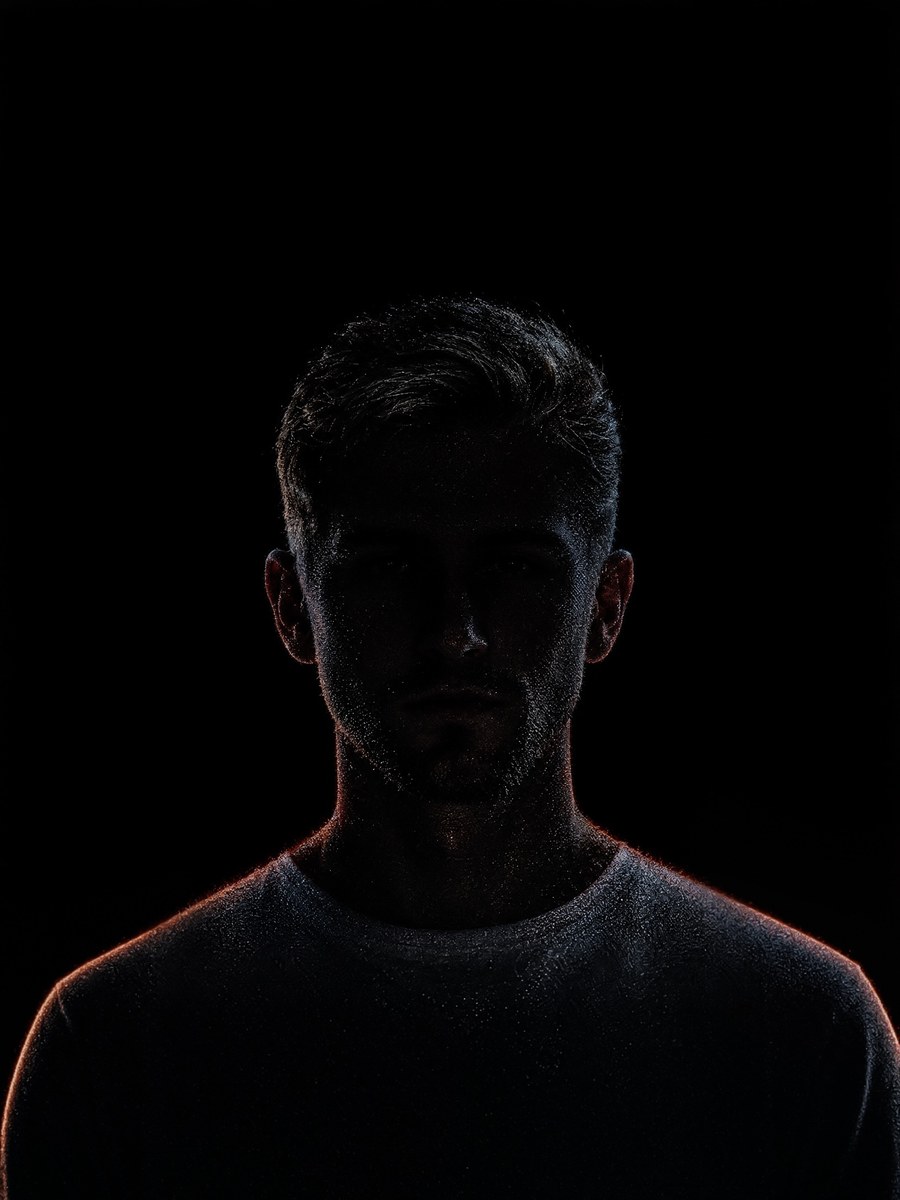
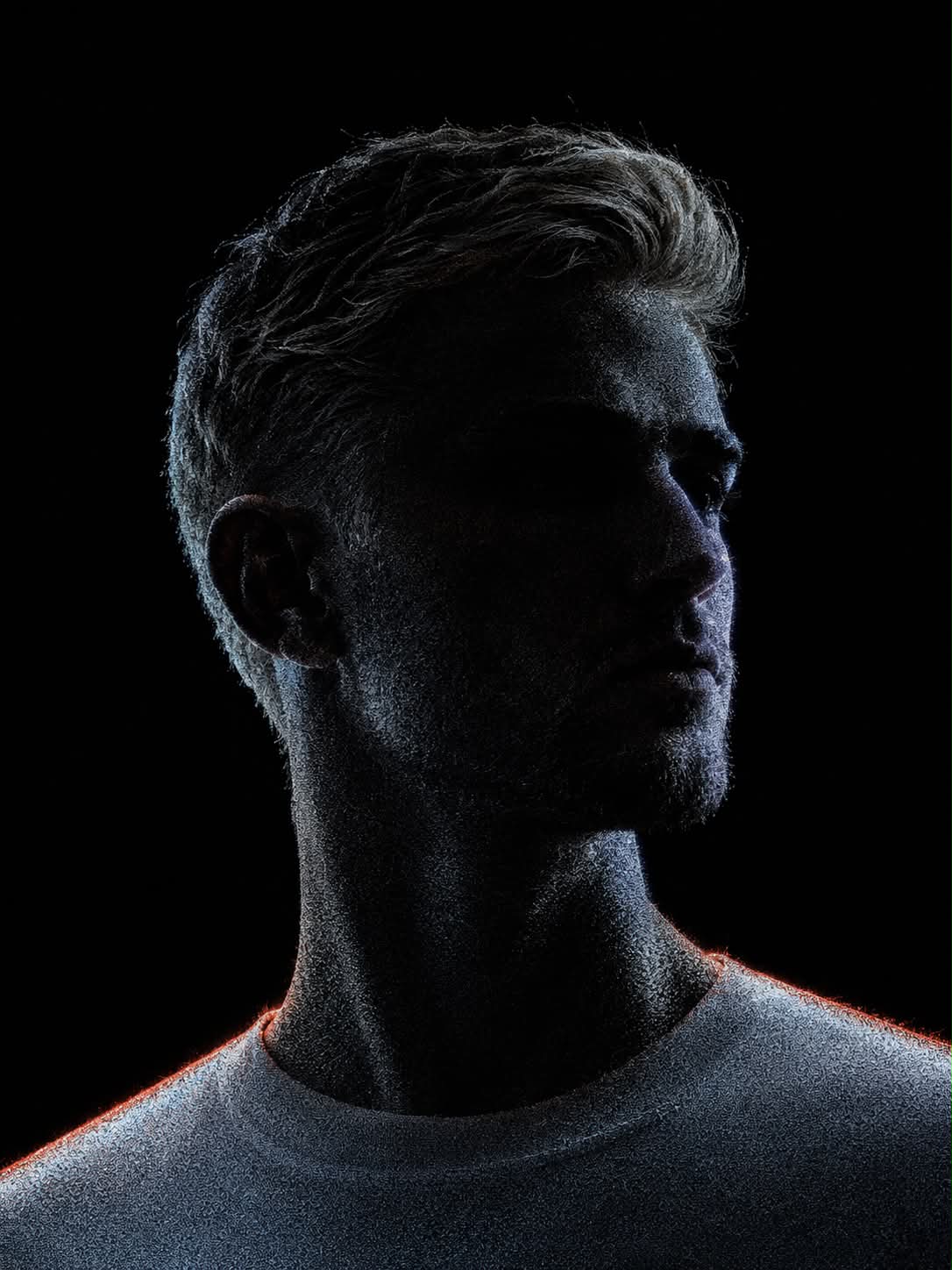
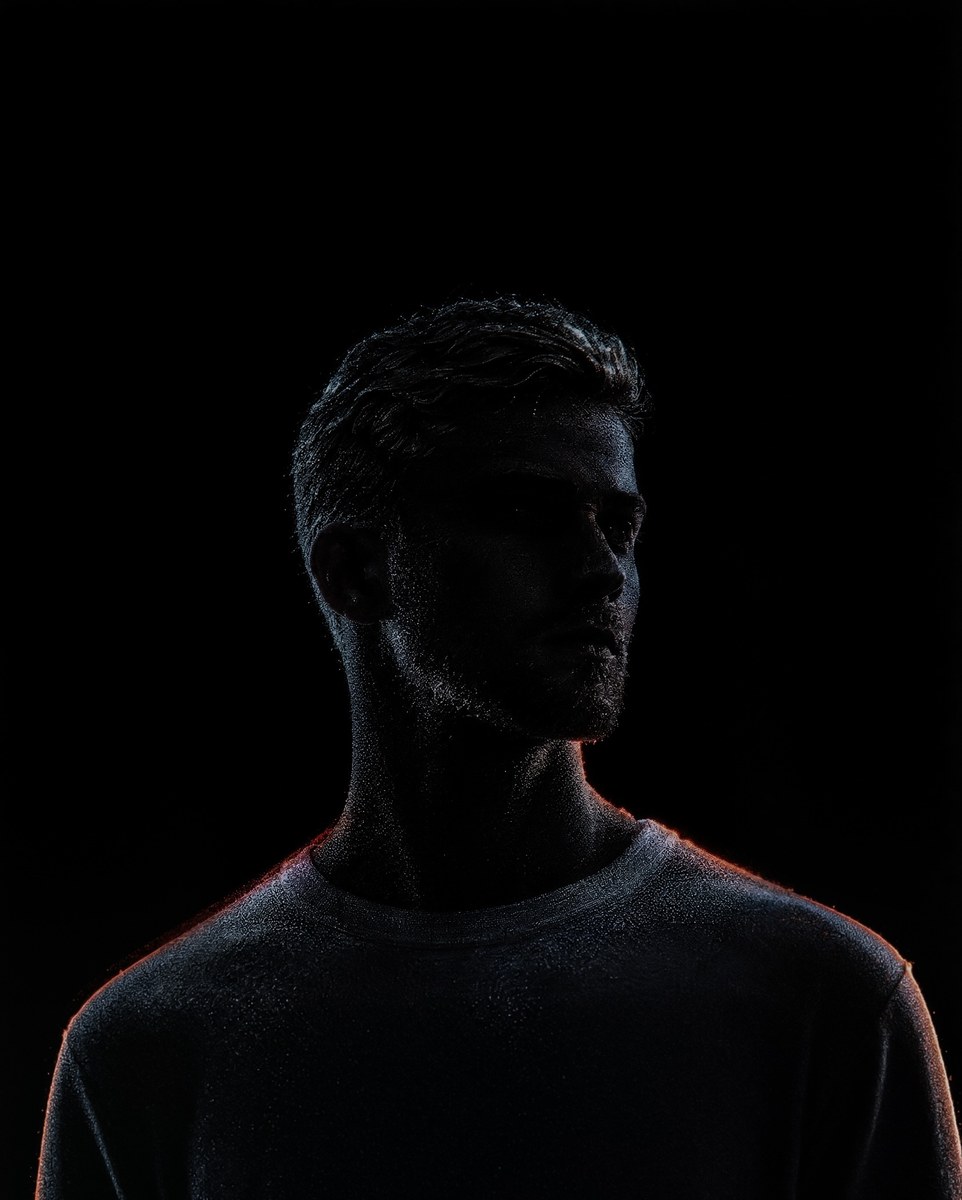
Prompt template
- Format
- Text
- Inputs
- Identityreferenceimage (image) · Required Visualreferenceimage (image) · Required
- Outputs
- Fashionportrait (image)
Create an ultra-photorealistic experimental high-fashion portrait of the young adult man in the uploaded identity reference. The final image should look like a genuine, professionally photographed avant-garde fashion campaign: extremely dark, minimalist, atmospheric, and sophisticated, combining realistic human photography with a highly controlled pointillist or halftone light effect. It must not look like a digital illustration or CGI render. The pointillist appearance should come from an extremely fine, physical-looking pattern of tiny illuminated light points captured photographically.

IDENTITY AND FACE — ABSOLUTE PRIORITY
Use the uploaded identity reference as the only identity reference for the main subject. Preserve the exact recognizable identity and natural facial anatomy: head shape; forehead proportions; natural hairline; eyebrow structure; eye shape and spacing; nose bridge, width, tip, and nostrils; lips and mouth proportions; cheekbones; jawline; chin; ears; neck proportions; natural skin tone; authentic age; natural facial proportions and subtle asymmetry; original hair characteristics; and natural facial hair or stubble if visible. The subject must unmistakably remain the same real person. Dramatic lighting must not alter the underlying facial anatomy. The face should remain recognizable even though most features are concealed in deep shadow.

Do not create a generic model, redesign or reconstruct the face, beautify or masculinize the subject, create a face-swap appearance, introduce artificial symmetry, change the subject's age or ethnicity, or create a celebrity resemblance.

POSE AND COMPOSITION
Create a minimalist, straight-on frontal portrait. The subject faces directly toward the camera, with the head almost perfectly centered and the camera approximately at eye level. The head and upper shoulders occupy the central portion of the frame. Keep the composition extremely symmetrical and restrained, cropped from approximately the upper chest or shoulders to slightly above the head. The subject remains completely still, with a neutral, serious, calm, emotionally restrained, mysterious, introspective expression. No smile, exaggerated emotion, head tilt, or dynamic pose. The visual power should come entirely from the lighting, darkness, and texture.

CAMERA AND LENS
Use the look of a professional full-frame fashion camera with an approximately 85mm portrait lens, positioned directly in front of the subject. Keep perspective distortion minimal, facial proportions natural, framing extremely controlled, and depth of field very shallow but subtle. Isolate the subject from the surrounding darkness. No wide-angle distortion, fisheye effect, or exaggerated facial proportions.

LIGHTING — EXTREME SHADOW
The defining element is extremely low-key lighting. Place the subject in an almost completely black environment. Most of the face is swallowed by deep shadow. Use only extremely subtle light to reveal the forehead, temples, cheekbones, nose bridge, lips, jawline, ears, and neck. The subject should seem to emerge from darkness. Use extremely narrow, soft, directional illumination from the front and slightly above, barely revealing the facial structure. Deep blacks must remain genuinely black. Do not illuminate the entire face evenly or use conventional portrait lighting. The image should feel mysterious and almost abstract.

POINTILLIST LIGHT TEXTURE — SIGNATURE EFFECT
Visually construct the entire visible subject from thousands of extremely tiny individual points of light. The points should resemble microscopic photographic grain, fine halftone dots, pointillist illumination, extremely dense stippling, or tiny individual pixels of reflected light. Make the pattern extremely fine and dense; each dot should remain subtly visible when zoomed in. The dots should follow the natural three-dimensional contours of the face and body without flattening the anatomy. Light points become denser in illuminated areas and almost disappear in shadow: dark regions contain very few visible points, while brighter regions contain thousands of tiny luminous points. The result should resemble a real human face revealed by an extremely fine photographic light grid or microscopic projection.

Avoid large, obvious halftone circles, comic-book printing, coarse pixelation, digital dithering, and low-resolution artifacts. The texture should be elegant, microscopic, and photographic.

FACE AND LIGHT INTERACTION
Keep the facial structure physically believable beneath the pointillist lighting. Tiny points follow the forehead curvature, brow ridge, cheekbone structure, nose bridge and tip, lips, chin, and jawline. The eyes remain mostly hidden in shadow; do not make them glow or create glowing pupils. Reveal the nose and lips only subtly with the tiny illuminated points. Let the jawline emerge gradually from darkness.

HAIR
Preserve the subject's natural hairstyle and hair color. Keep the hair extremely subtle and let it mostly disappear into the black background. Only edges and individual hair structures catching tiny points of light should remain visible. Do not make the hair a bright silhouette or give it an artificial hairstyle, exaggerated volume, or glow.

SKIN REALISM
Despite the highly stylized lighting, preserve realistic human skin anatomy. The visible points of light should reveal subtle pores, fine skin texture, tiny facial hairs, natural skin irregularities, and realistic facial contours. No plastic, porcelain, or artificially textured skin; no beauty-filter appearance or excessive smoothing. The pointillist effect must reveal real skin rather than replace it.

NECK AND SHOULDERS
Let the neck extend naturally downward into the dark lower part of the composition. Shoulders are broad but natural, and the upper torso is only partially visible. The transition from face to neck is gradual and almost disappears into blackness. Preserve realistic anatomy without exaggerated muscular definition.

CLOTHING
The subject wears a minimalist plain white or extremely pale neutral crew-neck shirt, occupying the lower portion of the image. The shirt must not appear as a normally brightly lit garment: keep it dramatically underexposed and partially absorbed into the surrounding darkness. Only the upper chest and shoulder areas catch the pointillist illumination. Represent the shirt texture with extremely fine individual points of light. No logos, graphics, patterns, or accessories.

RED OR WARM EDGE LIGHT
Introduce an extremely subtle warm red-orange rim light around selected outer edges of the shoulders and upper torso. Keep it very restrained, like a thin atmospheric edge rather than a conventional neon outline. It should contrast subtly with the cold blue-white points on the face. Use minimal red or orange light: no excessive neon, glowing outline, or cyberpunk aesthetic.

BACKGROUND
Use an absolute black photographic void, with no visible environment, studio walls, objects, scenery, architecture, or background texture. The background should merge seamlessly with the subject's darkest areas. The head should appear to emerge from infinite black space.

COLOR PALETTE
Use an extremely restricted palette: pure black, deep charcoal, cold blue-white, subtle neutral skin tones, and extremely restrained warm red-orange accents. Black is the dominant color. Reveal the face primarily with cold blue-white points; give the shoulders only extremely subtle warm reddish edge illumination. No saturated colors, green, purple, rainbow colors, or colorful background.

CONTRAST
Use extremely high contrast, deep crushed blacks, and very limited midtones. Keep the brightest points controlled and prevent aggressive clipping. Include a huge amount of negative space and darkness. The transition from visible face to complete black should be gradual and cinematic.

PHOTOGRAPHIC CHARACTER
Aim for professional, high-end editorial photography made with a real full-frame camera and an 85mm portrait lens. Use extremely fine photographic grain, natural optical response, subtle film halation, very restrained bloom around the brightest points, realistic exposure falloff, and natural micro-contrast. No excessive HDR, artificial sharpening, digital noise, or obvious AI artifacts. The final image should resemble an experimental luxury fashion photograph rather than digital artwork.

MOOD
The emotional atmosphere is dark, mysterious, minimalist, introspective, futuristic, artistic, sophisticated, haunting, and luxurious. The portrait should feel like an avant-garde campaign from a high-end fashion magazine: almost anonymous at first glance, but unmistakably recognizable upon closer inspection. Create tension through the contrast between human identity and near-total darkness.

VISUAL REFERENCE DIRECTION
Use the uploaded visual reference image for composition and lighting inspiration: centered frontal head, black void, nearly invisible facial features, extremely fine pointillist texture, cold highlights, subtle warm shoulder illumination, a white shirt emerging from darkness, minimal composition, extreme shadow, and experimental editorial photography. Preserve the exact identity of the uploaded identity reference; do not copy the identity of the visual style reference.

FINAL IMAGE QUALITY
The final image should be ultra-photorealistic, extremely high resolution, and of premium avant-garde editorial quality, with professional fashion photography, realistic human anatomy, skin, hair, and fabric, physically believable light, microscopic pointillist illumination, deep cinematic blacks, and fine analog photographic texture. It should look as though photographed in a completely dark studio using an experimental precision light-projection technique. It must not look like CGI, 3D, digital art, illustration, a cartoon, coarse halftone, or pixel art.

NEGATIVE PROMPT
generic model, different person, altered identity, face swap, redesigned face, facial reconstruction, changed facial proportions, different nose, different eyes, different lips, different jawline, different ears, changed age, beauty filter, plastic skin, porcelain skin, waxy skin, excessive retouching, oversmoothing, artificial symmetry, CGI, 3D render, digital illustration, painting, cartoon, anime, comic book, pixel art, coarse halftone, large dots, oversized dots, low resolution, obvious digital dithering, posterization, banding, excessive digital noise, glowing eyes, glowing pupils, neon face, excessive red light, colorful background, visible environment, architecture, scenery, text, watermark, logo, distorted anatomy, malformed face, duplicated features, extra eyes, extra limbs, unrealistic neck, exaggerated muscles, excessive sharpening, excessive HDR, artificial skin texture, fantasy effects, cyberpunk city, sci-fi environment.
What you'll create
The reference man appears in an extremely minimal black setting with a controlled pointillist light treatment. Tiny physical-looking light points preserve the sense of a real photographed face.
Frequently asked questions
Should the halftone look like a digital drawing?
No, it should resemble fine illuminated points captured photographically.


Comments
Tried this prompt? Share what you made, compare results, or ask a question