Heritage Ribbon City Paper Sculpture
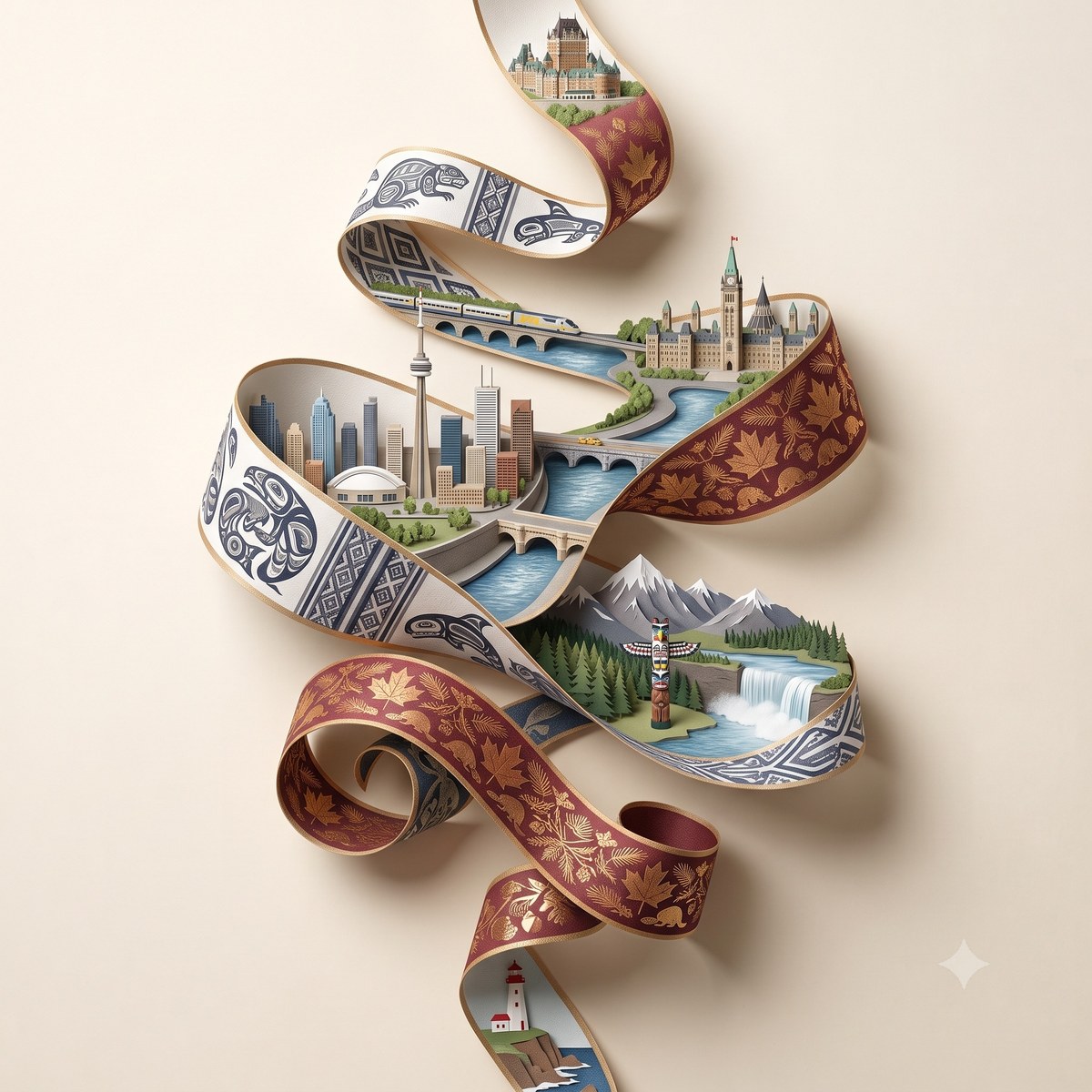
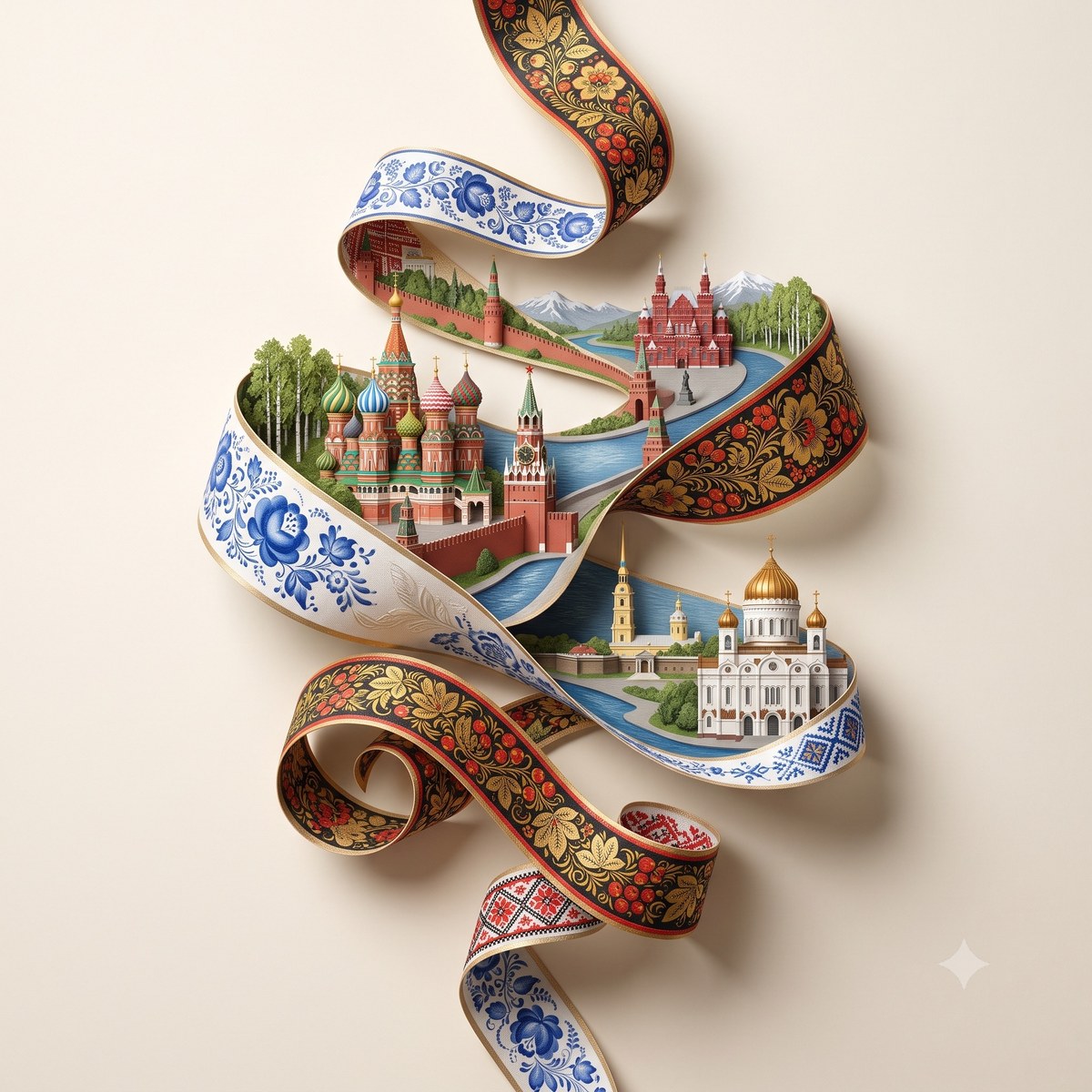
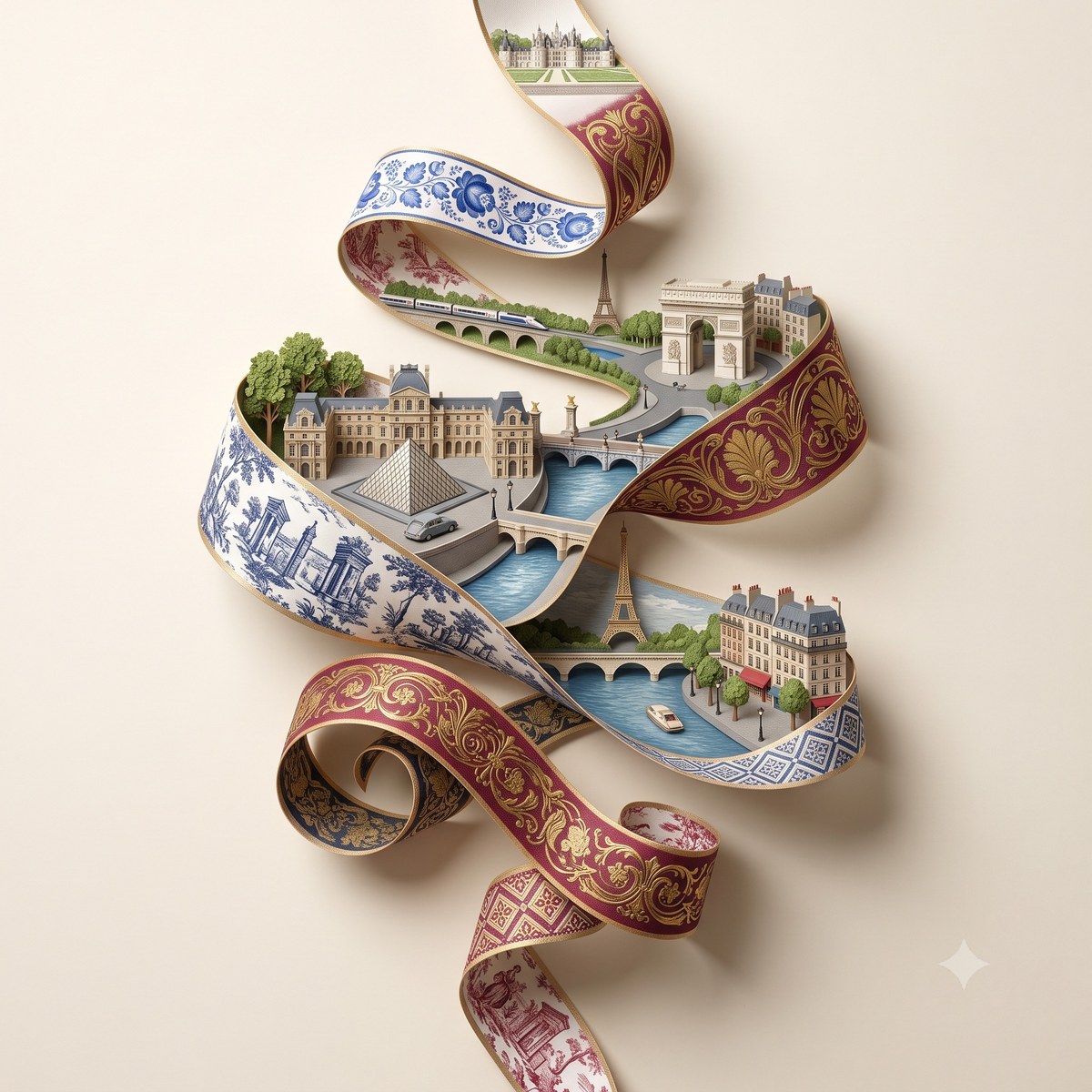
Create a square luxury editorial artwork in which a sculptural paper ribbon reveals a selected city or country through recognizable landmarks and authentic heritage patterns.
Example outputs
Prompt template
- Format
- Markdown Parameterized
- Inputs
- Reference_image (image) · Required CITY_OR_COUNTRY (text) · Optional · Default: Canada
- Outputs
- Editorial_paper_sculpture (image)
# UNIVERSAL HERITAGE RIBBON CITY ENGINE

## Museum-Quality Editorial Paper Sculpture

### Square Edition (1:1)

## Objective

Create a premium editorial artwork inspired by the supplied reference image. Preserve the same artistic language, paper-ribbon structure, proportions, folding rhythm, and luxurious editorial feeling. Replace only the city or country and its visual identity.

## Input

CITY_OR_COUNTRY: ${city-or-country:Canada}

## Style Lock

Do not redesign the artistic concept. Preserve:
- An elegant curling ribbon sculpture
- A layered folded-paper composition
- A premium editorial layout
- A museum-quality illustration
- Realistic paper material
- A luxurious handcrafted appearance
- Soft architectural shadows
- A refined minimal background
- Artistic negative space
- A premium print aesthetic
- Subtle dimensional depth
- Sophisticated color harmony
- Clean visual hierarchy

The ribbon itself is the hero of the artwork.

## Main Concept

A long, flowing ribbon made from luxurious textile paper unfurls gracefully through the composition. The ribbon folds, twists, curls, and loops in elegant sculptural curves. Inside the ribbon, an entire city emerges naturally, as if printed directly into its fabric. The ribbon should feel handcrafted, premium, elegant, and timeless. The city must never appear pasted on top; it must be seamlessly integrated into the ribbon itself.

## City Representation

Carefully analyze the selected city or country before generating. Integrate relevant elements such as its skyline, modern architecture, iconic landmarks, famous buildings, waterfront (if applicable), bridges, mountains, forests, desert, coastline, rivers, urban identity, local landscape, transportation icons, and signature monuments. Use only authentic and recognizable landmarks. Never invent landmarks.

## Cultural Pattern System

Decorate the ribbon’s outer textile surfaces with authentic heritage patterns inspired by the selected location. Research and integrate relevant visual references, such as traditional textiles, embroidery, local ornamental motifs, historic decorative geometry, floral patterns, tribal motifs, architectural carvings, ceramic motifs, traditional borders, calligraphic ornament (only if culturally appropriate), wood-carving patterns, metalwork ornament, tile decoration, and weaving patterns.

Patterns must feel woven into the fabric. Avoid random decorative elements. Everything must reflect the real cultural identity of the chosen location.

## Color Palette

Build the palette from the destination itself, using colors inspired by local architecture, traditional crafts, nature, sea, desert, forests, mountains, textiles, and historical materials. Accentuate with brushed gold, antique bronze, deep navy, rich emerald, warm ivory, and muted crimson. Colors should feel luxurious rather than saturated.

## Ribbon Material

Make the ribbon from premium artistic textile paper, with visible layered fibers, woven texture, a silk-like finish, embossed decorative details, subtle metallic foil accents, realistic paper thickness, handcrafted edges, soft curvature, and luxurious folds. Every fold should cast believable shadows.

## Depth

Create strong dimensional realism. The ribbon should appear suspended in space. Include realistic self-shadowing, ambient occlusion, layered depth, paper thickness, soft contact shadows, subtle reflections, and natural lighting gradients.

## Background

Use a minimal premium editorial background in a warm ivory paper tone, with no distractions and large, clean negative space. Aim for a luxury magazine aesthetic.

## Composition

Square (1:1). The large ribbon should occupy approximately 70% of the composition. Use balanced asymmetry and elegant vertical flow. The ribbon begins near the upper edge and cascades downward through multiple sculptural curves. Maintain generous breathing room around the artwork.

## Lighting

Use soft museum lighting and directional diffused light, with natural paper shadows and elegant contrast. Avoid harsh highlights. Maintain a luxury editorial mood.

## Quality

Ultra-detailed, museum-quality, editorial masterpiece, luxury print campaign, photorealistic paper sculpture, extremely refined textures, award-winning art direction, 8K quality, hyper-realistic material rendering, and elegant craftsmanship.

## Negative Prompt

No people. No portraits. No flags unless naturally integrated. No random ornaments. No fantasy buildings. No low-detail textures. No blurry details. No floating disconnected landmarks. No excessive saturation. No text. No logos. No watermark. No borders. No collage appearance. No AI artifacts. No duplicated elements. No flat illustration.

The final image must look like a premium museum editorial artwork where the identity of the selected city or country is seamlessly revealed through a flowing sculptural ribbon decorated with authentic heritage patterns unique to that location.
Replace the ${…} placeholders with your values
before using this prompt. See parameters
and defaults below
Parameters
Replace each placeholder with your own value, or use its default when one is provided
${city-or-country:Canada}
city-or-country
Default: Canada
What you'll create
A flowing ribbon of textured artistic paper curls through a square composition, revealing a destination's buildings and landscape within its folds. Heritage patterns, subtle foil accents and dimensional shadows create a handcrafted sculptural surface. A warm ivory background and generous negative space keep the ribbon as the central artwork.
Usage instructions
Frequently asked questions
Can people or portraits appear in the artwork?
No. The negative instructions explicitly exclude people and portraits, keeping attention on the ribbon, landmarks and cultural patterns.
How much of the frame should the ribbon occupy?
The template asks for approximately 70% of the square composition, leaving generous breathing room around its cascading curves.
Should the finished artwork have a readable headline?
No. The template excludes text, logos, watermarks and borders; the destination is expressed through architecture, materials and patterns instead.


Comments
Tried this prompt? Share what you made, compare results, or ask a question