Miniature Travel Diorama Poster
Create a colorful, handcrafted miniature diorama that turns a destination into a detailed travel-poster scene.
Example outputs
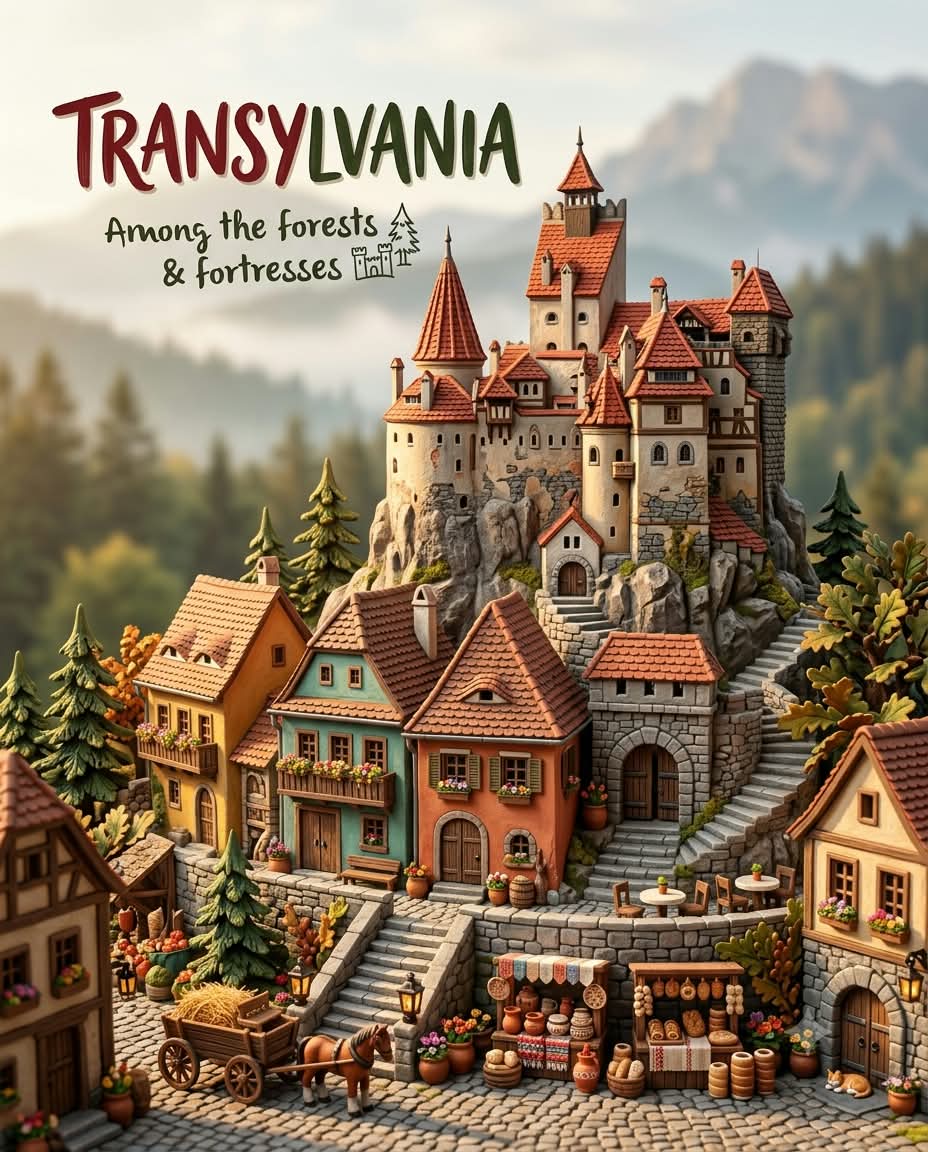
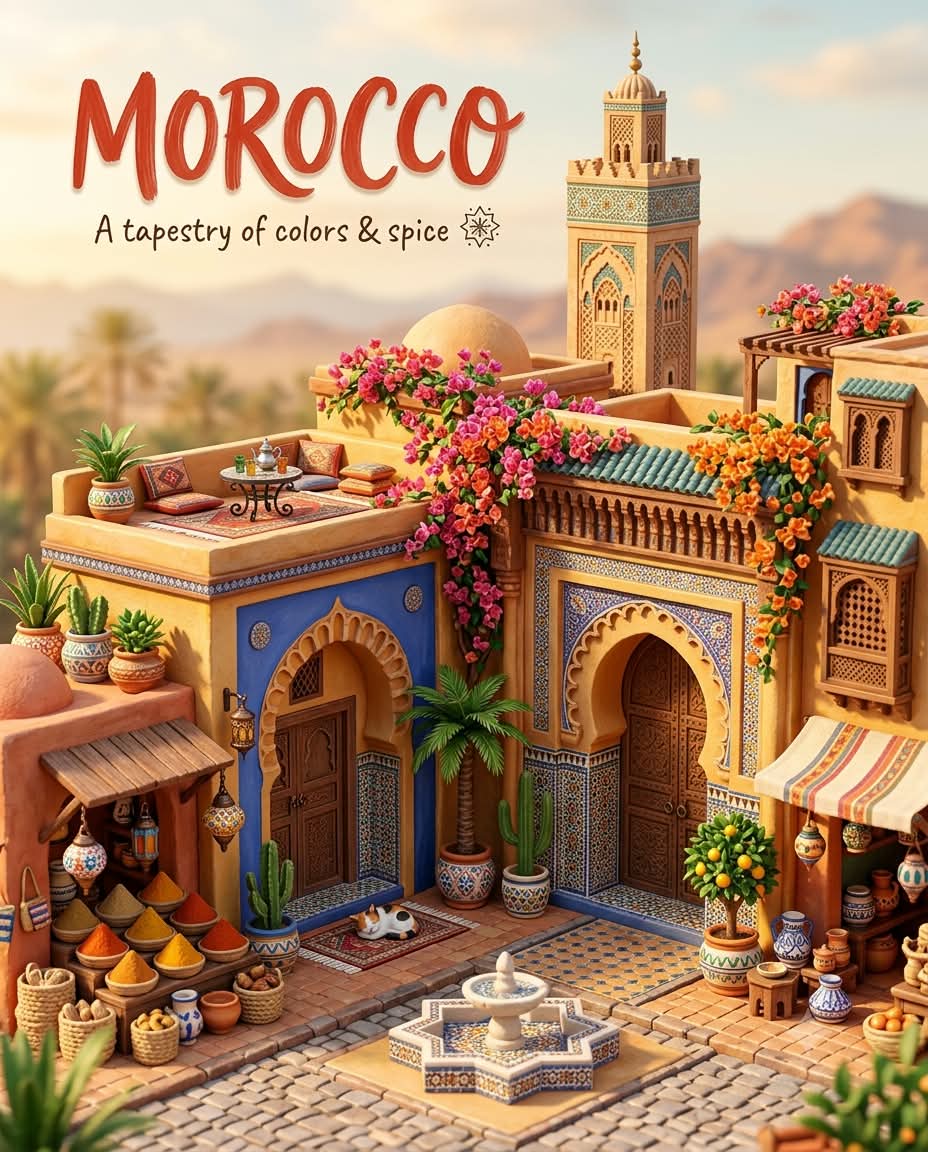
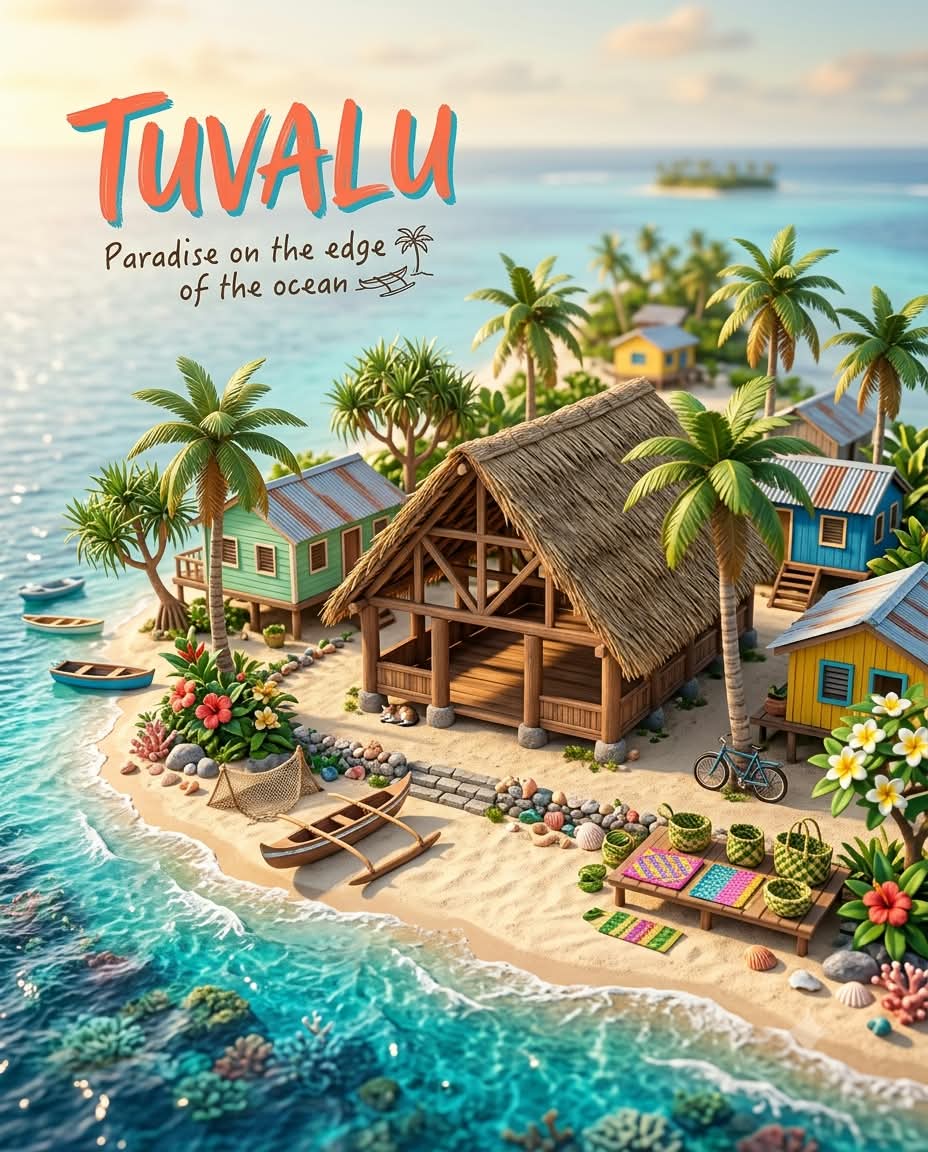
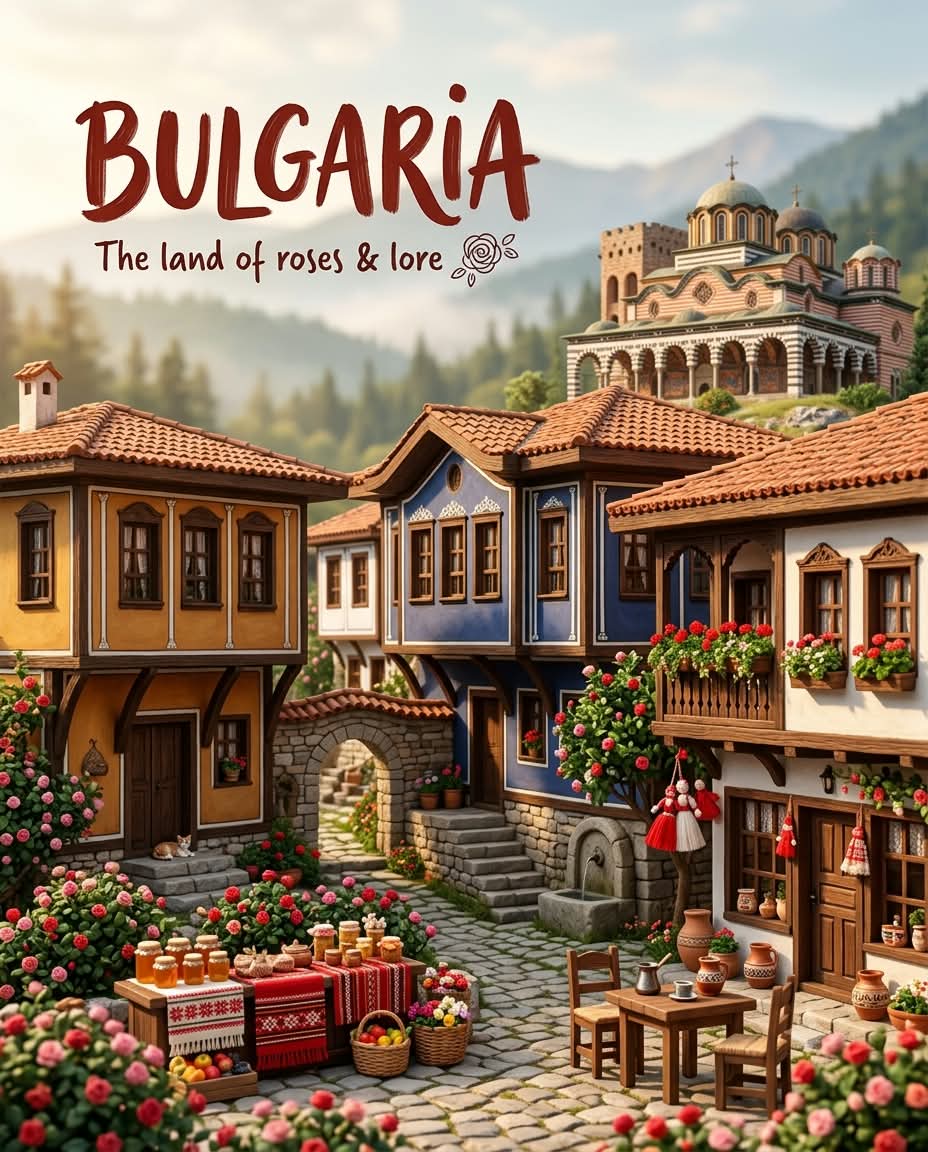
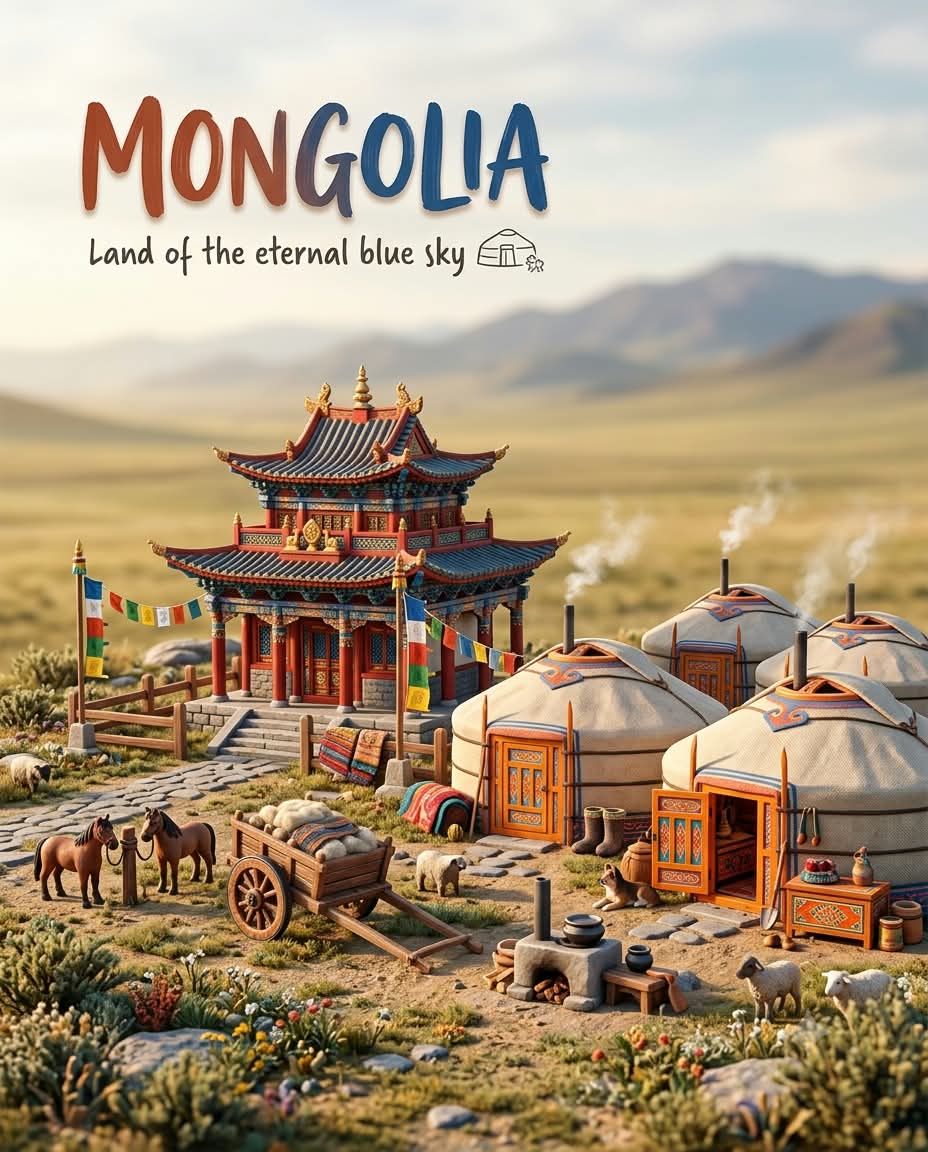
Prompt template
- Format
- Text Parameterized
- Inputs
- location (text) · Required
- Outputs
- Travelworlddiaporamailustration (image)
Input: ${location}

Create a premium, Instagram-ready travel illustration of ${location} as a colorful, handcrafted miniature 3D diorama. Infer the destination's most recognizable architecture, landscape, regional colors, vegetation, cultural details, and atmosphere automatically.

Art direction

Whimsical storybook realism meets premium miniature photography. Use tactile painted-clay surfaces, handcrafted wood, textured stone, ceramic pots, intricate flowers, sculpted foliage, miniature furniture, and slightly exaggerated architectural proportions. The scene should feel like a carefully assembled, charming physical model—not a flat illustration, full-scale photograph, or glossy plastic toy.

Destination storytelling

Build the scene around one distinctive architectural focal point, supported by authentic local buildings and two to four charming details, such as a café, bicycle, boat, flower-filled balcony, market stall, or sleeping cat. Select details appropriate to the location; avoid generic tourist clichés, unrelated cultural motifs, and invented landmarks.

Composition

Vertical 4:5 portrait format. Use a slightly elevated, front-facing three-quarter view with consistent miniature scale and camera distance.

- Foreground: Textured paving, flowers, plants, furniture, and small storytelling details.
- Middle ground: Dominant architecture, distinctive doors, windows, stairs, balconies, and local objects.
- Background: Destination-specific scenery with soft atmospheric blur.

Create a strong visual hierarchy, natural depth, and an uncluttered upper-left area for the title. Keep the architecture dominant and the scene richly detailed without overcrowding it.

Color and lighting

Use vibrant, destination-appropriate colors balanced with warm ivory and natural stone. Favor lively accents, rich contrast, and luminous yet natural saturation over muted beige or monochromatic palettes.

Render with soft golden-hour daylight, realistic shadows, subtle ambient occlusion, global illumination, tactile surface detail, macro-lens depth of field, crisp focal details, and creamy background bokeh.

Travel-poster identity

Place the exact destination name prominently in the upper-left using expressive hand-painted brush lettering. Add a short, evocative, automatically generated tagline beneath it in a smaller handwritten style, with one simple travel-inspired doodle if appropriate.

Maintain consistent typography placement, hierarchy, and spacing throughout the series. Prioritize legibility; add final text separately if necessary.

Series consistency

Keep the miniature craftsmanship, camera character, lighting, material treatment, composition, and typography consistent across destinations. Adapt the architecture, scenery, palette, props, and atmosphere to each location so every image feels unique but belongs to the same collection.

Avoid flat vector art, generic stock imagery, excessive realism, plastic-looking materials, harsh lighting, visual clutter, malformed objects, illegible text, cultural inaccuracies, logos, and watermarks.

Output: One richly detailed, colorful miniature travel-world illustration, vertical 4:5, optimized for Instagram. Generate directly from the location input without requesting additional details.
Replace the ${…} placeholders with your values
before using this prompt. See parameters
and defaults below
Parameters
Replace each placeholder with your own value, or use its default when one is provided
${location}
location
Required
What you'll create
A named location becomes a colorful small 3D world with painted clay, carved wood, textured stone and intricate foliage. Slightly exaggerated architecture and miniature furnishings create a tactile storybook travel poster.
Usage instructions
Provide the destination name as the location input; the prompt directs the model to infer its recognizable architecture and local details. The destination name is also used as the poster title, while the tagline is generated automatically. If the lettering is not legible, the prompt allows the final text to be added separately.
Frequently asked questions
Does it require a photo reference?
The brief uses the destination name as its input and asks the design to infer local details.


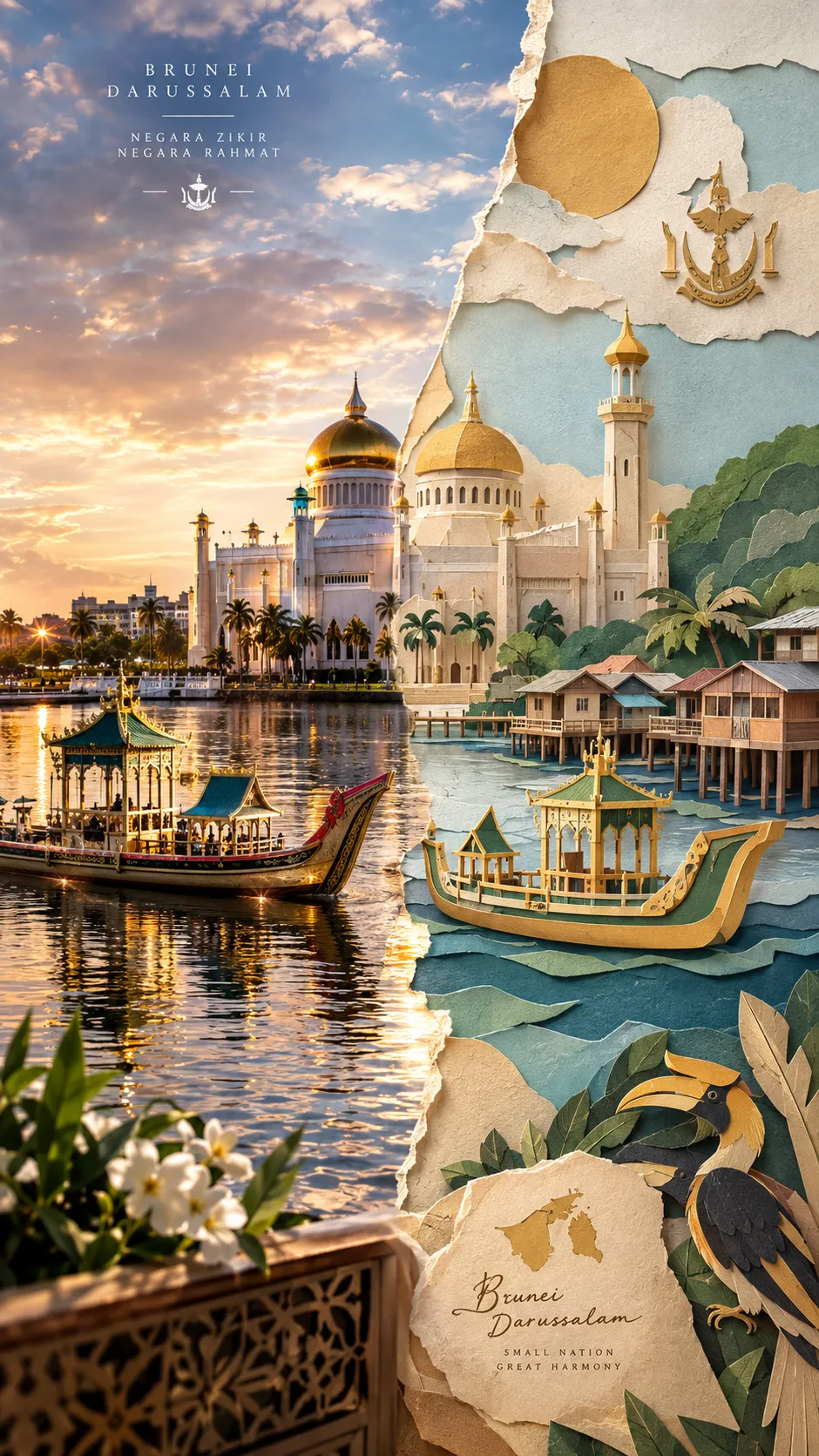
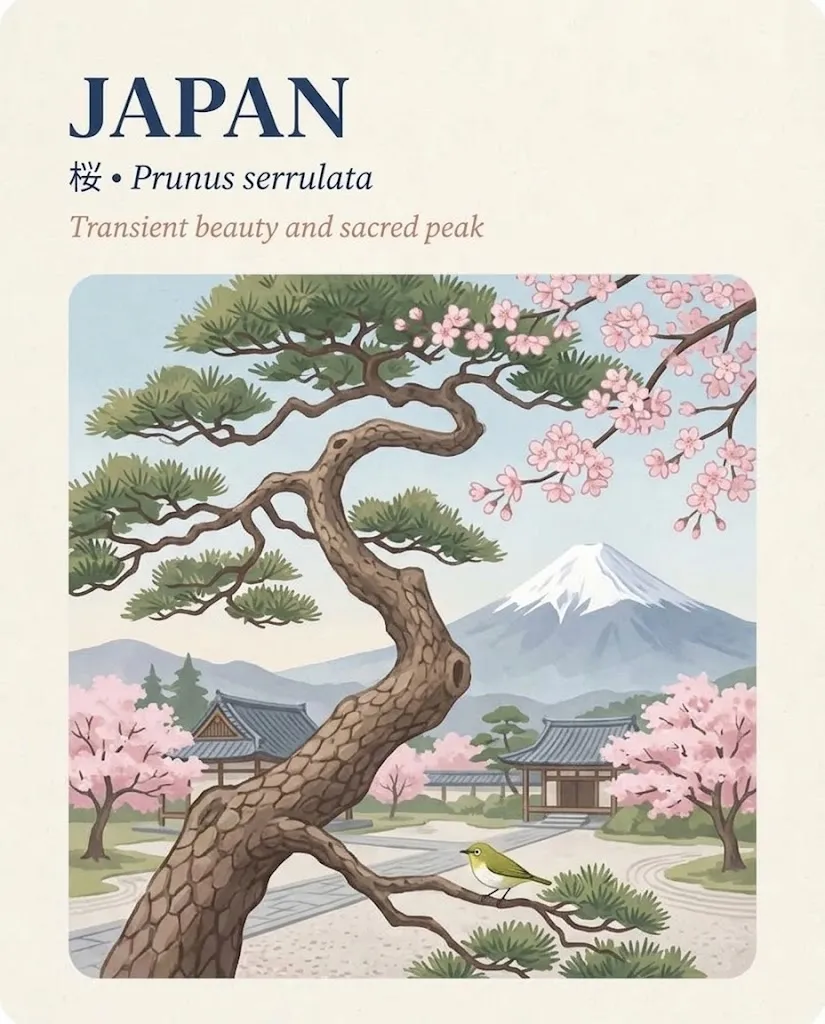
Comments
Tried this prompt? Share what you made, compare results, or ask a question