Design & Image
Product Advertising
Mixed Media Illustration
Campaign Design
OpenAI Chatgpt Image 2
ChatGPT
Mixed-Media Product and Illustration Campaign
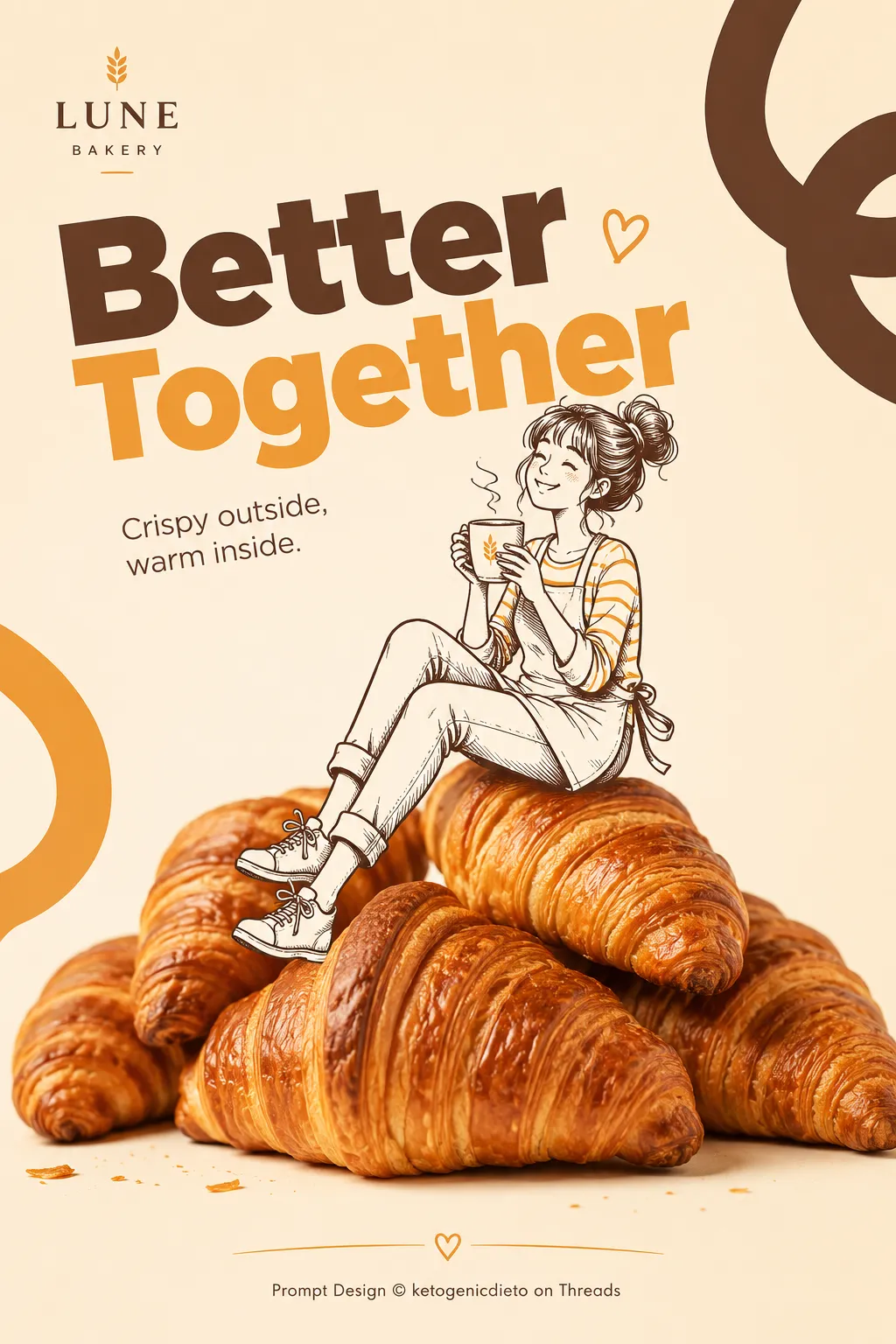
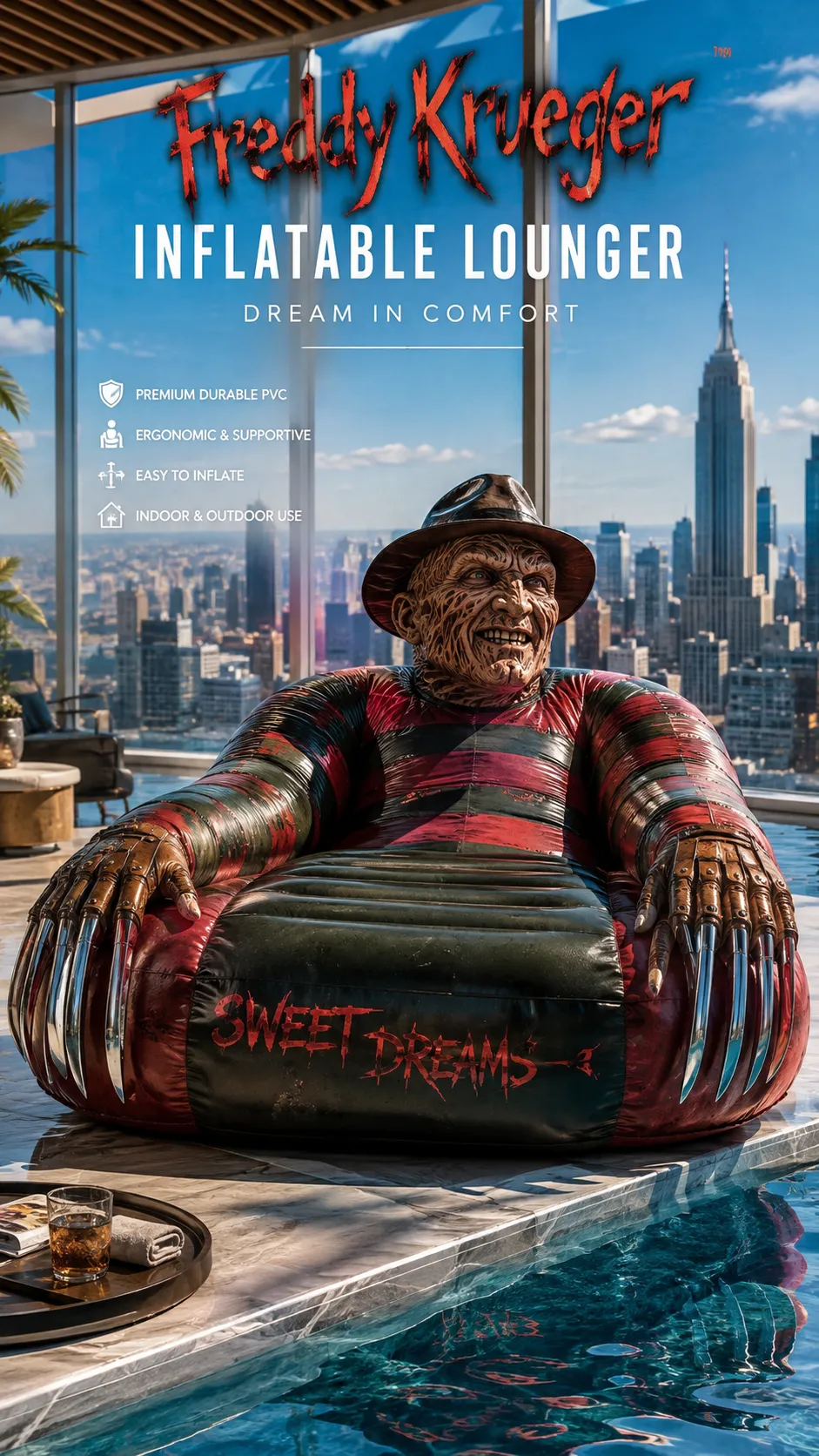
Create a premium vertical product advertisement combining photorealistic product imagery, an original editorial character, precise typography, and a playful visual metaphor.
Example outputs
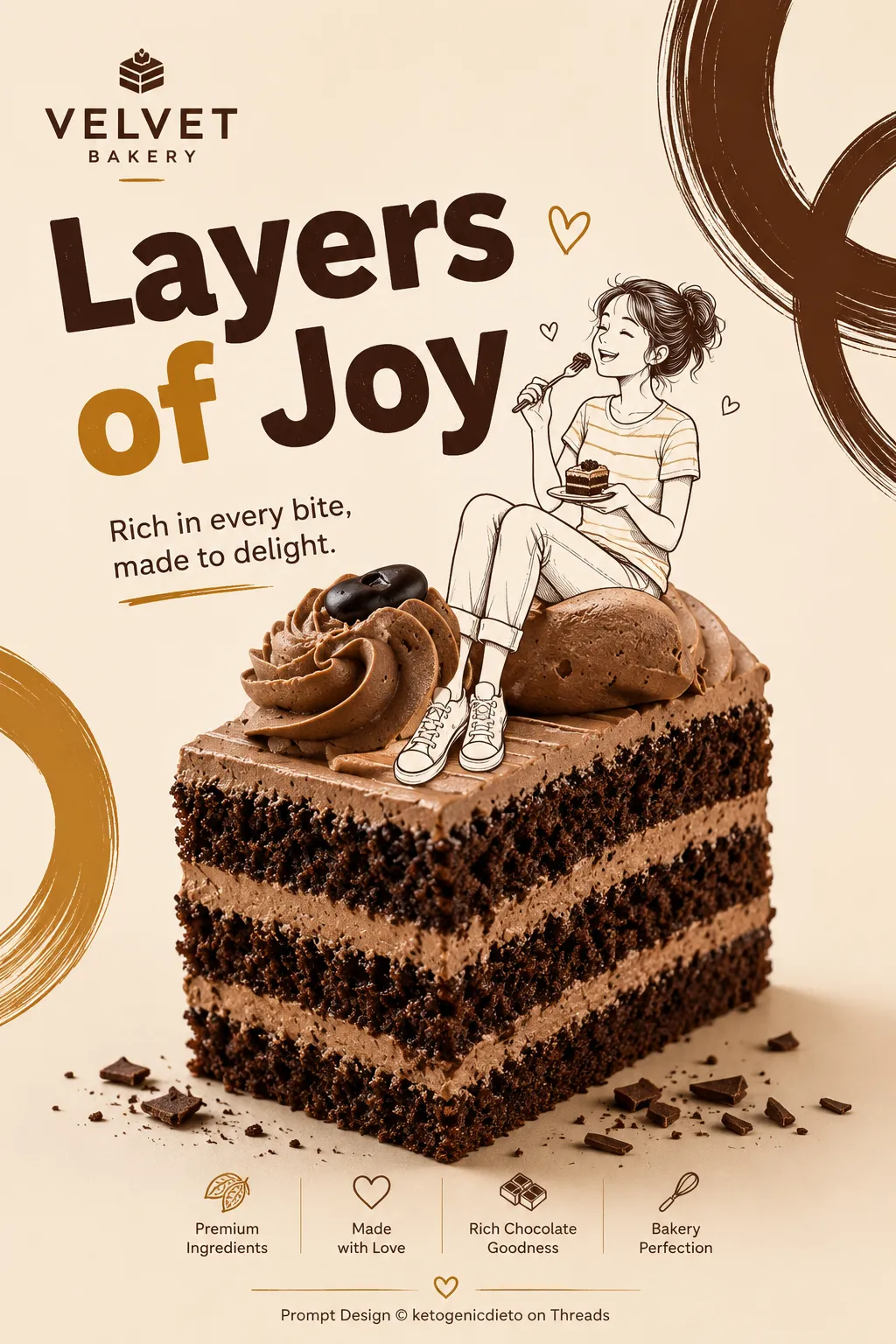
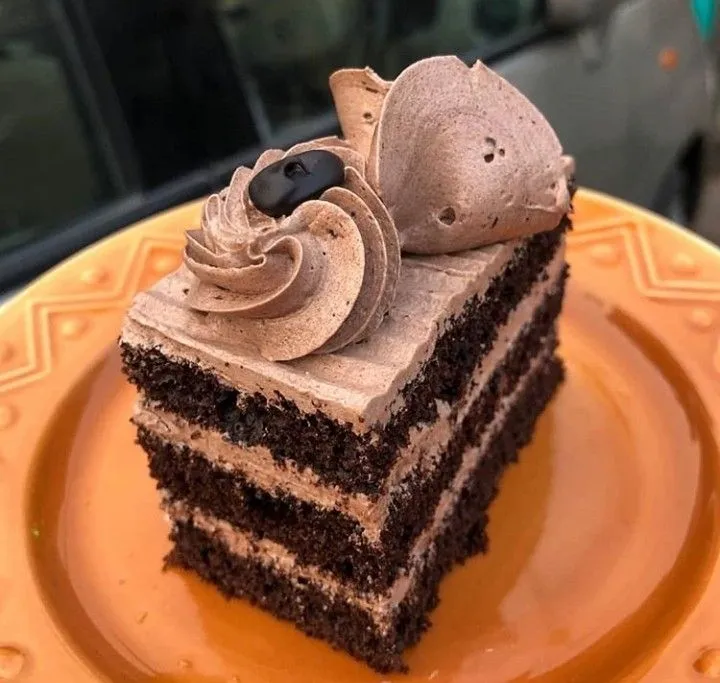
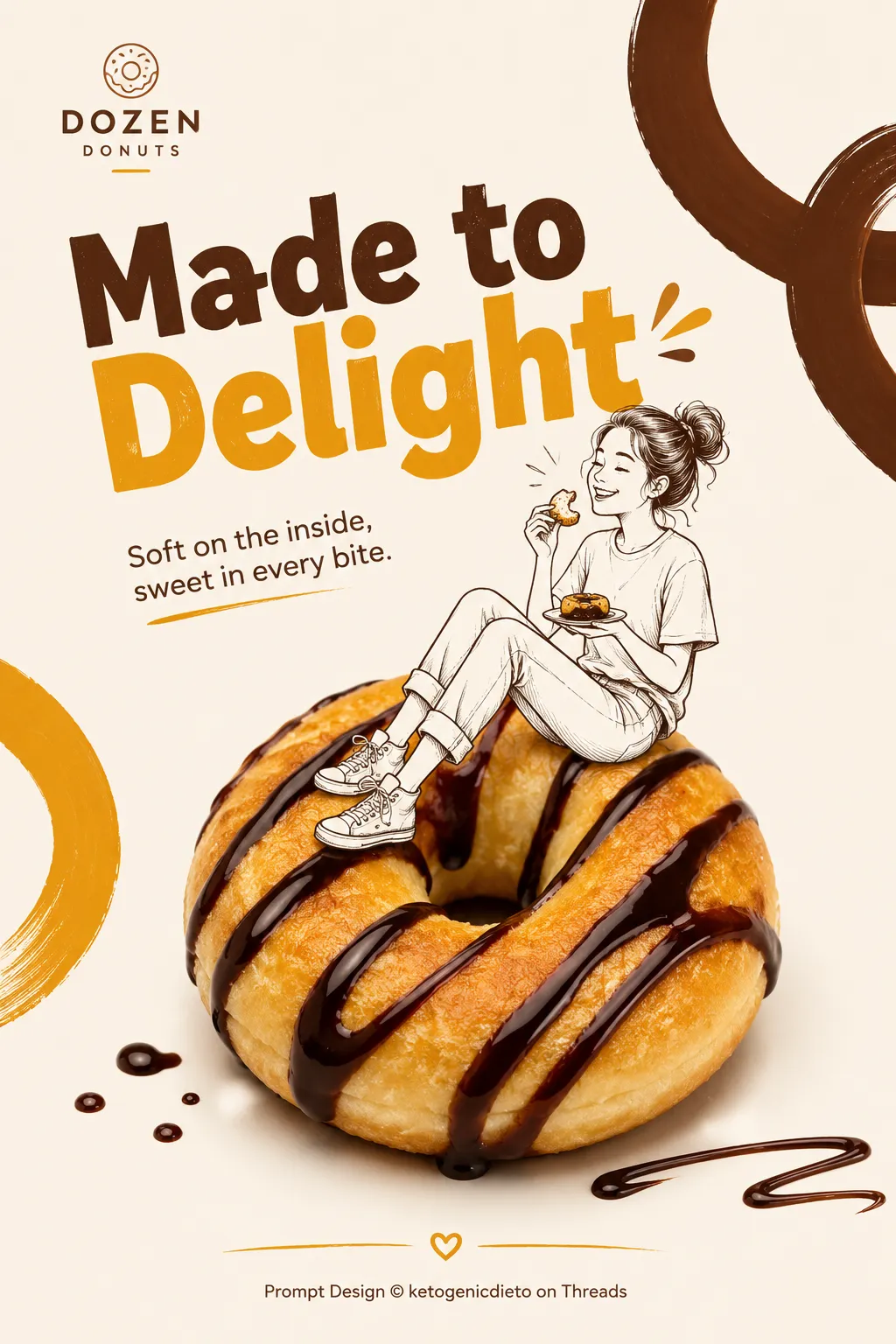
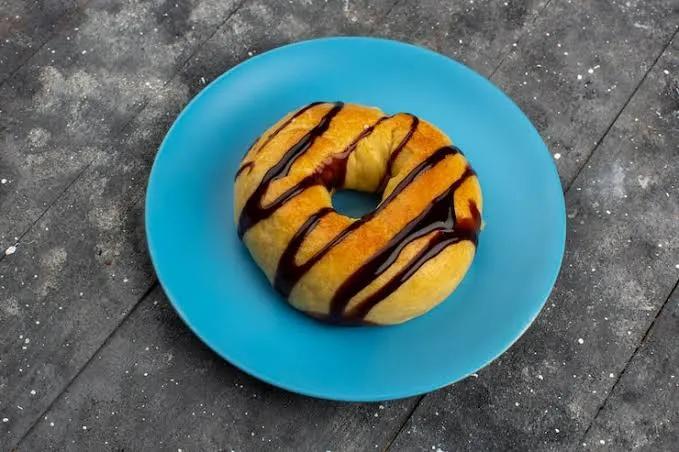
Prompt template
- Format
- Markdown Parameterized
- Inputs
- image_ratio (text) · Required brand_name (text) · Required hero_product (text) · Required product_arrangement (text) · Required illustrated_character (text) · Required character_action (text) · Required primary_headline (text) · Required supporting_line (text) · Required color_palette (text) · Required illustration_color (text) · Required background_color (text) · Required graphic_motif (text) · Required signature (text) · Optional · Default: Prompt Design © ketogenicdieto on Threads product_reference_image (image) · Optional person_reference_photo (image) · Optional
- Outputs
- Product_campaign_advertisement (image)
# Flavor Companion — Mixed-Media Product and Illustration Campaign

Create a premium vertical mixed-media product advertisement in ${image-ratio}, combining photorealistic commercial product photography with one original hand-drawn editorial character. Use ultra-high resolution, accurate supplied typography, clean negative space, and professional print-ready quality. The product must look genuinely photographed; the character and graphic accents must look intentionally illustrated.

## Reference images

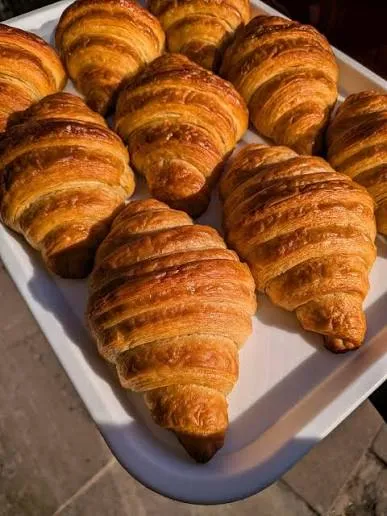
If a product image is uploaded, use it as the primary and controlling product reference. Accurately preserve its shape, proportions, color, material, texture, ingredients or construction, packaging, label structure, logo placement, distinctive details, and natural imperfections. Remove its original background and integrate it into the campaign without redesigning or materially changing it.

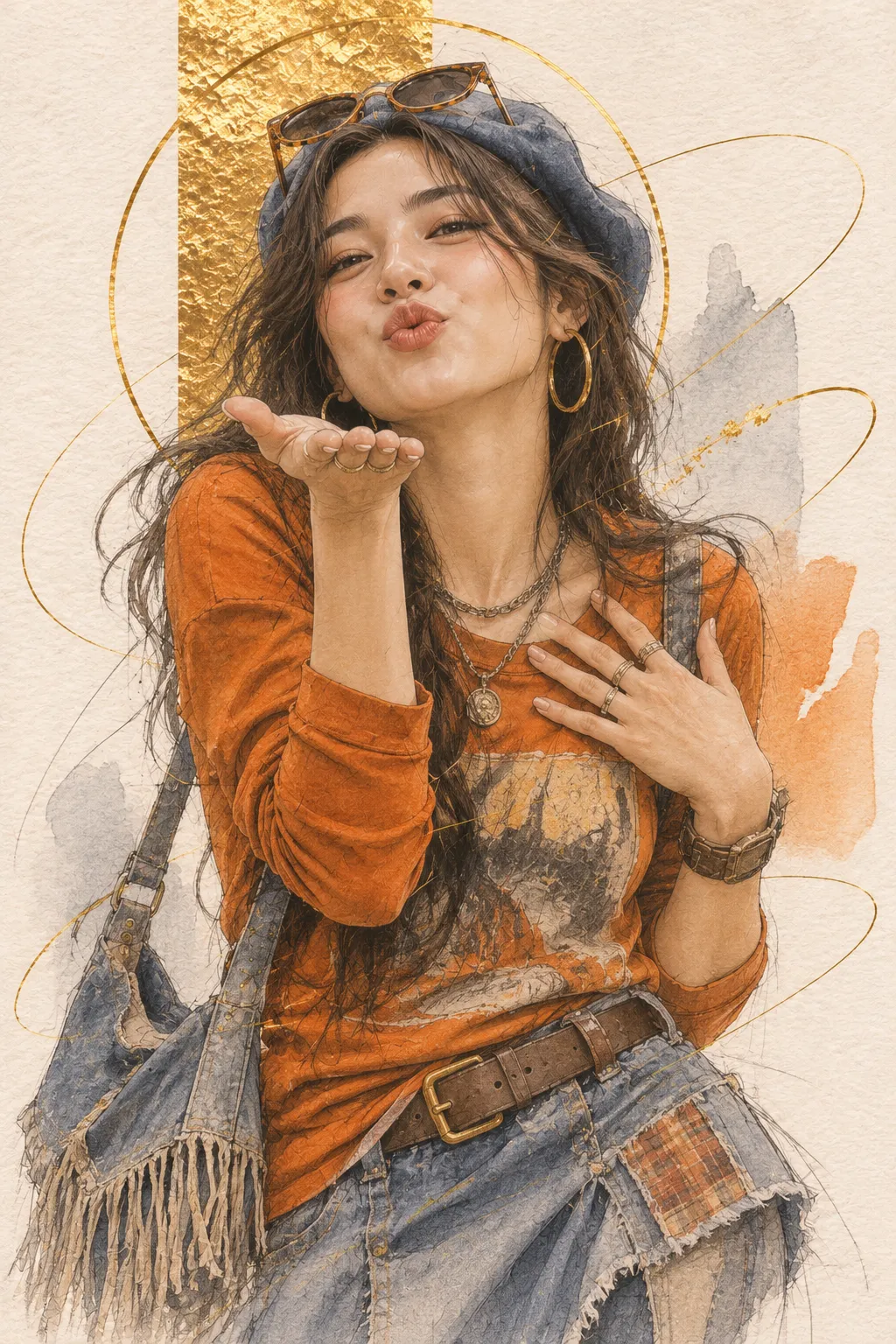
If a person's photograph is uploaded, use it as the identity reference for ${illustrated-character}. Preserve recognizable hairstyle, face shape, age, skin tone, clothing cues, and distinctive characteristics while translating them into a simplified editorial line illustration.

If no reference images are uploaded, generate ${hero-product} and ${illustrated-character} from the written specifications. Do not reproduce unrelated logos, text, backgrounds, or copyrighted characters visible in reference images.

## Concept and composition

Create an original campaign for “${brand-name}” featuring ${hero-product} as a larger-than-life object. Introduce ${illustrated-character} performing ${character-action} directly on, beside, or around the product. Their interaction should create a clever visual metaphor showing how the product fits naturally into an enjoyable everyday moment. Keep the result playful, sophisticated, memorable, and commercially polished—not childish or cartoon-heavy.

Use a minimal, asymmetrically balanced composition. Place the hero product in the lower-center foreground using ${product-arrangement}; let the product group occupy approximately 40–55% of the canvas. Place the illustrated character above, seated on, leaning against, walking across, or naturally interacting with the product. Reserve the upper-middle and side areas for the headline and supporting line. Use generous white or ${background-color} negative space. Add one or two oversized cropped forms based on ${graphic-motif}, entering from opposite edges to frame the composition. Do not copy an exact reference-image composition or arrangement.

## Hero product

Render ${hero-product} with premium commercial realism: accurate scale, recognizable construction, realistic texture, natural highlights, believable shadows, and subtle imperfections. For food products, show appetizing layers, crumbs, glaze, ingredients, moisture, or baked texture as appropriate. For packaged or manufactured products, show accurate geometry, materials, reflections, seams, labels, and surface behavior. If multiple units are shown, vary their angles and positions naturally rather than duplicating an identical object.

## Illustrated character

Create one original ${illustrated-character} in a refined editorial line-art style. Use ${illustration-color} for the dominant outlines, with minimal secondary fills derived from ${color-palette}. The character must perform ${character-action} with anatomically coherent posture and believable physical contact with the product. Align the character’s seated position, hands, feet, and weight correctly with the product surface. Use simplified facial detail, confident linework, subtle hatching, and restrained shading. Keep the character visibly illustrated—not photorealistic, 3D, sticker-like, or a separate floating element.

## Typography and branding

Write the main headline exactly: “${primary-headline}”

${supporting-line}

If the supporting-line field is empty, omit it completely. Otherwise, write it exactly as supplied. Display the headline in oversized bold geometric typography, broken across two lines or staggered so it visually interacts with the character without covering the product. Use two coordinated colors from ${color-palette} to emphasize selected words. Place the supporting line nearby in a smaller clean sans-serif or subtle italic typeface. Do not generate additional slogans or pseudo-text.

Display the brand name exactly as supplied in “${brand-name}”, discreetly within the upper or bottom margin. Use a minimal original wordmark treatment unless a brand reference has been uploaded. Do not add third-party logos, websites, social-media icons, prices, or contact information unless explicitly supplied.

## Graphic system, color, and lighting

Use ${graphic-motif} as the campaign’s supporting visual language: for example, thick cropped loops, flowing lines, abstract curves, geometric paths, ingredient-inspired outlines, or simplified product shapes. Apply graphics only near the outer edges. Keep the center clean, and do not let the motif intersect the headline, character, or hero product.

Use ${background-color} with ${color-palette}. Light the product with soft directional studio lighting, subtle grounding shadows, and realistic tonal depth. Coordinate the illustration, typography, graphic motif, and product colors without recoloring a referenced product. Keep photorealistic and illustrated elements visibly distinct while making them feel part of one unified campaign.

## Style and text accuracy

Aim for premium mixed-media advertising, a photorealistic hero product, an editorial hand-drawn character, oversized modern typography, minimal negative space, a playful visual metaphor, contemporary lifestyle branding, polished commercial art direction, and a marketplace-ready campaign system.

Render only supplied text. Preserve exact spelling, punctuation, capitalization, and reading order. Do not translate, rewrite, shorten, duplicate, or invent wording. If a text field is empty, remove that element completely.

## Negative prompt

No distorted reference product, changed packaging, duplicated identical products, plastic food texture, incorrect ingredients, floating character, character sinking into the product, impossible seated pose, malformed hands, extra fingers, disconnected limbs, photorealistic character, 3D cartoon character, copied mascot, copyrighted character, excessive doodles, cluttered background, text over the product, random text, pseudo-text, spelling errors, invented branding, copied composition, mockup frame, unintended watermark, or low resolution.

## Final quality

Ensure accurate referenced product details, realistic commercial texture, coherent product arrangement, believable character interaction, refined line illustration, crisp supplied typography, balanced negative space, original graphic framing, and a premium advertising finish.

## Signature

Include a subtle bottom-area signature integrated naturally into the layout, reading exactly: “${signature:Prompt Design © ketogenicdieto on Threads}”. Keep it small, elegant, legible, and unobtrusive. It must not distract from the product, character, headline, supporting line, or brand identity.
Replace the ${…} placeholders with your values
before using this prompt. See parameters
and defaults below
Parameters
Replace each placeholder with your own value, or use its default when one is provided
${image-ratio}
image-ratio
Required
${illustrated-character}
illustrated-character
Required
${hero-product}
hero-product
Required
${brand-name}
brand-name
Required
${character-action}
character-action
Required
${product-arrangement}
product-arrangement
Required
${background-color}
background-color
Required
${graphic-motif}
graphic-motif
Required
${illustration-color}
illustration-color
Required
${color-palette}
color-palette
Required
${primary-headline}
primary-headline
Required
${supporting-line}
supporting-line
Required
${signature:Prompt Design © ketogenicdieto on Threads}
signature
Default: Prompt Design © ketogenicdieto on Threads
What you'll create
A reference product retains its construction and branding within clean negative space, contrasting deliberately with hand-drawn editorial accents.
Frequently asked questions
Should the product also become illustrated?
No, it should remain genuinely photographic while the character is visibly drawn.





Comments
Tried this prompt? Share what you made, compare results, or ask a question