Breakfast at Tiffany’s: 1960s New York Shoujo Fashion Art
Create an original 2D shoujo fashion illustration inspired by the polished elegance and playful charm of early-1960s New York and Breakfast at Tiffany’s. Vary the outfit, palette, pose, and setting from one generation to the next.
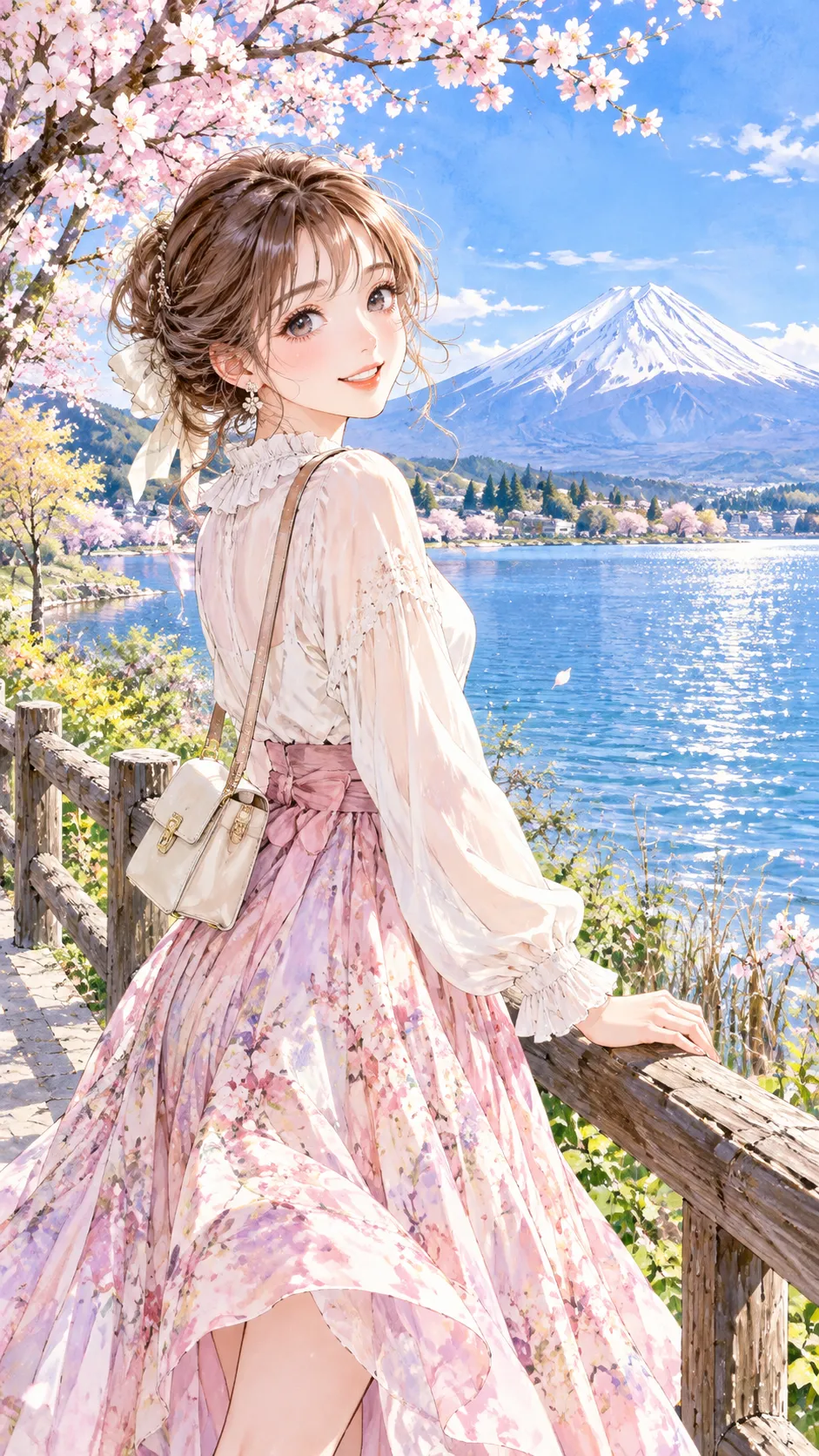
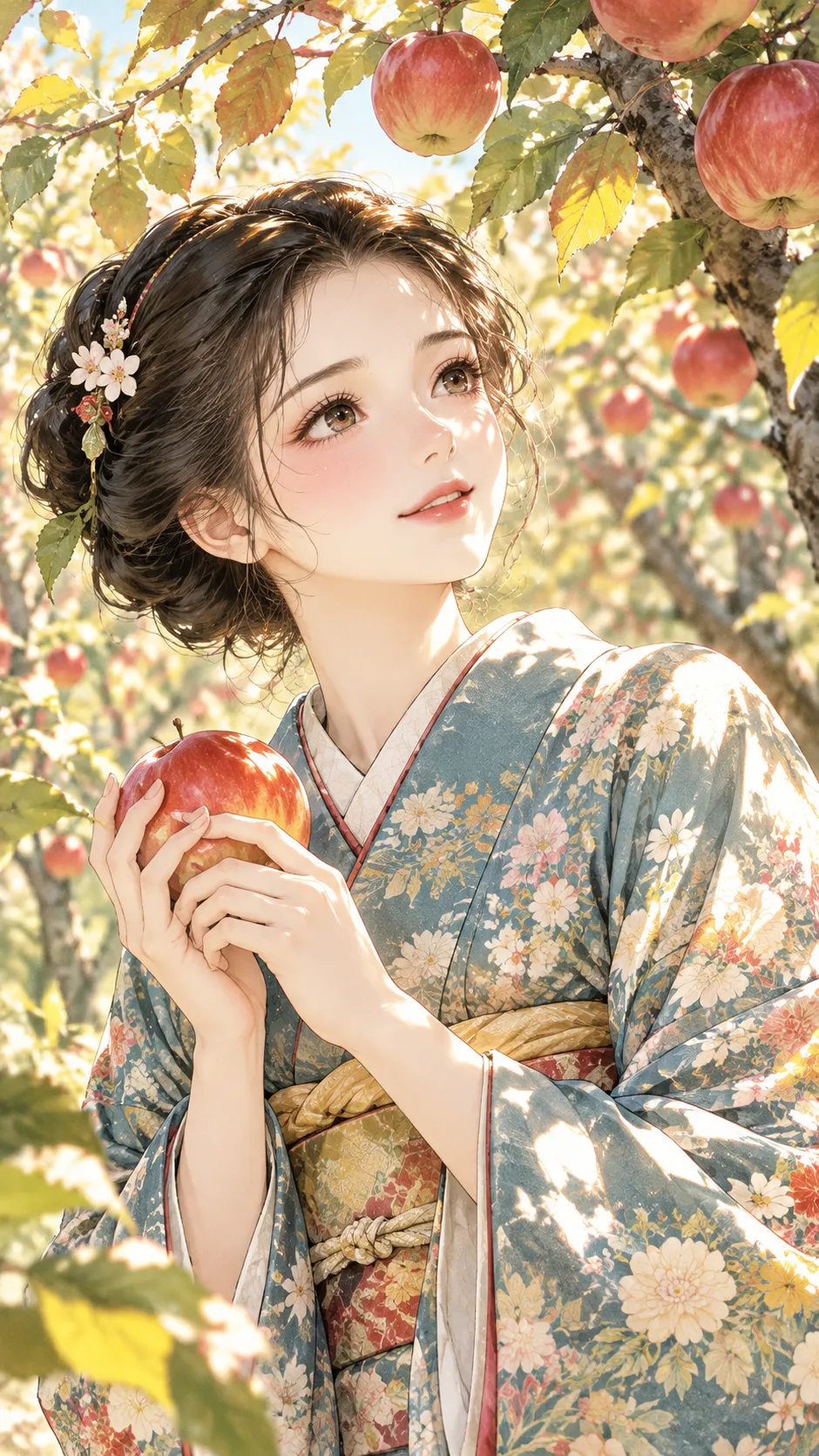
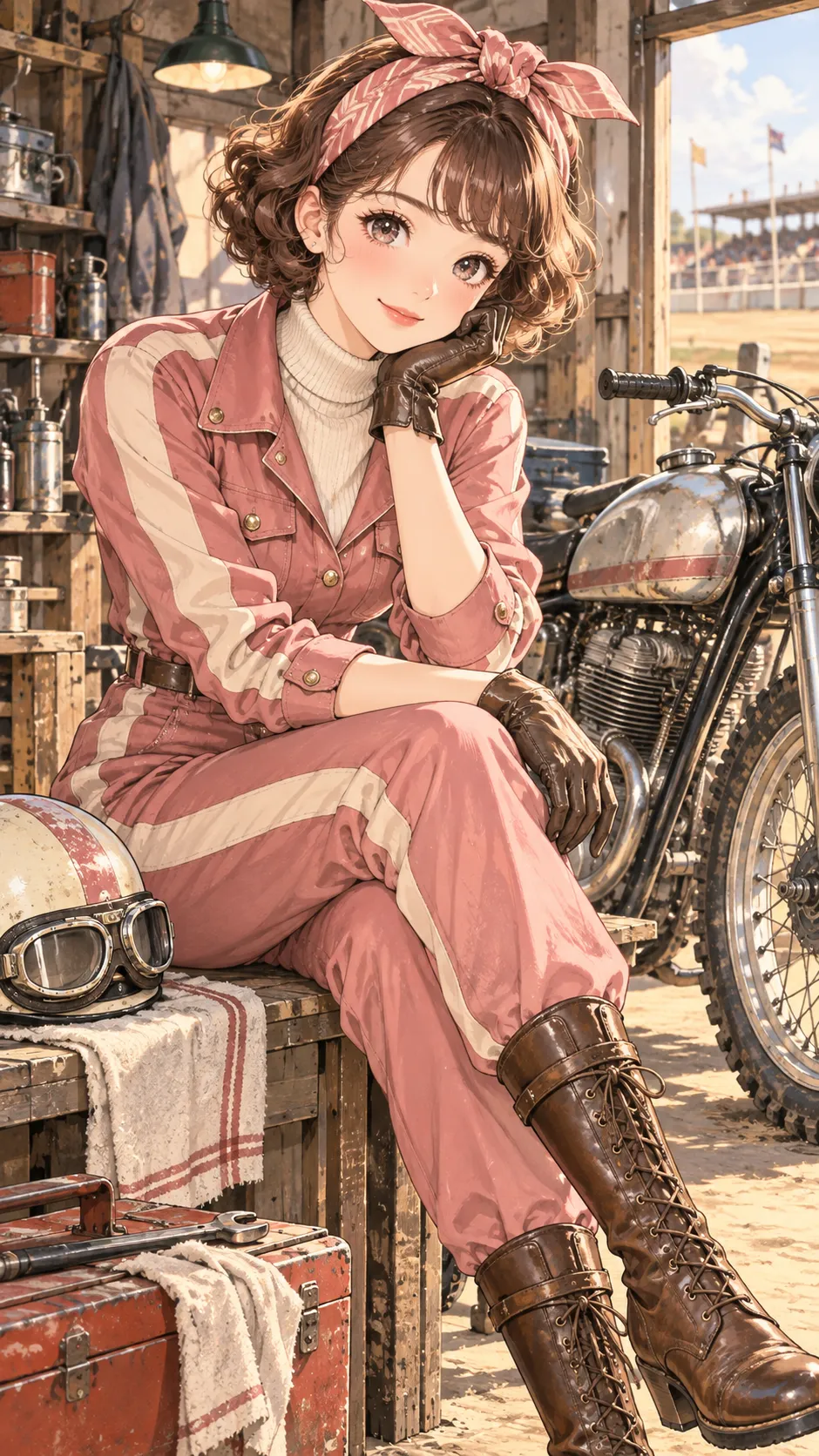
Example outputs
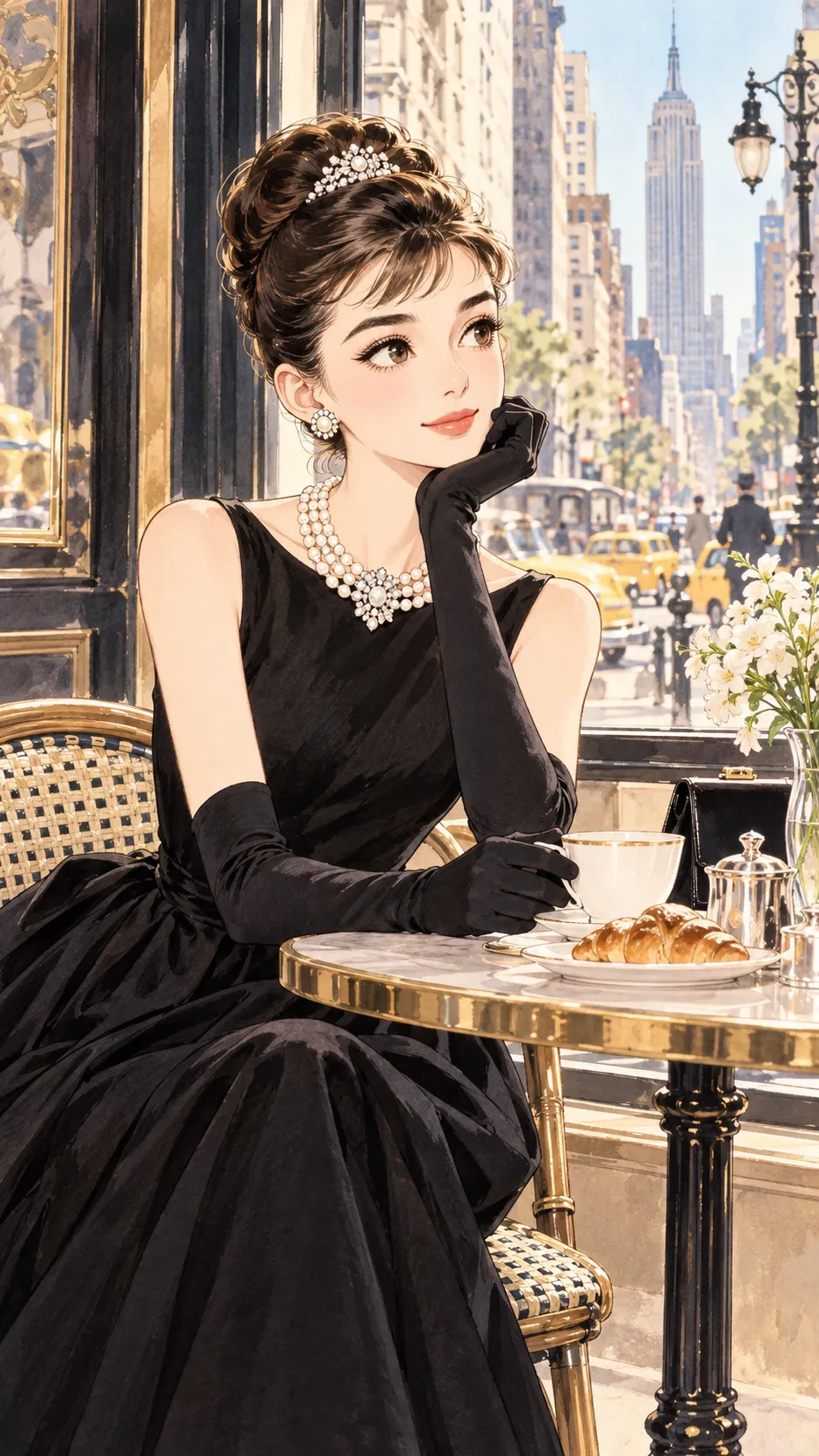
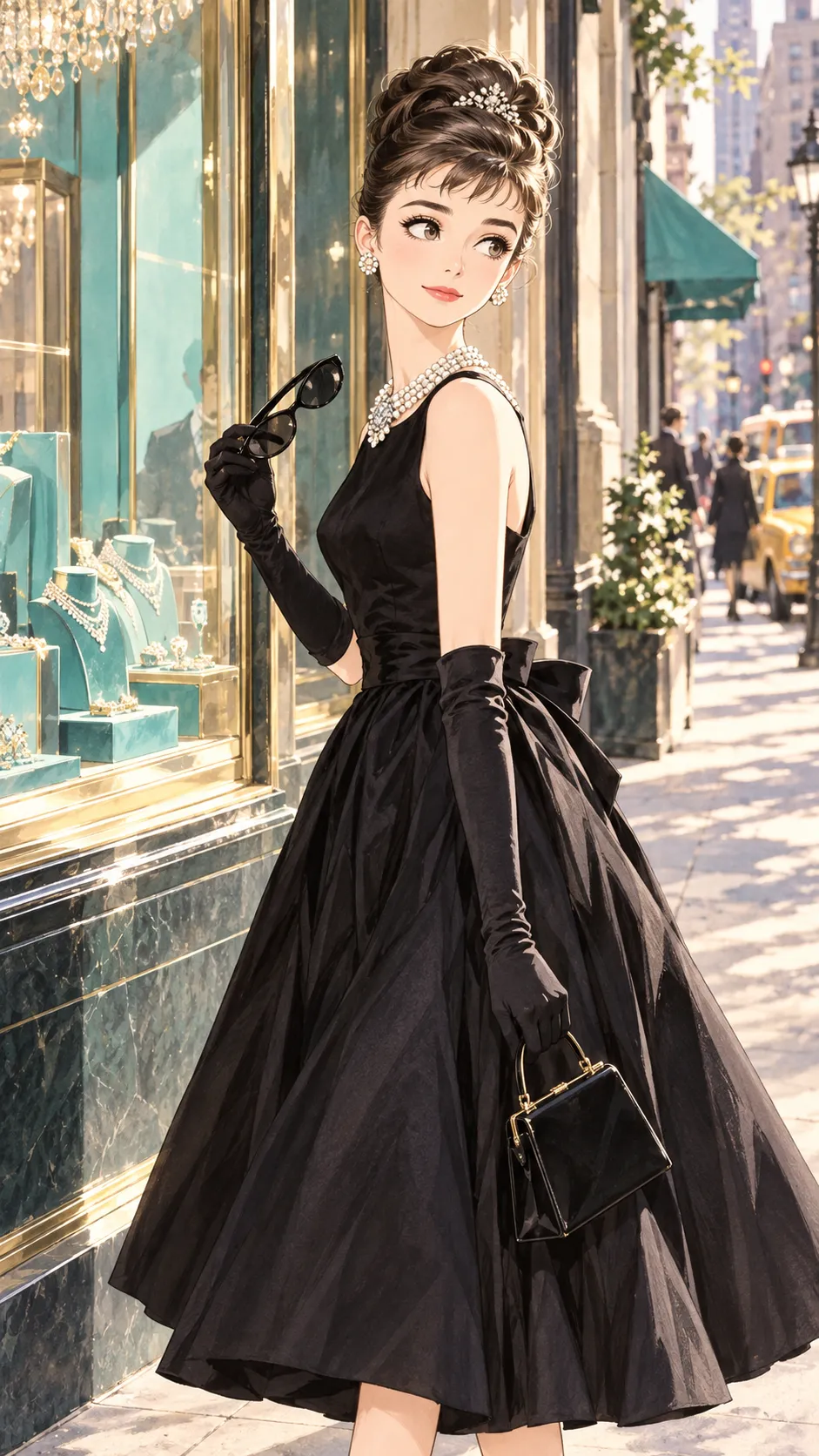
Prompt template
- Format
- Text
- Outputs
- Fashionartwork (image)
Create a fully 2D, exquisitely detailed shoujo manga fashion illustration inspired by the sophisticated fashion and free-spirited, charming beauty associated with Audrey Hepburn in the 1961 film Breakfast at Tiffany’s. Set the scene in early-1960s New York. Combine the era’s luxury fashion and refined social culture with the romantic atmosphere of Hollywood’s golden age. Treat the result as original fashion art, not a faithful recreation of a specific film scene or photograph.

SUBJECT AND CONCEPT
Depict exactly one fictional adult woman. Give her a classical, intelligent elegance reminiscent of Audrey Hepburn, balanced with the radiant, delicate charm of a shoujo manga heroine. She is a witty, charming, self-assured woman who enjoys city life and values her individuality and freedom.

FACE AND EXPRESSION
Give her a refined, classical face with large, clear almond-shaped eyes, long delicate lashes, naturally arched full brows, a neat oval face, elegant cheek lines, a fine straight nose, and small, graceful lips. Her eyes should look intelligent and determined, not excessively round or childlike. Choose an expression and gaze freely: an elegant smile, a playful grin, a slightly affected look, a curious gaze, or a calm, romantic expression. Render her as a fully 2D shoujo manga illustration, not a realistic portrait.

HAIR AND ACCESSORIES
Use glossy dark brown to black hair. Vary the hairstyle, choosing from an elegant high chignon, a classical updo, short curls, a polished pixie cut, or soft short waves. A beautiful updo evocative of the film is an important option and should be used often, while short hairstyles are also welcome. Favor graceful hair flow, neat bangs, and refined volume appropriate to the early 1960s. Depending on the outfit, add a small tiara-like accessory, ribbon, headband, classic hat, or hair clip.

FASHION — IMPORTANT
Choose a fresh combination of garment type, silhouette, fabric, ornament, and color for each image. Draw inspiration from luxury early-1960s New York fashion and Audrey Hepburn’s polished style. Consider elegant long black dresses, refined black cocktail dresses, colorful evening gowns, classic fit-and-flare dresses, chic sheath dresses, tailored suits, jackets with pencil skirts, blouses with full skirts, polished trouser suits, classic trench coats, beautifully shaped wool coats, refined tweed ensembles, and bold modernist fashions centered on vivid color.

The iconic combination of a black dress and elegant updo is an important style and should be used often, but do not make every outfit a black dress. Vary dresses, suits, coats, blouses, and trousers. Favor graceful early-1960s waistlines, clean silhouettes, refined necklines, and elegant sleeve designs. Vary fabrics such as silk, satin, taffeta, velvet, tweed, wool, cotton, chiffon, and lace. Use solids, polka dots, checks, stripes, or delicate florals as appropriate.

Keep the chest fully covered and the overall look modest and elegant. Sleeveless garments must also have a tasteful neckline that does not expose the chest. Skirts must be made of opaque fabric. Coordinate accessories with the outfit: long or short gloves, pearl necklaces, earrings, classic hats, sunglasses, silk scarves, handbags, and pumps. The classic combination of a black dress, updo, pearls, and long gloves is welcome.

COLOR — IMPORTANT
Do not fix the outfit’s color. Give black its place as an iconic film color, but explore a broad range of other colors just as beautifully and elegantly. For each image, freely choose a leading color from varied groups, such as:
- Red: ruby, wine, or coral
- Blue: royal blue, navy, or turquoise
- Green: emerald, jade, or mint
- Purple: lavender, amethyst, or plum
- Orange: terracotta, apricot, or vermilion
- Yellow: mustard, lemon, or amber
- Pink: rose, fuchsia, or dusty pink
- Brown: camel, mocha, or chocolate
- White: ivory, pearl white, or off-white
- Dark: black, charcoal, or deep navy

Black may be used often, but also explore vivid primary colors, soft pastels, rich classical shades, and refined neutrals. Vary between monochrome, two-color combinations, tonal gradients, and bold color pairings. Choose the main outfit color first, then compose a background that enhances it rather than matching the outfit to the background.

SETTING AND BACKGROUND
Set the scene in early-1960s New York. Choose freely among a refined luxury jewelry boutique, glamorous fashion studio, elegant apartment, grand hotel lobby, classic café, upscale restaurant, stylish boutique, antique bookshop, graceful hotel staircase, glamorous party venue, historic New York street, classical townhouse, beautiful flower shop, sophisticated art gallery, or elegant terrace. Treat indoor and outdoor settings equally; do not favor city streets over polished interiors or fashion studios. Add classic furniture, large windows, beautiful curtains, flowers, or antique decorations when appropriate. Vary the time of day, from soft morning light and bright afternoon sunshine to dusk or urban night lighting. Keep the background restrained enough that the woman’s face and fashion remain the focus.

POSE, BODY DIRECTION, AND GAZE — IMPORTANT
Vary the pose, body direction, hand placement, and gaze with each image. Choose freely among walking elegantly through the city, sitting in a café chair, lightly touching a hat, removing sunglasses, holding a handbag, looking into a shop window, gracefully descending stairs, adjusting a coat collar, admiring a bouquet, posing for a fashion shoot, checking an outfit in a mirror, sitting elegantly on a sofa, walking through a party, facing forward with a natural smile, or standing quietly by a window.

Vary standing, seated, walking, profile, three-quarter, and frontal poses. Do not default to a rigid upright stance, a looking-back pose, or a hand resting against the cheek. Give dynamic poses and quiet, polished poses equal consideration. Choose a natural action that shows the outfit’s silhouette to best advantage.

CAMERA AND COMPOSITION
Choose a flattering frontal, three-quarter-front, profile, or three-quarter-back angle. Select a full-length, knee-up, waist-up, or seated composition according to which best showcases the outfit and pose. Do not always center the subject; place her naturally according to the composition. Aim for the polished layout of a luxury early-1960s fashion magazine editorial. Prioritize the woman’s features, the beauty of her clothing, and natural movement.

ANATOMY — STRICT REQUIREMENTS
Show exactly one adult woman, with two arms, two hands, five fingers on each hand, and two legs. Render both hands and all fingers accurately, with no extra fingers or unnatural joints. Make the positions of both arms and hands clear. Avoid crossed arms and resting the cheek on a hand. Connect sleeves and arms naturally. If she wears gloves, cover the fingers accurately and keep the left and right glove designs consistent. Keep her balance, leg proportions, walking gait, and seated posture natural. Maintain accurate anatomy even in elegant poses.

ART STYLE AND FINISH
Create a fully 2D, exquisitely beautiful shoujo manga fashion illustration with delicate, graceful hand-drawn lines, luminous large eyes, and vibrant, refined color. Blend classical beauty reminiscent of Audrey Hepburn with the delicate charm of high-end contemporary shoujo manga. Combine the luxury fashion of early-1960s New York magazines with the romantic elegance of Hollywood’s golden age. Carefully render fabric texture, fine tailoring, neckline design, skirt drape, and accessory details. Use bright, clear color and soft, beautiful lighting.

Do not use a photographic or live-action look, 3D CGI, or dimensional/3D animation style. Include no text, logos, or watermarks. Use a vertical 9:16 composition.

FINAL VARIATION REQUIREMENT
With each image, create a fresh combination of: (1) the outfit’s leading color group, (2) garment type and silhouette, (3) fabric and decoration, (4) hairstyle and accessories, (5) pose and body direction, (6) expression and gaze, (7) setting, and (8) camera angle and subject placement.

The classic Audrey-inspired look combining a black dress and updo is an important signature of this series and should be used often. At the same time, freely explore other beautiful colors and a variety of dresses, suits, coats, and trouser outfits. Do not fix the outfit color, dress shape, hairstyle, looking-back pose, outdoor setting, or composition across every image.

Unlike the glamorous, energetic Parisian fashion of Funny Face, emphasize Breakfast at Tiffany’s qualities: urban sophistication, free-spirited charm, refined playfulness, and the elegance of early-1960s New York. Create an original adult woman inspired by Audrey Hepburn’s distinctive beauty and the fashion culture of the era; do not faithfully reproduce a real photograph of her or a specific scene from the film.
What you'll create
One fictional adult woman appears within a refined urban social world, combining luxury fashion with free-spirited poise. Exquisite two-dimensional shoujo detail gives the original scene a romantic Hollywood-era atmosphere.
Frequently asked questions
Must it reproduce a famous black dress?
No. It asks for original fashion art rather than a specific film costume or scene.
How many main characters are specified?
Exactly one fictional adult woman.
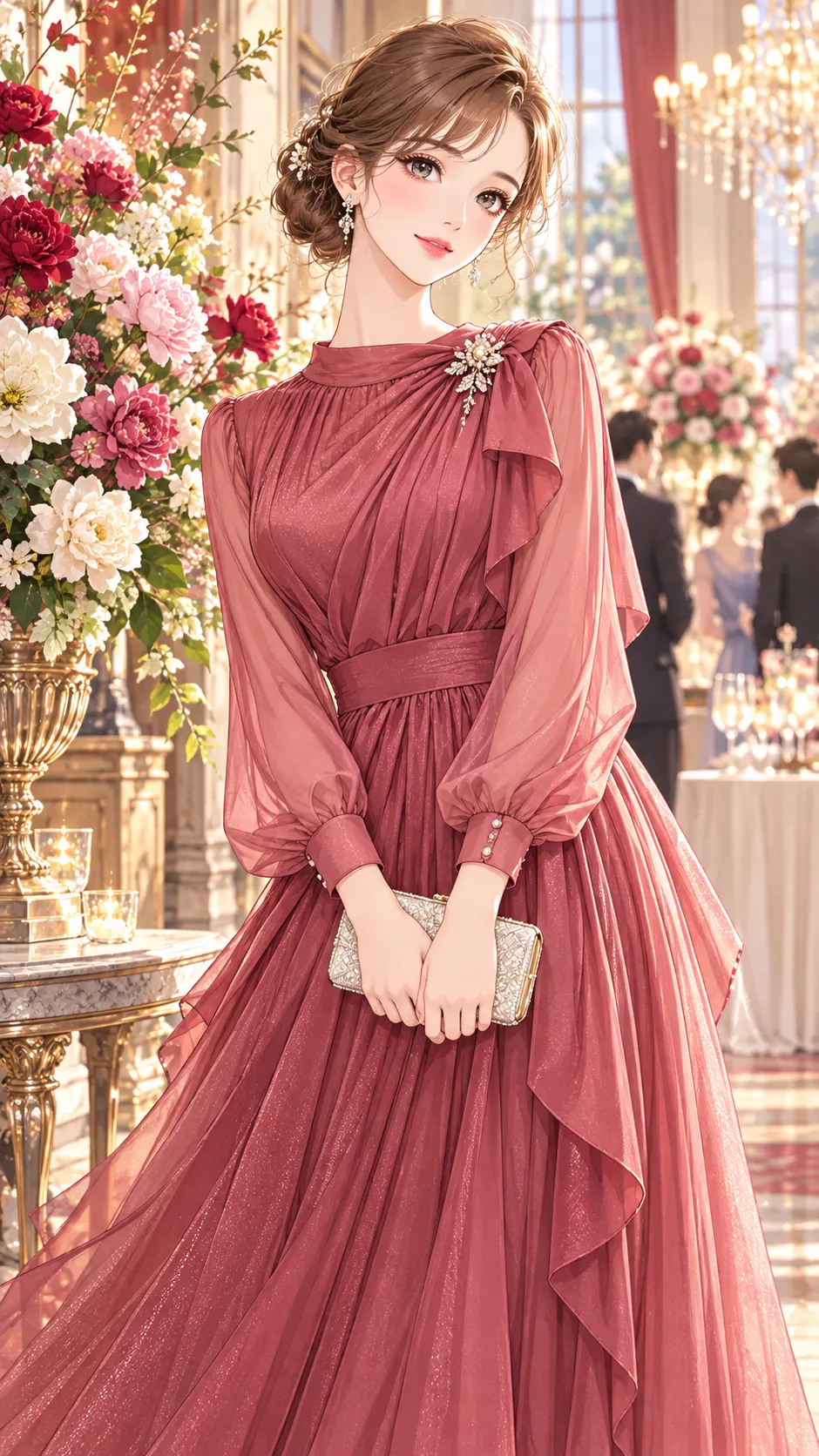
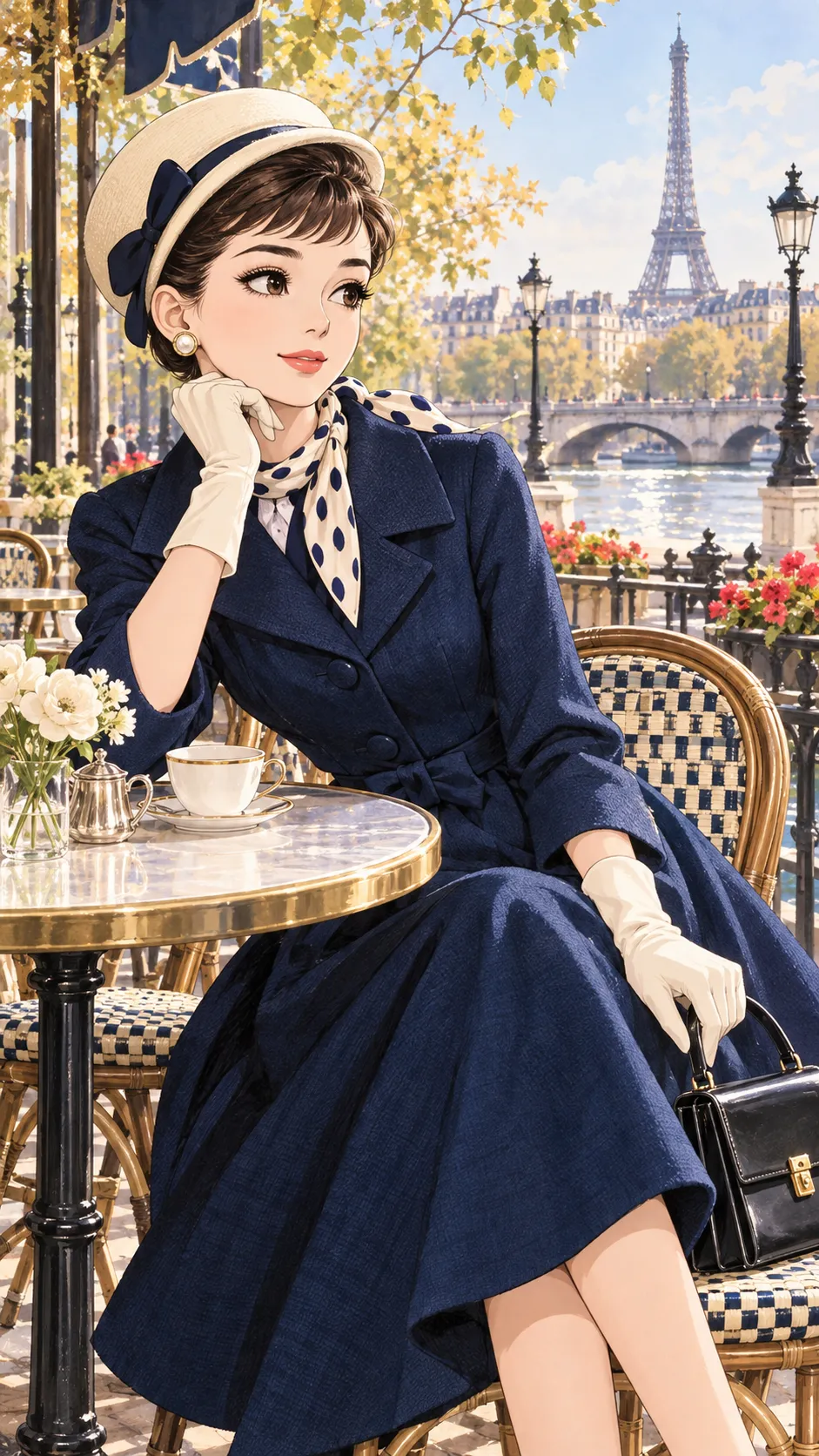


Comments
Tried this prompt? Share what you made, compare results, or ask a question