Royal Lady at a Classical Music Concert
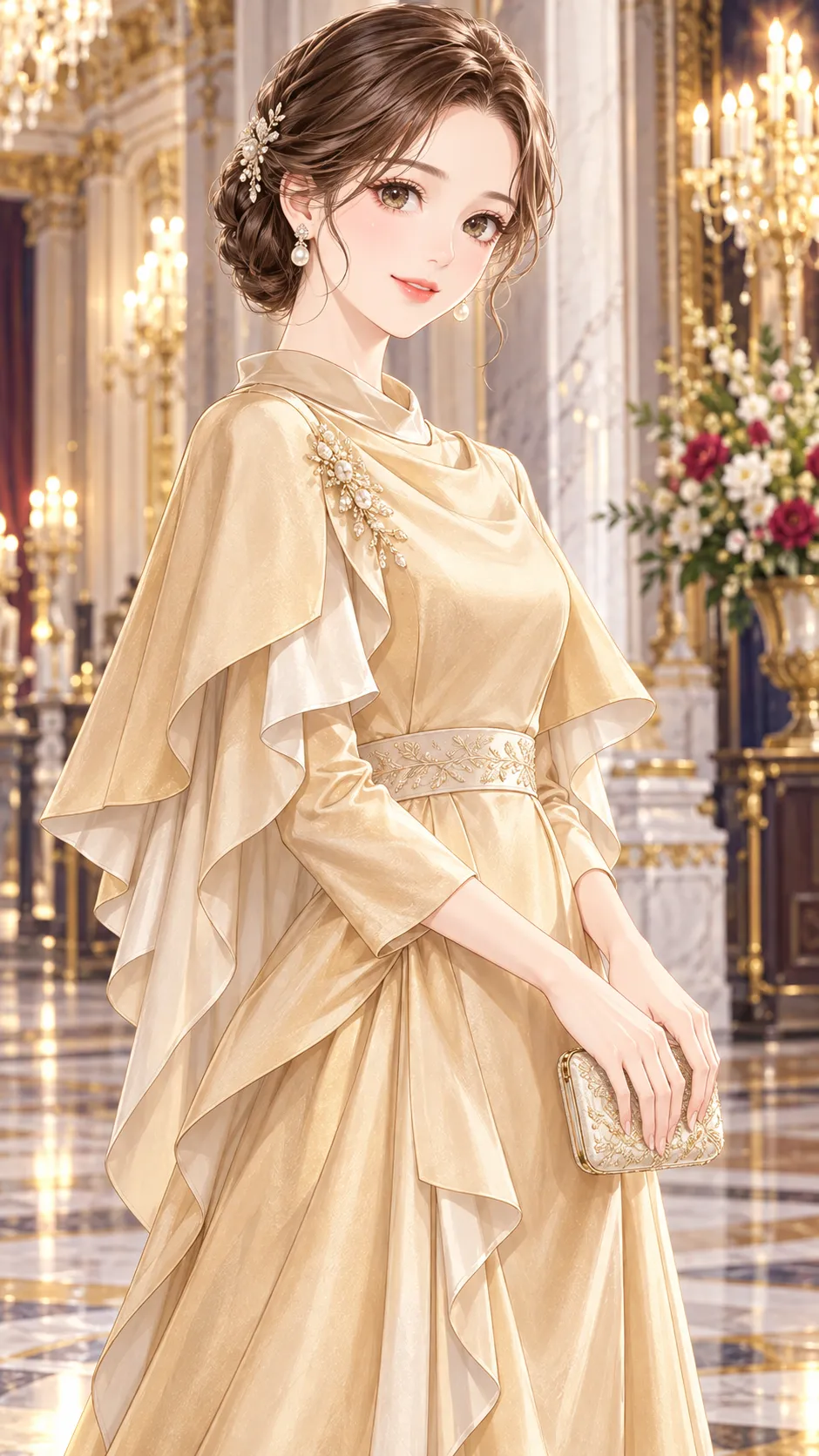
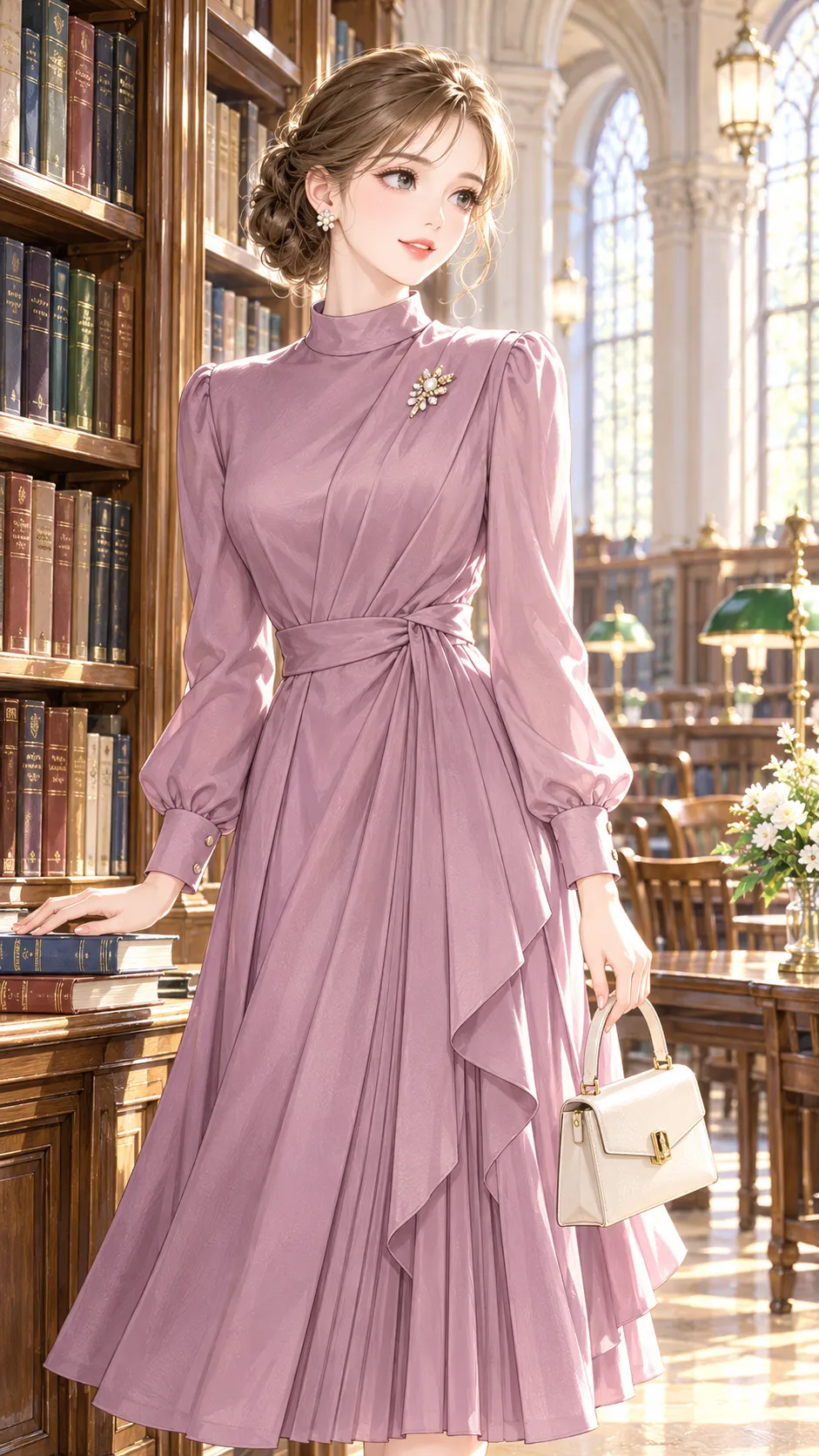
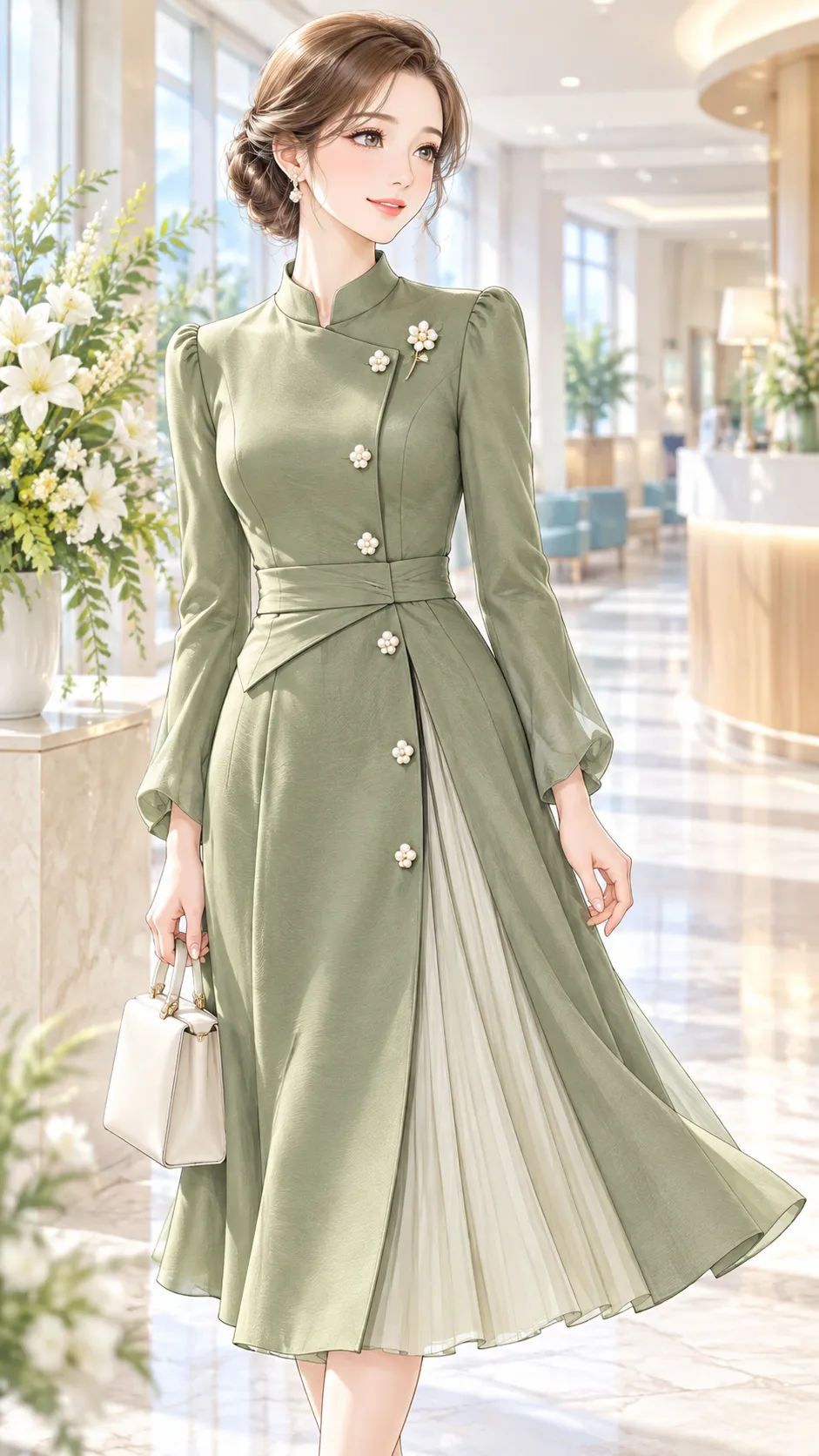
Create a refined 2D shōjo-manga fashion illustration of a fictional adult woman at a distinguished concert hall, with original royal-inspired formalwear and independently chosen clothing design and colors.
Example outputs
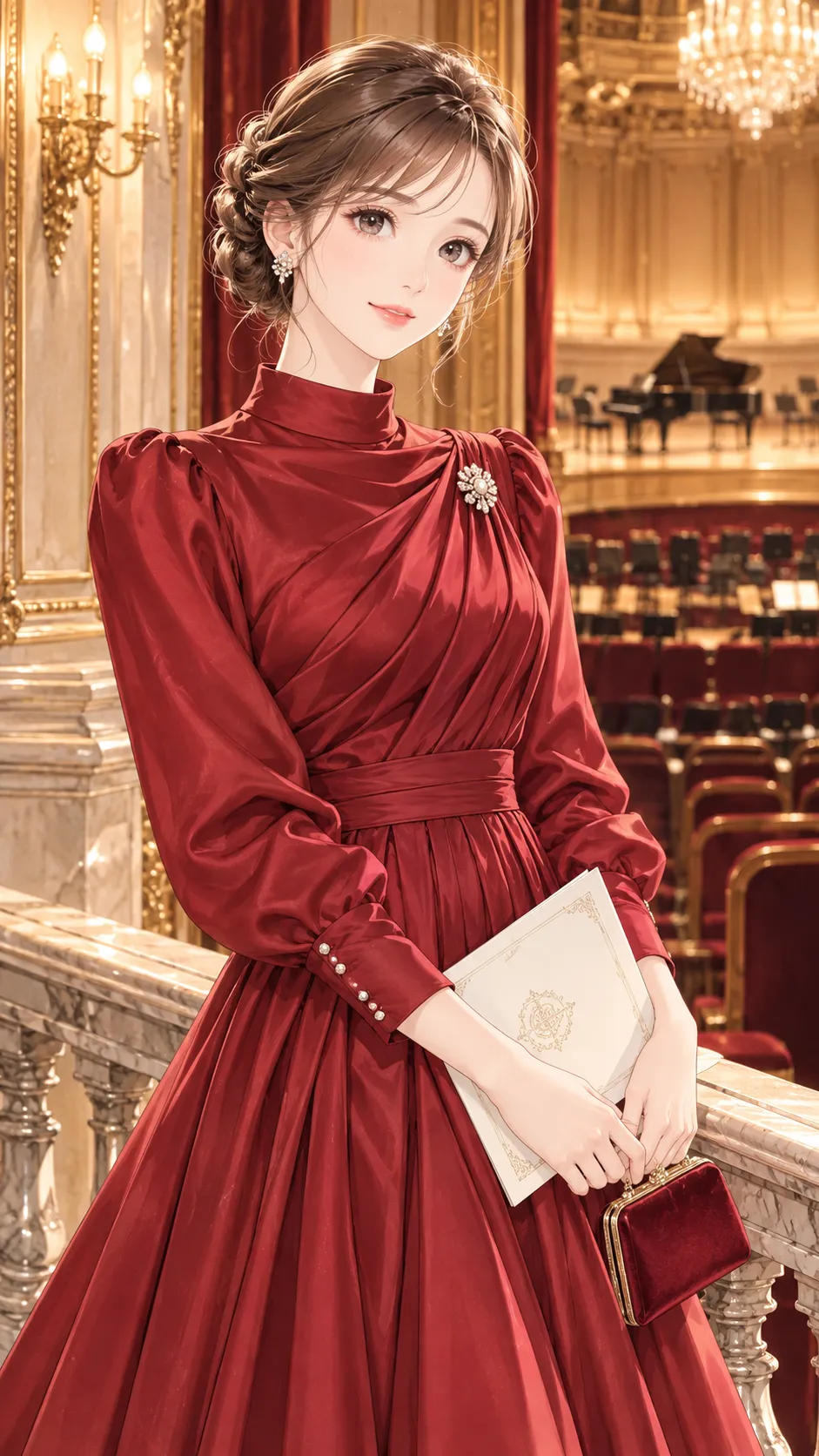
Prompt template
- Format
- Markdown
- Outputs
- Fashionartwork (image)
Create a complete 2D shōjo-manga fashion illustration inspired by the modest, sophisticated Western-style clothing worn by modern Japanese female members of the Imperial Family at classical music performances, commemorative concerts, and official cultural events. The result must be an original work of art.

## Concept

The central figure is a fictional adult woman with the refined, dignified beauty of a Western doll and the delicate charm of a shōjo-manga heroine. Set her in a distinguished concert hall resonating with beautiful classical music. She is a royal lady listening to the music, intelligent and warmly approachable. Convey the modesty, courtesy, understated glamour, and sophistication associated with Japanese Imperial fashion. Do not depict a real member of the Imperial Family or reproduce a specific real outfit.

## Most important: freely invent the outfit

For every generation, invent a new royal concert outfit from scratch. Do not fix the garment type, silhouette, neckline, sleeves, waist, skirt, fabric, or embellishments.

Treat these ten categories as equally valid options, and choose one for this work:

1. **Elegant column dress:** a sophisticated formal dress with a clean, elongated silhouette.
2. **Royal jacket ensemble:** a dignified combination of a tailored jacket and an elegant skirt.
3. **Graceful pleated dress:** an elegant dress showcasing delicate pleats and the soft movement of fabric.
4. **Sophisticated coat dress:** an intelligent-looking coat dress with beautiful front-opening construction and sculptural paneling.
5. **Romantic blouse style:** a soft-looking formal outfit combining an elegant blouse and a beautiful skirt.
6. **Classical jacquard dress:** a classic jacquard dress with delicate woven patterns and a structured silhouette.
7. **Modern royal couture:** contemporary royal fashion featuring an original neckline or sculptural tailoring.
8. **Refined A-line dress:** a dignified, graceful dress emphasizing a beautiful A-line silhouette and fine materials.
9. **Elegant two-piece:** a sophisticated, modern two-piece outfit combining a top and skirt.
10. **Graceful draped dress:** a glamorous formal dress showcasing soft draping or graceful sleeves.

Make the defining features of the selected category clearly visible. Do not turn every outfit into a similar jacket and flared skirt. Create clear differences in the structure of the garments, not just their colors.

## Most important: choose the colors independently

Do not automatically select the outfit colors based on associations with royalty, modesty, or concert attire. After choosing the garment category, select its colors as an independent design decision.

Treat these ten color families as equally valid options, and choose one main color family for this work:

1. **Rose family:** rose, coral, pink.
2. **Red family:** ruby red, wine red, burgundy.
3. **Blue family:** royal blue, navy, sky blue.
4. **Green family:** emerald, sage green, mint.
5. **Purple family:** lavender, lilac, amethyst.
6. **Yellow family:** cream, champagne, yellow.
7. **Orange family:** apricot, orange, terracotta.
8. **White family:** ivory, white, pearl.
9. **Brown family:** greige, mocha, brown.
10. **Monochrome family:** silver gray, charcoal gray, black.

Color rules:
- Do not treat blue or pink as default colors.
- Do not favor navy, light blue, or ivory.
- Consider vivid, deep, and muted nuanced colors as actively as pale colors.
- Do not create fixed pairings between garment categories and color families; any of the ten color families can be used with any category.
- Vary the color scheme too: use a single color, tonal shades, or an elegant two-color combination.
- Do not over-coordinate the outfit with the colors of the hall’s lighting or interior.
- Make the outfit’s main color easy to recognize.

Express elegance through beautiful tailoring, fine materials, and a sophisticated silhouette, not by limiting the colors.

## Silhouette and details

Invent the neckline, sleeves, waist, and hem to suit the chosen garment category. Possible necklines include round, bateau, high, stand, tailored, square, and collarless. Possible sleeves include neat long sleeves, three-quarter sleeves, modest puff sleeves, soft flared sleeves, and sculptural set-in sleeves. Possible waist treatments include natural shaping, a high waist, a straight line, a slim belt, and sculptural paneling. Possible skirts include A-line, straight, semi-fitted, modestly flared, pleated, and softly draped.

Keep the chest fully and elegantly covered; avoid exposing the shoulders, back, or abdomen. Skirts should generally fall below the knee to midi length. Do not make oversized bows, excessive ruffles, or abundant ornamentation the default. Give equal importance to the beauty of clean tailoring and to the beauty of delicate decoration.

## Materials and embellishments

Choose materials appropriate to the outfit, such as fine silk, shantung, jacquard, crepe, satin, tweed, chiffon, or delicate lace. Carefully depict the fabric’s soft sheen, weave, graceful drape, and structured tailoring.

Use embellishments only as appropriate, such as elegant buttons, delicate embroidery, restrained lace, piping, a brooch, or draping. Do not make floral patterns or embroidery standard features. Give beautiful plain garments equal consideration.

## Hats and accessories

A hat is optional. If included, make it small and discreet so it does not interfere with enjoying the music. If she wears no hat, express her elegance through a sophisticated hairstyle. Select accessories as appropriate from pearl earrings, a delicate necklace, an elegant brooch, fine jewelry, and a small handbag. Gloves are optional too. Do not automatically combine a hat, gloves, pearls, a brooch, and a handbag in every design. Value the elegance of restraint.

## The heroine

Depict an adult woman with the refined, dignified beauty of a Western doll and the delicate charm of a shōjo-manga heroine. Give her a naturally rounded face, large clear eyes with a luminous quality, delicate eyelashes, an elegant nose, and a soft mouth. Her face should look mature rather than childlike, and her proportions should be natural and beautiful.

Choose a hairstyle suited to the outfit, such as short hair, a bob, half-up hair, a classic chignon, or an elegant updo. Her expression should convey the intelligence and sensitivity of someone who loves music, along with a calm, warm smile.

## Pose and staging

Give her the natural, graceful bearing of a royal lady attending a distinguished concert. Choose a scene suited to the work, such as:
- Smiling gracefully in the concert hall foyer.
- Standing beside a beautiful staircase.
- Holding a concert program in one hand.
- Smiling quietly in the auditorium before the performance.
- Looking at the concert hall’s decor.
- Walking gracefully through the foyer after the performance.
- Smiling gently toward the viewer.

Do not fix the pose; choose natural movement suited to the outfit and scene. Draw the arms and hands with natural anatomy. Avoid awkwardly crossed arms, resting her cheek on her hand, and extreme body twists.

## Setting and composition

Set the scene in a distinguished classical music hall or historic concert hall. Combine elements naturally, such as a beautiful foyer, an elegant staircase, classical columns, tasteful wall decoration, soft chandelier light, and rich curtains. If the auditorium is shown, convey the concert atmosphere with orderly rows of seats and warm stage lighting.

Keep the woman as the central subject; do not make performers or audience members the main focus. Do not default to an extravagantly decorated palace resembling a royal banquet or a flower-filled charity gala. Emphasize the quiet beauty unique to a music hall and the intellectual atmosphere of engaging with the arts. Keep the background restrained enough to highlight the figure.

Choose the composition freely to suit the outfit. Use a waist-up, above-the-knee, mid-thigh-up, or full-length view—whichever best showcases the outfit. Do not prioritize full-length compositions. Emphasize her face, the upper-body design, the garment’s tailoring, and the delicate beauty of the accessories.

## Art style

Create a highly polished, entirely 2D shōjo-manga illustration with delicate hand-drawn contour lines, beautiful luminous eyes, soft shading, and rich, sophisticated colors. Carefully render garment construction, fabric texture, the sparkle of accessories, and the flow of her hair. The result should evoke a lavish full-color cover illustration for a contemporary shōjo manga, balancing dignity and delicate charm. Do not use a photographic, live-action, 3D, or CG-rendered style.

## Required constraints

- Vertical 9:16 composition.
- No text, logos, or watermarks.
- Exactly one fictional adult woman.
- Modest, sophisticated Western-style formalwear suitable for attending a classical music performance.
- Freely vary the garment category, silhouette, neckline, sleeves, materials, and colors.
- Make the garment’s structural design distinctive and clear.
- Do not limit colors to conventional royal-fashion associations.
- A hat and gloves are optional.
- No excessive exposure of the chest, shoulders, back, abdomen, or legs.
- The skirt fabric must be opaque.
- Clothing must have natural construction and layering.
- Give the adult woman natural, beautiful anatomical proportions.
- Two arms, two hands, two legs, and naturally formed five fingers on each hand.
- No crossed arms or cheek resting on a hand.
- No mirrors or reflections.
- Do not reproduce a real member of the Imperial Family or a specific real outfit.

## Generation sequence

1. **Choose the garment category.** Select one of the ten categories and complete an original outfit design that clearly communicates its defining features.
2. **Choose the colors independently.** Select a main color from the ten color families. Consider a broad range of colors without being guided by the garment category or associations with royalty.
3. **Build the details.** Combine the neckline, sleeves, waist, skirt, materials, and embellishments to suit the selected category and colors.
4. **Choose the figure and staging.** Select a suitable hairstyle, accessories, pose, and composition for the finished outfit.
5. **Unify the whole scene.** Harmonize the heroine’s delicate beauty, original royal fashion, and the setting of a distinguished music hall.

Preserve the modesty, intelligence, courtesy, and grace associated with Japanese Imperial fashion while exploring a varied range of clothing structures and colors. Convey the quiet glamour and intellectual dignity of attending a concert, distinct from garden parties, welcoming ceremonies, award ceremonies, royal banquets, museum visits, or charity galas. Do not default to a navy outfit or jacket ensemble; explore the full range of colors and fashion designs. Finish as an exceptional royal-fashion artwork combining elegance, delicate charm, and originality, like a lavish full-color illustration for a contemporary shōjo manga.
What you'll create
A fictional adult heroine enjoys a performance in a distinguished hall, her expression intelligent and warmly approachable. Sophisticated original clothing and delicate shoujo detail convey quiet cultural elegance.
Frequently asked questions
Is she the performer?
No. The concept shows her listening to the concert.
Does it recreate a real royal portrait?
No. The source calls for an original fictional character and artwork.


Comments
Tried this prompt? Share what you made, compare results, or ask a question