Turn a Photo into a Funny Childlike Crayon Drawing
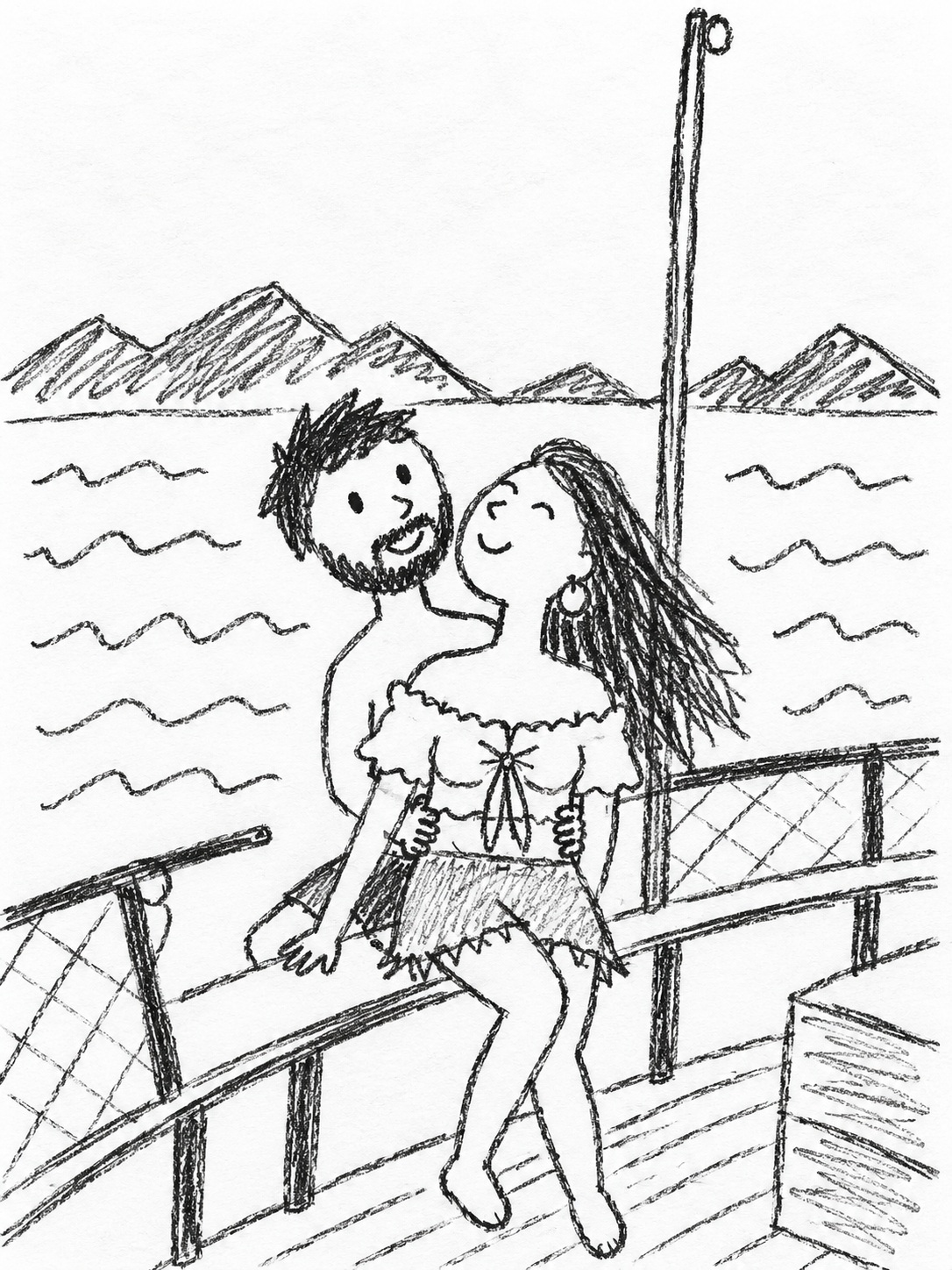
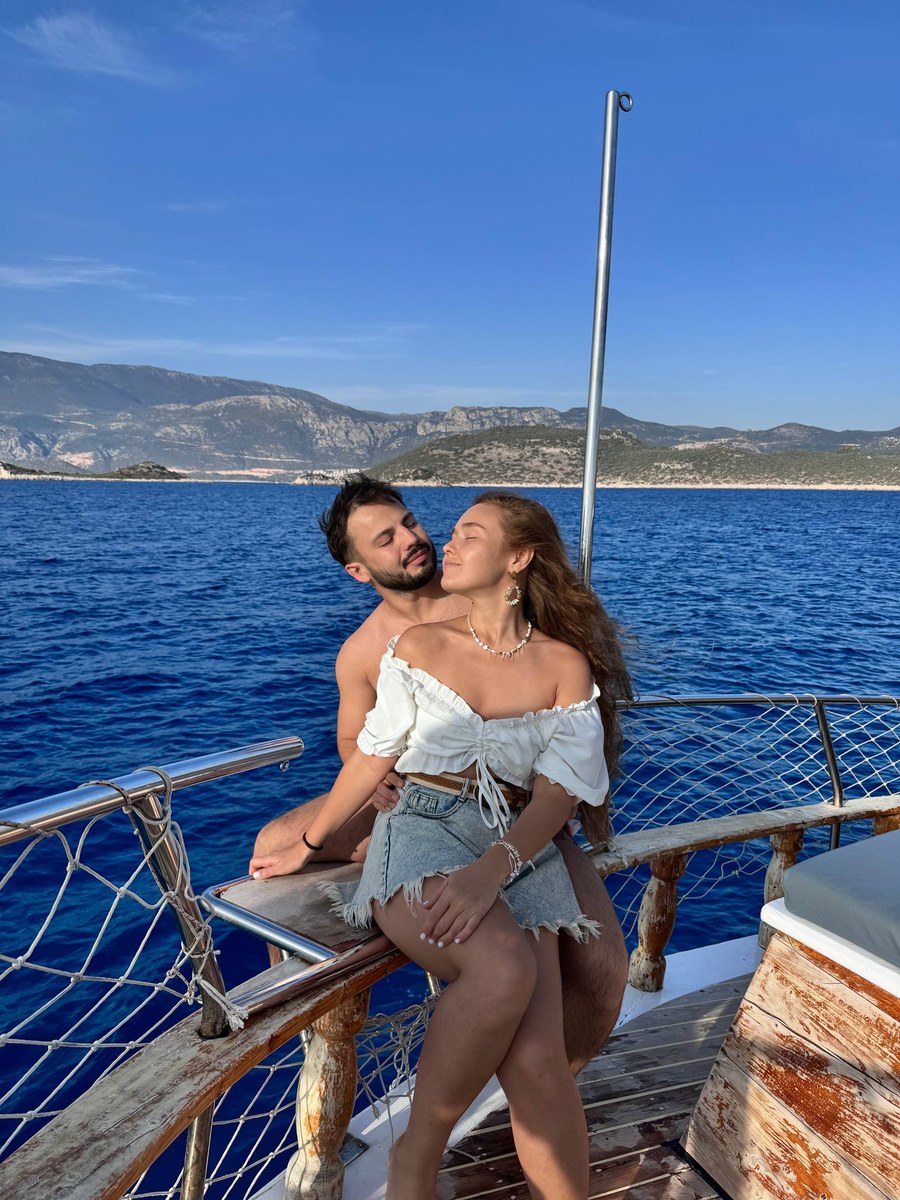
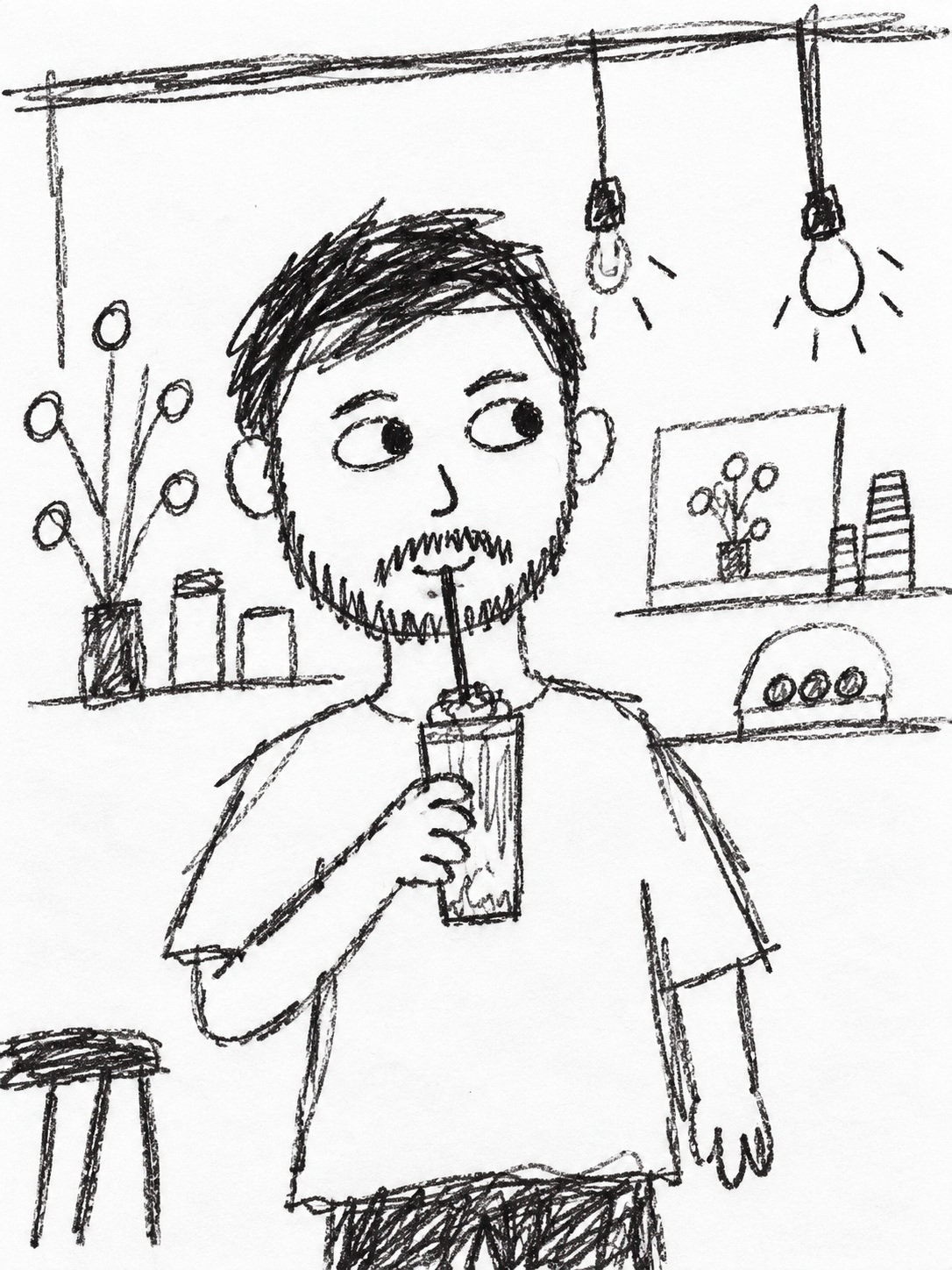
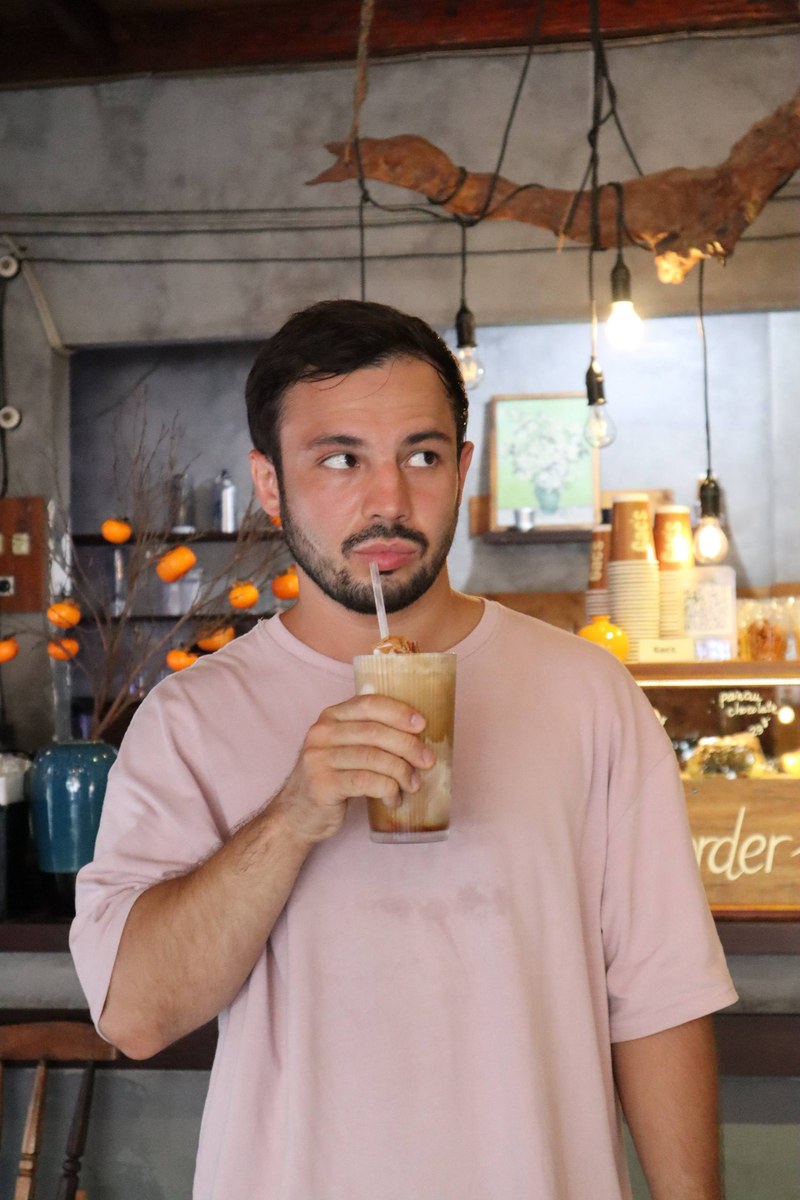
Redraw an uploaded photograph as a funny, awkward black-and-white drawing that looks like a six-year-old tried to copy it, while preserving the scene’s key recognizable features.
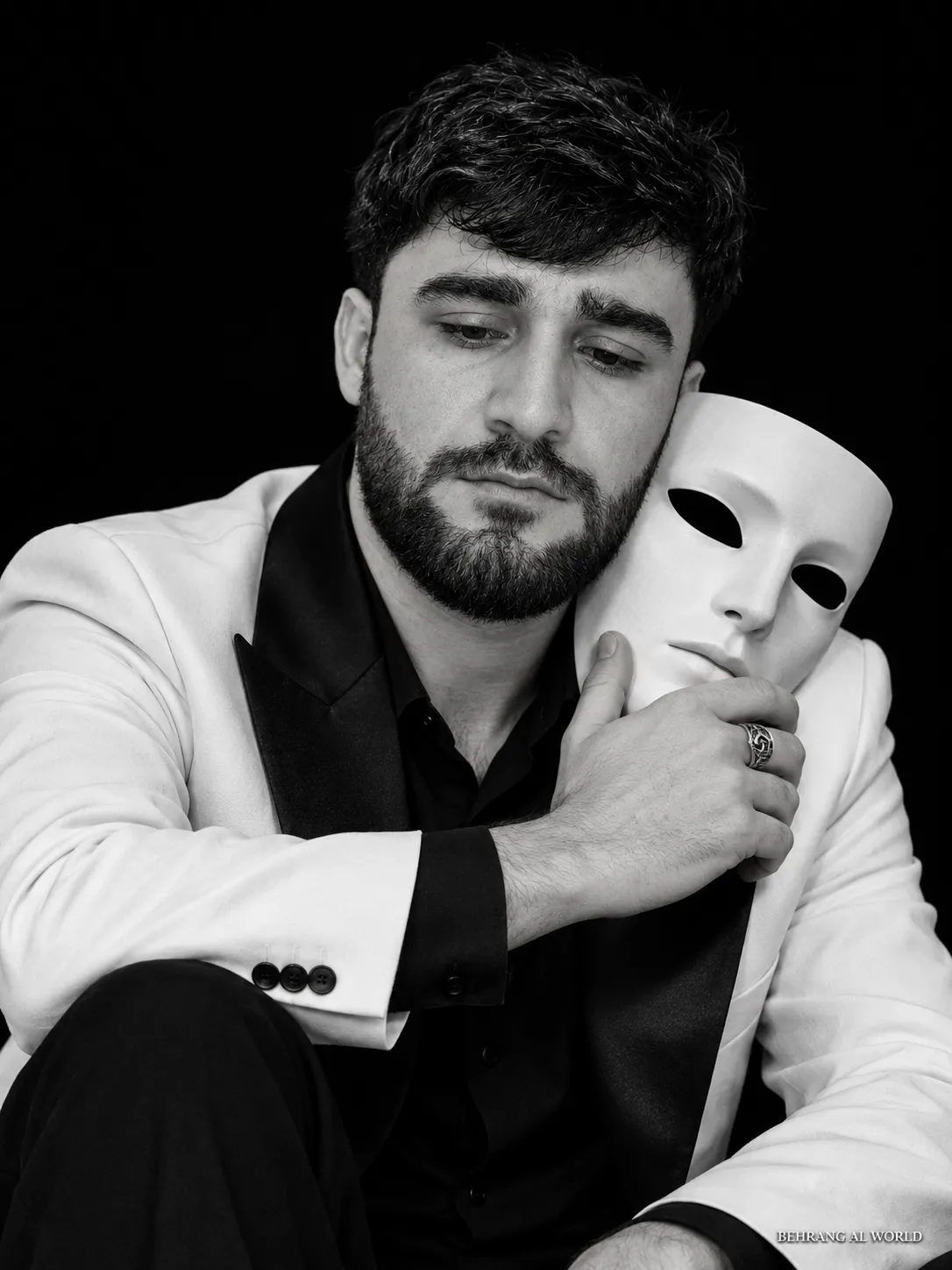
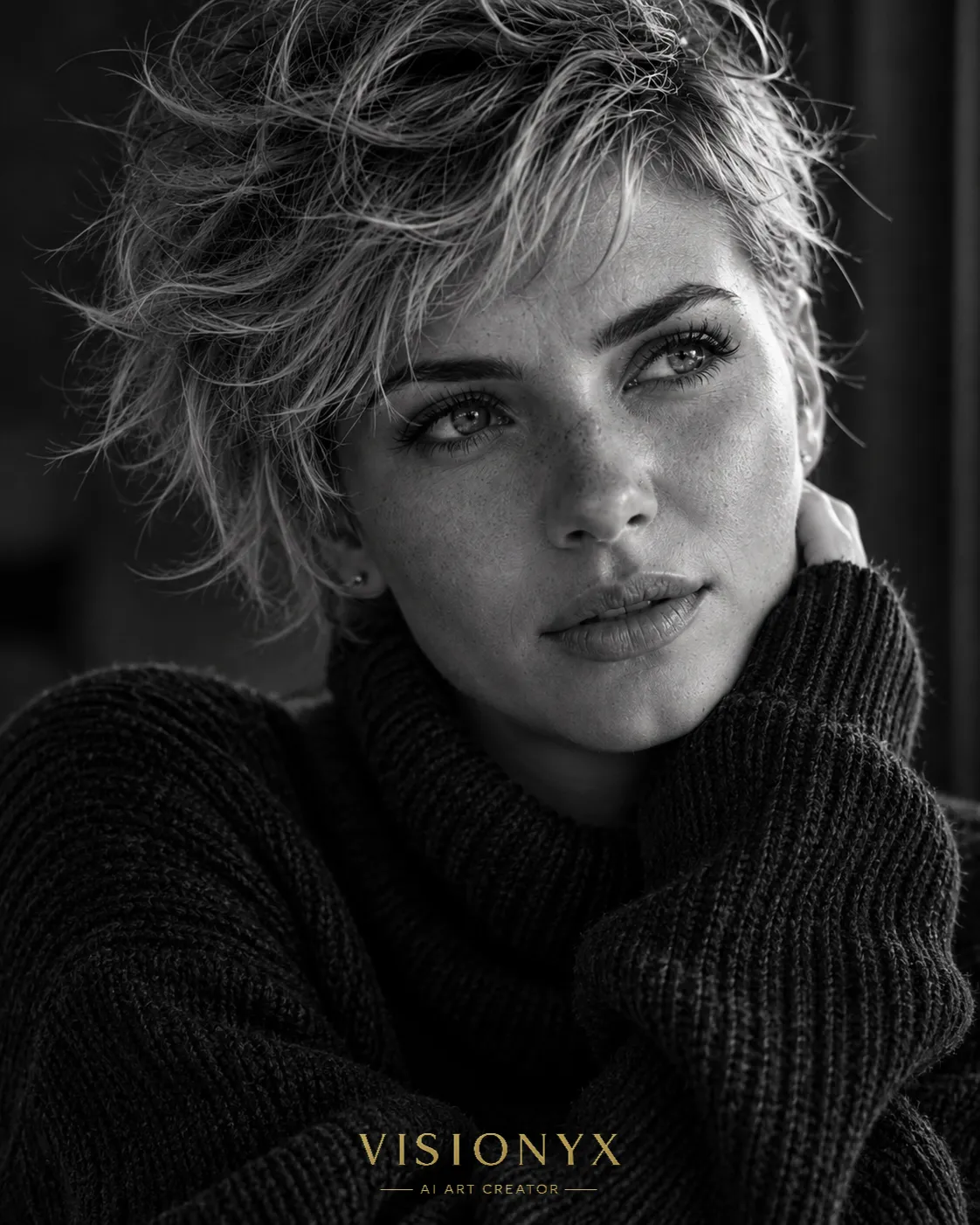
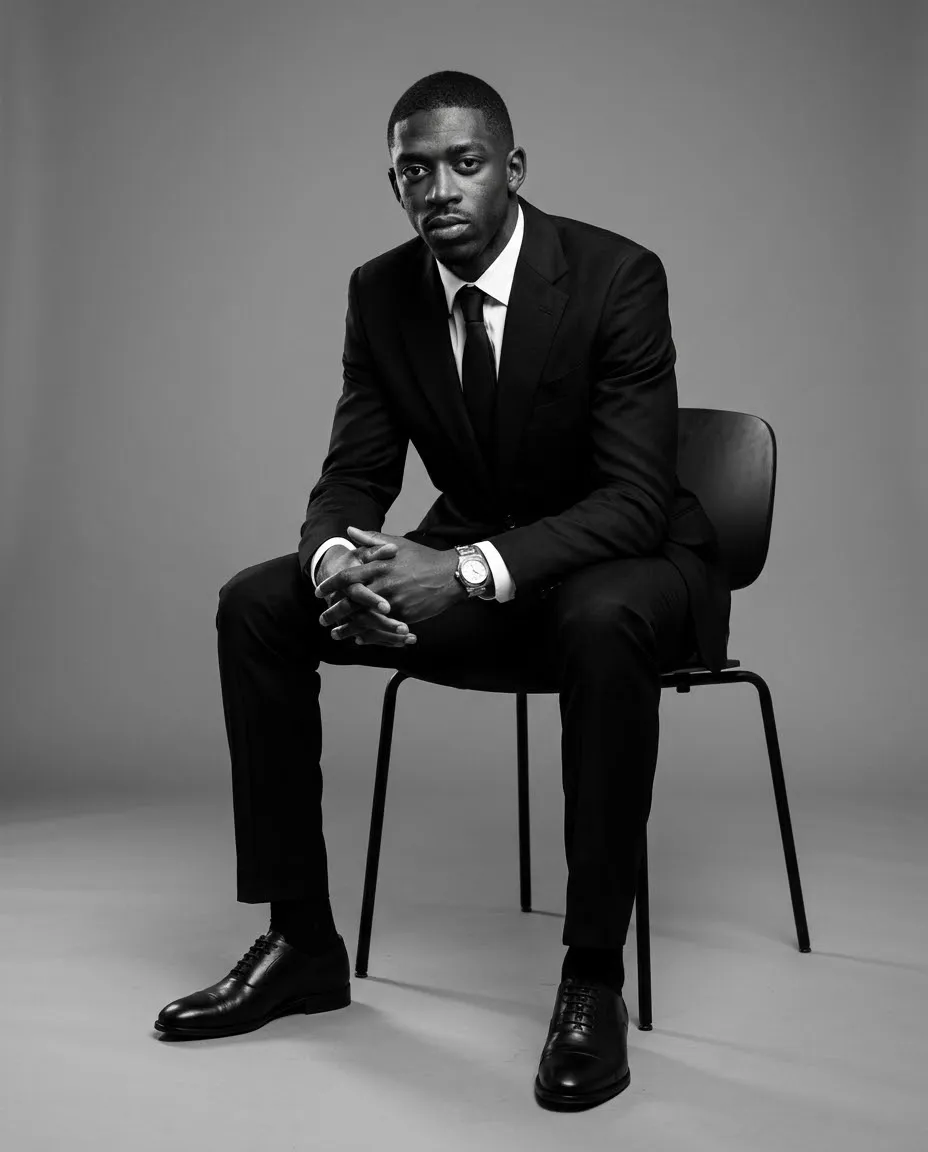
Example outputs
Prompt template
- Format
- Text
- Inputs
- Uploaded_photo (image) · Required
- Outputs
- Childlike_drawing (image)
Create ONE deliberately clumsy, funny, BLACK-AND-WHITE CHILD DRAWING based ONLY on the uploaded photograph.

Use THIS uploaded photograph as the ONLY visual reference.

Analyze every new photograph independently. NEVER carry over people, animals, objects, scenery, clothing, poses, expressions, text, locations, or ideas from previous generations.

## CORE CONCEPT

ORIGINAL PHOTOGRAPH → A 6-YEAR-OLD CHILD TRIES TO DRAW IT.

The final artwork must genuinely look like an UNTRAINED 6-YEAR-OLD CHILD looked at the photograph and tried their best to copy what they saw.

The result should feel innocent, awkward, naïve, badly drawn, spontaneous, funny, imperfect, strangely lovable, and handmade.

It must NOT look like a talented adult artist deliberately imitating children's artwork. It must NOT look professionally illustrated.

## BLACK & WHITE ONLY

Use ONLY rough black crayon, rough black pencil, black wax-pencil-like marks, and plain white paper.

ABSOLUTELY NO COLOR. NO colored pencil. NO watercolor. NO grayscale painting. NO realistic tonal rendering. NO smooth digital gradients. NO polished shading.

When a dark area is necessary, fill it using messy repeated scribbles like a child coloring aggressively with a black crayon.

## DRAW LIKE A REAL 6-YEAR-OLD

Use deliberately imperfect shaky outlines, uneven line pressure, crooked straight lines, wobbly circles, badly connected shapes, oversized heads, tiny or oversized bodies, uneven eyes, strange ears, simple noses, crooked mouths, awkward hands, simple fingers, funny feet, stick-like limbs when appropriate, incorrect anatomy, incorrect perspective, inconsistent proportions, uneven spacing, scribbled clothing, messy overlapping strokes, and accidental-looking marks.

Lines do NOT need to meet perfectly. Circles do NOT need to be round. Objects do NOT need to be symmetrical. Hands do NOT need perfect anatomy. Perspective is allowed to be obviously wrong.

DO NOT FIX THE MISTAKES. The mistakes are part of the charm.

## PRESERVE THE ORIGINAL MEMORY

Even though the drawing is intentionally bad, the original photograph must remain recognizable.

FIRST study the photograph carefully. Identify the strongest visual clues that make the photograph recognizable.

Preserve the exact number of important subjects, general pose, general body position, important interactions, hairstyle, headwear, glasses, distinctive clothing silhouette, obvious facial expression, important gestures, major objects, important animals, and recognizable activity.

Do NOT invent a completely different scene.

## SIMPLIFY AGGRESSIVELY

The child does NOT need to draw everything. Reduce complicated details into extremely simple childlike shapes.

For example: a laptop may become a crooked rectangle; a chair may have four uneven lines; a table may have impossible perspective; a building may become a box with square windows; a car may become a rectangle with two circles; a guitar may be badly proportioned but must still clearly look like a guitar; a cat may have an oversized head, triangle ears, and stick-like whiskers.

Recognition should come from SHAPE + POSE + IMPORTANT OBJECTS + A FEW DISTINCTIVE FEATURES.

## PEOPLE

When people appear in the photograph, preserve their recognizable visual characteristics without drawing them realistically.

Faces should be VERY SIMPLE. Use dots, circles, short lines, crooked eyebrows, uneven eyes, tiny noses, and simple mouths. Slight exaggeration is encouraged when it makes the result funnier.

However, preserve enough distinctive features to connect the drawing to the original photograph.

DO NOT beautify people. DO NOT create realistic portraits. DO NOT make perfect anatomy.

## ANIMALS

When animals appear, preserve their species, general pose, body orientation, and distinctive features. Draw them with naïve childlike anatomy.

Allow giant heads, tiny bodies, uneven eyes, crooked ears, ridiculously long whiskers, strange paws, badly shaped tails, and uneven legs.

Keep them recognizable but adorably badly drawn.

## IMPORTANT OBJECT RULE

If an object is essential to understanding the photograph, KEEP IT.

For example: person playing guitar → keep guitar; person working on laptop → keep laptop; person holding something → preserve the important object; person using microphone → keep microphone; animal interacting with an object → preserve the interaction.

Draw the object badly, but do not remove the story.

## BACKGROUND

Simplify the background heavily. Only preserve background elements needed to understand the scene. Remove approximately 60–90% of unnecessary visual detail when appropriate.

Do NOT carefully reproduce every chair, table, window, sign, decoration, cable, building detail, background person, or tiny object.

Use generous WHITE PAPER. The artwork should feel like a child focused mainly on the interesting part of the photograph.

## TEXT RULE

Do NOT reproduce complicated text. Do NOT attempt to recreate small writing, signage, labels, presentation slides, documents, screens, or advertisements.

Replace unnecessary text with short scribbles, crooked lines, dots, or simple meaningless childlike marks unless the text is absolutely essential to understanding the harmless scene.

Do NOT invent new words or slogans.

## SAFE & NEUTRAL CONTENT

Keep the generated artwork visually SAFE, NEUTRAL, and HARMLESS. NEVER invent or introduce sensitive, controversial, or inappropriate content.

DO NOT ADD religious symbols, religious imagery, political symbols, political slogans, political parties, campaign material, national flags, national emblems, coats of arms, patriotic symbols, military insignia, extremist symbols, hate symbols, weapons, blood, gore, injuries, violent imagery, sexual or suggestive imagery, offensive gestures, discriminatory imagery, hateful imagery, brand logos, trademarks, QR codes, sensitive slogans, or controversial text.

NEVER introduce these elements merely to decorate or complete the drawing.

For small, unclear, complicated, logo-like, or potentially sensitive details visible in the photograph: SIMPLIFY OR OMIT THEM. Replace them with neutral childlike shapes or meaningless scribbles when they are not essential to the memory.

The goal is to preserve the harmless visual story of the photograph, NOT every tiny background detail.

## COMPOSITION

Keep approximately the same main visual story and subject arrangement as the photograph.

However, deliberately allow childish errors in scale, spacing, perspective, anatomy, alignment, and proportions.

Do NOT make the composition perfectly balanced. Do NOT make everything neatly centered. Do NOT make it look professionally designed.

Allow plenty of empty white paper.

## STRICT STYLE EXCLUSIONS

DO NOT create a professional pencil sketch, realistic charcoal portrait, polished line art, detailed illustration, editorial illustration, professional caricature, manga, anime, comic-book art, chibi, vector art, digital painting, photorealistic drawing, watercolor, polished cartoon, sophisticated cross-hatching, realistic shading, perfect anatomy, or perfect perspective.

If the artwork begins looking professionally illustrated: STOP. SIMPLIFY IT MORE.

## FINAL 6-YEAR-OLD TEST

Before finishing, internally ask: “Could someone genuinely believe a funny 6-year-old child drew this while looking at the photograph?”

If the answer is NO, make the lines shakier; make circles less perfect; make proportions more awkward; simplify the face, hands, and objects; remove unnecessary detail; replace professional shading with messy scribbles; and make it look LESS SKILLED.

FINAL RESULT: BADLY DRAWN ON PURPOSE + 6-YEAR-OLD CHILD ENERGY + BLACK & WHITE + FUNNY + NAÏVE + RECOGNIZABLE + ADORABLY IMPERFECT.

No decorative border. No added caption. No invented text. No sensitive additions. BLACK AND WHITE ONLY.
What you'll create
The scene becomes an awkward childlike interpretation with messy scribbles and simplified recognition cues. Innocent irregular drawing replaces skilled shading without adding invented captions or unrelated objects.
Usage instructions
Provide the photograph whose scene should be redrawn. The prompt preserves key recognition cues while simplifying the scene and enforcing a deliberately unskilled black-and-white style; the background-detail guidance is adjustable by changing the stated 60–90% reduction range.
Frequently asked questions
Should the drawing become more professionally polished?
No. It is intentionally less skilled and imperfect.
May details carry over from earlier photographs?
No. Each new photo is analyzed independently.






Comments
Tried this prompt? Share what you made, compare results, or ask a question