Contemporary Editorial Travel Poster
Create a destination-specific collectible travel poster blending modern Japanese editorial illustration, Swiss typography, and Bauhaus-inspired geometry.
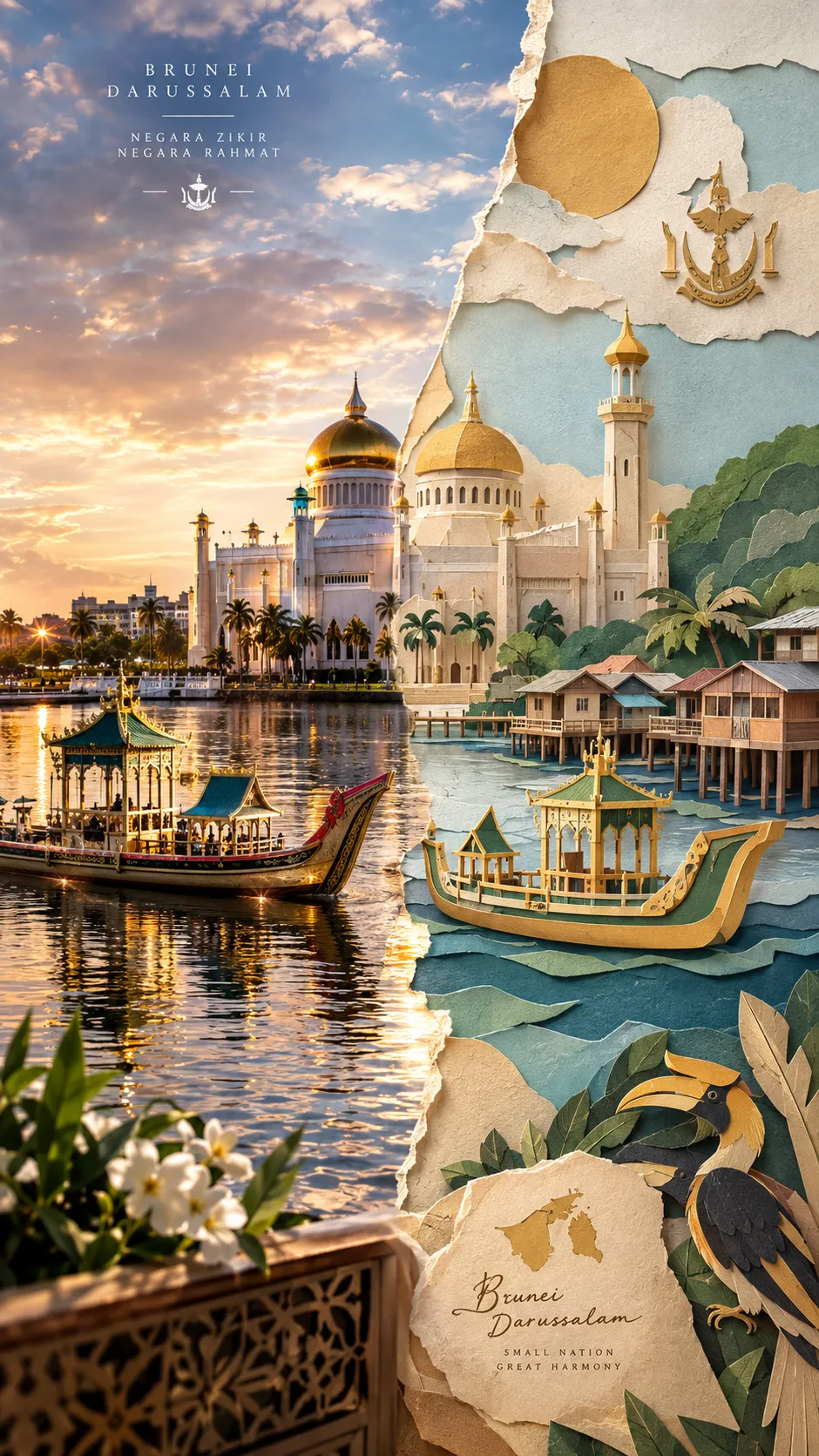
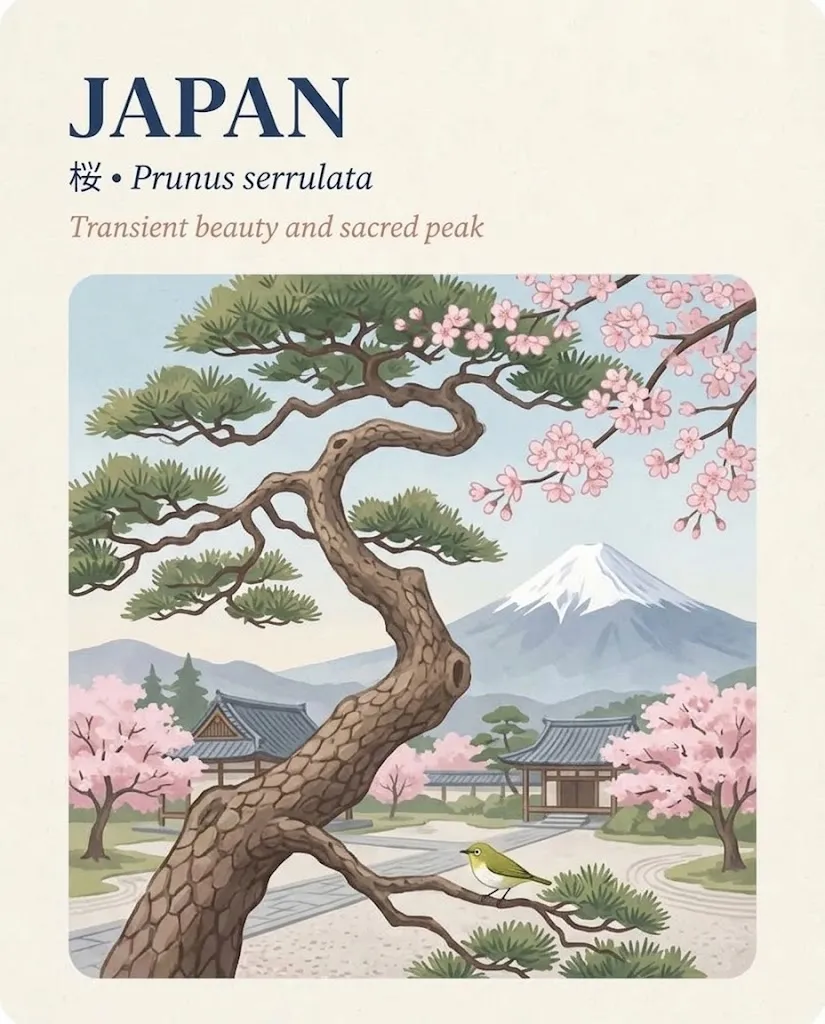
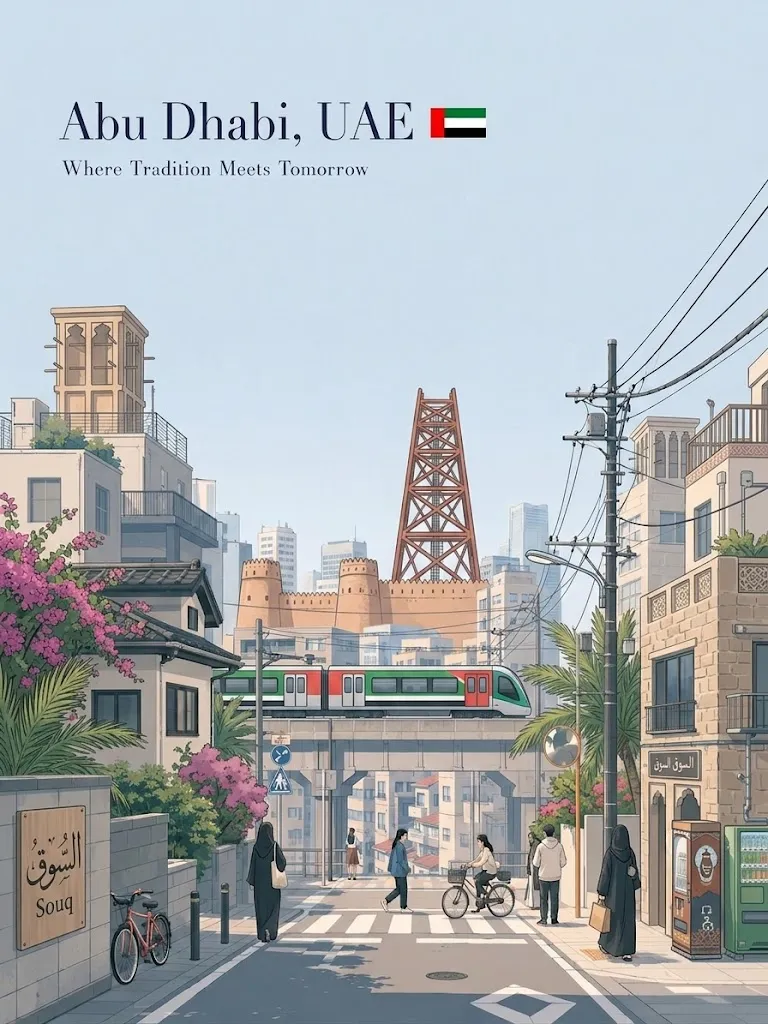
Example outputs
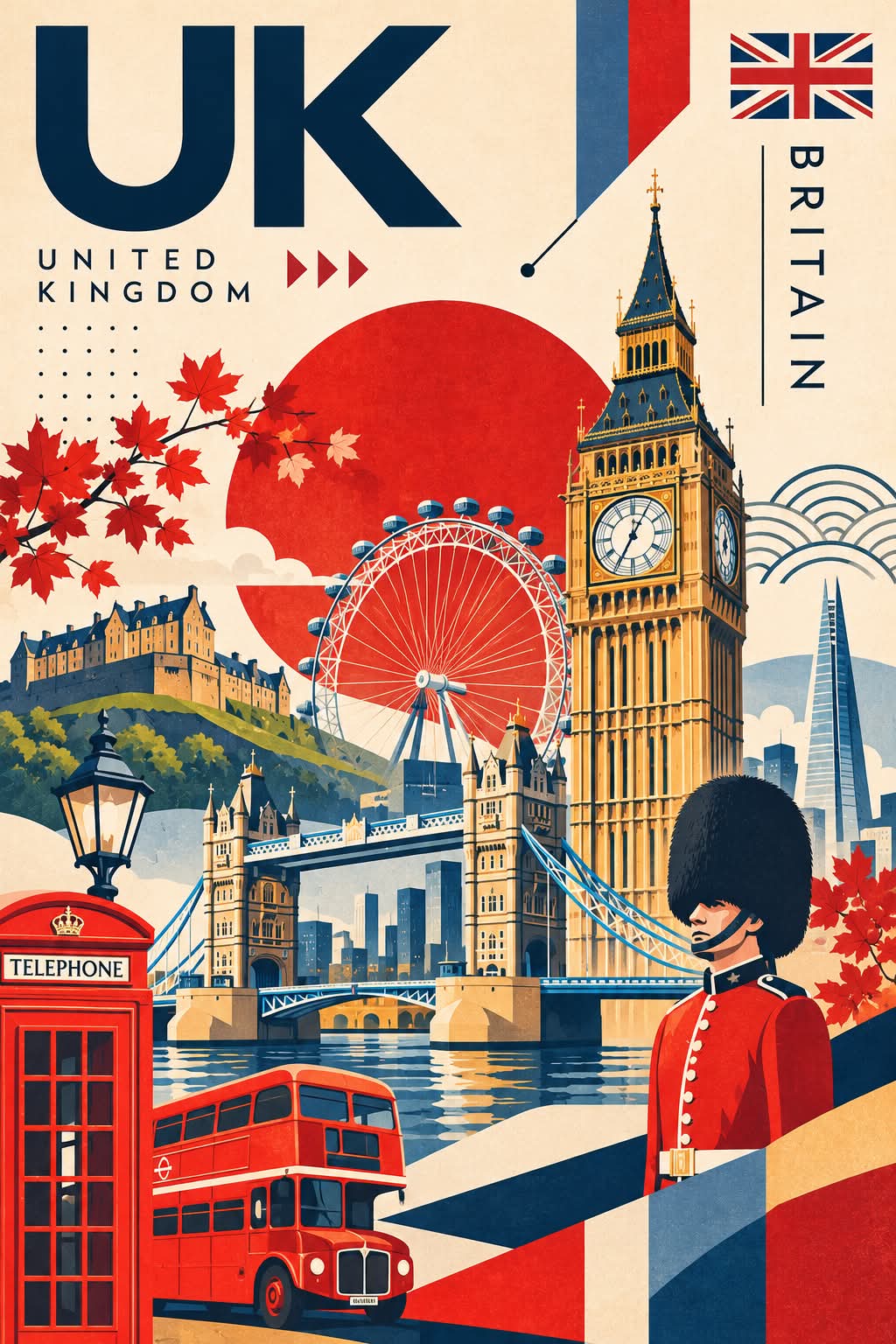
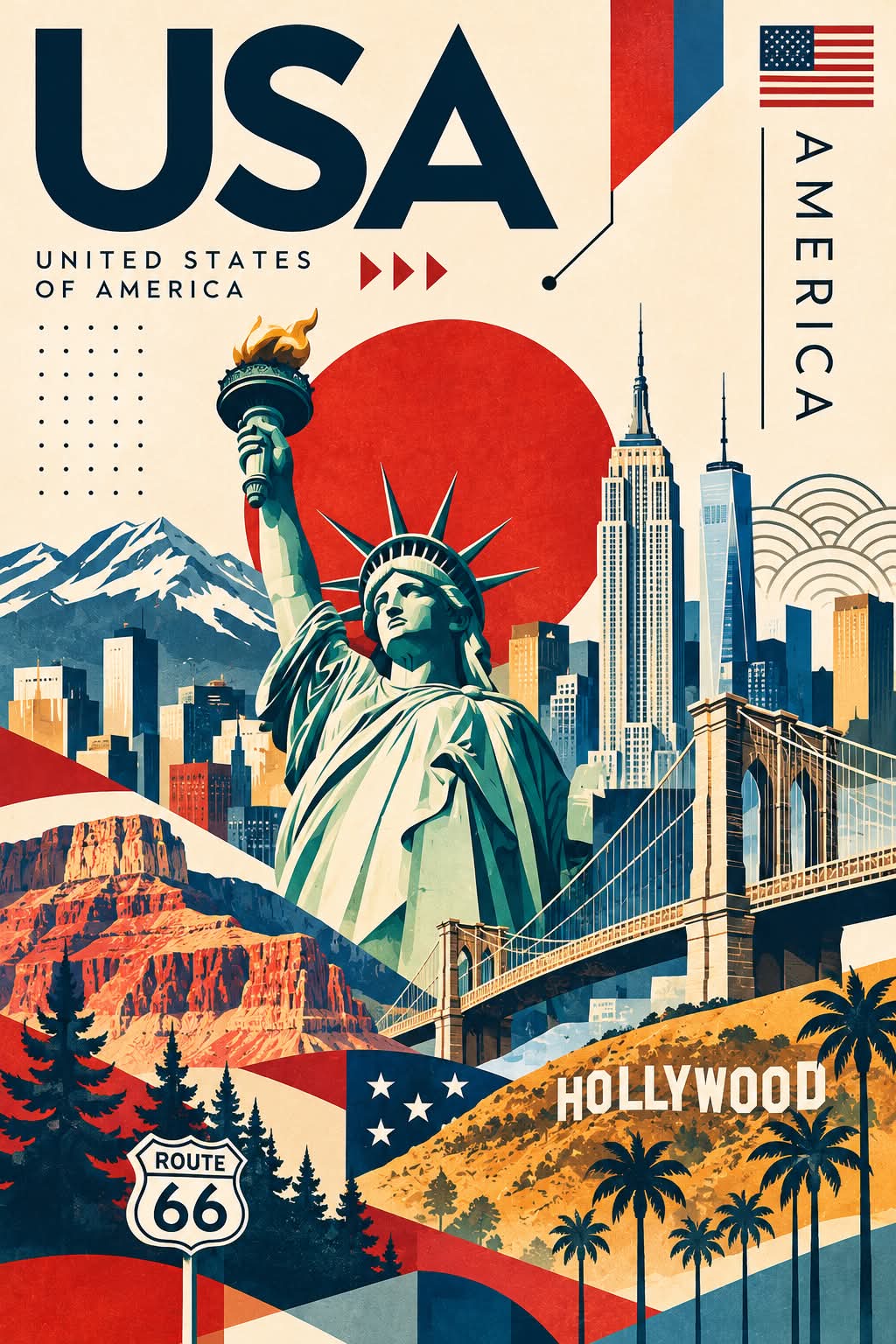
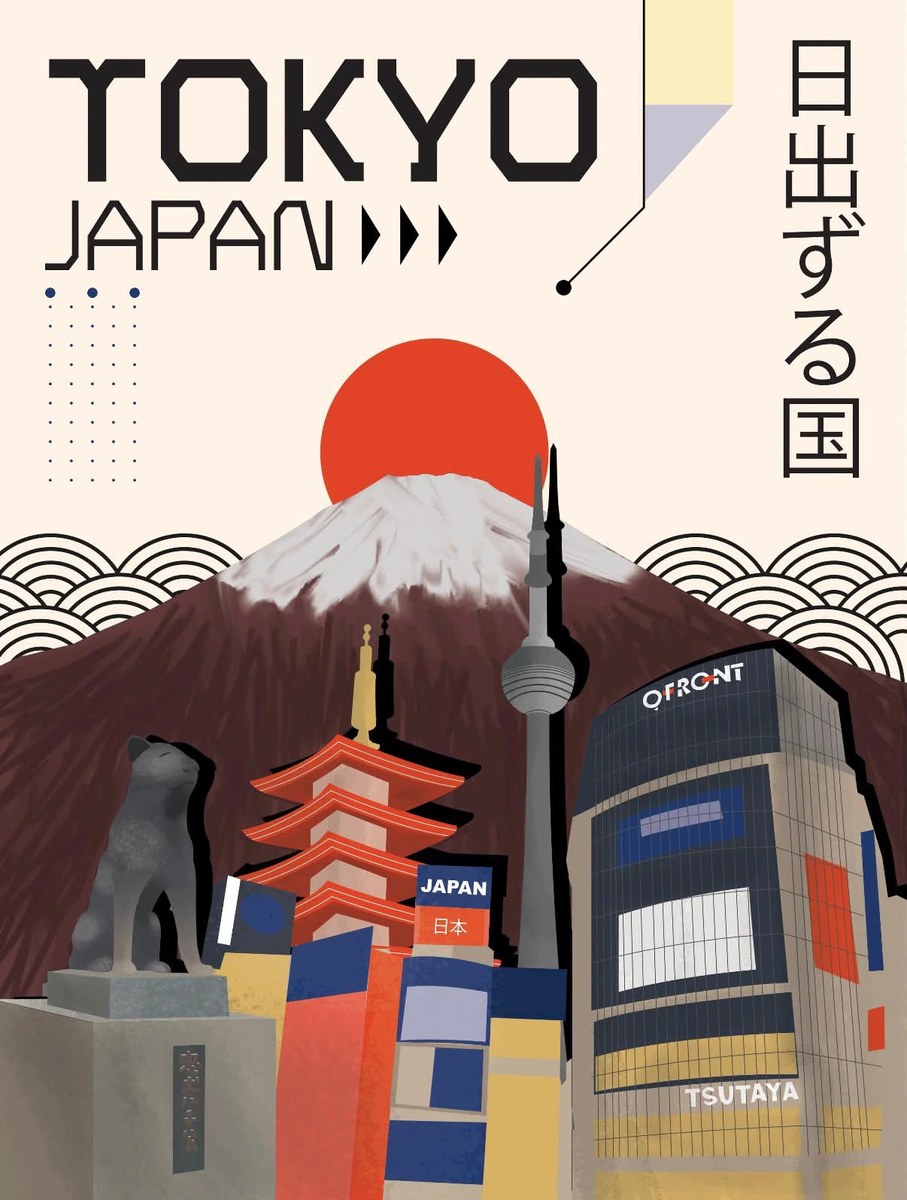
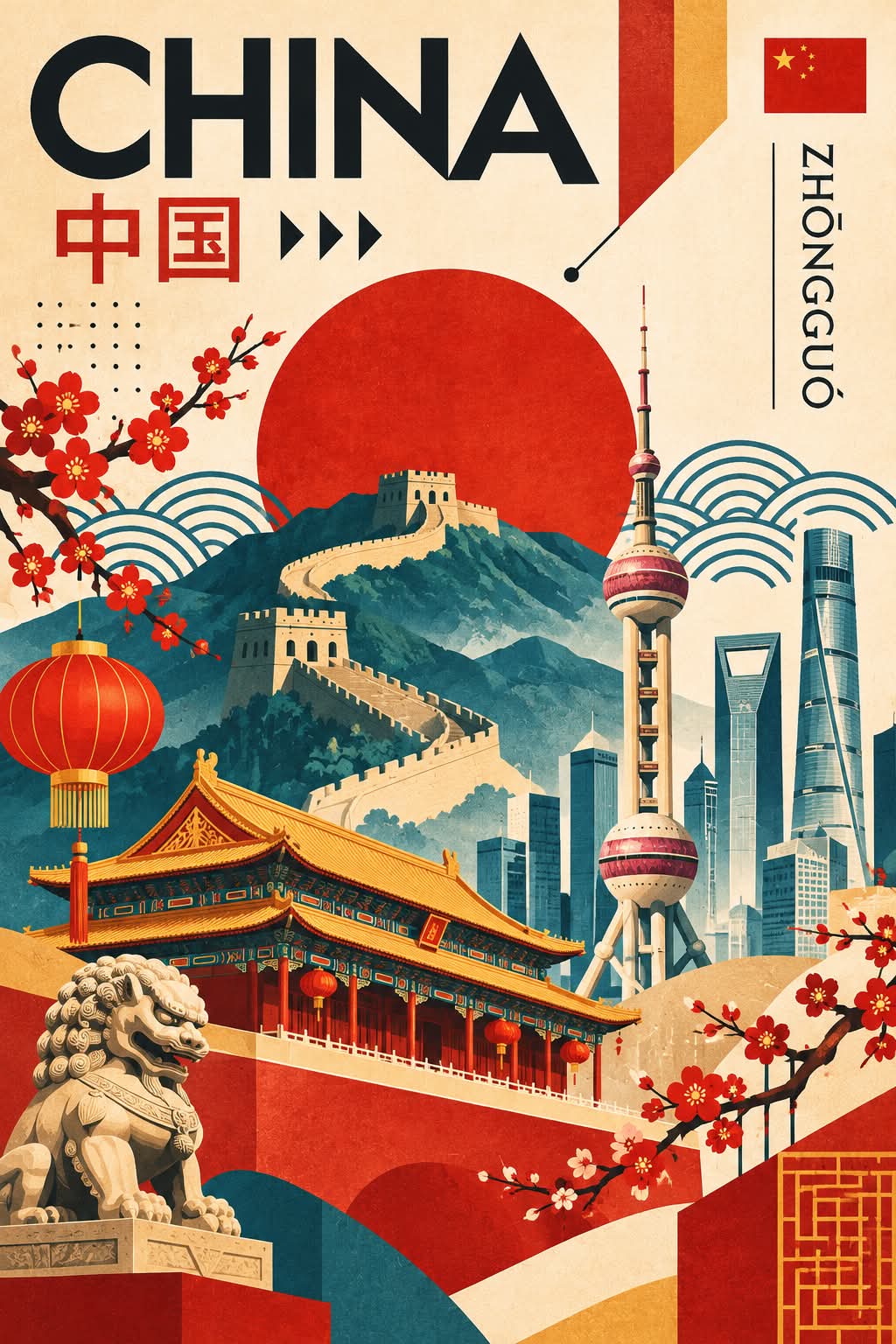
Prompt template
- Format
- Text Parameterized
- Inputs
- destination (text) · Required
- Outputs
- travel_poster (image)
Create an extraordinary contemporary editorial travel poster featuring ${destination}. Use genuine destination-specific symbols and correctly spelled names. Give each destination its own visual personality while maintaining a consistent editorial design language. Preserve the architectural identity of actual landmarks.

Create a vertical 2:3 art poster with a warm, softly textured background and a clean, modern editorial layout. Display the destination name in oversized, bold geometric uppercase typography at the top, with the country name beneath it in a smaller, elegant modern sans-serif font. Incorporate authentic local-language typography vertically along one side where appropriate. Make typography an important visual part of the artwork rather than simply a caption.

Feature 3–5 recognizable elements representing the destination, including its most famous architectural landmark, traditional architecture such as temples, towers, monuments, or buildings, and recognizable modern skyline or structures. Include cultural symbols, local animals, flowers or traditional objects; distinctive geographical features such as mountains, coastlines or rivers; regional textiles, crafts and artistic traditions; and local flowers, vegetation, water and surrounding scenery.

Arrange the landmarks in overlapping layers, creating an artistic architectural collage with different scales and perspectives. Build the composition from overlapping architectural elements, geometric patterns, abstract shapes and carefully arranged cultural details. Incorporate a large geometric sun or circular shape behind the landscape, repeating waves, arches or semicircular patterns, abstract geometric blocks and colour panels, delicate dotted grids and thin connecting lines, stylized mountain ranges or landscape silhouettes, and small cultural illustrations integrated naturally into the composition. Use small arrows, lines, dots, geometric markers and editorial annotations as supporting design elements.

Generate a unique colour identity for this destination; do not reuse a fixed colour combination across destinations. Automatically select 4–6 harmonious colours inspired by the actual location’s natural landscape and climate, traditional architecture and cultural heritage. Use one dominant background colour, one primary contrasting colour, one or two architectural accent colours and a complementary neutral.

Use contemporary Japanese editorial illustration, Swiss modernist graphic design, flat geometric shapes combined with subtly detailed architectural illustration, strong visual hierarchy, sophisticated colour blocking, clean lines and carefully balanced negative space. Add subtle paper grain and premium matte print texture. Make the result modern, artistic and culturally distinctive, with sophisticated typography, an elegant layered landmark composition, visually striking colour combinations and a premium international graphic-design aesthetic.

Avoid generic tourist imagery, photorealism, excessive decoration and unnecessary text.
Replace the ${…} placeholders with your values
before using this prompt. See parameters
and defaults below
Parameters
Replace each placeholder with your own value, or use its default when one is provided
${destination}
destination
Required
What you'll create
Three to five recognizable destination elements form a modern editorial travel composition. Oversized geometric place-name lettering, local cultural details and a softly textured warm background give the poster its identity.
Frequently asked questions
Should the architecture become generic?
No, actual landmarks retain their architectural identity.


Comments
Tried this prompt? Share what you made, compare results, or ask a question