Art & Illustration
Photo To Illustration
Editorial Illustration
Hand Drawn
OpenAI GPT Image 2
OpenAI GPT Image 2-и-пишите-промпт
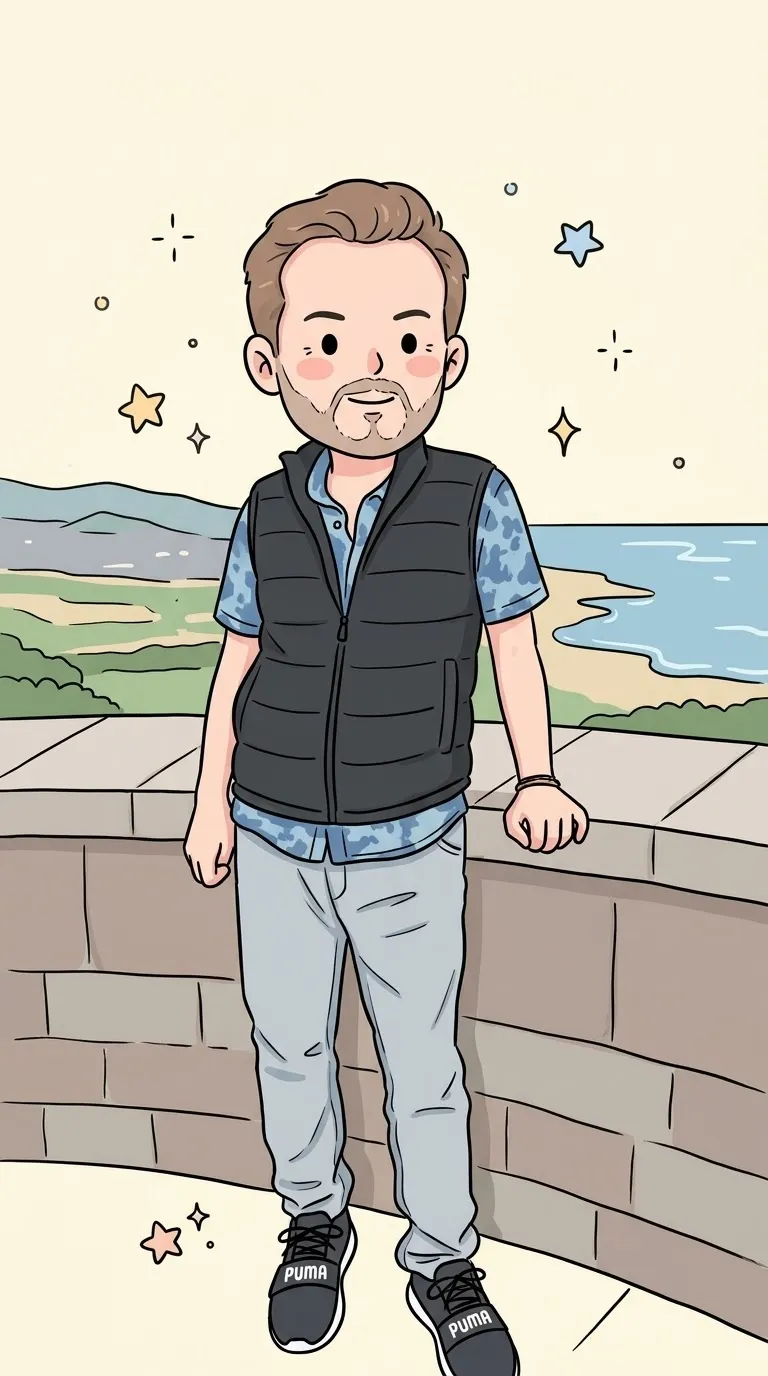
Hand-Drawn Editorial Illustration from a Photo
Turn an uploaded photo into a simple, calm, hand-painted editorial illustration while preserving its main subjects and composition.
Example outputs
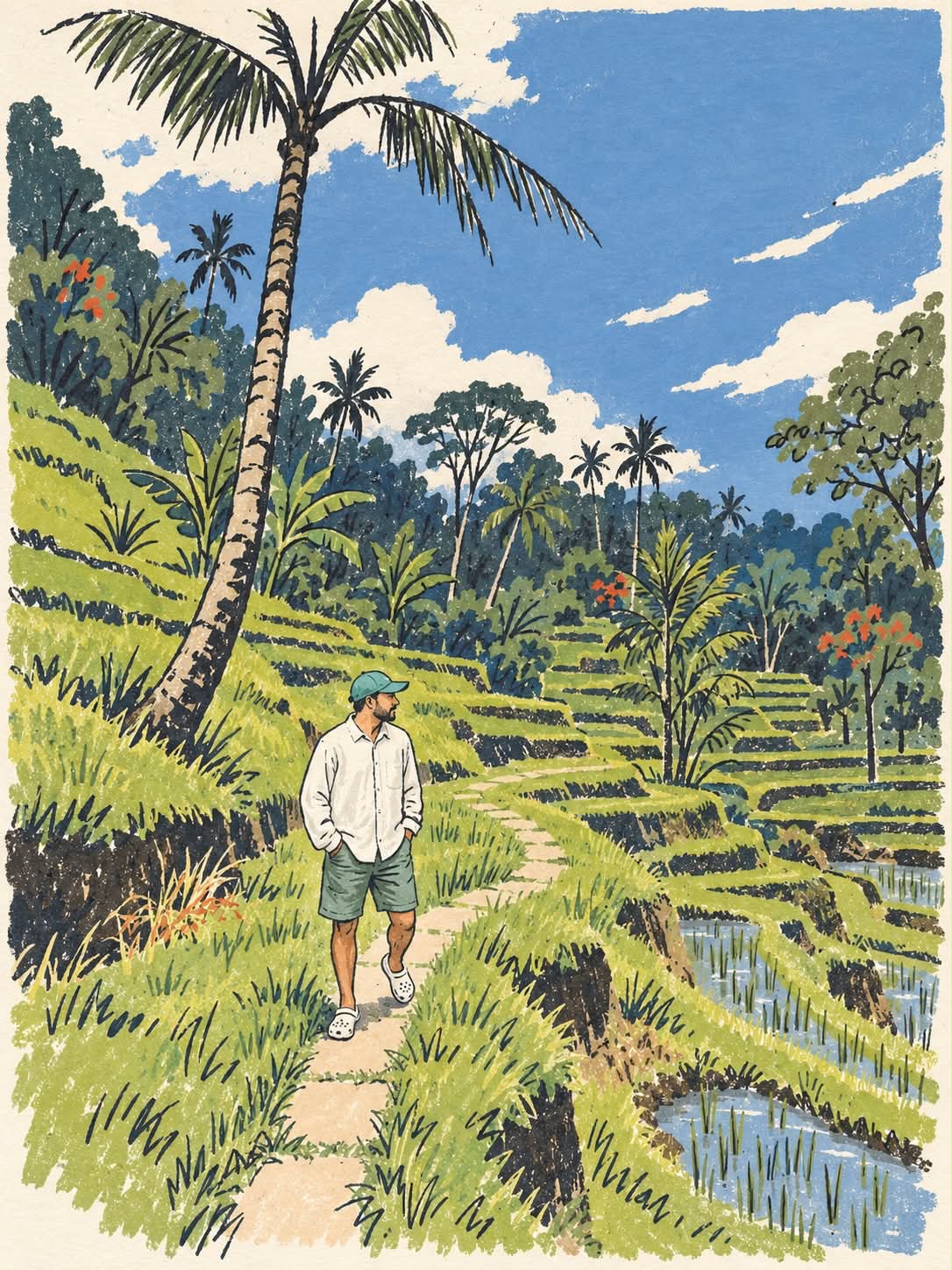
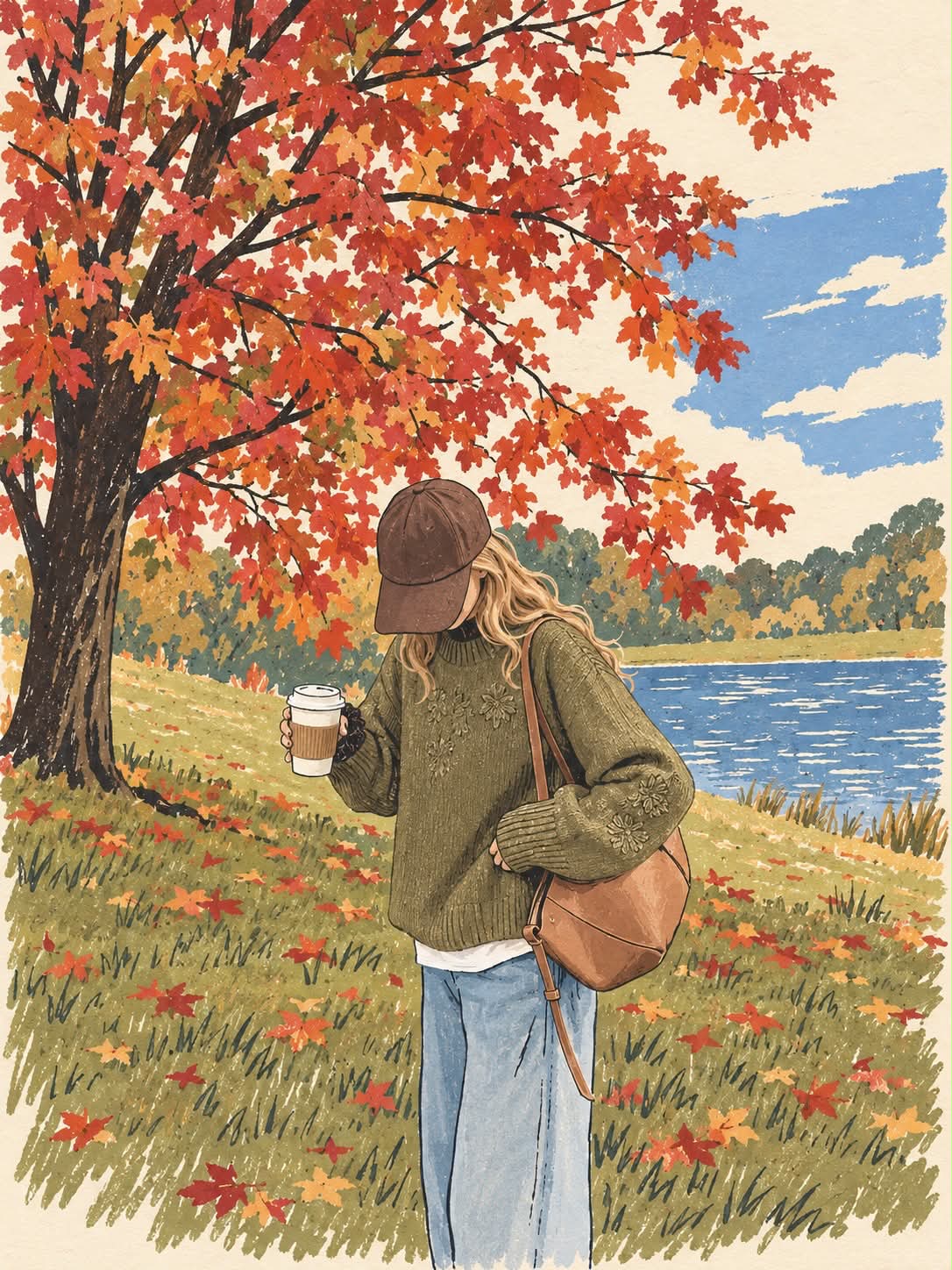
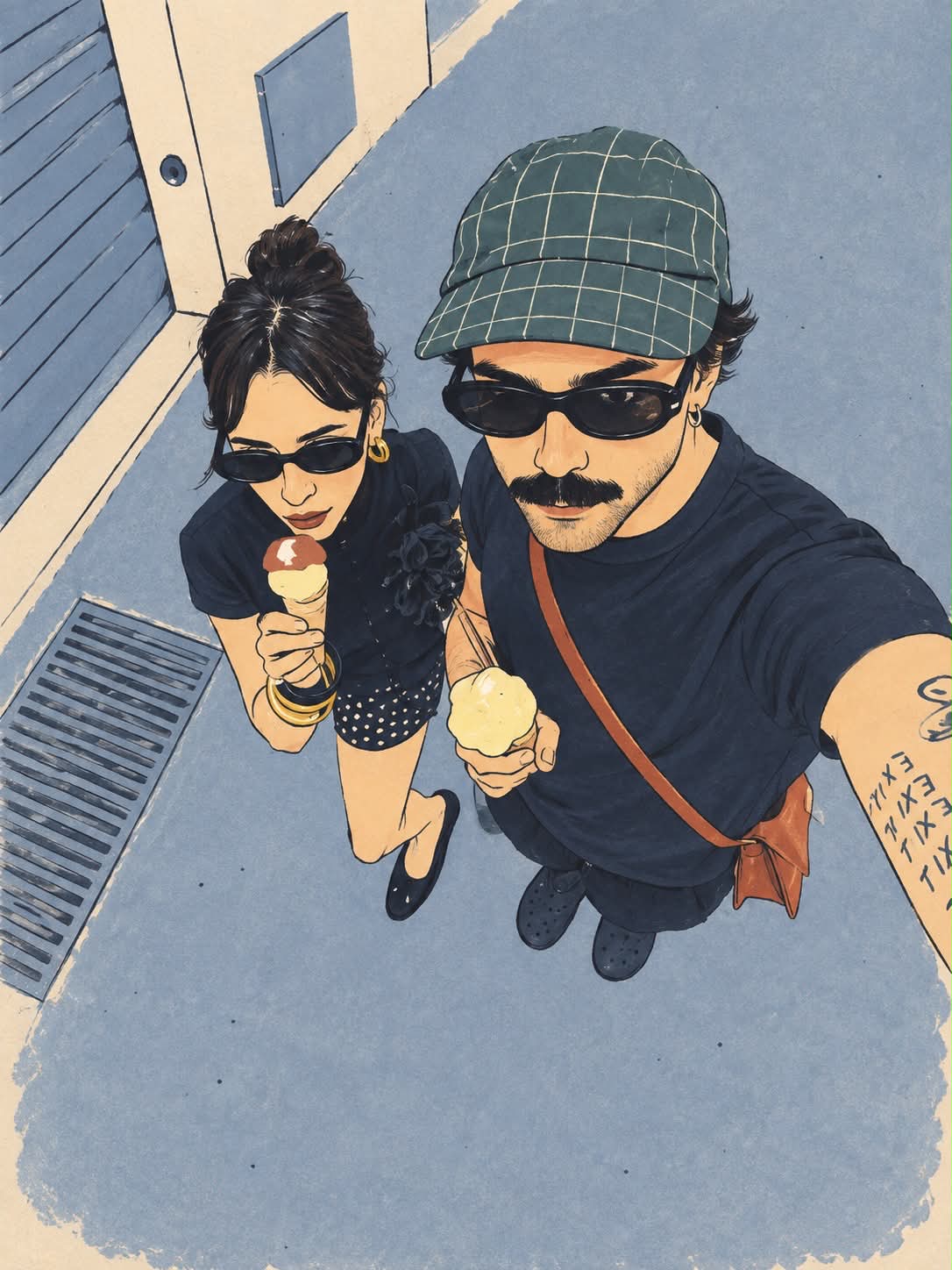
Prompt template
- Format
- Text
- Inputs
- Source_photo (image) · Required
- Outputs
- Illustration (image)
Interpret the uploaded photo as a simple, calm, hand-drawn illustration. Use the photo as the sole source of image content: do not add people, animals, furniture, buildings, or other significant objects that are not present. Preserve the main subjects, their relationships, and the defining characteristics of the scene, while removing duplicates, clutter, and unnecessary detail. Do not trace the photo pixel by pixel or force the scene into a café or street setting.

Use simple hand-drawn lines and matte blocks of color. Render walls, backgrounds, and large structural areas as smooth color blocks. Depict people, animals, tables, chairs, doors, windows, and small objects mainly with detailed, slightly wavy dark hand-drawn lines. Lines may have breaks, overlaps, and slight misalignments; they do not need to form fully closed shapes. Allow proportions and perspective to feel slightly rough, but keep the main subject clearly recognizable. Avoid realistic shadows, reflections, textures, and photographic depth of field.

Use a limited palette of warm natural ivory-paper tones, cobalt blue or grayish indigo, dark charcoal gray, and small touches of ochre red. Use only a very small amount of soft yellow as an accent if needed. Base the colors on the photo's content; do not mechanically color every object blue or red. Let blue form the main, relatively uniform matte areas, and use red only for a few rhythmic details. Preserve areas of ivory paper and loose linework elsewhere. Leave plenty of open space rather than filling in the entire background.

Subtle, natural printing marks and slight variations in ink absorption are acceptable, but keep color blocks broadly even and cohesive. Do not cover the composition in grain, dense white gaps, uneven pencil marks, or a uniform faux-aged-paper filter.

The result should feel like an independent hand-painted magazine illustration: flat color, relaxed and slightly naïve, combining bold color blocks with delicate, free, non-photorealistic lines. Do not make a photo filter, realistic image, colored-pencil sketch, rough pastel drawing, oil painting, smooth vector illustration, or commercial caricature. Do not copy objects associated with a reference style, such as cafés, cats, or striped awnings; all image content must come from the uploaded photo. Do not add a title, logo, or watermark. Preserve the source image's orientation and aspect ratio.
What you'll create
Recognizable source subjects and relationships remain while clutter is reduced, with ivory space, blue matte blocks and small ochre-red accents.
Frequently asked questions
Can style-reference objects be added?
No. Significant objects and subjects must come from the uploaded photograph.


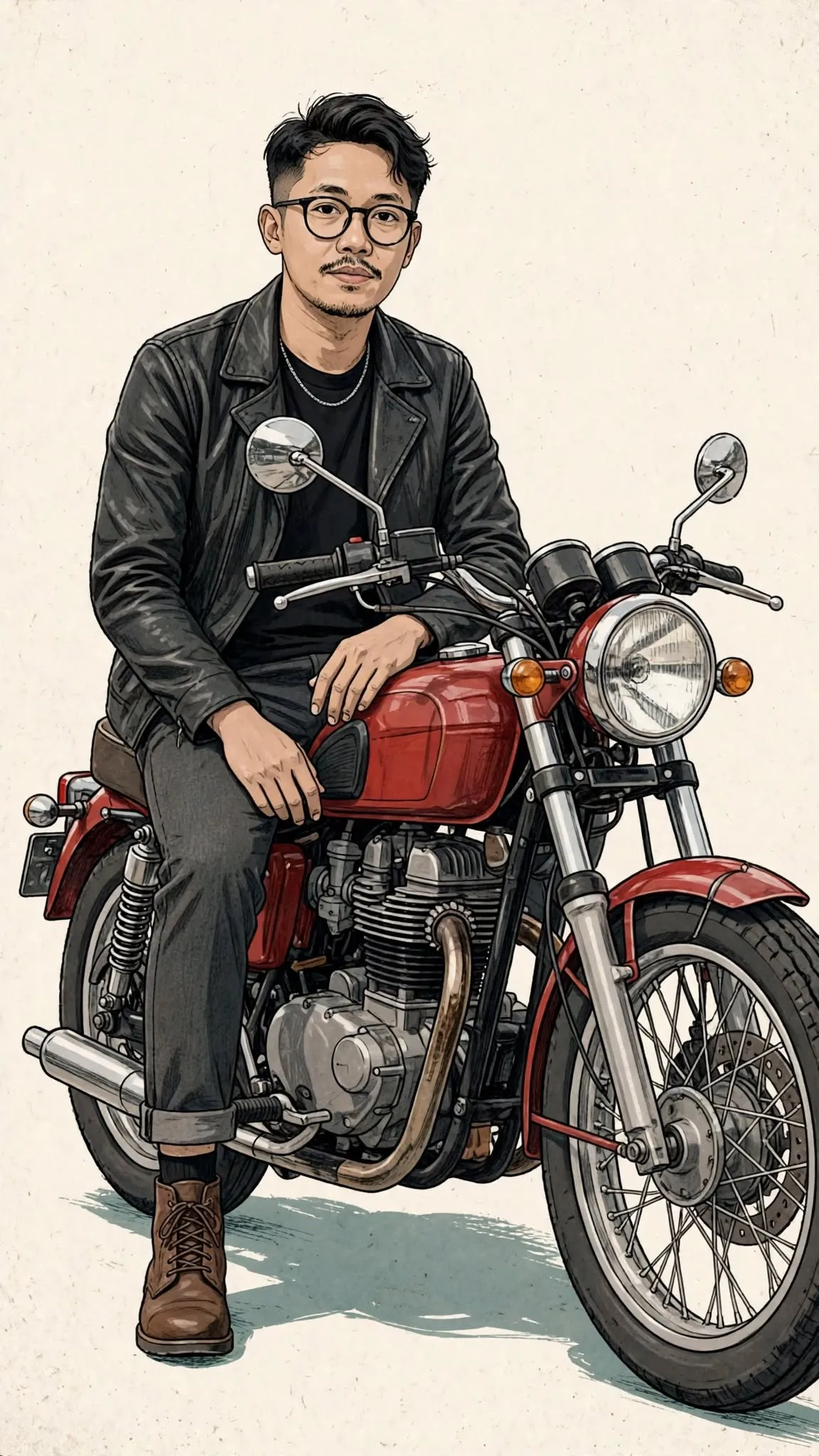




Comments
Tried this prompt? Share what you made, compare results, or ask a question