Photorealistic Fashion Editorial Magazine Cover
Transform a reference photo into a photorealistic fashion editorial cover, preserving the person’s recognizable appearance and matching the original image’s mood and palette.
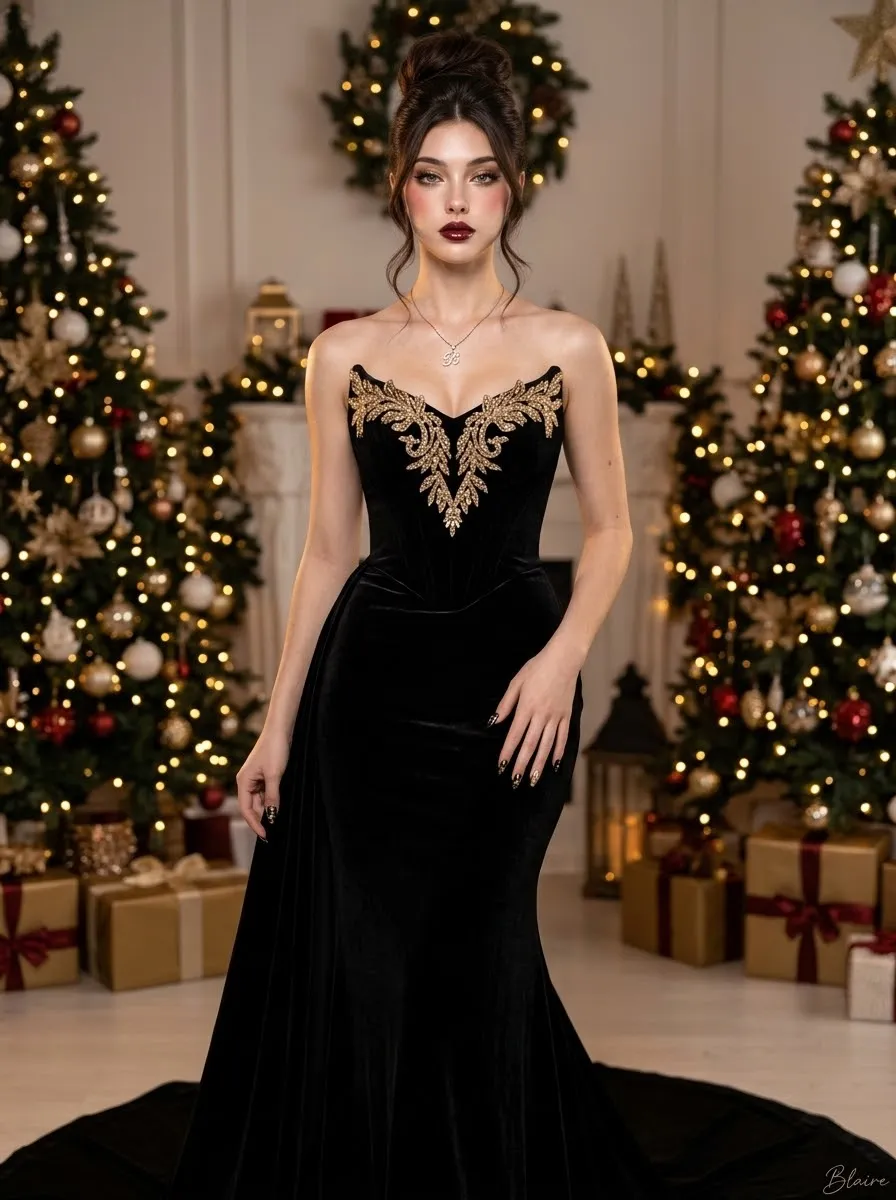
Example outputs
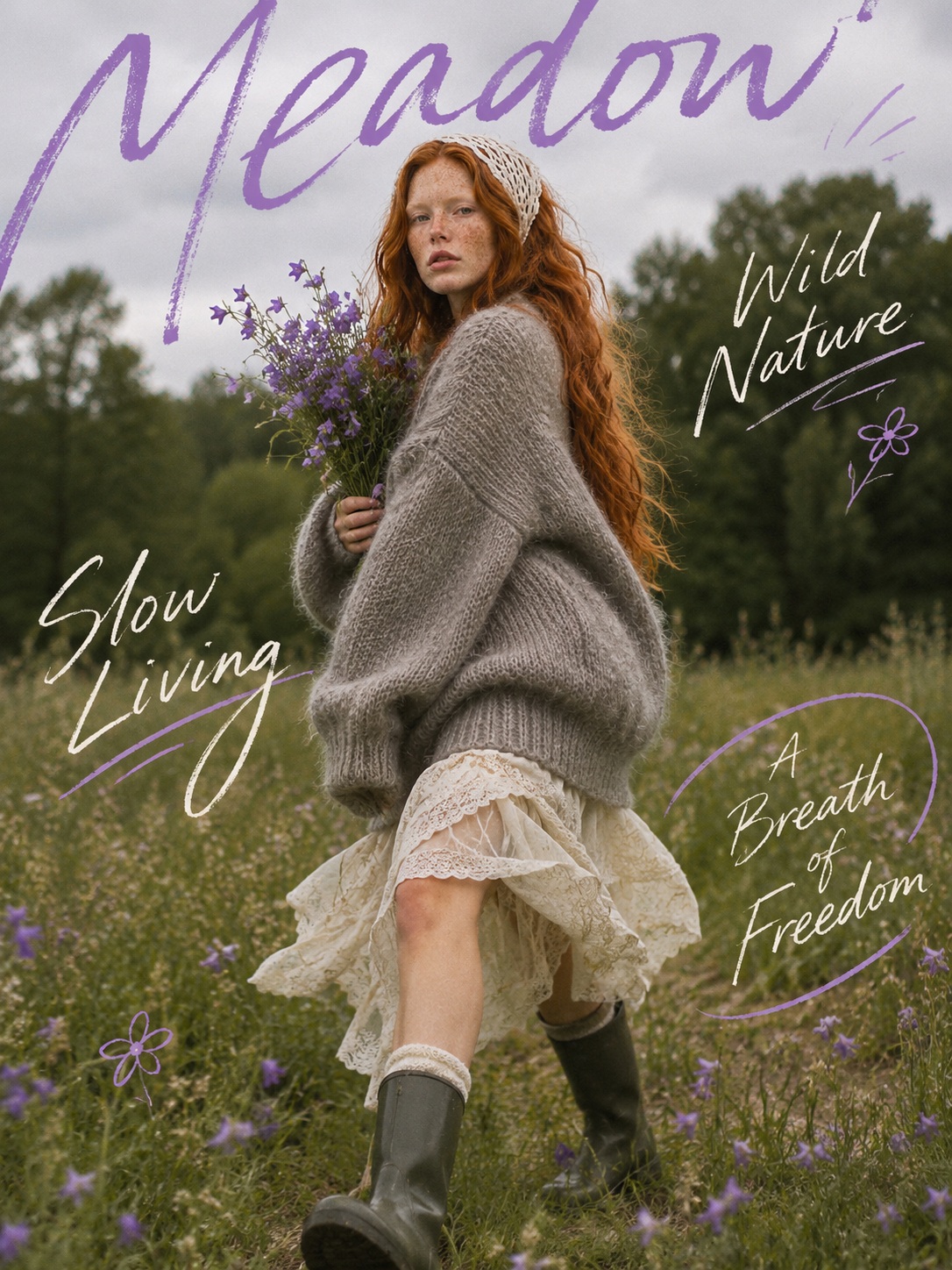
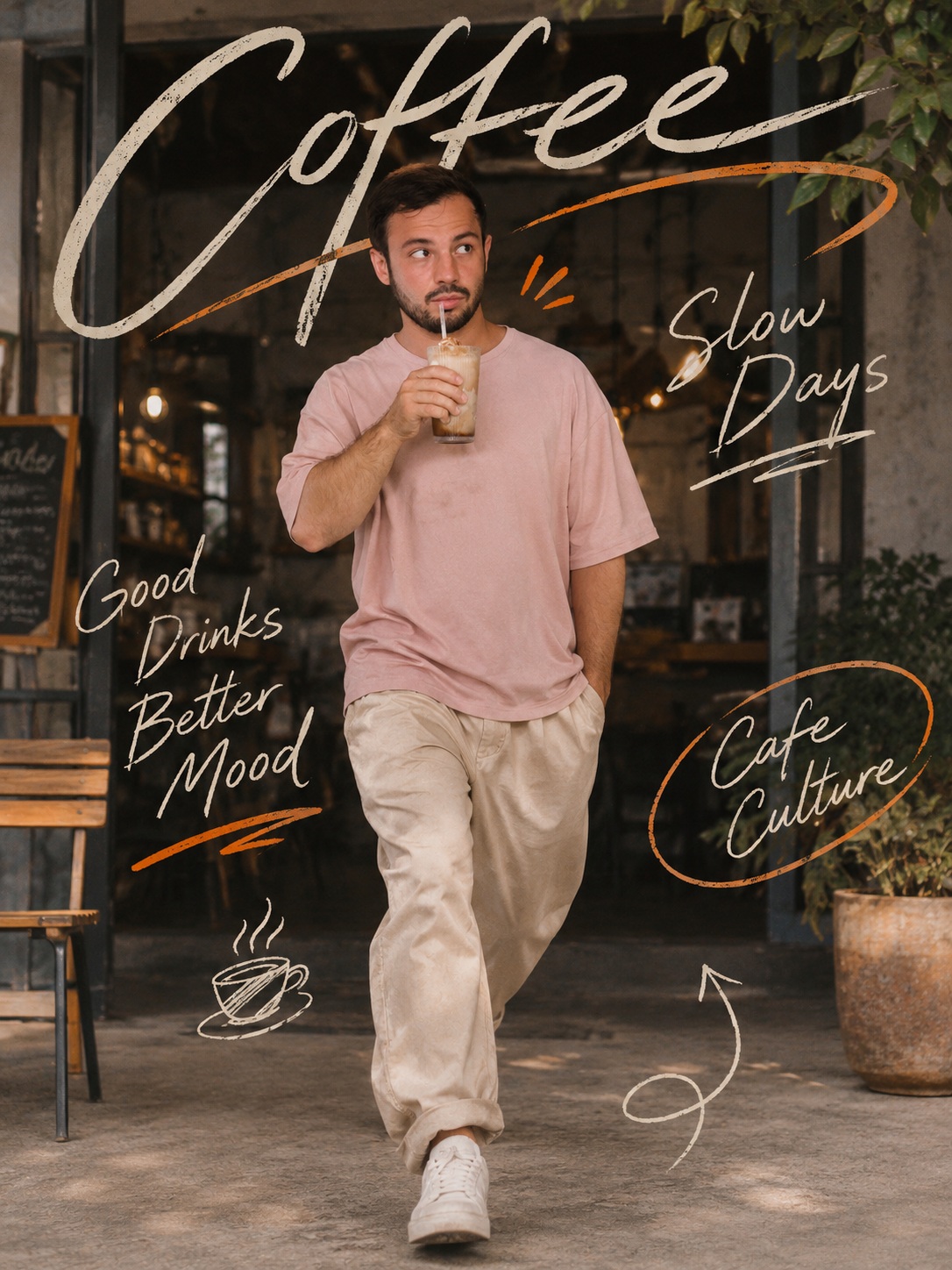
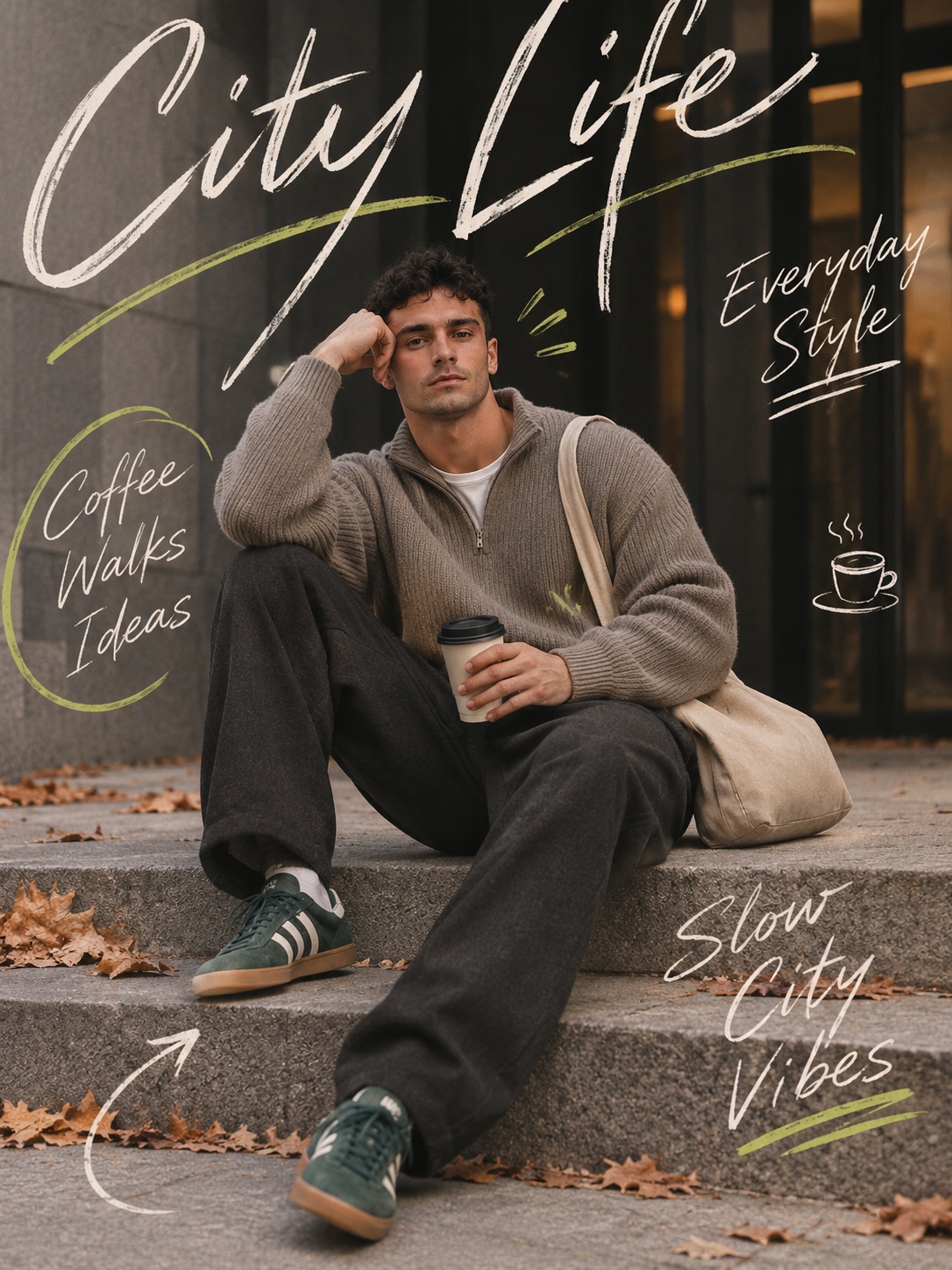
Prompt template
- Format
- Text
- Inputs
- Reference_photo (image) · Required
- Outputs
- Fashion_editorial_cover (image)
Create a stylish, photorealistic fashion magazine cover based on the uploaded image, with original handwritten lettering and graphic elements.

## 1. Analyze the image
Carefully examine the uploaded image and identify:
- The person’s appearance, facial features, hairstyle, apparent age presentation, and distinctive characteristics.
- Their clothing style, accessories, and overall look.
- The image’s main color palette and visual atmosphere.
- The mood, aesthetic, and any activity or lifestyle conveyed by the photo.
- Objects, details, and visual symbols that could support a distinctive composition.

Do not invent a specific profession or biography unless it is clearly evident from the image.

## 2. Create the photograph
Use the uploaded image as the main visual reference. Preserve the person’s recognizable identity, including facial features, proportions, eye, nose, and lip shapes, hair color, and other distinctive characteristics. Create a new, professional, photorealistic fashion shoot featuring the same person.

Use a vertical 3:4 image format. Place one person at the center of the composition, shown full-length and occupying approximately 70% of the image height.

### Pose and movement
Create an expressive, dynamic, natural pose. The person’s arms should be spread widely, horizontally or diagonally, or one arm should be raised dramatically. Extend one leg forward to suggest movement, a step, or a light jump. Have the person hold one object that suits their look in the original photo. The pose should feel confident, stylish, and relaxed.

If the original image shows only the upper body, extend the figure naturally and realistically while preserving the person’s appearance and style. Adapt the clothing and accessories to the original look without changing its character unnecessarily.

## 3. Background and color palette
Choose a background that naturally complements the atmosphere of the uploaded image. Use the original photo’s main colors as the foundation for the composition. Use natural or professional studio lighting, depending on the mood of the original. Preserve realistic textures in the skin, fabric, hair, and objects.

## 4. Handwritten typography
Overlay the photorealistic photograph with artistic handwritten lettering and free-flowing graphic lines. Invent several short, stylish words or phrases that reflect the mood, character, and aesthetic of the uploaded image.

Include large, expressive handwritten words; fine and broad lines with natural variation in stroke width; arrows, underlines, circles, and small original doodles; and graphic elements that partially cross the person’s silhouette and objects. Base the main lettering color on the original photo’s palette, and use one additional contrasting color only for small accents. Make the handwritten elements look as though a designer drew them directly over the finished photograph with a real marker or brush.

## 5. Final composition
Unify the photograph and handwritten graphics into a harmonious composition. Keep the person as the main visual focus. Place the lettering around the body, using the space between the arms and legs and near the edges of the frame. Add a sense of movement and visual rhythm while preserving enough negative space.

## Important constraints
- Do not turn the person into a cartoon character, drawing, 3D model, or illustration.
- Do not change the person’s identity or defining appearance.
- Do not create complex collages or add extra people.
- Do not overload the image with text or decorative elements.

## Final result
Create one vertical, photorealistic image in 3:4 format that looks like the cover of a contemporary independent fashion magazine. Use a Fashion Editorial, Contemporary Magazine Cover, Handwritten Typography, Creative Direction, and Minimalist Art Direction aesthetic. The goal is to turn the uploaded photo into a striking, stylish, individual editorial cover while preserving the person’s recognizable appearance and conveying the mood of the original image.
What you'll create
A recognizable person stands centrally in a dynamic full-length pose, surrounded by marker-like words, arrows and doodles. The original photo’s palette and style guide a new photorealistic editorial shoot with generous space around the moving figure.
Usage instructions
Provide a reference photo of the person to feature. The prompt uses its appearance, styling, and color palette to shape a new editorial cover; the pose and placement of handwritten graphics are the main composition controls. It requires a full-length, vertical 3:4 result, so a source photo showing only the upper body should be extended naturally.
Frequently asked questions
Can the cover invent a profession or biography for its subject?
The brief excludes a specific profession or biography unless clearly evident in the source image.



Comments
Tried this prompt? Share what you made, compare results, or ask a question