- Category
- Design & Image
- Tags
- person 3d-cgi action-pose
Cinematic 3D Action Character from a Reference Photo
Transform a person in a reference photo into a recognizable, full-body 3D CGI version of a chosen character, posed in a character-specific cinematic action scene.
By Threads — Published on — Modified on
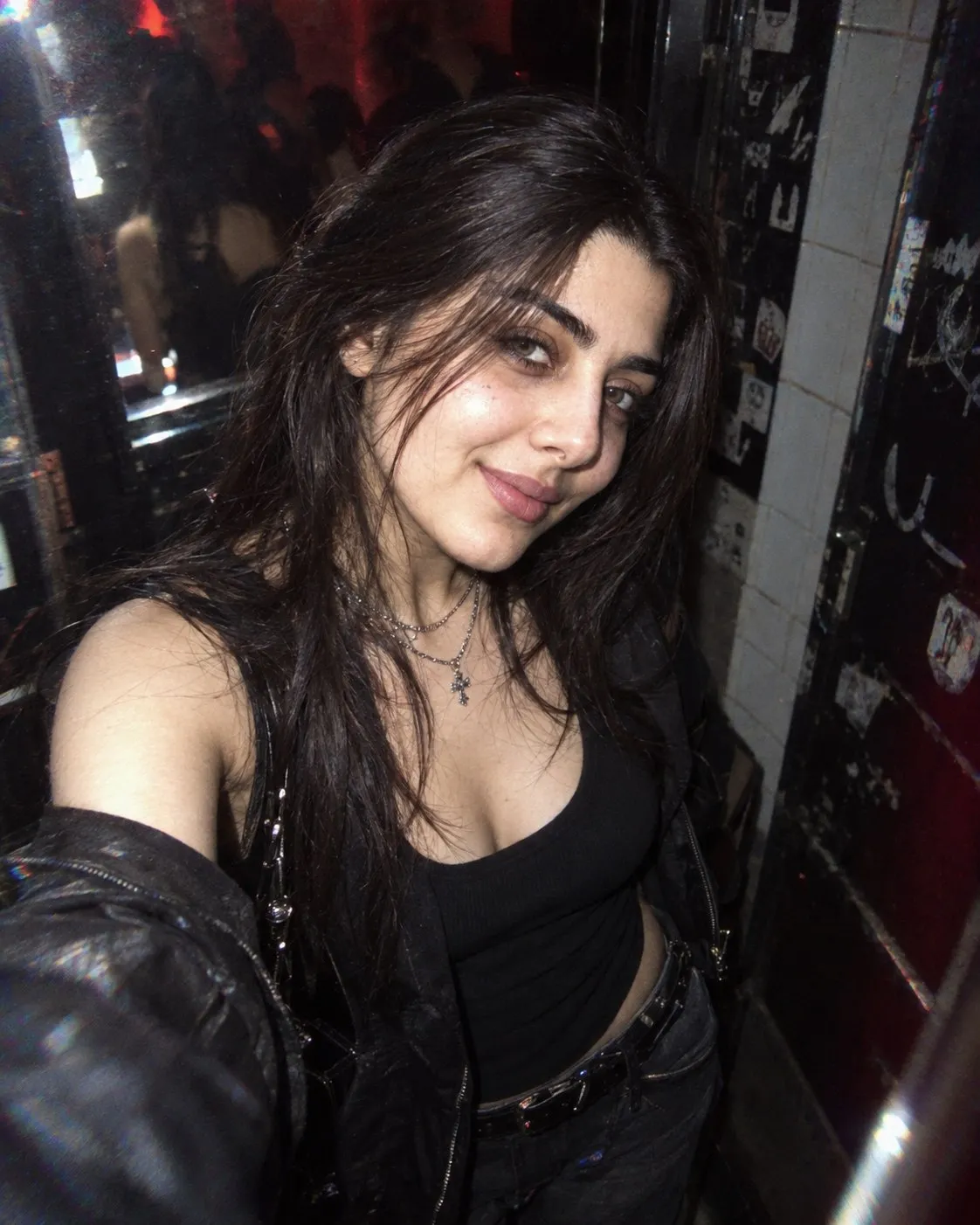
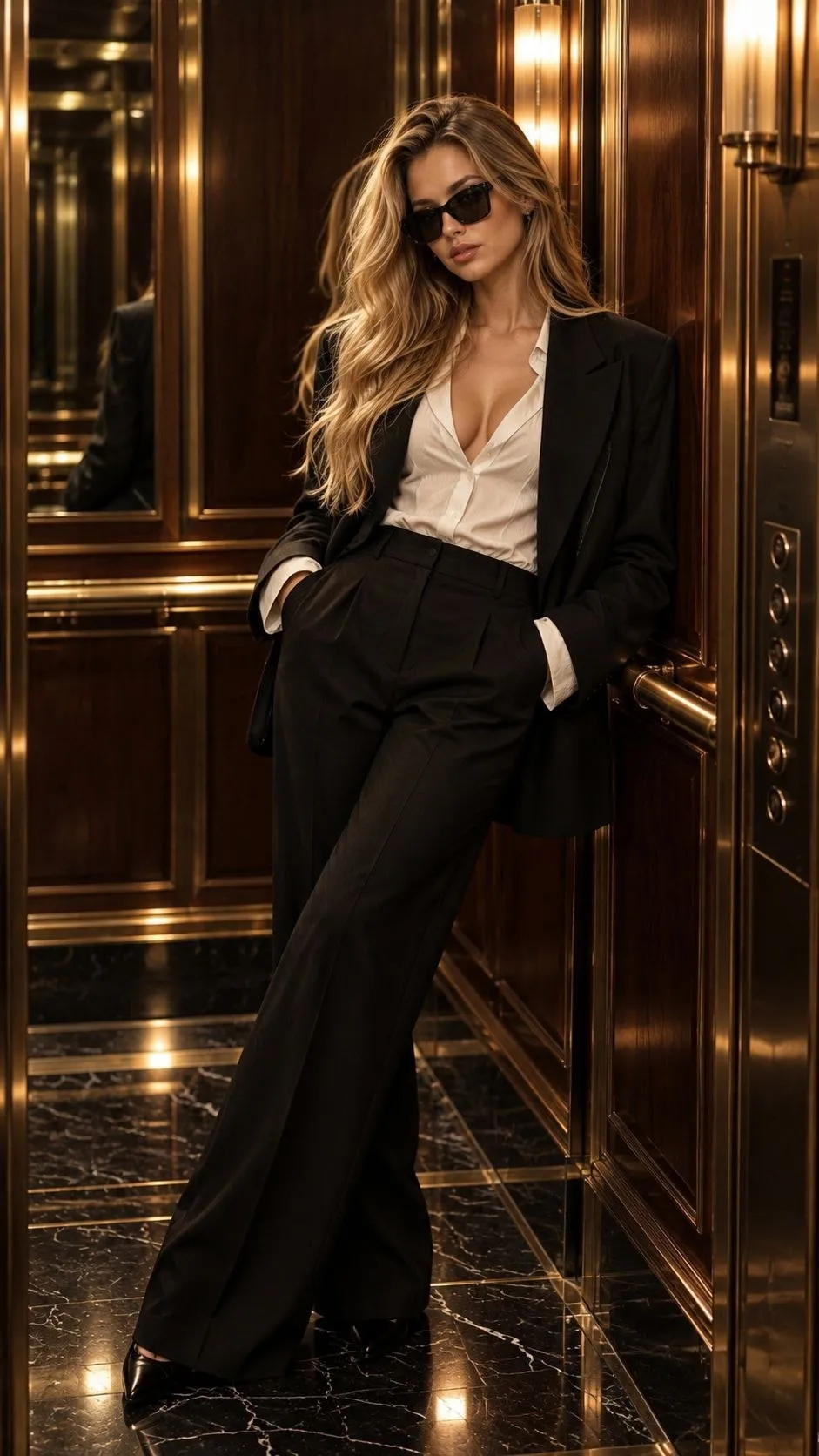
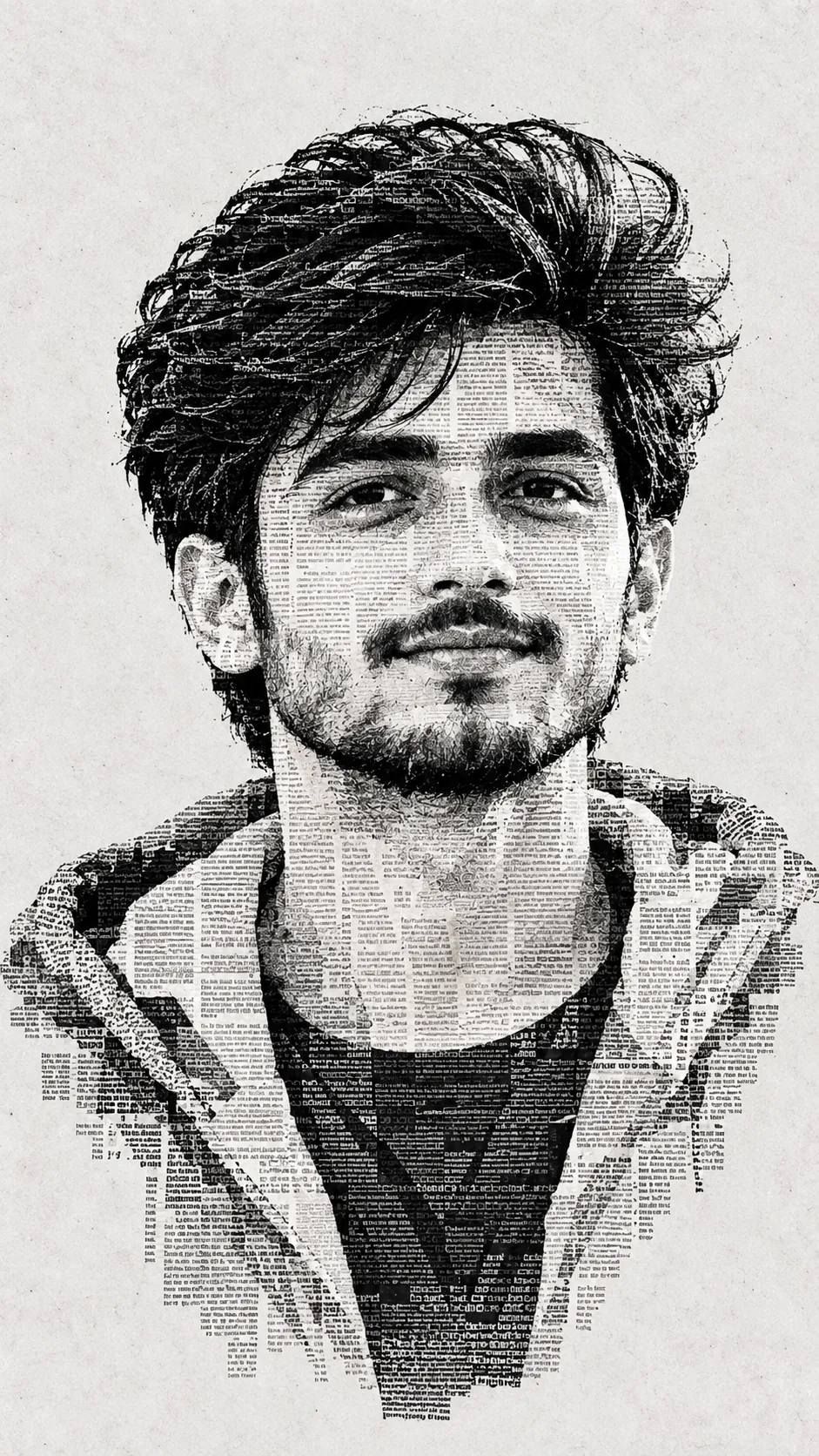
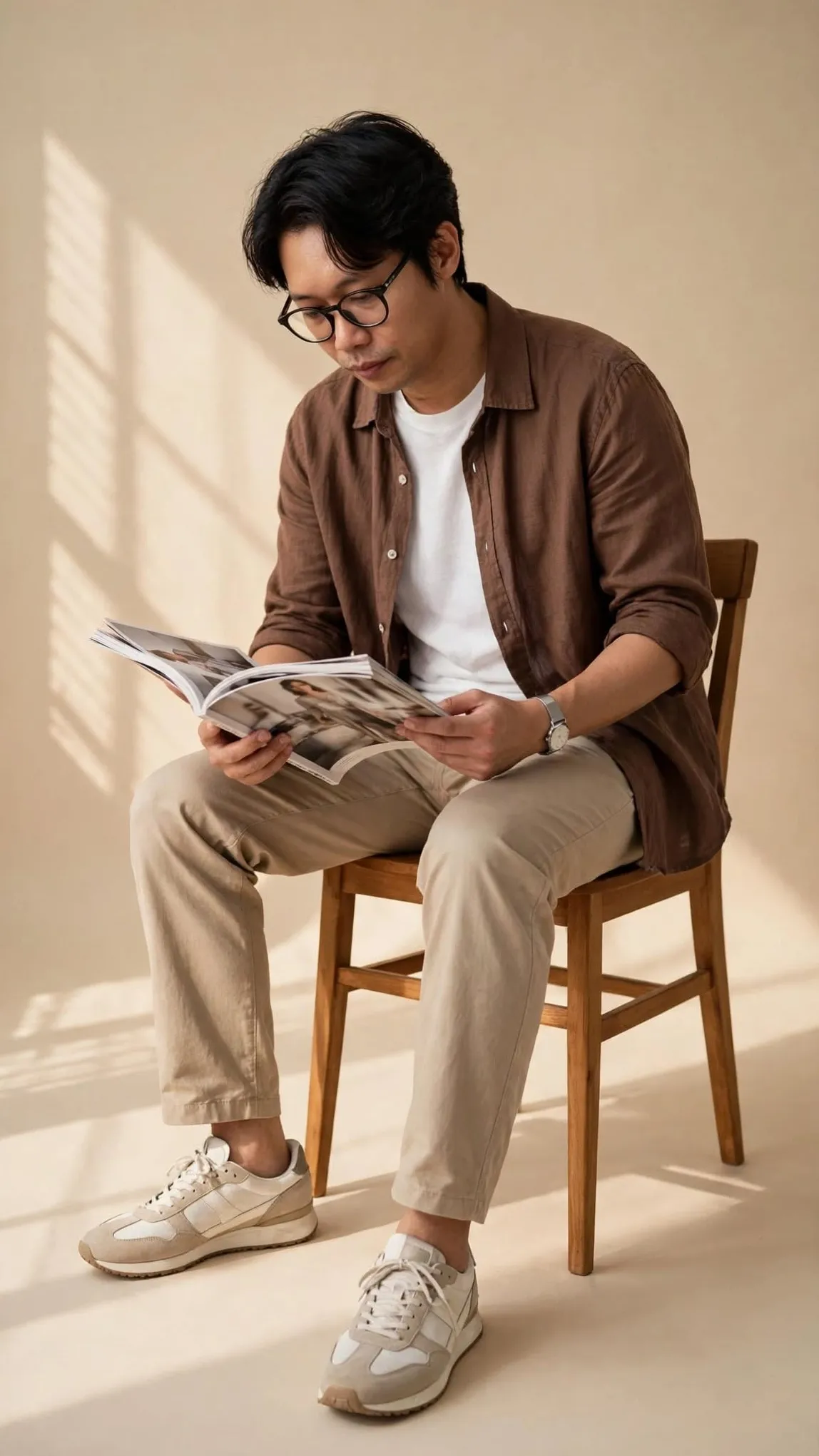
Example images


Prompt template
0 copies
- Format
- Markdown Parameterized
- Inputs
- Reference_photo (image) · Required character_name (text) · Required
- Outputs
- Cinematic_character_image (image)
Replace the ${…} placeholders with your values
before using this prompt. See parameters
and defaults below.
# Cinematic 3D CGI Animation • Character in Action • Feature-Film Quality

## Visual style
Create a premium contemporary cinematic 3D CGI animation with natural stylized anatomy, refined three-dimensional modeling, expressive yet believable facial features, physically plausible materials, dramatic lighting, and a finish comparable to a major animated feature film.

Create a full-body rendering of the person in the required reference photo, reimagined as a cinematic 3D version of ${character-name}.

Combine the photographed person's facial identity with the chosen character's costume, visual language, personality, and defining features. The pose must convey movement, intention, energy, and presence, as if this were a frame from an animated feature-film action sequence.

**Fundamental visual rule:** Do not use chibi, bobblehead, caricature, oversized-head, miniature-body, childlike-proportion, or grotesquely exaggerated anatomy styles. Give the character an adult silhouette or proportions appropriate to the apparent age of the reference person, with coherent body proportions, convincing three-dimensional anatomy, and sophisticated cinematic stylization.

## 1. Facial reference — preserve identity as much as possible

Use the attached reference photo as the required primary facial reference.

The person must remain clearly recognizable after transformation into 3D CGI animation. Preserve their identity through the stylization; do not replace their features with a generic animated-character face.

Carefully preserve:
- Bone structure, overall face shape, and individual facial proportions.
- Eye shape, spacing, relative size, and color.
- Eyebrow shape, nose shape, lip contour, and smile characteristics, when present.
- Beard, mustache, sideburns, and facial-hair distribution, when present.
- Skin tone, undertone, and visible distinctive features.
- Hairline, hair placement, hairstyle, volume, and texture.
- Marks, natural asymmetries, and other features that contribute to recognition.

Do not slim the face, arbitrarily alter the jaw, enlarge the eyes, change the nose, or apply automatic facial beautification. Do not turn the person into an idealized, excessively youthful, excessively muscular, or artificially symmetrical version of themselves. Preserve facial identity regardless of pose, costume, lighting, or camera angle.

Adapt the expression subtly: use the original appearance as the basis. Make only subtle, anatomically natural adjustments to communicate the effort, concentration, or emotion required by the action, without changing the person's identity. Avoid exaggerated expressions, artificial smiles, or emotions that do not fit the scene.

Give the face refined three-dimensional geometry, natural volumes, eyes correctly integrated with the anatomy, well-defined eyelids, precisely modeled lips, and a polished cinematic-animation finish. The final appearance must be unmistakably 3D CGI, never a human photograph with an artistic filter.

## 2. 3D modeling — natural anatomy and cinematic stylization

Transform the person into a high-quality three-dimensional character using an elegant, cinematic visual language without chibi or caricatured proportions.

Required anatomical proportions:
- Keep the head proportional to the body; do not enlarge it caricaturally.
- Keep the neck, shoulders, and torso consistent with the character's anatomy.
- Give the arms and legs anatomically consistent lengths.
- Keep hands and feet proportional to the body.
- Define joints clearly and position them correctly.
- Make the musculature consistent with the reference person's build and the character's features.
- Create a dynamic, balanced, visually convincing silhouette.
- Keep the center of gravity coherent with the pose and direction of movement.

You may use slightly simplified volumes, carefully sculpted surfaces, well-organized shapes, and artistically refined proportions, provided the anatomy remains natural and plausible.

Avoid absolute photorealism. Skin, hair, eyes, costume, and other elements should have the refined appearance of a character created entirely in a professional 3D animation pipeline. The result should evoke a high-budget animated feature character, with convincing physical presence and a consistent visual identity.

## 3. Costume — ${character-name}

Dress the character in an outfit faithful to the visual identity of ${character-name}, respecting the character's most recognizable features and adapting each piece to the person's three-dimensional anatomy.

Reproduce these elements coherently:
- Characteristic color palette.
- Garment silhouette, cut, and structure.
- Relevant layers, collars, sleeves, belts, boots, and other components.
- Armor, accessories, equipment, or signature objects, when applicable.
- Materials belonging to the fictional universe.
- Essential distinguishing features that identify the character.

The clothing must look constructed for a three-dimensional body in the animated universe, not simply applied as a texture over the model. Pay particular attention to seams, fabric thickness, movement-induced folds, overlapping layers, tension around joints, and physical interaction between clothing and body.

Give leather, metal, fabric, rubber, wood, and technological surfaces distinct visual properties, with appropriate roughness, reflectivity, relief, and microtexture. If the character wears armor, a cape, coat, uniform, or combat equipment, make its components respond convincingly to the action pose, accounting for gravity, inertia, and direction of movement.

Do not invent accessories that significantly change the character's visual identity. Prioritize fidelity to the character's characteristic appearance.

## 4. Dynamic action pose — tailored to the character

The pose must not be static, neutral, or generic. Create an expressive action pose that immediately fits the identity, abilities, personality, and universe of ${character-name}.

Consider the chosen character's traits and determine an action that makes sense for them. The pose should feel like a decisive moment captured during a cinematic sequence, not someone simply posing for a photograph. Choose the action most appropriate to the character.

Interpretation examples:
- Hero or warrior: combat stance, determined advance, readied weapon, block, or strike in progress.
- Fast or acrobatic character: explosive run, leap, dynamic landing, or sharp change of direction.
- Character with superpowers: power-activation gesture, energy projection, levitation, or movement that communicates a signature ability.
- Villain or antagonist: threatening stance, aggressive advance, dominating gesture, or preparation to attack.
- Stealthy character: inclined body, silent movement, infiltration stance, or strategic action.
- Magical or mystical character: conjuring gesture, arms directing energy, luminous symbols, or supernatural effects integrated into the action.
- Technological or futuristic character: equipment maneuver, device use, tactical movement, or mechanism activation.
- Comedic or adventurous character: expressive action, unexpected leap, agile movement, or physical reaction consistent with their personality, without distorting the anatomy.

These examples are interpretive references, not a fixed list of poses. Choose the final action specifically for the requested character.

### Pose anatomy and mechanics
- Distribute body weight according to the movement.
- Position feet and legs consistently with support, jumping, or acceleration.
- Orient the torso, shoulders, and head according to the action's direction.
- Use the arms and hands to communicate the movement's intention clearly.
- If a weapon or piece of equipment is present, make the grip, orientation, and physical interaction correct.
- Let capes, hair, clothing, and accessories respond to movement inertia.
- Use a natural body twist to increase the sense of energy without exceeding plausible anatomical limits.
- Keep the face recognizable even when the head is slightly turned.
- Avoid visually tangled limbs or limbs that completely hide the face and the most important costume features.

Give the pose a clear line of action, a readable silhouette, and a well-resolved distribution of visual mass.

The sense of movement should come primarily from body posture, torso inclination, limb placement, gaze direction, and interaction with the environment. Visual effects may support these elements but must never replace them.

## 5. Movement, energy, and cinematic effects

Depict the action as a carefully chosen frame from a high-budget animated sequence. The character should convey movement underway or about to happen, with clear bodily intent and a well-defined visual direction.

When appropriate for the character, include:
- Hair and clothing displaced by acceleration or wind.
- Dust, small particles, fragments, or debris caused by the action.
- Light trails, energy, sparks, or supernatural effects consistent with the character's abilities.
- A subtle environmental response to foot contact, impact, or movement.
- Selective motion blur on secondary elements, without compromising facial sharpness.
- Lighting variations caused by energy sources or elements in the scene.

Establish a clear visual hierarchy. The character must remain the absolute focal point. Do not add random explosions, lightning, particles, or powers just to make the image more striking. Every effect must have a narrative and visual justification. Make the action feel physically integrated with the setting, with consistent shadows, lighting, and interactions.

## 6. Cinematic framing and composition

Create a vertical composition with a 4:5 aspect ratio, showing the full character from head to toe. Place the character near the center of the composition, with enough surrounding space for the dynamic pose, accessories, and movement effects.

Composition guidelines:
- Show the entire body without accidentally cropping hands, feet, weapons, or essential accessories.
- Separate the silhouette clearly from the background.
- Keep the face large and sharp enough to preserve recognition.
- Use perspective consistent with the anatomy and direction of movement.
- Position the camera to emphasize the action and the character's physical presence.
- Use asymmetrical composition when it benefits movement and storytelling.
- Use moderate depth of field, keeping the character in focus.
- Balance negative space without making the composition excessively empty or crowded.

The camera may use a slightly low angle to convey strength and grandeur, a diagonal angle to emphasize speed, or a perspective closer to the line of action when appropriate. Avoid extreme lens distortion, limbs made disproportionately large by perspective, and framing that compromises facial readability. The framing should feel like a cinematographer's deliberate choice, not a character-catalog image.

## 7. Setting — the character's thematic environment

Build a three-dimensional setting that represents the universe of ${character-name}, with environmental elements that reinforce the narrative and action. Depending on the character, the environment may include characteristic architecture, landscapes, structures, objects, or atmospheric elements.

Use a few well-chosen elements, with spatial depth, coherent scale, and organized visual composition. Let the setting interact with the action when appropriate: a character in combat may be in a battle environment; a fast character may cross a street or urban setting; a magical character may be in a mystical space; and a futuristic character may be in a technological environment.

Do not force a minimalist background when the character's universe calls for a more expressive setting. Likewise, do not overload the image with elements that do not contribute to the narrative. Keep the face, silhouette, and costume visually prominent through luminance contrast, separation of planes, and depth of field. Give the environment the same quality of modeling, lighting, and finish as the character.

## 8. Cinematic lighting and CGI materials

Use a professional cinematic lighting setup adapted to the setting and intensity of the action.

- **Key light:** Use directional or diffuse lighting to reveal facial structure, body volumes, and costume details.
- **Fill light:** Control shadows so dark areas remain readable without removing contrast.
- **Rim light:** Use side or back lighting to separate the character from the setting and highlight the moving silhouette.
- **Ambient lighting:** Keep lighting coherent with the environment, including reflections, bounced light, and sources present in the scene.

Use cinematic contrast, refined tonal gradation, and physically plausible shadows. Give the skin a stylized 3D animation finish, with smooth light transitions, controlled subsurface scattering, and a tone consistent with the reference photo. Eyes should have depth and natural reflections and integrate correctly with the eyelids. Build hair and facial hair with convincing three-dimensional geometry, defined strands, and appropriate materials.

Make metal reflections coherent; let fabrics respond to light according to their weave and roughness; give leather subtle finish variations; and let technological surfaces reflect their light sources without excessive shine. Avoid overly plastic skin, artificial reflections, directionless shadows, and lighting that dramatically changes perceived skin color.

## 9. Modeling and rendering quality

Produce a premium 3D CGI render with a finish comparable to that of a contemporary animated feature film. Use these as technical references:
- High-precision digital sculpting.
- Three-dimensional topology consistent with the anatomy.
- Refined modeling of the face, body, hair, and costume.
- PBR materials with physically plausible properties.
- Global illumination and realistic reflections.
- Ray tracing when available.
- Subtle ambient occlusion.
- Precise contact shadows.
- High-quality antialiasing.
- Detailed textures without excessive visual noise.
- Clean geometry and well-finished surfaces.
- Cinematic composition and professional color grading.
- Controlled depth of field.
- Natural integration of character, lighting, and setting.

The reference to Unreal Engine 5 or equivalent CGI renderers indicates the desired visual standard, not a requirement to use specific software. The final quality should convey volume, depth, physical weight, and professional artistic finish. Every element should look modeled, lit, and rendered in three dimensions.

## 10. Negative rules — mandatory exclusions

Do not use:
- Chibi, super-deformed, or bobblehead style.
- Exaggeratedly large heads or miniature bodies.
- Childlike, cute, or collectible-doll proportions.
- Facial or bodily caricature.
- Grotesquely exaggerated anatomy.
- 2D anime aesthetics, flat illustration, or digital painting.
- The appearance of a human photograph with a filter applied.
- A generic face that erases the reference person's identity.
- Arbitrary changes to the eyes, nose, mouth, beard, hair, or skin tone.
- A static catalog pose, rigid posture, or frontal pose without narrative intent.
- Movement inconsistent with the character's personality or abilities.
- Impossible joint twists, extra limbs, or deformed anatomy.
- Malformed hands, fused fingers, or incorrect grips.
- Weapons, accessories, or objects floating without physical support.
- Rigid fabrics in situations that call for movement.
- Excessive blur over the face.
- Random visual effects that hide the character.
- Extreme perspective that deforms the body.
- A cluttered background, blown-out lighting, or materials that look cheaply plastic.
- Low resolution, jagged edges, artifacts, or rendering inconsistencies.
- Accidental cropping of the head, hands, feet, or important accessories.

## 11. Desired final result

Create a vertical 4:5 full-body image depicting the person in the reference photo as a cinematic 3D CGI animated version of ${character-name}. The character must have naturally proportioned stylized anatomy, a highly recognizable face, a costume faithful to the character's universe, and a dynamic action pose chosen specifically for the character's traits.

The scene should convey energy, movement, personality, and visual impact through refined three-dimensional modeling, sophisticated materials, cinematic lighting, and a setting consistent with the narrative. The result should look like a finished frame from a high-budget 3D animated feature film, with consistent art direction, professional composition, and premium visual quality.

## Priority order
1. Preserve the photographed person's facial identity.
2. Eliminate chibi and caricatured proportions completely.
3. Ensure stylized anatomy has natural, coherent proportions.
4. Create a dynamic action pose specific to the chosen character.
5. Faithfully reproduce the costume's characteristic visual elements.
6. Integrate character, movement, lighting, and setting into a cinematic composition.
7. Achieve a professional 3D CGI animation finish.

**Objective:** Transform the person in the photo into a cinematic 3D CGI animated character, with a sophisticated appearance, natural proportions, preserved facial identity, and an expressive action pose consistent with the chosen character. Do not create a caricature, use chibi style, or reduce the body in relation to the head.
Parameters
Replace each placeholder with your own value, or use its default when one is provided.
${character-name}
character-name
Required




Comments — 0