- Category
- Photography
- Model
- openai-chatgpt
Dream of Ranunculus: The Blossom
Create a photoreal romantic fashion editorial of an adult woman touching a ranunculus in a classical conservatory, using her reference image for identity.
By Threads — Published on — Modified on
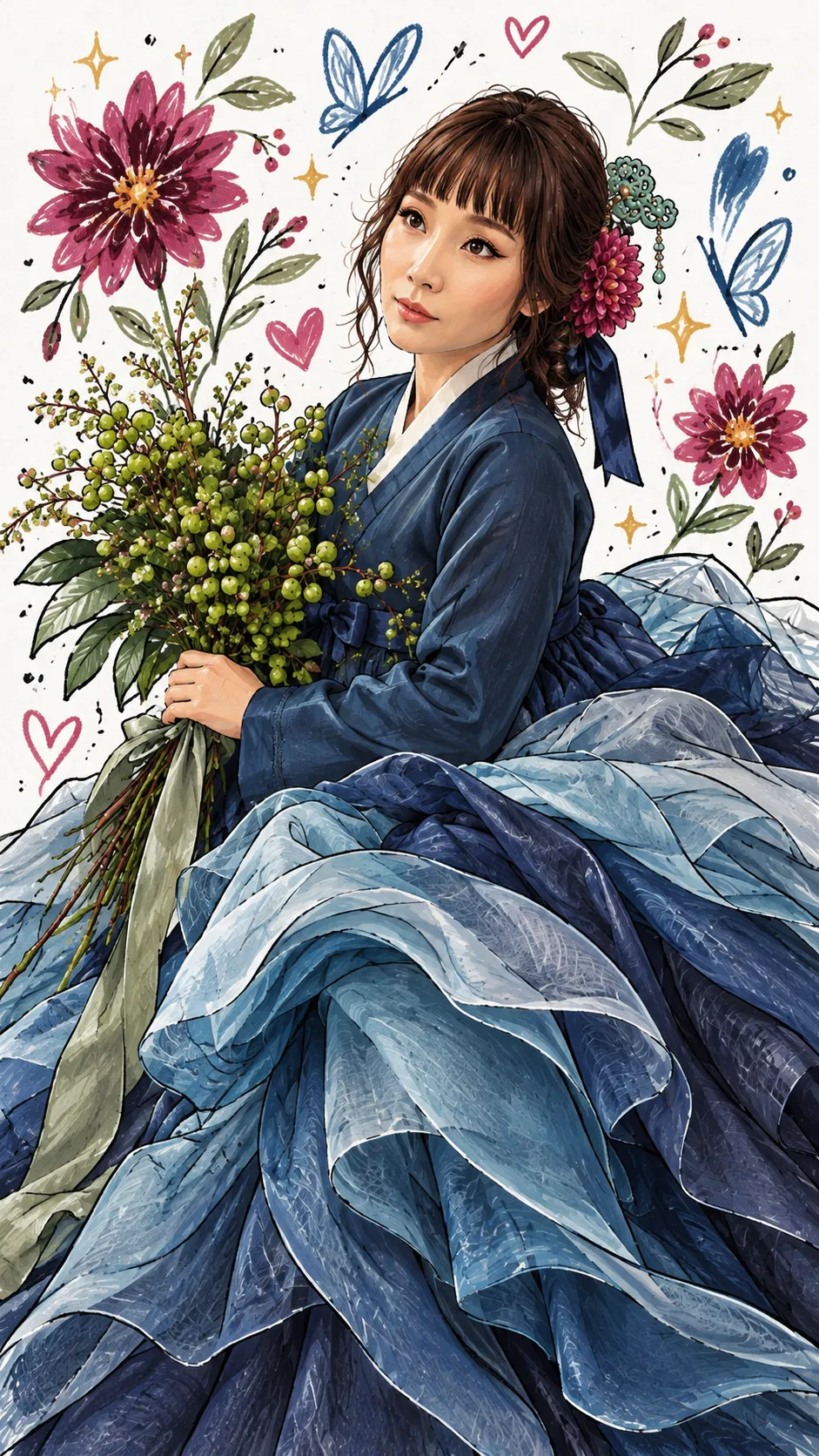
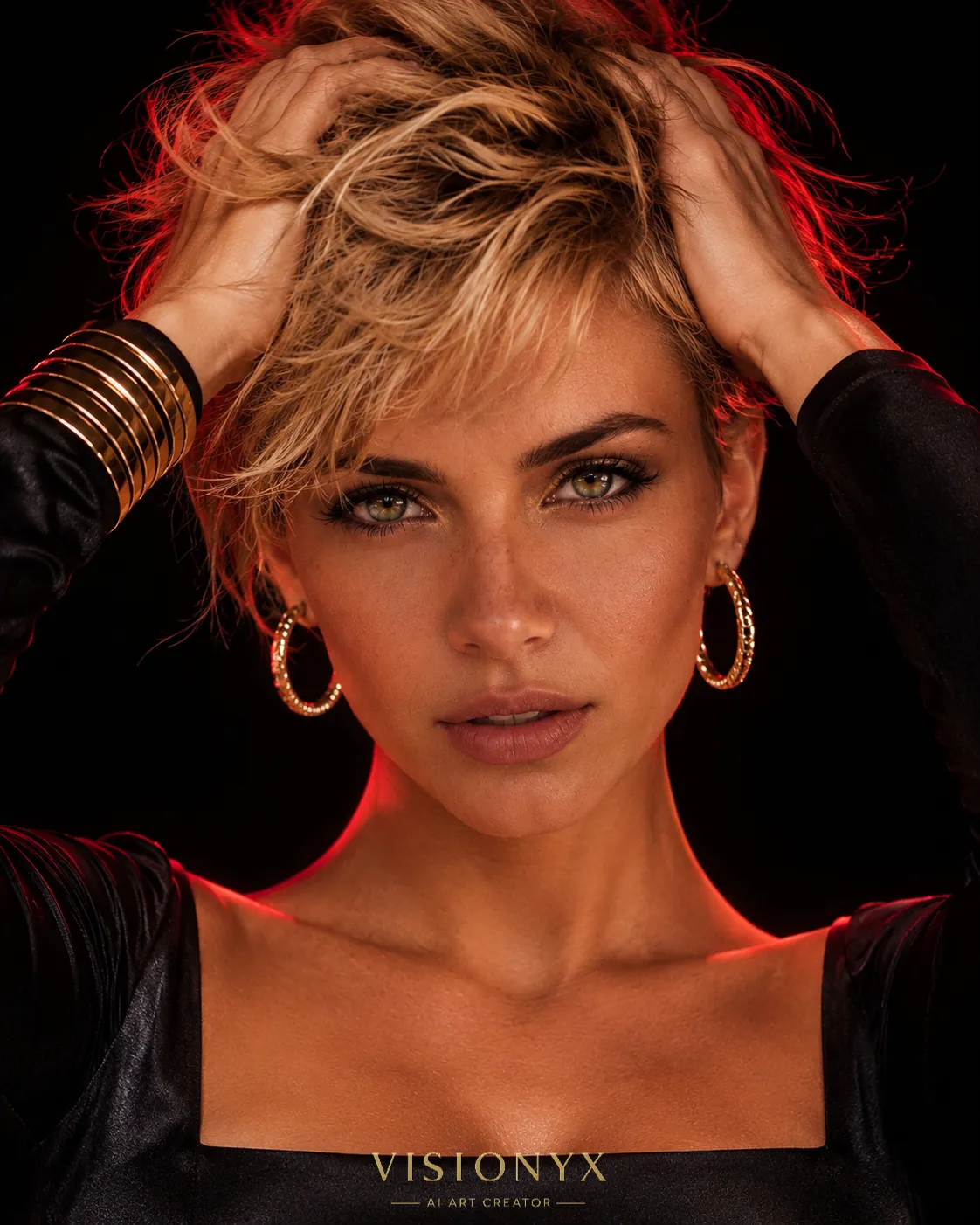
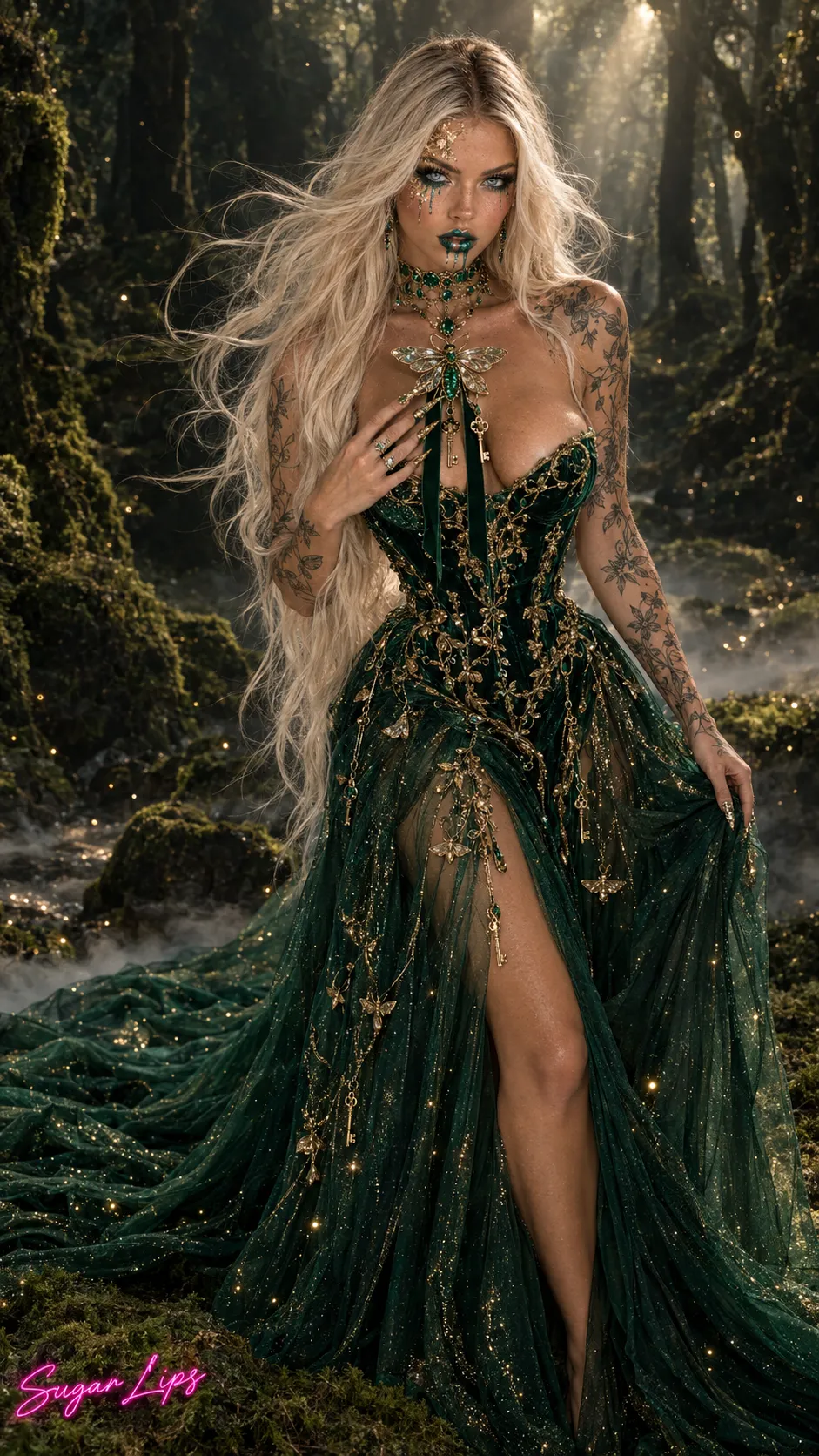
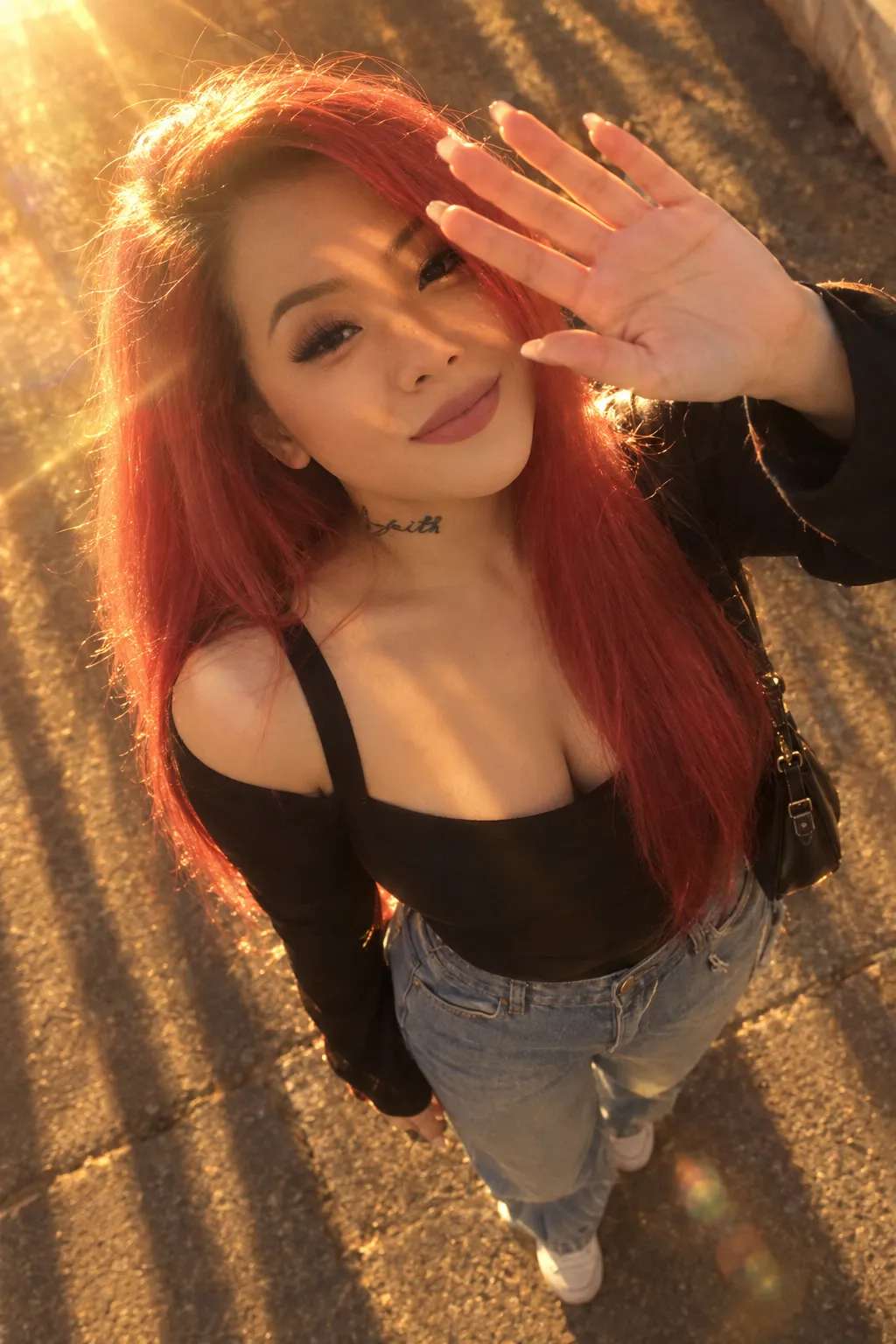
Example images

Prompt template
- Format
- Text Parameterized
- Inputs
- Reference_image (image) · Required watermark_text (text) · Optional · Default: ⓒyulim_mood
- Outputs
- Fashion_editorial_image (image)
Replace the ${…} placeholders with your values
before using this prompt. See parameters
and defaults below.
Editorial: Romantic Fashion Editorial — Dream of Ranunculus: The Blossom.

Film/Capture:
Create ONE vertical 3:4 photoreal fashion photograph of one adult woman in one continuous scene. Capture digitally and color-grade to evoke Kodak Portra 160: low contrast, restrained pastel saturation, very fine organic grain, gentle neutral-to-warm skin separation, and smooth highlight rolloff. Preserve detail in pale petals and fabric folds. Dreaminess comes from light transmission, optical depth, and layered materials, with readable facial features; make no claim that the image was captured on physical film. Do not use artificial HDR or global bloom.

Reference Identity:
PERSON-REFERENCE IMAGE MODE. Use the designated adult woman's reference as the sole source of facial identity. Preserve the same recognizable person, her reference-visible facial features and their actual shapes, sizes, positions, and proportions, underlying skin tone, apparent adult age, natural asymmetry, and distinctive marks. Let the reference define facial anatomy directly. Do not beautify, idealize, reshape, blend identities, or substitute a generic fashion-model face. Do not make her younger or older, erase age cues, or add age-changing wrinkles. Preserve reference-visible body proportions when supplied; otherwise use realistic anatomy without invented measurements.

Hair:
TARGET-HAIR FULL REPLACEMENT MODE. Replace the reference hairstyle with loose soft-black hair reaching mid-back, a clean center part, no short bangs, modest natural crown volume, and broad, relaxed S-waves beginning below the ears. Long side sections frame the face without covering either eye; no ties, braids, or gathered nape structure.
Most hair falls behind both shoulders down to mid-back, with only two fine long strands extending below the collarbones in front. Keep the sculptural neckline unobstructed; do not shorten the actual hair to match the visible crop.

Makeup:
Use a thin neutral soft-satin base with restrained retouching, natural tonal variation, and skin texture appropriate to camera distance. Preserve matte-to-satin variation rather than uniform wet shine. Lightly fill brows while retaining visible individual hairs. Apply diffused dusty-rose and rose-taupe eyeshadow, tiny champagne-rose shimmer restricted to the centers of the lids, and fine soft-brown liner following the actual lash lines. Use separated dark-brown lashes without exaggerated density. Diffuse transparent dried-rose blush between the central and outer cheeks. Use muted-rose lips with soft edges and a thin satin reflection at the center; preserve actual lip boundaries. Makeup changes surface color and reflectance only.

Dress:
Create a blush-pink couture gown with an opaque lined silk bodice and concealed internal support. Build the off-shoulder neckline from thin silk-organza petals arranged in overlapping curved, near-concentric layers that echo a ranunculus bloom. Keep the sculptural petals below the chin, across the collarbone area, and over the outer shoulders. Add short translucent balloon sleeves extending from mid-upper-arm to just above the elbows, finished with narrow cuffs; subtle pearly reflections occur only on light-facing folds. The underlying skirt fits gently through the hips and thighs, flaring below the knees into densely layered organza ruffles and a short train.
Keep a full blush tulle overskirt attached at the waist, making the visible waist and lower-frame fabric softly A-line. The bodice stays opaque while organza edges and sleeves transmit light. No necklace, crown, or bouquet.

Scene and Environment:
Set the scene in late spring, early morning, inside a classical conservatory with slender ivory-painted iron frames, lightly weathered glass, and pale limestone surfaces. A waist-height raised flower bed allows the woman to approach a single blush ranunculus without bending deeply. Choose a naturally sized, especially well-opened bloom slightly larger than its neighbors, not a giant fantasy flower. Its petals, green calyx, stem, and nearby foliage are physically connected. Surround it with cream-pink and pale-apricot blooms. Faint atmospheric depth exists only far behind the subject.
Place one or two separate flowers very close to the lens at the lower-left corner for soft foreground blur. They must not cover her face, neckline, touching fingertip, or the selected bloom. Keep the background ironwork recognizable but soft and clear of facial landmarks.

Pose and Expression:
She leans slightly toward the flower from a stable stance, both feet supporting her weight outside the crop, shoulders lowered. Her anatomical left arm reaches toward the flower at screen-right. Her left index fingertip lightly touches one outer petal edge; the remaining fingers are relaxed, gently curved, and separated. Do not pinch, pull, or cup the bloom. Her anatomical right fingertips rest lightly on the dry stone rim of the raised bed, with wrist neutral and the entire hand visible. The rim is not a seat.
Keep elbows and both hands fully inside the composition, with no accidental joint crops. Sleeves compress in small folds inside the bent elbows and stretch softly across the outer arms.
She looks down toward the petal she touches, eyes open with softly lowered lids, brows and jaw relaxed. A tiny warm smile begins at the corners of lightly closed lips. Convey tender concentration and peaceful discovery; do not close her eyes or have her look at the viewer.

Camera and Composition:
Use a full-frame camera, 85mm lens, approximately f/8, around 3 meters from the face. Frame a medium portrait from above the head to just below the waist, including both elbows, both complete hands, the bed rim, and the selected bloom. Place the camera slightly below eye level and nearly horizontal. Position the woman on screen-left and the selected bloom on screen-right below her face. Reserve approximately 10% clear headroom. Adjust camera distance to keep all required anatomy and the flower inside the vertical 3:4 crop.
Arrange the face, touching hand, and bloom near a shared focal plane. Focus with enough depth to read both eyes, facial landmarks, fingertip contact, and layered petals; allow the background and near-lens flowers to soften optically. Avoid a blur plane slicing through the face or touching hand.

Lighting:
Broad upper daylight enters through the roof glazing on camera-right above her, softened by a large exterior diffusion scrim kept out of frame. This single large source illuminates the upper facial planes, eyelids, hand backs, and flower petals in the same direction. Retain subtle shadows under the chin, between fingers, and inside layered organza; do not erase all modeling. Pale stone provides weak natural bounce from below, without a separate facial spotlight.
Let thin petal edges transmit light; the opaque silk bodice reflects softly; translucent sleeves show fine woven structure and overlapping folds. Preserve warm cream and pink highlights without clipping. Catchlights and tiny lid shimmer correspond to the broad upper-right glazing. No ring light, flash, or face-only white balance.

Essential Direction:
The real flower's layered petals visually answer the organza neckline. Keep the fingertip touching exactly one petal edge, the stem intact, and the other hand supported by the stone rim. Maintain the same recognizable reference face while applying the specified replacement hairstyle.

Watermark:
Add the exact text "${watermark-text:ⓒyulim_mood}" at the bottom center as a fixed graphic overlay, medium signature size with a safe bottom margin. Use refined white calligraphic italic lettering, thin hairlines, thicker downstrokes, connected lowercase letters, and a pronounced rightward slant. Keep every character and the underscore readable inside the frame. No outline, shadow, glow, embossing, box, or plaque. No other text.

Negative:
Generic beauty face, facial reshaping, changed age, identity blending, plastic skin, waxy smoothing, artificial wet-look skin, enlarged pores, malformed hands, extra or fused fingers, floating hair, hair fused into skin or fabric, conflicting source hairstyle, incorrect hair-length landmark, clipped highlights, artificial HDR, aggressive sharpening, CGI rendering, global fog over the face, artificial cutout blur.
Giant bloom, flower penetrating a finger, detached stem, foreground flowers covering the face, eyes closed, hands cropped at the wrists.
Parameters
Replace each placeholder with your own value, or use its default when one is provided.
${watermark-text:ⓒyulim_mood}
watermark-text
Default: ⓒyulim_mood


Comments — 0