- Category
- Design & Image
- Model
- openai-chatgpt
Geometric Folk-Art Editorial Illustration
Reinterpret a supplied image as a contemporary fashion illustration combining Bauhaus geometry, mid-century editorial design, and refined folk ornament.
By Threads — Published on
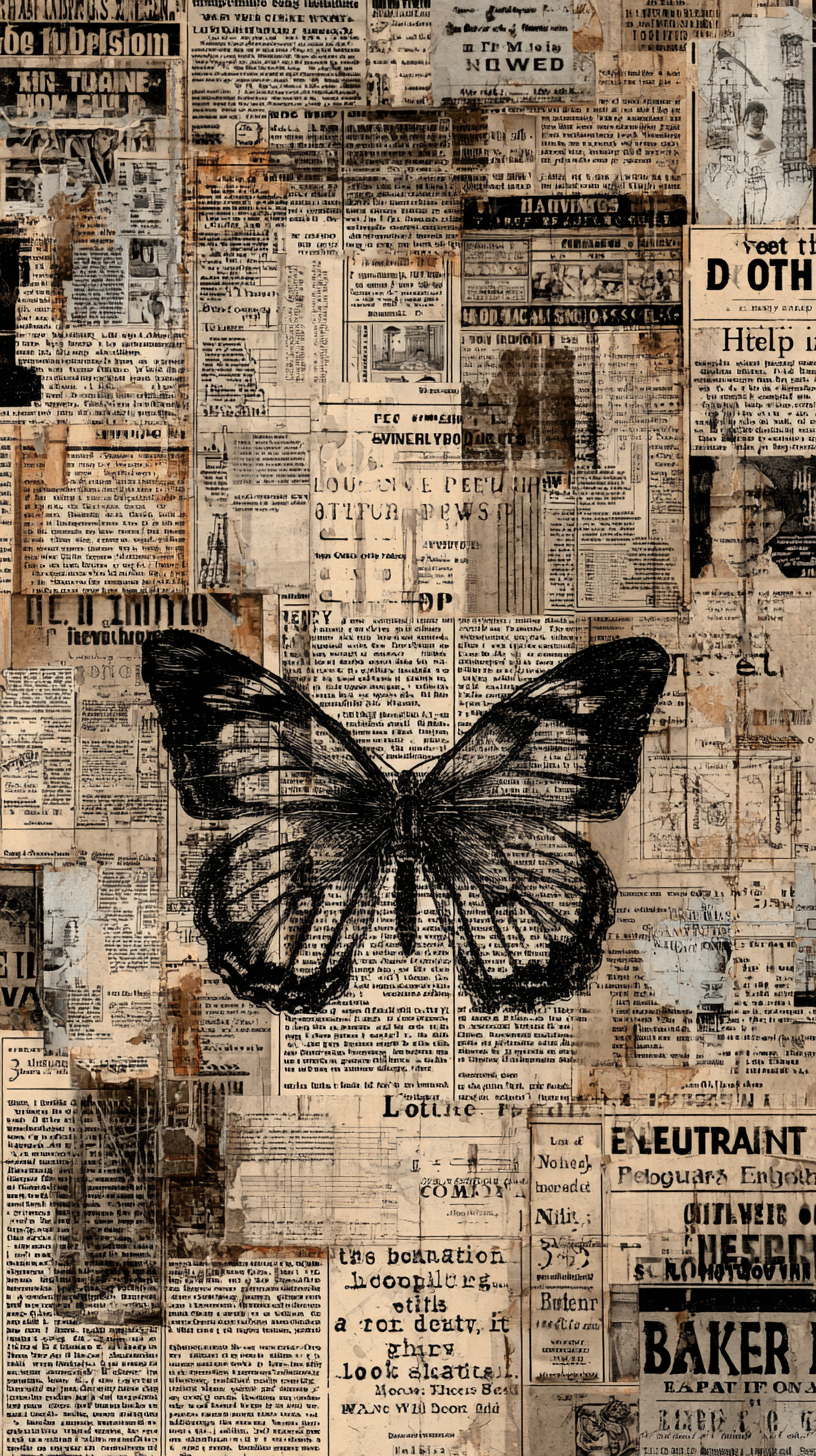
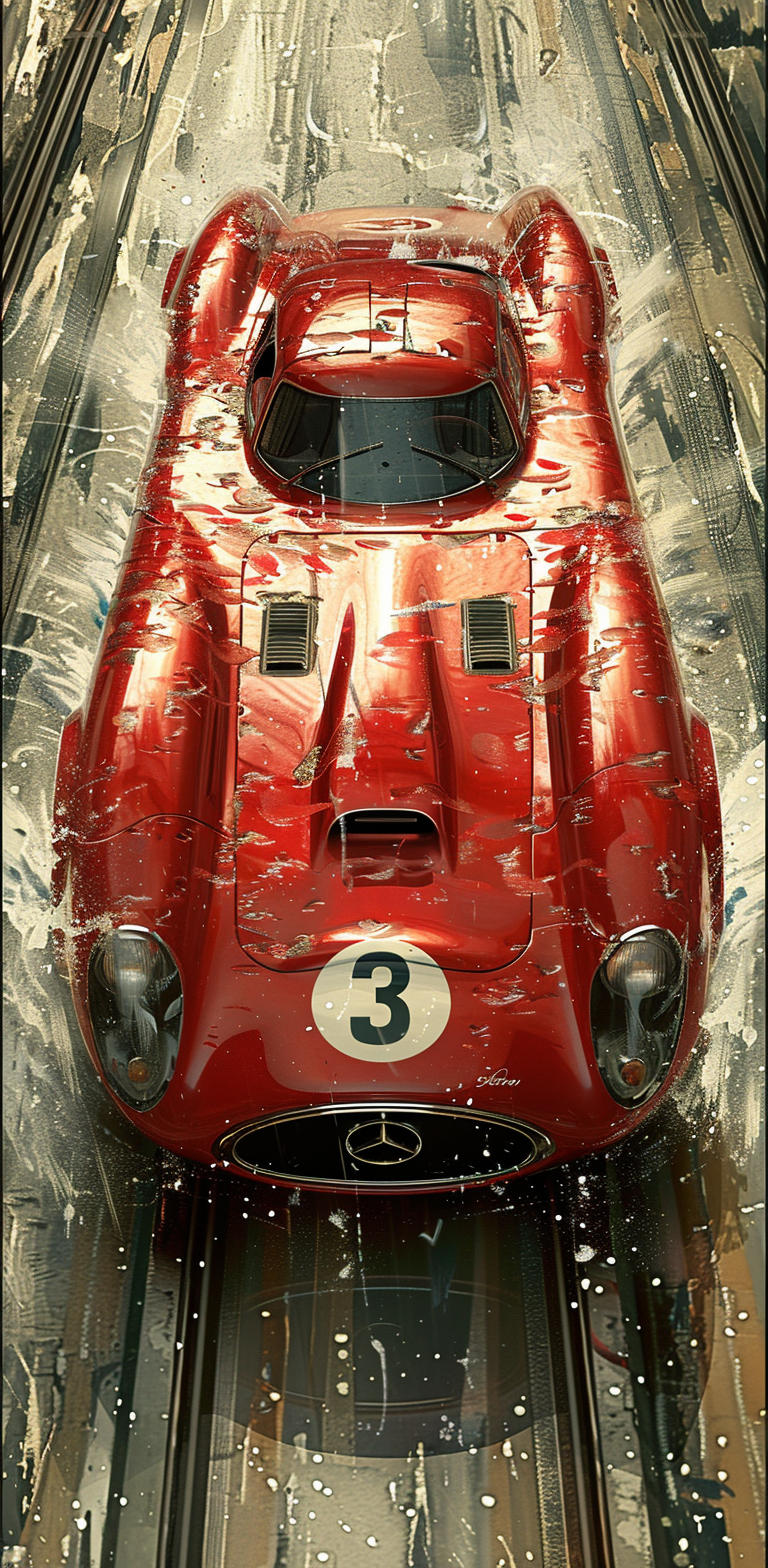
Example images


Prompt template
- Format
- Text
- Inputs
- Reference_image (image) · Required
- Outputs
- Illustration (image)
Transform the provided image into an exquisite geometric editorial illustration combining contemporary folk art and modern fashion illustration. Preserve the character’s recognizability, pose, gesture, clothing structure, important objects, composition, and characteristic details, reinterpreting them through elegant geometric abstraction.

Build the image from large, clear, flat shapes: elongated polygons, triangles, trapezoids, rectangles, sharp planes, thin lines, and controlled curves. Simplify anatomy and objects into expressive, instantly recognizable silhouettes. Human figures should be elegant, elongated, and sculptural, with long limbs and necks, simplified arms, and clean, angular silhouettes. Keep faces delicately minimal, with understated eyes, nose, and lips, restrained expressions, and no realistic skin. Keep clothing recognizable, but render it as overlapping geometric panels, replacing realistic folds with sharp planes.

Where appropriate, integrate modern interpretations of folk motifs such as diamonds, crosses, zigzags, stripes, rosettes, stylized flowers, and rhythmic ornamental borders. Do not automatically dress the subject in traditional folk costume. Apply the same geometric simplification to animals, architecture, landscapes, and objects while preserving their distinctive silhouettes.

Use a limited palette of 4–7 flat, graphic colors: near-black or dark blue, one saturated dominant accent, warm off-white, muted supporting tones, and 1–2 contrasting accents. Create depth with overlap, scale, and layers—not realistic shadows or 3D volume. Simplify the background into fragments of architecture, landscape, symbolic forms, and repeating motifs. Individual elements may float around the subject. Leave plenty of warm-white negative space. Make the composition asymmetrical but rhythmic, with the main character dominant and crisp, clean, deliberate shape edges.

Aim for Bauhaus geometry, mid-century editorial design, contemporary fashion illustration, and refined Eastern European folk ornament. Keep the result modern, not historical or rustic. Avoid photorealism, watercolor, painterly strokes, sketch lines, cartoon or comic styles, CGI, gloss, complex gradients, clip art, childish proportions, chaotic decoration, text, logos, and watermarks.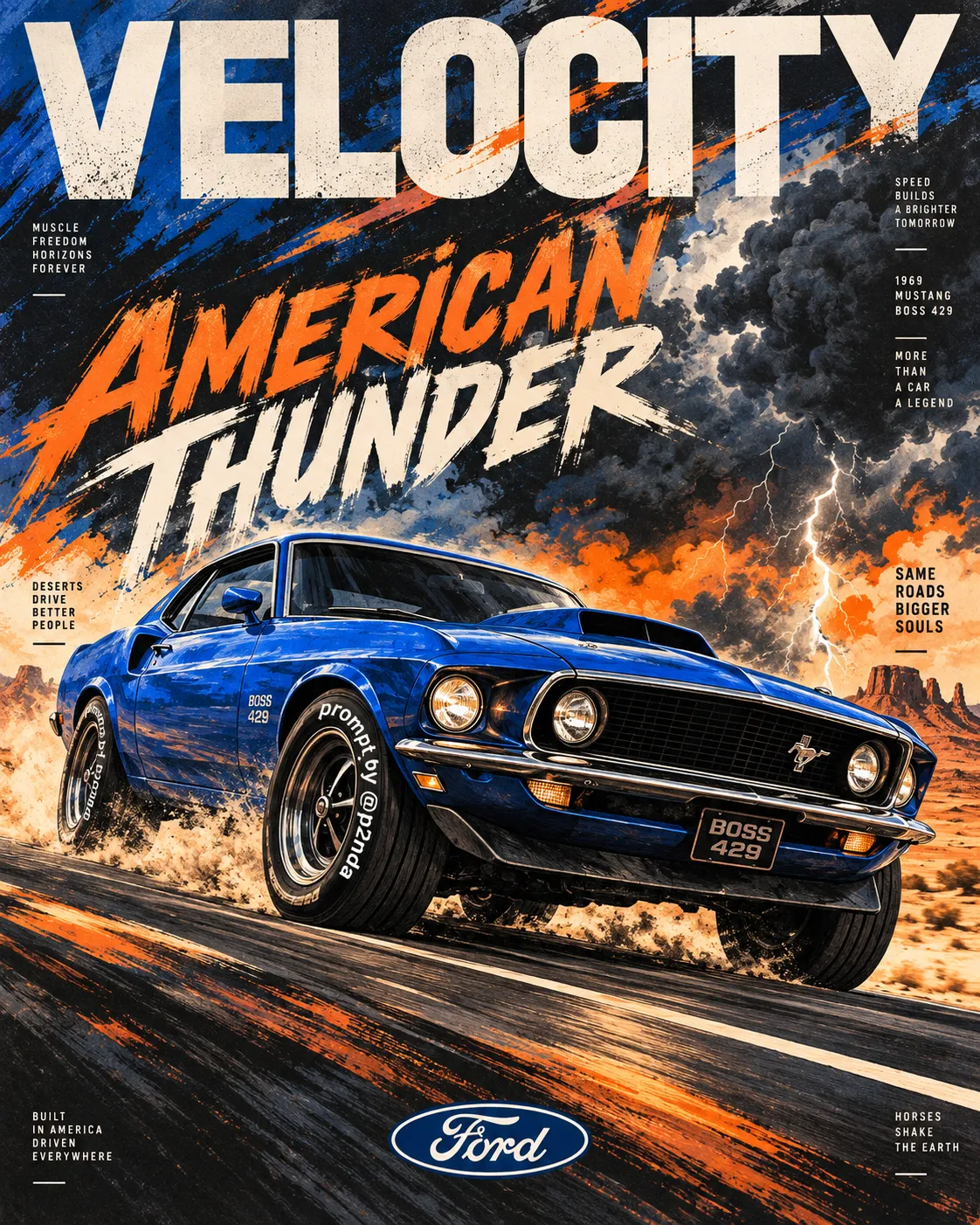





Comments — 0