- Category
- Art & Illustration
- Model
- openai-gpt-2-5
Pastel Crayon Graffiti from a Reference Photo
Transform a reference photo into a loose pastel crayon graffiti illustration with retro paper texture, simplified forms, and generous negative space.
By Threads — Published on — Modified on
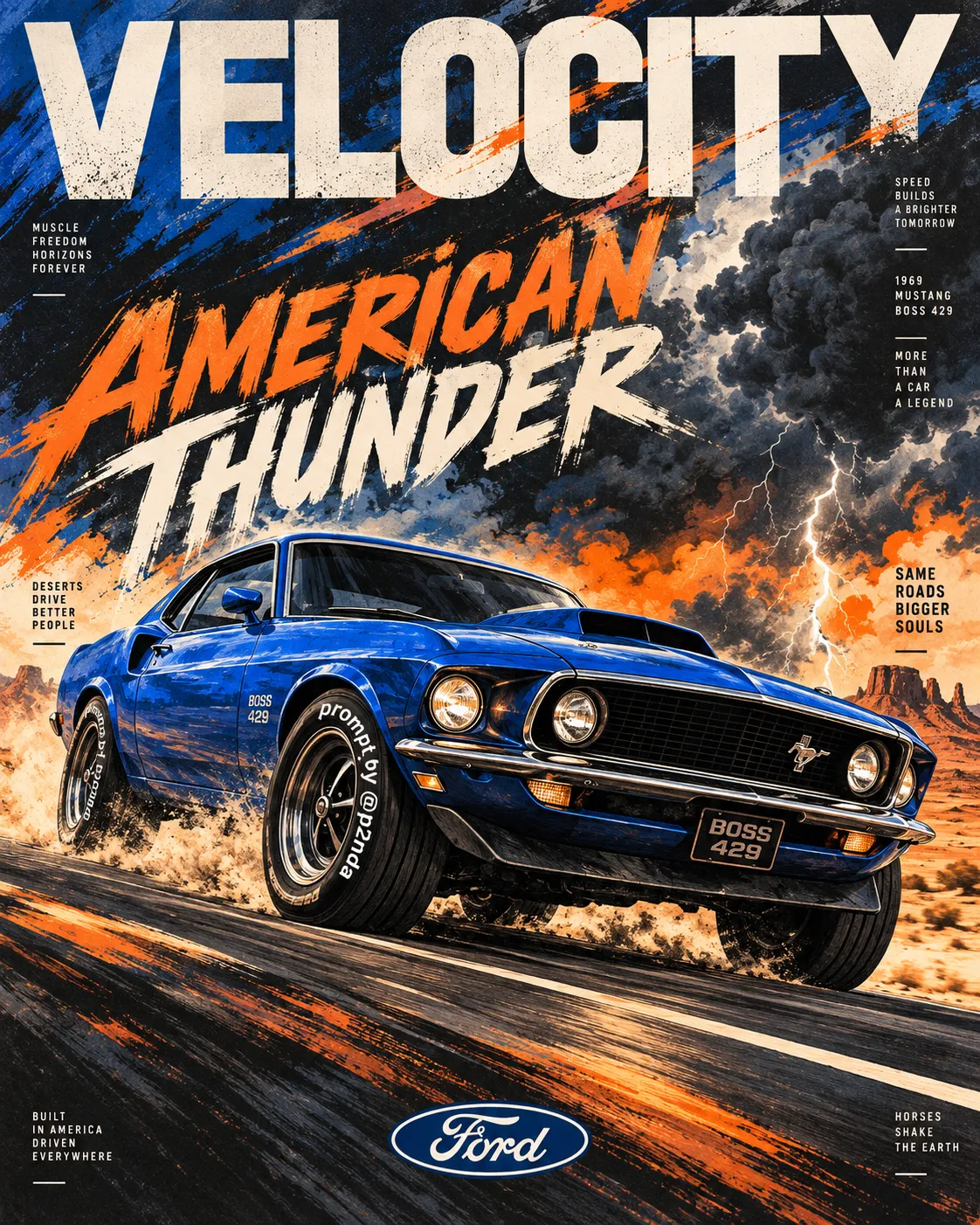
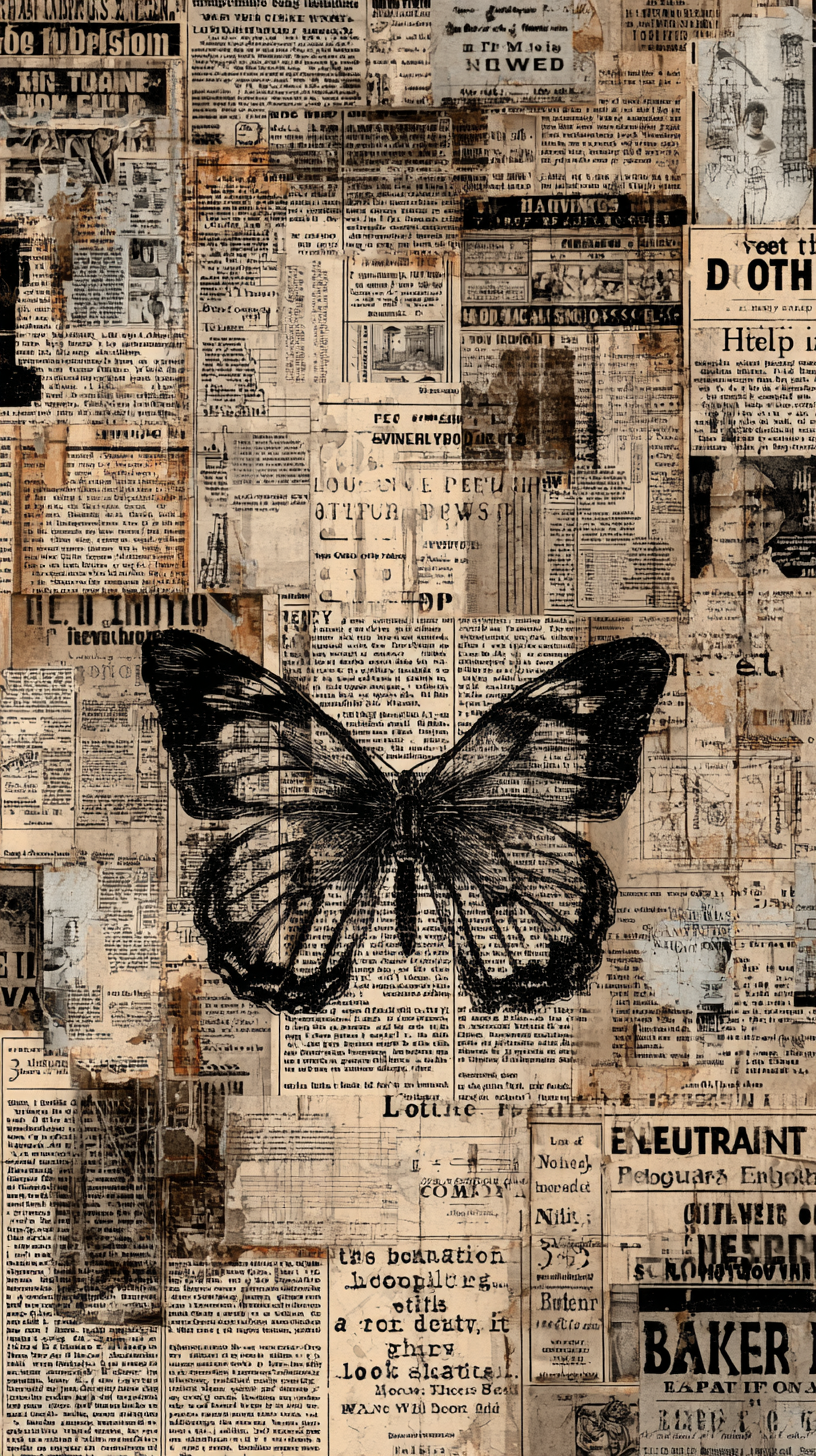
Example images


Prompt template
- Format
- Text
- Inputs
- Reference_photo (image) · Required
- Outputs
- Illustration (image)
First understand the core themes, subject relationships, structural trends, emotions and visual metaphors that are most worthy of being remembered in the original photo, and then reconstruct it into a pastel crayon graffiti illustration with retro paper texture.Don't copy the photos one by one, and don't repaint all the content completely. Only keep the outline, posture, direction, and visual memory points that best represent the original object. Through deletion, generalization, slight exaggeration, and reassembly, people can feel the correspondence between it and the photo above at a glance. The relationship between it and the photo above.

The main body uses coarse-grained chalk /crayon-style hand-painted contours: the lines are slightly thick, loose, and dry, with powder particles, intermittent fading, slight shaking, and incomplete closed edges, and the end of the pen is naturally blunt and round.Only a very small number of pastel-colored blocks, simple grids, stripes, dots, or smears are added to the interior of the main body, and the structure is prompted with minimal information, without realistic volume and complete details.

The surrounding small elements use the same line language as the subject, but are further compressed into graffiti symbols that can be recognized with one or a few strokes.Stars, flowers, plants, artifacts, environmental clues, or abstract symbols should all be simple, naive, open, or not completely closed, with single-line contours as the main theme, and very little coloring.Do not draw as exquisite icons, stickers or independent small illustrations.

The composition maintains the relationship between small-scale seals and large-area blanks, and freely arranges the position according to the subject's own direction, proportion, and visual center of gravity, which can be eccentric, welted, suspended, or partially cut.The main body forms a loose but clear visual community with a very small number of graffiti symbols, and the rest of the space is actively left blank.Blank space itself is the main composition element, forming a sense of breathing, distance and pause through the relationship between emptiness and reality, gathering and dispersing, size contrast and asymmetry; it is better to draw less than to fill it up.

The background must use a very light, bright, and clean paper background color, such as cream white, ivory white, light beige, light apricot white, very light gray, or a near-white paper color that is intelligently matched according to the comprehensive color temperature of the original image.The paper retains only very slight fibers and particles, and cannot be brown, yellow, gray or stale.The background brightness must be significantly higher than the main lines and color blocks, to ensure that all crayon contours, small symbols and text are clearly visible, and must not be pasted together with the background.

The color matching extracts 2-4 of the most vivid, affinity, and representative colors from the photo above, and re-modulates them into bright and soft pastel crayon colors.It can naturally form light colors such as peach powder, apricot orange, cream yellow, mint green, sky blue, and lavender; the main lines give priority to coral powder, soft blue, cyan, warm orange, lavender or cream dark tones that are clearer than the background.




Comments — 0