- Category
- Photography
- Model
- openai-chatgpt
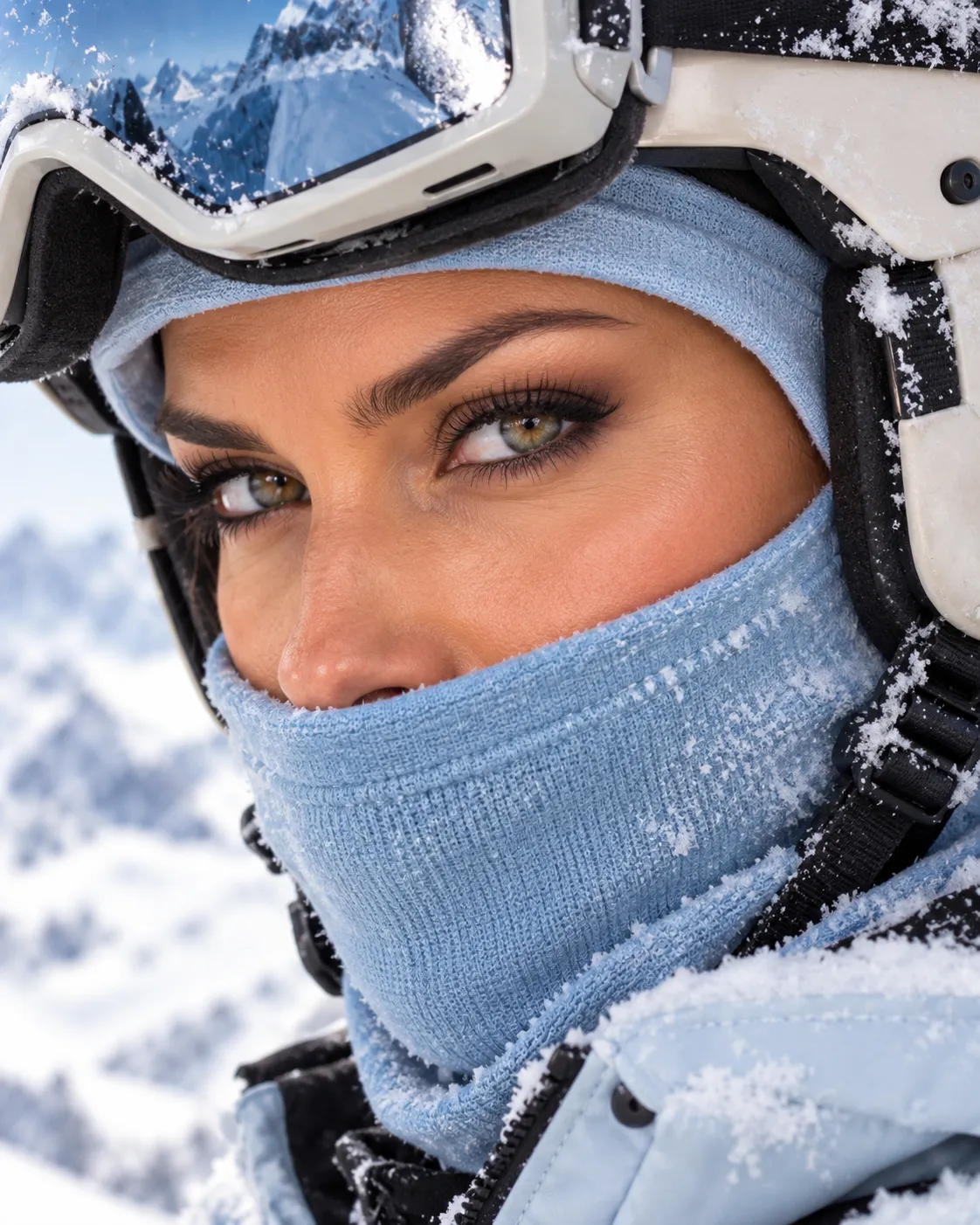
Photorealistic Alpine Ski Close-Up Portrait
Create an ultra-photorealistic, tightly cropped alpine skier portrait that preserves the identity in an uploaded photo and emphasizes detailed winter gear, reflective goggles, and a crisp mountain setting.
By Threads — Published on — Modified on
Example images
Prompt template
0 copies
- Format
- Text
- Inputs
- Uploaded_person_photo (image) · Required
- Outputs
- Alpine_ski_close_up_portrait (image)
Create an image using the uploaded image.

IDENTITY AND FACIAL PRESERVATION:
Use the uploaded person's photograph as the primary facial identity reference. Strictly preserve their recognizable facial identity, natural skin tone, apparent age, facial proportions, eye shape and color, eyebrows, nose, lips, cheekbones, jawline, and distinctive characteristics. Maintain realistic pores, fine lines, natural skin texture, and authentic facial anatomy. Do not beautify, de-age, reshape, or replace their recognizable features. Adapt the winter sports styling naturally to the person's gender and appearance.

STYLE AND ATMOSPHERE:
Create an extraordinarily detailed, ultra-photorealistic cinematic extreme close-up portrait of a downhill skier in a breathtaking alpine winter environment. Draw inspiration from luxury outdoor sports photography, professional ski advertising, high-end winter fashion editorials, and extreme mountain adventure photography. The atmosphere should be crisp, exhilarating, immersive, elegant, and intensely realistic.

COMPOSITION AND CAMERA ANGLE:
Use a vertical 4:5 composition featuring an extraordinarily tight facial close-up. The subject's helmeted head must fill almost the entire canvas, occupying approximately 95% of the frame. Turn the subject's head exactly 45 degrees to the left, creating an intimate three-quarter facial perspective. Their eyes glance toward the camera with a confident, focused, captivating expression.

Position the eyes near the central upper portion of the composition. Keep the nose and upper cheeks visible, while the mouth, chin, and lower face are completely concealed by winter fabric. The helmet, goggles, and balaclava should extend naturally beyond the frame boundaries. Crop closely around the helmet and shoulders. Do not use full-body framing, a distant perspective, or unnecessary empty space. The subject's face and ski equipment should dominate the photograph.

SKI HELMET AND GOGGLES:
Dress the subject in an authentic premium cream-white alpine ski helmet with realistic protective shell construction, black interior cushioning, adjustable black straps, molded ventilation details, and subtle accumulated snow.

Position oversized professional ski goggles across the upper forehead, resting against the helmet rather than covering the eyes. Give them a substantial off-white frame, thick black elastic strap, soft foam padding, and highly reflective blue-gray mirrored lenses. The lenses should show realistic reflections of dramatic snow-covered alpine peaks, blue winter skies, and distant mountain ridgelines.

Add naturally scattered crystalline snow along the helmet edges, goggles, straps, and protective padding.

BALACLAVA AND WINTER CLOTHING:
Wrap the head and lower face in a luxurious light powder-blue knitted thermal balaclava. The fitted fabric should cover the forehead beneath the goggles, both ears, mouth, chin, neck, and lower cheeks while leaving the eyes, eyebrows, nose, and upper cheeks naturally exposed.

Render extremely realistic woven fabric fibers, fine stitching, subtle knit patterns, stretched textile contours, delicate frost accumulation, and tiny snow crystals embedded in the material.

No hair should be visible. Keep all hair completely concealed beneath the helmet and balaclava.

Include a matching pale icy-blue technical ski jacket visible only at the extreme bottom edge, with realistic waterproof fabric, snow-covered seams, black zipper details, and insulated protective construction.

FACIAL DETAIL AND EXPRESSION:
Make the eyes the unmistakable focal point. Preserve their original natural color and shape. Capture intricate iris patterns, individually defined eyelashes, authentic eyebrows, realistic catchlights, subtle under-eye texture, natural complexion variations, and lifelike skin pores. The gaze should be composed, adventurous, and captivating. Maintain believable natural skin tones with gentle winter warmth across the cheeks and nose.

LIGHTING AND COLOR PALETTE:
Use beautiful natural alpine daylight with soft directional illumination from the upper left. Bright diffused sunlight should create luminous highlights across the forehead, cheeks, nose, and ski equipment. Maintain gentle dimensional shadows around the eyes, helmet padding, and contours of the face.

Combine warm natural skin tones with powder blue, icy cyan, cream white, charcoal black, and reflective steel blue. Preserve realistic snow brightness without overexposure. Use cinematic dynamic range, refined contrast, and subtle cool-toned winter color grading.

BACKGROUND AND ENVIRONMENT:
Show only tiny glimpses of magnificent snowy alpine mountains behind the subject, primarily along the left edge and upper corners. Include distant rugged peaks, snowy ridges, and softly illuminated white slopes. Keep the background strongly defocused and visually secondary. Add extremely subtle airborne snow particles and natural crystalline frost.

CAMERA AND PHOTOGRAPHIC SETTINGS:
Use a professional full-frame mirrorless photography aesthetic with a 100mm portrait macro lens, f/2.8 aperture, ISO 100, 1/1000-second shutter speed, precise eye-level three-quarter perspective, extremely close camera-to-subject distance, compressed telephoto perspective, razor-sharp focus on both eyes, realistic shallow depth of field, and a beautifully softened alpine background.

Create ultra-high-resolution photographic realism, HDR tonal detail, lifelike skin microtexture, individually resolved textile fibers, physically accurate reflections, natural optical rendering, realistic snow crystals, professional editorial retouching, and exceptionally sharp facial detail.

FINAL COMPOSITION REQUIREMENTS:
The helmeted head must fill nearly the entire image. Maintain the exact 45-degree leftward head rotation, exposed eyes, cream-white ski helmet, forehead-mounted reflective goggles, powder-blue balaclava, hidden hair, snow-covered equipment, and minimal blurred mountain background. Include no text, typography, watermark, illustration, cartoon effects, artificial-looking skin, distorted facial anatomy, or unnecessary objects.

Use a vertical portrait composition with full-frame height emphasis and a cinematic poster layout.

-- ar 4:5




Comments — 0