- Category
- Design & Image
- Models
- openai-gpt google-gemini
Photorealistic Magazine Cover Prompts: GPT and Gemini Variants
Two standalone prompts for generating a fictional, photorealistic vertical magazine cover from a reference photo. Each randomly selects an age- and hijab-appropriate genre and transforms the styling and composition while preserving recognizable identity. Choose one variant for a single generation.
By Threads — Published on
Example images
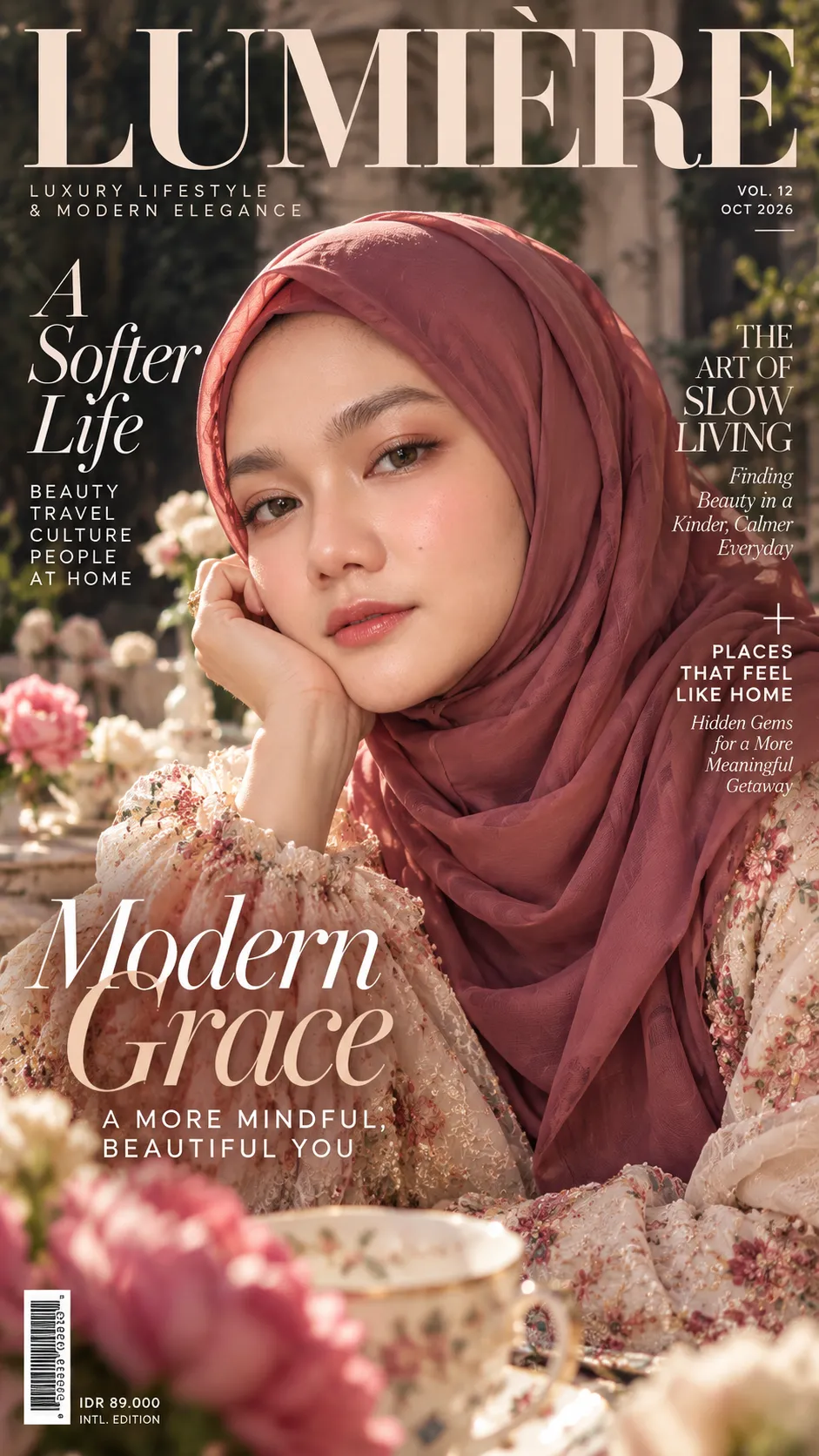
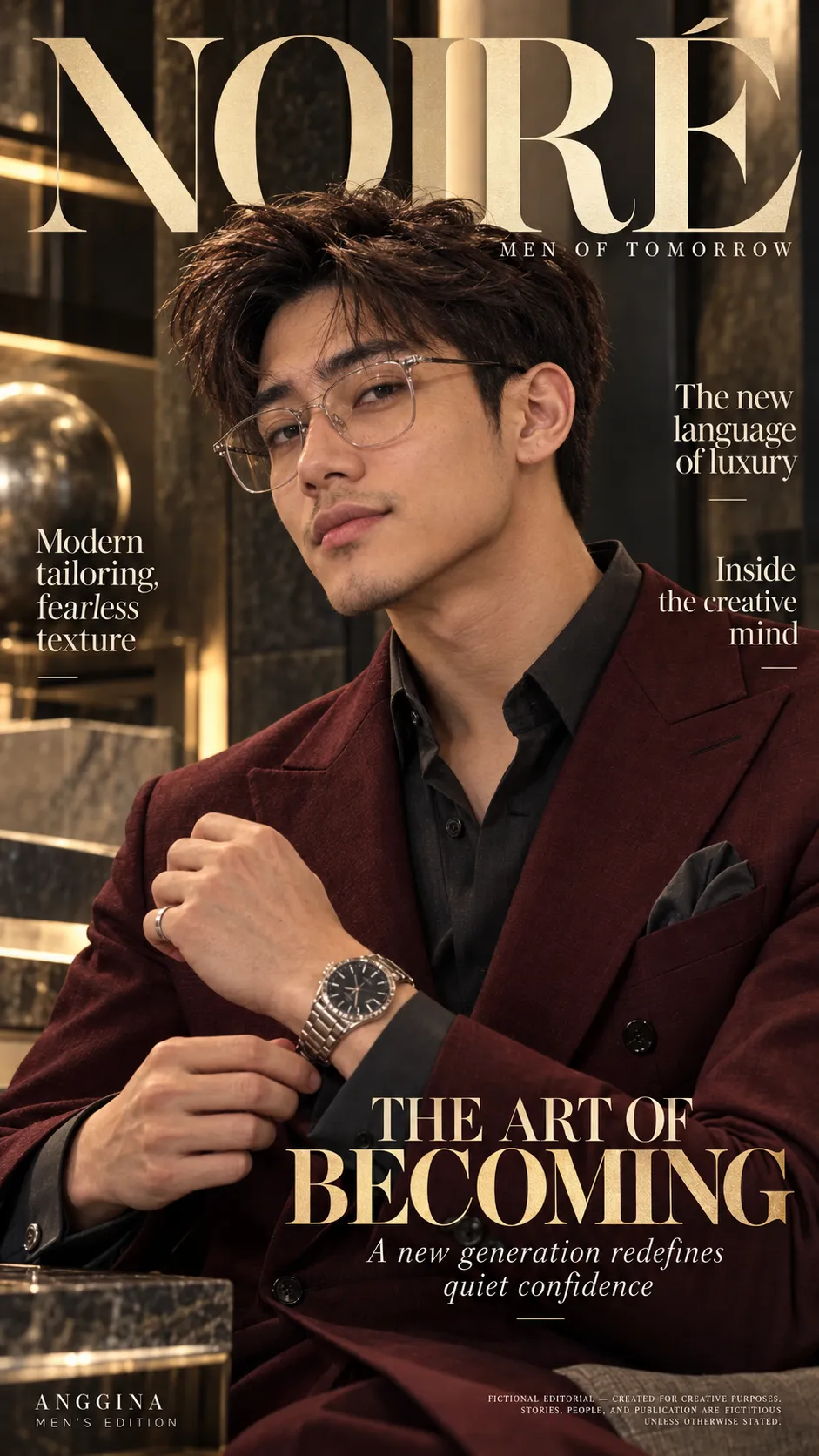
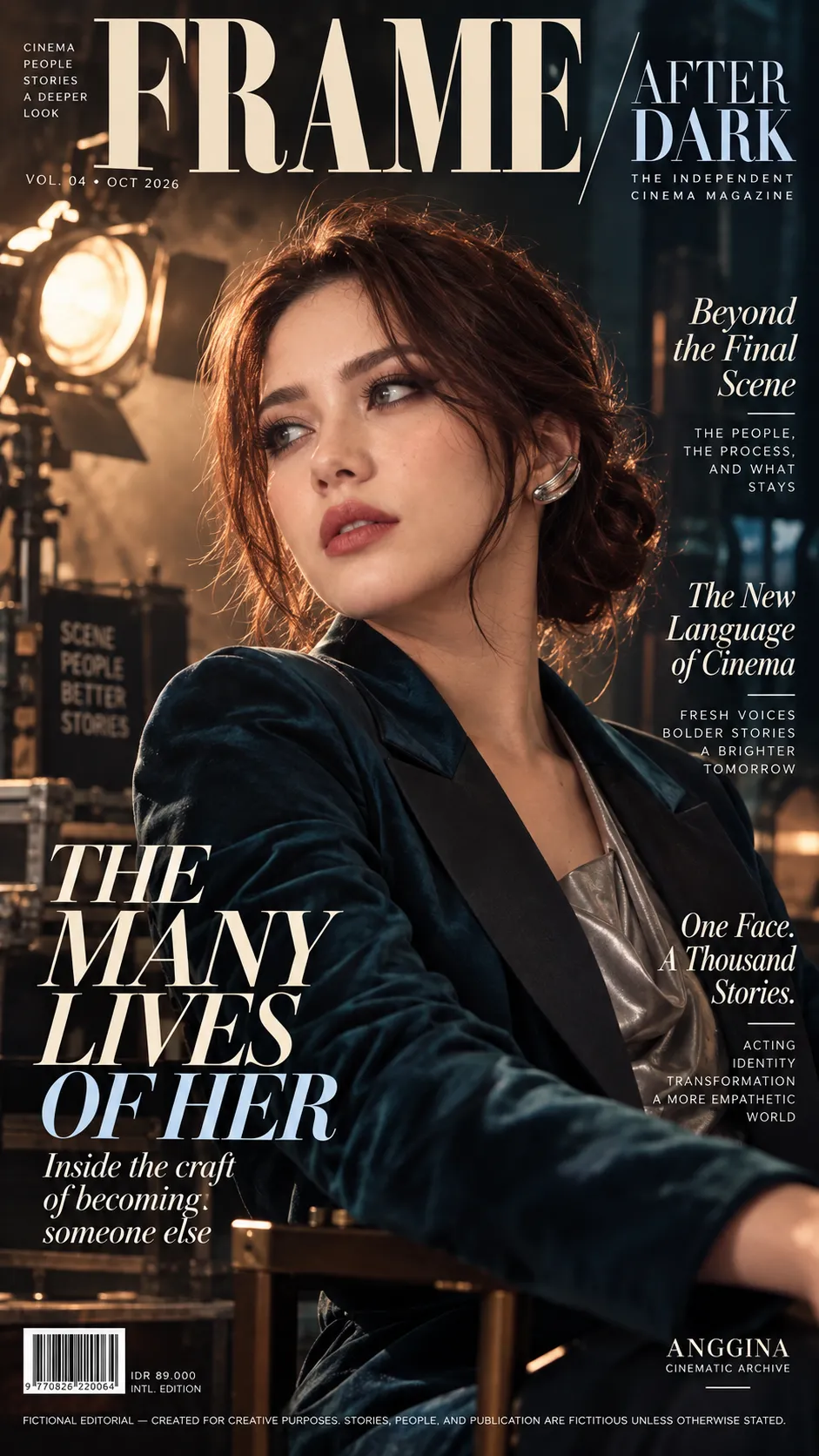
Prompt template
- Format
- Markdown Parameterized
- Inputs
- reference_photo (image) · Required watermark_text (text) · Optional · Default: ANGGINA LITTLE STORIES
- Outputs
- magazine_cover (image)
Replace the ${…} placeholders with your values
before using this prompt. See parameters
and defaults below.
## 1. GPT variant

Create **ONE** standalone, ultra-photorealistic, professionally photographed magazine cover in vertical 9:16 format, featuring a character inspired by the uploaded reference photo. Use the reference to guide who the character resembles, not to reproduce the reference image.

### Genre and story
Randomly choose **exactly one** eligible primary genre per generation. Choose from a broad range including children’s stories, education, parenting, family, teen lifestyle, high fashion, haute couture, beauty, makeup, men’s grooming, luxury, relationships, marriage, mature lifestyle, adult glamour, bridal, wellness, fitness, sports, health, biology, science, astronomy, space, history, archaeology, lost civilizations, fantasy, mythology, horror, mystery, science fiction, pets, wildlife, veterinary care, gastronomy, baking, travel, cultural exploration, architecture, interior design, fine art, photography, music, cinema, entertainment, business, technology, gaming, automotive, motorsport, gardening, crafts, literature, environment, conservation, detective fiction, careers, spirituality, philosophy, pop culture, adventure, survival, antiques, maritime exploration, dance, cultural heritage, surrealism, experimental art, and avant-garde. Invent a suitable niche genre when useful. Randomize the fictional magazine name, target audience, editorial identity, storyline, art direction, and cover design.

### Mandatory age and hijab filter
Determine the reference subject’s hijab status and apparent age **before** selecting a genre. Filter out incompatible genres before random selection.
- For women wearing hijab, exclude sensual, erotic, sexualized, revealing, or equivalent adult-glamour themes. Modest fashion, luxury, beauty, bridal, business, culture, science, history, lifestyle, and artistic avant-garde concepts remain eligible. Preserve hijab status and fully cover hair, hairline, ears, neck, shoulders, and chest. Do not use pointed triangular forehead styling. Choose a hijab color that contrasts with the main outfit.
- For women without hijab and adult men, mature lifestyle, romance, relationships, and tasteful, non-explicit adult glamour may be eligible.
- For children and teenagers, use only wholesome, age-appropriate, non-sexualized themes and styling.

### Identity and transformation
Preserve recognizable facial characteristics, distinctive identity cues, facial structure, and natural skin tone as faithfully as possible. Apparent age may change to a child, teenager, adult, or older character when suitable; allow natural age-related changes while retaining recognizable identity cues. Completely change head direction and tilt, gaze, expression, pose, gestures, camera angle, framing, composition, and environment. Never simply reproduce the reference photograph.

Completely transform wardrobe, silhouette, fabrics, colors, accessories, props, styling, and setting to suit the chosen genre and apparent age. Add supporting characters, partners, children, animals, or other subjects when the story benefits from them, with coherent composition and believable interactions.

### Hair, hijab, and genre-adaptive makeup
- Women without hijab: completely change haircut, hairstyle, styling, and hair color. Randomize length, layers, bangs, texture, volume, curl pattern, parting, shape, and technique; avoid minor restyling or subtle color changes.
- Men: completely change haircut, hairstyle, styling, and hair color, redesigning length, fade, layers, shape, texture, volume, direction, and technique.
- Women wearing hijab: preserve hijab status while completely redesigning draping, silhouette, fabric, texture, folds, and color, maintaining full coverage.

Makeup **must** match the selected genre, apparent age, character, wardrobe, storyline, and art direction; do not default to conventional beauty makeup. Explore natural, luminous glass-skin, couture glamour, dramatic editorial, historical, masculine grooming, theatrical, futuristic, surreal, and extreme avant-garde approaches. Experimental looks may use bold face painting, graphic lines, asymmetry, neon colors, unconventional color placement, exaggerated shapes, metallic textures, sculptural elements, 3D embellishments, surreal facial illusions, and imaginative special-effects makeup. Horror, fantasy, and science fiction may use fictional-creature aesthetics and cinematic transformations. Adapt historical or cultural makeup to its selected context. Keep children’s styling age-appropriate. Preserve realistic skin texture wherever visible and do not unnecessarily erase recognizable identity. Artistic makeup is allowed for women wearing hijab as long as coverage and genre restrictions are respected.

### Photography and realism
Randomize a suitable professional photographic approach, such as beauty or high-fashion editorial, cinematic portraiture, children’s editorial, documentary, wildlife, historical reconstruction, fantasy-character, food, action, luxury, fine-art, or experimental photography. Vary camera angle, lens perspective, camera distance, lighting, depth of field, background, and framing—from extreme close-up to full body. Aim for authentic professional photography with realistic pores and facial details, authentic fabric texture, correct anatomy, believable hands, plausible lighting, natural shadows, realistic reflections, and professional color grading. Avoid plastic or waxy skin, excessive smoothing, synthetic-looking eyes, distorted anatomy, fake materials, CGI appearance, and obvious AI artifacts.

### Original cover design and text
Create a complete, polished cover with an original fictional magazine masthead, one compelling main headline and supporting deck, several concise secondary cover lines, genre-appropriate typography and editorial graphics, and a coherent original cover story. All invented people, publications, and events are fictional unless explicitly identified otherwise. Do not copy existing magazine logos or reproduce an existing cover layout. Keep text legible and within safe margins.

Add one subtle original watermark connected to Anggina’s creative identity, adapted to the genre, and never obscuring the face or headlines. Use this watermark text: **${watermark-text:ANGGINA LITTLE STORIES}**. Include this small, legible disclaimer: “FICTIONAL EDITORIAL — CREATED FOR CREATIVE PURPOSES. STORIES, PEOPLE, AND PUBLICATION ARE FICTITIOUS UNLESS OTHERWISE STATED.” Alternatively, use: “KONTEN FIKTIF — DIBUAT UNTUK KEPERLUAN KREATIF. CERITA, TOKOH, DAN PUBLIKASI BERSIFAT FIKTIF KECUALI DINYATAKAN LAIN.” Watermarks and disclaimers do not guarantee copyright protection or eliminate third-party rights.

### Variation and final output
Avoid repeating the genre, masthead, storyline, headline, apparent age, outfit, palette, hair or hijab design, makeup, expression, gaze, pose, gestures, props, characters, camera angle, framing, lighting, background, and composition across tracked generations. Changing only the outfit color or headline is not meaningful variation. Use available generation history, but do not claim cross-session memory when history is unavailable; otherwise maximize variation.

Generate **one** complete, standalone vertical 9:16 magazine cover—no collage, mood board, contact sheet, or physical magazine mockup. Select one eligible genre, create an original story, transform styling and composition, adapt makeup to the genre, and maintain professional photorealism.

## 2. Gemini variant

Create **ONE** complete, ultra-photorealistic, professionally designed vertical 9:16 magazine cover using the uploaded photo as the character’s identity reference. The result must unmistakably look like a finished magazine cover—not a plain portrait or editorial photograph, poster, collage, or physical magazine mockup.

### Required cover layout
Include a large, prominent original magazine masthead at the top; one bold main headline and short subtitle; at least three secondary cover lines; a small issue number, edition, or date; professional typography, editorial graphics, and a balanced layout; a subtle Anggina-themed watermark; and a small fiction disclaimer. Integrate typography around the main subject. Keep text legible, correctly spelled, and within safe margins.

### Genre selection and safety filter
Before selecting a genre, determine the reference subject’s hijab status and apparent age. Randomly select **one** eligible genre per generation from a broad range including children’s stories, education, parenting, family, teen lifestyle, fashion, haute couture, beauty, men’s grooming, luxury, relationships, bridal, wellness, sports, health, science, astronomy, history, archaeology, fantasy, mythology, horror, mystery, science fiction, pets, wildlife, veterinary care, gastronomy, baking, travel, culture, architecture, fine art, photography, music, cinema, entertainment, business, technology, gaming, automotive, gardening, crafts, literature, environment, detective fiction, careers, spirituality, adventure, antiques, maritime exploration, dance, cultural heritage, surrealism, avant-garde, and experimental art. Invent additional niche genres when appropriate. Randomize the fictional magazine name, readership, cover story, headlines, palette, graphics, and art direction; do not default to fashion or beauty.

Apply these restrictions **before** random selection:
- Women wearing hijab: exclude sexualized adult magazines, erotic themes, sensual adult glamour, and revealing concepts. Modest fashion, beauty, luxury, bridal, science, history, travel, culture, and non-sexualized avant-garde art remain eligible. Completely cover hair, hairline, ears, neck, shoulders, and chest; do not use pointed triangular forehead styling. The hijab color must contrast with the outfit.
- Women without hijab and adult men: mature lifestyle, relationships, romance, and tasteful, non-explicit glamour may be eligible.
- Children and teenagers: use only wholesome, age-appropriate, non-sexualized themes and styling.

### Identity and complete transformation
Preserve recognizable facial identity, distinctive features, facial structure, and natural skin tone as faithfully as possible. The reference determines who the character resembles, not the final appearance. Apparent age may change to suit the concept; preserve identity cues while allowing natural age-related changes. Change head direction and tilt, gaze, expression, pose, gestures, camera angle, framing, lighting, background, and composition. Never reproduce the reference photograph’s original pose or composition.

Completely transform the outfit, silhouette, fabrics, colors, accessories, props, and styling to match the chosen genre. For women without hijab, completely change haircut, hairstyle, styling, and hair color, redesigning length, layers, bangs, texture, volume, curl pattern, parting, and shape. For men, completely change haircut, hairstyle, styling, and hair color. For women wearing hijab, preserve hijab status while completely redesigning draping, silhouette, fabric, texture, folds, and color without exposing anything that must remain covered.

Makeup **must** match the selected genre; never default to conventional beauty makeup. Explore natural, glass-skin, glamorous, couture, historical, theatrical, futuristic, surreal, abstract, and extreme avant-garde makeup. Avant-garde concepts may use geometric face paint, asymmetry, neon colors, graphic lines, metallic textures, sculptural elements, 3D embellishments, exaggerated shapes, and surreal facial illusions. Horror, fantasy, and science fiction may use imaginative special-effects makeup. Keep realistic skin texture wherever visible, and keep children’s makeup age-appropriate.

### Photography and original story
Randomize a suitable photographic style, camera angle, lens perspective, distance, framing, lighting, depth of field, and background. Use close-up, portrait, waist-up, three-quarter, or full-body compositions as appropriate. Aim for genuine professional photographic realism: natural pores and skin texture, authentic fabrics, correct anatomy, believable hands, natural shadows, and plausible lighting. Avoid plastic skin, excessive smoothing, synthetic-looking eyes, distorted anatomy, and obvious AI artifacts.

Invent an original fictional masthead, compelling main headline, subtitle, and at least three relevant secondary cover lines, with genre-appropriate typography and graphics. Do not copy existing magazine logos or exact cover layouts. Include one subtle, original Anggina-themed watermark adapted to the genre, varying its wording and placement when possible, and never obscuring the subject or cover text. Use this watermark text: **${watermark-text:ANGGINA LITTLE STORIES}**. Include this small, legible disclaimer: “FICTIONAL EDITORIAL — CREATED FOR CREATIVE PURPOSES.”

### Variation and final output
Avoid repeating genre, masthead, story, headlines, apparent age, outfit, colors, hairstyle, hair color, hijab design, makeup, expression, gaze, pose, props, camera angle, framing, lighting, background, and composition across tracked generations. Changing only the outfit color or headline is insufficient. Maximize variation using available history without assuming access to other sessions.

Generate exactly **one** finished vertical 9:16 magazine cover—not a plain photograph, poster, collage, mood board, or physical magazine mockup. Prioritize a recognizable magazine layout, eligible random genre, identity preservation, age and hijab appropriateness, complete styling transformation, genre-adaptive makeup, photorealism, original headlines, variation, watermark, and fiction disclaimer.
Parameters
Replace each placeholder with your own value, or use its default when one is provided.
${watermark-text:ANGGINA LITTLE STORIES}
watermark-text
Default: ANGGINA LITTLE STORIES



Comments — 0