- Category
- Photography
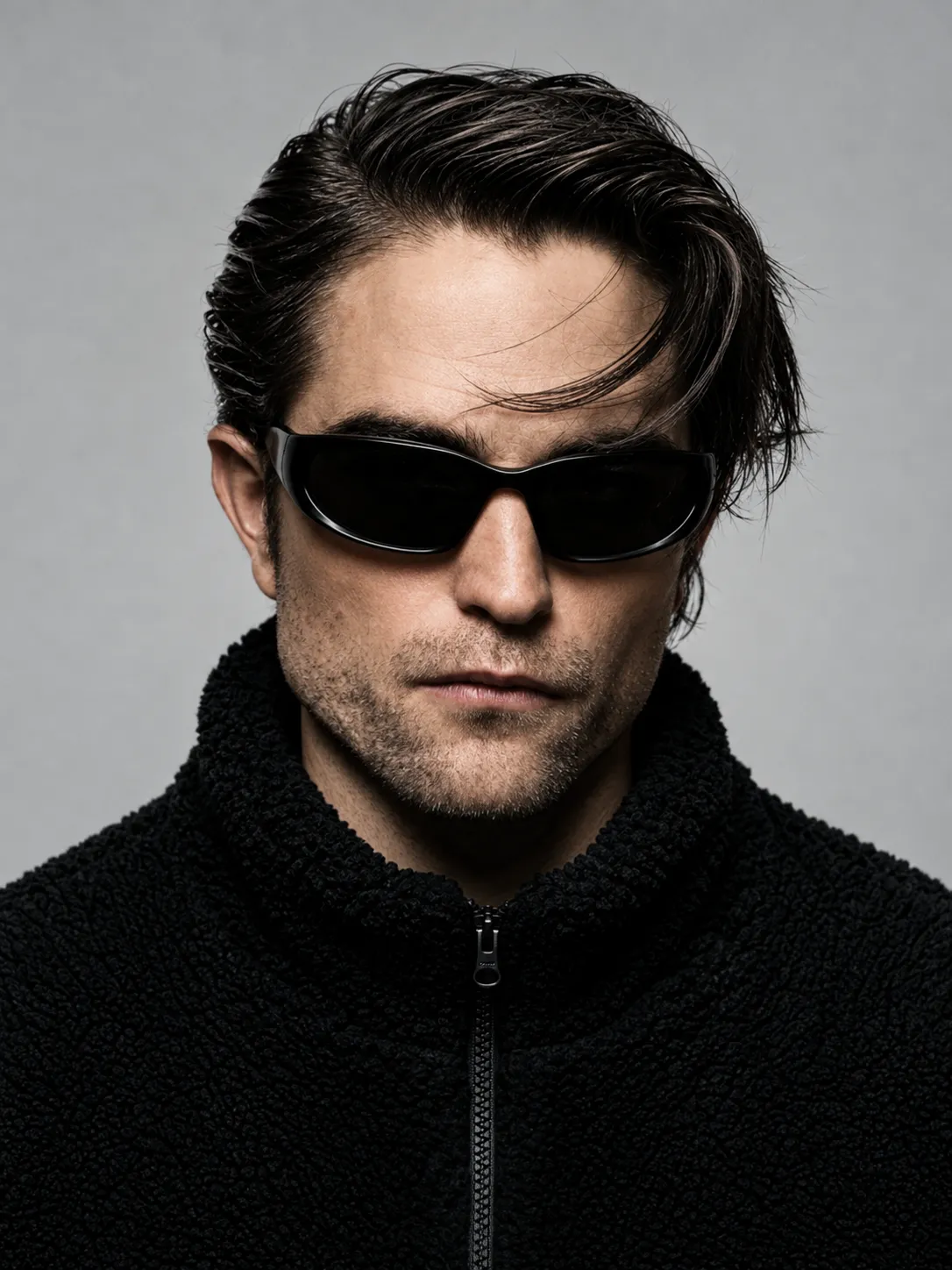
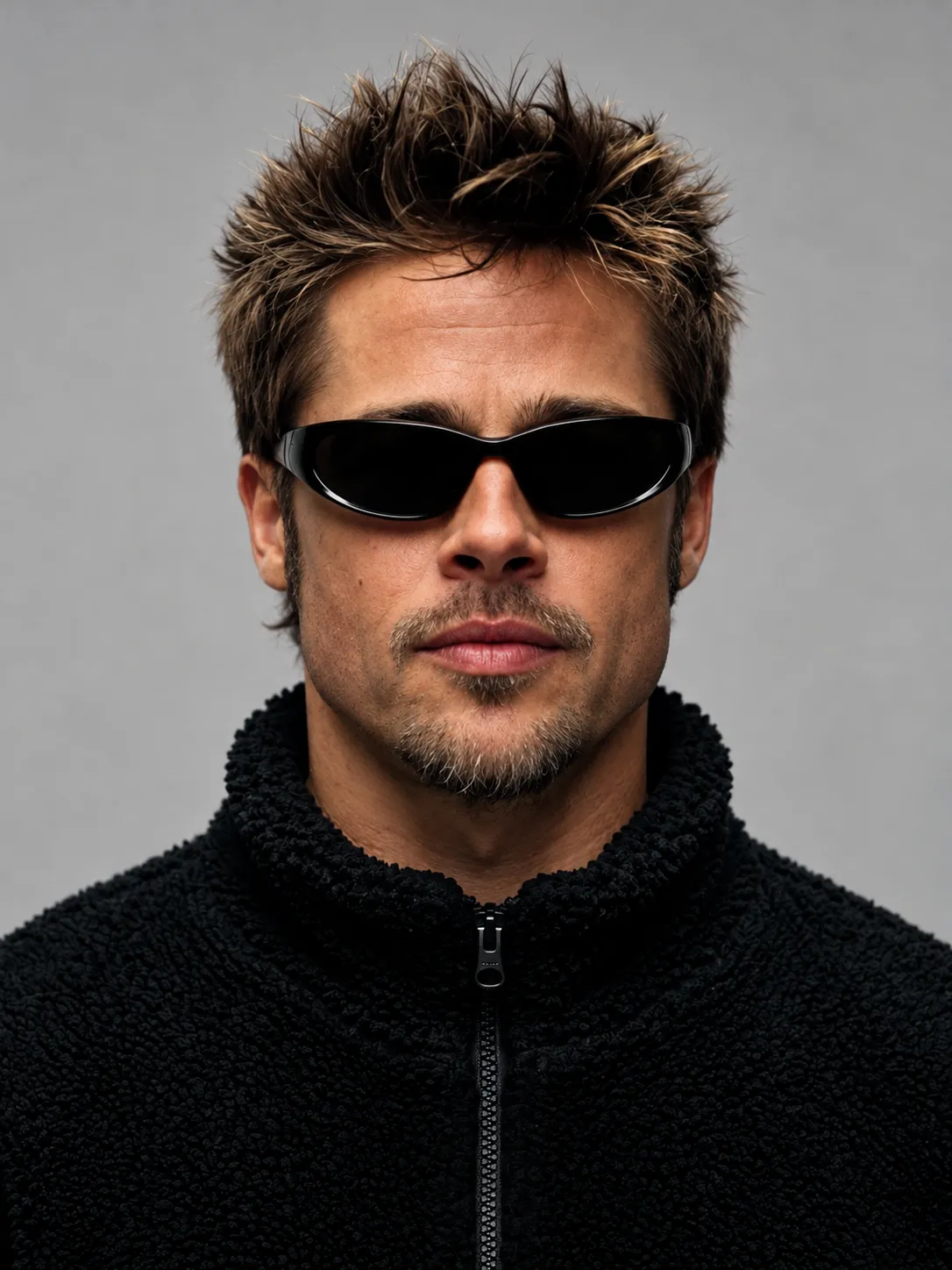
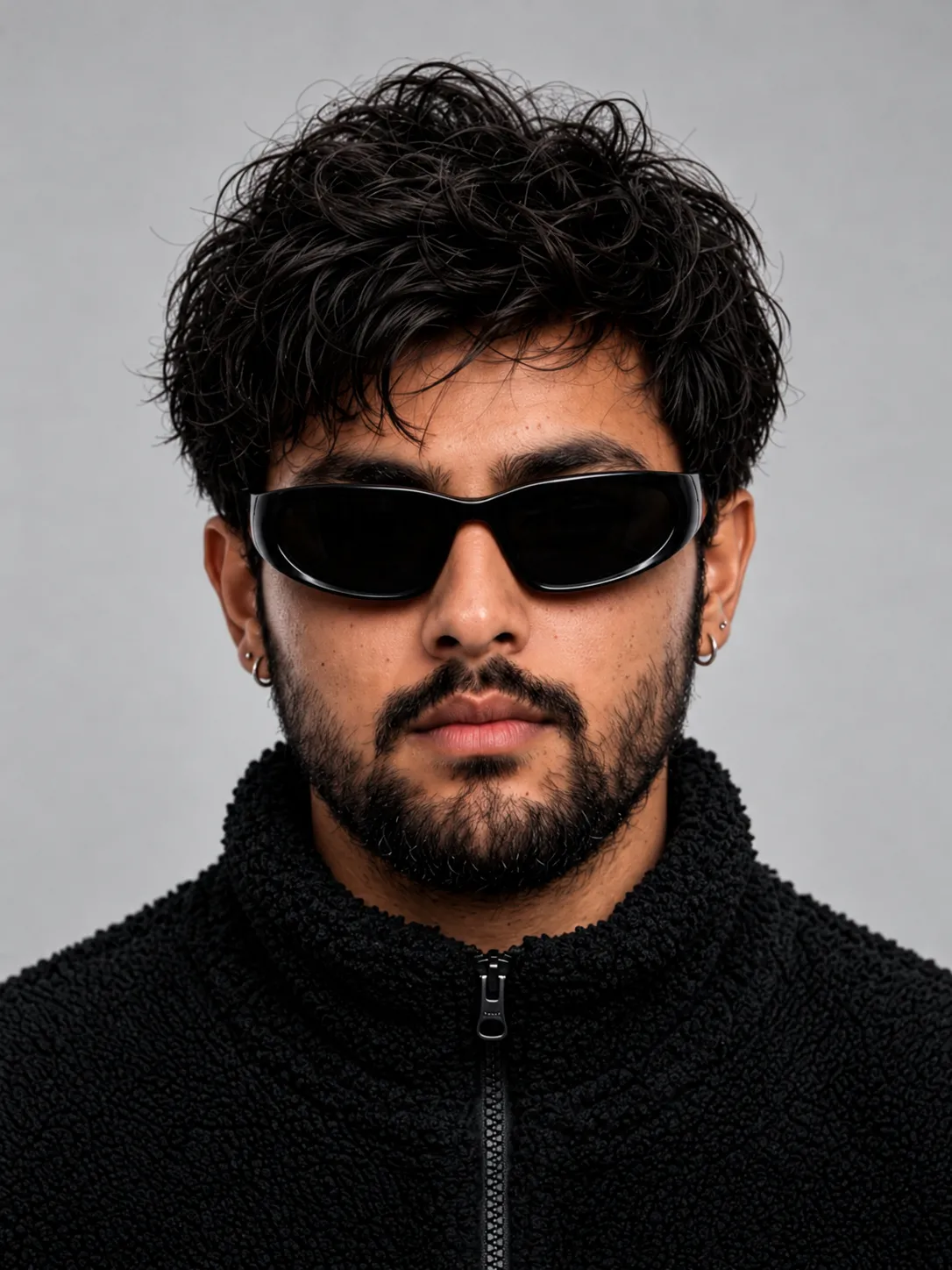
Premium Cinematic Studio Portrait
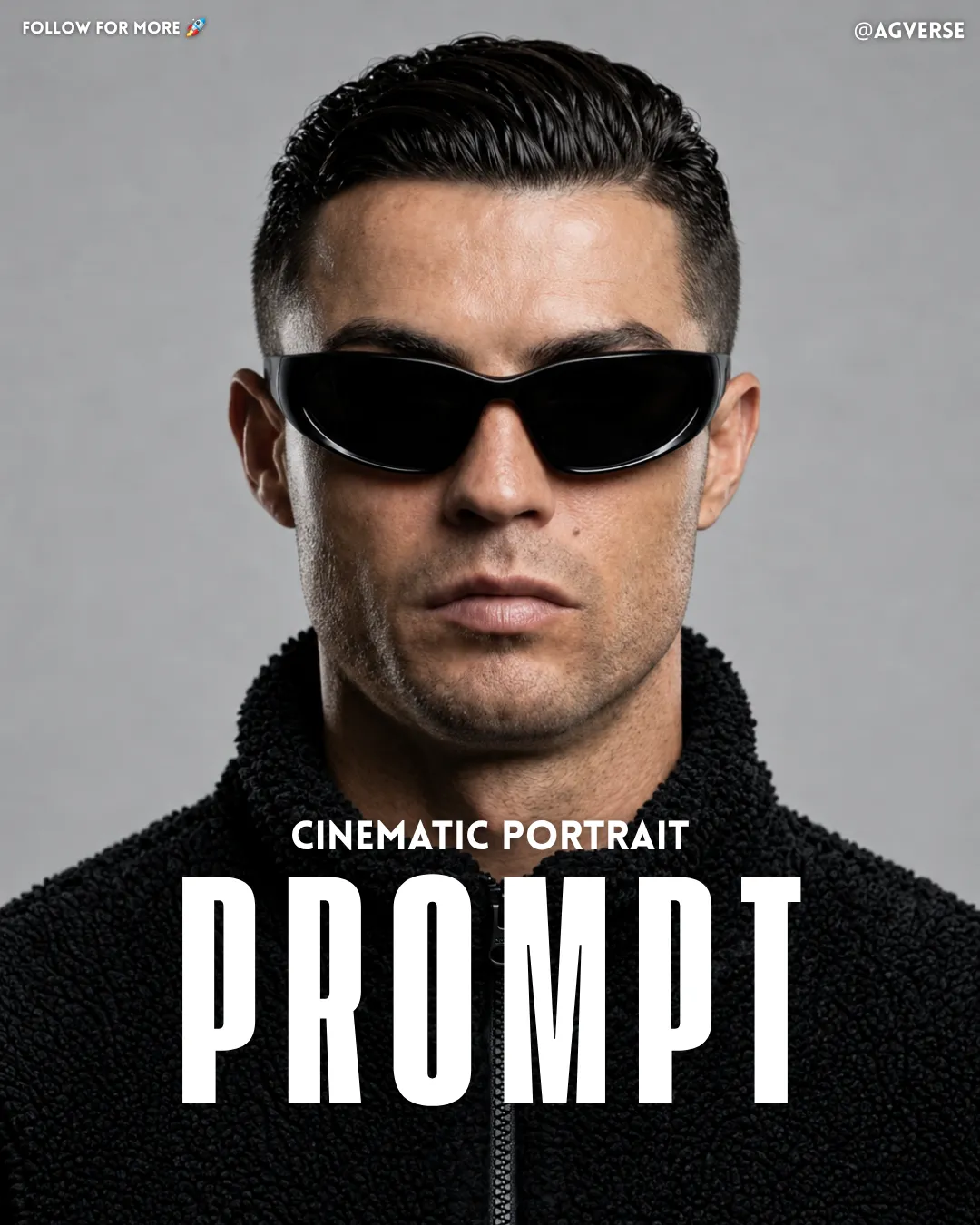
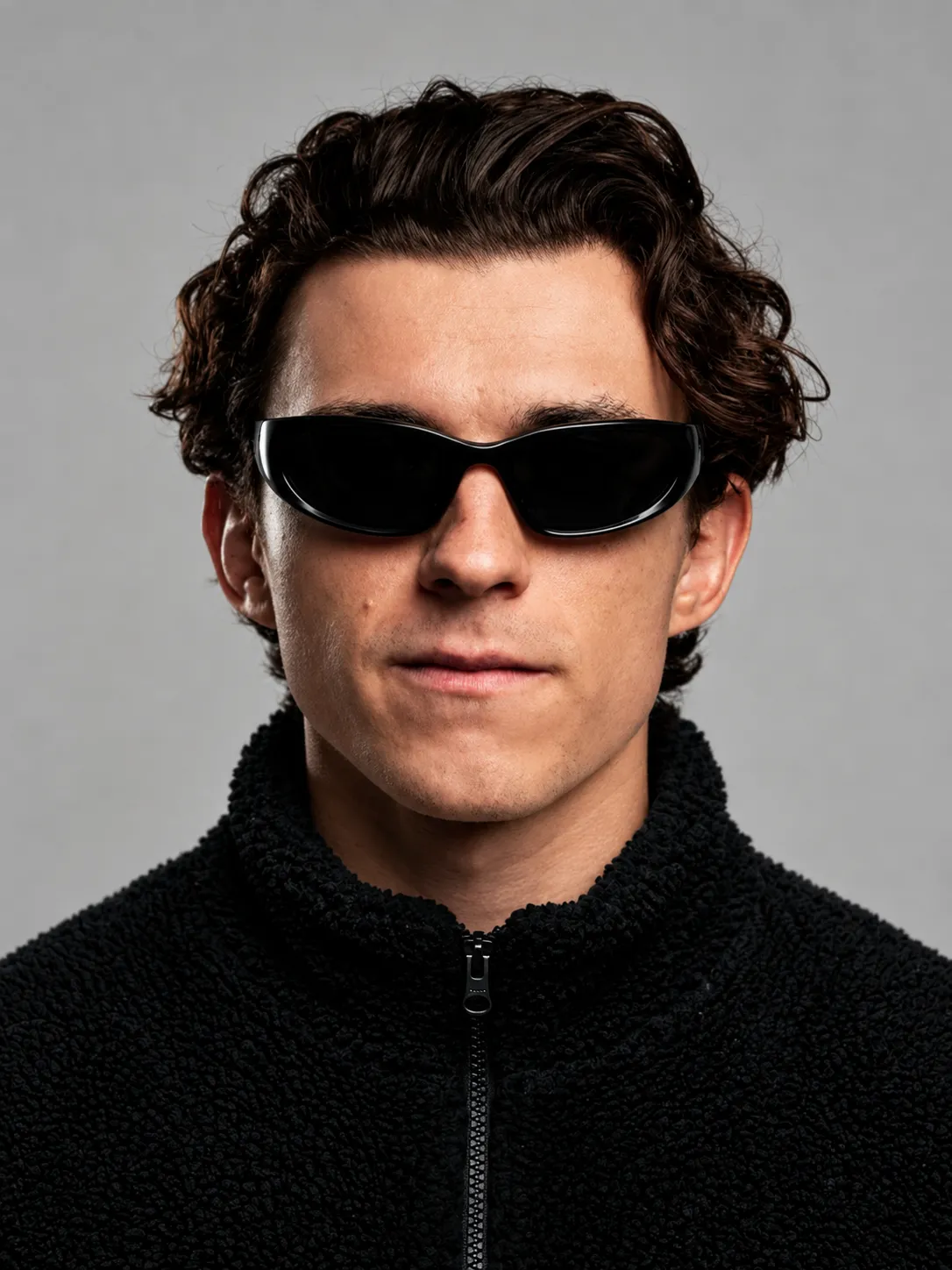
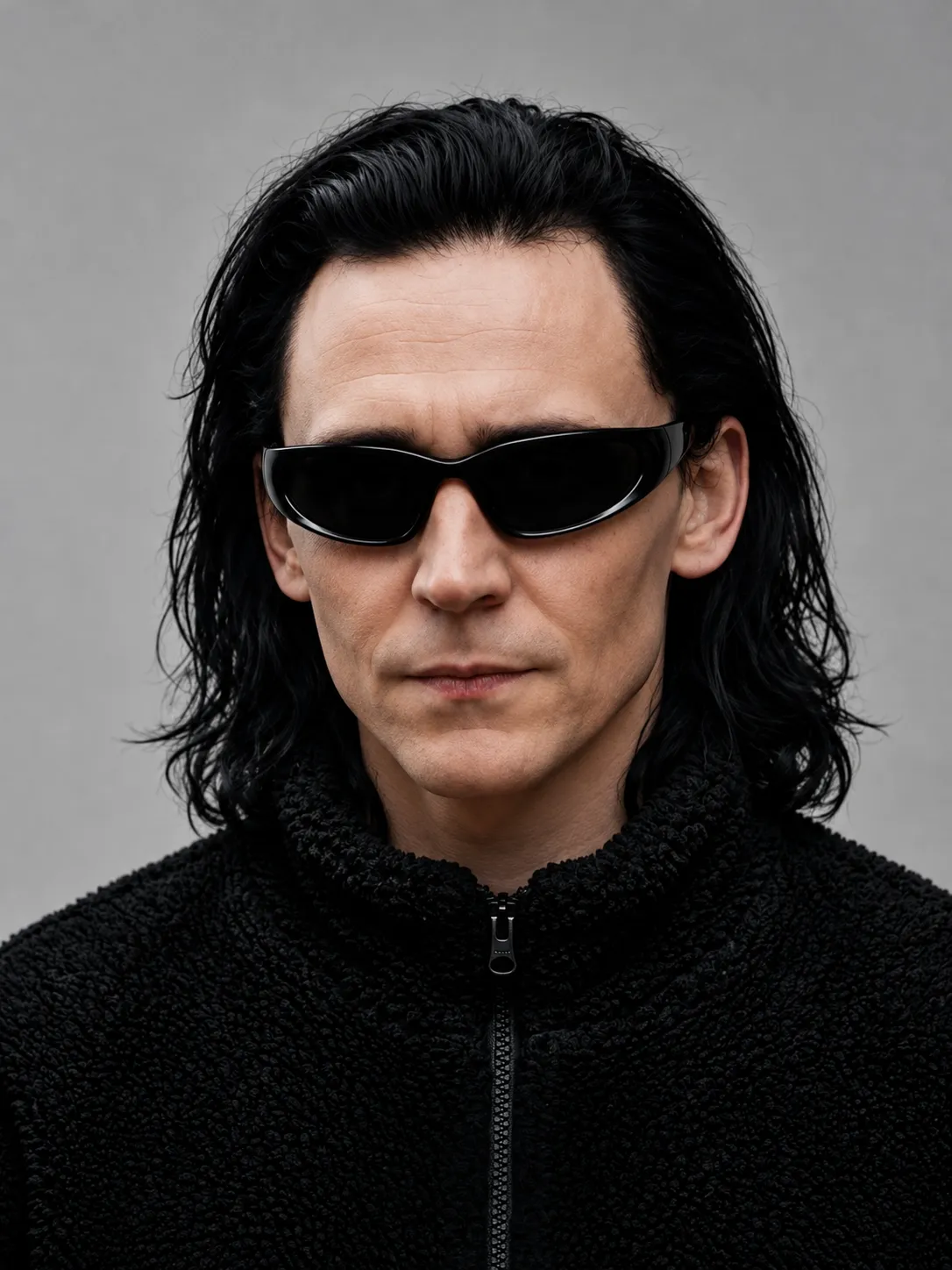
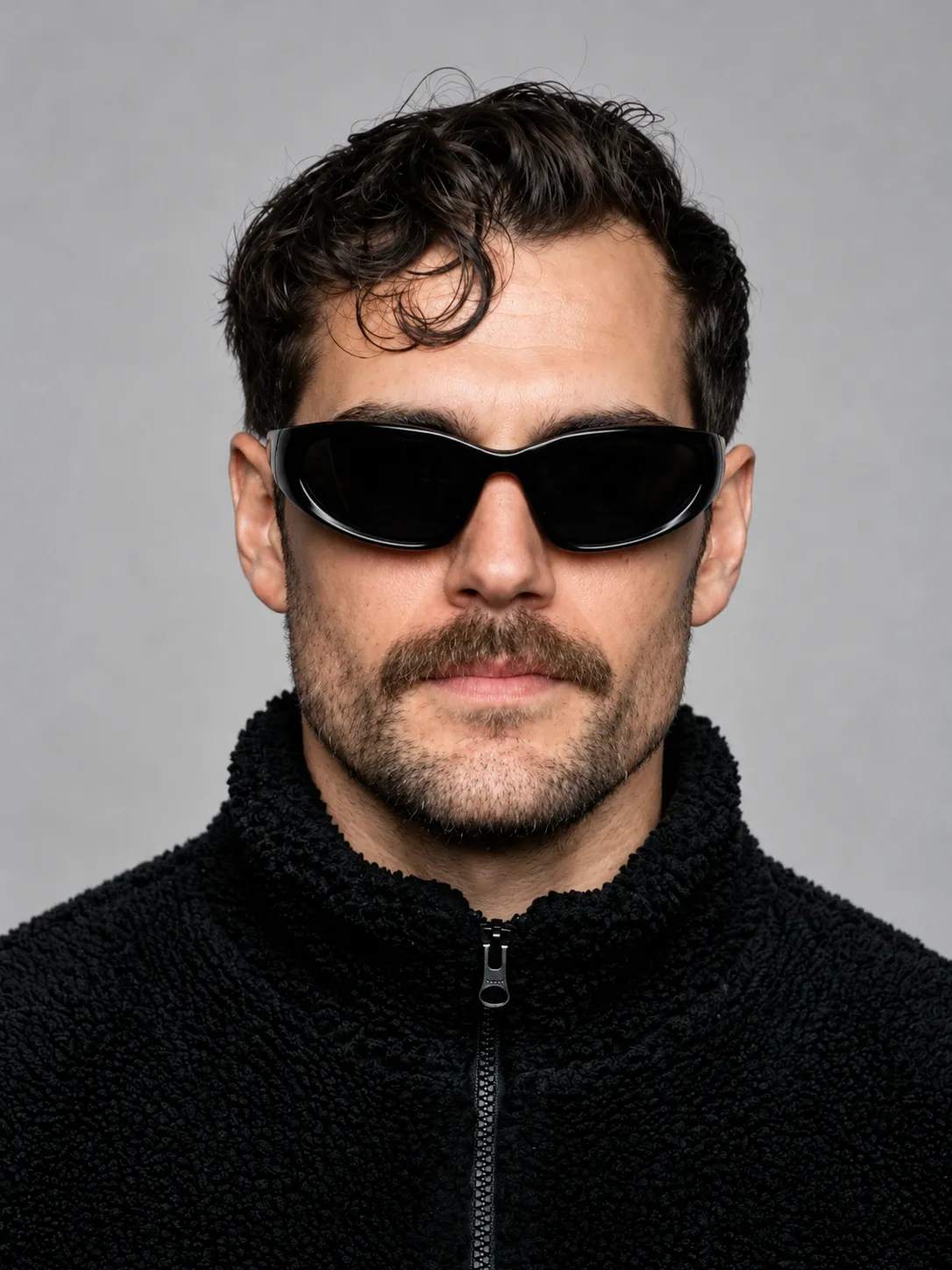
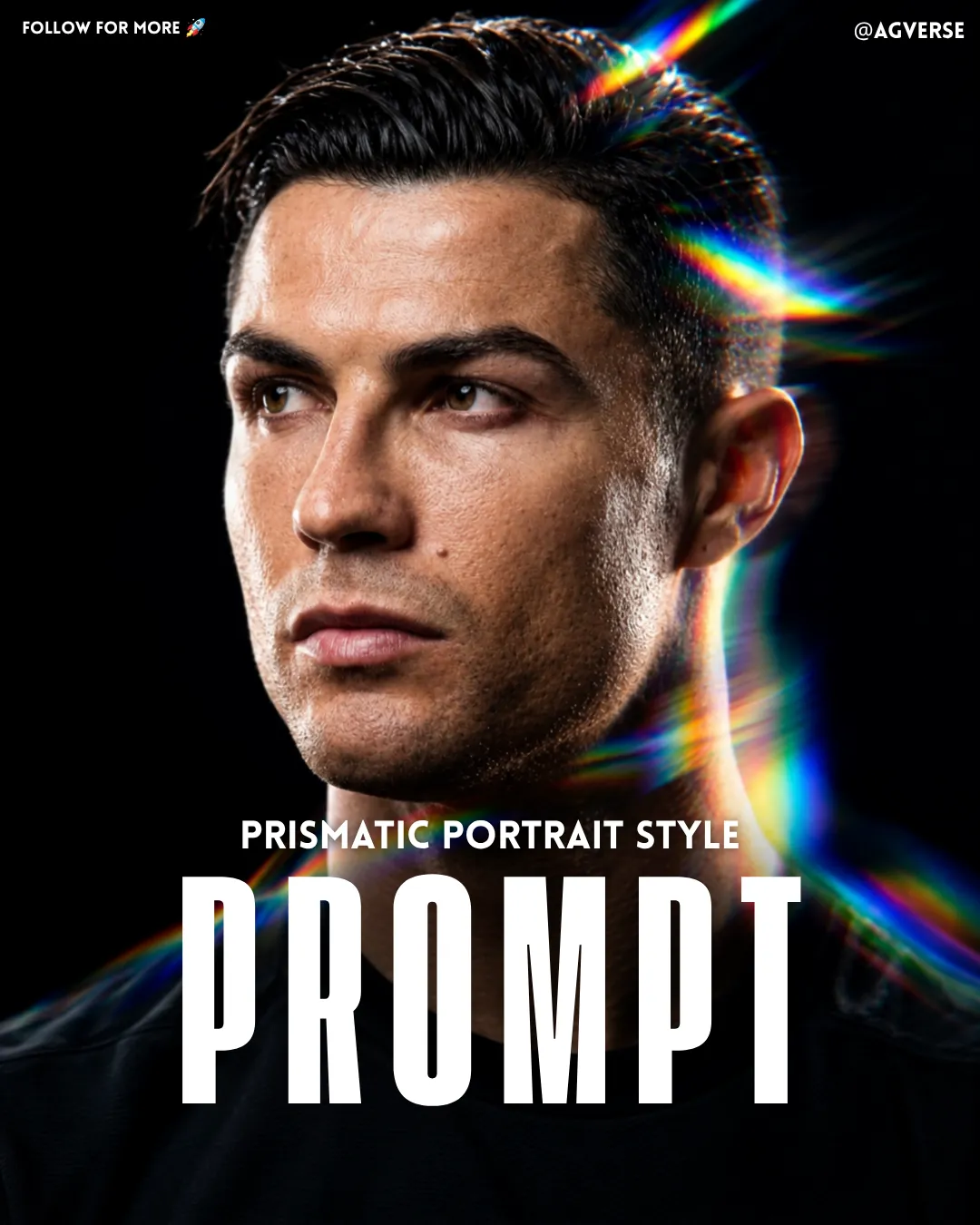
Create a photorealistic, centered studio fashion portrait that preserves the identity in a user-provided photo while using a separate reference image for styling and composition.
By Threads — Published on
Example images
Prompt template
- Format
- Text
- Inputs
- Identity_reference_photo (image) · Required Visual_styling_reference (image) · Required
- Outputs
- Studio_fashion_portrait (image)
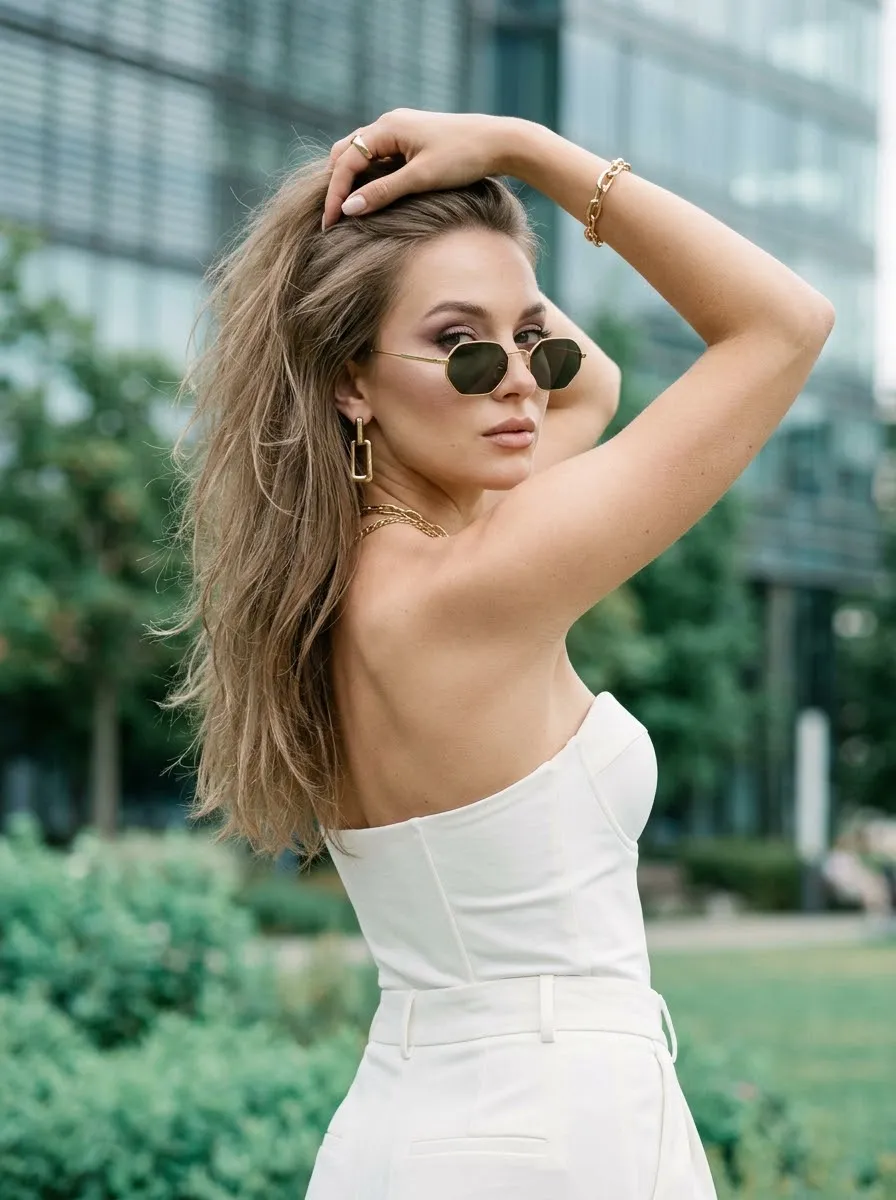
Create an ultra-realistic, premium editorial studio fashion portrait. Use the uploaded photo of the user as the primary facial identity reference and the supplied portrait as the visual reference for styling, composition, clothing, lighting, and background. Replace the reference subject's identity with the user's identity while retaining the reference's visual styling and framing. Prioritize faithful identity preservation over copying the reference subject's face.

Preserve the user's actual facial structure and proportions, including face shape, forehead, eyebrows, nose, lips, jawline, ears, skin tone, and natural asymmetries. Do not beautify, reshape, or artificially alter the user's face. Retain realistic skin pores, fine lines, subtle blemishes, and natural facial details so the result looks like the same real person shown in the identity reference.

Create a tight, centered, straight-on head-and-shoulders portrait, with the subject upright and facing directly forward. Use an eye-level camera angle and natural portrait perspective without wide-angle facial distortion. Place the head in the upper central portion of the vertical frame with comfortable space above the hair. Show the head, neck, shoulders, and upper chest; exclude the lower torso. Let the shoulders extend broadly toward both side edges. Use a vertical 3:4 aspect ratio and balanced, symmetrical composition.

Give the subject short, dense, dark hair, neatly swept back from the forehead, with visible individual strands, subtle natural volume, a clean tapered side profile, and a polished yet realistic finish. Adapt the hairstyle naturally to the user's hairline and facial proportions. Add oversized black futuristic wraparound sunglasses with a thick, glossy, sculpted frame and continuous curved silhouette. The lenses should be deep black and opaque, with only subtle studio highlights; fit them naturally across the bridge of the nose and temples.

Dress the subject in a premium black textured fleece zip-up jacket. The dense, curly sherpa- or bouclé-style pile fleece should show individual loops, realistic depth, accurate microtexture, natural folds, and fine stitching. Give the jacket a high, thick, softly structured stand collar framing the lower neck, a relaxed structured fit across the shoulders and upper torso, and a centered vertical black zipper with a realistic metallic or dark zipper pull. Keep the color deep neutral black with subtle tonal variation and detailed fabric texture.

Use a neutral light grey seamless studio background with clean negative space around the head and shoulders. The backdrop should have subtle natural tonal gradients, no visible objects, patterns, furniture, or scenery, and gentle tonal separation from the dark clothing. Use premium editorial studio lighting: a large, soft frontal key light slightly above eye level; gentle frontal fill that preserves facial detail and shadow depth; and subtle lateral highlights that reveal skin texture, hair strands, and jacket fibers. Keep shadows soft and controlled beneath the nose, lower lip, jawline, and collar. Add natural highlights to the forehead, cheekbones, nose, hair, sunglasses, and zipper.

The expression should be neutral, composed, calm, serious, and confident, with relaxed lips and a direct gaze toward the camera. Aim for a minimalist, sophisticated, contemporary luxury editorial mood. Use balanced exposure, detailed highlights, rich black tones, moderately high editorial contrast without crushed shadows, and neutral, realistic studio white balance. Keep saturation natural and restrained, with neutral light grey, deep matte black, natural skin tones, and subtle cool-neutral shadows. Use a professional full-frame portrait-photography look with an 85mm portrait-lens aesthetic, approximately f/5.6 depth of field, sharp focus on the face, sunglasses, hairline, and upper garment, and a smooth background that gently separates the subject. Render at high resolution with realistic skin pores, individual hair strands, fleece fibers, fine stitching, and accurate sunglass reflections. Apply subtle professional retouching and natural tonal transitions for a clean editorial finish. The result must be photographic realism, not illustration or 3D CGI, and must contain no text overlay, watermark, or branding.

Avoid: a different person from the identity reference; altered facial identity; an artificial face-swap appearance; over-smoothed, plastic, or waxy skin; excessive beauty retouching; unnatural facial symmetry; distorted facial anatomy; asymmetrical or malformed sunglasses; transparent sunglasses; an incorrect hairstyle or hairline; artificial-looking hair strands; incorrect jacket texture; a leather jacket; a suit or formal blazer; visible logos or text; a colored, busy, or scenic background; harsh flash; overexposure; crushed black clothing without texture; excessive sharpening; motion blur; low resolution; wide-angle distortion; cartoon, anime, illustration, or 3D-rendered styling; a watermark; extra facial features; deformed ears; or an unnatural neck or shoulders.

Workflow:
1. Upload a clear, high-resolution photo of yourself as the identity reference.
2. Use the supplied portrait as the visual reference for styling, composition, clothing, and lighting.
3. Prioritize preserving your facial identity over copying the reference subject's face.
4. Match the centered composition, grey backdrop, black wraparound sunglasses, slicked-back hairstyle direction, and textured black fleece jacket.
5. Render realistic skin and fabric details with natural studio lighting.
6. Maintain the vertical 3:4 portrait crop and premium photographic finish.





Comments — 0